
Review · TEA & CALLIGRAPHY WORKSHOPS
Silent Beauty of Kyoto Zen Walk and Tea Experience
Kyoto’s old Higashiyama district is best understood on foot, and this early walk links four very different sacred places before finishing with a Japanese tea ceremony. You’ll move from Yasaka Shrine’s lanterns to Kodaiji’s Zen garden, hear about the afterlife at Rokudo Chinno-ji, and end beneath the five-story Yasaka Pagoda.
I like the small group of up to eight, which gives a local English-speaking guide room to explain details and answer questions. I also like the balance between sightseeing and participation: the four temple and shrine visits give you context, while the one-hour tea ceremony lets you experience a living tradition rather than simply photograph it.
The main consideration is the early start and walking demand. You meet at 7:30 am, and the tour lasts about three hours on foot, with a moderate fitness level recommended. The schedule also gives each major stop only about 30 minutes, so this is a focused introduction, not a slow temple study.
Key points to know before booking
- Four Higashiyama landmarks in one morning: Visit Yasaka Shrine, Kodaiji Temple, Rokudo Chinno-ji Temple, and Hōkan-ji, better known as Yasaka Pagoda.
- A one-hour tea ceremony: Finish at Camellia Flower, where a tea master introduces the customs and preparation of Japanese tea.
- A guide-led cultural walk: Guide Yoshino, also identified as Taira Yoshino, is noted for clear English and detailed explanations of Japanese traditions.
- A maximum of eight people: The small group is a better fit for questions and conversation than a large coach tour.
- A 7:30 am start: The early timing suits people who want a quiet beginning in Higashiyama, but it may be difficult after a late evening.
- $78.57 per person: Admission to the listed stops and the tea ceremony are included, making the price easier to assess than a simple sightseeing walk.
Why this Higashiyama walk works
Higashiyama is one of Kyoto’s most atmospheric areas, with narrow stone streets, wooden buildings, shrines, temples, and some of the city’s most familiar views. It can also feel scattered if you visit alone. This tour gives the district a clear route and a human voice.
I like that the stops are not all variations on the same theme. Yasaka Shrine introduces one side of Kyoto’s religious life. Kodaiji brings you into Zen design and garden aesthetics. Rokudo Chinno-ji adds folklore and ideas about death. Yasaka Pagoda provides the major architectural image, while the tea ceremony shifts the focus from seeing to doing.
That variety matters. You are not simply checking off four photo stops. You are getting a short lesson in how sacred spaces, local legends, architecture, and formal hospitality fit into Kyoto’s identity.
The route is also more personal than a large bus outing. A maximum of eight people means you should have a better chance to hear the guide clearly and ask about details that catch your attention. Guide Yoshino is praised for well-spoken English and for explaining the importance of temples and shrines in Japanese culture. If Yoshino leads your departure, expect the cultural background to be a central part of the morning rather than an afterthought.
More Tea and Calligraphy Workshops in Japan
- Kyoto: Tea Ceremony Meditation – Make Matcha with Tea Master
★ 4.8 · 406 reviews - Kyoto Hidden Riverside Zen Mediation and Uji Matcha Experience
★ 5.0 · 9 reviews - Whisk Your Own Matcha: A Zen Matcha Experience at Temple
★ 3.6 · 7 reviews
Starting at Yasaka Shrine at 7:30 am
The tour begins at Yasaka Shrine, at 625 Gionmachi Kitagawa in Kyoto’s Higashiyama Ward. This shrine sits at the heart of the Gion district and is associated with roughly 1,300 years of religious and cultural tradition.
You can expect a striking opening scene: vermilion gates, glowing lanterns, and the feeling of a major shrine woven into one of Kyoto’s best-known historic quarters. Yasaka is closely linked with Kyoto’s traditional culture, so it is a useful first stop before the walk moves into the quieter temple settings.
About 30 minutes are assigned here, with admission included. That is enough for an introduction and some explanation, but not enough for a detailed examination of every building or custom. I would treat this as a foundation for the morning. Listen closely to the guide’s explanation, then use any free moments for photographs.
The 7:30 am start is important. It gives you a calmer beginning than a late-morning visit might offer, and the morning light can suit the shrine’s gates and lanterns. Still, you need to be ready at the meeting point on time. A late arrival could be difficult because the group then continues on foot.
Kodaiji’s Zen gardens and seasonal trees
Next comes Kodaiji Temple, built in 1606 and known for its elegant Zen setting. The gardens include raked gravel, quiet ponds, and maple and cherry trees whose appearance changes with the season.
This stop is likely to appeal most to you if you enjoy design, quiet spaces, and the way Japanese gardens guide your attention. Kodaiji is not just a place to admire a pond or a tree. Its garden arrangement encourages you to notice spacing, texture, reflection, and restraint.
The tour allows about 30 minutes here, and admission is included. That timing gives you a useful introduction, especially with a guide pointing out what you might otherwise walk past. But garden lovers who want to sit in silence for a long time may find the visit short.
I would pay attention to the seasonal promise without booking around a guaranteed color display. The description specifically notes maple and cherry trees, but no exact flowering or autumn dates are given. The garden’s design remains the main reason to visit, regardless of the calendar.
Rokudo Chinno-ji and Kyoto’s Gate to the Afterlife
Rokudo Chinno-ji Temple offers the most unusual subject of the four sightseeing stops. This small temple is known as the Gate to the Afterlife and is said to mark the boundary between the world of the living and the dead.
That story gives the walk a change of mood. Yasaka Shrine is tied to public tradition, and Kodaiji presents controlled beauty. Rokudo Chinno-ji brings in legend, belief, and the way Kyoto preserves old ideas about death and the next world.
The visit lasts about 30 minutes, with admission included. Its smaller scale is part of the appeal. You are not arriving at another grand complex for another sweeping view. Instead, you are hearing a local story connected to a particular place.
This is where the guide adds real value. Without context, a small temple can be easy to pass by. With an explanation of its reputation and place in Kyoto’s spiritual culture, it becomes one of the morning’s most memorable stops. I would ask questions here if you have them, since the subject reaches beyond architecture into folklore and religious practice.
More Tea and Calligraphy Workshops in Kyoto
- Kyoto: Nighttime Zen Meditation and Matcha Tea Experience
★ 5.0 · 7 reviews - Kyoto: Make Zen Garden and Taste Matcha in Pottery Shop
★ 5.0 · 5 reviews - Kyoto Tea ceremony with Japanese Flower Arrangement Ikebana
★ 5.0 · 3 reviews - Tea ceremony at Kyoto’s Zen Temple Teahouse
★ 5.0 · 2 reviews
Yasaka Pagoda, the classic Higashiyama view
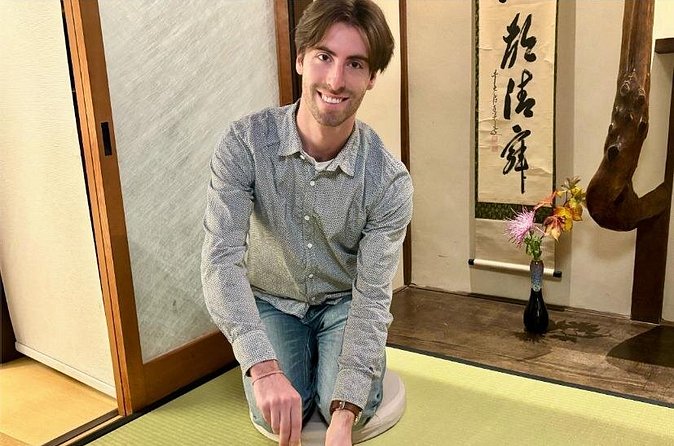
Hōkan-ji Temple is better known as Yasaka Pagoda, a five-story landmark rising above Higashiyama’s traditional streets. It is one of Kyoto’s most photographed sights, and you will likely recognize the view even if this is your first visit.
The pagoda gives the tour its clearest visual payoff. After moving through a shrine, a garden, and a temple tied to afterlife legends, you arrive at one of the city’s signature architectural images. The traditional streets around it help explain why this area remains so popular.
Again, the planned time is about 30 minutes. That is enough to stand beneath the pagoda, take photographs, and hear the guide explain its place in the district. It is not a long architectural inspection, and the experience does not promise extended interior access.
You should also expect walking through narrow stone streets rather than traveling by coach between sights. That is a strength if you want to see the character of Higashiyama at street level. It also means comfortable footwear matters, especially because the final tea ceremony comes after the walking portion.
The one-hour tea ceremony at Camellia Flower
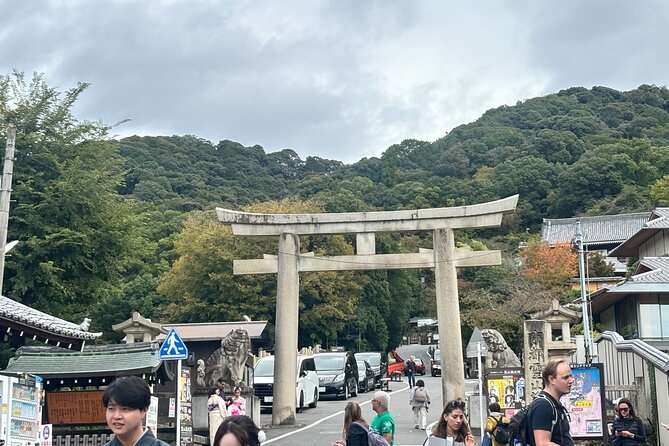
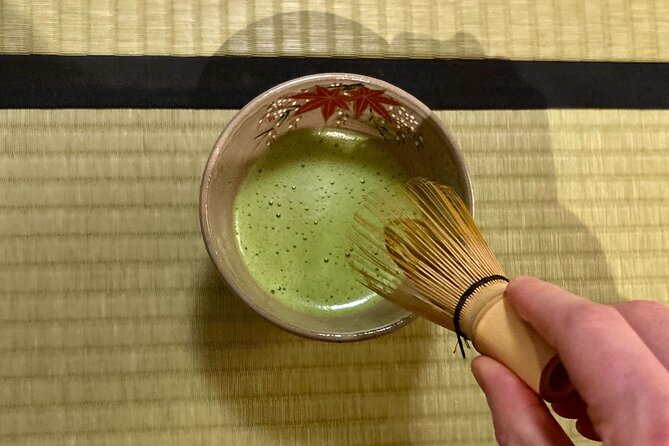
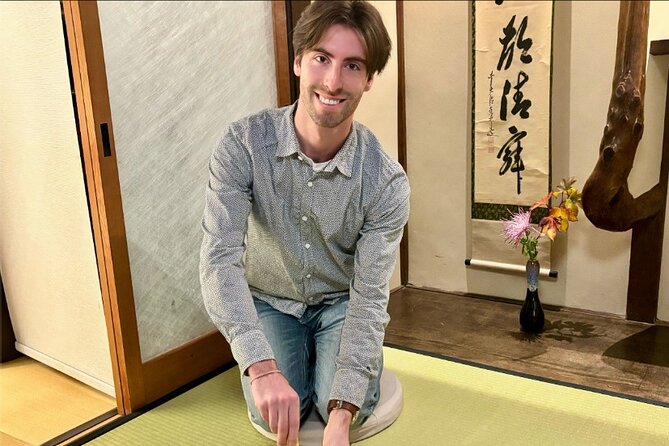
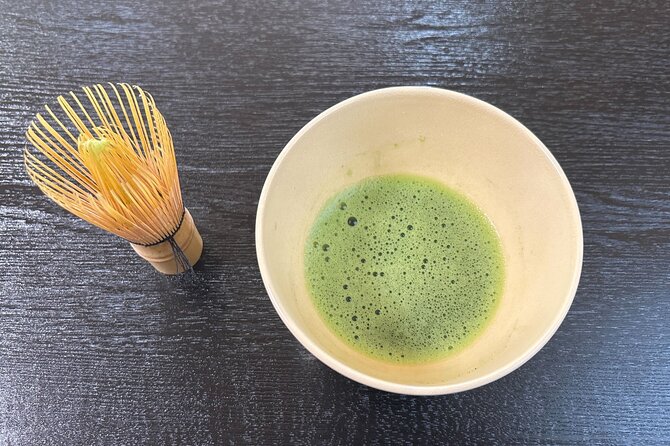
The final hour shifts from temples and streets to Japanese tea culture at Camellia Flower, a tea house in the historic Higashiyama area. The session is led by an expert tea master, who introduces the art of preparing tea.
This is more than a snack break. The ceremony gives the morning a practical finish. You have spent the earlier hours looking at places where tradition is expressed through gates, gardens, legends, and architecture. Here, you experience tradition through movement, timing, attention, and hospitality.
The tea ceremony is included in the admission price, and the tour ends after this session at Tea Ceremony Chayu, listed at 4-chōme-172-7 Kiyomizu in Higashiyama. The end point is not the same as the starting shrine, so plan your day with that in mind. The tour does not return you to Yasaka Shrine.
You should not expect a long, open-ended tea workshop based on the information provided. The scheduled session is one hour and is guided by a tea master. That makes it a good first encounter for someone who wants a structured introduction, while a specialist looking for extensive hands-on study may want a longer dedicated class.
What $78.57 includes and whether it feels fair
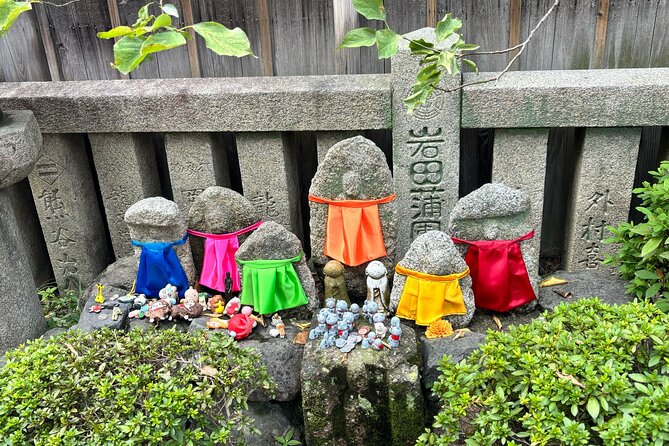
At $78.57 per person, this is priced above a basic guided neighborhood walk. The value comes from the combination of four admission-included cultural sites, an English-speaking guide, and a full one-hour tea ceremony.
You are paying for more than transportation between sights, though no transportation is listed. The route is a walking experience, and the guide’s explanations are a central part of what you receive. The maximum group size of eight also helps justify the price compared with a large group tour where personal questions can be harder.
The cost makes the most sense if you want structure. You could visit Yasaka Shrine and Yasaka Pagoda independently, but you would need to arrange your own route, research Kodaiji and Rokudo Chinno-ji, and book a separate tea experience. This tour joins those pieces in one morning.
The value is less obvious if you already know Kyoto’s temples well or mainly want free time for photography. The 30-minute visits keep the route moving, and the tea ceremony sets the pace for the final hour. You are buying an organized cultural overview, not unlimited time at each site.
Who will get the most from this tour
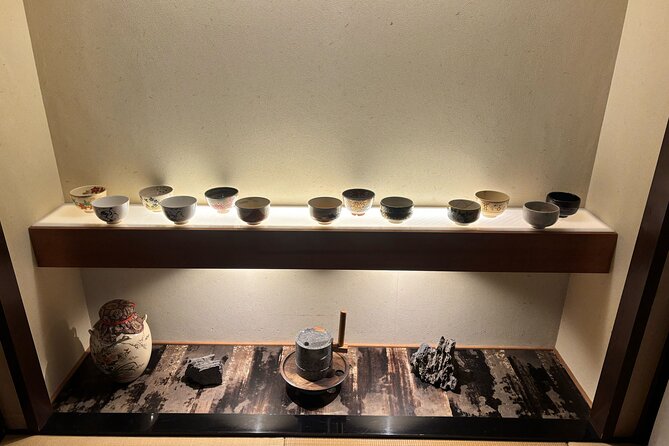
I would recommend this experience for a first visit to Kyoto, especially if you want help understanding what you are seeing. The guide’s role is important here. The sights are attractive on their own, but their religious and cultural meaning is what makes the morning worthwhile.
It also suits you if you prefer a small group. A limit of eight people is much more manageable than a large coach party, particularly in narrow Higashiyama streets. You can expect a more conversational setting, though the exact group size may be smaller than the maximum.
The tour is a good match for anyone curious about Japanese tea culture but unsure about booking a full standalone ceremony. The one-hour session gives you a clear introduction after the walking tour, without requiring a separate day.
I would be more cautious if you have limited mobility or dislike walking. The activity calls for a moderate physical fitness level, and its route runs through historic streets and temple areas. The information provided does not give a detailed accessibility assessment, so you should confirm specific needs before booking.
Families and older people should also consider the early meeting time and three-hour schedule. The tour is not described as family-specific, and there is no information about child pricing or special accommodations. The best fit is someone comfortable keeping to a morning route.
Practical details that affect your morning
Your mobile ticket is confirmed at booking, so you can keep the admission details on your phone. The meeting point is Yasaka Shrine, 625 Gionmachi Kitagawa, Higashiyama Ward, Kyoto, 605-0073, Japan.
The tour starts at 7:30 am and lasts about three hours. The listed sequence is Yasaka Shrine, Kodaiji Temple, Rokudo Chinno-ji Temple, Hōkan-ji, and the tea ceremony. Each sightseeing stop is planned for about 30 minutes, followed by one hour for tea.
Admission is included at each stop, including the tea ceremony. No hotel pickup or transport service is listed, so you should make your own way to Yasaka Shrine and arrange your onward plans from the tea ceremony endpoint.
Free cancellation is available if you cancel at least 24 hours before the local start time. Changes or cancellations made less than 24 hours before the start are not accepted for a refund.
Should you book this Kyoto Zen walk?
Book it if you want a compact, well-shaped introduction to Higashiyama that combines famous sights with less familiar cultural material. The strongest reasons are the small group, the English explanations, the afterlife story at Rokudo Chinno-ji, and the tea ceremony that gives the morning a real sense of purpose.
Skip it if you want a slow, independent temple day or if a 7:30 am start feels unrealistic. You will have only about 30 minutes at each major site, and the route requires moderate physical fitness.
For most first-time visitors who want more than photographs, I think the mix is well judged. Yasaka Pagoda supplies the iconic view, Kodaiji supplies garden calm, Rokudo Chinno-ji supplies the unexpected story, and the tea ceremony lets you take part in Kyoto’s living traditions.
FAQ
Where does the tour begin?
The tour begins at Yasaka Shrine, 625 Gionmachi Kitagawa, Higashiyama Ward, Kyoto, 605-0073, Japan.
What time does the tour start?
The start time is 7:30 am.
How long does the experience last?
The experience lasts approximately three hours.
What places are visited?
The tour visits Yasaka Shrine, Kodaiji Temple, Rokudo Chinno-ji Temple, and Hōkan-ji Temple, also known as Yasaka Pagoda. It also includes a tea ceremony at Camellia Flower.
Is the tea ceremony included?
Yes. The one-hour tea ceremony is included in the experience.
Where does the tour end?
The tour ends after the tea ceremony at Tea Ceremony Chayu, 4-chōme-172-7 Kiyomizu, Higashiyama Ward, Kyoto, 605-0862, Japan.
How many people can join the tour?
The maximum group size is eight people.
Is the tour suitable for all fitness levels?
A moderate physical fitness level is recommended. The provided information does not give a more detailed accessibility assessment.
Can I cancel for a full refund?
Yes, if you cancel at least 24 hours before the experience start time. Cancellations or changes made less than 24 hours before the start are not accepted for a refund.
More Walking Tours in Kyoto
- Kyoto Tea Ceremony & Kiyomizu-dera Temple Walking Tour
★ 5.0 · 115 reviews - The Way of Tea: Kyoto Crafts, Hidden Temples & Wabi-Sabi Walk
★ 5.0 · 41 reviews - Matcha Grinding Experience and Walking Tour in Uji Kyoto
★ 5.0 · 26 reviews - Kyoto Gion Tea ceremony & Wabi-sabi Walking Tour
★ 4.5 · 7 reviews
Fresh tea listings around Kyoto
- Traditional Tea Ceremony in Kyoto★ 4.5 · 3 reviews
- Kyoto: Authentic Tea Ceremony in a Small Group★ 5.0 · 7 reviews
- Uji Walking Tour – Byodo-in temple and Tea Ceremony from Kyoto★ 3.5 · 3 reviews
- Tea Ceremony Experience in Traditional Kyoto Townhouse★ 5.0 · 19 reviews
- Tea Ceremony in 150 Years Old Townhouse with Tables and Chairs★ 5.0 · 22 reviews
- Tea ceremony at Kyoto’s Zen Temple Teahouse★ 5.0 · 2 reviews
- Sencha-do the Japanese Tea Ceremony Workshop in Kyoto★ 5.0 · 21 reviews
- KYOTO: Private Tea Ceremony in Hidden Townhouse (Kid-Friendly)★ 5.0 · 20 reviews
Tea & Calligraphy Workshops, compared.
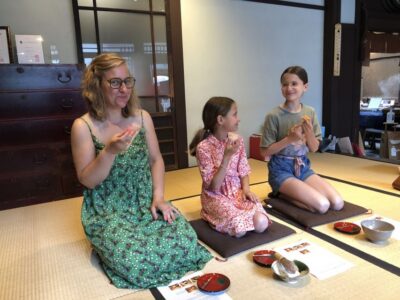
Kyoto: Tea Ceremony Meditation – Make Matcha with Tea Master
Read our review →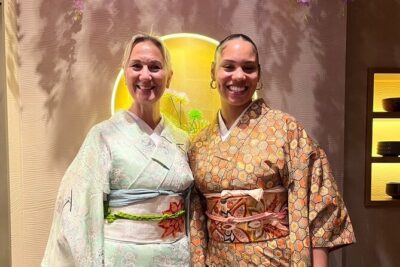
Osaka: Tea Ceremony, Calligraphy, and Kimono Experience
Read our review →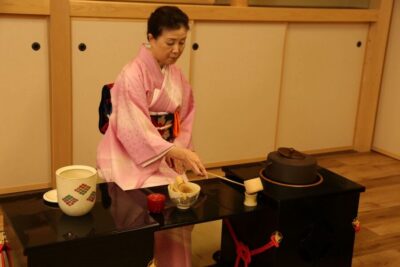
Tokyo: Practicing Zen with a Japanese Tea Ceremony
Read our review →
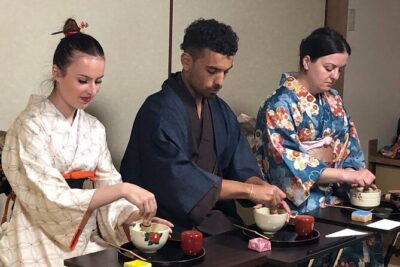
An Amazing set of Cultural experience: Kimono, Tea Ceremony and Calligraphy
Read our review →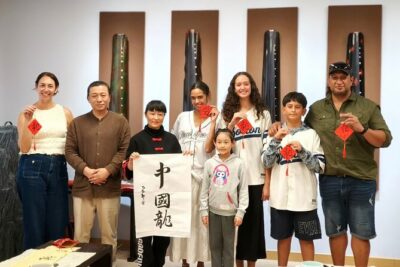
Beijing Culture: Tea Ceremony, Heritage Instrument & Calligraphy
Read our review →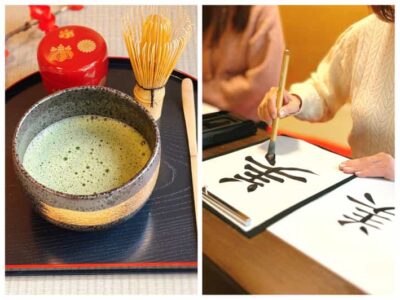
Osaka: Private Tea Ceremony and Calligraphy Experience
Read our review →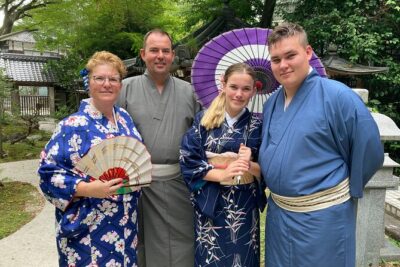
Cultural Activities :Kimono, tea ceremony, Calligraphy and Amulet
Read our review →Browse the lists this tour appears in