
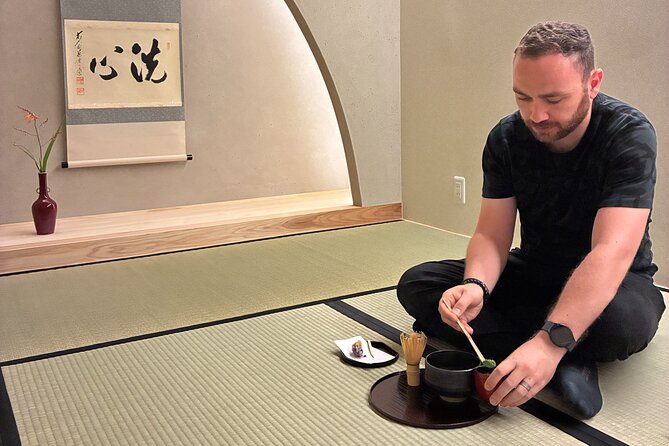
Review · TEA CEREMONY EXPERIENCES
Kyoto Newly Opened Private Tea Ceremony – Sanjo Chasuian
The most appealing part of this Kyoto experience is that you do not just watch a tea ceremony from the sidelines. You choose a bowl, observe the host, then whisk your own matcha. I like the private room, which gives families and small groups space to follow the ceremony at their own pace, and the chance to enjoy two bowls of matcha rather than a quick ceremonial sample.
I also like the setting near Karasuma Oike, only a five-minute walk from the subway. The main caution is strict timing: the door is locked when the session begins, and even one minute late means you cannot join or receive a refund. At $137.44 per person for about an hour, this is a special-interest experience rather than a budget stop.
Key Points at a Glance
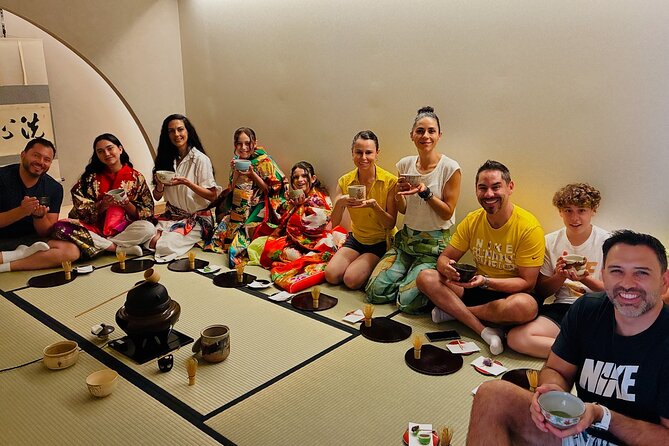
- A private tea room in central Kyoto: Only your group takes part, with no unrelated participants sharing the session.
- You whisk your own matcha: One bowl is made by the host, and the second is prepared by you or a companion.
- English guidance throughout: Explanations cover the ceremony, its movements, and the meaning of the setting.
- A traditional nijiriguchi entrance: You enter through the low crawl-in doorway used in tea-room design to mark a change from ordinary life.
- Seasonal sweets from a historic Kyoto shop: The confectionery comes from a Kyoto sweet maker with more than 100 years of experience.
- Easy subway access, strict start time: Sanjo Chasuian is about five minutes from Karasuma Oike Station, but late entry is not allowed.
A One-Hour Introduction to Kyoto Tea Culture
A Japanese tea ceremony is not simply a method for preparing powdered tea. The utensils, gestures, room, sweets, and quiet pauses all have a role. At Sanjo Chasuian, the English explanations help you understand why the host moves carefully and why such a short serving can feel deliberate.
You can expect the session to last about one hour. That is enough time to see the ceremony, learn the basic meaning behind it, taste two bowls of matcha, and try the preparation yourself without giving up half a day of sightseeing.
I think the one-hour format suits Kyoto well. You can fit it between other plans in central Kyoto, though you should not treat it as a casual drop-in activity. The appointment needs your full attention from the start.
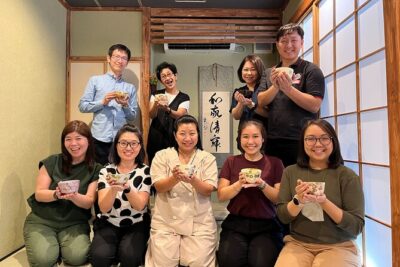
The private plan changes the feel of the experience. In a shared setting, you may be watching other people as much as the ceremony. Here, your group has the room to itself, so you can ask questions, take your time with the instructions, and share the experience with family or friends without strangers at the same table.
That privacy is especially useful for children who are old enough to sit quietly and take part. Families with children under five must book the private plan, as must anyone who needs an interpreter. Booking the wrong plan can mean no participation and no refund, so check that detail before paying.
More Private Tea Experiences in Japan
- Private Tea Ceremony and Sake Tasting in Kyoto Samurai House
★ 5.0 · 163 reviews - Kyoto: Private Tea Ceremony with a Garden View
★ 4.9 · 61 reviews - Kyoto Private Tea Ceremony with Tea Master at Home
★ 5.0 · 58 reviews
Entering Through the Nijiriguchi
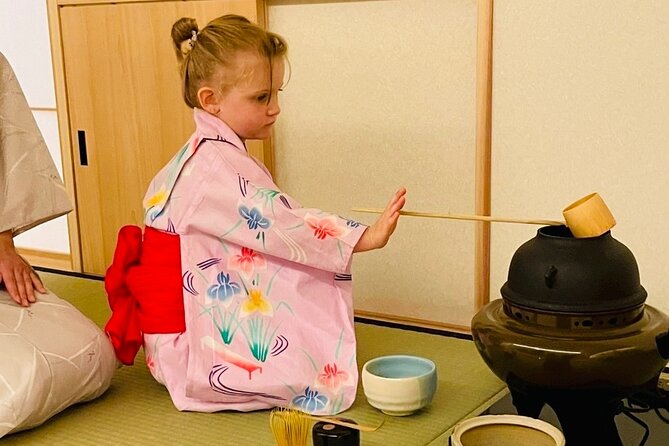
One of the most distinctive features is the nijiriguchi, the small crawl-in entrance built into the tea room. You do not enter through an ordinary full-height doorway. Instead, the low opening asks you to bend down as you step inside.
The physical act has a clear purpose. It separates the tea room from the street and encourages every person to enter with a quieter, more respectful frame of mind. The entrance is also a reminder that the tea room is not meant to feel like a standard restaurant or sightseeing hall.
I appreciate details like this because they give the ceremony a sense of place. You are not merely sitting in a room while someone serves green tea. The room itself helps explain the custom.
The nijiriguchi may be awkward for some people, especially anyone who finds crouching or kneeling difficult. The information provided does not give specific accessibility details, so contact the provider before booking if this matters to you. Bring or wear socks, as requested, and remember that footwear and clothing can affect your comfort in a traditional tea setting.
Watching the Host Prepare the First Bowl
The first bowl of matcha is made by the host. This is your chance to watch the movements before you try them yourself.
The ceremony places value on small actions: handling the bowl, using the whisk, and presenting the tea. English guidance explains the cultural meaning behind these steps, so you are not left guessing why the host pauses or repeats a particular motion.
The first serving works like a demonstration, but it is more than a lesson in technique. It lets you see the calm rhythm of the ceremony before your turn begins. You can focus on the room, the utensils, and the host’s movements without worrying about getting anything right.
The included sweet is served as part of the tea experience. It comes from a Kyoto confectionery shop with more than a century of history, and the sweets change with the season. Traditional Japanese confectionery often pays attention to shape and color as well as taste, so this part adds a small visual detail to the bowl of tea.
The sweet also has a practical role. Matcha can taste strong and slightly bitter, and the confectionery provides a pleasant balance. It turns the tasting into a proper sequence rather than simply handing you a cup of green tea.
Choosing a Bowl and Whisking Your Own Matcha
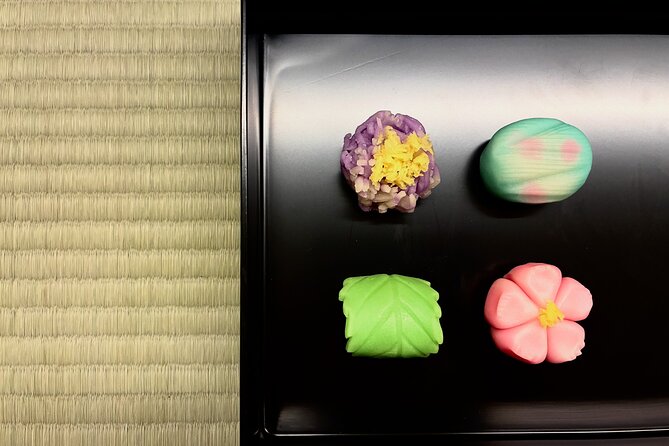
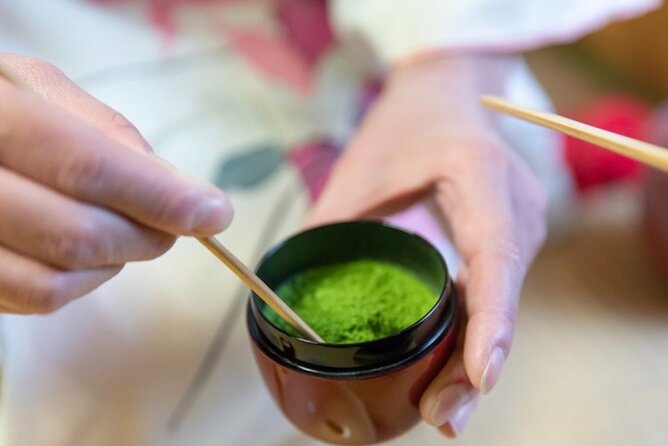
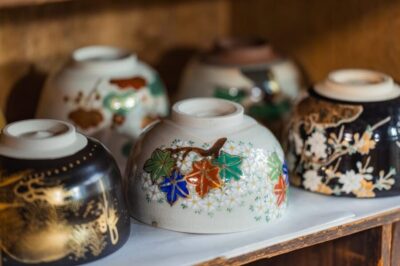
The hands-on part is where this experience becomes more useful than a simple demonstration. You choose a tea bowl, then prepare the second bowl of matcha yourself or with a companion.
You will be shown how to use the whisk and can follow the host’s movements. The aim is not to produce a perfect bowl on your first attempt. The point is to understand the process by doing it, including the feel of the whisk and the effort needed to create the tea’s fine foam.
I like this format because the activity remains accessible to beginners. You do not need prior knowledge of tea ceremony customs, and the English explanations mean you can follow the purpose of each step. At the same time, the ritual does not get reduced to a fast craft demonstration.
The private setting makes mistakes less uncomfortable. You can concentrate on the bowl instead of worrying about holding up a large group. If you are visiting with a partner, child, or friend, preparing the second serving together gives you a shared task without turning the ceremony into a noisy workshop.
The two bowls also offer a useful comparison. The first shows the host’s preparation, while the second lets you notice what changes when you control the whisk. That small contrast can make the ceremony’s care and precision easier to understand.
More Tea Ceremonies in Kyoto
- Kyoto: Tea Ceremony in a Traditional Tea House in Kiyomizu
★ 4.9 · 3,519 reviews - Kyoto: Tea Ceremony Ju-An at Jotokuji Temple
★ 4.9 · 3,207 reviews - Kyoto: 45-Minute Tea Ceremony Lesson Experience
★ 4.3 · 2,378 reviews - Kyoto: Table-Style Tea Ceremony at a Kyo-Machiya
★ 4.9 · 1,211 reviews
Why the Private Format Matters
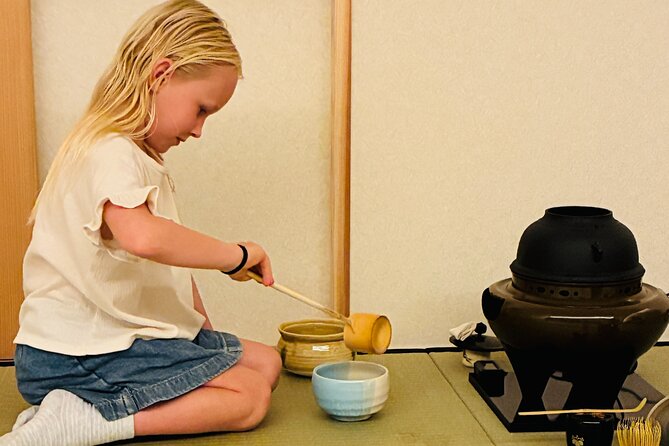
The private plan is the main reason to consider this experience over a cheaper shared activity. Your group receives the room for the session, and no other participants take part.
This is valuable for families, couples, and small groups who prefer a quiet introduction to Japanese customs. It also helps if someone in your party needs more explanation or if you want to ask questions during the ceremony.
The description points to a serene and quiet atmosphere. That means this is not the right choice if you want a lively cultural show or a loose, social tasting. You should be ready to sit quietly, listen, and follow the rhythm of the room.
Families are welcome, but the format still calls for calm behavior. Children under five require a private booking, and that rule is tied to preserving the room’s quiet mood. If you are bringing young children, think honestly about whether they can manage an hour in a silent setting.
The private format also comes with a price. At $137.44 per person, the cost is high for a one-hour activity, especially when compared with a simple cup of matcha at a café. You are paying for exclusive use of the room, English instruction, a structured cultural lesson, two servings of tea, seasonal sweets, and the time of the host.
I see the price as reasonable for people who specifically want a private tea ceremony and not merely a taste of matcha. It is less convincing for a solo visitor on a tight budget, unless the private format and English teaching are central to your Kyoto plans. Group discounts may improve the value, so check the current rate for your party before booking.
Getting There from Karasuma Oike
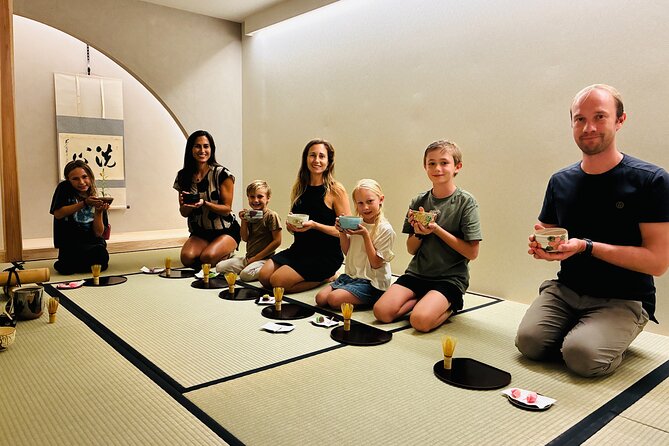
Sanjo Chasuian is at 324-2 Sanjocho in Nakagyo Ward, central Kyoto. The venue is about a five-minute walk from Karasuma Oike Station, giving you a simple route by subway.
That location makes the activity easy to combine with sightseeing in central Kyoto. You do not need a private transfer, and hotel transportation is not included. The meeting point and ending point are the same, so you return to your own plans as soon as the ceremony finishes.
Plan to arrive early. Entry is allowed from five minutes before the start time, which gives you a small window to find the venue and settle in. Do not use that five-minute window as your arrival target if you are unfamiliar with the area.
The late policy is unusually strict and deserves attention. Once the session begins, the door is locked. Even one minute late means you cannot enter, and the payment is not refunded. Since the activity is non-refundable and cannot be changed for any reason, double-check your date, start time, route, and party size before confirming.
Mobile tickets are supported, and booking confirmation is sent within 48 hours, subject to availability. The experience is often booked about 17 days ahead, so planning roughly two to three weeks early is sensible if your Kyoto schedule is fixed.
Optional Uchikake Styling
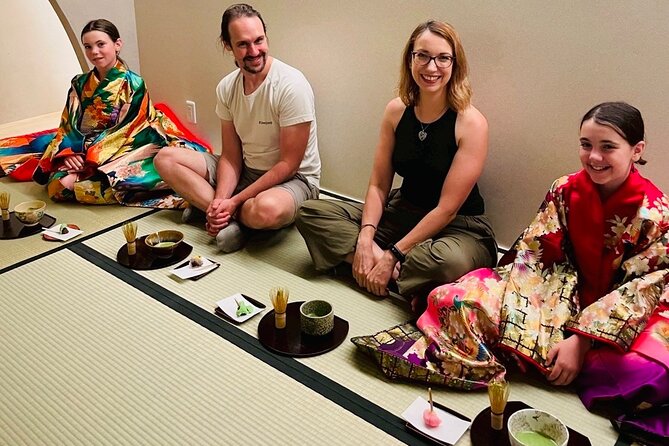
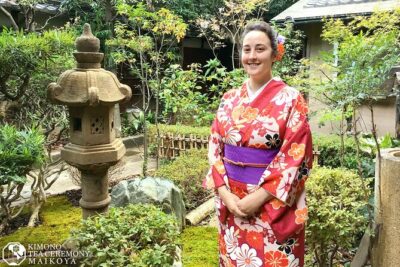
You can add an optional uchikake coat-like kimono experience for ¥1,500, tax included. This is not part of the basic package, so you should tell the staff on the day if you want it.
The option may appeal to you if clothing is an important part of your cultural experience or if you want a more formal look for photographs. It adds a visual element, but the core value of the visit remains the tea ceremony itself.
Because no further details are provided about how long the clothing portion takes or how it is arranged, ask the staff on arrival if timing matters to you. Keep in mind that the ceremony has a fixed start and a quiet pace, so you should not assume this option creates extra time in the schedule.
Who Will Enjoy Sanjo Chasuian Most
I would recommend this experience to you if you want a calm, focused introduction to a Japanese custom and prefer learning by taking part. It works especially well for couples, families with older children, and small groups who value a private room.
It is also a good fit if English instruction matters. Every explanation is offered in English, which allows you to understand the ceremony rather than simply copy the host’s movements.
You may want to skip it if you are seeking a fast, inexpensive activity or if you dislike quiet, formal settings. The non-refundable policy and strict late rule also make it a poor match for a loose schedule.
For families, the private booking requirement for children under five is important. For anyone needing an interpreter, book private rather than shared. Socks are required, and comfortable clothing will make the sitting and tea-making portion easier, though specific seating arrangements are not provided.
The experience has only a small number of published ratings, so I would not treat the perfect score as a full measure of quality. The strongest point available is clear: the private ceremony can create a calm, educational moment for a whole family. The format itself supports that promise, provided everyone arrives on time and respects the quiet setting.
Should You Book This Kyoto Tea Ceremony?
Book Sanjo Chasuian if you want more than a photo opportunity. The combination of a nijiriguchi entrance, seasonal confectionery, English instruction, and hands-on matcha preparation gives you a better sense of why the ceremony is structured as it is.
I would choose it for a family or small group that wants an intimate cultural activity near central Kyoto. I would hesitate if $137.44 feels too high for one hour, or if your schedule leaves any risk of arriving late.
The best value comes from the private format. You are paying for the room and the attention as much as for the tea. Arrive early, wear socks, confirm the correct booking type, and approach the hour as a quiet lesson rather than a quick beverage stop.
FAQ
Where does the private tea ceremony take place?
It takes place at Tea Ceremony & Sake Tasting Kyoto, Sanjo Chasuian, at 324-2 Sanjocho, Nakagyo Ward, Kyoto, 604-8205, Japan.
How far is the venue from public transportation?
The venue is about a five-minute walk from Karasuma Oike Subway Station.
How long does the tea ceremony last?
The experience lasts approximately one hour.
How much matcha is included?
Two bowls of Kyoto matcha are included. The host prepares one, and you prepare the second yourself or with a companion.
Is the ceremony conducted in English?
Yes. All guidance and explanations are offered in English.
What happens if I arrive late?
Entry is allowed from five minutes before the start time. Once the session begins, the door is locked. Even one minute late means you cannot join, and no refund is given.
More Private Tea Experiences in Kyoto
- Stunning Private Tea Ceremony: Camellia Garden Teahouse
★ 5.0 · 28 reviews - KYOTO: Private Tea Ceremony in Hidden Townhouse (Kid-Friendly)
★ 5.0 · 20 reviews - Kyoto Private Tea Ceremony at a Japanese Inns
★ 5.0 · 12 reviews - Kyoto Private Tea Ceremony at a Japanese Inns
★ 5.0 · 3 reviews
Fresh tea listings around Kyoto
- Uji Walking Tour – Byodo-in temple and Tea Ceremony from Kyoto★ 3.5 · 3 reviews
- Traditional Tea Ceremony in Kyoto★ 4.5 · 3 reviews
- Kyoto: Authentic Tea Ceremony in a Small Group★ 5.0 · 7 reviews
- Tea Ceremony Experience in Traditional Kyoto Townhouse★ 5.0 · 19 reviews
- Tea Ceremony in 150 Years Old Townhouse with Tables and Chairs★ 5.0 · 22 reviews
- Tea ceremony at Kyoto’s Zen Temple Teahouse★ 5.0 · 2 reviews
- Sencha-do the Japanese Tea Ceremony Workshop in Kyoto★ 5.0 · 21 reviews
- Silent Beauty of Kyoto Zen Walk and Tea Experience★ 5.0 · 2 reviews
Tea Ceremony Experiences, compared.
Kyoto: Tea Ceremony in a Traditional Tea House in Kiyomizu
Read our review →
Kyoto: 45-Minute Tea Ceremony Lesson Experience
Read our review →
Kyoto: Table-Style Tea Ceremony at a Kyo-Machiya
Read our review →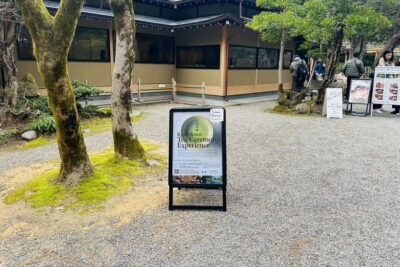
Browse the lists this tour appears in