
Review · TEA CEREMONY EXPERIENCES
Private Tea Ceremony Experience in Hiroshima
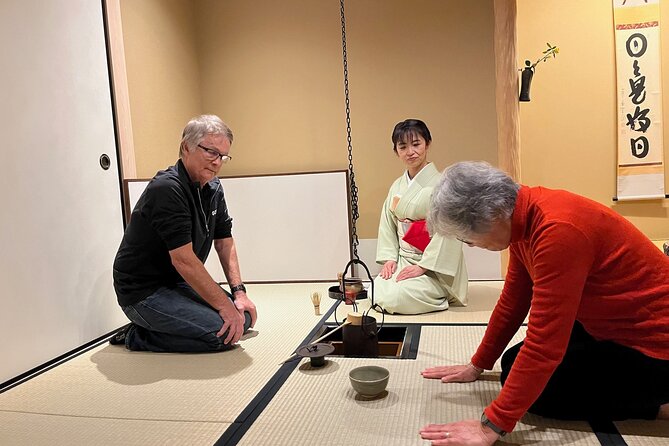
The best part of this Hiroshima experience is that you do not just watch someone prepare matcha. You learn the full process yourself, from the meaning of the ceremony to the small wrist movements that help produce a good bowl of tea. The lesson takes place in an active tea room where local students practice, not a stage built only for sightseers.
I like the private format, since your group receives direct attention and can ask questions without holding up a crowd. I also like the practical take-home value: after a formal demonstration, you whisk your own matcha and learn how to make it at home. The main drawback is the short 45-minute length, which gives you a clear introduction rather than a long study of every tea ceremony custom.
Key points to know before booking
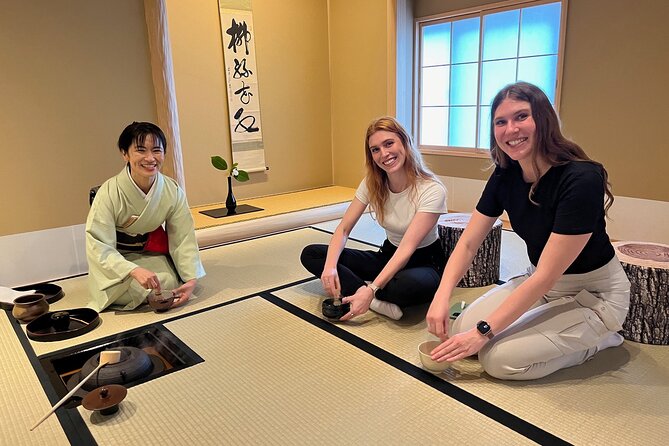
- You make your own matcha: This is a hands-on lesson, not only a demonstration.
- A tea master leads the session: The instructor gives more than 1,000 lessons a year to local learners.
- The setting is a working tea room: Local students use the space for regular practice.
- The price is about $71.54 per person: The value comes from private instruction, tea, a traditional sweet, and a certified guide.
- The meeting point is upstairs: Allow extra time to find 201, 1-chōme-11-12 Minamimachi, since the room is on the second floor and a ground-level sign may be easy to miss.
- You can use English or Japanese: Etiquette and ceremony details can be explained upon request.
Why this short Hiroshima tea lesson feels different
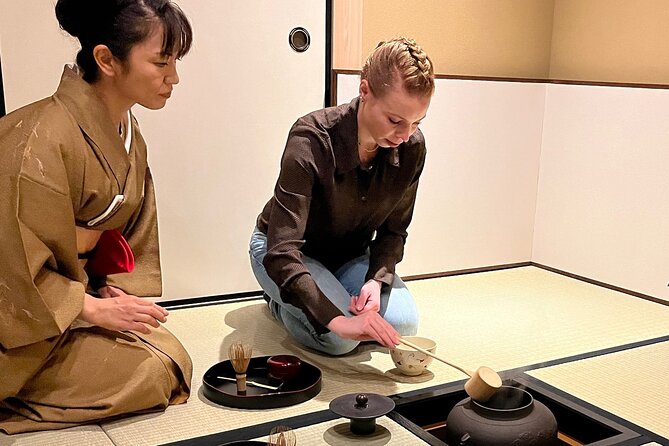
Many cultural activities ask you to sit quietly while someone else performs. This one gives you a role. You first see the formal method, then repeat key parts under guidance, which makes the ceremony easier to understand and remember.
The teacher explains the history and spirit of Japanese tea ceremony before the practical work begins. That context matters. Without it, the careful movements can seem slow or overly formal. With it, you begin to see the purpose behind the bowing, the preparation, the seasonal sweet, and the focused way tea is served.
The session is led by a tea master who teaches local learners more than 1,000 times each year. That teaching experience should matter most to you if you have never handled a bamboo whisk before. The instruction is designed to help you succeed, rather than simply observe an expert.
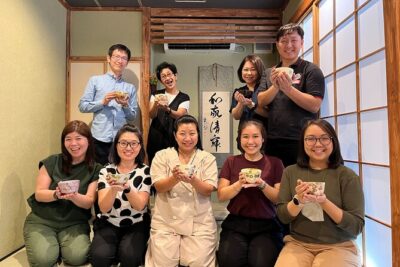
The atmosphere is also part of the appeal. The room is a traditional space used by local students for daily practice. You are not being placed in a theatrical set created only for an afternoon performance. The setting gives the lesson a more grounded feel, even though the session is clearly arranged for private visitors.
More Private Tea Experiences in Japan
- Private Tea Ceremony and Sake Tasting in Kyoto Samurai House
★ 5.0 · 163 reviews - Tea Ceremony Experience in a Private Tea Room in Shibuya
★ 4.9 · 125 reviews - Kyoto: Private Tea Ceremony with a Garden View
★ 4.9 · 61 reviews
Entering the traditional tea room in Minamimachi
The activity begins at 201, 1-chōme-11-12 Minamimachi, in Hiroshima’s Minami Ward. The location is near public transportation, but you should still leave extra time to arrive.
The room is on the second floor. A useful warning: the entrance may not be obvious from street level, and one participant arrived late after walking around in search of a sign. I would not plan to arrive at the last minute. Give yourself enough time to identify the building, find the entrance, and go upstairs without rushing.
Once inside, you join only your own group. The private setup is particularly useful for families, couples, or friends who want to ask basic questions without feeling self-conscious. It also helps if your Japanese is limited. The lesson is conducted in English or Japanese, and the experience is described as comfortable for people with minimal Japanese.
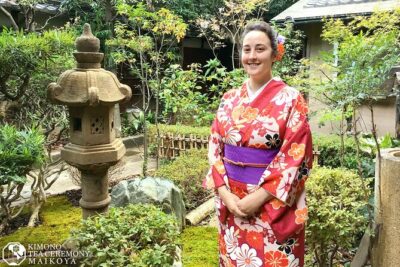
Do not expect kimono rental or dressing as part of the price. Wearing a kimono is not included. That keeps the focus on tea preparation and ceremony rather than turning the session into a costume activity.
The opening lesson on chado and Japanese hospitality
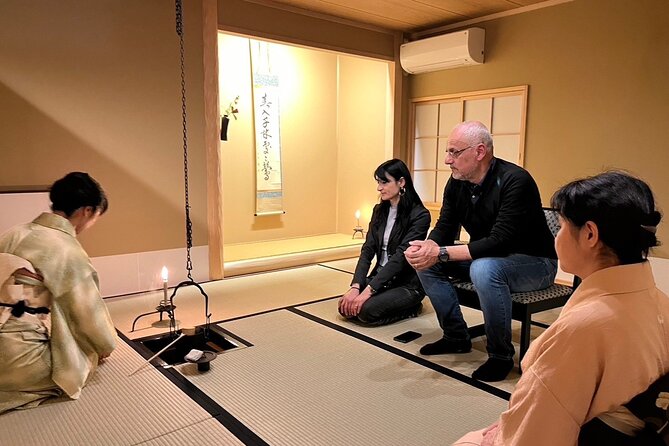
The first stage is a short introduction to the history and spirit of chado, the way of tea. The teacher places the ceremony within Japanese culture and explains why the details matter.
This is where you can ask for etiquette guidance. If you are unsure how to sit, receive the bowl, eat the sweet, or respond during the ceremony, ask. Etiquette is available on request, so you do not need to arrive already familiar with the rules.
The lesson connects tea with hospitality and mindfulness. That does not mean you need to approach it as a religious or spiritual exercise. You can appreciate it simply as a highly developed form of hosting, where the room, flowers, utensils, sweets, and movements are chosen with care.
The short introduction is also useful for first-time visitors who have seen matcha served in cafés but have never encountered the traditional method. Matcha is not treated as just a drink here. The preparation, the tools, the presentation, and the relationship between host and guest all form part of the experience.
Watching the formal demonstration with a seasonal sweet
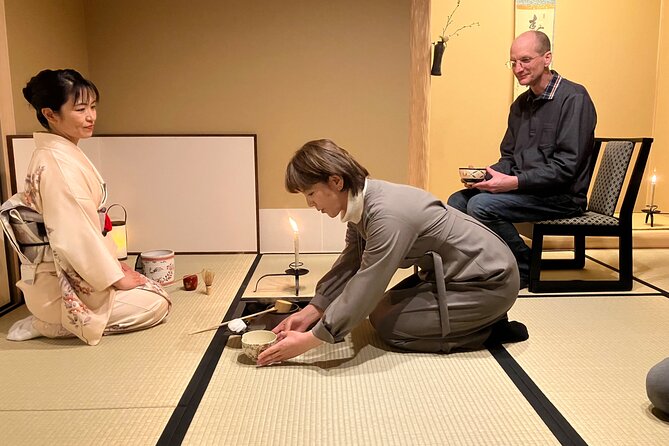
After the introduction, the tea master demonstrates the ceremony. You watch the host prepare premium matcha and serve it with a Japanese traditional sweet.
The sweet is more than an extra snack. In a tea ceremony, it helps balance the bitter taste of matcha and gives you a chance to notice how food and tea work together. Seasonal sweets are also part of the ceremony’s connection to the time of year, though the specific sweet is not fixed in advance.
This demonstration is the quietest part of the session. Pay attention to the small motions rather than waiting only for the finished bowl. The beauty of chado is found in details such as the handling of the tools, the pace of each action, the seasonal decoration, and the way the tea is presented.
You might find the formal pace slower than expected. That is not a flaw, but it can surprise people used to quick sightseeing stops. The demonstration is meant to give you a model to follow, so watching carefully will make the hands-on portion more rewarding.
The tea served during this part is premium matcha, and one bowl of matcha is included for you. Snacks are included as well. Dietary needs such as vegetarian and vegan requests can be accommodated if you state them when booking.
More Tea Ceremonies in Japan:
- Kyoto: Tea Ceremony in a Traditional Tea House in Kiyomizu
★ 4.9 · 3,519 reviews - Kyoto: Tea Ceremony Ju-An at Jotokuji Temple
★ 4.9 · 3,207 reviews - Kyoto: 45-Minute Tea Ceremony Lesson Experience
★ 4.3 · 2,378 reviews - Osaka: Tea Ceremony Experience
★ 4.9 · 1,426 reviews
Whisking your own bowl of matcha
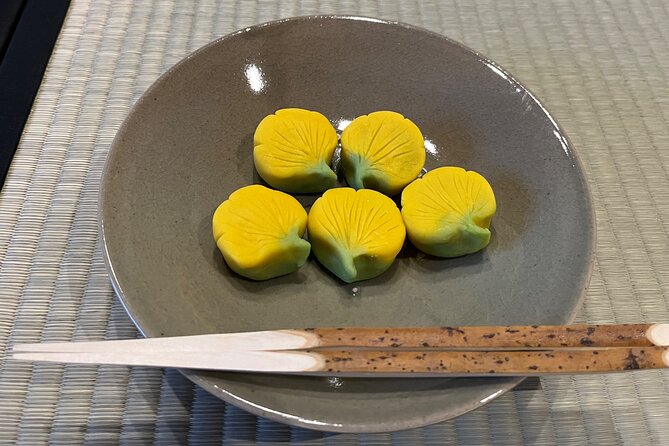
The most useful portion comes next. You prepare your own bowl of tea with professional guidance.
You take part in the full tea-making procedure rather than stopping at the drinking stage. The teacher shows you how to use the bamboo whisk and gives tips for making smooth, tasty matcha at home. For many people, this practical lesson will be more memorable than simply receiving a finished bowl.
A bamboo whisk can look simple, but making good matcha requires the right technique. The instructor can correct your movements as you work, which is hard to replicate from a written guide or a quick video. Since this is a private activity, your group has room to ask for a demonstration again if a step is unclear.
The lesson does not promise that you will become a tea master in 45 minutes. You will, however, leave with a better sense of how the tools work and how the preparation changes the drink. That makes the experience a good fit if you want a cultural activity that gives you something to practice after your visit.
You also get to drink the bowl you prepare. The included coffee or tea listing refers to a bowl of matcha, and the experience includes the traditional sweet that accompanies it.
The value of a private 45-minute experience
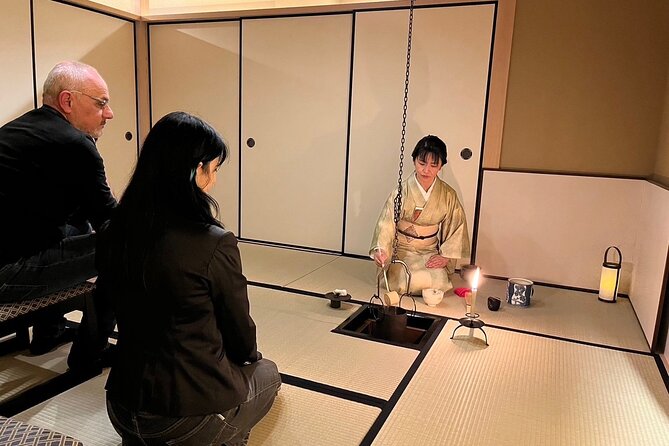
At about $71.54 per person, this is not the cheapest way to taste matcha in Hiroshima. You can find matcha drinks at cafés for far less. The comparison is not quite fair, though, because this price covers instruction, a private setting, a formal demonstration, a traditional sweet, and your own hands-on preparation.
The private format is the key value. You are not paying only for a beverage. You are paying for the teacher’s attention and the chance to work through the method yourself. That is especially worthwhile if you enjoy cultural activities that explain how something is done, not just what it looks like.
The 45-minute duration keeps the commitment manageable. You can fit it into a day of Hiroshima sightseeing without sacrificing half a day. At the same time, the short schedule limits how much ceremony etiquette and history can be covered. If you want an extended tea study or a full formal gathering, this introduction may feel brief.
Group discounts are available, so the per-person cost may work better for some parties. Prices can also vary depending on the booking platform and booking method. Check the final amount before paying rather than assuming every site will show the same total.
The fact that this activity is commonly reserved well ahead of time, around 52 days on average, is a useful planning clue. If the timing matters to you, especially during a busy Hiroshima visit, book early rather than leaving it to the last few days.
Tea, tools, and the G7 connection
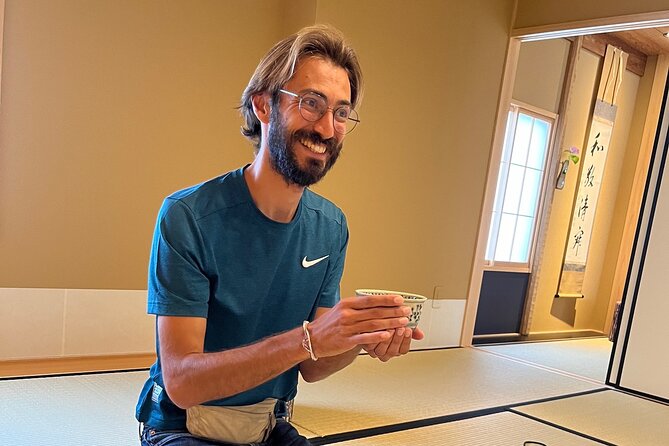
The tea used in the activity has an interesting modern connection. You can purchase the tea served at the 2023 G7 summit on site, along with the bamboo whisk used in preparation.
These purchases are optional, and neither is included in the activity price. Still, they give you a practical souvenir choice. A whisk is more useful than a decorative object if you plan to repeat the lesson at home. Buying the same tea used during the session can also help you recreate the taste while the technique is still fresh.
Do not feel pressured to buy anything. The core experience is complete without additional purchases. If you do want a souvenir, ask about the tea and whisk during the lesson so you understand what you are buying and how to use it.
Who will enjoy this experience most
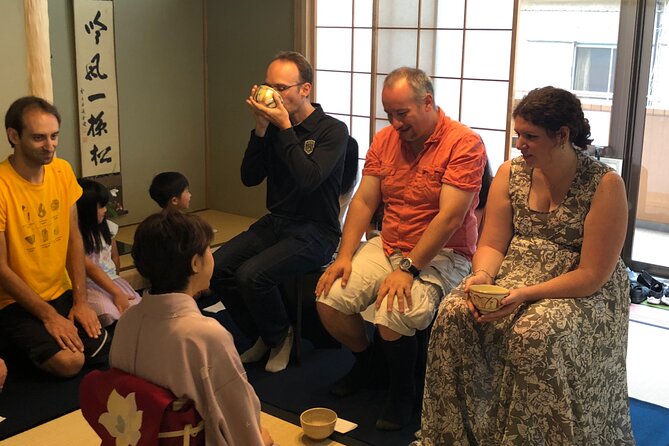
I would recommend this activity to you if you have a real interest in Japanese traditional culture and want more than a photo opportunity. It suits first-time matcha drinkers because the teacher explains the steps and can provide etiquette help.
It also works well for:
- Couples seeking a quiet cultural activity
- Families with an interest in Japanese customs
- Friends who prefer a private lesson
- Visitors who want to learn a skill they can repeat at home
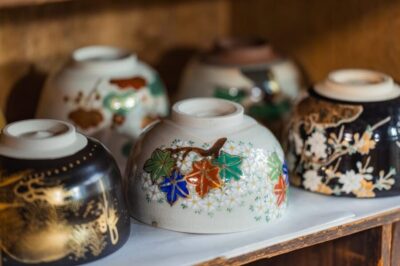
- People who enjoy design, seasonal details, and careful presentation
- Anyone comfortable with a calm, formal setting
The experience may be less suitable if you want a long event with several separate activities. It is also not a kimono experience, and there is no indication that you will dress in traditional clothing. If wearing a kimono is your main goal, you will need a different activity.
The 45-minute length suits a tight schedule, but people who want to linger over tea may wish for more time. Think of this as a focused introduction, not a full-day cultural course.
Language, comfort, and practical planning
The session is offered in English or Japanese. That makes it accessible if you speak little or no Japanese. The teacher explains the process clearly, and the structure gives you several natural chances to ask questions.
Minimal Japanese should not prevent you from taking part. Still, if you have a question about etiquette, ask directly rather than guessing. The host can explain what to do and why it matters.
The activity ends back at the meeting point, so you do not need to arrange a separate return transfer. Confirmation is sent within 48 hours of booking, subject to availability. Since the activity is private, only your group participates.
Free cancellation is available if you cancel at least 24 hours before the start time. Cancellations or changes made less than 24 hours before the start are not refunded or accepted. The cutoff uses Hiroshima local time, so check the clock carefully if you are arranging plans from another time zone.
Should you book this Hiroshima tea ceremony?
Book it if you want to understand matcha preparation from the inside. The strongest reasons are the private instruction, the chance to whisk your own bowl, the working tea-room setting, and the teacher’s experience giving frequent lessons to local students.
The price makes sense for you if direct guidance matters more than simply tasting tea. It is less compelling if you only want a quick drink, a kimono photo, or a long ceremonial performance.
Plan to arrive early because the upstairs location may be hard to spot. Allow for the short schedule, ask for etiquette help when needed, and consider the optional tea or bamboo whisk only if you want to continue the practice at home. For a compact and thoughtful cultural stop in Hiroshima, this is a strong choice.
FAQ
Where does the private tea ceremony take place?
It takes place at 201, 1-chōme-11-12 Minamimachi, Minami Ward, Hiroshima, 734-0007, Japan. The room is on the second floor, so allow extra time to find the entrance.
How long does the experience last?
The tea ceremony lasts approximately 45 minutes.
Is the activity conducted in English?
Yes. The experience is conducted in English or Japanese.
What is included in the price?
The price includes a bowl of matcha, a Japanese traditional sweet, the chance to make your own bowl of tea, and a licensed or certified guide.
Is wearing a kimono included?
No. Kimono wearing is not included.
Can dietary restrictions be accommodated?
Yes. Vegetarian and vegan dietary restrictions can be accommodated if you provide the information when booking.
Fresh tea listings around Japan
- Yokohama : Tea Ceremony with Sweets and Souvenir★ 5.0 · 5 reviews
- Walking Tour: Yanaka,Nezu& Sendagi: Tea Ceremony & Old Tokyo★ 5.0 · 3 reviews
- Visit local home for music and tea ceremony near Disney★ 4.9 · 13 reviews
- Yokohama: Sushi & Gyoza Cooking with Matcha & GreenTea Experience★ 5.0 · 3 reviews
- Trip to Kamakura & Enoshima: Shrines, Seaside, Temples &Tea★ 5.0 · 11 reviews
- Uji: Private immersion into Kyoto’s tea and reglious culture★ 5.0 · 17 reviews
- Kyoto tea town for matcha lovers★ 5.0 · 16 reviews
- Kyoto Matcha Green Tea Tour★ 4.5 · 23 reviews
Tea Ceremony Experiences, compared.
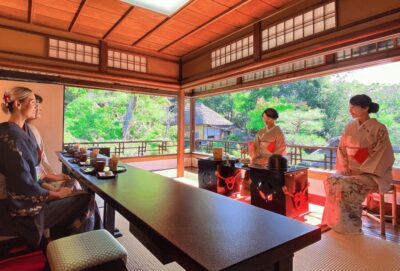
Kyoto: Tea Ceremony in a Traditional Tea House in Kiyomizu
Read our review →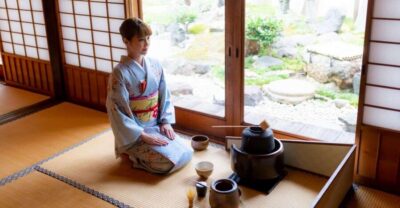
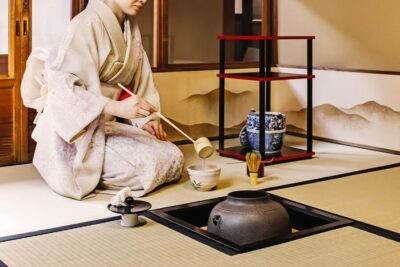
Kyoto: 45-Minute Tea Ceremony Lesson Experience
Read our review →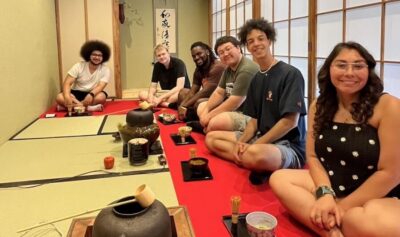
Kyoto: Table-Style Tea Ceremony at a Kyo-Machiya
Read our review →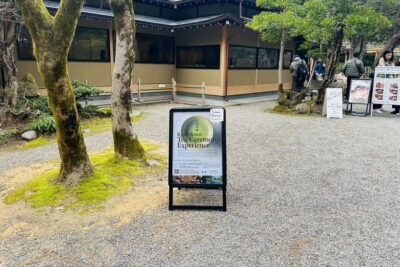
Browse the lists this tour appears in