
Review · MATCHA EXPERIENCES
Tokyo Cherry Blossom Matcha Experience in Yoyogi Park (Shibuya)
Tokyo’s cherry blossom season gets crowded, but this experience gives you a calm reason to stop. In Yoyogi Park, you’ll sit beneath the sakura, prepare your own bowl of Uji matcha, and pair it with seasonal Japanese sweets. The host is a certified Matcha Hospitality Adviser, and the lesson is made for beginners rather than tea experts.
I like two things right away: the small maximum of six people, which keeps the activity personal, and the setting, which combines tea, flowers, and open park space in one short outing. The main drawback is the narrow season. It runs for about two weeks from around March 23, depending on the blossoms, and poor weather can force a date change or cancellation.
Key points to know before booking
- Cherry blossoms set the schedule: This is offered only during the short spring bloom period, usually from around March 23 for roughly two weeks.
- You make the matcha yourself: Traditional tools are provided, and the host explains the process in English.
- The setting is a picnic, not a formal tea ceremony: You can expect a relaxed introduction without special clothing or prior experience.
- The group is capped at six: That matters when you want room for questions and help with the whisking.
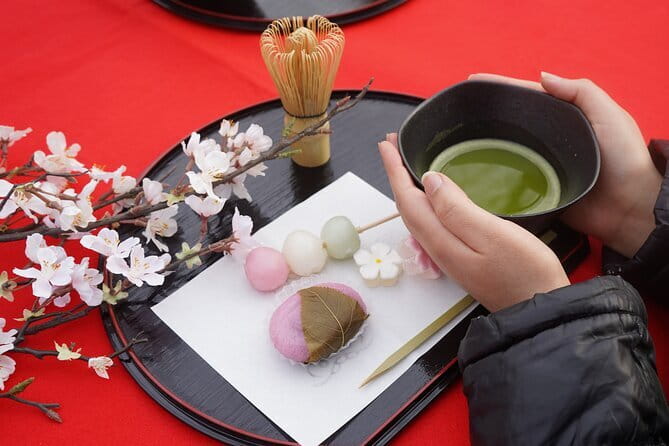
- Wagashi is included: Seasonal Japanese sweets are served with several cups of matcha.
- Harajuku is the practical base: You meet and finish at Harajuku Station, close to Yoyogi Park, Shibuya, and Omotesando.
Why matcha beneath the sakura works so well
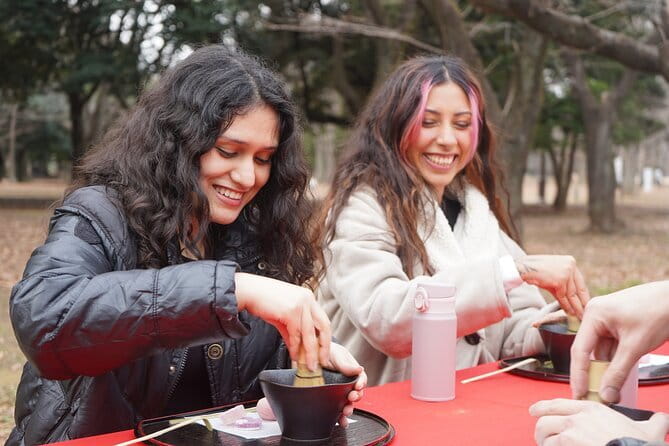
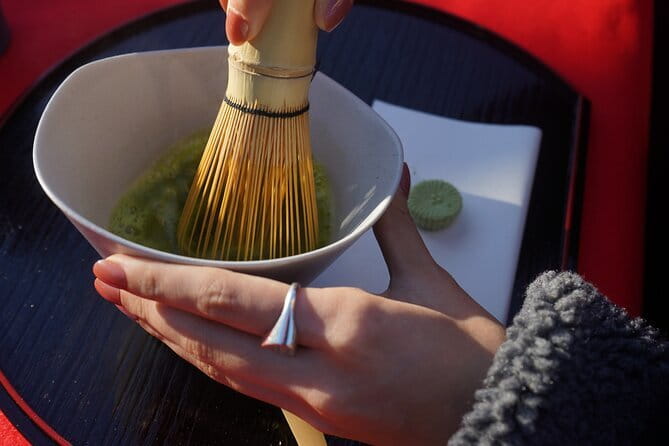
The appeal here is not simply drinking green tea in a pretty place. You take part in the preparation. Using a bamboo whisk and traditional tea tools, you make your own matcha and learn how Japanese hospitality shapes the experience.
That hands-on element gives the hour some purpose. You are not just sitting in a park while someone explains tea culture. You are measuring, whisking, and tasting. The host also serves several cups of matcha, so you have time to get more comfortable with the process rather than treating it as a single ceremonial sip.
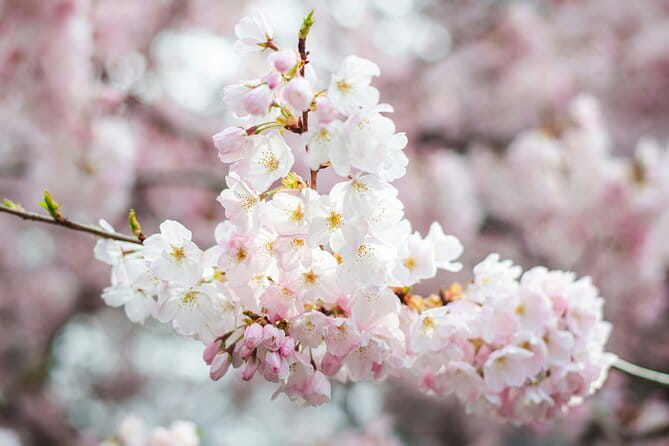
The timing adds a seasonal touch that a tea room cannot copy. Cherry blossoms appear for a short period, and their presence changes the mood of the park. You may see people gathering under the trees, but this activity gives you a planned pause away from simply taking photos and moving on.
The setting is also less intimidating than a formal tea ceremony. You do not need to know how to kneel, how to handle every utensil, or how to follow a strict sequence. The experience is designed for first-time visitors, families, couples, and solo visitors who want a gentle introduction.
More Matcha Experiences in Tokyo
- Matcha Making Class in Tokyo with Authentic Japanese Sweets Set
★ 5.0 · 744 reviews - Tokyo: Matcha Making Experience with Mochi Sweets in Asakusa
★ 4.9 · 388 reviews - Asakusa Cultural Walk & Matcha Making Tour
★ 5.0 · 245 reviews
Meeting at Harajuku Station
The meeting point is Harajuku Station at 1 Chome-18 Jingumae, Shibuya. That makes the activity easy to place into a day built around Yoyogi Park, Meiji Jingu, Shibuya, or Omotesando.
Harajuku is a useful starting point because the activity does not ask you to cross Tokyo for a separate tea venue. You meet in an area already popular for walks and sightseeing, then continue to the park for the matcha picnic. The experience ends back at the meeting point, so you are not left guessing where to go afterward.
Give yourself enough time to find the meeting spot. The activity lasts only about one hour, and a late arrival would cut into the part you paid for. Since the group is small, timing matters more than it would on a large bus outing.
The route information also names Shibuya, Yoyogi Park, Harajuku Station, and Omotesando. Think of these as the connected areas around the activity rather than a full sightseeing tour. The main event is the park picnic, not a guided visit to each neighborhood.
What happens in the one-hour matcha session
The hour is short, but the format packs in several parts. Your host introduces the tea and tools, explains the basic method, and guides you as you whisk your own bowl.
The tea is Uji matcha, a Japanese tea associated with Kyoto’s Uji area. The experience specifically uses a rarer grade that is normally not available to visitors, which gives the tasting a little more interest than a standard café matcha. You can pay attention to its flavor and texture while learning how preparation affects the drink.
You will also receive traditional and modern Japanese sweets, along with seasonal wagashi. Wagashi are small Japanese confections often designed to fit the season, so they make sense beside the spring setting. The sweets are included, but food and drinks bought from local vendors are not.
The host explains Japanese tea culture and hospitality in English. That language support is important because matcha preparation can look simple but includes small movements that are easier to understand when someone demonstrates them clearly. The small group limit should also make it easier to ask questions, including practical ones about Japanese customs.
One detail from the experience’s feedback is especially telling: guests asked about the surprising lack of trash cans in Tokyo, and the host addressed the question warmly. That suggests the tone is open to ordinary cultural questions, not just polished facts about tea. If you are curious about daily life in Japan, use the hour to ask.
Yoyogi Park during cherry blossom season
Yoyogi Park is one of Tokyo’s best-known places for spring blossoms, so this is not a quiet countryside tea setting. You are still in the city, near Harajuku, Shibuya, and Shinjuku, with the energy of Tokyo close by.
That urban setting is part of the value. You do not have to spend half a day traveling to a rural tea house to combine Japanese tea with seasonal scenery. The park lets you place a traditional activity inside a familiar Tokyo day.
At the same time, you should set your expectations correctly. During cherry blossom season, popular parks can draw large crowds. The activity promises a peaceful, small-group session, but it does not turn Yoyogi Park into a private garden. The mood will depend on the weather, the bloom conditions, and how busy the park is that day.
The organizer can cancel for poor weather and offer another date or a full refund. That policy is sensible for a picnic-style activity, since rain or strong weather would affect both comfort and the blossoms. It also means you should keep some flexibility in your spring schedule.
Same city, a very different cup:
- Kimono Tea Ceremony at Tokyo, Asakusa Maikoya
★ 5.0 · 638 reviews - Tokyo: Traditional Tea Ceremony with a Tea Master
★ 5.0 · 528 reviews - Dynamic Tokyo: Tokyo Tower, Tea Experience, Bay Cruise Day Tour
★ 4.5 · 521 reviews - Tokyo: Matcha and Kimono Experience
★ 4.7 · 219 reviews
A relaxed alternative to a formal tea ceremony
If you want a strict tea ceremony with formal etiquette, this is not the right choice. There is no claim that you will sit through a highly structured performance or learn every rule of the traditional tea world.
Instead, you get a practical introduction. You handle the tools, taste the tea, eat sweets, and learn the basic ideas behind Japanese hospitality. That makes it a better fit for someone who wants to understand matcha without feeling tested.
I would especially consider it for a first day in Tokyo. The pace is gentle, the setting is local, and the host’s friendly approach can help you settle into Japan. It is also a good choice for people who want a cultural activity that does not require a full morning, special clothes, or advance knowledge.
Families may like the hands-on format, though the supplied information does not specify a minimum age. Solo participants can also fit comfortably into a group of six, while couples get a natural photo setting and a shared activity rather than another sightseeing stop.
Photos, clothing, and the practical details
There is no dress code, so you can come in normal sightseeing clothes. That matters in Tokyo, where you may be walking between several neighborhoods before or after the session.
Optional photo sessions are available. The cherry blossoms, tea tools, sweets, and picnic setup create more varied images than a quick snapshot under a tree. Photography is optional, so you can focus on the tea if posed pictures are not your thing.
The mobile ticket makes the booking simple, and confirmation is normally provided at booking. If you book within 12 hours of departure, confirmation may arrive later, subject to availability. For a seasonal activity with limited dates, I would avoid leaving it until the last minute.
Service animals are allowed, and the meeting point is near public transportation. The group maximum is six people. Those details make the outing easier to fit into an independent Tokyo itinerary, though you should still allow extra time for reaching Harajuku Station.
Free cancellation is available up to 24 hours before the start time for a full refund. Changes made inside that window are not accepted, and cancellations inside 24 hours are not refunded. The weather exception is important: if conditions make the activity impossible, you can receive a new date or a full refund.
Is the $100.80 price good value?
At $100.80 per person for about an hour, this is not a cheap cup of matcha. You are paying for more than the ingredients. The price covers a certified host, English instruction, traditional tools, several cups of tea, Japanese sweets, and a seasonal location that is available only for a short period.
The value is strongest if you want a guided cultural activity with a personal feel. A group of up to six is much more appealing at this price than a large class where you simply copy a demonstration from the back of the room. The rare Uji matcha and the chance to prepare it yourself also add substance.
The value is weaker if your main goal is simply to see cherry blossoms or drink matcha. You can visit Yoyogi Park without booking an activity, and local vendors may offer tea and sweets for much less. This experience makes sense when you want instruction, conversation, and a planned cultural moment.
The short duration cuts both ways. It is easy to fit into a crowded Tokyo schedule, but the cost per hour is high. I would book it for the quality of the setting and the small group, not because it is a bargain.
How to fit it into a Tokyo day
Plan this around Harajuku and the western side of central Tokyo. Before or after the session, you can continue toward Omotesando or Shibuya, both named in the route details. The activity also places you near Yoyogi Park and the Harajuku area, so it works well as one part of a walking day.
Do not treat it as a complete tour of Shibuya, Harajuku, or Omotesando. The hour is devoted to matcha and sweets, with the park providing the setting. If you want a neighborhood guide, shopping time, or a shrine visit, plan those separately.
Spring conditions are the biggest planning issue. The activity is available only around the cherry blossom period, generally beginning around March 23 and lasting about two weeks. The exact dates depend on the trees, so the calendar is not fully predictable.
You should also expect the experience to feel different from day to day. A sunny morning may make the picnic and photos especially pleasant, while cloudy weather may soften the light but still allow the activity to run. If the weather is poor enough for cancellation, the date-change or refund policy gives you some protection.
Who should book this matcha picnic?
Book it if you want a small, friendly introduction to Japanese tea culture and you value a memorable setting. It is particularly well suited to first-time visitors, couples, solo visitors, families, and anyone who prefers an informal lesson over a formal ceremony.
The strongest reasons to choose it are the certified Matcha Hospitality Adviser, the rare Uji tea, the seasonal wagashi, and the chance to make the drink yourself. The warm, welcoming teaching style also matters. You are encouraged to ask questions, even about everyday differences between Japan and home.
Skip it if you dislike scheduled activities, dislike group settings, or only want the lowest-cost way to drink matcha. You should also skip it if your trip falls outside the short cherry blossom window, since this is not offered as a year-round experience.
For the right person, it is a smart one-hour addition to a Tokyo spring itinerary. You get a taste of Japanese hospitality, a seasonal park setting, and a cultural activity that feels personal without demanding formal etiquette.
FAQ
Where does the experience begin?
It begins at Harajuku Station, at 1 Chome-18 Jingumae, Shibuya, Tokyo 150-0001, Japan.
Where does the experience end?
It ends back at the meeting point.
How long does the matcha experience last?
The experience lasts approximately one hour.
Is the activity available all year?
No. It is offered only during cherry blossom season, usually from around March 23 for about two weeks, depending on the blossom conditions.
Do I need previous tea experience or special clothing?
No. The activity is beginner-friendly, and there is no dress code or prior experience requirement.
What is included?
Several cups of matcha, matcha preparation with traditional tools, seasonal Japanese sweets, and cultural explanations in English are included.
What happens if bad weather cancels the activity?
You will be offered a different date or a full refund if the activity is canceled because of poor weather.
Fresh tea listings around Tokyo
- Yokohama : Tea Ceremony with Sweets and Souvenir★ 5.0 · 5 reviews
- Walking Tour: Yanaka,Nezu& Sendagi: Tea Ceremony & Old Tokyo★ 5.0 · 3 reviews
- Private Mochi・Matcha sweets Making Class Near Shibuya Area★ 5.0 · 22 reviews
- Private Kimono and tea ceremony at local home near Tokyo Disney★ 5.0 · 6 reviews
- 2 Hours Mochi &Nerikiri Making & Matcha Class in Bunkyo★ 5.0 · 21 reviews
- Kimono and Tea Ceremony in Asakusa Private Food Tour With Guide★ 5.0 · 4 reviews
- Tokyo: Tea Ceremony & Japanese Sweets Making★ 5.0 · 10 reviews
- Tokyo Sweets Tour: Hidden Gems & Matcha at an Old Tea House★ 5.0 · 6 reviews
Matcha Experiences, compared.
World Heritage Kyoto & Nara Uji Authentic Matcha Experience
Read our review →
Matcha Making Class in Tokyo with Authentic Japanese Sweets Set
Read our review →
Kyoto: Tea Museum Tickets and Matcha Grinding Experience
Read our review →
Matcha Making Class in Osaka with Authentic Japanese Sweets Set
Read our review →
Kyoto: Tea Ceremony Meditation – Make Matcha with Tea Master
Read our review →
Tokyo: Matcha Making Experience with Mochi Sweets in Asakusa
Read our review →
Kyoto: Kimono Tea Ceremony with Matcha and Sweet
Read our review →
Browse the lists this tour appears in