
Review · TEA CEREMONY EXPERIENCES
Busan: Join a Tea Ceremony & Create a Calligraphy Memento
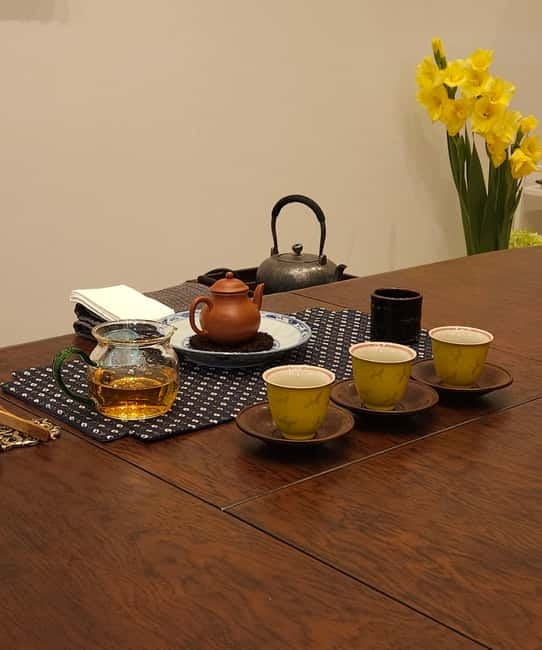
At Daman Cha, a small tea room in Busan’s Yongho-dong seaside village, tea becomes a quiet two-hour ritual rather than a quick drink. I like the three seasonal teas and the chance to handle distinctive vintage teaware. I also like that Min makes the session personal, guiding you through both tea customs and brush writing.
The main limitation is the small scale and gentle pace. With room for only three people, this is not a lively group outing or a broad sightseeing tour. You come for calm, conversation, and concentration, with a $69 price that makes the most sense if you value personal instruction and a handmade keepsake.
Key points at a glance
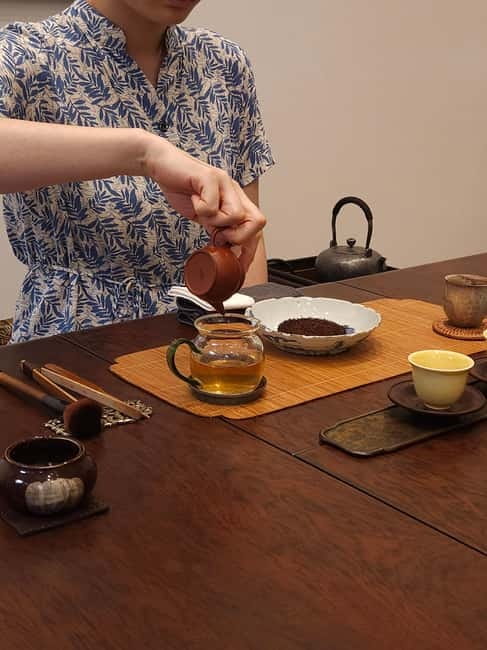
- Three seasonal teas: Taste a changing selection of fine teas with snacks and explanations from Min.
- A private setting for up to three: The small group gives you room to ask questions and follow the ceremony closely.
- Artisan vintage teaware: Each cup and vessel helps shape the mood of the tea session.
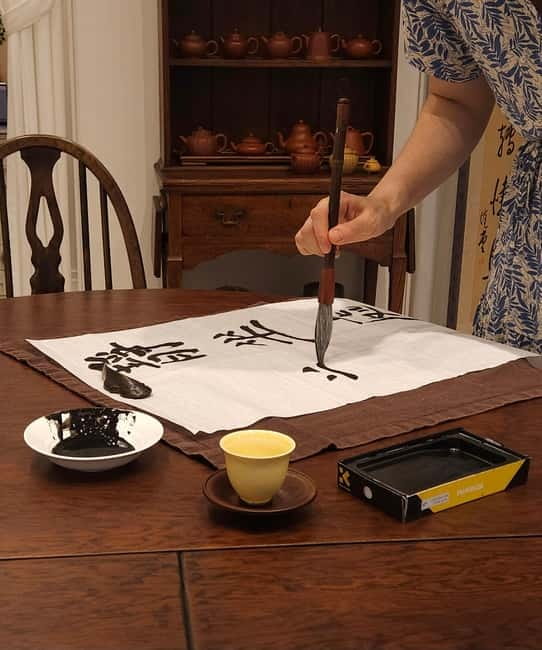
- Brush-and-ink keepsake: Choose from seven tea-related messages and create your own calligraphy piece.
- Seaside Yongho-dong location: The tea room offers a quiet pause from Busan’s faster city rhythm.
- English, Korean, and Chinese guidance: Min can lead the session in any of these three languages.
A quiet start at Daman Cha in Yongho-dong
The experience begins and ends at Daman Cha, written as 다만茶. The tea room sits on the second floor of Building A at Villivcentro, facing the bridge from outside. The English address is 220-1, Building A, Villivcentro, Yongho-dong 958, Nam-gu, Busan. The Korean address is 부산 남구 분포로 61, 빌리브센트로 A동 2층 220-1, 다만茶.
That location detail matters. This is not a large attraction with an obvious street entrance. You are looking for a small tea room in a seaside village setting, so save the address and check the building and floor before setting out. Directions with pictures can also be sent to help you find the entrance.
I like that the setting is part of the point. You are not being rushed from one stop to another. The room gives you a clear break from the usual Busan schedule, especially if your days have been packed with markets, transport, and major sights.
The space is described as a da-sil, or tea room. That helps explain the tone: low-key, attentive, and focused on the act of making and drinking tea. You will spend the full two hours here, so plan this as a dedicated cultural activity rather than something to squeeze into a short gap.
More Tea Ceremonies in the world:
- Kyoto: Tea Ceremony in a Traditional Tea House in Kiyomizu
★ 4.9 · 3,519 reviews - Kyoto: Tea Ceremony Ju-An at Jotokuji Temple
★ 4.9 · 3,207 reviews - Kyoto: 45-Minute Tea Ceremony Lesson Experience
★ 4.3 · 2,378 reviews
Min’s guided tea ceremony
Min leads the session and explains the customs behind the ceremony. The instruction is available in Korean, English, and Chinese, which makes this a practical choice if you want more than a silent demonstration.
The format is hands-on. You are not simply watching a host prepare tea while everyone else sits back. You are invited to pay attention to the vessels, the pouring, the pace, and the way tea fits with quiet conversation. Min’s patient manner is especially useful for first-time participants who may not know when to move, taste, or ask questions.
The ceremony also offers context on both Korean and Chinese tea customs. That comparison adds value because it keeps the session from feeling like a set of unexplained gestures. You can ask about the meaning behind the steps and learn how tea connects with other traditional arts.
I would set your expectations correctly. This is a guided cultural lesson, not a formal qualification course in tea preparation. You will come away with a better feel for the customs and tools, but the appeal lies in careful attention rather than technical depth.
Three seasonal teas and tea snacks
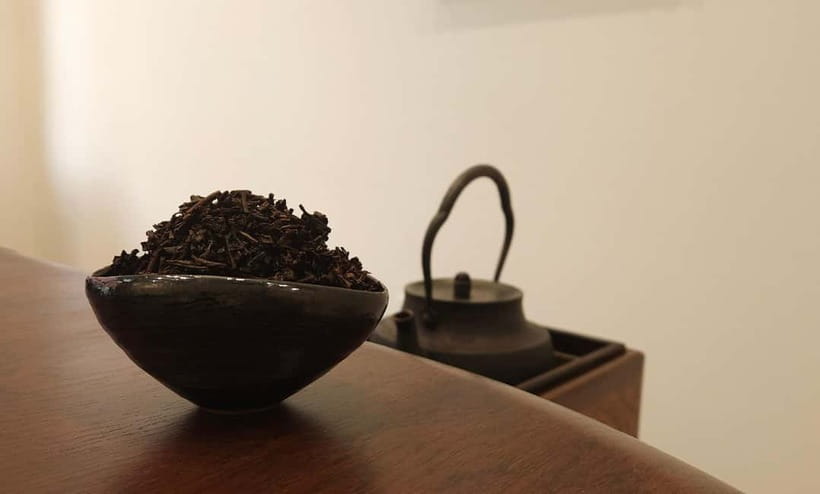
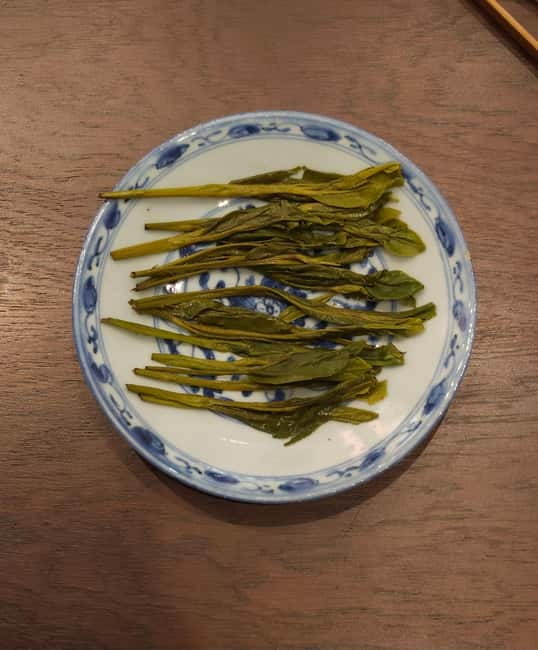
The tasting includes three kinds of seasonal tea. The exact teas change, so you should not book this expecting a fixed menu. That seasonal approach is part of the pleasure: you taste what suits the time of year instead of receiving the same lineup on every visit.
You can expect Min to explain the teas as you drink them and answer questions about their character and use. The selection is described as fine and distinctive, so the tasting is meant to be considered rather than gulped between photographs.
Tea snacks are included. They help make the session feel complete, though the available information does not specify their type or quantity. If you have a food allergy, tell Daman Cha in advance. That is a simple step, but important because the snack selection is not set out in detail before the session.
For me, the best part of a three-tea tasting is the built-in comparison. One cup gives you a single impression. Three let you notice differences in aroma, taste, and mood, especially when Min is there to explain what you are drinking.
Vintage teaware that changes the mood
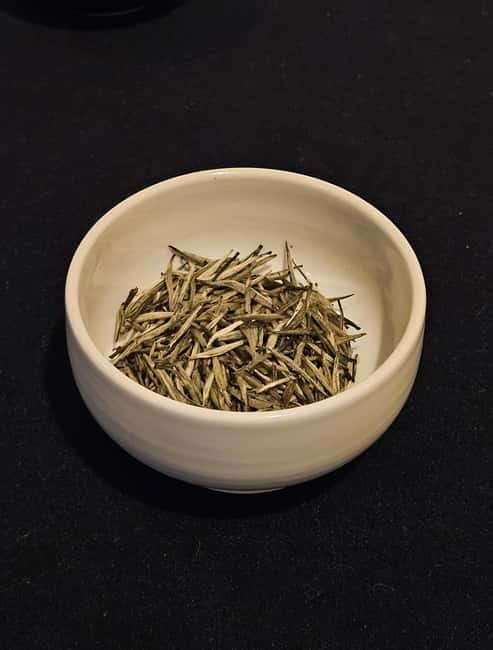
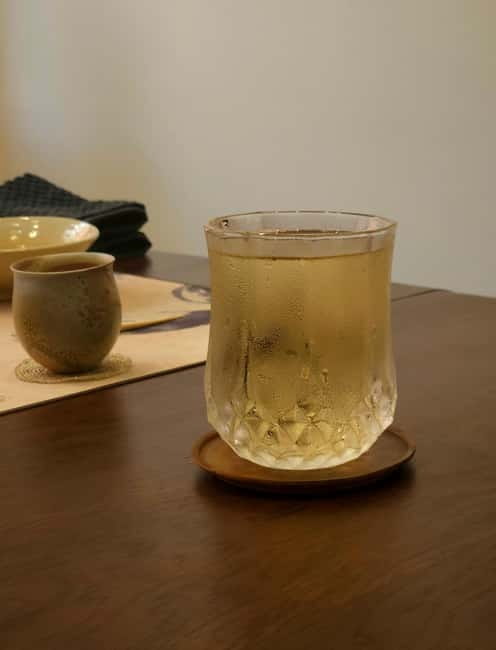
Daman Cha uses artisan vintage teaware, and the vessels are not treated as background decoration. They help shape the feeling of each pour. A small cup, pot, or serving piece can make you slow down and look more closely at what is in front of you.
This is where the experience differs from an ordinary tea tasting. The focus is not only on the liquid. It includes the objects, the handling, and the quiet sequence of serving and drinking. If you enjoy ceramics, design, or traditional table settings, you will likely find this part especially satisfying.
The phrase unique teaware should not lead you to expect a museum display or a shopping stop. The pieces are used as part of the ceremony. You get to experience them in context, which is more useful than simply seeing them behind glass.
Because the group is limited to three people, you should have a good chance to see the details and ask about them. A larger class might offer more social energy, but it would make this close look at the teaware harder.
More Tea and Calligraphy Workshops in the world:
- Kyoto: Tea Ceremony Meditation – Make Matcha with Tea Master
★ 4.8 · 406 reviews - Osaka: Tea Ceremony, Calligraphy, and Kimono Experience
★ 4.9 · 130 reviews - Tokyo: Practicing Zen with a Japanese Tea Ceremony
★ 4.7 · 105 reviews - Experience all of Japanese culture and Japanese food experience classes “origami, udon, Japanese food, green tea, calligraphy” in 4 hours
★ 5.0 · 105 reviews
Turning tea into calligraphy
The calligraphy portion gives the afternoon a practical finish. In East Asian tea culture, tea has long been enjoyed alongside poetry, painting, and calligraphy. Here, you respond to the tea session through brush and ink.
You are offered a choice of seven messages to write. That is helpful if you like the idea of calligraphy but do not know what to put on the page. Min guides you through the writing, and the activity is designed for participation rather than expert penmanship.
The goal is not to produce a flawless work of art. It is to connect the slow movement of the ceremony with a simple creative act. You leave with something you made yourself, which gives the session a stronger memory than a standard tasting alone.
I also like the balance here. After sitting quietly and listening, you get a chance to use your hands. The calligraphy is a small lesson, not a long workshop, so it adds variety without taking over the tea ceremony.
You receive a tangible memento of the experience. A pamphlet is also available with information about the ceremony, tea options, and calligraphy phrases. That makes it easier to remember what you learned once you are back in the middle of your Busan itinerary.
What the two-hour schedule feels like
The session has a natural beginning, middle, and end:
- You arrive at Daman Cha and settle into the quiet tea room.
- Min introduces the ceremony, the seasonal teas, and the teaware.
- You taste three teas while learning about Korean and Chinese tea customs.
- You take part in the calligraphy activity using brush and ink.
- You finish with your handmade piece and leave from the same tea room.
The exact order may vary, but the experience is clearly built around a slow progression. There is no pressure to cover several attractions. That makes the two-hour length feel purposeful rather than padded.
Morning or afternoon availability depends on the date you choose. The experience is described by one participant as a relaxing way to spend the morning, while another enjoyed it as a calm afternoon activity. I would choose the time that best fits your energy. If you want a quiet start, book an early slot if available. If Busan sightseeing has already filled your morning, use the tea room as a reset later in the day.
Why the three-person limit matters
The maximum group size is three participants. That is one of the strongest practical features of the experience, but it also shapes who will enjoy it.
With so few people, you can ask direct questions and receive personal guidance. Solo visitors can join without being lost in a crowd, and the calm setting makes it easier to speak with Min. The small size also suits couples or a very small group of friends who want a shared cultural activity.
The trade-off is that this is not a social event with a large mix of people. If you want a bustling class, several stations, or lots of group interaction, this may feel too restrained. I would book it for the quality of attention, not for entertainment or speed.
The quiet also means you should respect the tone of the room. This is a place for listening, tasting, and careful movement. You can talk and ask questions, but the ceremony works best when you allow pauses instead of trying to fill every moment.
Is $69 a fair price?
At $69 per person, this costs more than a simple tea break. The price includes two hours of instruction, three seasonal teas, snacks, use of artisan vintage teaware, the ceremony, and the calligraphy activity. You also take home something you created.
I see the value in the combination. If you paid for tea alone, the price would be hard to justify. The appeal comes from the setting, Min’s guidance, the small group, and the hands-on calligraphy. It is a compact cultural lesson with a personal souvenir rather than a beverage purchase.
The price works best for you if you enjoy quiet activities and want insight into local traditions. It is less suitable if you are counting every travel dollar, dislike sitting still, or want to see several parts of Busan during those two hours.
Free cancellation is available up to 24 hours before the start time, and you can reserve now and pay later. Those terms make it easier to fit the session into a changing Busan schedule. Wheelchair access is also listed, which is useful when planning, though you should still confirm any specific access needs before booking.
Who should book this Busan tea experience?
I would recommend Daman Cha to several kinds of visitors:
- Solo visitors: The small group and welcoming format make it easy to attend alone.
- Tea beginners: Min explains the ceremony and answers questions, so you do not need prior knowledge.
- Creative travelers: The brush-and-ink activity gives you something personal to make.
- Couples and close friends: The quiet pace leaves room for shared conversation.
- Visitors needing a break: The tea room offers two hours away from a busy sightseeing schedule.
- People interested in Korean and Chinese customs: The session covers both traditions.
Families with young children may find the calm format harder to enjoy, though the supplied information does not set an age limit. I would also think twice if your schedule is tight. The experience begins and ends at the tea room, and its value comes from giving the ceremony enough time.
Practical details before you go
Bring the exact address, Building A information, and the second-floor location. The tea room faces the bridge from outside, which helps, but this is still a small venue rather than a major landmark.
The session lasts two hours, and the group is limited to three people. Min can guide you in Korean, English, or Chinese. Three teas and snacks are included, and you should report food allergies ahead of time.
The activity is wheelchair accessible according to the available details. If accessibility is important for you, contact the provider before arrival with specific questions about the route to the second floor and the room itself.
Daman Teahouse offers free cancellation until 24 hours before the start. You can also reserve without paying immediately, a useful option when your Busan plans are still taking shape.
Should you book Daman Cha?
Book it if you want a slow, personal cultural activity with a real object to take home. The strongest reasons are Min’s patient instruction, the three seasonal teas, the unusual teaware, and the calligraphy piece you create yourself.
Skip it if you want fast sightseeing, a large social class, or a fixed tea menu. For everyone else, $69 is a reasonable price for two focused hours in a small seaside tea room, especially if you value conversation, quiet, and a memento with your own brushwork on it.
FAQ
Where does the tea ceremony take place?
It takes place at Daman Cha, or 다만茶, on the second floor of Building A at Villivcentro in Yongho-dong, Nam-gu, Busan. The tea room faces the bridge from outside.
How long does the activity last?
The tea ceremony and calligraphy session last two hours.
How many people can join?
The group is limited to three participants.
Which languages are available?
The instructor can provide guidance in Korean, English, and Chinese.
What is included in the price?
The price includes three seasonal tea tastings, a traditional tea ceremony, artisan vintage teaware, tea snacks, the calligraphy activity, and guidance from a local tea educator.
Do I get to take home anything?
Yes. You create a brush-and-ink calligraphy piece during the session and take it home as a memento.
Can I cancel the booking?
You can cancel up to 24 hours in advance for a full refund. You can also reserve now and pay later.
Fresh tea listings around the world
- Dubai: Bustronomy Panoramic Afternoon Tea City Tour★ 4.7 · 7 reviews
- Dubai: Sunset Cruise on Traditional Boat & Emirati High Tea★ 4.9 · 10 reviews
- Ella: Lipton’s Seat Tour with Dambetanna Tea Factory Visit★ 4.6 · 7 reviews
- Cycling Tour at Uji’s Matcha Green Tea Fields and Heritage★ 5.0 · 10 reviews
- Da Lat: Sunrise Panorama, Green Tea Hill and Strawberry Farm★ 4.0 · 3 reviews
- Dallas: Tea Around Town Bus Tour with Treats★ 3.7 · 8 reviews
- Mauritius: Crocodile Park and Tea Factory Tour with Tasting★ 4.9 · 4 reviews
- From Colombo: Kandy & Pinnawala & Tea Factory Full Day Trip★ 4.3 · 2 reviews
Tea Ceremony Experiences, compared.
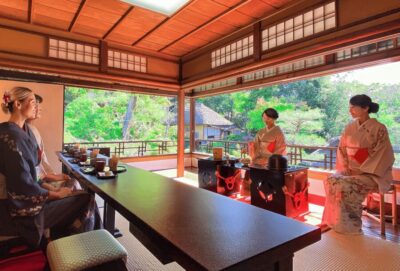
Kyoto: Tea Ceremony in a Traditional Tea House in Kiyomizu
Read our review →
Kyoto: 45-Minute Tea Ceremony Lesson Experience
Read our review →
Kyoto: Table-Style Tea Ceremony at a Kyo-Machiya
Read our review →
Browse the lists this tour appears in