
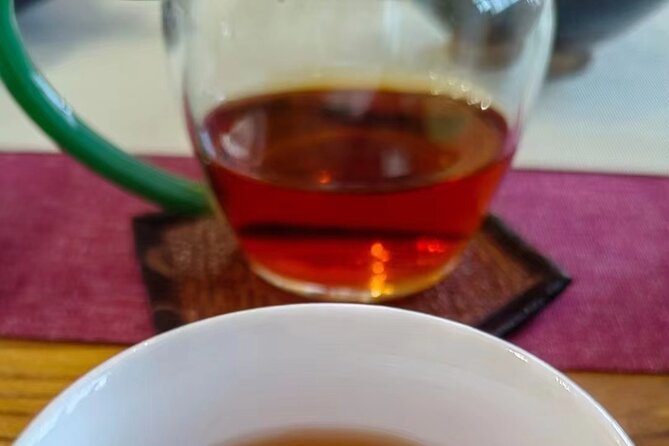
Review · TEA CEREMONY EXPERIENCES
Beijing Tai Chi and Tea Ceremony Experience
Tai Chi and tea make a sensible Beijing pairing: first you slow the body, then you slow the mind. This private three-hour experience begins with an hour of instruction from Eric, an English-speaking Tai Chi master, and continues at a tea house with Alice, who introduces Chinese tea and the Kungfu tea ceremony.
I like the personal scale of the experience and the way Eric adjusts the lesson to your level. I also like the chance to taste four or five teas, rather than simply watching a demonstration. The main drawback is that this is not a sightseeing tour, and the $95 price may feel high if you want a longer Tai Chi class or a full meal.
Key Points
- A one-hour beginner-friendly Tai Chi lesson: Learn relaxation forms, basic movements, Taoist ideas, and self-massage with Eric.
- A practical tea tasting: Compare four or five Chinese teas and three to five small snacks with Alice’s guidance.
- A private group format: Only your group takes part, making it easier to ask questions and receive individual help.
- A 9:00 am start: The morning timing suits visitors who want a calm activity before a busy day of sightseeing.
- A cultural rather than athletic focus: The lesson connects movement, breathing, self-awareness, and Taoist ideas.
- A central meeting point: Begin and finish at Jixiaolan Former Residence, near public transportation in Beijing.
Starting at Jixiaolan Former Residence at 9:00 am
Your morning begins at Jixiaolan Former Residence in the Qianmen and Xicheng area of Beijing. The listed address is Ji Xiao Lan Gu Ju, Beijing 100052. Since the activity starts promptly at 9:00 am, I would plan your route carefully and allow extra time for Beijing traffic, station transfers, or finding the exact entrance.
The meeting point is near public transportation, which helps, but private transportation is not included. You arrange your own way there and back. The activity ends at the same meeting point, so you do not need to work out a separate return journey.
Wear comfortable walking shoes. You may not be walking for hours, but the experience involves moving between the meeting point, the Tai Chi session, and the tea house. Comfortable clothing also makes the gentle exercises easier. You do not need to arrive as an athlete. The lesson is designed to introduce basic ideas and movements.
The private format matters here. Your group is the only group taking part, which gives the session a more relaxed feel than a large class. It also lets Eric ask about your experience and adjust the pace. If one person in your group is new to Tai Chi while another has tried it before, that flexibility should be useful.
More Tea Ceremonies in China
- Traditional Chinese Tea Ceremony Experience
★ 4.7 · 74 reviews - Beijing Culture: Tea Ceremony, Heritage Instrument & Calligraphy
★ 5.0 · 57 reviews - Chinese Tea ceremony in Beijing Hutong courtyard
★ 4.7 · 26 reviews
Eric’s One-Hour Introduction to Tai Chi
The Tai Chi section lasts about one hour. Eric begins with an explanation of Tai Chi and its connection to Taoism, then introduces simple relaxation work and typical Tai Chi movements. The emphasis is not on learning a long routine in a hurry. It is on understanding how posture, controlled motion, attention, and breathing work together.
You also learn basic self-massage methods. That gives the class a practical touch, since you leave with something you can repeat without special equipment. The lesson presents Tai Chi as a way to support health and calm rather than as a competitive sport.
Eric’s teaching style is described as patient and adaptable. He checks your experience level and organizes the lesson around it, which is especially helpful for beginners. If you have never tried Tai Chi, you can expect explanations of the basic forms instead of being expected to copy advanced movements immediately.
The Taoist background is a central part of the class. The experience explains the idea of Qi, or the body’s vital energy, and the goal of allowing it to move freely through relaxation. You do not need to accept every traditional health claim to appreciate the cultural setting. For me, the value is in seeing how Chinese ideas connect exercise, mental focus, and a balanced relationship with nature.
The class also helps explain why Tai Chi is practiced so widely. Its movements are slow, controlled, and accessible. The hour should suit you if you want a gentle introduction, a cultural activity, or a quiet break from Beijing’s crowded sights. It may not suit you if you want a strenuous workout, a long technical course, or formal martial arts training.
From Movement to Tea at Alice’s Tea House
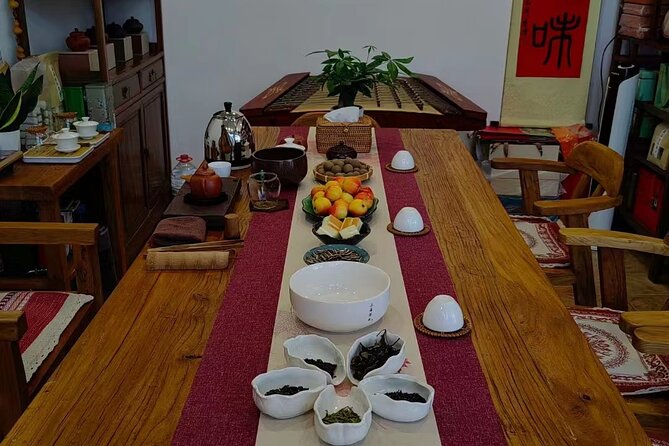
After Tai Chi, the experience moves to a tea house, where Alice leads the second part of the morning. This change of pace works well. The first hour asks you to pay attention to your body, while the tea session turns that attention toward aroma, taste, preparation, and conversation.
You taste four to five different Chinese teas. The exact varieties are not specified, so you should treat the selection as part of the tasting rather than expect a fixed menu. Alice helps you distinguish tea quality for yourself, which is more useful than simply being told which cup is best.
The tea is served with three to five snacks. These are part of the tasting experience, not a full meal. Food is listed as not included, so I would not book this expecting lunch or enough to replace breakfast. Have something to eat before the activity if you need a substantial meal.
Alice also demonstrates a Kungfu tea ceremony. In this setting, Kungfu refers to the careful method of preparing and serving tea, not a martial arts lesson. You see how small details in brewing and presentation affect the final cup. The ceremony gives the tasting a cultural frame and makes the tea feel like a social and reflective practice, not just a drink.
The tea portion also explores Chinese tea culture and the role of tea in Taoist practice. The experience connects tea with calm, self-reflection, and moral conduct. You can enjoy this as cultural context without needing a technical interest in tea.
A useful part of the session is learning how to compare tea quality on your own. Pay attention to aroma, color, mouthfeel, and how the flavor changes as you sip. You may not leave as a tea expert, but you should have a clearer idea of what you like and how Chinese tea differs from a quick cup served in a hotel or restaurant.
What Makes the Two-Part Format Work
The best idea behind this experience is the link between Tai Chi and tea. These are not two unrelated activities placed together to fill three hours. Both are presented as ways to develop calm attention and a steady temperament.
Tai Chi gives you a physical entry point. You work with balance, movement, relaxation, and focus. Tea then gives you a seated activity built around observation and patience. The transition makes the morning feel coherent.
I also like that the activity explains Tai Chi through Taoist thought rather than treating it as a set of unusual poses. You learn why relaxation matters and how practitioners connect movement with health. That context makes the lesson easier to remember.
The private setting adds value for couples, families, and small groups of friends. You can ask basic questions without feeling self-conscious. It is also easier to tell Eric if a movement is uncomfortable or if you need a slower explanation.
Still, three hours is not three hours of active instruction. About one hour is devoted to Tai Chi, with the remainder centered on tea, tasting, and conversation. That is a strength if you want variety, but a limitation if Tai Chi is your main reason for booking.
More Tea Ceremonies in Beijing:
- Beijing Culture Event: Tradition Music, Tea Ceremony, Calligraphy
★ 5.0 · 11 reviews - Beijing: Temple Of Heaven+Tai Chi Class+Tea Ceremony
★ 5.0 · 8 reviews - Traditional Chinese Tea Ceremony Experience
★ 5.0 · 7 reviews - Beijing: Chinese Culture Tea Ceremony Reservation Service
★ 4.8 · 4 reviews
Is $95 a Fair Price?
At $95 per person, this is not a budget activity. The price needs to be judged against what is included: a private experience, an English-speaking Tai Chi instructor, a tea master, tea tasting, small snacks, and all fees and taxes. Group discounts may improve the value for larger parties.
I would see the price as reasonable for a small group that wants personal instruction and cultural explanation. You are paying for the combination of two teachers and two connected activities, not simply for an hour of exercise.
The value is weaker if you are traveling alone on a tight budget or mainly want to watch Tai Chi in a park. Beijing offers many public places where people practice, though this experience gives you instruction and a clear introduction rather than a self-guided look.
It is also worth noting what you do not get. Private transportation is not included, and the food provided is limited to three to five snacks. You are not booking a restaurant meal, a sightseeing route, or a full-day cultural tour.
Because the experience is commonly booked about 22 days ahead, I would reserve before your trip if the morning fits your schedule. The free cancellation rule gives you some flexibility: cancel at least 24 hours before the 9:00 am start for a full refund. Changes or cancellations made inside that period are not accepted for a refund.
Who Will Enjoy This Beijing Morning?
This experience suits you if you want a calm start to the day and prefer participation over sightseeing. It is especially fitting for first-time Tai Chi students, couples, families, and small private groups.
You will probably appreciate it if you are curious about Taoism and want cultural context along with physical activity. The tea tasting also makes the experience a good choice for anyone interested in Chinese food traditions, brewing methods, or buying tea later in the trip.
Beginners should feel comfortable. Eric checks your level and teaches basic forms, relaxation exercises, and self-massage. You do not need prior training according to the information provided.
The activity may not be right for you if you want a demanding workout, a long Tai Chi seminar, or a major Beijing attraction included in the price. It also may not fit a rushed sightseeing plan, since the three-hour session begins at 9:00 am and returns to the original meeting point.
I would be cautious about booking it on a day when you have an early timed entry elsewhere. The experience is not designed as a drop-in activity, and the private format means your group should be ready at the stated meeting time.
Practical Tips for a Better Session
Arrive ready to move. Comfortable walking shoes are specifically recommended, and loose, comfortable clothing should make the basic forms easier.
Eat a light breakfast before you arrive if you need more than tea and small snacks. The tasting includes three to five snacks, but food is not included as a separate meal.
Keep your morning open for the full three hours. The activity begins and ends at the same meeting point, but you still need to allow time for your own transportation.
Tell Eric your experience level at the start. The lesson can be organized around beginners, and a clear explanation of your background should help him set the right pace.
During the tea session, ask Alice to compare the teas directly. You will get more from the tasting if you notice differences in aroma and flavor instead of drinking each cup without discussion.
Should You Book the Tai Chi and Tea Experience?
I would book this if you want a private, gentle introduction to two important Chinese traditions and like the idea of learning through both movement and tasting. Eric’s patient, adjustable Tai Chi lesson and Alice’s tea instruction give the morning a personal feel.
I would skip it if you want maximum sightseeing for your money, a substantial meal, or more than one hour of Tai Chi. At $95, the experience is best for people who value instruction, small-group attention, and cultural explanation.
For the right visitor, it offers a thoughtful change from Beijing’s major sights. You begin with slow movement, learn how Tai Chi connects to Taoist ideas, then sit down to compare Chinese teas and watch a Kungfu tea ceremony. That is a focused three hours, not a checklist of attractions, and its value depends on wanting exactly that.
FAQ
Where does the Tai Chi and tea experience begin?
It begins at Jixiaolan Former Residence, Ji Xiao Lan Gu Ju, in the Qianmen and Xicheng area of Beijing, China, 100052.
What time does the experience start?
The start time is 9:00 am.
How long does the experience last?
The experience lasts approximately three hours.
Is this a private activity?
Yes. Only your group participates in the activity.
Who teaches the Tai Chi class?
Eric, an English-speaking Tai Chi master, teaches the Tai Chi portion.
What happens during the Tai Chi lesson?
The one-hour lesson covers Taoist ideas related to Tai Chi, basic relaxation forms, typical Tai Chi movements, and self-massage methods.
How many teas and snacks are included?
You taste four to five different Chinese teas and receive three to five snacks during the tea house portion.
Is transportation included?
No. Private transportation is not included. The activity is near public transportation, and it ends back at the original meeting point.
Fresh tea listings around Beijing
- Traditional Chinese Tea Ceremony Experience★ 5.0 · 7 reviews
- Temple of Heaven Private Tour and Tea Tasting at Maliandao Tea Street★ 5.0 · 2 reviews
- Private Beijing Spiritual Tour with Lunch and Tea Ceremony★ 5.0 · 2 reviews
- Private Tour to the Temple of Heaven and Tea tasting at the Maliandao Tea city★ 5.0 · 3 reviews
- 3-Hour Private Hutong Walking Tour with Drum Show at Drum Tower and Tea Tasting★ 5.0 · 3 reviews
- 3-hour Morning/Afternoon Tea Tasting on Maliandao Street & Dimsum★ 5.0 · 7 reviews
- Beijing:Learn Calligraphy & Enjoy Kung Fu Tea Ceremony★ 5.0 · 2 reviews
- Beijing: Temple Of Heaven+Tai Chi Class+Tea Ceremony★ 5.0 · 8 reviews
Tea Ceremony Experiences, compared.
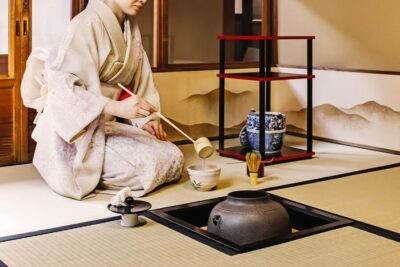
Kyoto: Tea Ceremony in a Traditional Tea House in Kiyomizu
Read our review →
Kyoto: 45-Minute Tea Ceremony Lesson Experience
Read our review →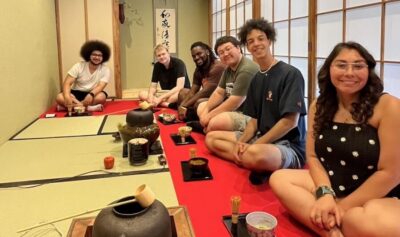
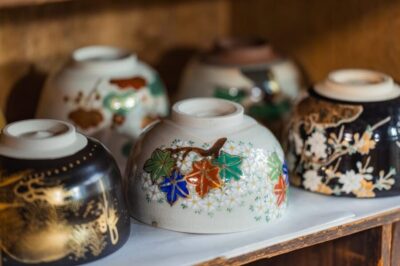
Kyoto: Table-Style Tea Ceremony at a Kyo-Machiya
Read our review →
Browse the lists this tour appears in