
Review · TEA CEREMONY EXPERIENCES
Beijing: Chinese Culture Tea Ceremony Reservation Service
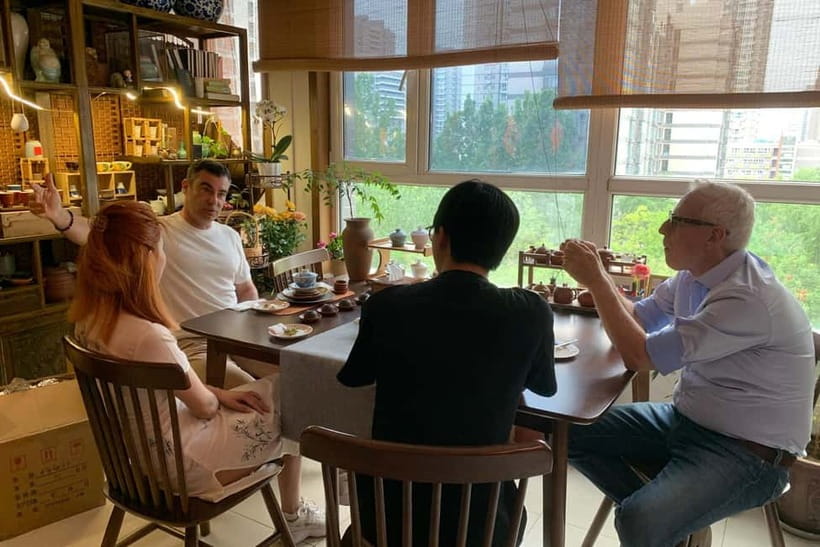
The most interesting part of this Beijing experience is its careful tea ritual. You choose your tea leaves, then follow each small step, from warming the utensils to smelling the leaves before the first proper brew. I like the quiet, hands-on format, and I like that an English-speaking instructor explains the meaning behind the movements instead of leaving you to guess. The appointment also fits neatly into a day near Tiananmen Square.
The main catch is the price structure. The $7 charge is only a reservation fee, and the teahouse spending averages about 398 RMB per person, with tea purchases extra. That makes this a pleasant cultural lesson, but not a bargain if you only want a quick cup.
Key points to know before booking
- A real tea ritual, not simply a drink: You take part in greeting, warming, rinsing, brewing, serving, and tasting.
- Two useful appointment times: Sessions are offered at 10:00 AM and 3:00 PM, both considered favorable tea-drinking times in traditional Chinese culture and medicine.
- Close to major Beijing sights: The teahouse is near Tiananmen Square, the Forbidden City, and Yonghe Temple.
- English help is included: An English-speaking tea ceremony instructor guides you through the process, with an English text and visual guide as support.
- The $7 fee is not the full cost: Teahouse expenses average around 398 RMB per person, and tea leaves are not included.
- A gentle cultural stop: The two-hour session suits anyone who wants a slower, more focused break from Beijing sightseeing.
What this Beijing tea ceremony is really about
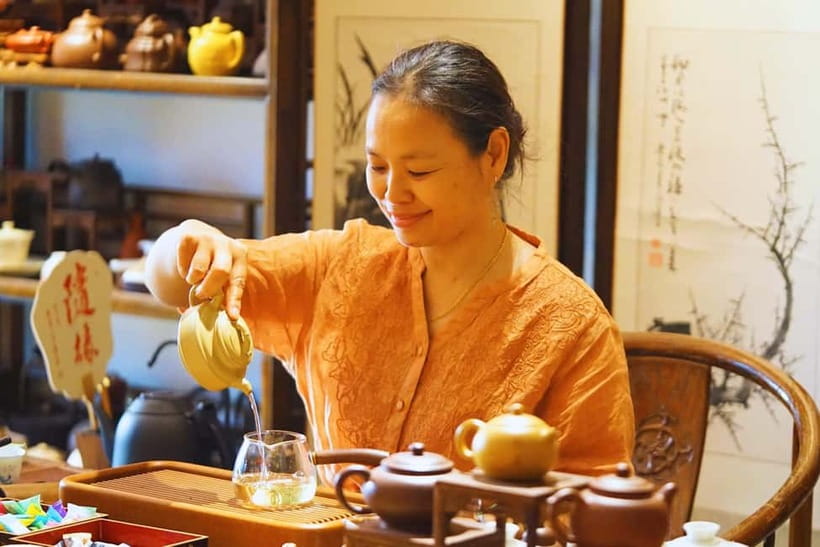
This is less a sightseeing tour than a small lesson in attention. The tea ceremony asks you to slow down and notice scent, heat, texture, timing, and the changing taste of the tea. That simple rhythm gives the session its value.
The stated ideas behind the ceremony are simplicity, nature, balance, and harmony between heart and mind. You do not need prior knowledge of Chinese tea customs. The instructor leads you through the order of events, so the session remains approachable even if your only tea experience is ordering a cup at a café.
The ceremony takes place at a traditional teahouse and courtyard near central Beijing. Its location matters. You can pair it with a visit to Tiananmen Square or the Forbidden City, then use the tea session as a calmer part of the day. It is also near Yonghe Temple, giving you another nearby cultural stop.
The activity lasts about two hours. That is enough time for the ritual to feel complete without taking up an entire sightseeing day. You should still allow extra time to reach the teahouse and find the correct entrance.
More Tea Ceremonies in China
- Traditional Chinese Tea Ceremony Experience
★ 4.7 · 74 reviews - Beijing Culture: Tea Ceremony, Heritage Instrument & Calligraphy
★ 5.0 · 57 reviews - Chinese Tea ceremony in Beijing Hutong courtyard
★ 4.7 · 26 reviews
Arriving near Tiananmen and finding the teahouse
After booking, you receive an English text and visual guide with information about the tea ceremony, the teahouse, and transportation. This is useful in Beijing, where a map pin alone may not tell you which entrance or floor to use.
The meeting instructions say to take the elevator to the second floor after arrival. The experience uses express elevators, and the venue is wheelchair accessible. You provide your name and phone number when you arrive, then the teahouse staff can match you with the reservation.
The location near Tiananmen makes this a convenient add-on, but do not treat it as a sightseeing stop with a short five-minute format. The ceremony itself takes two hours, and the teahouse is open from 10:00 AM to 8:00 PM. Your reserved appointment is specifically set for 10:00 AM or 3:00 PM.
I would choose the morning session if you want tea before a full day of sightseeing. The 3:00 PM time works well after lunch and gives you a quiet pause before an evening meal. Both times were selected as suitable for tea according to traditional Chinese culture and medicine.
Choosing your tea leaves
Once you arrive, you choose your preferred tea leaves. The information provided does not list the available varieties, so you should ask the instructor what each tea tastes like before deciding. That small conversation is part of the fun, especially if you are curious about how Chinese teas differ.
Remember that purchasing tea leaves is not included. The reservation covers the booking service, not the tea, and the average total spending at the teahouse is around 398 RMB per person. Confirm the cost of your chosen tea before ordering if you want to keep your budget under control.
That extra cost deserves a clear explanation. You are paying for more than a beverage. The tea selection, the setting, the instruction, and the slow preparation all form part of the activity. Still, the value depends on your interest. If you want cultural context and a guided ritual, the cost may feel reasonable. If you simply want to sample tea, a regular teahouse will likely be cheaper.
Following the ceremony from greeting to first sip
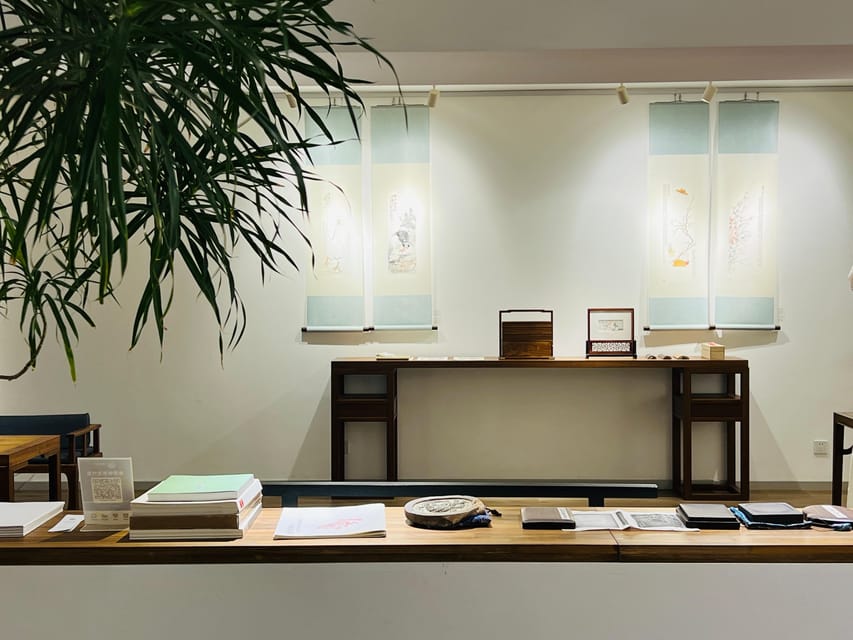
The session begins with host and guest greeting each other. This opening sets the tone. The ritual is polite and measured, with attention given to the relationship between the person serving and the person receiving the tea.
Next, the utensils are prepared and warmed. The leaves are added, then shaken to release their fragrance. You smell the tea before tasting it, which helps you notice the difference between dry leaves and the brewed drink.
The cups are warmed as well. The tea is rinsed, brewed, and served. That rinse is an important part of the sequence, and the instructor can explain how it fits into the preparation. You then taste the tea and pay attention to how the flavor changes as the session continues.
This order may sound formal, but the English-speaking instructor keeps it practical. You are not expected to memorize a set of rules. You are shown what to do, given time to observe, and invited to enjoy the tea.
The ceremony’s appeal is in these small actions. Warming the cups, shaking the leaves, and smelling the aroma may seem minor at home. In the teahouse, those steps give you a better sense of how Chinese tea culture treats preparation as part of drinking.
Same city, a very different cup:
- One-Day Hangzhou Dragon Well Tea Culture & West Lake Private Tour
★ 5.0 · 98 reviews - Tea Tasting and Pairing Concept Workshop
★ 5.0 · 57 reviews - Biking Real Shanghai& Tea Tasting Experience
★ 4.5 · 45 reviews - Tea Village in lost Town and Buddha 1 day tour
★ 5.0 · 32 reviews
What the instructor adds

An English-speaking tea ceremony instructor is included. That is important because the ritual has many small steps, and the meaning can be lost if you only watch silently.
The instructor helps explain the sequence and the cultural ideas behind it. You can expect guidance during the preparation, from adding the tea leaves to serving the brew. The service has been described as attentive, warm, informative, and friendly, which matches the needs of a session built around personal instruction.
No tour guide or audio guide is included. That is not a serious problem if you are booking this for the tea ceremony itself. It does mean you should not expect a general history lesson about Beijing or a guided visit to Tiananmen Square, the Forbidden City, or Yonghe Temple.
The English text and visual guide fill in some practical gaps before arrival. During the ceremony, the instructor is the main source of explanation. If you have questions about the leaves, utensils, or etiquette, ask while the tea is being prepared.
Why the two-hour length works
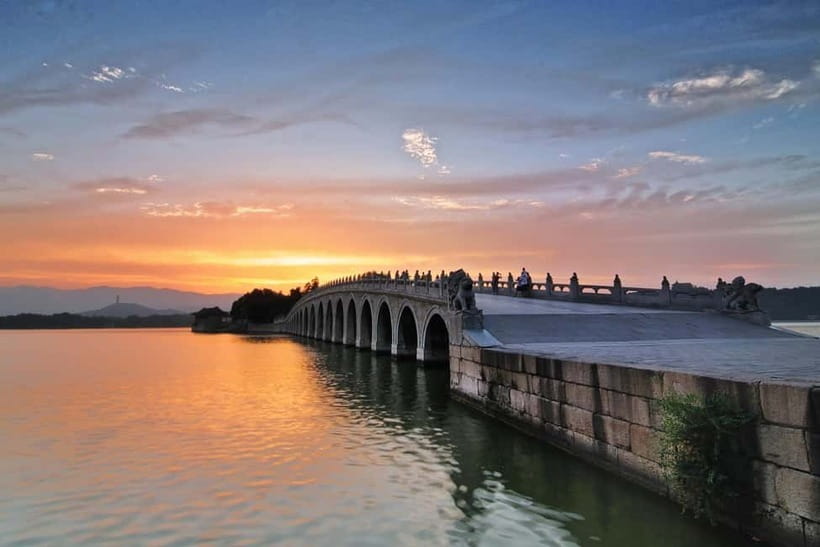
Two hours gives the ceremony room to breathe. A shorter appointment might show you only the basic preparation, while this format allows time to select tea, learn the sequence, taste the brew, and ask questions.
You should not expect constant activity. Some of the best parts involve sitting quietly, watching the tea pour, and noticing the aroma. If you prefer a fast-moving tour, the pace may feel slow. If Beijing sightseeing has left you tired, that slower rhythm is exactly the point.
The ceremony also offers a useful contrast with the city outside. Central Beijing can involve large sights, busy streets, and long periods on your feet. Here, your attention narrows to the table, the cups, and the tea.
The session is suitable for both serious tea enthusiasts and curious first-timers. You do not need to know Chinese tea names or formal etiquette. Curiosity is enough.
Price, value, and the extra spending
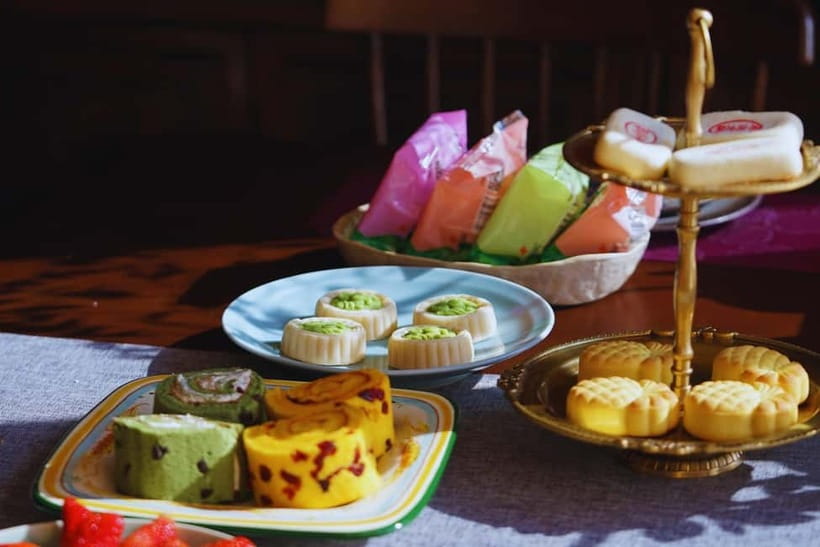
The advertised $7 price can look unusually low for a two-hour cultural activity. It is important to read it as a reservation fee, not as the complete cost of the visit.
Your actual teahouse spending averages about 398 RMB per person. Tea leaves are not included, and any tea you decide to purchase is an additional expense. This makes the final cost much higher than the booking fee suggests.
I would budget for the full teahouse amount before booking. Ask about the price of the tea you select, especially if you are visiting Beijing on a tight daily budget. The activity can still offer good value, but only if you want the complete ceremony rather than a low-cost tasting.
The strongest value comes from the instruction and setting. You receive an English-speaking teacher, a traditional courtyard and teahouse setting, a planned ritual, and time to understand what you are doing. The weaker value is the lack of included tea and the possibility that the final bill feels high compared with the initial reservation price.
Who should book this activity
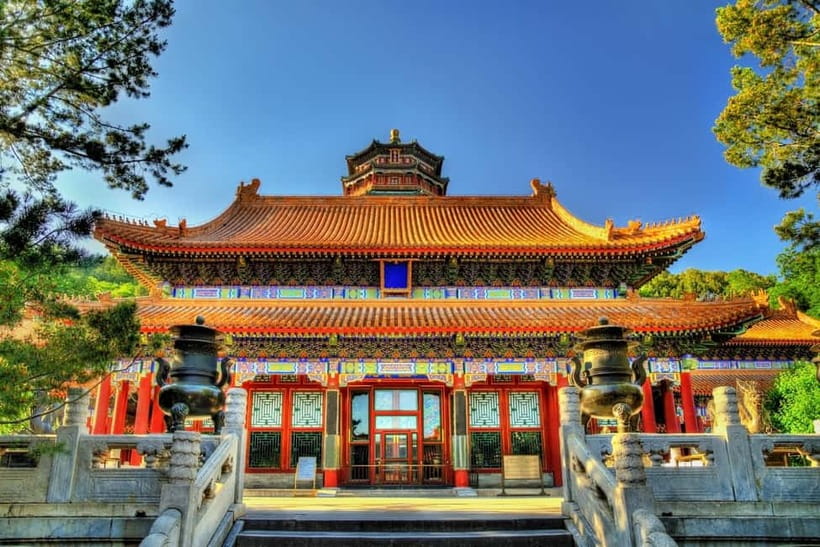
I would recommend it to you if Chinese culture is a major reason for visiting Beijing. It is also a good match if you already enjoy tea and want to learn how a formal session is organized.
Families and mixed-age groups may appreciate the clear sequence, though the two-hour sitting format may not suit very young children. The information confirms wheelchair accessibility, which makes this a practical option for many visitors with mobility needs.
The session is also useful for people who want a break from major monuments. You can visit the Forbidden City or Tiananmen area, then spend two hours doing something smaller and more personal.
I would be more cautious if your main goal is sightseeing, shopping, or a quick introduction to Chinese tea. The activity does not include a general tour guide, audio guide, or guided visit to nearby landmarks. You are paying for the tea ceremony, not a wider Beijing excursion.
Booking details that affect your day
You can reserve now and pay later, which helps if your Beijing schedule is still changing. Free cancellation is available up to 24 hours in advance for a full refund.
The appointment begins at the teahouse meeting point, with arrival instructions directing you to the second floor by elevator. The activity ends back at the same meeting point, so you can plan your next stop from there.
Bring the booking details and the name and phone number used for the reservation. The visual guide should help you reach the venue, but allow enough time to find the building and elevator.
The activity is offered through Panda Happy Journey in China. The overall rating is 4.8 from four reviews, with particular praise for the friendly, attentive instruction and the tasty tea. One practical warning remains: the experience was considered informative and enjoyable, but not cheap once the teahouse spending is counted.
Should you book this Beijing tea ceremony?
Book it if you want a guided look at Chinese tea culture and are comfortable paying the teahouse costs separately. The English instruction, central location, two-hour pace, and careful ritual make it a useful cultural stop between major Beijing sights.
Skip it if you only want an inexpensive drink or if your schedule has no room for a slow, seated activity. Before confirming, treat 398 RMB per person as the likely teahouse budget, then add any tea leaves you choose to buy. With that cost in mind, this is a good choice for tea lovers and culturally curious visitors, but not the right pick for anyone judging it by the $7 reservation fee alone.
FAQ
How long does the tea ceremony last?
The activity lasts two hours.
Where is the teahouse located?
The teahouse is near Tiananmen Square, the Forbidden City, and Yonghe Temple in Beijing.
What appointment times are available?
Appointments are specifically offered at 10:00 AM and 3:00 PM.
Is an English-speaking instructor included?
Yes. An English-speaking tea ceremony instructor is included.
What does the $7 price cover?
The $7 price covers the reservation service for the tea ceremony. It does not cover expenses at the teahouse.
How much should I expect to spend at the teahouse?
Average spending is around 398 RMB per person. The cost of purchasing tea leaves is not included.
Is a tour guide or audio guide included?
No. A tour guide and audio guide are not included. An English text and visual guide for the teahouse and ceremony are included.
Can I cancel the reservation?
Yes. You can cancel up to 24 hours in advance for a full refund. You can also reserve now and pay later.
Fresh tea listings around China
- Beijing:Learn Calligraphy & Enjoy Kung Fu Tea Ceremony★ 5.0 · 2 reviews
- Beijing: Temple Of Heaven+Tai Chi Class+Tea Ceremony★ 5.0 · 8 reviews
- Beijing Hands-On Culture Tour: Tea, Instrument, Calligraphy★ 5.0 · 6 reviews
- 3 hours Xi’an Mahjong Class with Local Tea★ 5.0 · 2 reviews
- Xi’an Calligraphy & Tea Ceremony – Dive into Ink & Brush Artistry★ 5.0 · 4 reviews
- Xi’an Noodle Making and Tea Tasting Experience★ 5.0 · 6 reviews
- Half-day Tour: Largest Tea Plantation & Amazing Xianggong Hill★ 5.0 · 9 reviews
- Xi’an Chinese Calligraphy Workshop: Ink Art & Tea Tasting★ 5.0 · 4 reviews
Tea Ceremony Experiences, compared.
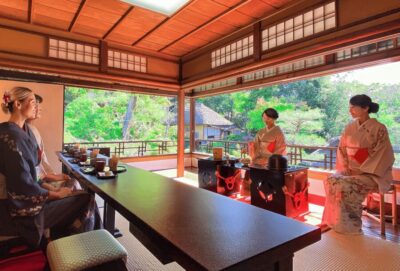
Kyoto: Tea Ceremony in a Traditional Tea House in Kiyomizu
Read our review →
Kyoto: 45-Minute Tea Ceremony Lesson Experience
Read our review →
Kyoto: Table-Style Tea Ceremony at a Kyo-Machiya
Read our review →
Browse the lists this tour appears in