
Review · MATCHA EXPERIENCES
Uji and Wazuka Matcha Farm Half Day Private Guided Tour
Wazuka is the real prize here. After a gentle start in Uji, you leave the well-known tea town for green hills, quiet roads, and tea fields that have supplied Japan’s finest tea for roughly 800 years. The tour gives you a useful link between the cup in your café and the farms that make it possible.
I especially like the combination of Uji’s riverside sights and Wazuka’s rural tea country. I also like the personal touch from Masae, whose family connection to tea gives the visit more feeling than a standard tasting. The main drawback is simple: farm roads can be muddy and bumpy, and $360 per person is a serious price for four hours.
Key points to know before booking
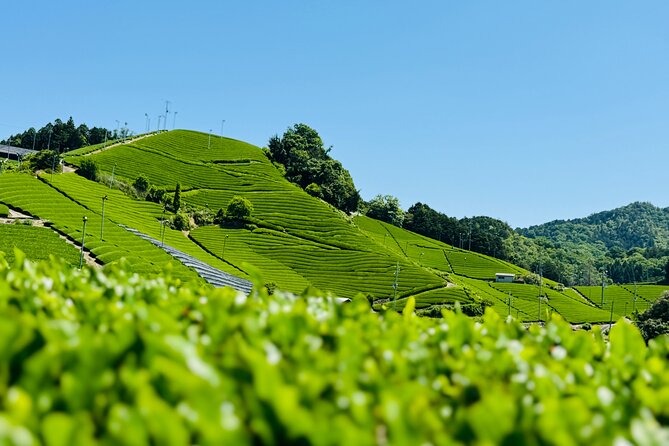
- Uji and Wazuka in one half-day: See the famous tea town, then head into the quieter valley where tea is grown.
- Masae leads the experience: Her local family perspective helps explain tea farming, production, and daily life in Wazuka.
- At least three local teas: The tasting lets you compare different teas instead of treating matcha as one single flavor.
- Private air-conditioned transport: You avoid arranging your own trip between Uji and the farm area.
- Tea fields, lunch, and scenery: The outing includes a farm walk, a viewing point, and a Japanese bento lunch.
- Prepare for rough ground: Farm access may be muddy and uneven, so good shoes matter.
Why this tour goes beyond a matcha café
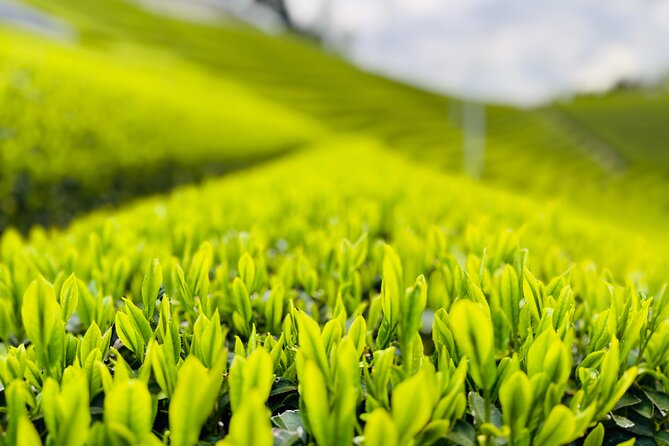
Uji is famous for tea shops, matcha sweets, and handsome riverside views. Those are pleasant reasons to visit, but they only show you the finished product. This experience adds Wazuka, a rural tea valley where the growing side of the business comes into view.
That change in setting matters. In Uji, you can browse tea shops and cafés near the river. In Wazuka, you see the hills and fields that give Uji tea its name and reputation. The result feels less like a tasting stop and more like a short lesson in how place, farming, and tradition shape what you drink.
You also get a private tour rather than a large shared group. Your group has its own guide and vehicle, which should make it easier to ask questions, slow down for photos, or spend more time on a subject that interests you. The four-hour schedule is compact, but it covers both an urban tea center and the countryside.
More Matcha Experiences in Uji:
- Kyoto: Tea Museum Tickets and Matcha Grinding Experience
★ 4.9 · 739 reviews - Slow Cycling Tour at Uji’s Matcha Green Tea Fields and Heritage
★ 5.0 · 25 reviews - Kyoto Matcha Green Tea Tour
★ 4.5 · 23 reviews
Starting beside the Uji River
The meeting point is Itoh Kyuemon near JR Uji Station. From there, the tour begins with a walk along the Uji River and through the small tea-focused part of town. This is a good opening because you get your bearings in the place most closely linked with Uji tea.
The river walk is free and takes about 30 minutes. You can expect tea shops, matcha cafés, and the general feel of a town built around a product with national importance. This part is easy on the legs and works well for families or anyone who wants a relaxed start.
I like that the tour does not rush straight into a farm explanation. Uji gives you a cultural frame first. You can see how tea is presented to visitors, then later compare that polished town experience with the working fields in Wazuka.
The tradeoff is that this section is brief. If your main goal is shopping, dessert, or temple sightseeing in Uji, you may want to return on your own after the tour. The half-day format is designed to connect Uji with Wazuka, not to cover every famous sight in Uji.
Uji Shrine and the old bridge
The next short stops add two pieces of local history. Uji Shrine takes about 10 minutes and is described as one of Japan’s oldest shrines. It is a quick visit rather than a long shrine tour, but it gives the town a sense of age beyond tea retail.
Then you visit Ujibashi Bridge, also described as one of Japan’s oldest bridges. The bridge crosses the same river you have just walked beside, so the route feels connected rather than scattered. It is also a useful photo stop and a clear reminder that Uji has long been a crossing point as well as a tea town.
These stops are modest in length. Do not book this experience expecting detailed temple architecture or a full religious tour. Their value is in the setting and context, while the bulk of your time is saved for Wazuka.
The drive into Wazuka’s tea valley

The private vehicle becomes especially useful after Uji. Wazuka is about the rural tea country, and the tour takes you there without asking you to piece together local transport. The vehicle is air-conditioned, a welcome feature if the weather is warm or humid.
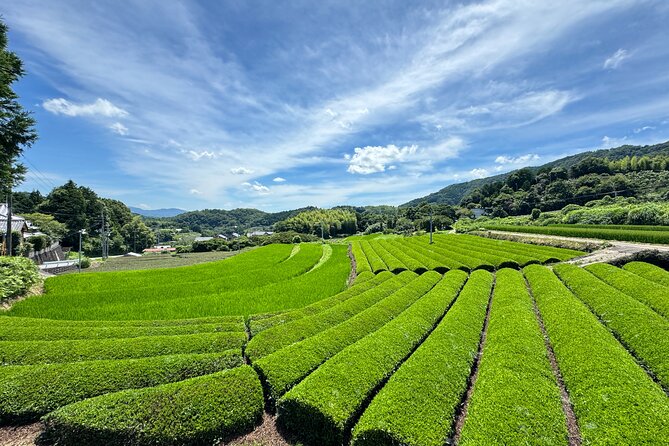
Wazuka has produced Uji tea for around 800 years. Its valley is surrounded by mountains and crossed by a river, creating the kind of setting that feels far removed from Kyoto’s busy sightseeing routes. The tour presents Wazuka as a place where high-grade tea was once reserved for the Imperial Family, a detail that helps explain its status in Japanese tea culture.
You should think of this as a countryside visit, not just a scenic transfer. The roads and farm access can be bumpy and muddy. Wear shoes you can safely get dirty, and avoid bringing footwear that you need to keep spotless for the rest of your trip.
The precise tea farm route may vary, since the supplied details do not name a particular farm or guarantee one exact field. What is clear is that the visit includes a tea farm walk and a magnificent viewpoint in Wazuka.
More Farm Visits in Uji:
- 7 Hours Private Guided Tour Uji and Wazuka Matcha Farm
★ 5.0 · 2 reviews - Nairobi to Kiambethu Tea Farm Tour
★ 5.0 · 51 reviews - Private Day Trip to Kiambethu Tea Farm in Limuru from Nairobi
★ 5.0 · 31 reviews - Day Tour To Kiambethu Tea Farm in Limuru
★ 5.0 · 22 reviews
Walking through the tea fields
The farm walk is the heart of the experience. You are not only tasting matcha after it has been prepared for sale. You are seeing the plants in the setting where tea farming takes place and learning about the work behind production.
Masae’s role is important here. She explains tea farming and manufacturing from a local and family perspective, rather than giving you only a general textbook account. That personal connection was one of the strongest features of the experience for me to highlight. It helps turn technical information into something tied to people, place, and family work.
The walk can also show you why the rural portion takes most of the time. Wazuka receives about three hours of the four-hour outing, while the Uji stops are short. That is a sensible balance if tea is your main interest.
Still, this is not a polished garden path. The access can be muddy and uneven, and the tour does not promise a fully accessible farm route. Most people can participate, but anyone with difficulty walking on rough ground should consider the conditions carefully.
Tasting at least three local teas
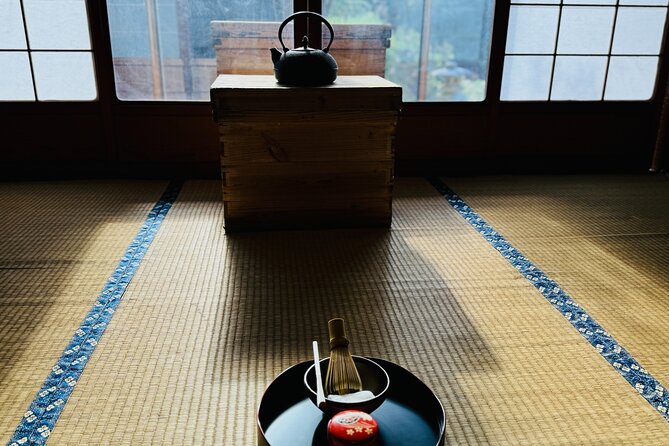
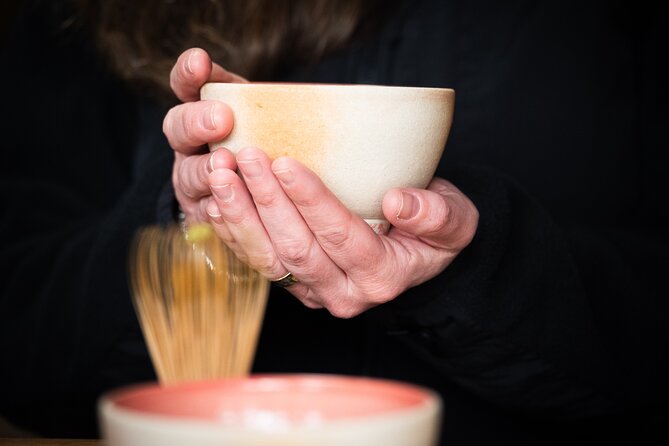
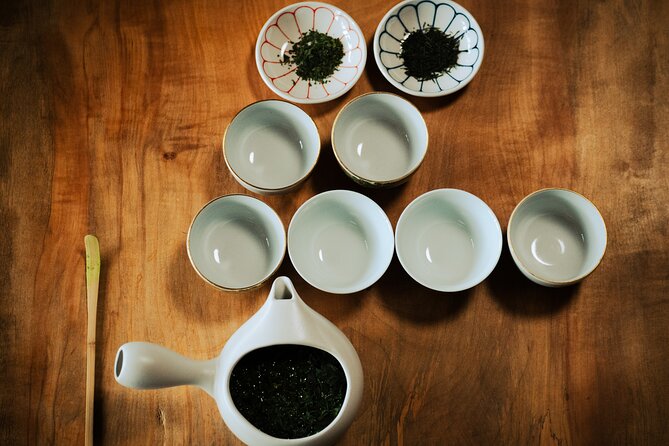
The tasting includes at least three kinds of local tea, along with coffee or tea service. This is more useful than a single ceremonial cup because you can compare differences in flavor and style. It gives you a better sense of why Japanese tea is not one uniform drink.
The supplied details do not identify the exact teas served on every departure, so you should not assume a fixed menu. You may taste matcha alongside other local teas, as several parts of the experience focus on both green tea and matcha.
Masae explains the tea while you taste it, which makes the cups easier to understand. Pay attention to how preparation changes the drink, and ask about the steps from farm to finished tea. The point is not simply to drink something unusual. It is to connect the flavor with cultivation and production.
The tour also leaves room for tea shopping. You can buy tea in Uji or elsewhere during the outing, but purchases are extra. If you find a tea you like, ask for the name and preparation advice before buying. That small step can save you from returning home with a package you are not sure how to use.
A generous bento lunch in the countryside
Lunch is a Japanese bento set included in the price. A bento is a practical fit for this tour because it keeps the day moving while still giving you a proper meal. The experience also includes local tea, so lunch becomes part of the regional theme rather than a break unrelated to the tour.
Vegetarian food is available with advance notice. You should make that request before the tour, not when the meal arrives. Extra drinks, snacks, and food bought on the street are not included.
The meal received especially warm praise in the supplied comments, with repeated attention to its generous portions and the guide’s care as a lunch host. That suggests the food is not treated as an afterthought. Still, no menu is provided, so you should not book expecting a specific dish or a formal restaurant meal.
For many people, the lunch is one of the practical strengths of the package. You get transport, guiding, tasting, the farm visit, and food in one private outing. That helps explain the price, even if a short tour at $360 per person will not suit every budget.
Is $360 per person a fair price?
At $360 per person, this is expensive compared with a basic Uji walking tour or an independent café visit. You are paying for more than admission, since the listed stops are free. The price covers a private guide, private transportation, an air-conditioned vehicle, tea tasting, a bento lunch, and the time needed to reach Wazuka.
The value improves if you are traveling as a small group and want the convenience of a planned countryside visit. Group discounts are available, though the exact discount is not stated. A private vehicle also removes the uncertainty of finding your way from Uji into the tea valley and back.
The value is weaker if you only want to see Uji’s famous bridge, shrine, and tea shops. You can visit those areas without paying for a private half-day. It is also less compelling if you are not very interested in tea production, since much of the experience centers on farms, tasting, and matcha culture.
I would compare this tour with the cost and effort of arranging a separate Wazuka visit yourself. If you value local interpretation, a prepared lunch, and door-to-door-style private transport, the premium may feel fair. If you are comfortable planning transport and walking independently, you may prefer to spend the money on a longer stay in Uji or another paid cultural activity.
Who will enjoy this half-day outing?
I would recommend it most strongly to matcha fans, food-focused visitors, families, solo visitors who want a private guide, and anyone who has already seen Kyoto’s main sights and wants a quieter day outside the city.
It also suits people who learn best through conversation. Masae’s explanations cover tea farming, tea manufacturing, history, and local culture, and the private format gives you space to ask questions. The experience is not only about taking pictures of fields.
Families should note the muddy and bumpy access. Children may enjoy the vehicle, tasting, scenery, and lunch, but the farm portion is not described as a playground or an easy paved walk.
The tour is less suitable for anyone seeking a full-day excursion, extensive temple visits, or a formal tea ceremony. It is also not the best fit if rough ground creates a serious problem for you.
Practical details that matter
The tour lasts about four hours and begins near JR Uji Station at Itoh Kyuemon. It ends in a different location, so check the confirmed end point before planning your next train or reservation.
Confirmation is provided when you book, and mobile tickets are supported. Service animals are allowed, and the tour is near public transportation. Most people can take part, but the farm conditions deserve attention.
Free cancellation is available up to 24 hours before the start time for a full refund. Cancellations or changes made less than 24 hours before the start time are not accepted for a refund, and the cut-off uses local time.
Should you book the Uji and Wazuka tour?
Book it if you want the story behind matcha, not just a sweet drink in a café. The strongest reason to go is the combination of Uji’s tea-town setting, Wazuka’s farm country, Masae’s personal guidance, three or more tea tastings, and a proper bento lunch.
Think twice if $360 per person feels steep for a four-hour outing, if you want a long temple tour, or if muddy farm paths would be difficult. For the right visitor, this is a focused and personal way to see where Uji tea begins. For everyone else, Uji itself is easy to explore independently.
FAQ
How long does the Uji and Wazuka Matcha Farm tour last?
The experience lasts approximately four hours.
Where does the tour begin?
It begins at Itoh Kyuemon near JR Uji Station, at SaboUmonji-16-1, Uji, Kyoto 611-0021, Japan.
Where does the tour end?
The activity ends at a different location from the starting point. Check the confirmed end details when booking.
Is this a private tour?
Yes. Only your group participates in the activity.
What is included in the price?
The price includes a guide, private transportation, an air-conditioned vehicle, a tea farm walk, a viewpoint visit, local tea or coffee, a tasting of at least three kinds of tea, and a Japanese bento lunch.
Is a vegetarian lunch available?
Yes. A vegetarian bento option is available if you request it in advance.
Are drinks and snacks included?
The listed tea or coffee and tasting are included. Extra drinks, snacks, and street food purchases are not included.
Will I visit a real tea farm?
Yes. The experience includes a tea farm walk in Wazuka-cho.
Can I take part if I have difficulty walking on rough ground?
Farm access can be bumpy and muddy. Most people can participate, but the tour does not promise a smooth or fully accessible farm route.
Can I cancel for a full refund?
Yes, if you cancel at least 24 hours before the experience start time. Cancellations or changes made less than 24 hours in advance are not accepted for a refund.
Fresh tea listings around Uji
- Uji: Private immersion into Kyoto’s tea and reglious culture★ 5.0 · 17 reviews
- Uji Tea Ceremony and UNESCO Heritage Walking Tour★ 5.0 · 20 reviews
- Kyoto tea town for matcha lovers★ 5.0 · 16 reviews
- Kyoto Matcha Green Tea Tour★ 4.5 · 23 reviews
- Utilising upcycled Matcha! Creating matcha incense (Uji, Kyoto)★ 5.0 · 6 reviews
- 7 Hours Private Guided Tour Uji and Wazuka Matcha Farm★ 5.0 · 2 reviews
- Half Day Matcha Tour in Uji, home of culture, with a local★ 4.8 · 14 reviews
- Kyoto: Tea Museum and Tsuen Teahouse Guided Tour★ 5.0 · 2 reviews
Matcha Experiences, compared.
World Heritage Kyoto & Nara Uji Authentic Matcha Experience
Read our review →
Matcha Making Class in Tokyo with Authentic Japanese Sweets Set
Read our review →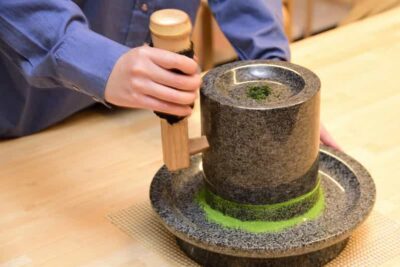
Kyoto: Tea Museum Tickets and Matcha Grinding Experience
Read our review →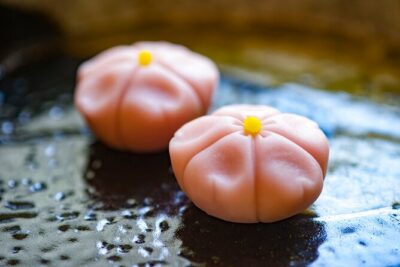
Matcha Making Class in Osaka with Authentic Japanese Sweets Set
Read our review →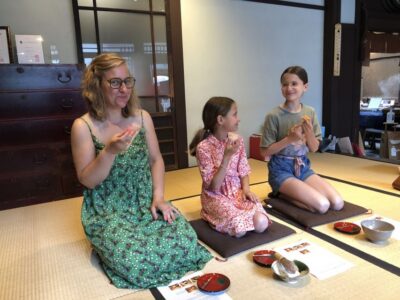
Kyoto: Tea Ceremony Meditation – Make Matcha with Tea Master
Read our review →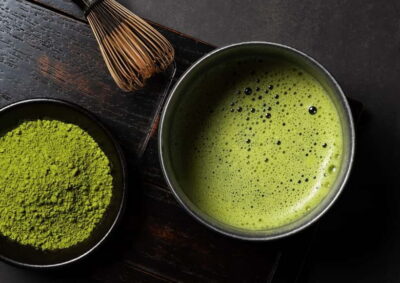
Tokyo: Matcha Making Experience with Mochi Sweets in Asakusa
Read our review →
Kyoto: Kimono Tea Ceremony with Matcha and Sweet
Read our review →
Browse the lists this tour appears in