
Review · MATCHA EXPERIENCES
Kamkura: Private Zazen, Matcha at Bamboo Temple & Mindful Cuisine
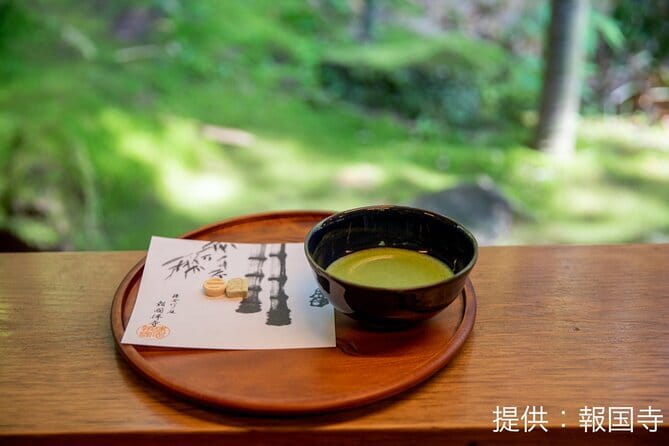
Kamakura gives you a very different side of Japan from Tokyo’s bright streets and packed train stations. This Zen-focused day brings together a bamboo temple, seated meditation with a Buddhist priest, and a vegan Buddhist lunch, all in one carefully timed outing. The most memorable moment may be something simple: a bowl of matcha in the quiet shade of Hokoku-ji’s bamboo grove.
I like the way this experience connects practice with place. You do not just hear about Zen, you sit for zazen at Hokaiji Temple and then see how Buddhist ideas shape shojin ryori. I also like the small maximum of 10 people, which should make the guide’s explanations easier to hear and the day less hectic.
The main consideration is timing. You start early, spend much of the day moving between stops, and may not reach Shinjuku until about 5:15 p.m. The zazen session is meaningful but fairly short, and matcha service can pause if Hokoku-ji becomes too crowded.
Key points at a glance
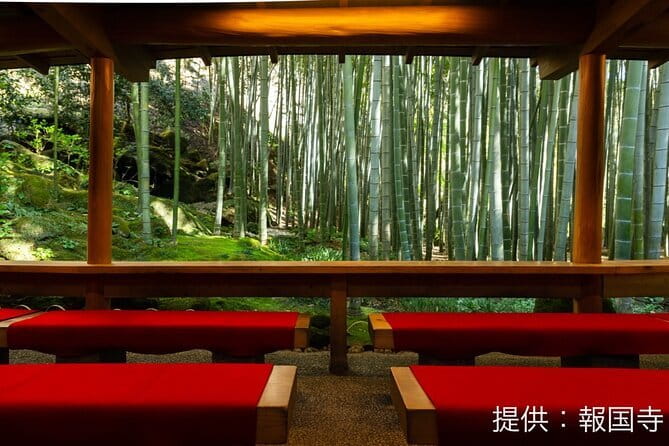
- Matcha beside a bamboo grove: Hokoku-ji offers one of Kamakura’s most peaceful settings for tea, though service is not guaranteed during crowded periods.
- Zazen with a Buddhist priest: At Hokaiji Temple, you learn seated meditation with English interpretation from your guide.
- Shojin ryori at Minemoto: Lunch is a plant-based Buddhist meal built around seasonal vegetables, tofu, and vegetarian ingredients.
- A local look at Kamakura: The walking portion focuses on favorite streets and lesser-known places rather than only the city’s headline sights.
- Small maximum of 10 people: The group size suits travelers who want explanation and personal attention without booking a fully private vehicle.
- A full day from Tokyo: The tour begins at 8:30 a.m. and ends back at the meeting point, with the train fare from Kamakura to Shinjuku not included.
Why Zen makes sense in Kamakura
Kamakura was a center of samurai power during the Kamakura period, and Zen temples played an important role in the city’s spiritual life. You can still feel that connection in its temple grounds, gardens, and quiet lanes.
This tour does not try to cover every famous sight in town. Instead, it builds a day around attention: look closely at bamboo, sit with your breath, eat slowly, and walk through the city with a local guide. That focus gives the outing a clear purpose.
I would not book it if your main goal is to see every major Kamakura landmark in one day. The appeal here is the change of pace. You trade a checklist of sights for a more reflective visit.
More Matcha Experiences in Tokyo
- Matcha Making Class in Tokyo with Authentic Japanese Sweets Set
★ 5.0 · 744 reviews - Tokyo: Matcha Making Experience with Mochi Sweets in Asakusa
★ 4.9 · 388 reviews - Asakusa Cultural Walk & Matcha Making Tour
★ 5.0 · 245 reviews
Hokoku-ji: bamboo, matcha, and a quiet start
The first temple is Hokoku-ji, often called the Bamboo Temple. You have about 50 minutes here, with admission included.
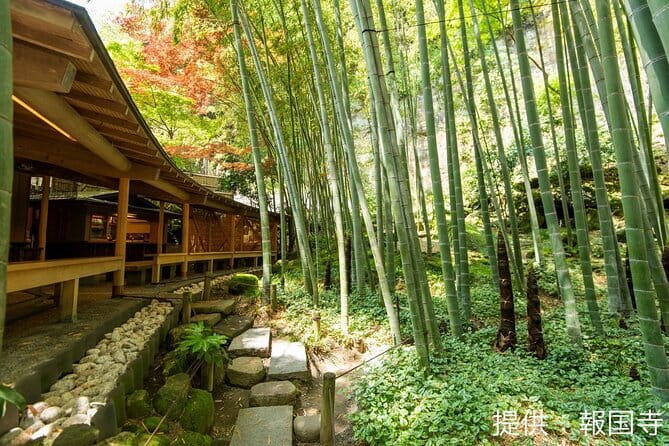
The bamboo grove is the visual star. Tall bamboo creates a narrow green corridor, and the setting gives you a natural pause before the more structured parts of the day. The matcha service adds a cultural ritual to the visit. You receive a bowl of matcha, with Japanese sweets mentioned as part of the experience, and sit near the bamboo rather than simply photographing it and moving on.
That distinction matters. Many temple visits become quick stops for pictures. Here, the tea gives you a reason to remain still. Rain can make the bamboo look especially striking, with its green tones sharpened by the wet air, but the experience does not depend on perfect weather.
There are two practical limits. First, the tea service is offered without a reservation. If the temple becomes too crowded, it may be suspended. Second, 50 minutes is enough for the grove and tea, but not for a long, unhurried exploration of every corner.
Wear shoes and clothing that make walking easy. You will also want a little patience if the temple is busy. The peaceful mood is real, but Hokoku-ji is not always empty, especially on a Saturday.
Hokaiji Temple: learning how to sit still
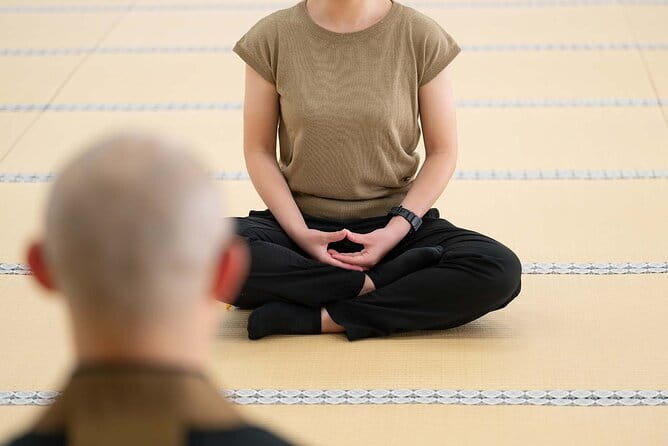
Next comes Hokaiji Temple, where the tour gives you about one hour for zazen. Zazen is seated Zen meditation. The practice centers on posture, breathing, and awareness rather than on chasing away every thought.
A Buddhist priest leads the session, and your guide interprets the priest’s explanations into English. That arrangement is valuable because it gives you direct contact with the temple’s religious setting while still making the instructions understandable.
If this is your first meditation session, do not expect a dramatic revelation. A short sitting can still help you notice your breath, posture, and the noise in your own mind. The goal is not to perform meditation perfectly. It is to pay attention.
The temple may feel cold in winter, particularly in February. Loose-fitting clothes are recommended, and short skirts are not a good choice for seated meditation. I would dress in layers and choose trousers or another outfit that lets you sit comfortably.
The one limitation is the session length. One hour at the temple does not mean one uninterrupted hour of formal sitting, and the actual meditation is described as brief by some participants. That can be a benefit for beginners, but experienced meditators may want more time.
Still, the short format makes sense for a sightseeing day. You get a real introduction without committing to a full retreat. The setting also gives the practice more weight than a meditation exercise in a hotel room.
Minemoto and the logic of shojin ryori
Lunch lasts about 90 minutes at Minemoto, the current restaurant for this experience. The venue changed beginning in April 2025, so older descriptions of the lunch location may no longer apply.
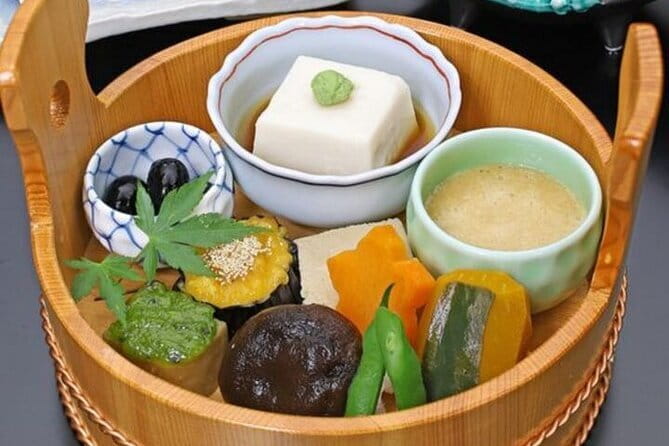
Shojin ryori is Buddhist cuisine built around plant-based ingredients. Expect seasonal vegetables, tofu, and other vegetarian foods prepared with care. The meal is not just a substitute for meat. It reflects the Buddhist preference for simple, balanced food and gives you another way to experience Zen ideas.
The presentation can be part of the pleasure. One account describes the food served in attractive lacquerware, a detail that turns lunch into more than a quick break between temples. You are given enough time to appreciate the meal rather than eating on the run.
Vegetarians and vegans can be accommodated, which makes this a useful choice if food restrictions often complicate day tours. You should still communicate your needs when booking, since the provider specifically notes that these diets can be handled.
I like the rhythm of this stop. After sitting quietly at Hokaiji, you get a proper meal and a chance to talk with your guide or fellow participants. The shared lunch can make the day feel social without losing its calm tone.
If you prefer large portions, familiar meat dishes, or a fast lunch, shojin ryori may not be your favorite part. This is a food experience based on simplicity and seasonal ingredients, not a typical restaurant meal designed around abundance.
Same city, a very different cup:
- Kimono Tea Ceremony at Tokyo, Asakusa Maikoya
★ 5.0 · 638 reviews - Tokyo: Traditional Tea Ceremony with a Tea Master
★ 5.0 · 528 reviews - Dynamic Tokyo: Tokyo Tower, Tea Experience, Bay Cruise Day Tour
★ 4.5 · 521 reviews - Tokyo: Matcha and Kimono Experience
★ 4.7 · 219 reviews
Kamakura beyond the temple gates
After lunch, you spend about 1 hour and 20 minutes walking through Kamakura with a local guide. The focus is on charming streets, favorite places, and lesser-known corners of the city.
This portion gives the day some balance. Without it, the experience could feel like a sequence of temple visits with a meal in the middle. The walk helps connect the spiritual sites to ordinary Kamakura, where the city’s history and daily life sit close together.
A guide such as Yoriko may also introduce places you would probably miss on your own, even if you have already visited Kamakura. That is one of the strongest reasons to book a guided outing here. Repeat visitors can see a familiar city from a new angle, while first-time visitors get help understanding how the temples fit into the wider town.
The walking time is free of admission charges, but the precise streets and stops can vary. That flexibility is useful because the guide can adjust the pace and route. It also means you should not treat this as a fixed list of named attractions.
Kamakura is easy to enjoy at a slower pace, but you will still be on your feet for much of the day. Comfortable shoes matter more than stylish ones. If you have limited walking ability, ask the provider before booking, since the supplied details only say that most people can participate.
What the $170 price really covers
At $170 per person, this is not the cheapest way to visit Kamakura. It is also not simply an admission ticket with a guide attached.
Your price includes the matcha at Hokoku-ji, all listed admission and activity fees, lunch, and transportation fees from Kamakura Station during the tour. It also pays for the guide’s interpretation at Hokaiji and the planning that links four different parts of the day.
The train fare from Kamakura back to Shinjuku is not included. The train is scheduled to arrive at Shinjuku Station at 5:15 p.m., although traffic or other delays can push the finish later. Budget separately for that final train and avoid scheduling an evening reservation too tightly.
Private transportation is not included. This matters because the experience uses ordinary transportation from Kamakura Station rather than a private car. If door-to-door comfort is your priority, the price may feel less attractive. If you value a small group, cultural instruction, and a planned lunch, the cost is easier to justify.
The maximum group size is 10. That is small enough for questions and personal guidance, though the word private in the title should not lead you to expect a vehicle or a one-party tour unless your booking specifically confirms that arrangement.
The pace, meeting details, and clothing
The start time is 8:30 a.m. The activity ends back at the meeting point after the Kamakura program, with the guide happy to accompany you back toward the station and Shinjuku.
Because the meeting-point details supplied for this experience do not name a specific Tokyo station, check the confirmed booking information carefully. Confirmation is sent within 48 hours, subject to availability.
This is a long day, about 8 hours and 45 minutes. I would leave extra room in your schedule after the planned 5:15 p.m. arrival in Shinjuku. The provider specifically warns that the end time can change because of traffic or other unforeseen delays.
For zazen, loose-fitting clothing is best. Avoid short skirts, and wear layers if you visit in winter. Comfortable walking shoes will help during the temple visits and the final city walk.
The experience is available with a mobile ticket. The tour requires a minimum number of participants, so it can be canceled if that number is not reached. In that case, you are offered another date or experience, or a full refund. Otherwise, the booking is non-refundable and cannot be changed.
Who will enjoy this Kamakura day
I would recommend this experience to you if you want more than temple photographs. It suits first-time meditators, solo visitors who want a thoughtful local guide, repeat Kamakura visitors, and anyone interested in Japanese food and Buddhist practice.
It is also a good match for solo travelers. The small group creates some company, while the meditation and tea provide quiet time. The structure keeps the day from feeling lonely or aimless.
You may want another tour if your priority is the Great Buddha, a broad survey of Kamakura’s main monuments, or a flexible day with no fixed schedule. This experience has a clear theme, and that theme shapes the route.
It is also not ideal if you dislike plant-based food, sitting on the floor, or public transportation. Those are not minor details here. They are part of the day’s character.
Should you book it?
Book this Kamakura experience if you want a calm, well-organized day that connects bamboo, meditation, food, and local streets. The strongest parts are the matcha setting at Hokoku-ji, the direct zazen instruction at Hokaiji, and the thoughtful shojin ryori lunch.
Skip it if you need a private car, a long meditation session, or a packed list of famous sights. At $170, the value comes from the guide, interpretation, included meals and admissions, and the chance to experience Kamakura through Zen practice rather than from transportation alone.
For the right person, this is a refreshing way to step out of Tokyo’s fast rhythm without traveling far. Just dress for sitting, keep your evening open, and remember that the final train fare is extra.
FAQ
Where does this Kamakura experience start?
The activity starts at 8:30 a.m. The supplied details do not name a specific starting station, so check your confirmed booking information for the exact meeting point.
How long does the tour last?
The experience lasts approximately 8 hours and 45 minutes. The planned train arrival at Shinjuku Station is 5:15 p.m., but the end time can be delayed by traffic or other unforeseen circumstances.
Is lunch included?
Yes. Lunch at Minemoto is included and features shojin ryori, a Buddhist plant-based meal with ingredients such as seasonal vegetables and tofu.
Can vegetarians and vegans join?
Yes. The provider states that vegetarian and vegan guests can be accommodated.
Is matcha guaranteed at Hokoku-ji?
No. A bowl of matcha is included, but the tea service is offered without a reservation and may be suspended if the venue becomes too crowded.
Is transportation back to Tokyo included?
Transportation fees from Kamakura Station during the experience are included, but the train fare from Kamakura to Shinjuku is not included.
Fresh tea listings around Tokyo
- Yokohama : Tea Ceremony with Sweets and Souvenir★ 5.0 · 5 reviews
- Walking Tour: Yanaka,Nezu& Sendagi: Tea Ceremony & Old Tokyo★ 5.0 · 3 reviews
- Private Mochi・Matcha sweets Making Class Near Shibuya Area★ 5.0 · 22 reviews
- Private Kimono and tea ceremony at local home near Tokyo Disney★ 5.0 · 6 reviews
- 2 Hours Mochi &Nerikiri Making & Matcha Class in Bunkyo★ 5.0 · 21 reviews
- Kimono and Tea Ceremony in Asakusa Private Food Tour With Guide★ 5.0 · 4 reviews
- Tokyo: Tea Ceremony & Japanese Sweets Making★ 5.0 · 10 reviews
- Tokyo Sweets Tour: Hidden Gems & Matcha at an Old Tea House★ 5.0 · 6 reviews
Matcha Experiences, compared.
World Heritage Kyoto & Nara Uji Authentic Matcha Experience
Read our review →
Matcha Making Class in Tokyo with Authentic Japanese Sweets Set
Read our review →
Kyoto: Tea Museum Tickets and Matcha Grinding Experience
Read our review →
Matcha Making Class in Osaka with Authentic Japanese Sweets Set
Read our review →
Kyoto: Tea Ceremony Meditation – Make Matcha with Tea Master
Read our review →
Tokyo: Matcha Making Experience with Mochi Sweets in Asakusa
Read our review →
Kyoto: Kimono Tea Ceremony with Matcha and Sweet
Read our review →
Browse the lists this tour appears in