
Review · CHINESE TEA CEREMONY TOURS
Unlock Chinese Tea: Culture, Science, Tasting & Hands-on Brewing
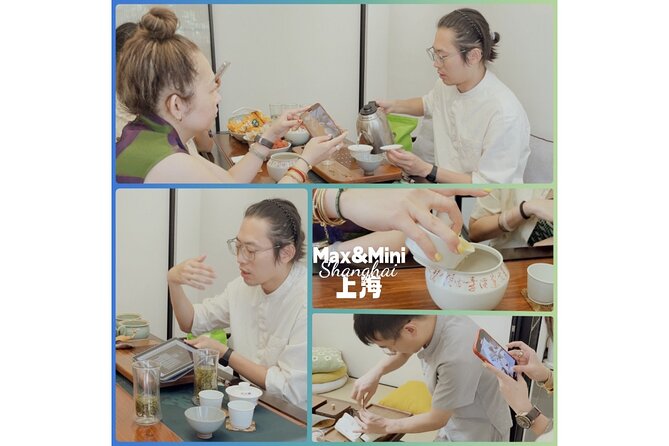
The most useful part of this Shanghai experience is that you do more than sip tea. Max leads you through Chinese tea culture, explains how processing changes flavor, then puts a gaiwan and other tea ware in your hands. I like the learn-by-doing format and the chance to taste several tea styles side by side. The small group, capped at seven, also gives you room to ask questions.
I also like the mix of culture and practical skill. You hear how tea changed from an herb into a daily drink, taste seasonal snacks such as pomelo, and practice brewing methods you can repeat at home. The main consideration is the meeting point: it is given as a specific address near the Old Town rather than a famous landmark, so allow time to find Ninghai Guesthouse and confirm your route before setting out.
Key points at a glance
- Max leads the entire workshop: He brings experience as a former PayPal ESG lead and senior trainer, along with certified English guiding and a strong focus on Chinese tea.
- Five or more tea styles may appear: You compare different teas and learn how the six major Chinese tea categories differ.
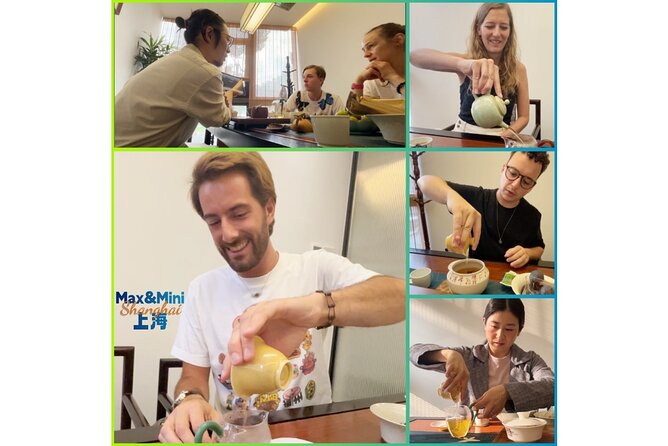
- Your hands stay busy: Practice with a gaiwan, clay pots, and other tea ware instead of only watching a demonstration.
- Tea comes with food: Seasonal fruit and other tea snacks help show how Chinese people pair simple foods with tea.
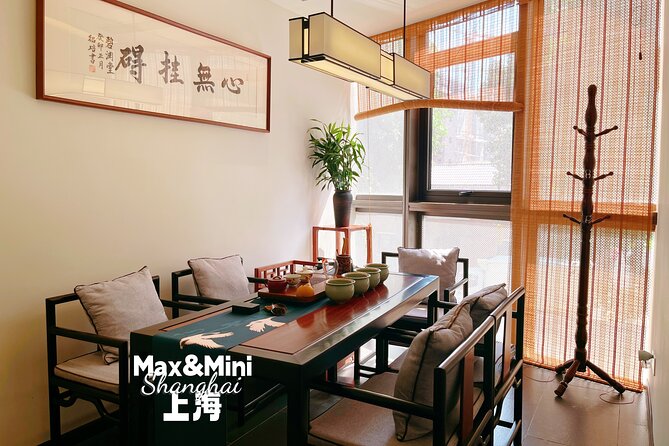
- The room is private and air-conditioned: This makes a long tasting more comfortable than a crowded counter service.
- The group is small: With no more than seven people, questions and individual brewing practice should be manageable.
A tea workshop, not just a tasting
Many tea activities give you a cup, a short explanation, and a chance to buy something. This one takes a more useful route. You taste, listen, look at visual material, and brew tea yourself.
The workshop lasts about two and a half hours. That is long enough to cover culture, production, tasting, and technique without turning the event into a full-day commitment. I would set aside the whole block rather than try to squeeze it between two major Shanghai sights.
Max is the only guide named for the experience. His background as a former PayPal ESG lead and senior trainer helps explain the workshop’s teaching style. He now works as a certified English guide focused on Chinese culture and tea. The teaching is presented in English, and the format is built around questions and hands-on practice.
The group limit of seven matters here. Tea brewing involves small tools, repeated pours, and close attention to color and aroma. A large group would make that awkward. With a small number of people, you have a better chance to ask why one tea tastes lighter, how a brewing step changes the cup, or what a particular piece of tea ware is meant to do.
More Chinese Tea Ceremonies in China
- One-Day Hangzhou Dragon Well Tea Culture & West Lake Private Tour
★ 5.0 · 98 reviews - Traditional Chinese Tea Ceremony Experience
★ 4.7 · 74 reviews - Authentic Hangzhou Longjing Tea Culture Experience Tour
★ 5.0 · 32 reviews
Starting near Shanghai’s Old Town
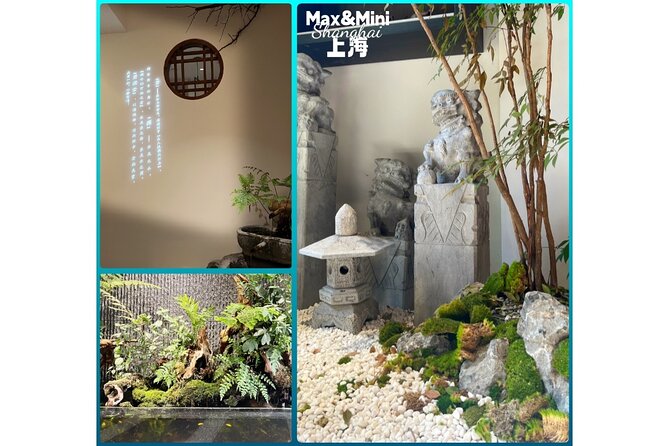
The activity begins at Ninghai Guesthouse, listed at 149 Nong, 100 Nanchezhan Road, Huangpu District, Shanghai. The itinerary identifies the Old Town as the stop, but the tea session itself takes place in a private tea house room at the meeting point.
That distinction is useful. This is not a walking tour through Old Town with tea added at the end. The Old Town setting provides the Shanghai context, while the main activity is a seated workshop. Plan your transportation to the exact address, not simply to the general Old Town area.
The activity ends back at the meeting point. That makes your onward plans fairly simple, especially if you want to continue exploring Huangpu afterward. Since the address is written in Chinese, keeping the Chinese location details available on your phone should help when arranging transportation or asking for directions.
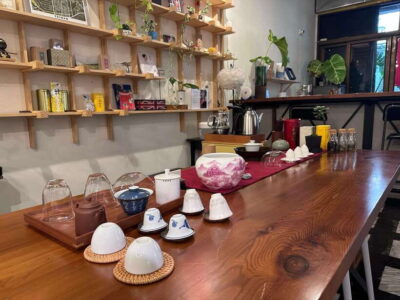
The room includes air conditioning and practice tea ware. Those are plain but important comforts in Shanghai, particularly when you are spending more than two hours seated with hot water and several rounds of tea.
Tasting several Chinese tea categories
The tasting is designed for beginners and people who already know a little about tea. You compare several Chinese teas and learn to notice differences rather than simply deciding which one tastes best.
The workshop covers China’s six major tea categories, including green, black, and oolong. Other categories are introduced through visual material and explanation. The point is not to memorize a long list of names. It is to understand that tea type depends heavily on how the leaves are processed.
This is where the science component adds value. You learn how production affects flavor, appearance, and the finished drink. A green tea and an oolong may begin as tea leaves, yet their processing can lead to very different aromas and textures. That basic idea gives you a better way to understand Chinese tea shops later in your trip.
You may taste five different teas or a broader selection, depending on the session. The supplied details describe several teas and typical examples, while individual accounts refer to five teas and the six tea categories. I would treat the exact lineup as flexible rather than expect a fixed menu.
Take notes if you are serious about tea. Write down the tea names, the brewing approach, and the flavors you notice. The workshop is practical enough that you can leave with a clearer sense of what you like, but the exact teas available may change.
Hearing how tea became part of daily life
The cultural section follows tea from its early use as an herb to its later place as an everyday drink. You also hear how tea developed across Chinese dynasties.
That historical thread gives the tasting more meaning. Instead of treating each cup as an isolated product, you begin to see tea as part of Chinese daily life, hospitality, and etiquette. The workshop also explains tea customs, so you are not only learning what is in the cup but how tea is prepared and shared.
I especially like this balance. A history lecture alone can feel remote, while a tasting without context can become a string of pleasant but forgettable sips. Here, the story and the cup support each other.
The visual material about tea types and tea crafting should help if you are new to the subject. Tea terminology can become confusing quickly, and seeing categories and production steps laid out in front of you gives the explanation a practical shape.
Same city, a very different cup:
- Beijing Culture: Tea Ceremony, Heritage Instrument & Calligraphy
★ 5.0 · 57 reviews - Tea Tasting and Pairing Concept Workshop
★ 5.0 · 57 reviews - Biking Real Shanghai& Tea Tasting Experience
★ 4.5 · 45 reviews - Tea Village in lost Town and Buddha 1 day tour
★ 5.0 · 32 reviews
Practicing with a gaiwan and clay pots
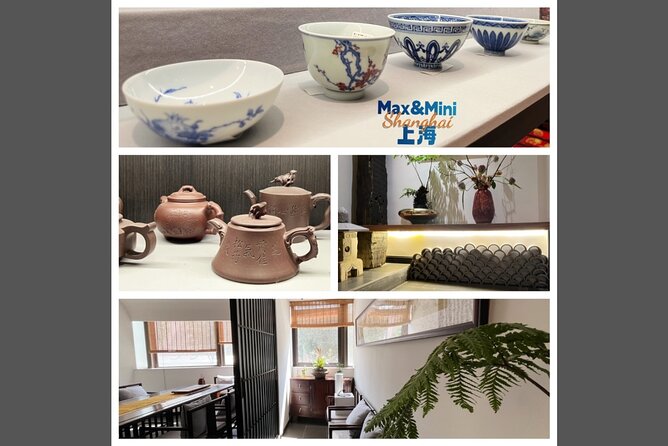
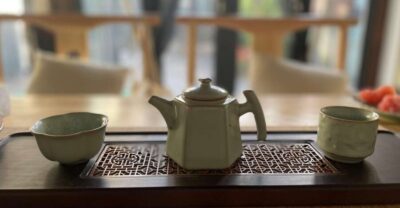
The hands-on brewing is the heart of the workshop. You work with different tea ware, including a gaiwan and clay pots, and practice traditional brewing methods and etiquette.
A gaiwan is a small lidded bowl used for brewing and pouring tea. It looks simple, but the technique can feel unfamiliar at first. You need to manage the lid, hot water, leaves, and pour without making a mess. That is exactly why guided practice helps.
Clay pots bring another approach. The tools behave differently, and the session gives you a chance to compare methods rather than assuming there is one correct way to brew every tea. You learn through repetition, which is more useful than watching someone else handle the equipment perfectly.
This section also makes the price easier to judge. You are paying for instruction and guided practice, not only for the liquid consumed during the session. If you want to take Chinese tea home, the ability to brew it with more confidence has lasting value.
Do not expect a formal certification or a professional tea qualification. This is an introductory cultural workshop with practical instruction. It should leave you more comfortable with tea, not turn you into a specialist in one afternoon.
Tea snacks, seasonal fruit, and the social side
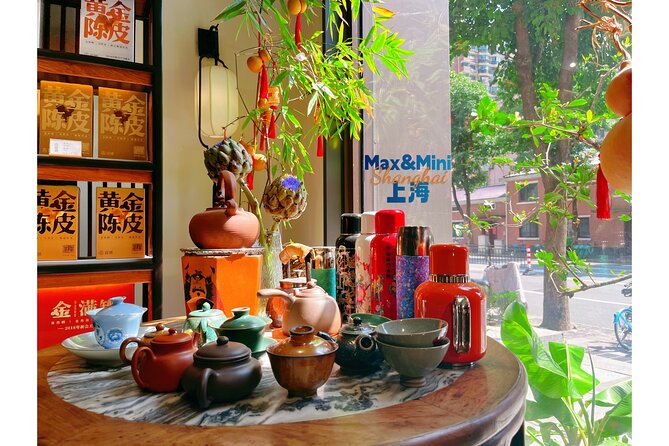
Snacks are included, and the food can include seasonal fruit such as pomelo. You also learn what people eat with tea.
This is a small feature, but it gives the session a more natural rhythm. Tea in China is not always treated as a stand-alone tasting flight. Simple foods can balance bitterness, refresh the palate, or make a tea gathering feel more social.
Pomelo is also a helpful example because it is familiar enough to recognize but still ties the tasting to season and place. The snacks are not described as a meal, so arrive expecting light food rather than lunch.
The combination of tea and snacks may be especially useful if you are unsure how to behave in a Chinese tea setting. You can watch the etiquette, ask questions, and take part without worrying that you are missing an important rule.
How Max’s teaching style shapes the visit
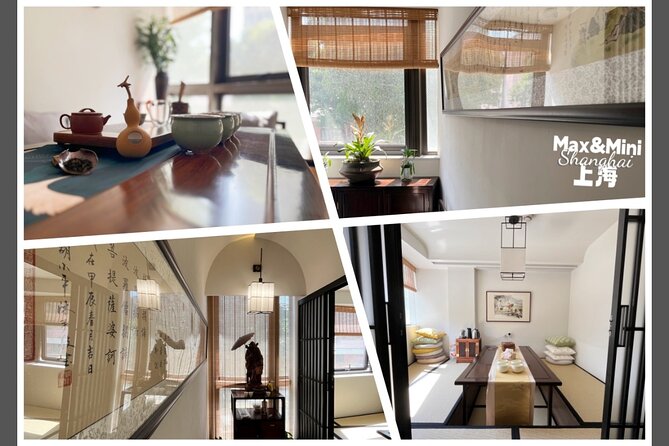
The experience depends heavily on Max. He is the only named guide, and the available information repeatedly presents him as the person leading the cultural explanation, tasting, and brewing practice.
His professional training background is relevant. A former senior trainer is likely to organize information clearly, and this workshop is structured around explanation followed by practice. More important for you, Max’s role combines English guiding with a personal focus on Chinese tea and culture.
The session appears suited to questions. You can ask about tea history, brewing, processing, or etiquette rather than simply follow a fixed script. That is valuable for a subject with many unfamiliar terms and habits.
The format can also work well for a solo booking. A one-person session has taken place before, and the maximum group size is seven. The price is listed per person, so do not assume a private session is included unless your booking confirms it. The small-group setup offers personal attention, but it is not automatically a private tour.
Is $72 a fair price?
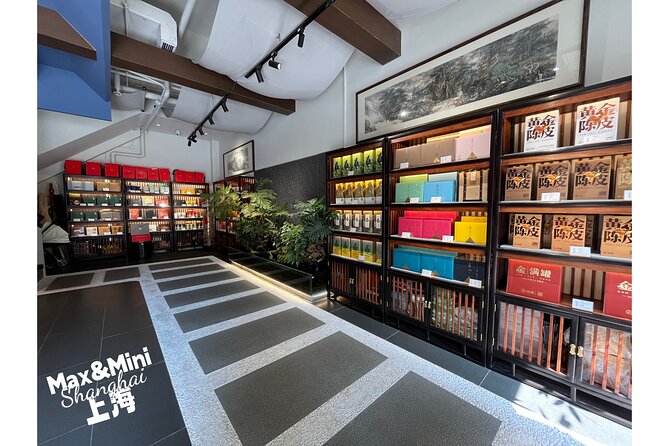
At $72 per person, this is not a bargain tea stop. You can drink tea in Shanghai for much less. The value comes from the combined package: roughly two and a half hours, a private air-conditioned room, several tastings, snacks, cultural history, processing science, tea etiquette, and direct brewing practice.
I would compare it with the cost of a short cultural class, not with the price of a cup of tea. If you only want to taste a local drink, this is more instruction than you need. If you want a clear introduction to Chinese tea and the confidence to brew it yourself, the price is easier to justify.
Group discounts are available, though the amount is not specified. Ask for the actual rate before booking if you are traveling with family or friends. The seven-person limit also means the class is unlikely to become a large commercial presentation.
The strongest value comes for people who will use the information later. You may want to buy tea during the rest of your China trip, prepare it at home, or understand tea service in a more informed way. For a one-time photo opportunity, I would spend the money elsewhere.
Who should book this Shanghai experience?
I would recommend it to:
- First-time visitors who want a structured introduction to Chinese culture
- Tea drinkers who want to compare several styles in one sitting
- Curious beginners who prefer practice over a lecture
- Couples, friends, and small groups looking for an indoor activity
- Solo visitors who enjoy asking detailed questions
- People who want an English-language cultural experience near the Old Town
It may be less suitable if you want a fast stop, a walking tour, a full meal, or a shopping excursion. The activity returns to the same meeting point and focuses on tea rather than covering several Shanghai attractions.
It also suits people with some tea experience. The workshop is not limited to complete beginners, and one session included a participant with substantial brewing and tasting experience. You can bring your own questions and compare your habits with the methods shown.
Practical details before you book
Confirmation is provided at booking. The activity is near public transportation, and service animals are allowed. The maximum group size is seven, but the information does not promise a private booking for every reservation.
The meeting point is Ninghai Guesthouse at the Chinese address provided above. Because the address may be more useful in Chinese than in translated form, save both versions before leaving your hotel.
The price is $72 per person. Coffee and tea, snacks, and use of the private practice room are included. Tips for Max are not included, so you can decide at the end if you want to recognize the teaching and hospitality.
Cancellation is free up to 24 hours before the local start time. A cancellation within 24 hours is not refunded, and changes inside that window are not accepted. Keep that cutoff in mind if your Shanghai schedule depends on trains, flights, or weather-sensitive plans.
Should you book it?
Book this workshop if you want more than a pleasant cup of tea. Max’s session combines Chinese cultural history, tea processing, tasting, etiquette, and hands-on brewing in a small room with a small group. That mix gives you something useful to take into the rest of your China trip.
Skip it if your main goal is a cheap drink, a broad Old Town sightseeing tour, or a full meal. At $72, the experience earns its price through teaching and practice, not quantity of food or sightseeing. For a tea-curious visitor who values personal instruction, it is a focused and worthwhile Shanghai activity.
FAQ
How long does the Chinese tea workshop last?
The experience lasts approximately two hours and 30 minutes.
Where does the activity begin?
It begins at Ninghai Guesthouse, China, Shanghai, Huangpu District, Nanchezhan Road 149 Nong, 100, postal code 200011.
Where does the activity end?
The workshop ends back at the meeting point.
How many people can join the group?
The activity has a maximum of seven participants.
Who leads the tea experience?
Max leads the experience. He is described as a certified English guide specializing in Chinese culture and tea, and he previously worked as a PayPal ESG lead and senior trainer.
What is included in the price?
Chinese tea tastings, snacks, and use of a private, air-conditioned tea house room with practice tea ware are included. Tips for the host are not included.
Can I cancel for a full refund?
Yes. You can cancel at least 24 hours before the local start time for a full refund. Cancellations or changes made within 24 hours are not refunded or accepted.
More Food and Drink Tours in China
- Shanghai 3-Hour Afternoon Tea Tasting and Dessert Tour
★ 4.9 · 15 reviews - Private Shanghai City and Zhujiajiao Combo Tour with Boating, Tea Tasting, Lunch
★ 5.0 · 15 reviews - 3-hour Morning/Afternoon Tea Tasting on Maliandao Street & Dimsum
★ 5.0 · 7 reviews - Puer Tea Picking and Tasting | 6 Hour Morning Trip
★ 5.0 · 7 reviews
More Brewery Visits in China
- Tea Tasting & Brewing Experience
★ 5.0 · 10 reviews - Istanbul: World Teas & Turkish Tea Brewing, Tasting Workshop
★ 4.8 · 29 reviews - World Teas and Turkish Tea Brewing & Tasting Workshop in Istanbul
★ 5.0 · 5 reviews
Fresh tea listings around China
- Full-day Tour: Spectacular Sunrise, Tea Plantation & Sunset★ 5.0 · 3 reviews
- Shanghai Mahjong Experience in Local Tea Bar★ 5.0 · 4 reviews
- Chinese Tea Ceremony Experience★ 5.0 · 3 reviews
- Half-Day Hangzhou Jiuxi Stream and Tea Plantation Experience★ 5.0 · 2 reviews
- Private Hangzhou Day Tour to West Lake, Lingyin Temple, Tea Village, Old Pagoda★ 5.0 · 17 reviews
- Private Tour Hangzhou West Lake and Tea Fields Discovery★ 5.0 · 3 reviews
- Half-Day Hangzhou Private Tour with Green Tea Village and Lingyin Temple★ 5.0 · 3 reviews
- Half-Day Hangzhou Tianzhu Buddhist Mountain Hiking Tour with Green Tea Village★ 5.0 · 2 reviews
Chinese Tea Ceremony Tours, compared.

One-Day Hangzhou Dragon Well Tea Culture & West Lake Private Tour
Read our review →
Chinese Tea ceremony in Beijing Hutong courtyard
Read our review →
Taiwanese Baking Class with Oolong Tea Tasting in Taipei
Read our review →
Browse the lists this tour appears in