
Review · TURKISH TEA EXPERIENCES
Istanbul: World Teas & Turkish Tea Brewing, Tasting Workshop
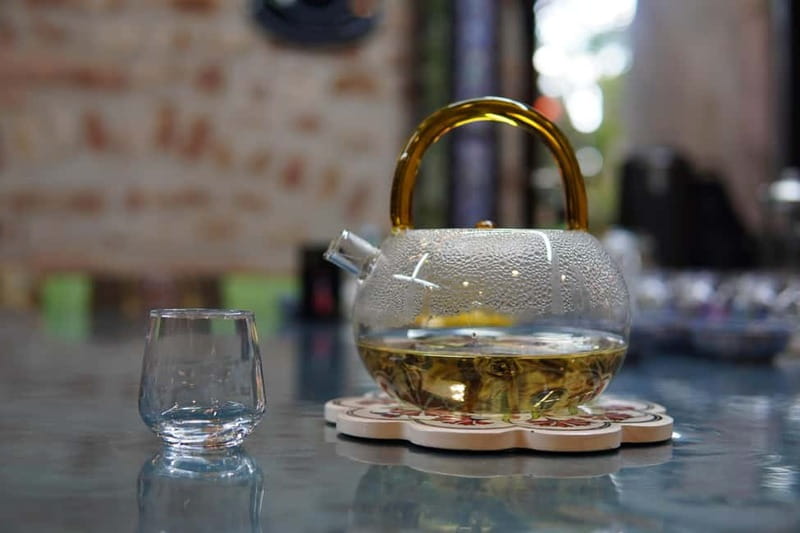
Istanbul’s tea culture gets a hands-on treatment here. You do not simply drink a glass of Turkish tea and move on. You compare Chinese green tea, white tea, oolong, English breakfast, rooibos, and other teas while learning how water, timing, and brewing gear change the result. The double teapot and gaiwan lesson gives the workshop its real purpose.
I like the small groups, limited to 10, and the chance to make a tea blend for home. I also like the setting: a bright, high-ceiling atelier between Galataport and Galata Tower, with craft work happening around you. The main consideration is that 90 minutes goes quickly, and extra tea purchases cost more if your take-home packet is not enough.
Key points at a glance
- Five tea traditions in one sitting: Compare teas from China, Turkey, England, South Africa, and beyond.
- Two brewing methods: Learn the Turkish double teapot and Chinese gaiwan, then taste how each method changes the cup.
- Authentic Turkish details: Drink from thin-waisted glasses and learn how strong rabbit blood tea is made.
- A personal souvenir: Build a tea blend matched to your taste and take it home.
- Small-group attention: The group size is capped at 10, with instruction in English or Turkish.
- Good use of a spare afternoon: The 90-minute session fits neatly between sightseeing around Galataport, Galata Tower, and Beyoglu.
What this Istanbul tea workshop is really about
This is less a formal tea lecture and more a guided tasting with plenty of talk, equipment, and sampling. You sit in a calm creative studio and move through several tea styles while your instructor explains where each tea comes from and how people prepare it.
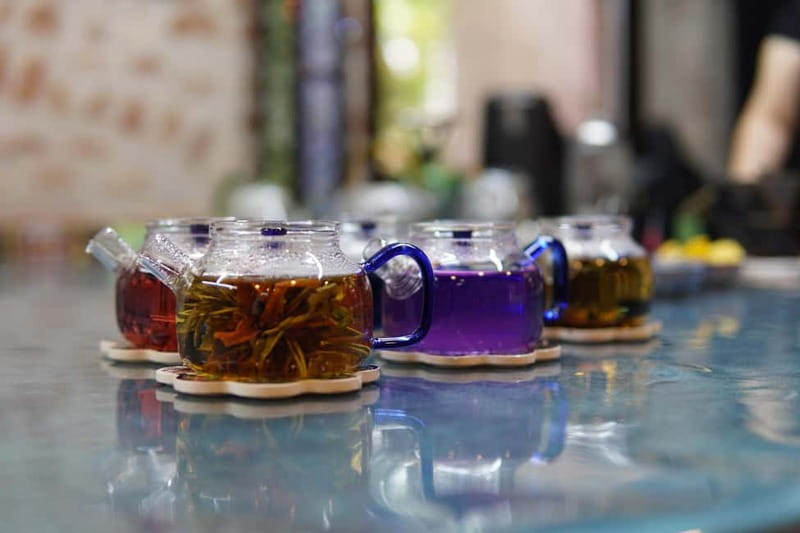
The selection is broad enough to make comparisons useful. You may encounter Chinese green tea, Chinese white tea, oolong, Turkish black tea, English breakfast, South African rooibos, and herbal teas. The exact mix can vary, but the point is clear: tea is not one flavor or one ceremony.
That variety matters in Istanbul. Turkish tea is usually associated with strong black tea served in a small, clear glass, yet the country’s tea culture sits alongside wider traditions brought through trade, migration, and modern café life. The workshop lets you see Turkish tea as part of a larger world rather than as an isolated national custom.
The atmosphere also sets this apart from a quick café stop. The studio is spacious and bright, with a high ceiling and other art or craft activity taking place around you. It is not presented as a historic tea house, so do not book it expecting an old Ottoman interior. Instead, you get a clean working atelier where the equipment and the tea stay at the center.
More Turkish Tea Experiences in the world:
- Istanbul Highlights: Guided Tour with Turkish Tea or Coffee
★ 5.0 · 278 reviews - Antalya: Old Town Walking Tour with Turkish Tea and Baklava
★ 4.8 · 101 reviews - Antalya: Old Town Walking Tour incl. Turkish Tea and Baklava
★ 4.5 · 37 reviews
Finding the atelier near Galataport
The meeting point is a studio diagonally to the right of Arada Beyrut Cafe and directly across from Lavander Cafe. That description is more useful than a broad neighborhood name, since the area has many cafés and side streets.
The workshop sits between Galataport and Galata Tower, making it easy to pair with sightseeing in central Istanbul. You should allow a little time to identify the correct café landmarks, especially if you are arriving during a busy day in Beyoglu. The activity itself lasts 90 minutes, so it works well as a planned break rather than something to squeeze in before a timed museum entry.
The location also gives you flexibility. You can build a walking route around Galata Tower and the waterfront, then use the tea session as a slower stop. Since no transportation is included or needed for the activity, you arrange your own way to the studio.
The first tasting: tea as a world of styles
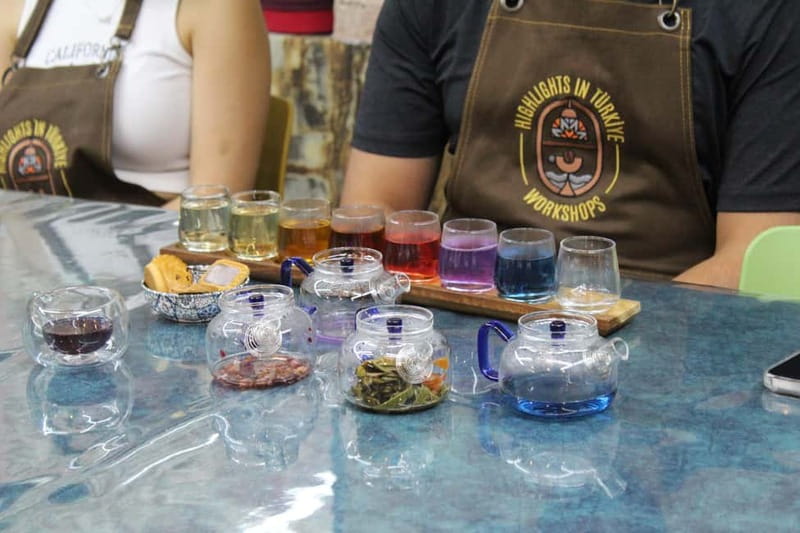
The opening tasting introduces the range of teas on the table. Your instructor explains origins, basic processing, and the differences between tea leaves and herbal infusions. This is useful if your tea vocabulary begins and ends with black, green, and herbal.
The broad selection was one of the strongest parts for me. A Chinese white tea may taste soft and delicate, while Turkish black tea brings more body and familiar tannic strength. Rooibos offers a naturally different profile, and oolong can surprise people who think they prefer only green or black tea.
One particularly useful feature is the side-by-side comparison. You do not have to rely on a long explanation about aroma or color. You can taste the cups close together and decide what you notice. Several instructors, including Zeynep, Kamran, Daryn, and Islam, have been praised for making the subject easy to follow and for connecting tea to everyday family customs.
Zeynep’s approach is especially suited to curious beginners and experienced tea drinkers alike. She has discussed how Turkish families serve and drink tea, while also giving context about tea’s origins in China, India, and Turkey. One experienced tea drinker even changed their mind about oolong after the session, which shows the value of trying a style outside your usual order.
Turkish tea in the famous thin-waisted glass
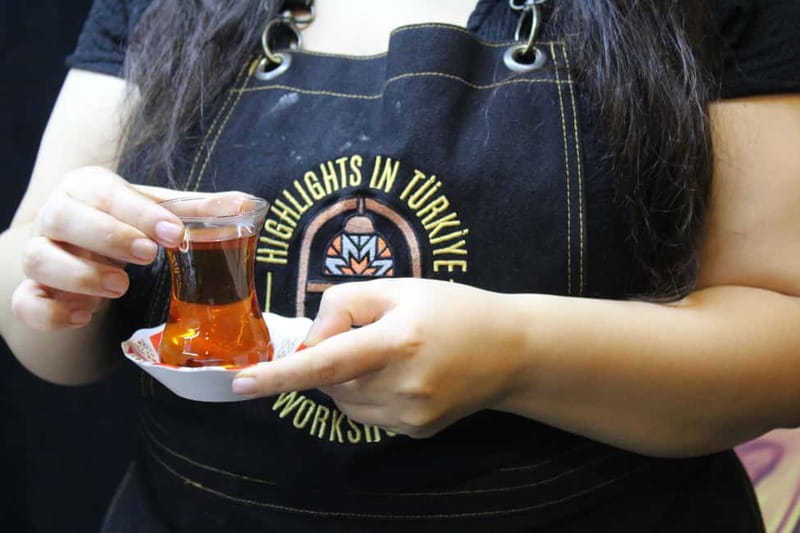
The Turkish portion focuses on the small, clear, thin-waisted glass called an ince belli. Its narrow middle makes the glass easy to hold near the rim while leaving the lower part filled with hot tea. More important for you, the shape shows off the tea’s color.
You learn why Turkish tea is commonly served this way and why color matters. Strong Turkish tea is often described as rabbit blood because of its deep reddish tone. That expression is not about a fixed recipe, but it does point to the visual character people look for in a well-brewed cup.
This is where the workshop feels most connected to daily Istanbul life. You are not studying a museum object. You are learning about the glass you will see in cafés, homes, shops, and ferry terminals across Turkey.
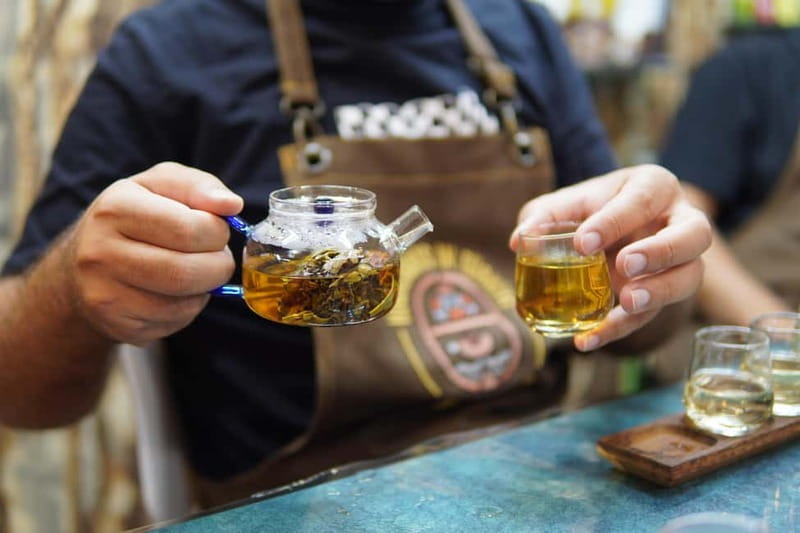
The lesson also covers the double teapot, or çaydanlık. The lower pot holds boiling water, while the upper pot holds concentrated tea. You combine the two in the glass, adjusting the strength to your taste. The method makes sense once you see it, and tasting the result explains why Turkish tea can be served both strong and mild from the same setup.
More Brewery Visits in the world:
- Tea Tasting & Brewing Experience
★ 5.0 · 10 reviews
Brewing with a Turkish double teapot
The double teapot lesson is practical rather than decorative. You see how the concentrate and hot water work together, then taste the effect of changing the ratio. This gives you a clear answer to a common question: why does Turkish tea taste different in a small glass than black tea prepared in a standard mug?
The answer is not only the leaf. It is also the brewing system, serving style, dilution, and time. The workshop helps you separate those factors.
You also learn that water temperature and steeping time matter across tea styles. A method that suits robust black tea can overpower a delicate white tea. That simple point is one of the best takeaways because you can use it in your hotel room or at home.
The double teapot is a good example of a brewing style built for sharing. A host can prepare a concentrated batch and let each person choose the strength. That makes the equipment part of Turkish hospitality, not just a kitchen trick.
The Chinese gaiwan changes the pace
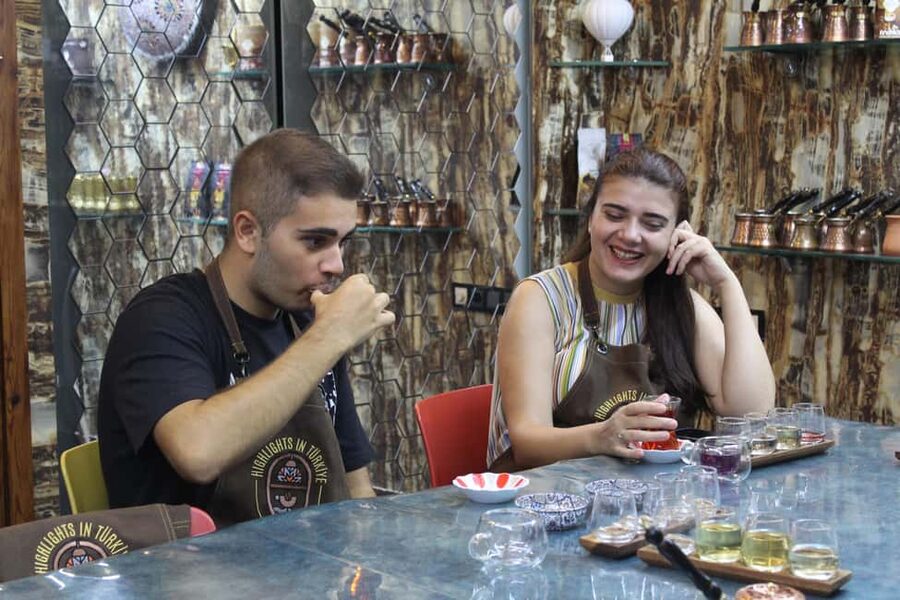
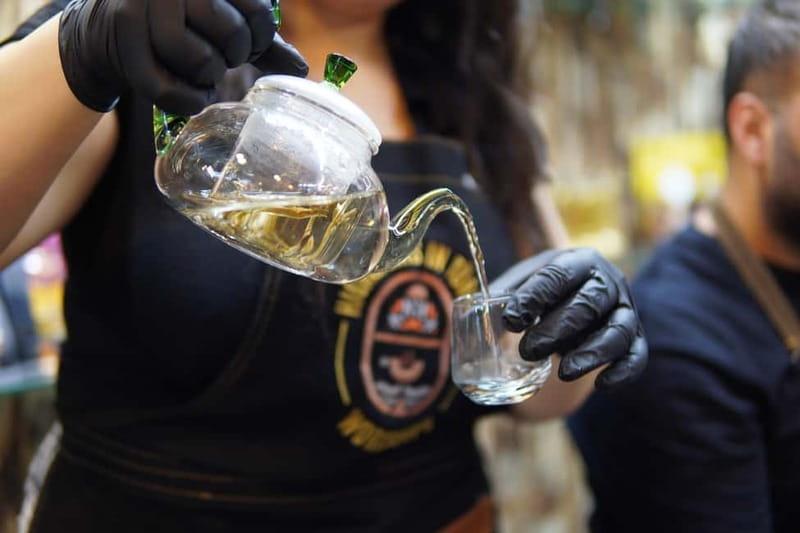
The gaiwan offers a sharp contrast. It is a lidded Chinese brewing bowl, usually used with short infusions and repeated pours. Here, the focus shifts from producing a large shared pot to watching how the leaves change from one infusion to the next.
You compare the gaiwan method with the Turkish double teapot and taste the difference. The comparison is more valuable than learning either technique alone. You see that brewing gear shapes the pace of drinking, the concentration of flavor, and the way you pay attention to the leaves.
This section should appeal to anyone who enjoys small rituals. You handle the equipment, follow the timing, and notice how a tea opens or changes. It is not difficult, but it does require a little more attention than dropping a bag into a mug.
The Chinese lesson also keeps the session from becoming narrowly focused on Turkish black tea. You leave with a better sense of why some teas need cooler water or shorter brewing. That knowledge is practical, especially if you have bought good loose-leaf tea and wondered why it tasted flat or bitter at home.
Tea, Turkish delight, and a calm 90 minutes
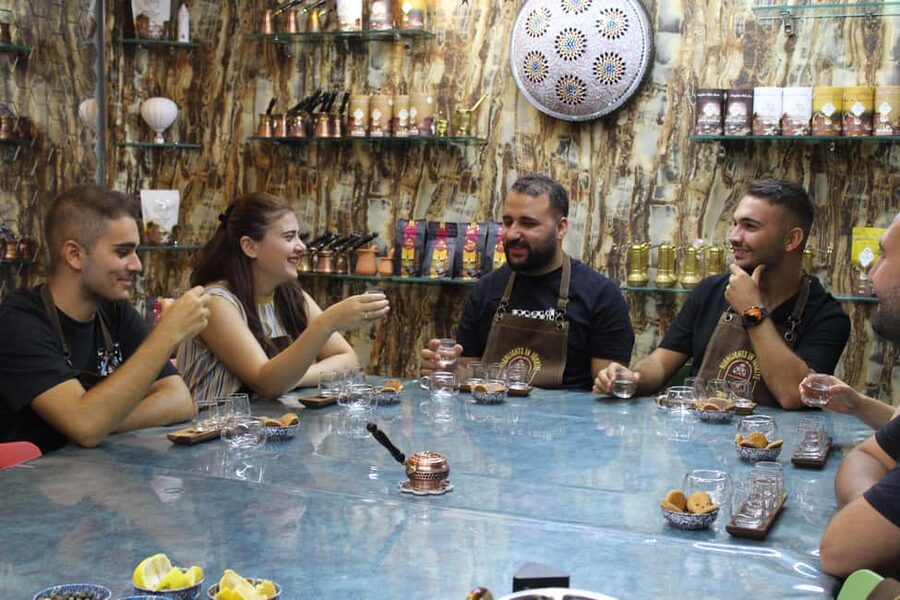
Tea tasting is accompanied by snacks, including Turkish delight and other treats. These are not presented as a full meal, so arrive fed if you need lunch or dinner. They work best as small palate companions between cups.
The pace is unhurried. The studio is described as calm, and the small group keeps the session personal. With a maximum of 10 people, you have a fair chance to ask questions rather than simply watch an instructor perform.
Some sessions may be even smaller. One attendee had a private-feeling experience with only the instructor present, while other sessions included couples or small parties. The exact group depends on bookings, but the 10-person limit keeps the format from becoming a large demonstration.
The instructors are a major part of the experience. Zeynep has been especially praised for her energy and clear explanations. Kamran has guided sessions with an easy conversational style, while Abdullah has covered tea history and even offered a quick look at Turkish coffee prepared with the sand method when time allowed. That coffee explanation is an occasional bonus, not something you should book the workshop expecting.
Making a tea blend to take home
Near the end, you create a personal blend based on your taste. This turns the workshop into more than a tasting menu. You have to think about what you liked: a floral note, a strong black tea base, a soft Chinese style, rooibos, or an herbal element.
The blend is included as a special take-home gift. It is a small souvenir, but a meaningful one because you made the choice yourself. It also lets the experience continue after you leave Istanbul.
Do note one cost detail. The included gift is not the same as taking home larger quantities of all the teas you sampled. If you want extra tea, you pay more. That is fair, but you should know it before assuming the workshop includes a full shopping supply.
The blend also gives you a simple test at home. Try it with the brewing method you learned, then adjust water temperature, time, or strength. You may not reproduce the full studio setup, but you can use the basic ideas.
The value of the $33 price
At $33 per person, this is not the cheapest way to drink tea in Istanbul. A café will serve you Turkish tea for a small fraction of the price. The difference is that this workshop includes instruction, five premium teas, brewing equipment, snacks, a small group, and a take-home blend.
The value depends on how much you want from the session. If you only want to taste Turkish tea, spend the money on several cafés and enjoy the city’s everyday tea scene. If you like learning how things are made, the price is reasonable for 90 minutes of guided tasting and hands-on preparation.
I find the international comparison especially useful. You are not paying for a single cultural snapshot. You are tasting several styles and learning two distinct brewing methods. That gives the activity more substance than a short Turkish tea presentation.
The 4.8 rating from 29 ratings also matches the experience’s strongest qualities: friendly instructors, clear teaching, good tea, and a relaxed format. The one practical criticism to keep in mind is the extra charge for additional tea to take home.
Who will enjoy this, and who may not
This workshop suits tea drinkers who want to understand what is in the cup. It is also a good choice for couples, solo visitors, and small groups looking for a quiet break from Istanbul’s crowded sights.
You do not need advanced tea knowledge. Beginners can focus on the basic differences between black, green, white, oolong, and herbal drinks. Experienced tea drinkers still have room to compare brewing methods and discover a style they had overlooked.
It is less suitable if you want a long food tour, a formal historical lecture, or a traditional tea house setting. The studio is a modern creative workshop, and the session is only 90 minutes. You get a focused introduction, not a full course in Turkish tea production.
English and Turkish are available. Named instructors have included Zeynep, Kamran, Abdullah, Daryn, Islam, Ilham, Togrul, and Melek, but your instructor depends on the date. The supplied details also describe support in Russian, though the activity information lists English and Turkish as the main languages, so confirm your language needs when booking.
Should you book this tea experience?
Book it if you want more than a pretty glass of tea. The double teapot, Chinese gaiwan, thin-waisted glasses, and personal blend give you several concrete memories to take home. I especially recommend it for a spare afternoon near Galata or Galataport, when you want a calm indoor activity with real local context.
Skip it if your main goal is a large meal, a long walking tour, or a bargain cup of Turkish tea. At $33, the value comes from the teaching and tasting variety, not from the amount of tea alone. For a tea lover, that is a fair trade. For everyone else, the city’s cafés may be enough.
FAQ
How long does the Istanbul tea workshop last?
The workshop lasts 90 minutes.
How much does the experience cost?
The listed price is $33 per person.
How many teas will I taste?
You will taste five premium teas from around the world.
Which brewing methods will I learn?
You will learn the Turkish double teapot method and Chinese gaiwan brewing.
Will I drink tea from a Turkish thin-waisted glass?
Yes. The workshop includes tea served in authentic thin-waisted Turkish glasses and explains why this style is used.
Is food included?
Tea tastings and snacks, including Turkish delight and treats, are included.
Do I take anything home?
Yes. You create a personal tea blend and receive it as a take-home gift.
What languages are available?
The activity information lists English and Turkish. The listed instructors include English and Turkish speakers.
Where is the meeting point?
The studio is diagonally to the right of Arada Beyrut Cafe and directly across from Lavander Cafe, between Galataport and Galata Tower.
More Food and Drink Tours in the world
- Jakarta: Volcano, Tea/Rice Fields, Hot Spring, Local Food
★ 4.9 · 515 reviews - Private Tea Ceremony and Sake Tasting in Kyoto Samurai House
★ 5.0 · 163 reviews - SF’s Chinatown: Tea & Dim Sum Food Tour – Includes full meal, 3hr
★ 5.0 · 153 reviews - Experience all of Japanese culture and Japanese food experience classes “origami, udon, Japanese food, green tea, calligraphy” in 4 hours
★ 5.0 · 105 reviews
Fresh tea listings around the world
- Dubai: Bustronomy Panoramic Afternoon Tea City Tour★ 4.7 · 7 reviews
- Dubai: Sunset Cruise on Traditional Boat & Emirati High Tea★ 4.9 · 10 reviews
- Ella: Lipton’s Seat Tour with Dambetanna Tea Factory Visit★ 4.6 · 7 reviews
- Cycling Tour at Uji’s Matcha Green Tea Fields and Heritage★ 5.0 · 10 reviews
- Da Lat: Sunrise Panorama, Green Tea Hill and Strawberry Farm★ 4.0 · 3 reviews
- Dallas: Tea Around Town Bus Tour with Treats★ 3.7 · 8 reviews
- From Colombo: Kandy & Pinnawala & Tea Factory Full Day Trip★ 4.3 · 2 reviews
- Mauritius: Crocodile Park and Tea Factory Tour with Tasting★ 4.9 · 4 reviews
Turkish Tea Experiences, compared.

Istanbul Highlights: Guided Tour with Turkish Tea or Coffee
Read our review →
Antalya: Old Town Walking Tour with Turkish Tea and Baklava
Read our review →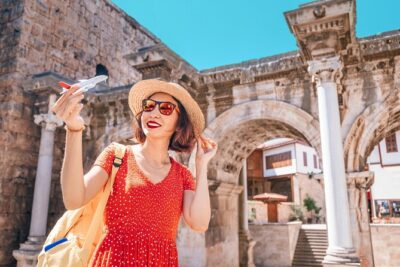
Antalya: Old Town Walking Tour incl. Turkish Tea and Baklava
Read our review →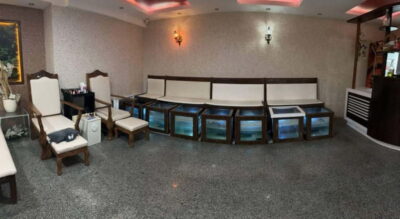
City Of Side:Turkish Bath with Traditional Turkish Tea
Read our review →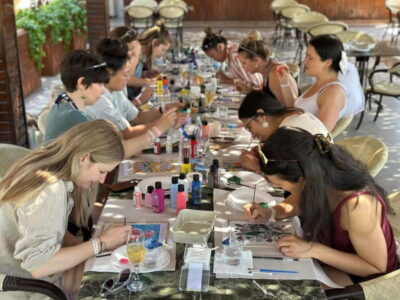
Antalya: Frame Glass Painting Workshop with Turkish Tea
Read our review →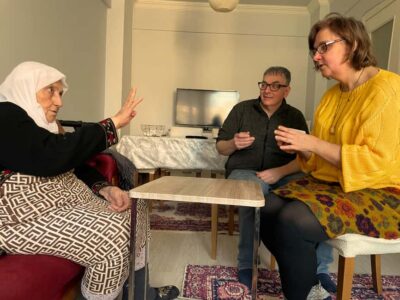
Card Game and Afternoon Turkish Tea with Local Grandma
Read our review →
Handmade Charm Jewelry Workshop in Galata with Turkish Tea
Read our review →Browse the lists this tour appears in