
Review · MORNING
Puer Tea Picking and Tasting | 6 Hour Morning Trip
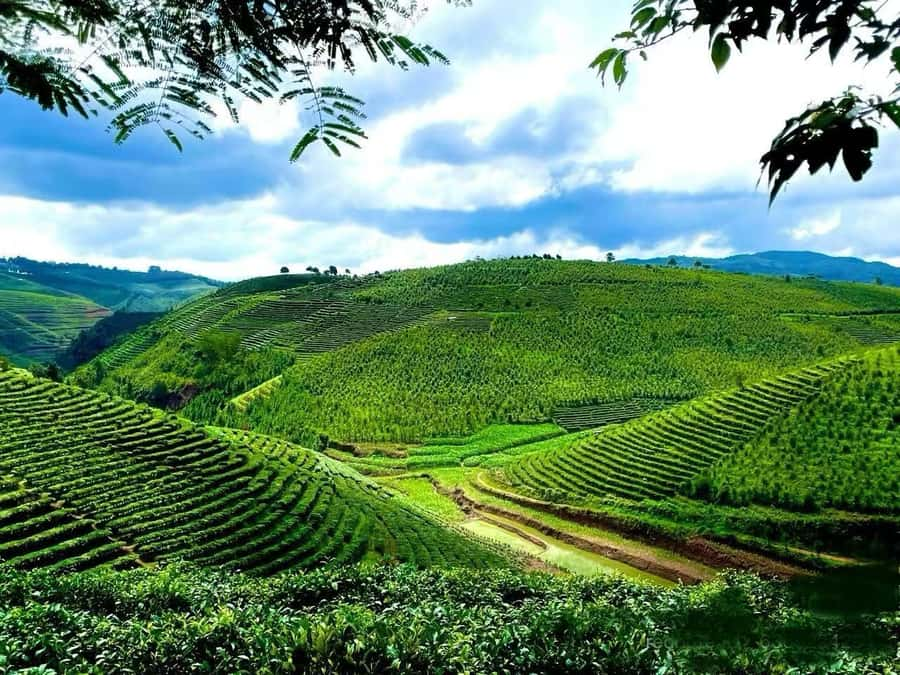
Pu’er tea makes more sense once you have touched the leaves, watched them being worked, and tasted the result. This small-group plantation visit takes you beyond a shop counter, with tea picking, hands-on processing, and a tasting led by local producers. Guide Maxime is especially good at translating questions and explaining tea, coffee, and Dai culture.
I like the personal scale, with no more than six people, and the generous 300 grams of tea you pick and process yourself. I also like the easy pickup from Jinghong or Pu’er, since reaching a rural farm without local help can be awkward. The main caution is time: this is sold as a half-day outing but can run from five to seven hours, and the route, lunch arrangements, and any coffee stop should be confirmed before you go.
Key points at a glance
- Pick and process your own tea: You take home 300 grams of Pu’er tea gathered and worked during the visit.
- Maxime leads the outing: He can guide in English, French, German, or Italian and helps translate detailed questions at the farm.
- Small group, simple transport: A VW ID.4 serves groups of up to three, while larger groups use a six-seat minivan.
- Tea tasting goes beyond one cup: Depending on the farm visit, you may taste aged, raw, candy, and red teas.
- Local food can be part of the day: Lunch is described as optional at 60 yuan per person, while the included information also lists lunch at the farm, so confirm the current arrangement.
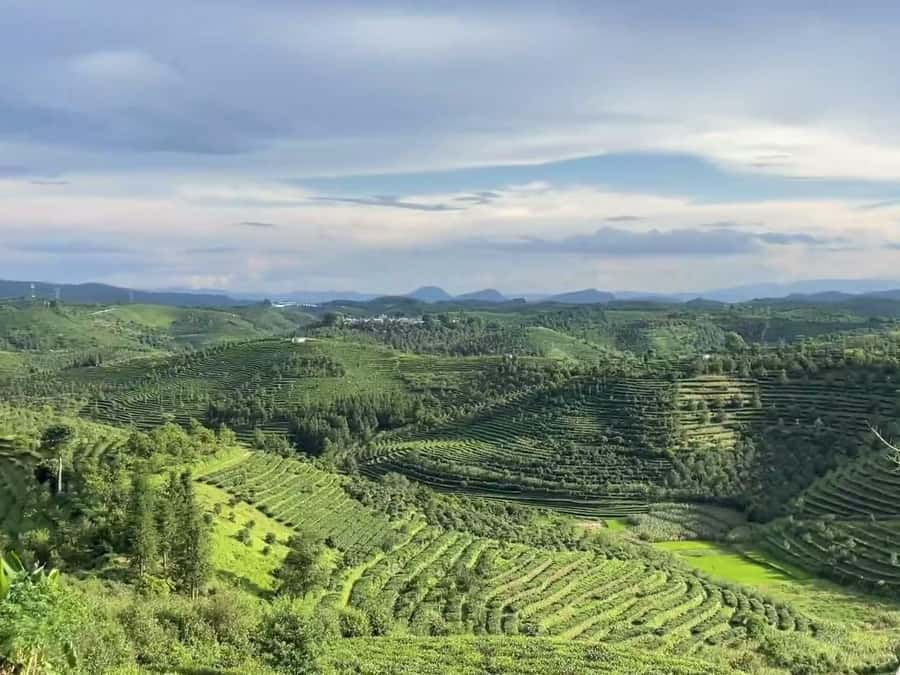
- The setting is the real draw: You spend time among tea fields and rural farms rather than only visiting a retail tea room.
Why picking leaves changes the way you taste Pu’er
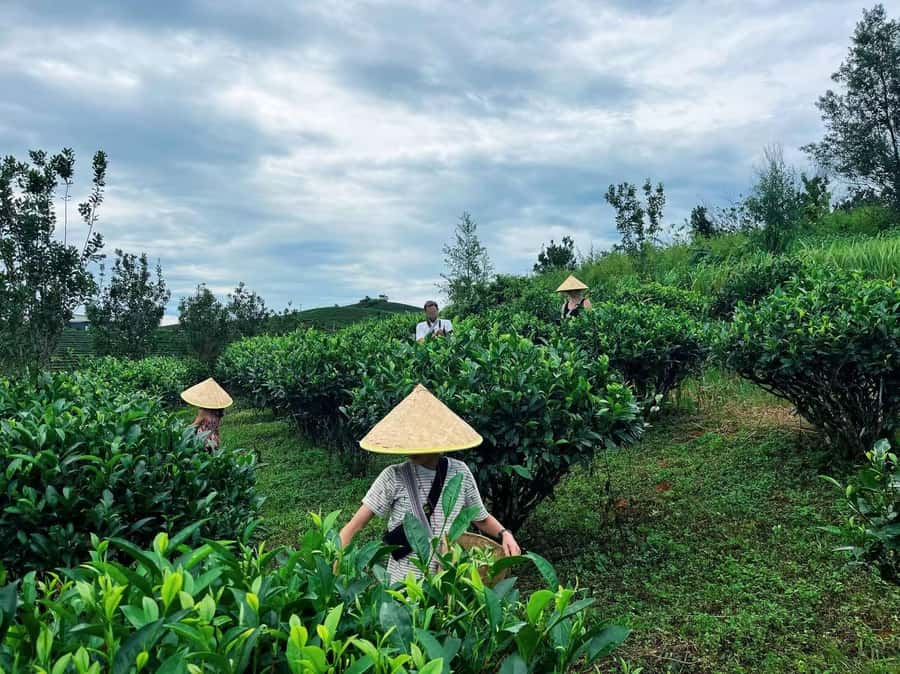
A tea tasting can be pleasant but abstract. You sip, hear a few tasting notes, and leave with a packet. Here, you first see the plants and select leaves with help from local workers. That gives you a much clearer sense of the care involved before a finished tea reaches a cup.
The day begins with pickup in Jinghong or Pu’er. The drive through southwestern Yunnan is part of the experience, not just a transfer. You get green hills, cultivated fields, and a gradual move away from town. The exact driving time is not given, so anyone with a train or flight should allow plenty of room after the stated five to seven hours.
At the plantation, a local guide introduces the tea fields and explains the place of Pu’er tea in the area. The walk is not meant as a strenuous hike, but you should wear comfortable shoes. Tea rows can be uneven, and practical footwear makes the picking session easier.
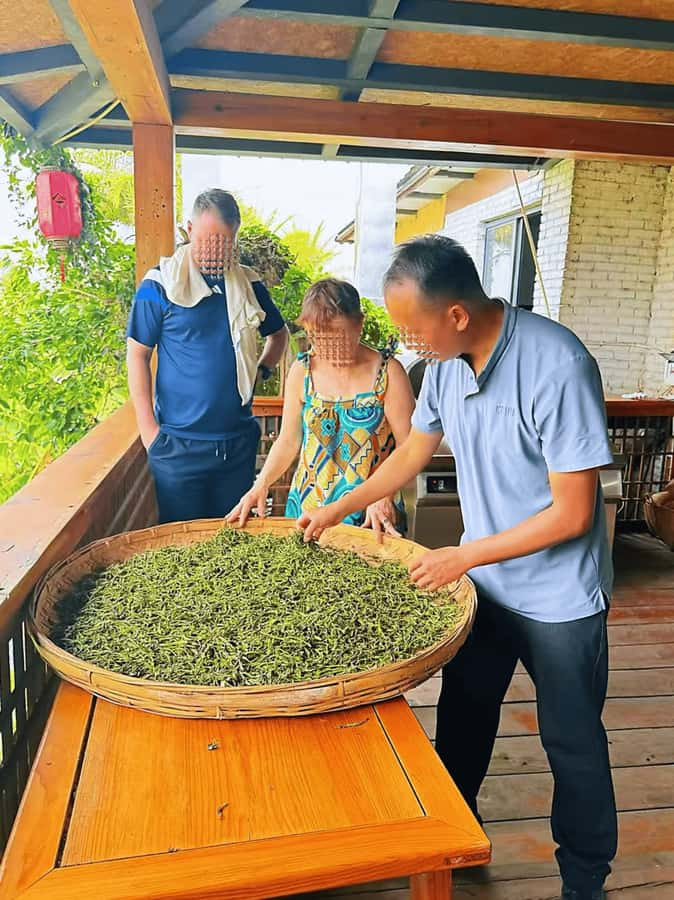
The most useful part of the plantation visit is its direct connection between plant and product. You are not simply told that tea is hand-picked. You get to practice selecting leaves and see why the work requires care. That is particularly helpful if you already drink Chinese tea but want to understand how the raw material begins.
More Food and Drink Tours in China:
- Tea Tasting and Pairing Concept Workshop
★ 5.0 · 57 reviews - Biking Real Shanghai& Tea Tasting Experience
★ 4.5 · 45 reviews - Private Shanghai City and Zhujiajiao Combo Tour with Boating, Tea Tasting, Lunch
★ 5.0 · 15 reviews
From fresh leaf to finished tea at the farm
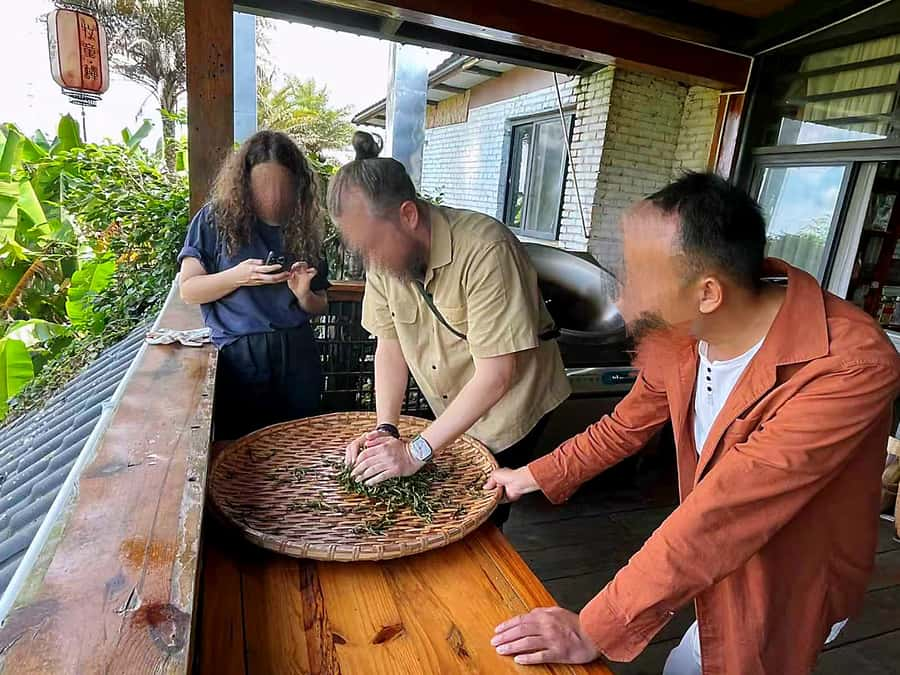
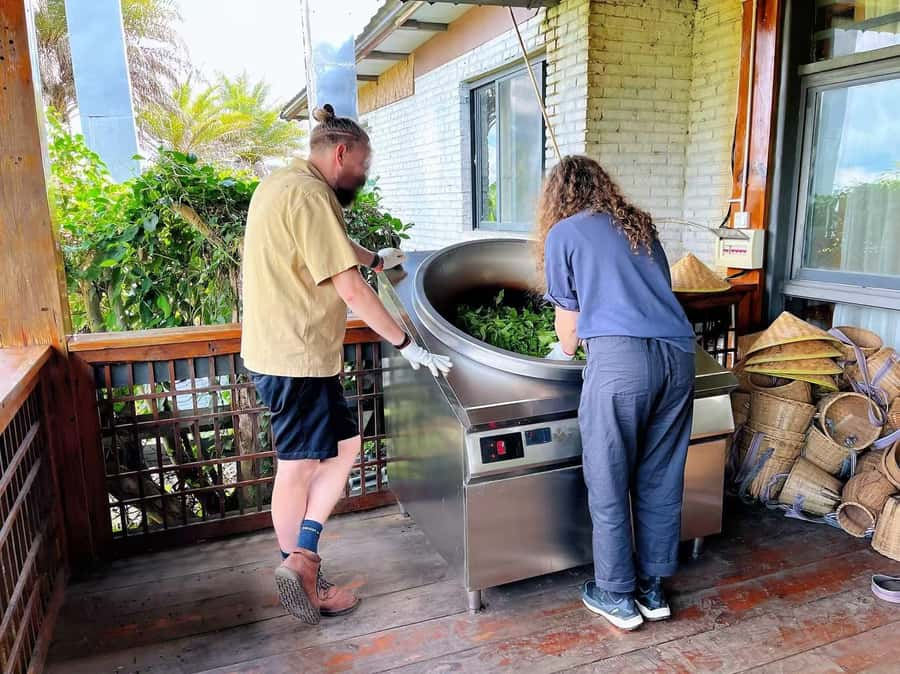
After the field visit, you go to a local processing farm. The process includes withering, rolling, and drying. These steps sound simple on paper, but seeing them in sequence helps explain why teas from the same broad area can taste so different.
You may be able to try some of the work yourself. The exact amount of hands-on time can vary, but the important point is that the farm visit is not just a quick look through a window. You have a chance to connect the physical work with the flavor in your cup.
The teas offered can include aged tea, raw Pu’er, candy tea, and red tea. Those categories give you a useful comparison. Raw and aged Pu’er show how storage and time can affect the tea, while red tea offers a different style altogether. Candy tea adds another point of contrast, especially for people who know only the classic Pu’er profile.
I would ask questions as you go. Maxime’s role is useful here because he can translate detailed questions between you and the farm owner. One visitor with a strong interest in tea was able to ask many questions and receive explanations from the producer rather than only hearing a standard script.
The tasting is better after the farm visit
The tasting session is the part most likely to reward curious tea drinkers. You can sample tea that has a clear connection to the fields and processing room you have just seen. That makes the tasting feel less like a sales stop and more like the final piece of a short lesson.
The range matters more than the number of cups. Several tastings let you compare aroma, strength, texture, and finish. You may also learn different brewing methods, though the precise format depends on the farm and the guide.
There is room to buy additional tea if you find something you like. The farm is not described as pushing sales, and a discount of 20 percent was offered on purchased tea during one outing. Treat that as a possible benefit rather than a guaranteed part of every booking. You can enjoy the tasting without turning the day into a shopping trip.
Your included souvenir is more personal: about 300 grams of tea picked and processed during the visit. That is a meaningful amount, not a tiny sample. It also gives you a story to share when you brew it at home, though the final flavor may not match professionally finished tea if your own processing is done on a small scale.
A rural lunch and possible coffee connection
Lunch deserves a little clarification. The tour details describe an optional meal at the plantation for 60 yuan per person, featuring local Yunnan specialties. The included section also lists lunch at the farm, so I would confirm before booking whether food is included in your selected version or simply available as an add-on.
The meal can be an important part of the outing. It gives you a chance to slow down after the fieldwork and taste local food in the same rural setting. One itinerary included Dai dishes and coffee tasting at a small coffee farm south of Pu’er. Another included a drive through the local coffee-growing area and visits connected with coffee production.
That coffee component appears in the actual experience of some outings, but it is not clearly promised in the basic tea description. Do not book this solely for coffee unless the provider confirms it for your date. If it is included, it adds a useful second agricultural story to the day: tea and coffee are both treated as local products, but their plants, processing, and drinks are quite different.
More Morning Experiences in China:
- 3-hour Morning/Afternoon Tea Tasting on Maliandao Street & Dimsum
★ 5.0 · 7 reviews - Full-day Tour: Spectacular Sunrise, Tea Plantation & Sunset
★ 5.0 · 3 reviews - Magnetic Island: Guided Bus Tour with Morning Tea
★ 4.8 · 129 reviews - Half Day Sea Kayak Tour from Batemans Bay with Morning Tea
★ 5.0 · 99 reviews
What the car and group size mean
Pickup is provided from Jinghong or Pu’er. For up to three people, the vehicle is a Volkswagen ID.4. Groups larger than three use a comfortable six-seat minivan. The maximum group size is six, which keeps the farm visit more personal than a large coach excursion.
The small group matters most during translation and tasting. You can ask a follow-up question without holding up a busload of people, and the guide has more time to help you communicate with the farm owner. It also makes the tea-picking activity less crowded.
Maxime receives especially strong praise for his patience, flexibility, and ability to take photos during the day. He has also helped people who booked late and adapted the outing for a family with three children. That does not mean every request can be accommodated, but it suggests the guide pays attention to the shape of your day rather than running only a rigid script.
The language choice is unusually broad for a rural tea outing. English, French, German, and Italian are offered. Still, language availability can depend on the date and guide, so select your language carefully when checking availability.
Is $82 a fair price?
At $82 per person, I see reasonable value if you want more than a plantation photo stop. The price covers pickup and return, the guide, the plantation visit, tea tasting, and the 300 grams of tea you pick and process. Transport from Jinghong or Pu’er is also a useful part of the package, especially if you do not have a car or local contacts.
The value is strongest for solo visitors and couples. A private taxi to a rural farm, translation help, tastings, and a guided activity could quickly cost more, even before adding tea. The small group also gives you access to explanations that would be hard to arrange independently.
The value is less clear if you are only looking for a quick tasting. You could spend much of a day on the outing, and the drive takes time. People with little interest in tea may find the processing explanations too detailed, while serious tea collectors may want a longer, more specialized visit than this half-day format allows.
Lunch is the one price point I would clarify. The description gives 60 yuan per person for an optional local meal, but lunch also appears among the included items. Ask what applies to your booking so you are not surprised at the farm.
Who will enjoy this most
I would choose this for anyone who likes to understand how local food and drink are made. You do not need to be a tea expert. In fact, the outing works well if you know only that you like tea and want a practical introduction to Pu’er.
It is also a good fit for a solo visitor. Pickup, translation, and a small group remove much of the uncertainty of visiting a rural plantation alone. One solo traveler who had concerns before booking found the arrangement reassuring and wished for more time, which is a fair warning for anyone with a train to catch.
Families can consider it too, since the guide has adapted the visit for children. However, the stated restrictions exclude babies under one and people over 70. The activity information does not describe accessibility arrangements, so ask directly if you have mobility concerns.
You should skip it if you dislike rural drives, uneven ground, or slow, instructional activities. The day is built around conversation, observation, picking, processing, and tasting. It is not a fast list of attractions.
Timing, clothing, and useful planning tips
Plan on five to seven hours, not a strict six. Start times depend on availability, and the route may include extra time at the plantation, lunch, or a coffee stop. If you need to catch a train, tell the provider before booking and leave a generous buffer.
Wear comfortable shoes. That is the only stated item to bring, but it is good advice for walking through tea fields and working around a farm. Pets are not allowed.
The outing offers free cancellation up to 24 hours before departure, and you can reserve now and pay later. Those terms help if your Yunnan schedule is still moving, but you should still check the current start time and pickup details before final payment.
Ask these practical questions in advance:
- Is lunch included in my booking, or is it 60 yuan per person?
- Will my date include a coffee farm or only the tea plantation?
- Which language will the guide speak?
- How much time will I have for picking and processing?
- Where exactly will pickup take place in Jinghong or Pu’er?
These questions do not spoil the relaxed spirit of the outing. They simply make sure the day matches your expectations.
Should you book the Pu’er tea experience?
Book it if you want a personal, hands-on look at Pu’er tea rather than a polished shop tasting. The strongest reasons are the small group, the direct access to the farm, Maxime’s translation and local connections, and the 300 grams of tea you pick and process yourself.
I would be more cautious if your schedule is tight, since the duration can stretch to seven hours and the rural drive takes part of the day. Confirm the lunch cost and any coffee-farm addition before booking. For tea drinkers, food lovers, curious families, and solo visitors who want help reaching the countryside, this is a well-priced and unusually practical way to connect a cup of tea with the people and work behind it.
FAQ
Where does the Pu’er tea experience begin?
Pickup is available from Jinghong or Pu’er. The vehicle is a VW ID.4 for up to three people, with a six-seat minivan used for larger groups.
How long does the activity last?
The stated duration is five to seven hours. Available starting times depend on the date you select.
How many people can join the tour?
It is a small-group activity limited to six participants.
Which languages are available?
Guiding is available in English, French, German, and Italian.
Is tea tasting included?
Yes. The experience includes a Pu’er tea tasting at a local processing farm.
Can I take tea home?
Yes. You receive about 300 grams of Pu’er tea picked and processed by visitors during the activity.
Is lunch included?
The details describe an optional local lunch at 60 yuan per person, but lunch is also listed among the included items. Confirm the current lunch arrangement when booking.
What should I bring?
Bring comfortable shoes. Pets are not allowed, and the activity is not suitable for babies under one or people over 70.
Fresh tea listings around China
- Full-day Tour: Spectacular Sunrise, Tea Plantation & Sunset★ 5.0 · 3 reviews
- Unlock Chinese Tea: Culture, Science, Tasting & Hands-on Brewing★ 5.0 · 12 reviews
- Shanghai Mahjong Experience in Local Tea Bar★ 5.0 · 4 reviews
- Chinese Tea Ceremony Experience★ 5.0 · 3 reviews
- Half-Day Hangzhou Jiuxi Stream and Tea Plantation Experience★ 5.0 · 2 reviews
- Private Hangzhou Day Tour to West Lake, Lingyin Temple, Tea Village, Old Pagoda★ 5.0 · 17 reviews
- Private Tour Hangzhou West Lake and Tea Fields Discovery★ 5.0 · 3 reviews
- Hangzhou West Lake and Tea Plantation Half Day Tour★ 5.0 · 4 reviews
Morning, compared.

Magnetic Island: Guided Bus Tour with Morning Tea
Read our review →
Half Day Sea Kayak Tour from Batemans Bay with Morning Tea
Read our review →
Hiroshima: Morning Hiking Tour with Open-air Tea Ceremony
Read our review →
Sydney Harbour: 2-Hour Morning Yacht Cruise with Morning Tea
Read our review →
Brisbane Bus Tour: Max 10 people | Half Day | Morning tea inc.
Read our review →
Bowral Honey Farm Tour, Honey Tasting & morning Tea
Read our review →
3-hour Morning/Afternoon Tea Tasting on Maliandao Street & Dimsum
Read our review →
From Yogyakarta: Dieng Tour, Golden Sunrise & Tea Plantation
Read our review →Browse the lists this tour appears in