
Review · AFTERNOON TEA EXPERIENCES
Shanghai 3-Hour Afternoon Tea Tasting and Dessert Tour
Shanghai’s sweet side is the star here. In three hours, you move from festival mooncakes to a traditional tea ceremony, then finish with cold Cantonese desserts along the Huaihai Road area. It is a good way to see how local food connects with family customs, regional ingredients, and daily life.
I like the balance of guided tasting and neighborhood walking. I also like that the tea stop is more than a quick cup: you taste green tea from Hangzhou and black tea from Fujian while learning how a Chinese tea service works. The main drawback is that $77 is a serious price for a food walk, and one past participant found the food stops repetitive.
Key points at a glance
- Mooncakes at two pastry shops: Taste the pastries linked with the Mid-Autumn Festival and family reunions.
- A proper tea ceremony: Try Hangzhou green tea and Fujian black tea in a Shanghai teahouse.
- Cantonese-style cold desserts: Expect milk pudding with purple sticky rice, papaya, sago, mango puree, and almond tofu.
- A walk through central Shanghai: The route uses Huaihai Road and nearby streets rather than keeping you inside one restaurant.
- Helpful local guides: Guides such as Jade and Jim have adjusted tastings to personal preferences and answered questions about food, customs, local life, and even practical matters such as using Alipay.
- A flexible booking choice: You can cancel up to 24 hours ahead for a full refund and reserve without paying immediately.
What this Shanghai tasting tour is really about
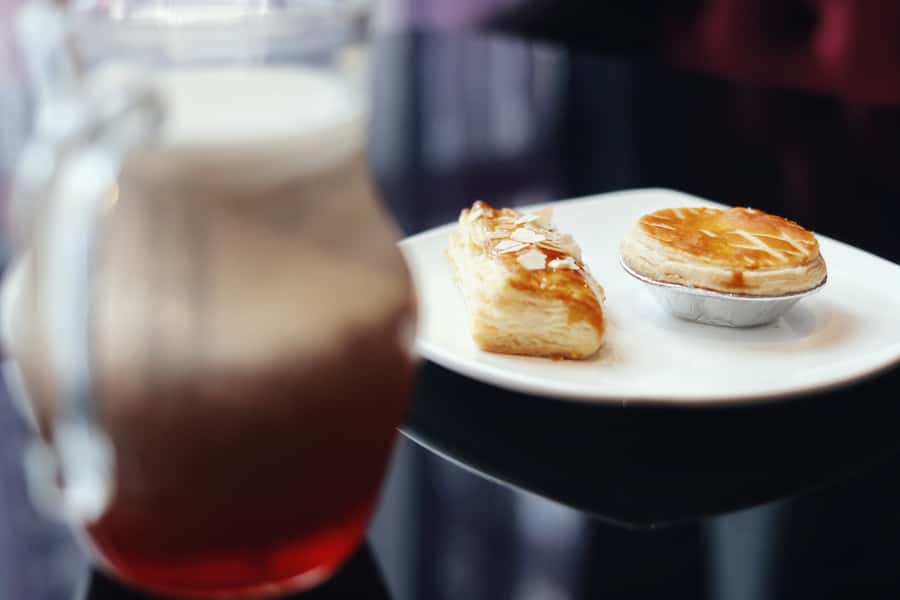
This is not a formal English afternoon tea with cakes, sandwiches, and silver trays. It is a Chinese food walk built around sweets, tea, and local customs. That distinction matters.
The afternoon begins at 2 PM near South Huangpi Road Station, Exit 2. From there, your guide takes you through the Huaihai Road area for roughly three hours. The route links several food stops with conversation and short walks, so you get more than a series of tastings at one address.
The central theme is the way Shanghai residents snack, give gifts, and mark special occasions. You are not only tasting sugar and pastry. You are also learning why a mooncake matters during the Mid-Autumn Festival, how regional teas are served, and how Cantonese dessert shops use fruit, starches, milk, and beans in cold sweets.
Guides named Jade and Jim have led this experience at different times. The guide assigned to you may vary, but the activity is offered in English, Chinese, or Korean. A strong guide makes a real difference here because many of the foods are unfamiliar, and the best part of the tour is understanding what you are eating.
More Tea Tastings in China
- Tea Tasting and Pairing Concept Workshop
★ 5.0 · 57 reviews - Biking Real Shanghai& Tea Tasting Experience
★ 4.5 · 45 reviews - Private Shanghai City and Zhujiajiao Combo Tour with Boating, Tea Tasting, Lunch
★ 5.0 · 15 reviews
Mooncakes and the meaning of Mid-Autumn Festival
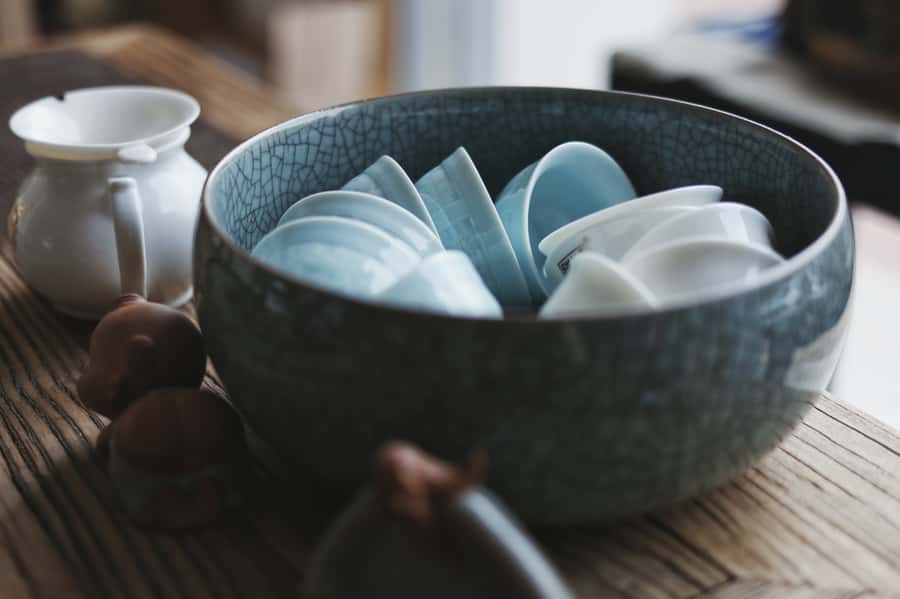
The first food focus is mooncake tasting at two local pastry shops. Mooncakes are dense, round pastries traditionally associated with the Mid-Autumn Festival. Their round shape suggests reunion, and they are commonly exchanged as gifts among family, friends, and business contacts.
This gives the first stop some cultural weight. You are not simply sampling a famous Chinese pastry because it appears on a tourist menu. You are tasting a food tied to one of China’s major family celebrations.
The two-shop format should help you compare different styles and fillings. The exact choices can vary, so do not expect a fixed list of flavors. You might encounter differences in pastry texture, sweetness, or filling, which is part of the point. Some mooncakes are rich and heavy, so the small tasting format is welcome.
I would approach this stop with an open mind. Western visitors often expect a flaky pastry, but many mooncakes have a softer, denser texture. Their fillings can also be more intense than you expect. If you have a strong dislike of very sweet or rich foods, tell your guide early.
The route has sometimes included a wider mix of local snacks and shops based on personal taste. Past outings have included yogurt, fruit, biscuits, bubble tea, ice cream, coffee, and other pastries. That suggests some flexibility, but the advertised core remains mooncakes, tea, and Cantonese desserts.
The tea ceremony is the heart of the afternoon
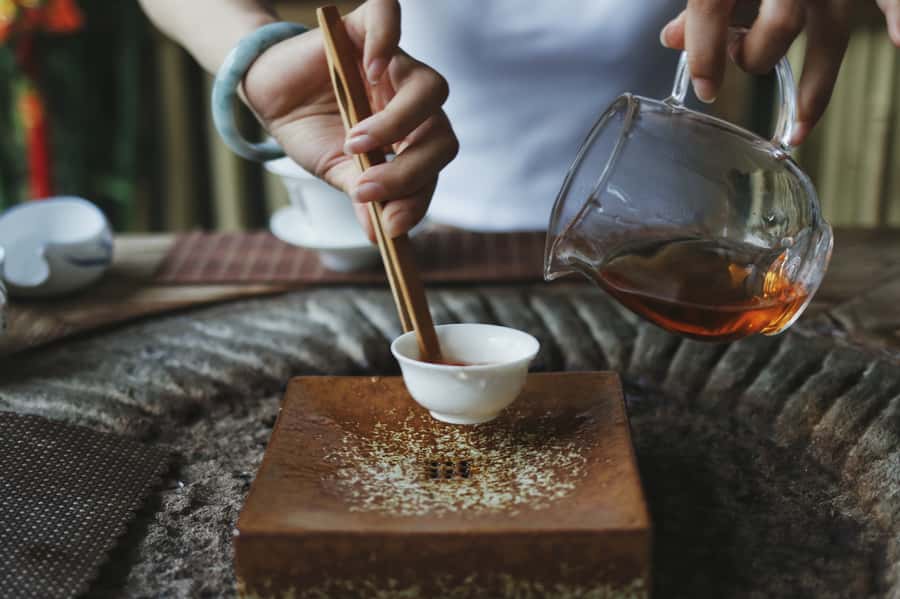
After the pastry stops, you visit a Shanghai teahouse for a traditional tea ceremony. This is likely to be the most distinctive part of the experience, especially if you have already seen modern cafes and dessert chains during your time in Shanghai.
The tasting includes green tea from Hangzhou and black tea from Fujian. These regions are important tea-producing areas, and trying the teas side by side gives you a simple way to notice contrasts in color, aroma, and taste.
The ceremony also slows the pace. Food walks can become a rush from one bite to the next, but a seated tea service gives you time to ask questions and watch the preparation. This is where a guide can explain small details that are easy to miss if you visit a teahouse alone.
I especially like this part for first-time visitors to China. Tea is woven into everyday life, hospitality, and formal traditions, but it can be hard to know how to approach a teahouse without local help. Here, you can simply watch, taste, and ask.
One important point: the supplied schedule places the tea ceremony before the Cantonese dessert stop, but individual outings may vary in order. One past experience described the tea tasting as the final highlight. The precise sequence is less important than the fact that the tea stop is treated as a major part of the afternoon, not an afterthought.
If you do not drink caffeine, ask your guide what alternatives are available before booking. The stated tea tasting centers on green and black tea, and no caffeine-free option is specified.
Cantonese desserts with fruit, milk, and ice
The final food stop is a Cantonese dessert restaurant. This is a different style from the mooncakes, with lighter textures and cold preparations that can be refreshing during a warm Shanghai afternoon.
The listed desserts include:
- Milk pudding with purple sticky rice
- Papaya
- Sago
- Mango puree
- Almond tofu
You may find these served in different combinations or as separate portions. Mango puree and sago are familiar across many Southeast Asian and southern Chinese dessert menus, while almond tofu has a delicate, jelly-like texture and a mild almond flavor. Milk pudding with purple sticky rice brings together creamy and chewy elements.
This part of the tour is useful because it broadens your idea of Chinese sweets. Many first-time visitors focus on pastries, sesame balls, or red bean cakes. Cantonese dessert shops show another side, one built around chilled bowls, fruit, coconut or dairy textures, and soft jellies.
The food is not guaranteed to suit every palate. One participant felt the ice cream could have been skipped in favor of other local specialties, while another enjoyed sampling modern sweets such as matcha ice cream and bubble tea. Tell your guide what you like and what you do not. The guides have adjusted stops and purchases to fit preferences, which can make the difference between an interesting tasting and a tiring one.
More Afternoon Tea in China:
- Afternoon Tea and Dessert Tour on the Huaihai Road in Shanghai
★ 5.0 · 19 reviews - Classic Afternoon Tea Voyage in Hong Kong for 4 Pax
★ 4.0 · 4 reviews - London: Afternoon Tea Cruise on the River Thames
★ 4.4 · 3,274 reviews - Afternoon Tea Bus Tour in Dublin
★ 5.0 · 2,791 reviews
Walking through Shanghai instead of eating in isolation
The route is centered on Huaihai Road and nearby parts of central Shanghai. You meet at Metro Line 1’s South Huangpi Road Station, Exit 2, and the activity lasts three hours. Hotel pickup and drop-off are not included, so you must make your own way to the meeting point and return afterward.
That arrangement is sensible for a city food walk. You can reach the meeting point by metro, and the tour lets you connect food with the streets where people actually shop and eat. A guided walk also gives you a chance to ask about the neighborhood rather than simply moving between anonymous restaurants.
Past outings have included walks through an old concession neighborhood, a park, and a small museum connected with early Communist history. These additions are not listed as guaranteed elements of every departure, so you should treat them as possible extras rather than promised stops.
The walking itself is part of the value, but it also affects who will enjoy the tour. You need to be comfortable spending an afternoon on foot and moving between food businesses. Wear comfortable shoes and avoid arriving overly full. The tour is designed around repeated samples, not one large meal.
The listed information does not specify group size, total walking distance, or the exact shop names. If those details matter to you, ask before booking. The activity includes skip-the-line access through a separate entrance, but the listing does not explain which venues use that arrangement.
Guides who make the food easier to understand
Food tasting is only as good as the explanations around it. A mooncake, dessert bowl, or tea can be interesting on its own, but the context helps you remember it.
Jade has led the walk for English-speaking visitors and has been praised for a warm welcome and pleasant conversation. Jim has also guided the experience, answering questions about local life, adapting the route to personal interests, and helping with practical tasks such as setting up Alipay. These details suggest a tour that can feel conversational rather than scripted.
That flexibility is particularly useful if you are traveling with a teenager or someone who is not keen on museums and formal sightseeing. One family outing included a 14-year-old, with food stops ranging from local yogurt and fruit to matcha ice cream and mango desserts.
The guides have also helped bridge language and cultural gaps. That is valuable in Shanghai, where ordering unfamiliar food can be harder than it looks. You can ask what an ingredient is, how a dessert is usually eaten, or which flavors are more traditional.
Still, guide quality can vary from one departure to another. The available languages are English, Chinese, and Korean, but a specific guide cannot be guaranteed from the information provided. If you particularly want Jade or Jim, request that when booking, but understand that it may not be possible.
Is $77 a fair price?
At $77 per person, this is not the cheapest way to sample Shanghai sweets. You are paying for a local guide, the organized route, the tea ceremony, and the included desserts, not just for the retail cost of each bite.
The price makes more sense if you value explanation and access. A solo visitor could certainly buy mooncakes, order a cold dessert, and drink tea for less. What is harder to reproduce alone is the sequence, the cultural background, the help with ordering, and the chance to move between different types of food without planning every stop.
The value is strongest for a first visit, a short stay, or an afternoon when you want something more focused than a major sightseeing attraction. It is weaker for confident repeat visitors who already know Shanghai’s pastry shops and teahouses.
The tour also gives you a manageable three-hour commitment. That is long enough to build a real food experience, but short enough to fit around an evening meal or another central Shanghai activity. Keep in mind that the samples may not replace lunch. Plan to eat a normal meal before or after, depending on how much food you usually need.
Who should book this experience
I would recommend it most strongly to:
- First-time visitors who want help understanding unfamiliar Chinese sweets
- Couples or small groups who enjoy tasting several foods in one afternoon
- Families with older children or teenagers
- Tea drinkers who want a traditional ceremony rather than a quick cafe stop
- Visitors interested in daily life, local customs, and food history
- Anyone who prefers neighborhood walking to a standard landmark tour
It may not be the right fit if you want a large meal, a precise list of famous restaurants, or a traditional Western afternoon tea. It is also not ideal if you dislike sweet foods or prefer to choose every stop yourself.
The advertised experience is built around mooncakes, tea, and Cantonese desserts. Additional stops can reflect your guide and preferences, but you should not book expecting a guaranteed eight-shop crawl, museum visit, or bubble tea stop. Those additions have occurred, yet they are not the fixed promise of the three-hour program.
Practical details before you reserve
Meet at 2 PM at South Huangpi Road Station, Exit 2, on Metro Line 1. Check the exact starting time when you book, since availability can change.
The tour includes a local guide, the afternoon tea and tea ceremony, and desserts. Hotel pickup and drop-off are not included, so allow extra time to reach the station and find the exit.
English, Chinese, and Korean guiding is available. You can reserve now and pay later, and cancellation is free up to 24 hours before the activity for a full refund.
Because the route includes several tastings, tell the guide about your preferences at the start. This is especially useful if you have a low tolerance for sweetness or want to focus more on tea than ice cream and modern chain desserts.
Should you book it?
Book this tour if you want a friendly introduction to Shanghai through tea, pastries, and cold Cantonese sweets, with a guide who can explain what you are tasting. The tea ceremony is the strongest reason to choose it, while the mooncakes give the afternoon a clear cultural theme.
Think twice if $77 feels high for tastings, or if you want a tightly fixed food itinerary with no variation. The route can include modern and traditional shops, and the mix may depend on your guide and preferences.
For most first-time visitors, this is a pleasant alternative to another landmark queue. You will leave with a better sense of how Shanghai eats, celebrates, and serves tea, plus a few ideas for what to order on your own later.
FAQ
Where does the Shanghai afternoon tea tour meet?
Meet your guide at South Huangpi Road Station on Metro Line 1, Exit 2.
What time does the tour begin?
The stated meeting time is 2 PM, and the activity lasts three hours. Check availability when booking for the exact starting time.
Which foods are included?
The experience includes mooncake tastings at two local pastry shops, a tea ceremony, and Cantonese desserts. Listed dessert examples include milk pudding with purple sticky rice, papaya, sago, mango puree, and almond tofu.
Which teas will I taste?
The tea ceremony includes green tea from Hangzhou and black tea from Fujian.
Is hotel pickup included?
No. Hotel pickup and drop-off are not included, so you must reach the South Huangpi Road Station meeting point independently.
What languages are available for the guide?
Guiding is available in English, Chinese, and Korean.
More Three-Hour Experiences in China
- 3 hours Xi’an Mahjong Class with Local Tea
★ 5.0 · 2 reviews
More Food and Drink Tours in China
- Tea Tasting & Brewing Experience
★ 5.0 · 10 reviews - Xi’an Noodle Making and Tea Tasting Experience
★ 5.0 · 6 reviews - Xi’an Chinese Calligraphy Workshop: Ink Art & Tea Tasting
★ 5.0 · 4 reviews - Jakarta: Volcano, Tea/Rice Fields, Hot Spring, Local Food
★ 4.9 · 515 reviews
Fresh tea listings around China
- Chongqing 1941 theatre: Tea Art Performance with Folk Art★ 3.8 · 8 reviews
- Beijing:Learn Calligraphy & Enjoy Kung Fu Tea Ceremony★ 5.0 · 2 reviews
- Beijing: Temple Of Heaven+Tai Chi Class+Tea Ceremony★ 5.0 · 8 reviews
- Beijing Hands-On Culture Tour: Tea, Instrument, Calligraphy★ 5.0 · 6 reviews
- Beijing: Chinese Culture Tea Ceremony Reservation Service★ 4.8 · 4 reviews
- 3 hours Xi’an Mahjong Class with Local Tea★ 5.0 · 2 reviews
- Xi’an Calligraphy & Tea Ceremony – Dive into Ink & Brush Artistry★ 5.0 · 4 reviews
- Xi’an Noodle Making and Tea Tasting Experience★ 5.0 · 6 reviews
Afternoon Tea Experiences, compared.
London: Afternoon Tea Cruise on the River Thames
Read our review →

London: Afternoon Tea Bus Tour – 1960s Routemaster Bus
Read our review →
London: Afternoon Tea Bus with a Glass of Prosecco
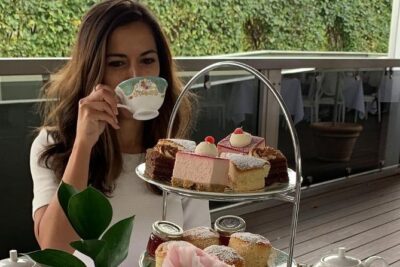
Read our review →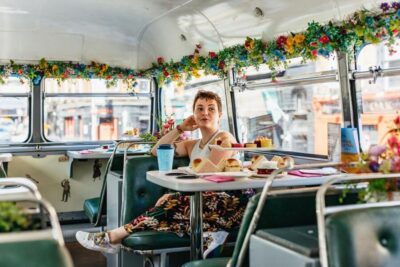


Browse the lists this tour appears in