

Review · TEA TASTINGS
Tea Tasting & Brewing Experience
Tea tasting here is more than a row of cups. You’ll learn how tea is made, how the six categories differ, and how professionals judge aroma, flavor, and brewing. Then you’ll handle a gaiwan, the lidded Chinese bowl used to brew tea, and put the lesson to work.
I like two things right away: the small group limit of six keeps the session personal, and the hands-on brewing gives you something useful to practice after you leave. Cecilia, the friendly and passionate host praised in the feedback, also makes the subject feel approachable rather than fussy. The main consideration is time: 90 minutes gives you a good introduction, but not a full course in Chinese tea.
Key points at a glance
- Six tea categories: Learn what separates the major types of tea and how their production shapes taste.
- Hands-on gaiwan brewing: Brew tea yourself and test the elements that affect the final cup.
- Professional tasting methods: Practice noticing aromas, flavors, and qualities used by tea tasters.
- Seasonal high-quality teas: Sample a changing selection with complimentary snacks.
- Wan Chai location: Meet at 382 Lockhart Road, near public transportation.
- Small, focused group: The experience accepts a maximum of six people, making questions easier.
What the 90-minute tea session actually teaches
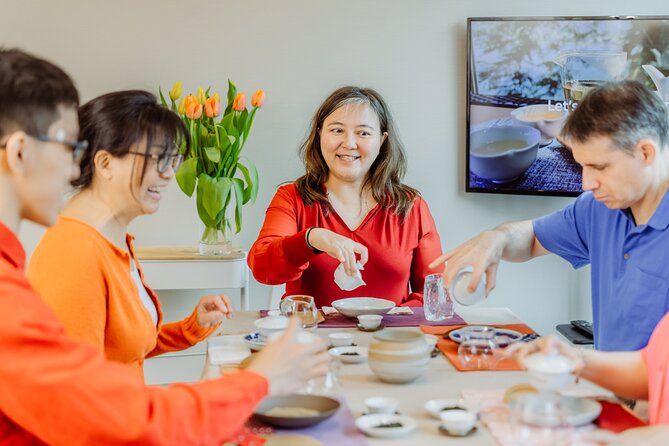
This experience works best as a compact lesson with plenty of tasting. You are not simply handed a cup and told that it is good. The session explains what you are drinking, why it tastes that way, and how brewing choices can change the result.
The professional tea taster leads you through facts and myths about tea before moving into the six categories. That structure matters. It gives you a basic map before the cups start arriving, so the tasting feels like a comparison rather than a blur of unfamiliar flavors.
You should expect an active class, not a formal lecture. You’ll sip, smell, ask questions, and try brewing for yourself. The reviews describe the host as friendly, passionate, and easy to follow, which is important in a subject that can quickly become technical.
The advertised length is about one hour and 30 minutes. That is long enough to cover the key ideas and taste several teas, but short enough to fit neatly into a Hong Kong sightseeing day. If you want a full education in regional tea styles, farming, water chemistry, and advanced brewing, you’ll need more time elsewhere. For a first introduction, the compact format is a strength.
More Tea Tastings in China
- Tea Tasting and Pairing Concept Workshop
★ 5.0 · 57 reviews - Biking Real Shanghai& Tea Tasting Experience
★ 4.5 · 45 reviews - Shanghai 3-Hour Afternoon Tea Tasting and Dessert Tour
★ 4.9 · 15 reviews
Learning the six categories before tasting
One of the most useful parts of the class is the introduction to the six categories of tea. You’ll learn that tea is not defined only by the plant itself. Processing plays a major role in the final color, aroma, body, and taste.
The lesson explains what makes each category different. That context helps you notice why one tea may smell fresh and light while another has a fuller or deeper character. Instead of trying to memorize a long list of names, you begin to connect production methods with what appears in the cup.
This is especially useful if tea menus usually leave you guessing. After the session, terms that once looked like a wall of specialist language should make more sense. You may still need practice to identify a tea with confidence, but you’ll have a better way to approach the menu.
The facts-and-myths portion adds a welcome practical touch. Tea attracts plenty of claims about health, quality, age, and preparation. A good introduction helps you separate useful information from romantic nonsense, though the available details do not specify every myth covered.
Using aroma and flavor like a tea taster
Tea tasting asks you to slow down. Before drinking, you may pay attention to the smell of the dry leaves and the brewed tea. Then you consider the flavor and how it changes as you sip.
You’ll get a glimpse of what professional tea tasters look for when evaluating tea. The point is not to turn you into a certified expert in one sitting. It is to give you a vocabulary and a method, so you can describe what you notice instead of falling back on vague words such as good or strong.
I like this part because it changes the way you drink. A cup becomes something to examine: aroma first, flavor next, and the effect of brewing choices throughout. The experience also gives you permission to trust your own senses. You do not need to identify every note correctly for the exercise to be useful.
The selection is described as high quality and seasonal. That means the exact teas may change, which is a plus for repeat visitors but makes it impossible to promise a particular tea in advance. You should book this for the tasting method and the range of styles, not for one specific cup.
Brewing your own tea with a gaiwan
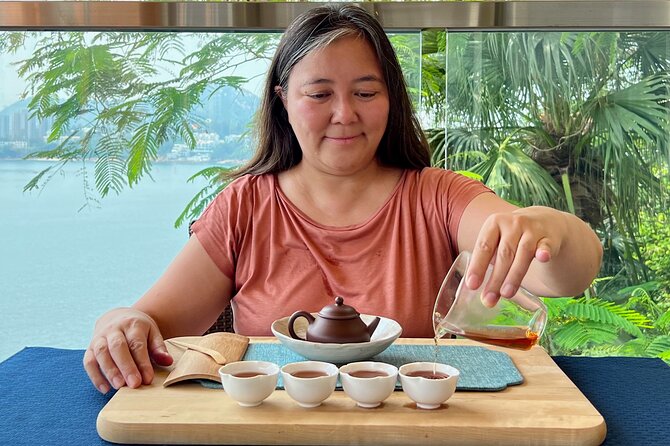
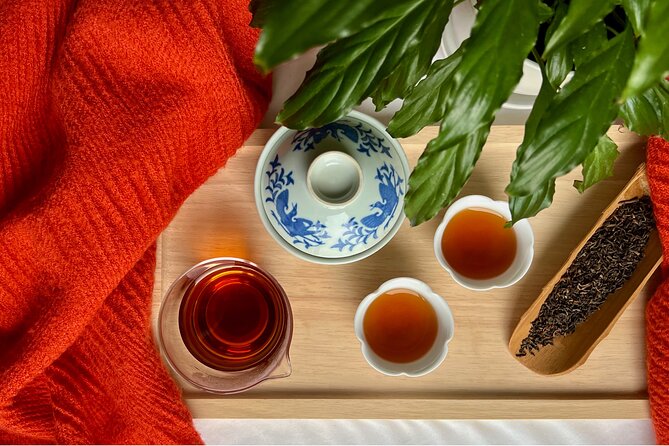
The hands-on gaiwan session is the practical heart of the experience. A gaiwan is a small lidded bowl used to steep tea and pour it out, often with more control than a large mug or teapot. You’ll learn how to use it and experiment with the factors that shape a good cup.
Those elements can include details such as the amount of tea, brewing time, and water temperature, though the supplied information does not specify exactly which variables are tested. The important point is that you are not only watching Cecilia brew. You are making decisions and tasting the result.
That makes the class useful beyond Hong Kong. You may leave with a better feel for why the same leaves can taste different from one cup to the next. If a tea seems too bitter, weak, flat, or harsh at home, you’ll have a more sensible starting point for adjusting the brew.
There is also a nice balance between precision and play. The class explains the key elements, but you get to experiment rather than treat brewing as a rigid ritual. That approach suits curious beginners, especially anyone who enjoys learning by doing.
Same city, a very different cup:
- One-Day Hangzhou Dragon Well Tea Culture & West Lake Private Tour
★ 5.0 · 98 reviews - Traditional Chinese Tea Ceremony Experience
★ 4.7 · 74 reviews - Beijing Culture: Tea Ceremony, Heritage Instrument & Calligraphy
★ 5.0 · 57 reviews - Tea Village in lost Town and Buddha 1 day tour
★ 5.0 · 32 reviews
Seasonal teas and simple snacks at the table
Tea is easier to understand when you can compare several cups in the same sitting. The seasonal selection lets you notice differences in aroma and flavor while the lesson is still fresh in your mind.
Complimentary snacks are included and paired with the tasting. This is not described as a full meal, so plan to arrive having eaten if you need substantial food. The snacks are there to support the tea experience and give you another way to notice how food affects taste.
The seasonal approach is worth noting. Tea changes with availability, and a rotating selection can keep the experience from feeling fixed or predictable. On the other hand, you cannot book expecting a particular variety unless the provider confirms it separately.
I would pay attention to your own preferences during this part. Do you prefer a tea with a lighter aroma, a fuller flavor, or a more noticeable finish? The class gives you a chance to compare instead of relying on labels or price.
Why the six-person limit matters in Wan Chai
A maximum of six people is a strong feature for this kind of activity. Tea tasting depends on smelling, sipping, and asking questions. In a large crowd, it is easy to lose the thread or miss a demonstration. With six or fewer, you should have more room to follow the brewing process and speak with the host.
The meeting point is 382 Lockhart Road in Wan Chai, an area served by public transportation. The activity ends back at the same meeting point, so you do not need to arrange a separate return transfer or wonder where the final tasting finishes.
The details do not specify a particular landmark, shopfront, floor, or nearby station. Check the confirmed booking information carefully before setting out, especially if you are fitting the class between other plans. A mobile ticket is provided, which keeps the booking easy to carry on your phone.
Wan Chai is a sensible setting for a tea class because it lets you pair the activity with other Hong Kong plans. Still, the experience itself is the focus. Do not expect a walking tour of the neighborhood or a broad food tour. You arrive for tea, stay for the lesson, and finish where you started.
Is $55.11 a fair price?
At $55.11 per person, this is not a cheap cup of tea. It is also not priced like a simple café tasting. You are paying for a 90-minute guided class, instruction in tea categories, professional tasting guidance, personal brewing practice, seasonal teas, snacks, and a small group setting.
The value depends on how you use the lesson. If you already know how to evaluate tea and brew with a gaiwan, the introductory material may feel basic for the price. If you are curious but unsure where to begin, the combination of explanation and practice makes the cost easier to justify.
I especially like that the session teaches a repeatable skill. A scenic viewpoint gives you memories, but this class may change how you prepare tea at home. The value grows if you plan to buy tea in Hong Kong or continue exploring Chinese tea culture after the class.
The price does not include a meal, transport, or a shopping allowance based on the information provided. Treat it as a focused educational tasting, not as an all-day food activity.
Who will get the most from this experience?
This class is a good match for tea lovers who want more structure than a casual tasting. You’ll also enjoy it if you like food science, careful sensory work, or learning a traditional skill in a small group.
It suits first-time tea drinkers because the session begins with basic categories and myths. You do not need to arrive with specialist vocabulary. The host’s friendly teaching style, as reflected in the feedback, should help keep the subject relaxed.
It is also a useful choice for couples, friends, and solo visitors who want a quieter Hong Kong activity. The small group makes it easier to participate than a large commercial tour.
You may want to skip it if you dislike tasting several drinks in a short period or prefer sightseeing outdoors. The experience centers on sitting, smelling, sipping, and brewing. It is educational and social, but it is not a major sightseeing attraction by itself.
Timing, booking, and cancellation details
The experience is commonly booked about 11 days ahead, so I would not leave it until the last morning of your Hong Kong stay. That planning window also gives you a better chance of finding a time that fits your schedule.
Confirmation is provided when you book, and the mobile ticket is convenient for arriving at the meeting point. The group maximum is six people. The experience requires a minimum number of participants, though the exact minimum is not stated.
Free cancellation is available if you cancel at least 24 hours before the local start time. Cancellations or changes made inside that 24-hour window are not refunded or accepted. If poor weather causes cancellation, you can choose a different date or receive a full refund. The same choice applies if the minimum number of participants is not reached.
My take on the teaching style
The strongest feature here is the mix of enthusiasm and useful technique. Cecilia is described as friendly and passionate, and that matters because tea can seem intimidating when every detail is presented as a rule.
The class appears to keep the mood social while still taking the tasting seriously. You learn the categories, taste good tea, and practice brewing without needing to pretend you already know the difference between every style.
The feedback also suggests that the session holds attention well. One description notes that the participants became so engaged they lost track of time. That is a good sign for anyone worried that a tea lesson might feel slow or overly formal.
Still, expectations matter. This is an introduction, not a professional qualification. You will gain a clearer way to taste and brew, but the session cannot cover every tea-producing region, processing detail, or advanced gaiwan technique in 90 minutes.
Should you book this Hong Kong tea class?
Book it if you want a small, hands-on lesson that gives you more than a tasting flight. The combination of six tea categories, professional tasting guidance, seasonal samples, snacks, and gaiwan brewing makes the $55.11 price reasonable for a curious beginner.
I would give it priority if you enjoy food and drink experiences that teach a skill you can use later. Cecilia’s warm teaching style is another reason to choose it, particularly if formal tea culture feels a little intimidating.
Skip it if you want a full meal, a walking tour, or a long specialist workshop. For everyone else, this is a tidy 90-minute way to slow down, taste carefully, and see Hong Kong’s tea culture from the inside of the cup.
FAQ
Where does the tea tasting take place?
The experience starts at 382 Lockhart Road in Wan Chai, Hong Kong.
Where does the activity end?
The activity ends back at the meeting point on Lockhart Road.
How long does the experience last?
The tea tasting and brewing session lasts approximately one hour and 30 minutes.
How much does the experience cost?
The listed price is $55.11 per person.
How many people can join the session?
The activity has a maximum of six participants.
Is public transportation available near the meeting point?
Yes. The meeting point is near public transportation.
What will I learn during the class?
You’ll learn about tea facts and myths, the six tea categories, tea aromas and flavors, professional tasting methods, and the main elements that affect brewing.
Will I brew tea myself?
Yes. You’ll get hands-on experience brewing tea with a gaiwan.
Are tea and snacks included?
A selection of seasonal high-quality teas and complimentary snacks are included.
What is the cancellation policy?
You can cancel for a full refund up to 24 hours before the local start time. Cancellations or changes made less than 24 hours before the start are not accepted or refunded. Weather or minimum-participant cancellations may result in a different date or a full refund.
More Food and Drink Tours in China
- Private Shanghai City and Zhujiajiao Combo Tour with Boating, Tea Tasting, Lunch
★ 5.0 · 15 reviews - Xi’an Noodle Making and Tea Tasting Experience
★ 5.0 · 6 reviews - Xi’an Chinese Calligraphy Workshop: Ink Art & Tea Tasting
★ 5.0 · 4 reviews - Jakarta: Volcano, Tea/Rice Fields, Hot Spring, Local Food
★ 4.9 · 515 reviews
More Brewery Visits in China
- Istanbul: World Teas & Turkish Tea Brewing, Tasting Workshop
★ 4.8 · 29 reviews
Fresh tea listings around China
- Chongqing 1941 theatre: Tea Art Performance with Folk Art★ 3.8 · 8 reviews
- Beijing:Learn Calligraphy & Enjoy Kung Fu Tea Ceremony★ 5.0 · 2 reviews
- Beijing Hands-On Culture Tour: Tea, Instrument, Calligraphy★ 5.0 · 6 reviews
- Beijing: Chinese Culture Tea Ceremony Reservation Service★ 4.8 · 4 reviews
- Beijing: Temple Of Heaven+Tai Chi Class+Tea Ceremony★ 5.0 · 8 reviews
- Qixianfeng Tea Plantation Tour in Yangshuo★ 4.6 · 4 reviews
- 3 hours Xi’an Mahjong Class with Local Tea★ 5.0 · 2 reviews
- Xi’an Calligraphy & Tea Ceremony – Dive into Ink & Brush Artistry★ 5.0 · 4 reviews
Tea Tastings, compared.
Twinings 2-Hour Tea Tasting Masterclass in London
Read our review →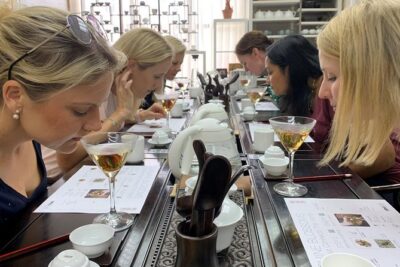
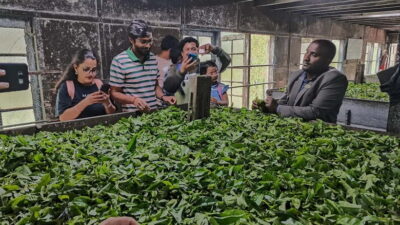
Munnar: Tea trail, Tea Factory, and Tea Tasting Tour
Read our review →
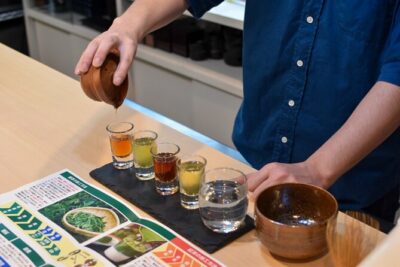
Matcha Experience with of Japanese Tea Tasting in Tokyo
Read our review →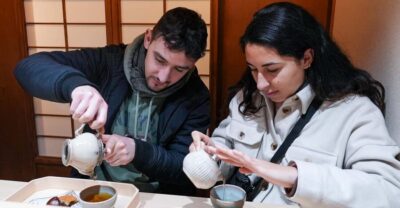
Nara:5 Type of Tea Tasting & Mindful Tea Ceremony
Read our review →
Montmartre Hill French Afternoon Tea Tasting Tour with Crepes and Macarons
Read our review →
Munnar Tea Trail Tour , Tea factory visit & Tea Tasting
Read our review →Browse the lists this tour appears in