

Review · TEA FACTORY TOURS
Munnar Tea Trail Tour , Tea factory visit & Tea Tasting
Munnar’s tea story becomes much clearer when you leave the roadside viewpoints and walk among the plants. This tour takes you through Lockhart Tea Estate, where you can watch tea pluckers at work, talk with them about daily life, and then see how fresh leaves become finished tea inside a factory built in 1936.
I like the mix of outdoor walking and working machinery, and I like that the tour includes views toward Chokramudi Peak and Idli Hills rather than keeping you inside a tasting room. The main caution is guide quality: some visitors have had an excellent, attentive guide, while others found the English explanations weak or received little guidance during the plantation walk.
Key points at a glance

- Walk through Lockhart Tea Estate: Plan for up to two or three hours on foot among working tea fields.
- See tea pluckers at work: The visit gives you a chance to spend time with workers and learn about local routines and culture.
- Visit a 1936 factory: Ancient machinery and orthodox tea production provide a link to Munnar’s older tea-making methods.
- Taste and compare tea: The tea program covers tasting and blending, with nine levels in the full learning system.
- Small group size: A maximum of 10 people can make the walk and factory visit easier to manage.
- Good value at $14: For a three-hour experience combining a plantation, factory, and tasting, the price is modest, though the quality depends heavily on the guide assigned.
Why this Munnar tea tour is worth considering

Munnar is often presented through sweeping mountain views and endless green tea rows. Those views are pleasant, but they do not explain how tea is grown, picked, processed, or sold. This experience adds the working side of the picture.
The tour is built around three connected parts. You walk through the plantation, see people picking the leaves, and then follow those leaves into a factory. The final tasting gives you a reason to pay attention to flavor, blending, and production rather than simply drinking a cup of chai and moving on.
I especially like the connection between the field and the factory. Many short tea visits show you one or the other. Here, you have a chance to understand both, at least in broad terms, within roughly three hours.
The group limit of 10 is another useful feature. It does not guarantee a personal guide, but a small group should make it easier to ask questions, stay together on the walk, and hear the factory briefing. At $14, the experience is priced well for anyone interested in Munnar’s main crop.
The catch is that the tour depends on clear communication. One very positive account describes a guide who pointed out plants, birds, rivers, and other details around the plantation, while another visitor found the English-speaking guide difficult to understand and was left to walk around a small tea field alone. That gap is too large to ignore. I would book for the structure and setting, but keep expectations focused on a practical introduction rather than a guaranteed expert-led course.
More Tea Factory Tours in India:
- Munnar: Tea trail, Tea Factory, and Tea Tasting Tour
★ 4.9 · 47 reviews - Amchong Tea Estate + Factory Visit (with Hi-tea only)
★ 5.0 · 30 reviews - Kyoto: Tea Museum Tickets and Matcha Grinding Experience
★ 4.9 · 739 reviews
Starting at Rijo Villa near Munnar’s bus stand
The meeting point is Rijo Villa, also called Nature Glade Cottage, near the KSRTC bus stand on Amman Temple Street, behind Sree Paravathi in Moolakadai, Munnar. The tour returns to this same point at the end.
This central meeting arrangement matters because you are not being asked to find a remote factory on your own. It is also near public transportation, which may help if you are staying around the bus stand area. The supplied details do not include hotel pickup, so you should plan to reach Rijo Villa yourself unless the operator confirms another arrangement.
Bring shoes suited to walking. The experience includes up to two or three hours in a tea plantation, and the exact conditions may change with weather. Since the tour requires good weather, a wet day can lead to a different date or a refund.
The total duration is about three hours, although the plantation walk itself may take two to three hours according to the description. That leaves the factory visit and tasting as a substantial part of the experience, so you should not think of this as a quick photo stop.
Walking through Lockhart Tea Estate
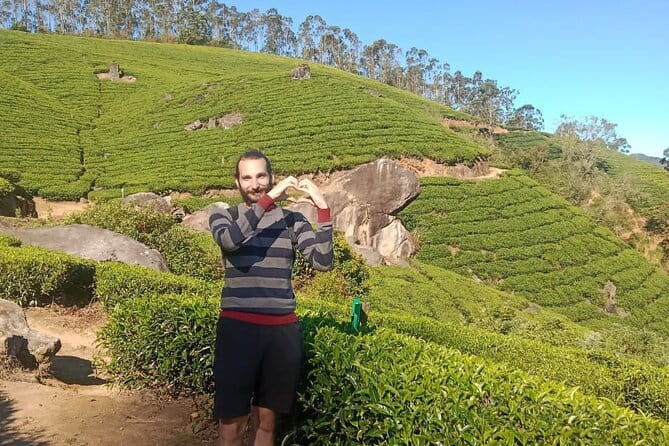
The plantation walk is the heart of the tour. You follow a local guide through Lockhart Tea Estate and see tea plants growing in the fields rather than only hearing about them indoors.
The walk is meant to show you the work behind the drink. Tea pluckers collect the leaves, and the tour gives you a chance to spend some time with them and ask about their local culture and daily life. This is more useful than treating workers as background scenery. If the guide handles the conversation well, you should come away with a better sense of how tea production fits into the local community.
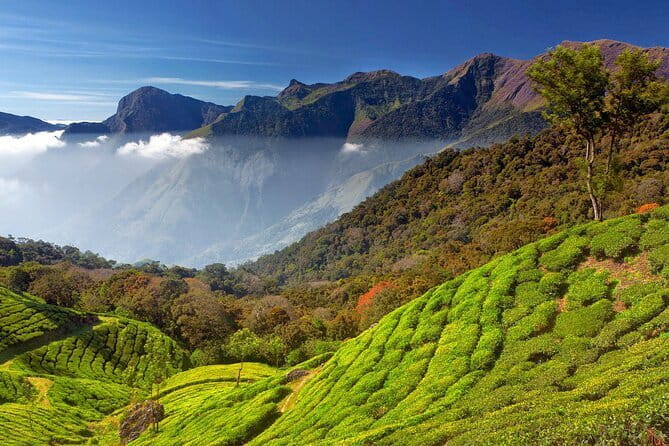
The setting also provides views toward Chokramudi Peak and Idli Hills. These mountain views add variety to the walk and give you a sense of why Munnar’s tea estates are so scenic. The tour is not only about botany or factory machinery. It also places the crop within the hills around Munnar.
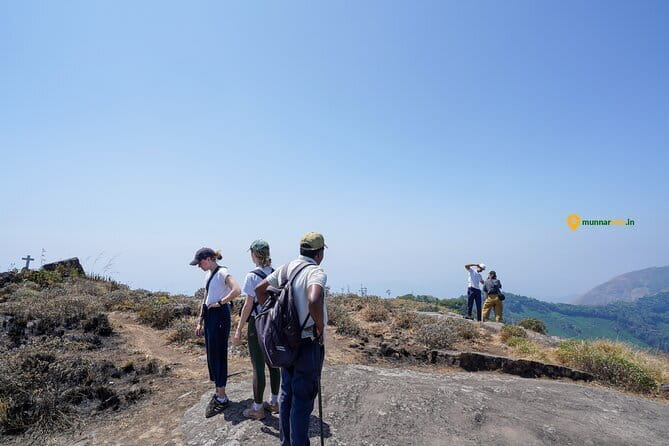
The stated walking time is up to two or three hours. That is enough time to make the visit feel substantial, but it also means you should consider your own comfort and stamina before booking. The information provided does not specify the trail surface, elevation gain, or accessibility details, so you should ask the operator if those points matter to you.
Guide quality makes a real difference here. A strong guide can point out plants, birds, and rivers along the way, adding small details that turn a simple walk into a fuller look at the area. A weaker guide may provide little explanation. If you are particularly interested in tea farming, ask at the start how much time will be spent walking, speaking with workers, and discussing the plants.
Inside the Lockhart factory built in 1936
After the plantation, the experience moves indoors to the Lockhart tea factory. The building dates from 1936 and uses old machinery for traditional orthodox tea production.
That machinery is the main reason this stop is worthwhile. Tea processing can sound abstract when explained in a few sentences, but seeing equipment in operation gives you a better idea of the steps between leaf picking and the dry tea in your cup. The factory briefing covers the tea-making process, the site’s past, and the health benefits associated with tea.
The factory visit lasts about an hour according to the description. That is enough time for a proper introduction, though you should not expect an all-day technical workshop. The emphasis is on seeing the process and understanding the basic stages.
The word orthodox matters here. Orthodox tea is made using traditional methods rather than the faster production associated with some mass-market tea. The available information does not list every machine or processing stage, so I would avoid expecting a specialist-level explanation. Still, the combination of older machinery and a working factory gives this stop more character than a display of packaged tea.
The phrase old man working tea factory appears in the tour description, but it does not identify a particular worker or promise a personal demonstration. You should expect to see factory work and machinery, along with an explanation of the process. The exact amount of interaction can vary.
More Tea Tastings in India:
- Full Day Food Tour Of Delhi with a chef. Includes Tea Tasting
★ 5.0 · 20 reviews - Tea Tasting Session at India’s oldest tea boutique Sancha Tea/Aap Ki Pasand
★ 5.0 · 4 reviews - Twinings 2-Hour Tea Tasting Masterclass in London
★ 5.0 · 105 reviews - Tea Tasting and Pairing Concept Workshop
★ 5.0 · 57 reviews
Making sense of the tea-tasting session

Tea tasting follows the factory visit. The session introduces tea as one of the world’s most widely consumed drinks and explains that the tea plant comes from Camellia sinensis, a cultivated plant with origins in the area between India and China.
This is a useful place to slow down and compare what you have seen in the field with what reaches the cup. The program includes tea tasting and tea blending, and the wider training system is divided into nine levels. That does not mean you will complete all nine levels during this three-hour visit. It means the tasting program has been arranged as a staged course, with lessons that become more detailed over time.
For a first visit, the value is likely to be practical rather than academic. You can learn why teas differ, how blending affects the final drink, and how tasting helps identify qualities that are easy to miss when you simply add milk and sugar. The supplied details do not list the specific teas served or the number of samples, so do not book expecting a fixed menu of named teas.
I like that the tasting is connected to the factory instead of being presented as a separate food stop. You have already seen the plants and the processing equipment. The cup becomes the final part of the story.
If your main interest is tea tasting, ask how much time will be set aside for the session. The description gives about one hour for the factory visit and tasting together, so the two parts may be fairly concise.
How much value do you get for $14?
At $14, this is a good-value introduction to Munnar tea if all three parts take place as planned. A plantation walk, factory visit, and tasting would each be reasonable activities on their own, and combining them saves time and avoids arranging separate transport.
The price is especially attractive for visitors who want context rather than only photographs. You get a look at working agriculture, a historic factory setting, and an introduction to tasting. The small maximum group of 10 also gives the experience a more manageable scale than a large coach visit.
Still, value depends on the guide. A polished guide can explain the fields, identify surrounding nature, help with conversations, and make the factory steps easy to follow. A guide with limited English may reduce the experience to transportation and entry. The 4.8 rating from 25 ratings and 96 percent recommendation rate indicate strong overall satisfaction, but the poor experience described above shows why expectations should stay realistic.
I would consider this a particularly good buy for a first-time visitor to Munnar who has not already visited a tea estate. If you have toured several tea factories, the old machinery and orthodox production may still interest you, but the short tasting session may feel basic.
Who will enjoy the walk, and who should think twice?
This tour suits you if you want:
- A short, affordable introduction to Munnar’s tea industry
- A walk through a real plantation rather than a purely indoor presentation
- A chance to see tea workers and learn about their routines
- Historic factory machinery and traditional orthodox production
- A tasting session linked to the growing and processing of tea
- A small group rather than a large organized outing
You should think twice if you need a highly technical tea course, guaranteed fluent English, or detailed accessibility information. The route includes a long plantation walk, and the description does not explain the trail conditions.
It is also not the best choice if you want a free-form visit with lots of time for photography. The tour has a set structure, and the guide controls the movement between the estate, factory, and tasting section.
Booking details and cancellation advice
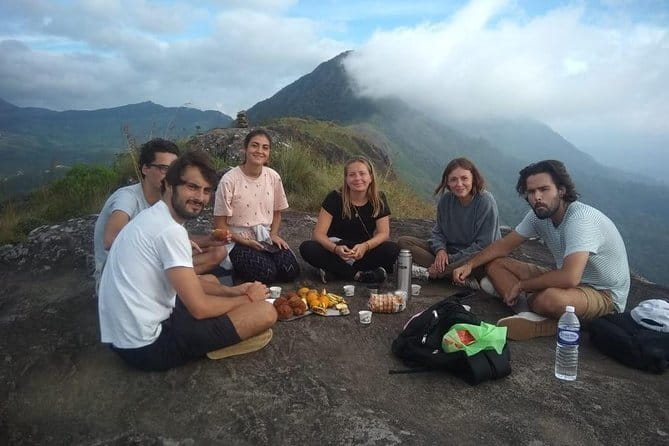
Confirmation is provided at booking, and the activity can include no more than 10 people. The tour ends at the meeting point, Rijo Villa.
You can cancel at least 24 hours before the start time for a full refund. Cancellations or changes made within 24 hours are not refunded or accepted. Poor weather or failure to reach the minimum number of participants can lead to a new date, another experience, or a full refund.
Because weather affects the plantation walk, I would avoid scheduling this as the final activity of a tightly packed Munnar stay. A little flexibility gives you a better chance of seeing the tea fields in suitable conditions.
Should you book the Lockhart Tea Trail?
I would book this tour if you want an inexpensive, three-hour look at how Munnar tea moves from plant to cup. The strongest features are the walk through Lockhart Tea Estate, the chance to see tea pluckers at work, the 1936 factory, and the tasting session. The views toward Chokramudi Peak and Idli Hills are a welcome bonus.
Book with one qualification: guide communication is the main variable. If the guide is as attentive as the best account describes, you may get extra details about plants, birds, rivers, and local life. If not, the experience could feel like a drop-off at a factory followed by an unguided field walk.
For $14, I think the potential value is good enough to recommend, especially for first-time tea visitors. Confirm the meeting details and ask what language support is available before paying, then allow enough time for the plantation walk and changing weather.
FAQ
Where does the Munnar Tea Trail Tour start?
The tour starts at Rijo Villa, also called Nature Glade Cottage, near the KSRTC bus stand on Amman Temple Street in Moolakadai, Munnar.
Where does the tour end?
The activity ends back at the Rijo Villa meeting point.
How long does the tour last?
The total experience lasts approximately three hours. The plantation walk can take up to two or three hours, while the factory visit and tea tasting form the remaining part of the program.
What tea estate does the tour visit?
The tour visits Lockhart Tea Estate.
Will I see tea pluckers working?
Yes. The plantation section is designed to show tea pluckers at work and allow time to learn about their local culture and lifestyle.
What happens at the tea factory?
You receive an explanation of the tea-making process, the factory’s history, and tea’s health benefits. The Lockhart factory was built in 1936 and is known for traditional orthodox tea production using old machinery.
Is tea tasting included?
Yes. The experience includes a tea-tasting section, with information about tea tasting and tea blending. The wider training program has nine levels.
How many people can join the tour?
The activity has a maximum of 10 participants.
Can I cancel for a refund?
You can cancel at least 24 hours before the start time for a full refund. Cancellations made less than 24 hours before the start time are not refunded.
More Food and Drink Tours in India
- Jakarta: Volcano, Tea/Rice Fields, Hot Spring, Local Food
★ 4.9 · 515 reviews - Private Tea Ceremony and Sake Tasting in Kyoto Samurai House
★ 5.0 · 163 reviews - SF’s Chinatown: Tea & Dim Sum Food Tour – Includes full meal, 3hr
★ 5.0 · 153 reviews - Experience all of Japanese culture and Japanese food experience classes “origami, udon, Japanese food, green tea, calligraphy” in 4 hours
★ 5.0 · 105 reviews
Fresh tea listings around India
- Cochin: Full-day Backwater Tour with Lunch and Evening Tea★ 4.8 · 9 reviews
- Tea Tasting Session at India’s oldest tea boutique Sancha Tea/Aap Ki Pasand★ 5.0 · 4 reviews
- High Tea At The Atrium Restaurant, Imperial Hotel, New Delhi★ 5.0 · 16 reviews
- Full Day Food Tour Of Delhi with a chef. Includes Tea Tasting★ 5.0 · 20 reviews
- The Old Delhi Sundowner – Kite Flying and High Tea★ 5.0 · 4 reviews
- Guided Day Tour to Bir – Monasteries,Temple & Tea Garden Visit★ 5.0 · 4 reviews
- Palampur Tea Garden Tour★ 5.0 · 4 reviews
- Guided Tour to Palampur-Monasteries, Temple & Tea Gardens visit★ 5.0 · 8 reviews
Tea Factory Tours, compared.
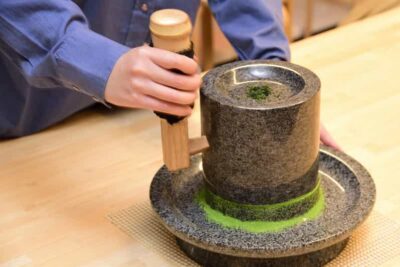
Kyoto: Tea Museum Tickets and Matcha Grinding Experience
Read our review →Uva Halpewatte Tea Factory Tour in Ella Sri Lanka
Read our review →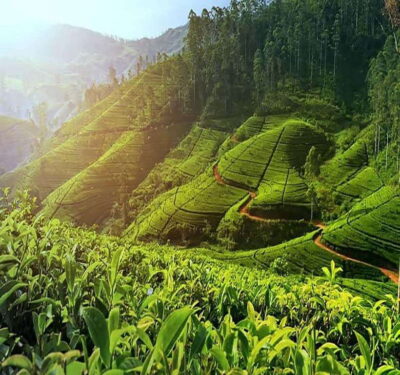
Nuwara Eliya: Tea Factory and Pickle Waterfalls Tuk Tuk Tour
Read our review →
From Colombo: Kandy, Pinnawala and Tea Factory Full-Day Trip
Read our review →
Ella: Tea Factory, Train, and Nine Arch Day Tour with Pickup
Read our review →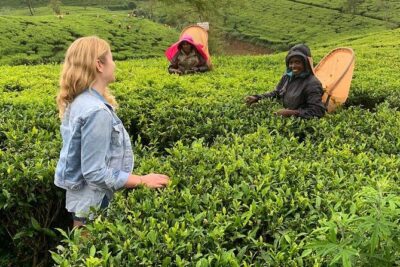

Ella Private Day Trip with Train Ride & Tea Factory-All Inclusive
Read our review →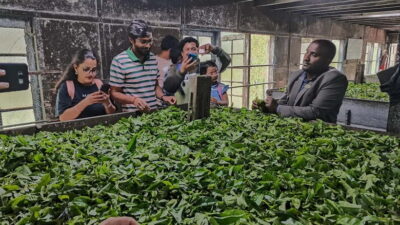
Munnar: Tea trail, Tea Factory, and Tea Tasting Tour
Read our review →Browse the lists this tour appears in