
Review · MATCHA EXPERIENCES
【NEW】Matcha Making Experience and Matcha Comparison in Tokyo
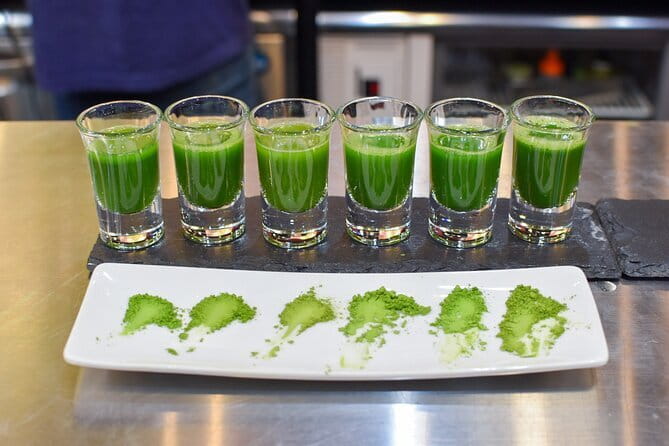
The surprising part of this Tokyo matcha experience is the comparison. You taste eight matchas side by side, including six ceremonial-grade teas and two products sold as matcha internationally but not technically classified as matcha in Japan. It is a useful lesson in how much flavor, color, and aroma can vary.
I like the access to 10 Japanese matchas from five growing areas, and I like that you do more than sip tea. You learn from Chisei, a former Kyoto tea farmer, then whisk your chosen tea yourself. The main consideration is the price, $62.12 for about 90 minutes, which is fair for a specialist tasting but more than a simple tea ceremony.
Key points to know
- Taste five tea regions: Compare matcha from Kyoto, Shizuoka, Aichi, Fukuoka, and Kagoshima.
- Learn from a former tea farmer: Chisei worked with Kyoto tea cultivation and processing for six years.
- See the difference between products: Eight samples include six ceremonial-grade teas and two items marketed as matcha but not defined as matcha.
- Make your own usucha: Whisk the matcha you like best with a bamboo tea whisk.
- Finish with a latte and sweets: The original blend is made to work well with milk and sugar.
- Enjoy a small group: The experience accepts a maximum of five people and offers English and Japanese guidance.
Why this matcha tasting is different
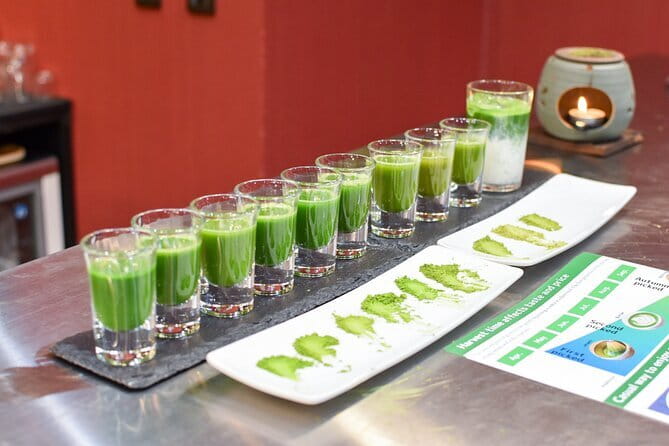
Many visitors encounter matcha as a sweet café drink, a dessert flavor, or a powdered green tea bought at a supermarket. This experience takes a sharper approach. It asks you to taste several versions at once, then explains why they differ.
That side-by-side format is the real value. A single cup can be pleasant, but several cups make comparison possible. You can look at the color, smell the powder and brewed tea, and notice how bitterness, sweetness, umami, and texture change from one sample to the next.
The session is also built around a practical question: What counts as real matcha? You learn about the definition of matcha, cultivation methods, tea production, and its history before tasting the samples. The two products that are sold as matcha around the world but are not technically defined as matcha give the lesson a useful edge.
I would not treat this as a formal, silent tea ceremony. It is a guided tasting with teaching, questions, and hands-on preparation. That makes it a better choice if you want to understand what you are drinking, not simply pose with a tea bowl.
More Matcha Experiences in Tokyo
- Matcha Making Class in Tokyo with Authentic Japanese Sweets Set
★ 5.0 · 744 reviews - Tokyo: Matcha Making Experience with Mochi Sweets in Asakusa
★ 4.9 · 388 reviews - Asakusa Cultural Walk & Matcha Making Tour
★ 5.0 · 245 reviews
Meeting Chisei and Rina in Taito City
You meet at matcha tripJapan, inside Henn Na Hotel in Taito City’s Kotobuki neighborhood. The activity begins at 9:30 a.m. and ends at the same place, a simple arrangement that avoids the need to find a second meeting point after the tasting.
The experience is limited to five people. That matters here. With 10 teas to discuss and a whisking lesson to complete, a large group could make the session feel rushed. A maximum of five gives you a better chance to ask about flavor, farming, or preparation.
Chisei is the main instructor. He has a bachelor’s degree in agricultural science, with particular training in soil science, and previously worked as a tea farmer in Kyoto. He was involved in tea cultivation and processing, not just serving the finished drink. That background should make the farming section more useful than a basic introduction.
Rina, the assistant, has a bachelor’s degree in pharmacy and works as a practicing pharmacist. Her role adds another perspective to a session about a drink often promoted as healthy. You should still treat the class as a tea education experience rather than a medical consultation.
The guides speak English and Japanese. A past session included Chisei and Rina, and Chisei’s response afterward suggested that questions can stretch the conversation beyond the planned 90 minutes of material. If you are curious about tea, ask. The format appears suited to discussion rather than a fixed speech delivered without interruption.
Starting with a welcome drink and the story of matcha
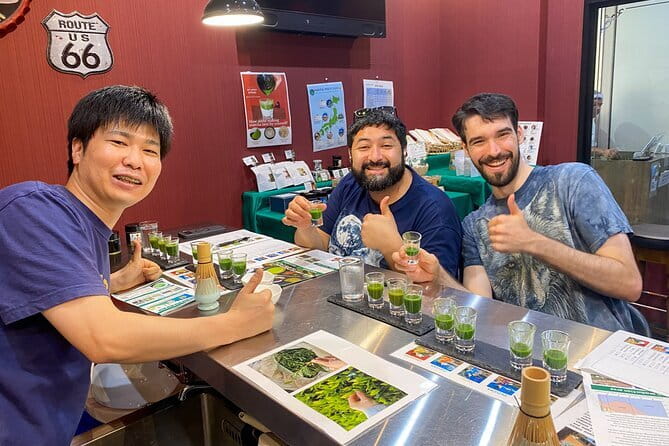
The session opens with a welcome drink. While you have it, the guides explain the history and production of the matcha you will taste.
This opening gives the tasting a frame. Matcha does not begin as a green powder in a café tin. It reflects the tea plant, the growing conditions, cultivation choices, processing, and the way the final powder is prepared. The agricultural background of the lead guide is especially relevant here because soil and growing methods affect the crop before it reaches the mill.
You should pay attention to definitions. The experience does not simply treat every green powder as identical. It explains what makes matcha matcha, then asks you to compare products that may be marketed under the same name but do not meet the same definition.
The welcome drink also helps pace the event. You are not hit with 10 small samples immediately. First, you get enough context to understand why the cups may look and taste different. For a first-time matcha drinker, this introduction should make the later comparison less confusing.
Comparing 10 matchas from five Japanese regions
The central tasting features matcha from Kyoto, Shizuoka, Aichi, Fukuoka, and Kagoshima. These are five representative tea production areas, and tasting them together lets you compare regional character without having to buy several tins on your own.
Eight types are served during the comparison. Six are ceremonial grade, while two are not defined as matcha but are sold as matcha in various markets. The full experience includes 10 kinds of matcha in small portions, so the session gives you a broad range without asking you to drink a full serving of every tea.
Small portions are important. Matcha can be intense, especially if you are not used to its bitter edge or concentrated texture. A tasting portion lets you focus on aroma and flavor without becoming overwhelmed or filling up before the hands-on part.
The guides first have you look at the color. Then they prepare the tea so you can assess the fragrance and taste. This order encourages you to use more than your palate. The visual difference between powders can be part of the lesson, but color alone does not tell you everything about quality or personal preference.
I like the idea of choosing a favorite only after trying the full set. You may expect the darkest or most vivid green tea to win, then discover that another sample has a balance you prefer. You may also decide that a less bitter tea works better for you than one prized for a stronger savory character.
The tasting is not only for matcha experts. Beginners get a clear introduction, while experienced tea drinkers have a chance to compare regions and definitions in one sitting. The one limitation is time. Ten teas, production details, and questions create a lot to cover in 90 minutes, so you should expect an energetic lesson rather than a slow, meditative ceremony.
Same city, a very different cup:
- Kimono Tea Ceremony at Tokyo, Asakusa Maikoya
★ 5.0 · 638 reviews - Tokyo: Traditional Tea Ceremony with a Tea Master
★ 5.0 · 528 reviews - Dynamic Tokyo: Tokyo Tower, Tea Experience, Bay Cruise Day Tour
★ 4.5 · 521 reviews - Tokyo: Matcha and Kimono Experience
★ 4.7 · 219 reviews
Choosing a favorite and whisking usucha
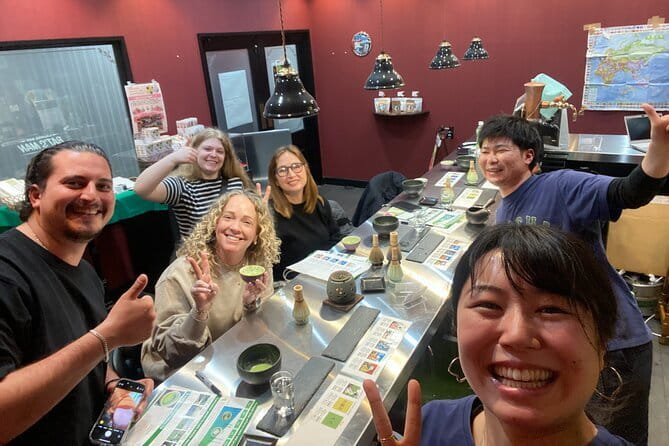
After the comparison, you choose the matcha you like best and prepare it yourself. The final tea is usucha, the thin style of matcha commonly associated with whisked tea.
You use a bamboo tea whisk. The hands-on step gives the tasting a practical purpose: you learn a method you can repeat at home. Instead of leaving with only a set of flavor impressions, you finish knowing how to turn powdered tea into a bowl of matcha.
For many people, this will be the most memorable part. Tasting reveals differences, but whisking requires you to take part in the preparation. It also helps explain why matcha is more than powder stirred into hot water. The tools and technique shape the drink you end up tasting.
Do not worry about choosing the perfect sample. The point is to identify the flavor you prefer, then learn to prepare it. If you are new to matcha, choosing a favorite can be surprisingly useful because it gives you a reference for future purchases.
The session does not provide a full home tea-making course, but it does give you a foundation. You still need your own matcha, bowl, whisk, and other supplies later. Even so, the lesson should make the process less mysterious when you try it in your kitchen.
Matcha latte and sweets to finish
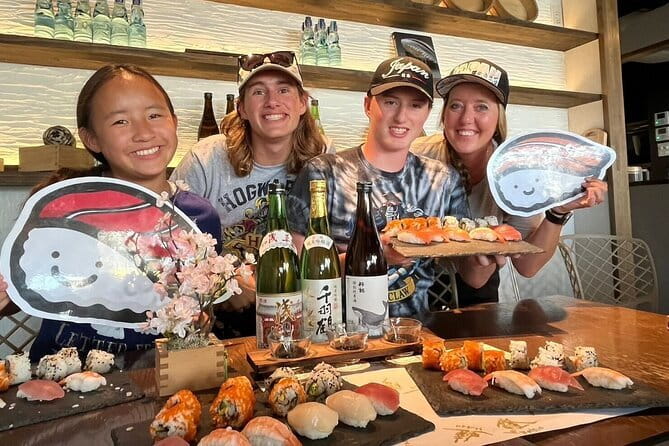
The final food and drink portion shifts from tasting matcha on its own to enjoying it with milk, sugar, and sweets. The guides use an original matcha blend designed to work well in a latte.
This is a smart ending. A tea that seems too bitter or forceful when prepared traditionally may work beautifully with milk and sugar. Comparing the straight matchas first gives you a better sense of what changes when the tea becomes a café-style drink.
The matcha sweets add another contrast. You have already considered color, aroma, and taste in small servings, then made your own usucha. The latte and sweets show how matcha functions as an ingredient as well as a traditional drink.
You should not expect the latte portion to replace the tasting. It is a finish, not the main lesson. Its appeal is that it connects the more formal tea education to the matcha drinks and desserts you are likely to see elsewhere in Tokyo.
Is $62.12 a fair price?
At $62.12 per person, this is not a budget beverage stop. You are paying for a small-group class, 10 matcha samples, a local guide in English or Japanese, a hands-on whisking lesson, a latte, and sweets.
The value depends on what you want from matcha. If you only want one sweet green drink, the price is hard to justify. Tokyo offers simpler ways to have matcha. If you want to compare tea from five production areas, understand the difference between true matcha and loosely marketed products, and learn a preparation method, the cost becomes easier to defend.
The agricultural background of the main instructor also matters. Chisei’s experience covers tea farming and processing in Kyoto, while his agricultural science degree includes soil science. That is more specialized than a standard café explanation and gives the tasting an educational purpose.
The maximum group size of five is another part of the value. You are not paying for a large attraction with a packed room. You are paying for attention, tasting guidance, and a chance to make the tea yourself. Still, the session lasts about an hour and a half, so people seeking a long tea ceremony or an extensive meal should choose a different activity.
The experience is booked an average of 20 days ahead. That is useful planning information, especially because the group is capped at five. If the time fits your Tokyo schedule, booking earlier gives you a better chance of getting the morning session.
Who should book this Tokyo matcha experience?
I would recommend it to anyone who wants a clearer understanding of Japanese tea before buying matcha in Tokyo. It suits curious beginners because the tasting starts with definitions and basic production information. It also works for food-focused visitors who enjoy comparing small samples and identifying a personal favorite.
Tea drinkers who already know matcha may appreciate the five-region format and the chance to examine products that are marketed differently outside Japan. The session is particularly useful if you want to understand how origin and production affect the cup.
Families and mixed-interest groups may find the hands-on portion easier to enjoy than a purely lecture-based activity, but the provided information does not give a minimum age or child policy. Ask before booking if you are planning to bring children.
The experience is less suitable if you want a quiet, formal ceremony with little conversation. It is also not the best pick if you dislike bitter flavors, though the latte and sweets provide a gentler finish. Service animals are allowed, and the meeting place is near public transportation.
Mobile tickets make arrival simpler. You will need to reach the stated meeting point by 9:30 a.m., and the activity returns there at the end. Tips are not included, so plan for that separately if you choose to leave one.
Cancellation and planning details
You receive confirmation when you book. Free cancellation is available up to 24 hours before the local start time, with a full refund. Changes or cancellations made less than 24 hours before the start are not accepted for a refund.
The meeting point is matcha tripJapan at 111-0042 Tokyo, Taito City, Kotobuki, 3-chōme 198, on the second floor of Henn Na Hotel, at Sports Bar Leaf. Check the address carefully before leaving, since the activity ends at the same location.
The experience is offered in English and Japanese. A maximum of five people keeps the tasting focused, but it also means fewer spaces are available on each date. The 9:30 a.m. start is convenient if you want to use the rest of the day for sightseeing, though it requires an early start.
Should you book it?
Book this experience if you want more than a matcha photo opportunity. The strongest reasons are the five-region comparison, the explanation from a former Kyoto tea farmer, and the chance to whisk your preferred tea with a bamboo whisk.
Skip it if $62.12 feels high for a short tasting or if you are looking for a traditional ceremony without much instruction. For curious drinkers, food lovers, and anyone unsure what real matcha should taste like, this is a focused Tokyo lesson with a useful skill to take home.
FAQ
Where does the matcha experience take place?
It takes place at matcha tripJapan, 111-0042 Tokyo, Taito City, Kotobuki, 3-chōme 198, inside Henn Na Hotel on the second floor at Sports Bar Leaf.
What time does the experience start?
The activity starts at 9:30 a.m.
How long does the matcha experience last?
It lasts approximately 1 hour and 30 minutes.
How many matchas will I taste?
You can enjoy 10 kinds of matcha in small portions. The comparison portion serves eight types, including six ceremonial-grade matchas and two products sold as matcha but not defined as matcha.
Which tea-producing areas are represented?
The matchas come from Kyoto, Shizuoka, Aichi, Fukuoka, and Kagoshima.
Can I make matcha myself?
Yes. You choose the matcha you like best and prepare usucha with a bamboo tea whisk.
Is cancellation free?
You can cancel for a full refund up to 24 hours before the experience start time. Cancellations or changes made less than 24 hours before the start are not refunded or accepted.
Fresh tea listings around Tokyo
- Yokohama : Tea Ceremony with Sweets and Souvenir★ 5.0 · 5 reviews
- Walking Tour: Yanaka,Nezu& Sendagi: Tea Ceremony & Old Tokyo★ 5.0 · 3 reviews
- Private Mochi・Matcha sweets Making Class Near Shibuya Area★ 5.0 · 22 reviews
- 2 Hours Mochi &Nerikiri Making & Matcha Class in Bunkyo★ 5.0 · 21 reviews
- Private Kimono and tea ceremony at local home near Tokyo Disney★ 5.0 · 6 reviews
- Kimono and Tea Ceremony in Asakusa Private Food Tour With Guide★ 5.0 · 4 reviews
- Tokyo: Tea Ceremony & Japanese Sweets Making★ 5.0 · 10 reviews
- Tokyo Sweets Tour: Hidden Gems & Matcha at an Old Tea House★ 5.0 · 6 reviews
Matcha Experiences, compared.
World Heritage Kyoto & Nara Uji Authentic Matcha Experience
Read our review →
Matcha Making Class in Tokyo with Authentic Japanese Sweets Set
Read our review →
Kyoto: Tea Museum Tickets and Matcha Grinding Experience
Read our review →
Matcha Making Class in Osaka with Authentic Japanese Sweets Set
Read our review →
Kyoto: Tea Ceremony Meditation – Make Matcha with Tea Master
Read our review →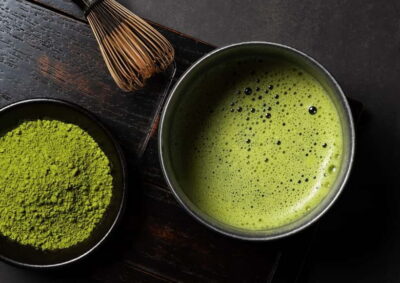
Tokyo: Matcha Making Experience with Mochi Sweets in Asakusa
Read our review →
Kyoto: Kimono Tea Ceremony with Matcha and Sweet
Read our review →
Browse the lists this tour appears in