
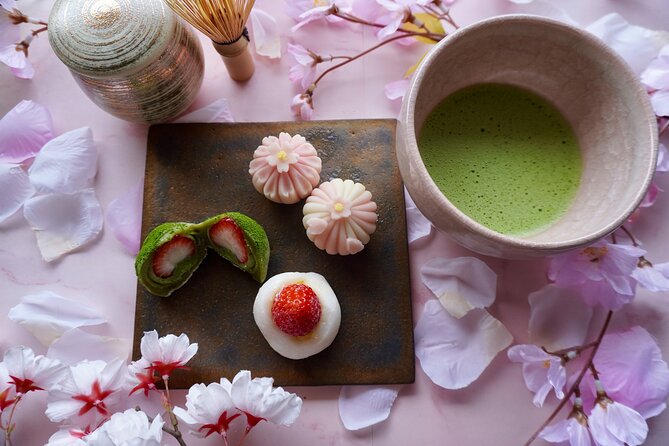
Review · MATCHA EXPERIENCES
Private Mochi・Matcha sweets Making Class Near Shibuya Area
Mochi is best understood with your hands. In this private class near Sangenjaya, Sakura-san shows you how to shape traditional Japanese sweets, including mochi and nerikiri, then serves matcha in her home tea room. You get more than a pretty dessert. You learn how the ingredients, forms, and customs fit into Japanese life.
I like the one-on-one teaching and the chance to ask questions at your own pace. I also like the cultural side: you hear why mochi matters in Japan instead of simply following a recipe. The main consideration is the setting. This is a home-based class with a toy poodle, so it is not a good choice if you have a dog allergy.
Key points to know
- Sakura-san leads the class: Expect personal help rather than a large demonstration.
- You make more than one sweet: The class covers mochi and nerikiri, with some sessions also featuring daifuku, dango, or shaved ice.
- Matcha is part of the experience: You can take part in a simple tea ceremony in the home tea room.
- Sangenjaya keeps you outside the main tourist rush: The meeting point is a short walk from local rail service in a residential Tokyo neighborhood.
- Families fit well: A six-year-old successfully took part, and children can enjoy the shaping and tasting.
- Plan around the dog: Choco, a toy poodle, lives in the house, so people with dog allergies should choose another activity.
Making mochi in Sakura-san’s home
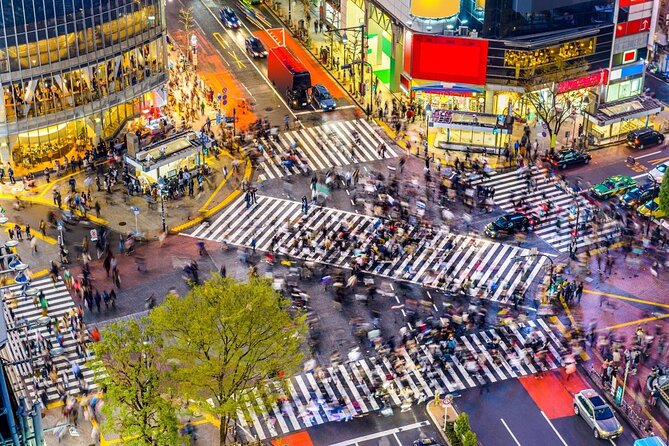
The class begins at 1-chōme-11-13 Sangenjaya, in Setagaya City. It ends at the same place, which keeps the plan simple. You do not need to cross Tokyo after the sweets are finished, and the meeting point is near public transportation.
Sangenjaya is a useful choice for this kind of activity. It gives you a change from the giant department stores and crowded lanes around central Shibuya. You are still in the greater Shibuya area, but the class takes place in a neighborhood setting rather than a commercial cooking studio.
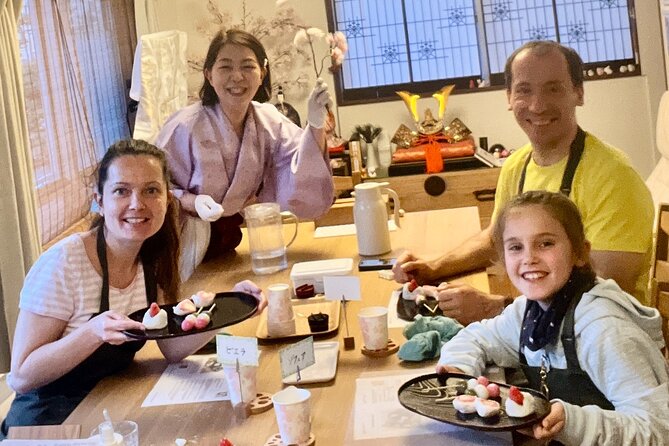
Once inside, you receive instruction from Sakura-san, the host and sweets teacher. The private format matters here. Japanese confectionery can look easy until you try to handle it. Mochi dough is soft and sticky, and neat shaping takes a little control. Nerikiri has its own demands, since the finished sweet is often formed into delicate seasonal designs.
You can ask for a slower explanation, repeat a step, or get help with your hands and tools. That is especially useful for families and small groups with different skill levels. A large class may move on before you have finished, while this format gives the teacher more room to watch what you are doing.
The class lasts about two hours. That is long enough to make and taste the sweets without turning the activity into an all-day commitment. I would place it on a morning or afternoon when you want a calm break from sightseeing, not on a day packed with distant attractions.
More Matcha Experiences in Tokyo
- Matcha Making Class in Tokyo with Authentic Japanese Sweets Set
★ 5.0 · 744 reviews - Tokyo: Matcha Making Experience with Mochi Sweets in Asakusa
★ 4.9 · 388 reviews - Asakusa Cultural Walk & Matcha Making Tour
★ 5.0 · 245 reviews
What you make: mochi, nerikiri, and more
The central focus is mochi, the chewy Japanese sweet made with glutinous rice flour or rice-based dough. You learn how it is handled and shaped, then taste what you have prepared. The lesson also covers nerikiri, a traditional sweet with a smooth bean-based mixture that can be molded into decorative forms.
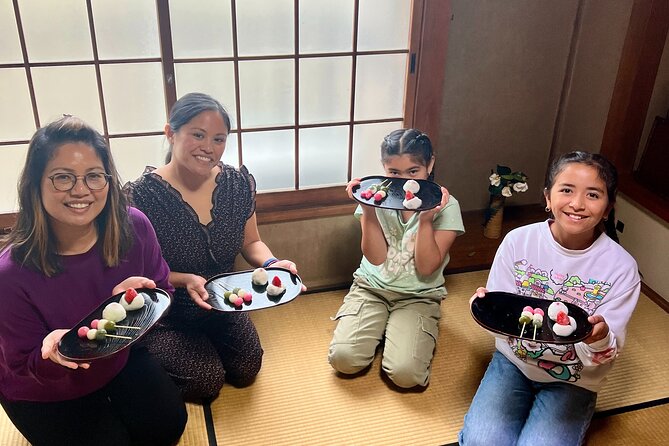
The exact sweets may vary. One class included three kinds of mochi, two strawberry daifuku styles, and shaved ice with dango. That gives you a useful sense of the possible range, but you should not assume every booking includes those precise items. The confirmed description promises mochi or nerikiri, so ask ahead if a particular sweet is important to you.
Strawberry daifuku is a good example of why this activity appeals to children and first-time cooks. The fruit gives the sweet a clear center, while the outer mochi requires careful folding. Dango and shaved ice bring a different texture and presentation. You get to see that Japanese sweets are not all the same soft bite.
Nerikiri also adds a visual lesson. Japanese sweets often express seasons, nature, or simple forms through color and shape. Even without a long formal lecture, shaping the dough helps you understand why these sweets are treated as small works of food craft.
The cultural explanation is one of the strongest parts of the class. Sakura-san explains the importance of mochi in Japanese culture, so you are not only copying movements at a kitchen counter. You gain a better idea of why mochi appears in celebrations and why traditional sweets carry meaning beyond sugar and texture.
A simple tea ceremony in the tea room
After the cooking, you can take part in a simple tea ceremony. Matcha is included, and the tea room gives the class a natural ending. You taste the sweets with tea and see how the two are meant to work together.
Keep your expectations in proportion. This is described as a simple tea ceremony, not a long formal tea-school performance. That is a benefit for many people. You can learn the basic feel of the ceremony without needing prior knowledge or sitting through a highly structured event.
The tea also gives the sweets context. Matcha has a strong, grassy bitterness that balances the sweetness of mochi and nerikiri. Tasting them together is more useful than sampling a dessert alone at a shop, because you learn how the serving tradition works.
If you are new to matcha, this is a gentle introduction. If you already know Japanese tea, the appeal is the home setting and the chance to connect the tea with sweets you have made yourself. The tea room is also a quiet place to ask final questions about Japanese customs.
Why the private format is worth the price
The listed price is $78.83 per person. That is not the cheapest food activity in Tokyo, so the value depends on what you want from the class. You are paying for about two hours of instruction, ingredients, the finished sweets, matcha, and the attention of a teacher in a small private setting.
For a group of two or three, the price can make sense if you value personal guidance and cultural explanation. You are not simply watching a chef prepare a sample before receiving a quick taste. You work with the sweets yourself and have the chance to ask questions throughout.
Group discounts may improve the cost for a larger party. The maximum is eight people, which is still small enough to keep the class personal if your group fills most of the places. A group of five found the class a highlight of a Japan trip, and that size can work well for families or friends who want a shared activity.
The price is less compelling if you only want to eat mochi. Tokyo has plenty of shops where you can buy excellent sweets for far less. Book this class for the instruction, the home setting, the cultural background, and the satisfaction of making the food yourself.
More Tea and Sweets Making in Tokyo
- Make Traditional Nerikiri Sweets & Matcha experience in Shibuya
★ 5.0 · 130 reviews - Sweets Making and Kimono Tea Ceremony at Tokyo Maikoya
★ 5.0 · 57 reviews - Japanese Traditional Sweets making and Tea Ceremony
★ 4.7 · 50 reviews - Mochi Matcha Gluten Free Japanese Sweets Class near Shibuya area
★ 5.0 · 26 reviews
Sangenjaya gives the class a local feel
The class meets in Sangenjaya, in Setagaya City. It is described as easily accessible and a short walk from the train in a pleasant residential neighborhood. You should allow enough time to find the exact address, since the meeting point is a private home rather than a large public landmark.
This location works well if you are staying near Shibuya or planning other activities in western Tokyo. It is also a good reason to see a part of the city beyond the main shopping districts. You will not be visiting a famous monument during the class, but you get a look at ordinary neighborhood Tokyo.
The class ends where it starts. That helps families, small groups, and anyone who does not want to manage a second meeting point after handling food and tea. It also gives you the option of continuing through Setagaya or returning toward Shibuya after the session.
The address is specific, but the experience provider confirms bookings within 48 hours, subject to availability. I would wait for confirmation before building a tight schedule around it. The class is normally two hours, but a little breathing room is wise when traveling across Tokyo.
A good choice for families and first-time cooks
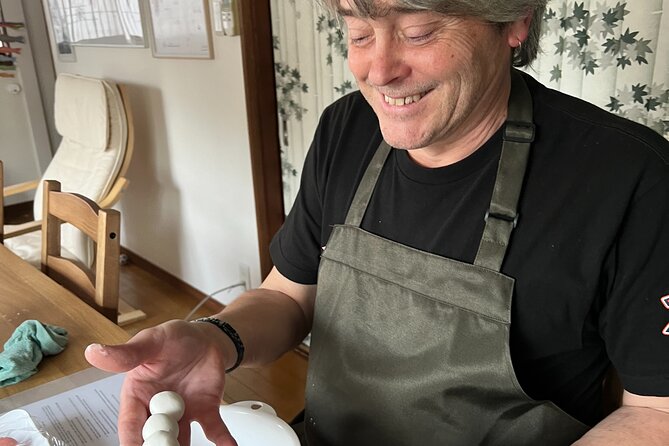
This class suits children better than many formal cultural activities. A six-year-old took part with her parents, and another parent attended with a son. Making dough, adding fillings, and shaping sweets gives children a clear job, while the tasting at the end provides an immediate reward.
Still, the activity requires attention and some patience. Mochi can be sticky, and shaping sweets neatly may take several tries. Children who enjoy hands-on crafts will likely get more from it than children who only want to eat dessert.
The class is also friendly for people who do not speak Japanese well, according to the experience details and direct feedback. That does not mean you should expect every explanation to be tailored to your language level, but the teaching is designed to guide international participants through the process.
The private setting helps couples, parents, and friends learn together without feeling watched by a large room. It is also suitable for someone traveling alone who wants a personal cultural activity, provided the private booking arrangement works for the selected date.
The dog, accessibility, and practical cautions
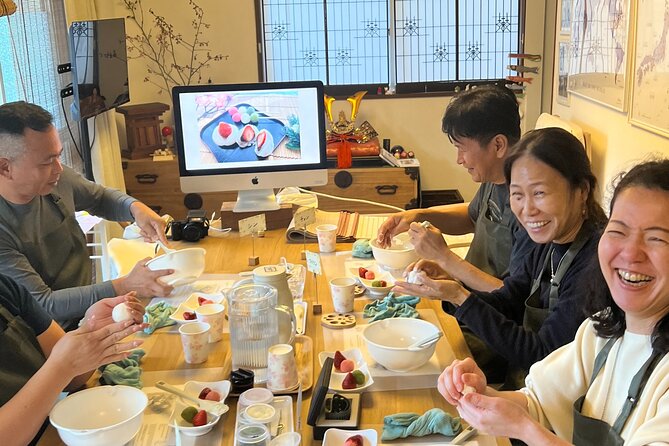
A toy poodle named Choco lives in the house. Some people will enjoy having a friendly dog nearby, but the provider specifically advises against this class for anyone with a dog allergy. If you have a serious allergy, do not count on staying in a separate room to solve the problem.
Service animals are allowed. The class is near public transportation, but the supplied information does not give a full accessibility description for the home. If you use a wheelchair or have specific mobility needs, contact the provider before booking and ask about the entrance, stairs, seating, and kitchen setup.
The activity is subject to a minimum number of participants and weather conditions. That may seem unusual for an indoor sweets class, but it is part of the provider’s stated policy. If the class is canceled for weather or because the minimum is not met, you are offered another date or experience, or a full refund.
You can cancel for a full refund up to 24 hours before the start time. Changes or cancellations inside that 24-hour window are not accepted for a refund. Since confirmation can take up to 48 hours, check your schedule before reserving.
How the class compares with a standard sweets stop
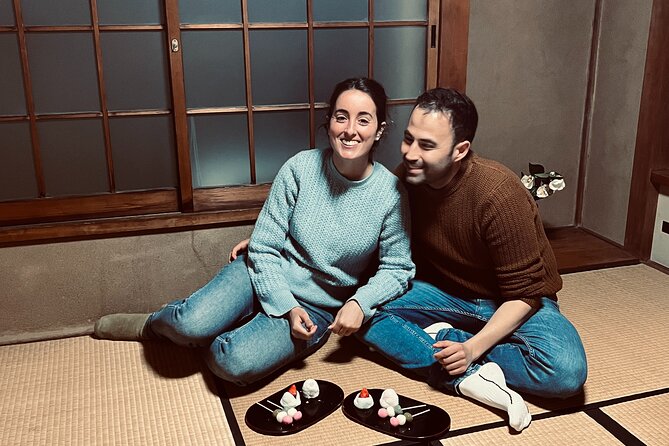
A shop visit is faster and cheaper. You can point at a colorful tray, buy a few pieces, and keep moving. That is ideal when you want a snack or need a quick taste of Japanese confectionery.
This class gives you a different kind of understanding. You learn how the sweets are made, why mochi matters, and how matcha fits with them. You also leave with memories tied to your own hands, not just a package bought from a display case.
The tradeoff is time and price. Two hours is a substantial part of a Tokyo day, and $78.83 per person is a serious food budget. I would not book it simply because you feel you should try mochi. Book it because you want to learn a craft and enjoy a small cultural exchange.
The class also offers local advice along the way. Sakura-san can recommend things to do in Tokyo, which adds value if you are still shaping your itinerary. Do not treat that as a formal sightseeing tour, though. The main event is the sweets class, with city tips as a useful extra.
Should you book this mochi and matcha class?
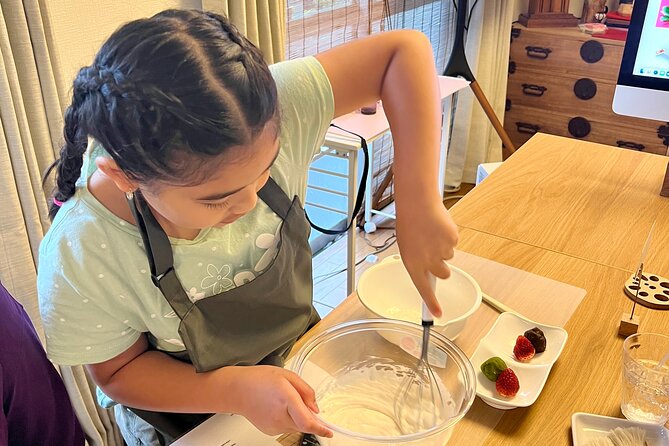
I would book it if you want a personal, hands-on activity near Shibuya and you prefer a home setting to a large tourist workshop. The combination of mochi, nerikiri, matcha, and cultural explanation gives you a fuller experience than a simple dessert tasting.
Families with children, couples, and small groups should find the format especially appealing. The private instruction, flexible questions, and manageable two-hour length make it easier to include people with different cooking abilities.
I would skip it if you have a dog allergy, dislike home-based activities, or only want the lowest-cost way to eat Japanese sweets. Also check the booking confirmation before making firm plans, and leave some time around the class.
For the right visitor, this is a warm and practical way to understand Japanese sweets. You leave with new techniques, a better sense of mochi’s place in culture, and a matcha ritual that gives the afternoon a clear finish.
FAQ
Where does the mochi-making class take place?
The class takes place at 1-chōme-11-13 Sangenjaya, Setagaya City, Tokyo 154-0024, Japan. The activity ends back at the same meeting point.
How long does the class last?
The experience lasts approximately two hours.
What sweets can I learn to make?
The class teaches you how to make mochi or nerikiri. Some sessions may also include sweets such as strawberry daifuku, dango, or shaved ice, but the exact selection can vary.
Is matcha included?
Yes. Matcha is included, and you can take part in a simple tea ceremony in the home tea room.
How many people can join?
The activity has a maximum of eight participants. Group discounts are available.
Is the class suitable for children?
Yes. The activity has been enjoyed by families, including a six-year-old child. Children should be comfortable with a hands-on cooking activity that requires some patience.
Is there a dog at the class?
Yes. A toy poodle named Choco lives in the house. The provider does not recommend the activity for people with a dog allergy. Service animals are allowed.
Can I cancel for a refund?
You can cancel up to 24 hours before the experience start time for a full refund. Cancellations or changes made less than 24 hours before the start time are not accepted for a refund.
Fresh tea listings around Tokyo
- Yokohama : Tea Ceremony with Sweets and Souvenir★ 5.0 · 5 reviews
- Walking Tour: Yanaka,Nezu& Sendagi: Tea Ceremony & Old Tokyo★ 5.0 · 3 reviews
- Private Kimono and tea ceremony at local home near Tokyo Disney★ 5.0 · 6 reviews
- 2 Hours Mochi &Nerikiri Making & Matcha Class in Bunkyo★ 5.0 · 21 reviews
- Tokyo Sweets Tour: Hidden Gems & Matcha at an Old Tea House★ 5.0 · 6 reviews
- Kimono and Tea Ceremony in Asakusa Private Food Tour With Guide★ 5.0 · 4 reviews
- Tokyo: Tea Ceremony & Japanese Sweets Making★ 5.0 · 10 reviews
- Tokyo: Matcha Tea Ceremony Experience at Japanese room in Shibuya★ 5.0 · 11 reviews
Matcha Experiences, compared.
World Heritage Kyoto & Nara Uji Authentic Matcha Experience
Read our review →
Matcha Making Class in Tokyo with Authentic Japanese Sweets Set
Read our review →
Kyoto: Tea Museum Tickets and Matcha Grinding Experience
Read our review →
Matcha Making Class in Osaka with Authentic Japanese Sweets Set
Read our review →
Kyoto: Tea Ceremony Meditation – Make Matcha with Tea Master
Read our review →
Tokyo: Matcha Making Experience with Mochi Sweets in Asakusa
Read our review →
Kyoto: Kimono Tea Ceremony with Matcha and Sweet
Read our review →
Browse the lists this tour appears in