
Review · MATCHA EXPERIENCES
Tokyo Sweets Tour: Hidden Gems & Matcha at an Old Tea House
Tokyo’s best sweet stops are not all found around the major sightseeing districts. This three-hour food walk takes you to Jiyugaoka, a quieter neighborhood where cafés, bakeries, traditional homes, and local shops create a more relaxed view of Tokyo. You will eat often, walk between stops, and finish with matcha in a more than 100-year-old Japanese building.
I like two things right away: the small maximum of six people, which should make the tasting stops easier and the guide’s advice more personal, and the range of foods. Japanese pancakes, Korean pastries, donuts, Hokkaido ice cream, Mont Blanc, and matcha give you more than one narrow view of Japanese sweets. The main caution is simple: this is a lot of sweet food in three hours, and the $109 price makes the tour best suited to people who want several tastings rather than one or two signature dishes.
Key points to know before booking
- Jiyugaoka gives you a quieter Tokyo setting: Expect local streets, cafés, shops, and traditional houses rather than major tourist sights.
- Soren brings bakery experience: He works as a baker and can explain the treats from a practical food point of view.
- The tasting list covers several styles: You will try Japanese pancakes, Korean bakery items, Japanese-style donuts, Hokkaido ice cream, Mont Blanc, and matcha.
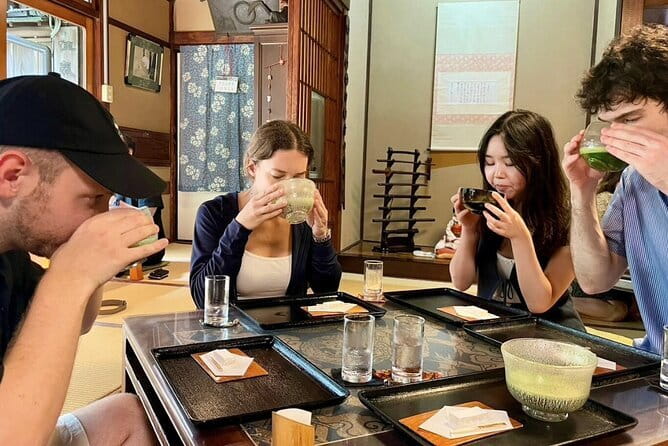
- The final tea stop has real atmosphere: You sit on tatami mats inside a traditional building more than 100 years old.
- The group is capped at six people: This suits solo visitors, couples, and small groups who want conversation with the guide.
- The tour starts at 10:30 am: Meet at Excelsior Caffé Jiyugaoka-ekimae, and return there when the experience ends.
Why Jiyugaoka makes a smart base for a sweets walk
Jiyugaoka offers a useful change of pace from Tokyo’s busiest shopping and sightseeing areas. The tour description presents it as a neighborhood with local shops, cozy cafés, traditional houses, and quieter streets. You are not simply moving between famous attractions. You are using food to see how a residential part of Tokyo works.
That matters because sweets in Japan often fit into daily life. A bakery stop, a café visit, or a small dessert after a meal can tell you as much about local habits as a formal cultural attraction. In Jiyugaoka, the food is paired with the setting. You get the treats, but you also see a part of Tokyo that feels less staged for visitors.
The location is near public transportation, and the meeting point is specific: Excelsior Caffé Jiyugaoka-ekimae, at 2 Chome-11-1 Jiyugaoka in Meguro City. Plan to arrive ready for a 10:30 am start. Since the route moves through several businesses and finishes back at the café, comfortable shoes and a light appetite will serve you well. The operator does not give a detailed walking distance, so you should not assume this is a seated tasting with no walking.
More Matcha Experiences in Tokyo
- Matcha Making Class in Tokyo with Authentic Japanese Sweets Set
★ 5.0 · 744 reviews - Tokyo: Matcha Making Experience with Mochi Sweets in Asakusa
★ 4.9 · 388 reviews - Asakusa Cultural Walk & Matcha Making Tour
★ 5.0 · 245 reviews
Starting with Japanese-style pancakes
The first food stop features Japanese-style pancakes. These are described as fluffier and sweeter than ordinary pancakes, making them a clear signal that this is not a standard Western brunch.
Starting with pancakes works well for two reasons. First, it gives you a substantial opening bite rather than beginning with tiny sweets. Second, it lets Soren talk about texture and preparation, areas where his work as a baker should be especially useful. You can ask about the difference between these pancakes and the versions you know at home.
The tour includes brunch, so this first stop helps explain the morning timing. Still, do not arrive after a large breakfast. You have several more tastings ahead, and the experience is designed as a sequence of samples rather than one oversized meal.
A Korean bakery brings a wider Asian view
The next stop is a cozy Korean bakery, where you try a variety of Asian treats. This is one of the more interesting choices in the itinerary. The tour is based in Tokyo, but it does not pretend that Japanese food culture exists in isolation.
A Korean bakery also gives you a chance to compare styles. You may notice different flavors, shapes, fillings, or textures from the Japanese pastries served elsewhere on the route. The exact items can vary, so do not expect a fixed list of named pastries. The useful point is the contrast.
This stop should appeal to anyone who enjoys bakeries more than formal restaurants. The settings are described as cute and comfortable, and the small group should make it easier to pause, look closely, and ask questions. If you have food restrictions, ask before booking or at the start, since the supplied information does not list allergens or dietary substitutions.
The donut stop is likely the most playful tasting
The popular donut shop offers Japanese-style donuts and a wide assortment of sweet treats. This is likely to be the most playful stop of the morning. Donuts are familiar enough to feel approachable, but Japanese shops often present flavors and combinations that you may not find in Canada, the United States, or Europe.
The appeal here is variety. Instead of judging a single donut, you get a broader look at how a familiar snack is adapted for a Japanese bakery scene. Soren’s baking background adds value because he can help explain what makes one style different from another.
I would pay attention to portion size at this point. The tour includes many stops, and the donut shop may tempt you to eat more than planned. If you are visiting Jiyugaoka independently later, note the cafés and bakeries that catch your eye. This part of the tour is useful not only for tasting but also for finding places you might revisit on your own.
More Tea and Sweets Making in Tokyo
- Make Traditional Nerikiri Sweets & Matcha experience in Shibuya
★ 5.0 · 130 reviews - Sweets Making and Kimono Tea Ceremony at Tokyo Maikoya
★ 5.0 · 57 reviews - Japanese Traditional Sweets making and Tea Ceremony
★ 4.7 · 50 reviews - Mochi Matcha Gluten Free Japanese Sweets Class near Shibuya area
★ 5.0 · 26 reviews
Hokkaido ice cream gives the route a creamy pause
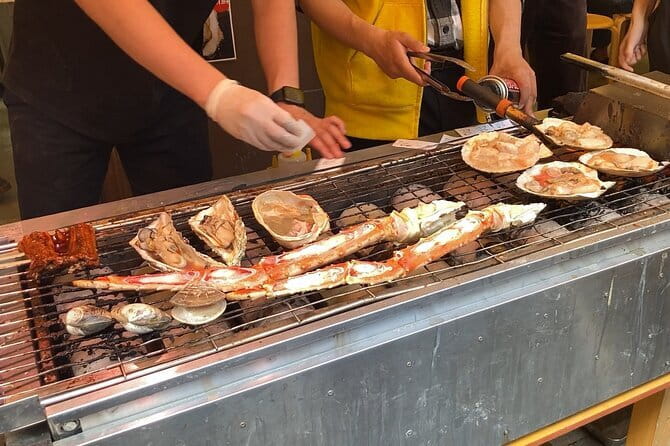
The Hokkaido ice cream stop brings a different texture and temperature to the day. The ice cream is known for a particularly creamy, sweet taste linked to Hokkaido milk.
Hokkaido is Japan’s northernmost main island and is widely associated with dairy production. Here, you get that connection in a simple form: cold ice cream made with milk known for its richness. After several baked goods, the change is welcome.
This may be the easiest stop for most people to enjoy, but it also raises the question of pace. Ice cream takes time to eat, and the tour continues through other sweets. You will want to enjoy it without rushing, but you should also keep room for Mont Blanc and the matcha experience.
Mont Blanc adds a classic patisserie finish
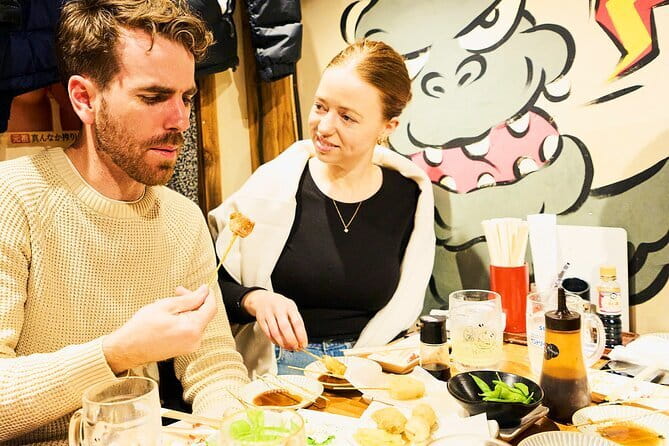
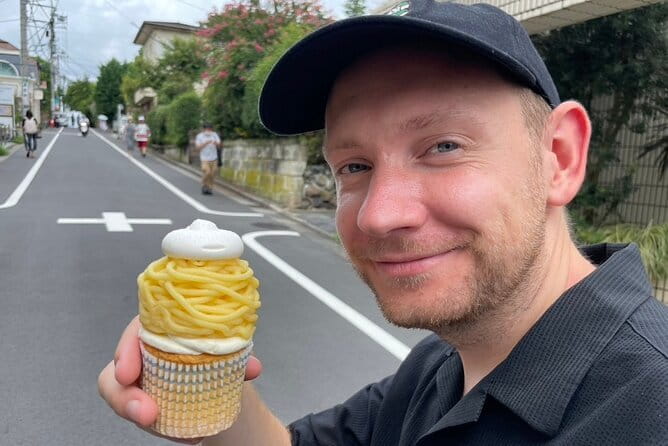
The group also eats a Japanese patisserie called Mont Blanc. The name refers to a dessert style built around chestnut cream, usually shaped in fine strands over a cake or cream center. The supplied tour details do not specify the exact version served, so you should expect the named dessert rather than a guaranteed recipe or presentation.
This stop broadens the tasting beyond casual bakery snacks. You move from pancakes and donuts to a more composed patisserie item. It is a useful reminder that Japanese dessert culture includes both playful everyday sweets and carefully made pastry-shop specialties.
If you are choosing this tour mainly for baked goods, Mont Blanc may be one of the most important stops. If you prefer lighter desserts, it may feel rich after the earlier tastings. That is why the tour works best for someone who sees sweetness as the main event, not a small extra after lunch.
Ending with matcha on tatami mats
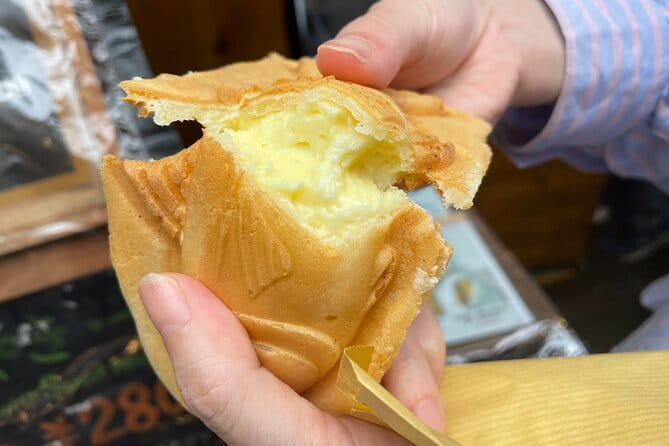
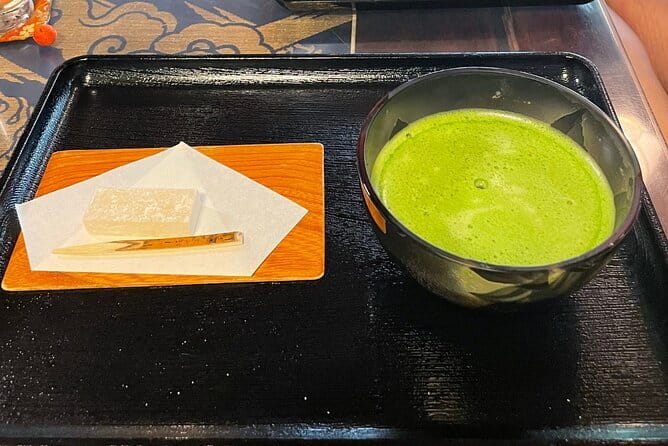
The final stop changes the mood. You leave the bakery rhythm behind and sit on tatami mats in a traditional Japanese building more than 100 years old. Here, you enjoy authentic matcha in a historic tea shop.
This is the cultural heart of the experience. The earlier stops show modern food habits and bakery trends. The matcha stop slows things down and gives the tour a stronger connection to Japanese tradition. Sitting on tatami matters because it changes your posture, pace, and sense of place. You are not simply drinking green tea while standing at a counter.
The word matcha covers a range of experiences, from sweet café drinks to carefully prepared powdered tea. The description promises authentic matcha but does not explain the preparation ceremony, sweets served with it, or the exact length of the visit. Keep your expectations focused on a traditional tea setting rather than a full formal tea ceremony.
For many people, this ending will make the tour feel more complete. You have tasted contemporary bakery foods, then finished with a drink tied to older Japanese customs. The contrast gives the morning a clear shape.
Soren’s role makes the food more useful
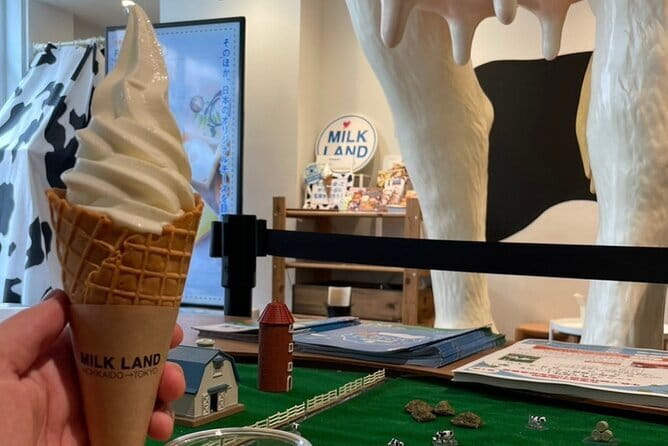
Your guide is Soren, an English-speaking baker who leads the group through the tasting route. His professional connection to baking is one of the strongest reasons to consider this experience over a self-guided bakery crawl.
A baker can point out details that are easy to miss. You may learn why a pastry has a particular texture, how a shop approaches flavor, or what makes a Japanese version different from a familiar Western one. The available feedback also repeatedly describes Soren as entertaining, thoughtful, comfortable to spend time with, and very capable in English.
Those qualities matter in a food tour. You need clear instructions at each stop, but you also want someone who can keep the morning relaxed. A guide who knows sweets from hands-on work can make the difference between sampling random items and understanding what you are eating.
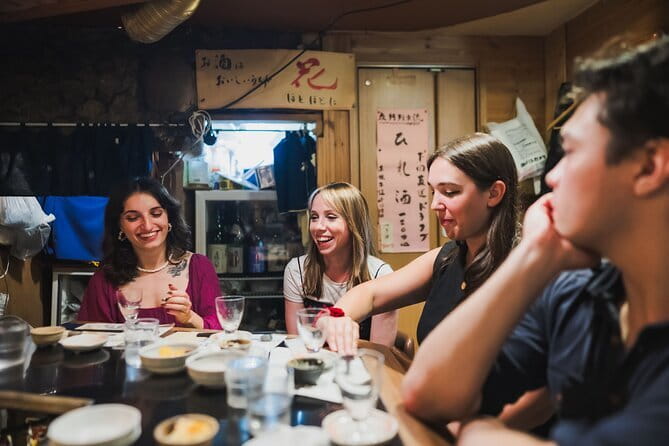
The group limit of six helps here. It is small enough for questions and conversation, though the quality of the experience will still depend on the day’s group and the guide’s approach. Solo visitors should find this format especially useful, since the tour gives you a social setting without the scale of a large bus group.
What the $109 price really buys you
At $109, this is not a cheap way to buy dessert. It is a guided tasting experience with brunch, snacks, coffee or tea, an English-speaking guide, and a route through several businesses. The value depends on how much you want the explanation, company, and structure.
If you visited every stop alone, you would have more control and might spend less. You would also need to find the businesses, understand what to order, manage the route, and decide which items are worth trying. The tour removes that work and gives you access to a baker who can explain the food as you go.
The price makes the most sense for a visitor who wants a concentrated morning of sampling and does not speak Japanese confidently. It is less compelling for someone who prefers to choose one bakery, order a single dessert, and spend an hour at leisure.
The tour includes enough different foods to make the price easier to justify, but the exact quantity is not stated. Do not book expecting a full restaurant meal at each stop. Think of it as a progressive tasting with several small eating occasions.
Who should book this Tokyo sweets tour
I would point this tour toward people with a serious sweet tooth, bakery fans, and visitors who like small neighborhoods more than headline attractions. It also suits solo visitors and couples who want an easy food-focused activity near public transportation.
The tour may be a good fit if you want:
- A guided introduction to Japanese bakery culture
- Several sweet tastings in one morning
- A quieter Tokyo neighborhood
- An English-speaking guide with baking experience
- A traditional matcha stop at the end
- A small group rather than a large organized outing
I would think twice if you have a low tolerance for sugar, need a substantial savory meal, or prefer to explore at your own speed. The itinerary is packed with sweets, and the three-hour format means you will move from stop to stop instead of lingering for a long café break.
The tour requires good weather. If poor weather causes cancellation, you are offered another date or a full refund. You can cancel for a full refund up to 24 hours before the 10:30 am start, but cancellations or changes inside that window are not refunded or accepted.
Should you book it?
Book this experience if you want Tokyo through its bakeries, dessert counters, and tea traditions rather than through temples and major city sights. The route has enough variety to keep the morning interesting, and Soren’s baking background gives the tastings a useful point of view.
I would especially choose it early in your Tokyo stay. You can return to Jiyugaoka cafés and bakeries later, armed with ideas about what to try. If you have only one free morning and want a quieter neighborhood, many different sweets, and a traditional matcha setting, the $109 cost is reasonable. If you are not genuinely enthusiastic about desserts, spend the money on a savory food walk instead.
FAQ
Where does the Tokyo sweets tour begin?
It begins at Excelsior Caffé Jiyugaoka-ekimae, located at 2 Chome-11-1 Jiyugaoka, Meguro City, Tokyo, 〒152-0035.
What time does the tour start?
The tour starts at 10:30 am.
How long does the experience last?
The tour lasts approximately three hours.
Where does the tour end?
The activity ends back at the original meeting point, Excelsior Caffé Jiyugaoka-ekimae.
What foods are included?
The tasting includes Japanese-style pancakes, Asian treats at a Korean bakery, Japanese-style donuts, Hokkaido ice cream, Mont Blanc, and matcha. Brunch, snacks, coffee or tea, and an English-speaking guide are included.
How many people can join the tour?
The experience has a maximum of six participants.
What happens if I need to cancel?
You can cancel at least 24 hours before the start time for a full refund. Cancellations or changes made less than 24 hours before the start are not refunded or accepted. If poor weather cancels the activity, you are offered another date or a full refund.
Fresh tea listings around Tokyo
- Yokohama : Tea Ceremony with Sweets and Souvenir★ 5.0 · 5 reviews
- Walking Tour: Yanaka,Nezu& Sendagi: Tea Ceremony & Old Tokyo★ 5.0 · 3 reviews
- Private Mochi・Matcha sweets Making Class Near Shibuya Area★ 5.0 · 22 reviews
- Private Kimono and tea ceremony at local home near Tokyo Disney★ 5.0 · 6 reviews
- 2 Hours Mochi &Nerikiri Making & Matcha Class in Bunkyo★ 5.0 · 21 reviews
- Kimono and Tea Ceremony in Asakusa Private Food Tour With Guide★ 5.0 · 4 reviews
- Tokyo: Tea Ceremony & Japanese Sweets Making★ 5.0 · 10 reviews
- Tokyo: Matcha Tea Ceremony Experience at Japanese room in Shibuya★ 5.0 · 11 reviews
Matcha Experiences, compared.
World Heritage Kyoto & Nara Uji Authentic Matcha Experience
Read our review →
Matcha Making Class in Tokyo with Authentic Japanese Sweets Set
Read our review →
Kyoto: Tea Museum Tickets and Matcha Grinding Experience
Read our review →
Matcha Making Class in Osaka with Authentic Japanese Sweets Set
Read our review →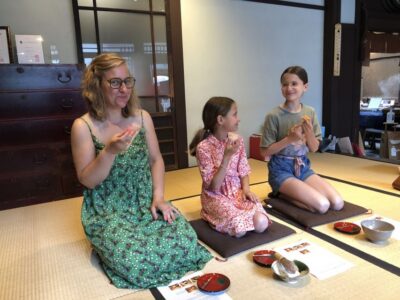
Kyoto: Tea Ceremony Meditation – Make Matcha with Tea Master
Read our review →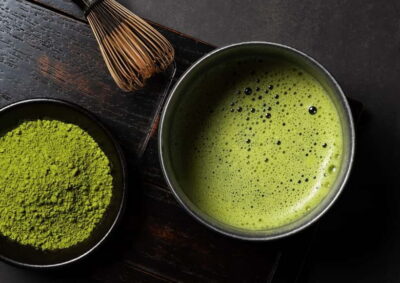
Tokyo: Matcha Making Experience with Mochi Sweets in Asakusa
Read our review →
Kyoto: Kimono Tea Ceremony with Matcha and Sweet
Read our review →
Browse the lists this tour appears in