
Review · MATCHA EXPERIENCES
Matcha Making Class in Tokyo with Authentic Japanese Sweets Set
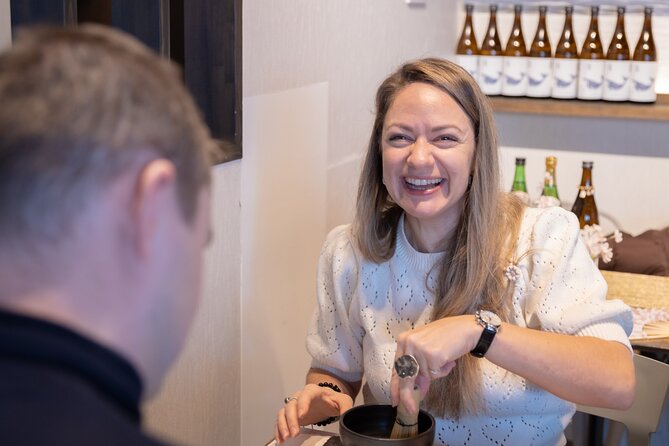
The best part of this one-hour Asakusa class is that you do not just watch someone prepare matcha. You measure, whisk, taste, and learn how to repeat the process at home. Hosts including Shuri, Rino, Hiya, and Nama guide the class in English, with plenty of help for first timers.
I like the clear focus on hands-on practice, and I like the easygoing setting. You learn about matcha’s origins, how it differs from ordinary green tea, and how to spot good powder before enjoying your cup with Japanese sweets. The main consideration is the group size, which can reach 30 people, so personal attention may vary by session.
Key points at a glance
- Whisk your own matcha: Use traditional tools and learn the basic technique step by step.
- Learn beyond the cup: The class covers matcha’s history, cultivation, cultural role, and difference from brewed green tea.
- Enjoy seasonal sweets: Japanese confectionery softens matcha’s grassy, slightly bitter flavor.
- Relaxed alternative to a formal tea ceremony: You get the cultural meaning without a highly formal performance.
- Convenient Asakusa location: Meet at 2-chōme-17-9 Kaminarimon, near public transportation, and finish at the same place.
- Good value for a short activity: At $21.89 per person, the class combines instruction, tea, sweets, and a usable skill.
Why this Asakusa matcha class works
Asakusa is one of Tokyo’s most traditional neighborhoods, so this is a sensible place to learn about a tea that remains closely tied to Japanese customs. The class takes place at Matcha Making Tokyo, also known as a cooking class venue for Japanese food. You meet at 2-chōme-17-9 Kaminarimon, Taito City, and return there when the hour is over.
The setting is more relaxed than a formal tea ceremony. You learn the meaning behind the actions, but you are not expected to sit silently through a long ritual or know the correct etiquette beforehand. That makes this a useful choice if you want cultural context without feeling as if you are taking an exam in manners.
The activity is also short enough to fit neatly into an Asakusa morning or afternoon. You can pair it with sightseeing in the neighborhood before or after, though the class itself is the focus. A mobile ticket keeps entry simple, and confirmation arrives at booking.
More Matcha Experiences in Tokyo
- Tokyo: Matcha Making Experience with Mochi Sweets in Asakusa
★ 4.9 · 388 reviews - Asakusa Cultural Walk & Matcha Making Tour
★ 5.0 · 245 reviews - Tokyo: Matcha and Kimono Experience
★ 4.7 · 219 reviews
What happens during the one-hour class
The class begins with an introduction to matcha and its place in Japanese food culture. Your English-speaking host explains how matcha is grown and prepared, and you learn how it differs from ordinary green tea leaves. This background matters because matcha is not simply tea leaves placed in hot water. The powdered leaf becomes part of the drink itself.
Hosts use pictures, including an iPad presentation, to make the lesson easy to follow. That visual help is useful for children and for anyone who has never handled matcha before. You may also learn how to recognize higher-quality powder, a practical detail that is more useful than a long lecture about ceremony.
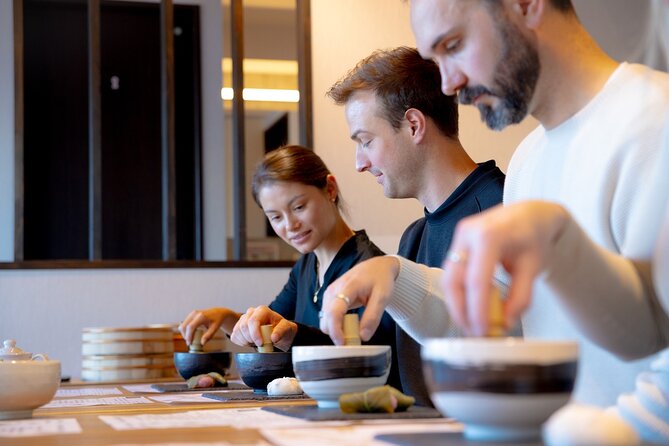
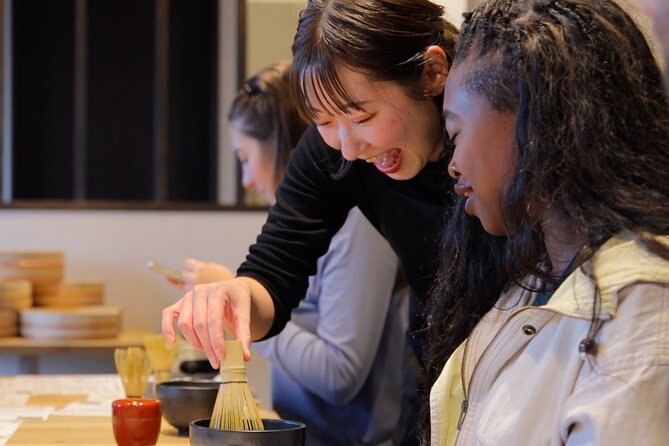
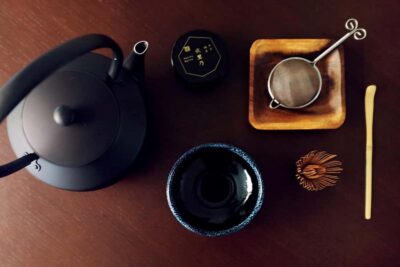
Next comes the preparation. You work with the traditional bowl and bamboo whisk, following the instructor’s movements before trying the technique yourself. The central skill is creating a smooth, foamy cup rather than leaving dry clumps at the bottom. Your host watches the process and gives one-to-one guidance as needed.
Do not worry if your first whisking attempt looks less than perfect. That is the point of the class. You get to make the tea yourself, correct your technique, and understand what the whisk is doing. The lesson is designed for beginners, so no previous tea ceremony experience is required.
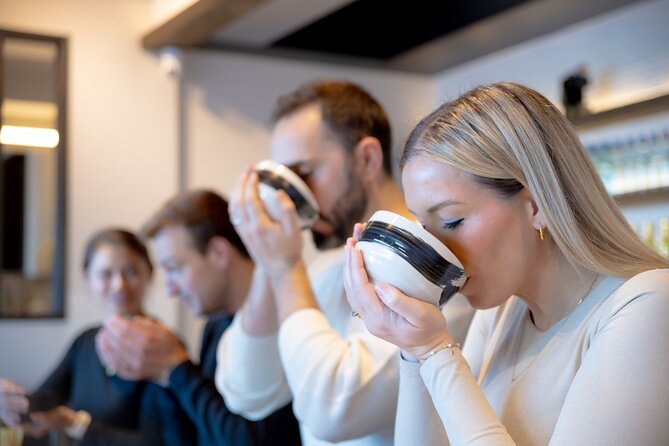
Once the matcha is ready, you drink it with a set of Japanese sweets. The sweets are not just decoration. Their gentle sweetness balances matcha’s grassy taste and slight bitterness, giving you a better sense of how the combination works in Japanese tea culture.
There is also time for photos. One family received help taking a group picture, and the hosts are attentive to creating a pleasant memory rather than rushing everyone out after the last sip.
The hosts make the difference
The teaching style is a major part of the experience. Shuri is described as patient, kind, and passionate about matcha culture. Rino brings a fun, interactive approach, while Hiya explains the history and helps participants understand how to identify good matcha. Nama is also praised for leading an engaging and educational class.
The important point is not which host you receive. The names and teaching styles can vary, but the format stays focused on friendly English instruction, practical demonstration, and participation. You are not left to copy a gesture from across the room without help.
The hosts also add cultural conversation beyond the mechanics of whisking. You can learn why matcha matters, how its preparation became associated with ceremony, and how the drink fits into Japanese life. The best sessions appear to balance facts with conversation, so the class feels personal rather than like a slideshow.
English ability is another real advantage. You can ask why a step matters, clarify a movement, and understand the cultural explanation without relying on translation. For an activity built around small gestures and unfamiliar tools, that clarity is valuable.
A traditional feel without strict ceremony
One version of the class takes place in an upstairs nook of the café, where you sit on the floor in a traditional style. That arrangement gives the experience a quieter, more intimate feel and makes the act of preparing tea feel distinct from an ordinary café visit.
At the same time, this is not presented as a full formal tea ceremony. You are learning selected ceremonial techniques in a friendly class. If you want a highly formal performance with strict rules and extended etiquette, this may feel too casual. If you want to participate and understand the basics, the relaxed approach is likely a better fit.
That middle ground is one of the class’s strongest features. You get a taste of Japanese tea practice while keeping the mood social and approachable. Children can take part, and families with children aged 6 and 9 found the activity engaging. The staff make an effort to involve younger participants rather than treating them as spectators.
More Tea and Sweets Making in Tokyo
- Make Traditional Nerikiri Sweets & Matcha experience in Shibuya
★ 5.0 · 130 reviews - Sweets Making and Kimono Tea Ceremony at Tokyo Maikoya
★ 5.0 · 57 reviews - Japanese Traditional Sweets making and Tea Ceremony
★ 4.7 · 50 reviews - Mochi Matcha Gluten Free Japanese Sweets Class near Shibuya area
★ 5.0 · 26 reviews
Matcha and sweets: what you are really tasting
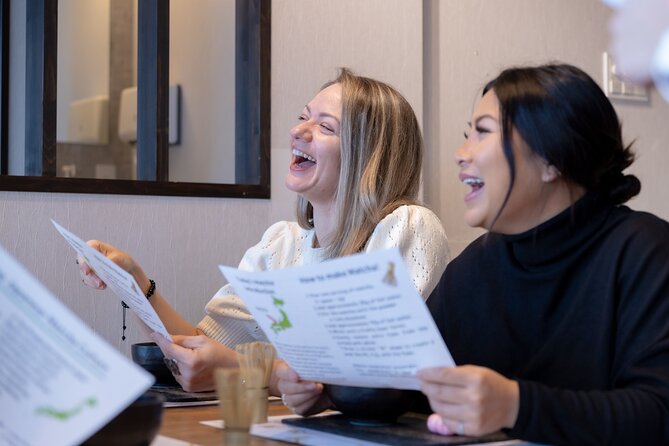
Matcha can surprise first time drinkers. It has a vegetal taste, a fine texture, and a bitterness that is more direct than ordinary brewed tea. The class helps you understand that flavor instead of simply presenting it as a finished product.
The sweets provide an important contrast. Their mild sweetness makes the matcha easier to appreciate and shows why Japanese confectionery is often served alongside tea. You are not only learning a recipe. You are learning a small piece of how the flavors are meant to work together.
The class also explains that matcha and green tea are not identical in preparation. This is a useful distinction to carry into the rest of your Japan visit. You may see matcha in sweets, drinks, and cafés, but the powdered tea used here has its own preparation method and cultural setting.
Is $21.89 good value?
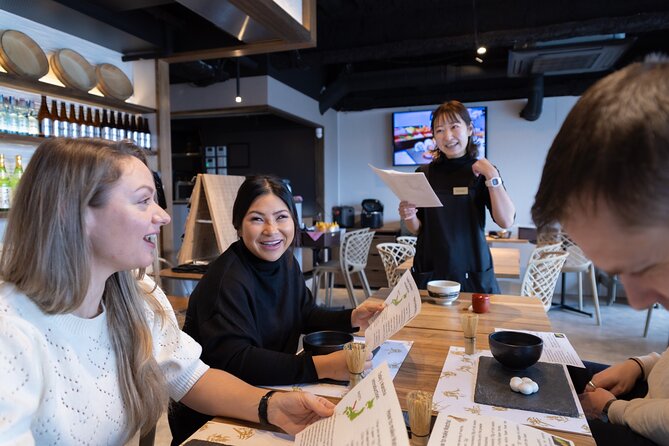
At $21.89 per person, this is a strong value for a one-hour cultural activity. The fee includes an English-speaking instructor, matcha, the Japanese sweets set, use of the traditional preparation method, and guided practice. You are paying for participation rather than simply receiving a drink.
The value is especially good if you want a short activity that teaches something you can repeat. After the class, you understand the basic motions and the general standards for preparing matcha at home. You also leave with more context than you would get from ordering a matcha latte at a café.
The price does not include hotel pickup or drop-off, but that should not be a serious concern for most people. You make your own way to the Asakusa meeting point, and the location is near public transportation. The activity ends at the same place, so you do not need to arrange a separate return transfer.
Group size, timing, and comfort
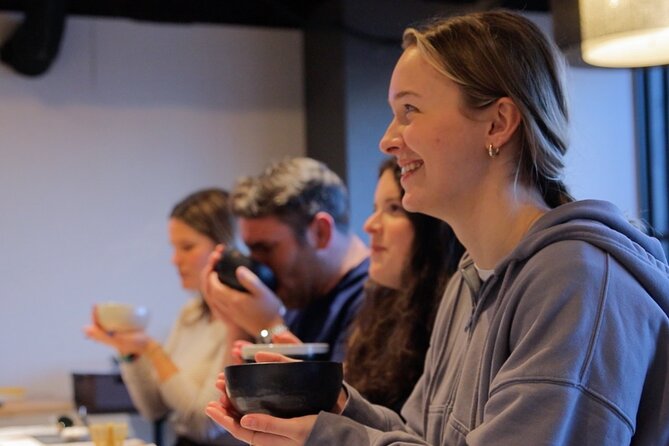
The maximum group size is 30 people. That is a fairly broad range for a hands-on class, and the exact feel may depend on how many people attend your session. A smaller class can offer more direct help, while a full session may feel more like a shared demonstration with individual turns.
One class had only three participants, creating a quiet and personal experience. Another session may include more people, and the same venue can host other cooking classes, including sushi making. If a sushi session is running at the same time, the room may feel livelier and less quiet than the matcha class itself.
Plan to arrive at the stated meeting point with enough time to find the venue. One host kindly allowed early arrivals to wait in the café, but you should not depend on arriving far ahead or on a delayed start. The experience lasts about one hour, so punctuality helps protect the full lesson.
The upstairs floor seating can add to the traditional feel, but it may not suit everyone. The supplied information confirms that service animals are allowed and that the venue is near public transportation. It does not provide detailed accessibility information for stairs or floor seating, so contact the provider before booking if those details matter for you.
Who should book this experience?
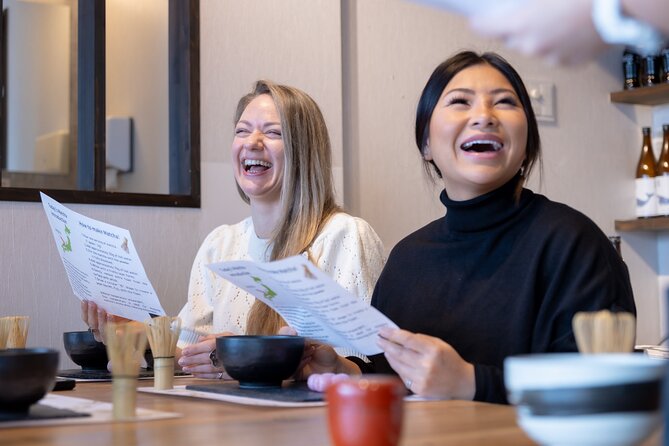
I would recommend this class to first time visitors who want a clear introduction to Japanese tea culture. It is also a good match for families, couples, solo visitors, and anyone looking for a calm activity between sightseeing stops.
You will get the most from it if you enjoy learning by doing. The class is not simply a tasting, and it is not only a history talk. You handle the tools, make the tea, taste the result, and ask questions along the way.
It suits children better than many formal cultural activities because the process is short and physical. Whisking gives them a job to do, and the sweets provide an immediate reward. Still, a full group of 30 could be less personal for a young child than a smaller class.
You may want to choose another experience if your main goal is a long, highly formal tea ceremony. This class gives you selected ceremonial techniques in a casual setting. Its strength is accessibility, not solemn formality.
Practical booking advice for Asakusa
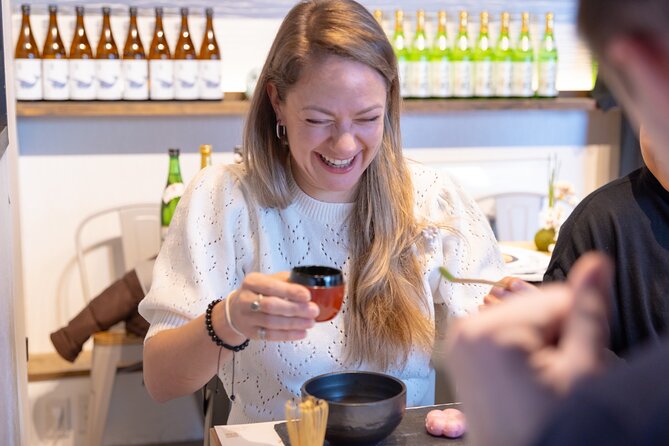
The meeting point is Matcha Making Tokyo, 2-chōme-17-9 Kaminarimon, Taito City, Tokyo 111-0034. The activity ends at that same meeting point, and a mobile ticket is available.
Free cancellation is allowed up to 24 hours before the scheduled start time for a full refund. Cancellations or changes made less than 24 hours before the start are not accepted for a refund, and the cut-off uses Tokyo local time.
The provider is listed as Sushi Making Tokyo Cooking Class in Japan. The matcha class shares the broader cooking school setting, which explains why you may see other food activities taking place nearby.
Should you book the matcha making class?
Book it if you want a short, affordable cultural activity that gives you something to do with your hands and a skill to remember. The English instruction, seasonal sweets, traditional tools, and relaxed tone make it friendly for beginners and families.
Think twice if you want a private lesson, a guaranteed small group, or a formal tea ceremony. The class can hold up to 30 people, and the floor seating may not suit every visitor.
For most Tokyo itineraries, I see this as an easy yes, especially if you are already planning time in Asakusa. At $21.89, you get a useful introduction to matcha, a sweet tasting, and a personal connection with an English-speaking host without giving up half a day of sightseeing.
FAQ
How long does the matcha making class last?
The experience lasts approximately one hour.
Where does the class meet?
You meet at Matcha Making Tokyo, 2-chōme-17-9 Kaminarimon, Taito City, Tokyo 111-0034, Japan.
Where does the activity end?
The class ends back at the meeting point.
Is the class taught in English?
Yes. An English-speaking instructor is included.
Do I make my own matcha?
Yes. You learn how to prepare and whisk matcha yourself using traditional tools, with guidance from the instructor.
Are Japanese sweets included?
Yes. Matcha and a set of Japanese sweets are included.
Do I need previous tea ceremony experience?
No. The activity is designed for beginners, and no previous tea ceremony experience is required.
Can I cancel for a full refund?
Yes, if you cancel at least 24 hours before the experience start time. Cancellations or changes made less than 24 hours before the start are not eligible for a refund.
Fresh tea listings around Tokyo
- Authentic Japanese tea tasting: sencha, matcha and gyokuro★ 5.0 · 12 reviews
- At an Antique Shop, Tea Ceremony and Japanese Sweets Forming★ 5.0 · 5 reviews
- Mochi Matcha Gluten Free Japanese Sweets Class near Shibuya area★ 5.0 · 26 reviews
- Tokyo: Two Types of Japanese Sweets Making and Tea Ceremony★ 4.6 · 26 reviews
- Japanese Matcha Tea Ceremony and Kimono Experience in Hanayaka★ 5.0 · 26 reviews
- Matcha Experience with of Japanese Tea Tasting in Tokyo★ 5.0 · 31 reviews
- Tokyo:Genuine Tea Ceremony, Kimono Dressing, and Photography★ 5.0 · 33 reviews
- EDOCCO Tea House–A Quick Dive into Japanese Traditional Culture★ 5.0 · 34 reviews
Matcha Experiences, compared.
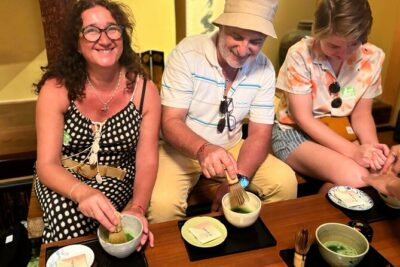
World Heritage Kyoto & Nara Uji Authentic Matcha Experience
Read our review →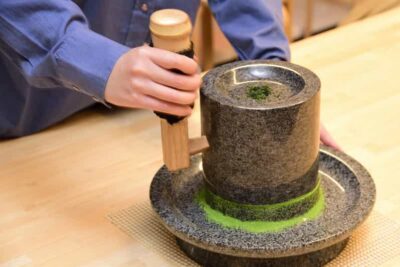
Kyoto: Tea Museum Tickets and Matcha Grinding Experience
Read our review →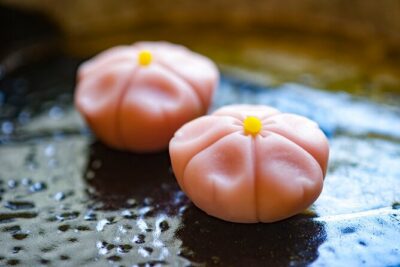
Matcha Making Class in Osaka with Authentic Japanese Sweets Set
Read our review →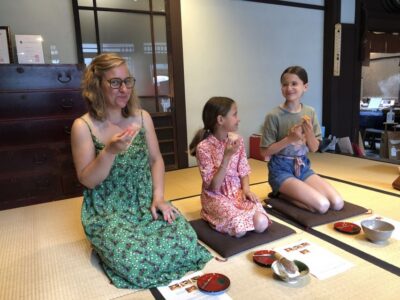
Kyoto: Tea Ceremony Meditation – Make Matcha with Tea Master
Read our review →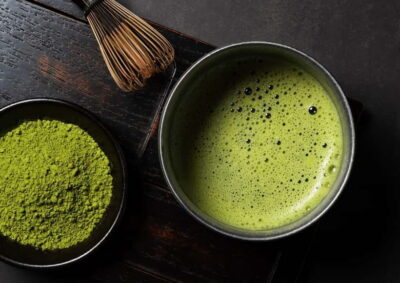
Tokyo: Matcha Making Experience with Mochi Sweets in Asakusa
Read our review →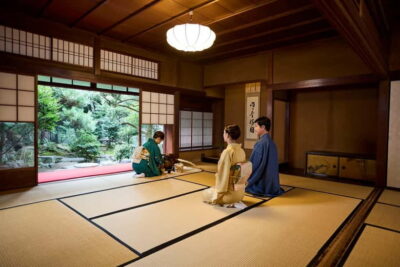
Kyoto: Kimono Tea Ceremony with Matcha and Sweet
Read our review →
Browse the lists this tour appears in