
Review · TOKYO TEA TOURS
Tokyo Highlights Tour: Sumo, Sushi, Tea, and Tokyo Tower
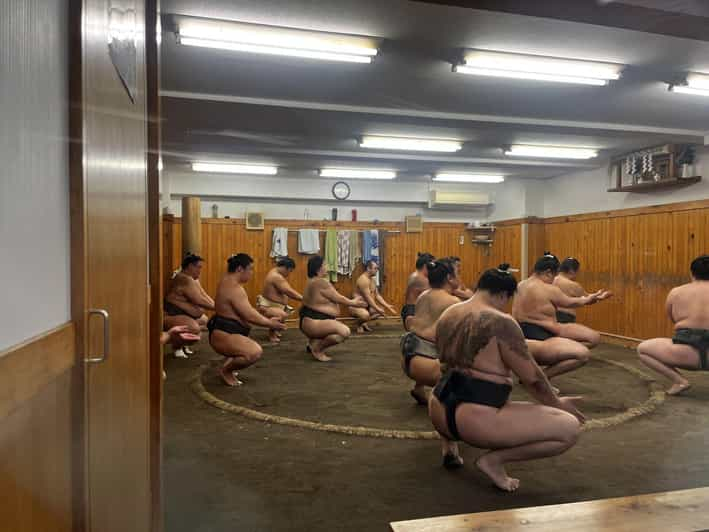
The rarest part comes first: you may watch real sumo wrestlers train inside a traditional sumo beya, peering through large windows while the practice continues without interruption. I like that this is not a staged show, and I like the way the day moves from local food to a quiet garden, a Buddhist temple, and finally a high city view. The possible catch is clear: sumo practice can be canceled, and you cannot enter the training room or talk to the wrestlers during training.
I also like the careful mix of included experiences. Your matcha and wagashi, temple sutra copying, admissions, one train ride, Tokyo Tower ticket, and English-speaking guide are covered in the $150 price. The day is long, at 510 minutes, and involves plenty of walking, so it suits active sightseers more than anyone needing an easy-paced outing.
Key points at a glance
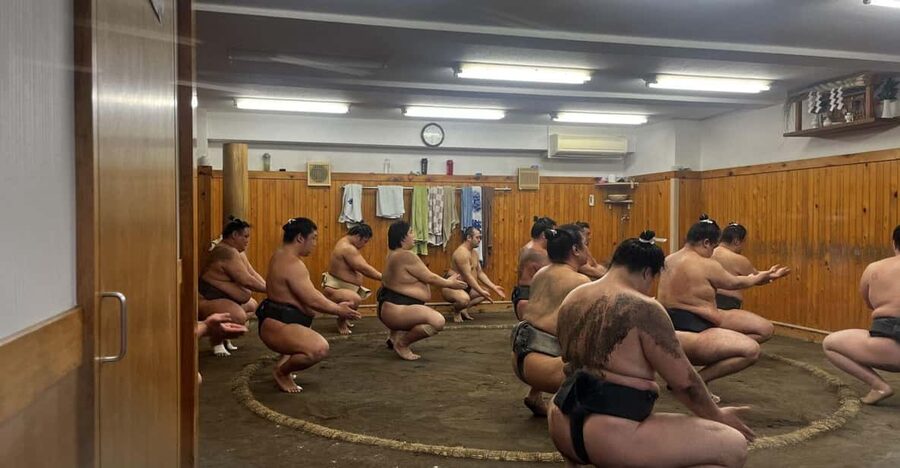
- Sumo training is the day’s rare opportunity: Watch from outside through viewing windows, with no disruption to the wrestlers.
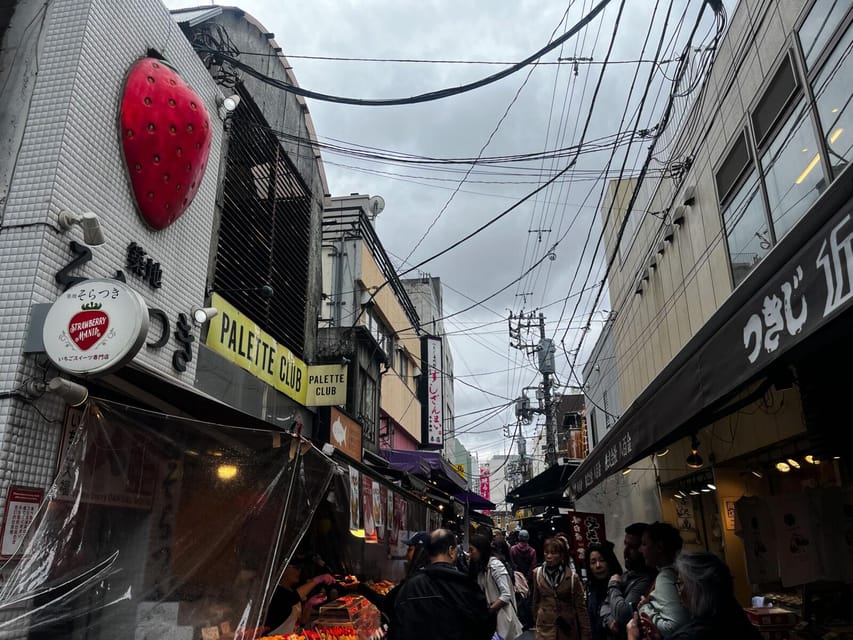
- Tsukiji works best as breakfast: The early start puts you in position to try sushi, wagyu, fruit, sweet potatoes, and other market foods.
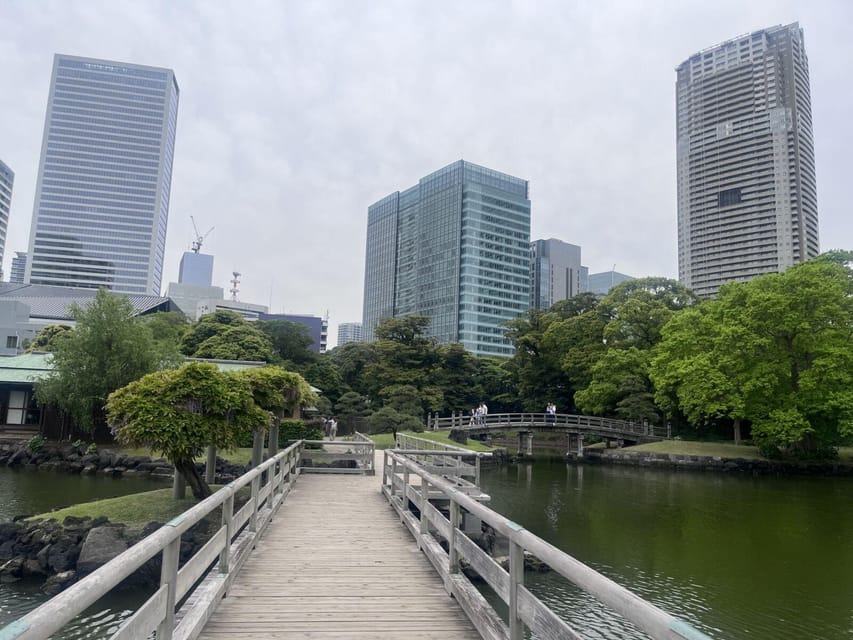
- Hamarikyu adds a calm pause: Walk through a 1654 Edo-period garden, then drink matcha and eat wagashi in a traditional tea house.
- Sutra copying gives Zojo-ji a personal touch: You copy a Buddhist sutra inside the temple and receive a temple stamp afterward.
- Tokyo Tower closes the day with a broad view: The 1958 observatory has a retro feel and a clear sense of old Tokyo.
- Plan for a full, active day: The tour begins at 8:15 am, ends at Akabanebashi Station, and is not suitable for wheelchair users or people with mobility impairments.
Why this Tokyo day feels different
Many city tours string together famous sights and leave you with a blur of photos. This one has a stronger rhythm. You begin with a private Japanese tradition that is difficult to arrange on your own, stop for food at a market that supplies Tokyo kitchens, then slow down in a garden and temple before looking out across the city from Tokyo Tower.
That contrast is the main reason I find the route appealing. Sumo gives you a glimpse of disciplined daily practice. Tsukiji is noisy, edible, and practical. Hamarikyu Gardens offers water, trees, and an old shogunate setting. Zojo-ji provides quiet ritual. Tokyo Tower then pulls the whole city together from above.
The $150 cost makes more sense when you count the admissions and guided activities. You receive the Hamarikyu entrance, tea house experience, sutra copying fee, Tokyo Tower ticket, and the included train fare from Ningyocho Station to Tsukiji Station. Food at Tsukiji, lunch, and transport before or after the tour are extra, so you should not treat the price as an all-inclusive food day.
The guide matters here because the route crosses several very different parts of Tokyo. Beth and Jeff are names associated with this experience, and the available feedback gives special credit to Beth for being accommodating and for adding useful context throughout the day. Jeff is also described as warm and welcoming. Guide quality can shape a long walking tour, and these personal touches are worth noting.
More tea experiences around Tokyo if you are still choosing
- Matcha Making Class in Tokyo with Authentic Japanese Sweets Set
★ 5.0 · 744 reviews - Kimono Tea Ceremony at Tokyo, Asakusa Maikoya
★ 5.0 · 638 reviews - Tokyo: Traditional Tea Ceremony with a Tea Master
★ 5.0 · 528 reviews
Watching sumo through the windows
Meet your guide inside Hamacho Station at 8:15 am. From the platform, follow signs for exits A1 and A2, go up the stairs, and pass through the ticket gates. The meeting spot is directly in front of a green vending machine marked Merci.
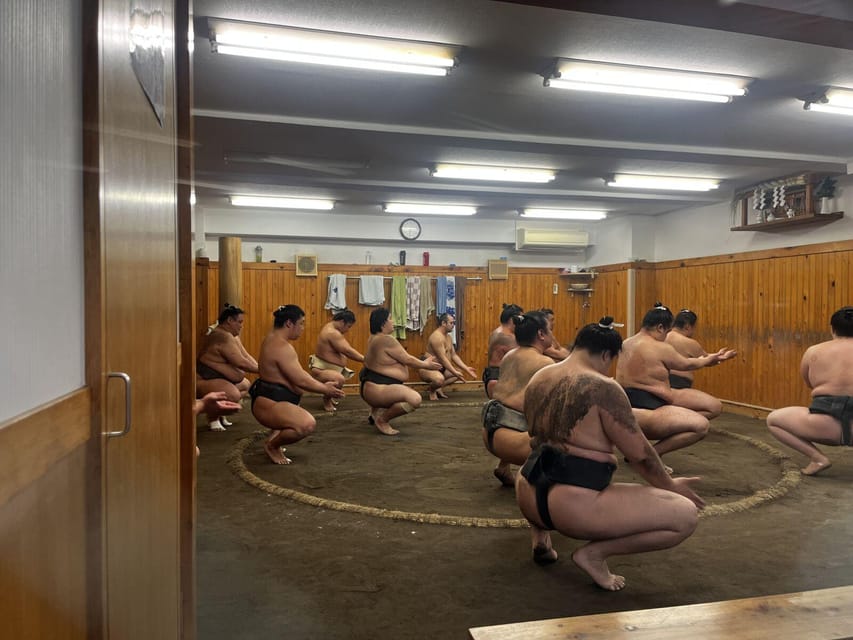
From there, you walk about five minutes to the first stop, a traditional sumo beya, or training room. This is not a performance arranged for the tour. The wrestlers are carrying out real practice, so you watch from outside through large viewing windows. You must remain quiet and avoid disturbing the session.
That limitation is part of the value. You are seeing a working place rather than a polished cultural demonstration. It also means you should keep your expectations sensible. The wrestlers may come outside for photographs, but this is not guaranteed. The normal experience is observation, not interaction.
The schedule can change. On some dates, no wrestlers will be training, and the tour cannot promise a sumo sighting. Training also closes during certain weeks when the Grand Sumo Tournaments take place in January, May, and September. If sumo viewing is unavailable, the meeting point changes to Tsukiji Station, outside exit 2, still at 8:15 am. On a Wednesday in that situation, the meeting time becomes 9:30 am, with contact provided about the change.
This uncertainty is the tour’s biggest drawback, especially if sumo is your main reason for booking. If you can accept that the stop may become unavailable, the rest of the day still has plenty of substance. If seeing wrestlers is essential, check the date carefully and be ready for the alternate plan.
Breakfast among the stalls at Tsukiji Outer Market
After the sumo visit, you take a short train ride of about 15 minutes toward Tsukiji. The included train fee covers the ride from Ningyocho Station to Tsukiji Station. The market visit lasts about 90 minutes, with a guided walk followed by free time.
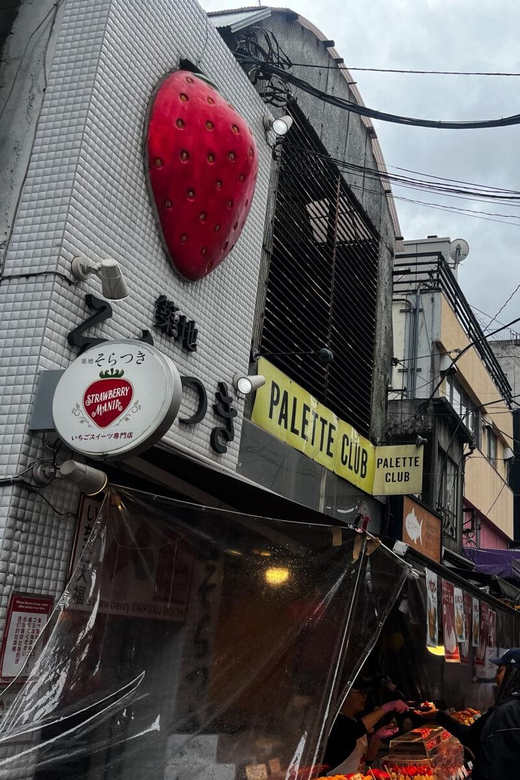
Tsukiji Outer Market opened in 1935 and has long supplied Tokyo restaurants with seafood, fish, and sushi. The inner wholesale market moved elsewhere, but the outer market remains a useful place to eat and browse. It is not huge, which helps on a guided visit. You can get your bearings quickly instead of wandering through endless lanes.
Because the tour starts early, this is the right place for breakfast. Food is not included, so bring money for whatever catches your eye. The choices listed for the market include sushi, wagyu, fresh fruit, and sweet potatoes. You might find other snacks as well, but the tour specifically gives you time to sample the market rather than providing a set meal.
I like this open-ended approach. You can choose a few small bites instead of committing to a heavy lunch so early in the day. It also lets you spend according to your appetite and budget. The tradeoff is that your food experience depends on your own choices, and the $150 fee does not cover them.
The guide first helps you understand the market, then gives you free time. Use that time for food rather than trying to shop for souvenirs or cover every stall. You have more stops ahead, and the garden walk is a better place to slow down.
Hamarikyu Gardens and a proper tea pause
From Tsukiji, you walk about 20 minutes to Hamarikyu Gardens. This former Edo-period garden was built in 1654 by the Tokugawa shogunate family and sits near the mouth of the Sumida River. It offers a sharp change from the market streets.
The guided introduction explains the garden’s setting and history, then you get free time to walk around. The point is not to rush through a checklist of plants or viewpoints. Hamarikyu is the tour’s breathing space, a place to notice the relationship between old Japanese garden design and modern Tokyo beyond it.
The tea house experience is included and lasts within the 80-minute garden stop. You drink matcha and eat wagashi, a traditional Japanese sweet. This is a small experience, but it adds a useful cultural layer to the visit. Matcha is not just another drink stop here. The tea and sweet give you a chance to sit down, follow a simple custom, and enjoy the setting.
If you have never had matcha in a traditional tea house, the guide can help make the moment easy rather than formal or intimidating. The experience is brief, so it will not satisfy someone seeking a full tea ceremony. Still, it is a well-placed pause after the early start and market food.
The walk from Tsukiji and the garden paths are important practical details. Wear comfortable shoes and keep your pace manageable. The tour is not suitable for people with mobility impairments or wheelchair users, and the day includes repeated walking between stations, sights, and temples.
Same city, a very different cup:
- Dynamic Tokyo: Tokyo Tower, Tea Experience, Bay Cruise Day Tour
★ 4.5 · 521 reviews - Tokyo: Matcha Making Experience with Mochi Sweets in Asakusa
★ 4.9 · 388 reviews - Asakusa Cultural Walk & Matcha Making Tour
★ 5.0 · 245 reviews - Tokyo: Matcha and Kimono Experience
★ 4.7 · 219 reviews
A quiet hour at Zojo-ji Temple
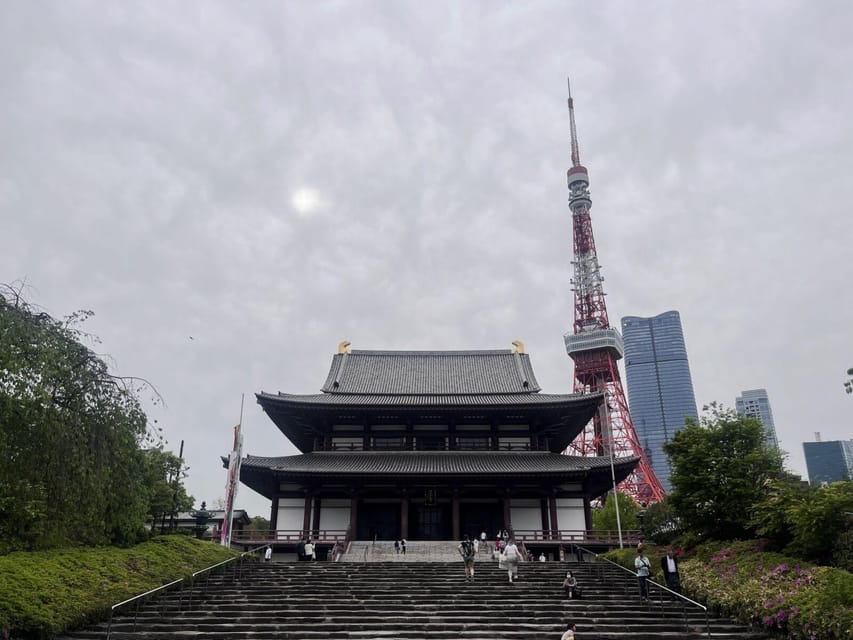
After Hamarikyu, walk about 10 minutes to Zojo-ji Temple. Founded in 1393, this Buddhist temple has broad grounds and a park area with Tokyo Tower directly behind it. The pairing is visually striking: a long-established religious site in the foreground, with one of the city’s best-known modern landmarks rising behind it.
The grounds also contain Tokyo’s oldest wooden building, dating from 1622. Your guide introduces the temple and its past before you take part in the included sutra copying experience. This gives the visit a more active quality than simply walking around, taking photographs, and leaving.
You copy a sutra inside the temple while incense burns nearby. You do not need to approach it as a religious commitment. It can simply be a quiet period in the middle of a busy Tokyo day, with a task that asks you to slow your hands and attention.
When you finish, you receive a Goshuin, or temple stamp. It makes a meaningful souvenir because it connects directly with the place and the activity you completed. The fee for the copying experience is included, so there is no separate charge for this part.
The temple stop lasts about an hour. That is enough time for the guided visit and workshop without turning the experience into an extended ceremony. I would value this stop even more if you have already spent several days in Tokyo and want something more reflective than another busy shopping street.
Looking across Tokyo from Tokyo Tower
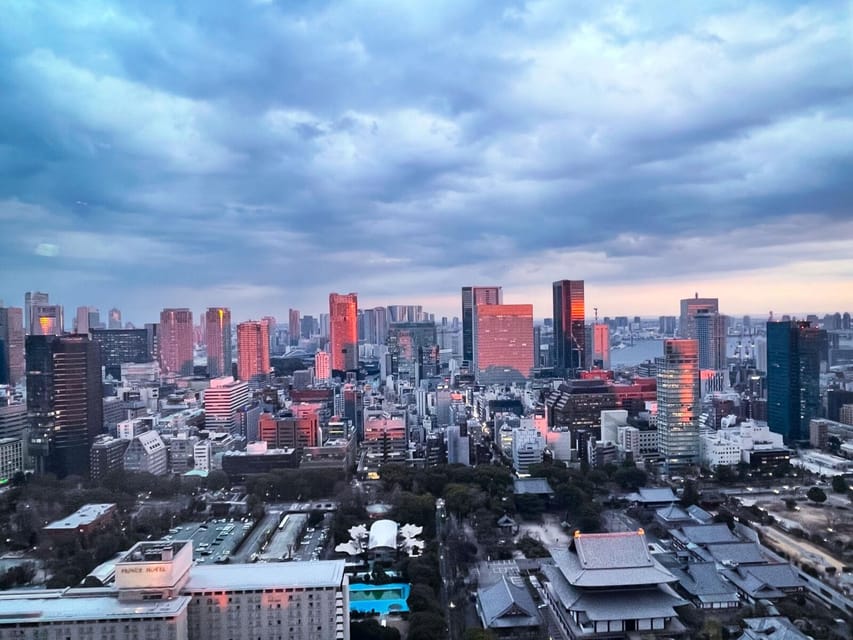
Tokyo Tower is the final major stop and lasts about 75 minutes. Built in 1958, it is Tokyo’s oldest observatory and has a retro character that newer high-rise viewpoints do not quite match. The tower ticket is included.
You take in panoramic views of the city below before walking back to nearby Akabanebashi Station, where the tour ends. The exact view depends on conditions, and no visibility guarantee is provided, but the observatory gives you a useful final look at the scale of Tokyo after seeing several neighborhoods at street level.
Ending here works well. At the beginning of the day, Tokyo can feel like a collection of separate districts. From the tower, you can place the market, temple area, river, and surrounding city into one broad picture. The contrast with Zojo-ji is also part of the appeal: old wooden architecture and Buddhist grounds below, postwar Tokyo engineering above.
The guide can help with questions about trains and transport for your return journey. That is useful because the tour does not include transportation after it finishes. You should still have your onward route in mind, but you will not be left at the station without basic help.
Timing, walking, and what to budget
At 510 minutes, this is an 8.5-hour day. The 8:15 am start is designed around the sumo practice and early market hours, so it is not a good choice if you prefer late mornings.
Your extra costs are straightforward:
- Food and drinks at Tsukiji
- Lunch
- Transport to Hamacho Station before the tour
- Transport from Akabanebashi Station after the tour
One train ride is included, along with the main admissions and hands-on activities. That makes the price easier to justify than a tour that charges $150 for guiding and sightseeing alone. Still, add your market breakfast and lunch to the day’s budget.
You should wear shoes suited to several walking segments. The route includes walks of about five minutes, 20 minutes, and 10 minutes, plus movement inside the market, garden, temple grounds, stations, and tower. The tour is not wheelchair accessible and is not suitable for people with mobility impairments.
The schedule also leaves little room for a slow private lunch or long shopping stop. You are paying for a full route, not a flexible neighborhood stroll. If you want to linger at every food stall, you may feel hurried. If you want one organized day that covers several sides of Tokyo, the steady pace is useful.
Who will get the most from this tour
I would recommend this experience to a first-time Tokyo visitor who wants more than shopping districts and major crossings. It suits someone curious about food, traditional practice, Japanese gardens, Buddhism, and city views, all within one guided day.
It is also a good choice if you are nervous about navigating Tokyo’s rail system or unsure how to approach a sumo beya respectfully. The guide handles the route and explains what you are seeing, while the market and temple stops give you time to experience things directly.
You may want a different plan if your priorities are luxury dining, a guaranteed sumo encounter, extensive free time, or a relaxed pace. The sumo stop is conditional, food costs extra, and the walking is real. Families and older visitors should think carefully about the mobility warning before booking.
The guide can make a noticeable difference on such a varied route. Beth is described as especially accommodating and full of useful knowledge, while Jeff is described as kind and welcoming. Those details suggest a personal style rather than a purely scripted outing, but no specific guide can be guaranteed for your date.
Should you book it?
Book this tour if you want a structured day that connects real cultural settings with Tokyo’s best-known sights. The sumo viewing is the headline, but the strongest overall design is the sequence: market breakfast, garden tea, temple copying, and Tokyo Tower.
Book with caution if sumo is the only thing you care about. Training can be canceled, and tournament periods in January, May, and September bring scheduled closures. In that case, Tsukiji, Hamarikyu, Zojo-ji, and Tokyo Tower still form a worthwhile day, but the experience will not match the original promise you had in mind.
At $150, I see fair value for the included tickets, tea house visit, sutra copying, train fare, and long day of guiding. Add food and local transport, wear comfortable shoes, and arrive at the correct station meeting point. For an active visitor who wants Tokyo’s traditions and modern city in one outing, this is a strong pick.
FAQ
What time and where does the tour begin?
The tour normally begins at 8:15 am inside Hamacho Station. Follow signs for exits A1 and A2, pass through the ticket gates, and meet near the green Merci vending machine.
What happens if sumo training is not available?
The meeting point changes to Tsukiji Station outside entrance 2 at 8:15 am. If this occurs on a Wednesday, the meeting time is 9:30 am, and the tour provider will contact you.
Is food included at Tsukiji Outer Market?
No. Food and drinks are not included. You have guided time and free time to buy items such as sushi, wagyu, fruit, or sweet potatoes.
What admissions and activities are included?
The price includes the train fare from Ningyocho Station to Tsukiji Station, Hamarikyu Gardens admission, the tea house experience, the sutra copying fee, the Tokyo Tower ticket, and an English-speaking guide.
Where does the tour finish?
The tour finishes at Akabanebashi Station after the Tokyo Tower visit. The guide can help answer questions about trains and transport for your return journey.
Is the tour suitable for wheelchair users?
No. The experience is not suitable for wheelchair users or people with mobility impairments. It includes walking between several locations and movement through stations, gardens, temple grounds, and the tower.
Fresh tea listings around Tokyo
- Yokohama : Tea Ceremony with Sweets and Souvenir★ 5.0 · 5 reviews
- Walking Tour: Yanaka,Nezu& Sendagi: Tea Ceremony & Old Tokyo★ 5.0 · 3 reviews
- Private Mochi・Matcha sweets Making Class Near Shibuya Area★ 5.0 · 22 reviews
- Private Kimono and tea ceremony at local home near Tokyo Disney★ 5.0 · 6 reviews
- 2 Hours Mochi &Nerikiri Making & Matcha Class in Bunkyo★ 5.0 · 21 reviews
- Kimono and Tea Ceremony in Asakusa Private Food Tour With Guide★ 5.0 · 4 reviews
- Tokyo: Tea Ceremony & Japanese Sweets Making★ 5.0 · 10 reviews
- Tokyo Sweets Tour: Hidden Gems & Matcha at an Old Tea House★ 5.0 · 6 reviews
Tokyo Tea Tours, compared.

Matcha Making Class in Tokyo with Authentic Japanese Sweets Set
Read our review →
Tokyo: Traditional Tea Ceremony with a Tea Master
Read our review →
Dynamic Tokyo: Tokyo Tower, Tea Experience, Bay Cruise Day Tour
Read our review →
Tokyo: Matcha Making Experience with Mochi Sweets in Asakusa
Read our review →
Tea Ceremony Workshop in Tokyo by the Experienced Instrucor
Read our review →Browse the lists this tour appears in