
Review · MATCHA EXPERIENCES
Mochi Matcha Gluten Free Japanese Sweets Class near Shibuya area
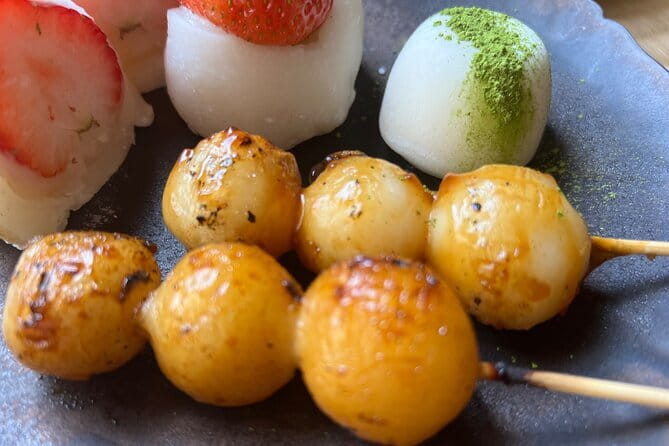
The memorable part of this experience is its setting: you enter Sakura’s home near Shibuya and learn to make four Japanese sweets in a private kitchen. This is more personal than a standard cooking demonstration, and the class gives you time to work with unfamiliar textures instead of simply watching.
I like the one-on-one teaching and the fact that you leave with recipes you can use at home. I also like the gluten-free focus, the included Japanese green tea, and the small photo table where you can arrange your finished sweets for pictures. The main consideration is price: at $112.01 per person, this is not a bargain snack stop, though private instruction and four sweets help explain the cost.
Key points to know before booking
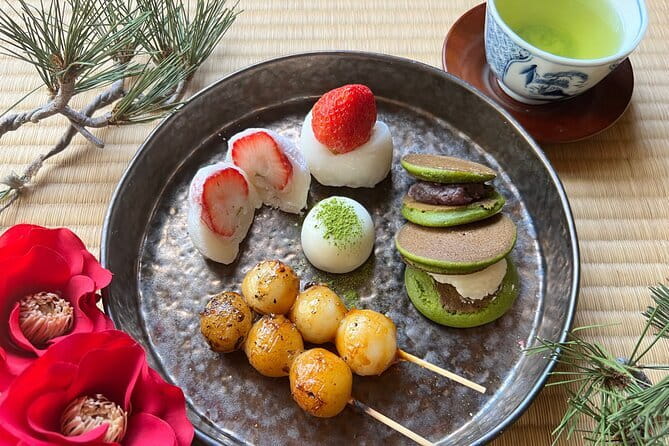
- Four sweets in about two hours: You get hands-on practice rather than a single quick mochi recipe.
- A private home setting: Your group participates alone, giving Sakura time to adjust the lesson to your pace.
- Gluten-free Japanese sweets: This is useful for people avoiding gluten, though you should still share any serious allergy or celiac concerns before booking.
- Sakura teaches in English: Her clear communication and patient approach make the class suitable for beginners and children.
- Recipes go home with you: The class keeps giving after Tokyo, since you can remake the sweets for family and friends.
- Sangenjaya meeting point: The address is in Setagaya, near public transport, despite the experience being marketed for the Shibuya area.
A private sweets lesson near Shibuya
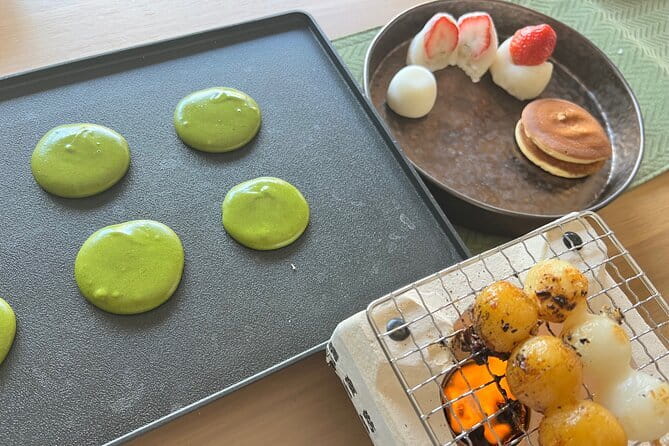
Tokyo offers plenty of food experiences, but many are built around eating quickly. This class slows things down. You spend roughly two hours learning how Japanese sweets are made, handling the dough, shaping the treats, and hearing about the place mochi and wagashi hold in Japanese culture.
The meeting point is 1-chōme-11-13 Sangenjaya, Setagaya City, and the activity ends there. Sangenjaya is not the same neighborhood as central Shibuya, so check your route carefully before setting out. The location is near public transportation, and the private format means you do not need to worry about joining a large group at a busy commercial kitchen.
The home setting is a major part of the appeal. It gives the class a warm, local feel, and it lets Sakura focus on your group instead of dividing her attention among many participants. If you have children, a nervous first-time cook, or a family member with dietary needs, that personal attention can make the lesson much easier.
More Matcha Experiences in Tokyo
- Matcha Making Class in Tokyo with Authentic Japanese Sweets Set
★ 5.0 · 744 reviews - Tokyo: Matcha Making Experience with Mochi Sweets in Asakusa
★ 4.9 · 388 reviews - Asakusa Cultural Walk & Matcha Making Tour
★ 5.0 · 245 reviews
What happens during the two-hour class
The session centers on making four different Japanese sweets. The supplied details identify matcha green tea mochi as a key part of the lesson, while the wider class covers Japanese sweets more generally. You should expect to work through several recipes and forms rather than spend the full session repeating one basic preparation.
The class begins with guidance from Sakura, a qualified and professional teacher who has experience working with children. She explains the ingredients and methods, then helps you as you begin working with the sweets. That matters because mochi dough can feel unfamiliar. It is soft, sticky, and less forgiving than ordinary cake batter, so hands-on correction is worth more than a printed recipe alone.
You also learn about the origins and cultural meaning of mochi. This gives the activity more depth than a simple cooking break. Japanese sweets often connect with seasons, celebrations, tea culture, and presentation, so the shapes and colors are part of the lesson, not just decoration.
The pace should suit beginners. You do not need to arrive as a skilled cook, and the class is designed for all ages. A child can take part in shaping and decorating with help, while adults get a better sense of how to repeat the recipes later.
At the end, you can arrange your finished sweets on a small photo-op table. It is a simple touch, but a useful one. Japanese sweets are highly visual, and taking a few photographs gives you a record of what you made before you eat it.
Matcha mochi and gluten-free preparation
Matcha gives the sweets a gentle bitter tea flavor and a distinct green color. It also makes a good introduction to Japanese ingredients because you taste the tea in a format that is sweet, soft, and approachable.
The class is presented as a gluten-free Japanese sweets experience, which makes it especially useful if you have been careful about food in Tokyo. One participant specifically booked it because of celiac concerns and wanted a way to enjoy Japanese sweets without the usual uncertainty. That is a strong reason to consider this class, but you should still contact the provider before arrival if you have celiac disease, a severe allergy, or strict cross-contact requirements.
The available details do not provide a full ingredient list or explain the kitchen’s allergy controls. Do not assume that every possible dietary restriction is covered simply because the sweets are gluten-free. Ask what ingredients will be used and how the preparation area is handled.
The class also describes Japanese sweets as low in fat and healthy. Treat that as general guidance, not a medical claim. These are still sweets, and some recipes may contain sugar or other ingredients you need to check.
Learning with Sakura in her home
Sakura is the teacher and host, and her approach is central to the experience. She speaks excellent English, explains clearly, and is described as patient and approachable. Those qualities matter in a lesson involving unfamiliar food terms and techniques.
The private format is especially valuable here. Your group receives Sakura’s undivided attention, and the class may feel like a personal lesson rather than a scheduled demonstration. If you make a mistake shaping the mochi or need a step repeated, you have room to ask.
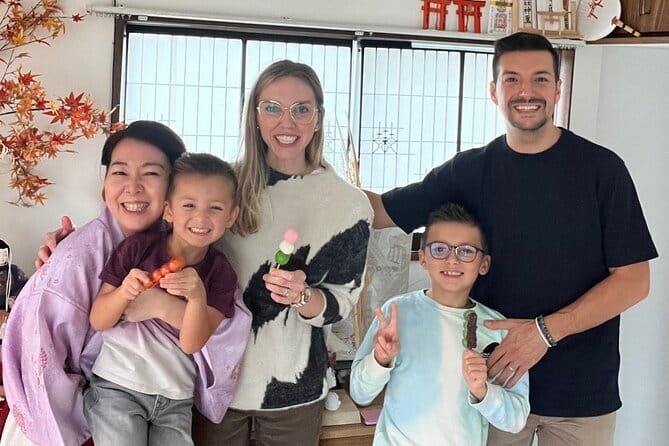
The class can also work well for families. Sakura has experience teaching children, and the activity gives younger participants something physical to do. Parents should still expect to help with any sticky or delicate steps, but the format is more suitable for children than a formal lecture about Japanese food.
The home may include a dog named Chocolate. This detail appears in the experience feedback and could be a pleasant part of the visit for dog lovers. If you have allergies, are uncomfortable around dogs, or are booking for a child with sensitivities, ask about this before you go.
More Tea and Sweets Making in Tokyo
- Make Traditional Nerikiri Sweets & Matcha experience in Shibuya
★ 5.0 · 130 reviews - Sweets Making and Kimono Tea Ceremony at Tokyo Maikoya
★ 5.0 · 57 reviews - Japanese Traditional Sweets making and Tea Ceremony
★ 4.7 · 50 reviews - Tokyo: Two Types of Japanese Sweets Making and Tea Ceremony
★ 4.6 · 26 reviews
Why the private format affects the price
At $112.01 per person, the class costs more than simply buying mochi from a department store or market. You are paying for about two hours of teaching, four sweets, a private setting, Japanese green tea, an apron, guidance, and recipes to take home.
I think the price makes the most sense for someone who values contact with a local host and wants to learn a skill. You are not just consuming a finished dessert. You are getting instruction that can continue to pay off when you remake the sweets for your family and friends.
The value is also stronger for a small group. A private class lets you share the cost of a personal lesson while still receiving direct help. Group discounts are available, so check the total for your party before deciding. Solo participants should consider that the per-person rate may feel high if their main goal is simply to taste Japanese sweets.
This is not the right pick for a fast, low-cost food stop. It is better suited to a day when you want a calm indoor activity, a cultural lesson, and something practical to bring home.
A useful rainy-day or hot-weather plan
Tokyo weather can change your plans quickly. This class is a good backup for rain, heat, or a day when your feet need a break from sightseeing. The two-hour length fits neatly into a morning or afternoon without taking over your entire day.
It also gives you a different kind of Tokyo memory. You are not standing in line at a famous attraction or moving through a crowded shopping street. You are sitting down, listening, shaping sweets, and learning how a familiar Japanese food is prepared.
That does not mean the class replaces major sightseeing. If you have only one day in Tokyo, you may prefer to spend your time in Shibuya, Asakusa, or another major district. But if you have room for a food activity, this class offers a more personal change of pace.
Because the meeting point is in Sangenjaya, plan the transport before booking a tight appointment elsewhere. The activity returns to the meeting point, which makes it easier to continue your day from there, but you should allow time to find the home and settle in.
What to bring and what is provided
An apron is included, so you do not need to bring special cooking clothing. Wear something comfortable that you do not mind wearing in a kitchen, and keep your hands free for working with the sweets.
Japanese green tea and coffee or tea are included. Alcohol is not included, though alcohol does not seem to be a central part of this lesson. The class is about sweets, tea, cultural context, and practical cooking.
A mobile ticket is available, which is convenient when you are moving around Tokyo. Confirmation arrives within 48 hours of booking, subject to availability. Since this is a private activity, do not treat the booking as confirmed until you receive that confirmation.
You can cancel for a full refund up to 24 hours before the start time. Changes or cancellations made less than 24 hours ahead are not accepted for a refund, and the cut-off follows Tokyo local time.
Who will get the most from this experience
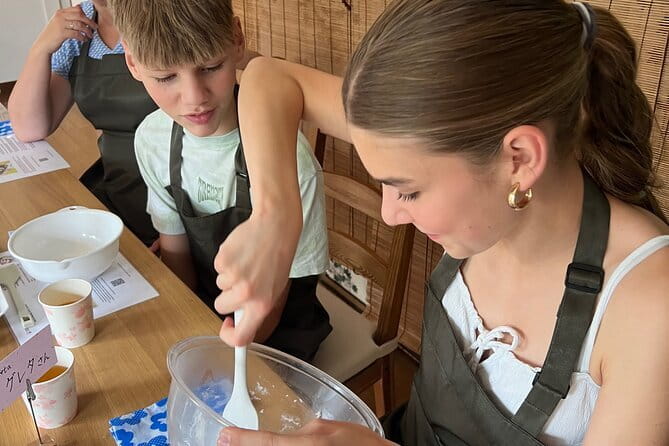
I would recommend this class to several kinds of visitors:
- Families looking for an activity children can take part in
- Beginners who want patient, direct instruction
- Matcha and mochi fans who want to understand the food beyond eating it
- People seeking a gluten-free sweets activity in Tokyo
- Couples or friends who prefer a private home visit to a large group tour
- Visitors needing an indoor plan during heat or rain
- Anyone who wants recipes and a skill to carry home
I would be more cautious if you want a broad Japanese cooking course. The focus is Japanese sweets, not sushi, ramen, tempura, or a full meal. I would also think twice if you are paying only for a tasting, since the value comes from participation and teaching.
The class is also not ideal for someone with a severe allergy unless the provider confirms the ingredients and preparation conditions in advance. The gluten-free focus is helpful, but the available information does not promise a kitchen free from every allergen.
Is the class worth booking?
I think this is a strong choice if you want a personal, gentle introduction to Japanese sweets. Sakura’s teaching style, the private home setting, the four recipes, and the chance to take instructions home give the experience substance beyond a quick tourist activity.
Book it if you like making food, want direct contact with a local teacher, or need a weather-proof plan near the Shibuya area. Families should find the lesson especially appealing, and people avoiding gluten have a clear reason to consider it.
Skip it if you want the cheapest possible dessert experience or if your schedule cannot accommodate the trip to Sangenjaya. At $112.01 per person, it needs to be an activity you actively want to do, not something you squeeze in only because it is nearby. For the right visitor, the mix of sweets, culture, and patient instruction makes it a worthwhile Tokyo memory.
FAQ
How long does the mochi and Japanese sweets class last?
The class lasts approximately two hours.
Where does the activity begin?
It begins at 1-chōme-11-13 Sangenjaya, Setagaya City, Tokyo 154-0024, Japan.
Where does the activity end?
The class ends back at the meeting point.
Is this a private activity?
Yes. Only your group participates in the activity.
How many sweets will I make?
You will make four different types of Japanese sweets during the lesson.
Is the class gluten-free?
The experience focuses on gluten-free Japanese sweets. If you have celiac disease or a serious allergy, contact the provider before booking to confirm ingredients and preparation details.
Who teaches the class?
Sakura teaches the class. She is described as a qualified professional teacher with experience teaching children.
Is tea included?
Yes. Japanese green tea, along with coffee and/or tea, is included.
Is an apron provided?
Yes. An apron is included.
Can I cancel for a full refund?
Yes, if you cancel at least 24 hours before the experience start time. Cancellations made less than 24 hours in advance are not refunded.
Fresh tea listings around Tokyo
- Authentic Japanese tea tasting: sencha, matcha and gyokuro★ 5.0 · 12 reviews
- At an Antique Shop, Tea Ceremony and Japanese Sweets Forming★ 5.0 · 5 reviews
- Tokyo: Two Types of Japanese Sweets Making and Tea Ceremony★ 4.6 · 26 reviews
- Japanese Matcha Tea Ceremony and Kimono Experience in Hanayaka★ 5.0 · 26 reviews
- Matcha Experience with of Japanese Tea Tasting in Tokyo★ 5.0 · 31 reviews
- EDOCCO Tea House–A Quick Dive into Japanese Traditional Culture★ 5.0 · 34 reviews
- Tokyo: Tea Ceremony Experience in Asakusa★ 5.0 · 36 reviews
- Tokyo:Genuine Tea Ceremony, Kimono Dressing, and Photography★ 5.0 · 33 reviews
Matcha Experiences, compared.
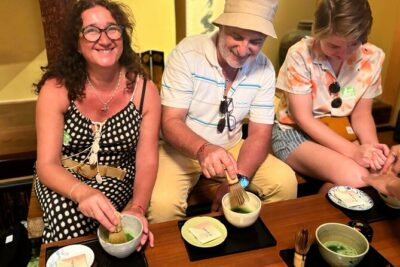
World Heritage Kyoto & Nara Uji Authentic Matcha Experience
Read our review →
Matcha Making Class in Tokyo with Authentic Japanese Sweets Set
Read our review →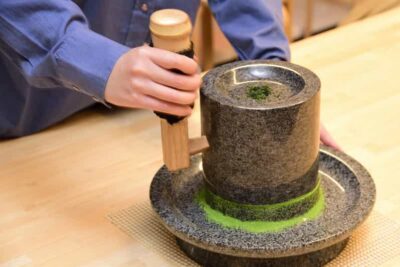
Kyoto: Tea Museum Tickets and Matcha Grinding Experience
Read our review →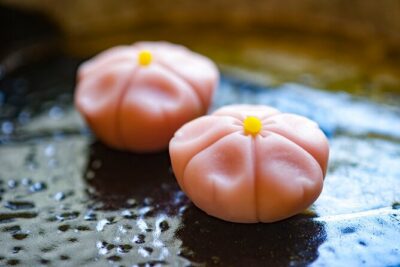
Matcha Making Class in Osaka with Authentic Japanese Sweets Set
Read our review →
Kyoto: Tea Ceremony Meditation – Make Matcha with Tea Master
Read our review →
Tokyo: Matcha Making Experience with Mochi Sweets in Asakusa
Read our review →
Kyoto: Kimono Tea Ceremony with Matcha and Sweet
Read our review →
Browse the lists this tour appears in