
Review · TEA TASTINGS
Tea Tasting and Pairing Concept Workshop
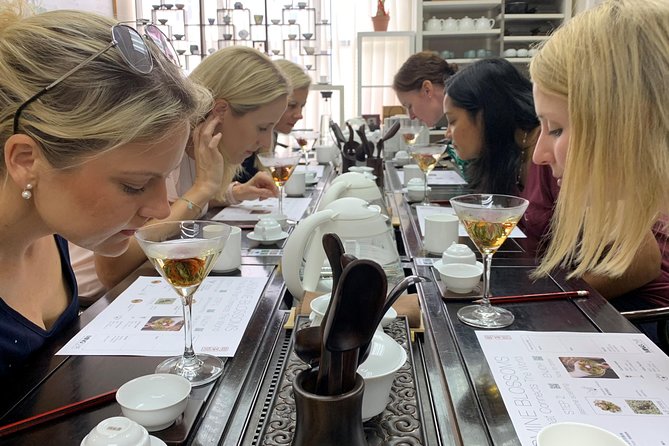
Tea is not just a drink here. It is a lesson in smell, texture, timing, and taste. At MingCha Tea House, Vivian leads you through four premium teas, then shows how dried nuts, chocolate, and flower honey toast can change the way each cup tastes. The most memorable touch is the Jasmine Blossoms presentation, a tea that opens before your eyes.
I like the hands-on Gongfu brewing, because you do more than watch someone pour. I also like the pairing format, which gives the tasting a clear purpose instead of leaving you to guess at subtle flavors. The main drawback is location: Chai Wan is away from the usual visitor center, so the workshop takes planning rather than a quick stop between Central sights.
Key details before you book
- Four tea styles: Taste green, scented green, red, and oolong teas selected from premium categories.
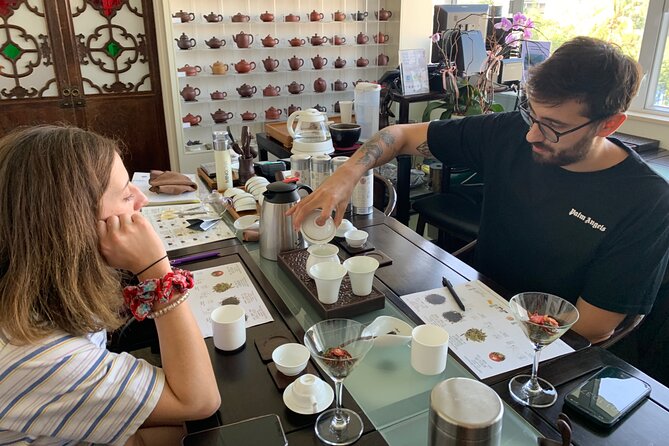
- Gongfu practice: Use traditional tea ware and learn how to steep and pour tea in the Chinese style.
- Food pairings included: Try dried nuts, chocolate, and flower honey toast with the teas.
- Vivian leads the session: Expect clear instruction, a warm hosting style, and practical brewing advice.
- Family-friendly choice: A children-friendly option makes this suitable for a shared family activity.
- Small-group setting: The maximum is 20 people, with two possible start times.
Four teas, three pairings, and a proper tasting
The workshop lasts about 90 minutes, which is enough time to taste four teas without turning the session into a long lecture. You begin with teas from different categories, including green, scented green, red, and oolong. That range matters because the point is not simply to decide which tea tastes best. You get to notice how processing changes color, aroma, body, and finish.
The tasting uses all five senses. You may look at dry leaves before brewing, smell them after they open, and compare how the liquor changes in the cup. One useful exercise involves before-and-after experimentation with the tea leaves, helping you see how hot water draws out different qualities over time.
The wording red tea may be unfamiliar if you usually buy black tea. In Chinese tea terms, red tea refers to the deep-colored tea many English speakers call black tea. The workshop gives you a chance to compare it with lighter green tea and fuller oolong in the same sitting.
The scented green category adds another point of contrast. It shows how fragrance can shape your first impression of a tea, while the underlying tea still contributes its own taste. This makes the session useful for people who normally choose tea by label or scent alone.
More Tea Tastings in China
- Biking Real Shanghai& Tea Tasting Experience
★ 4.5 · 45 reviews - Private Shanghai City and Zhujiajiao Combo Tour with Boating, Tea Tasting, Lunch
★ 5.0 · 15 reviews - Shanghai 3-Hour Afternoon Tea Tasting and Dessert Tour
★ 4.9 · 15 reviews
Learning the Gongfu method at the table
The practical center of the session is the Gung-fu, or Gongfu, tea method. You use traditional tea ware and practice the steps yourself. That can include measuring the leaves, adding water, controlling the steep, and pouring the tea properly.
This is not a formal tea ceremony where you sit silently and watch. It is an active lesson. You can ask questions, try the technique, and see what happens when timing changes. The short steeps used in this style also let you taste the same leaves more than once, so the tea becomes a moving target rather than a single fixed flavor.
I like this part because it gives you something useful to take home. After the workshop, you should have a better sense of why a tea can taste thin, bitter, fragrant, or smooth. You may still need practice, but you will not be relying only on vague instructions such as use hot water or steep briefly.
The tea ware also helps explain why the brewing method matters. Small vessels and careful pouring make the process more deliberate. You get a closer look at the leaves, the color, and the pace of service than you would with a large mug and a teabag.
Pairing dried nuts, chocolate, and flower honey toast
Tea pairing is the other reason to choose this activity. The food is not a full meal. It is a tasting selection built to show how tea reacts to different flavors and textures.
Dried nuts give you a savory, roasted comparison. Chocolate adds sweetness and weight. Flower honey toast brings another soft, sweet note. As you move between teas and foods, you can test which combinations work best for your palate.
This is more useful than a simple snack plate because it teaches you to think in contrasts. A lighter tea may be easier to notice beside a delicate sweet, while a stronger tea may hold its own with chocolate. The session helps you form your own preferences instead of presenting one correct answer.
Do not arrive expecting afternoon tea in the hotel sense. The focus is tea education, not a large spread of cakes and sandwiches. The pairings are there to support the tasting, so anyone looking for a substantial lunch should eat beforehand.
The Jasmine Blossoms moment
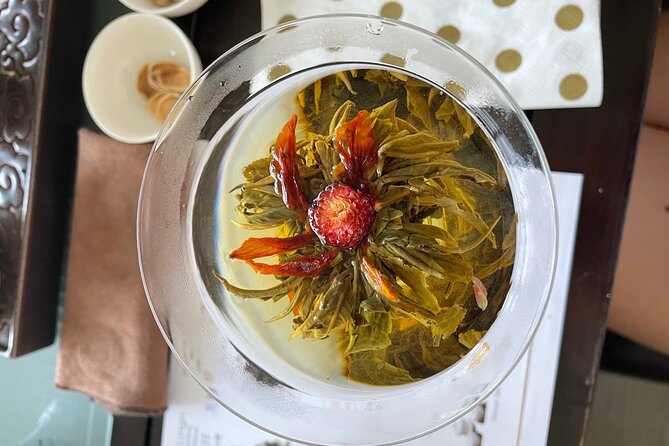
One of the more unusual details is the Jasmine Blossoms presentation. The tea is served in a way that makes the presentation part of the experience, rather than simply placing a finished cup in front of you.
The appeal is visual as well as aromatic. You get to watch the flower tea open, which gives the tasting a small sense of occasion. It is also the sort of detail that makes a souvenir tea more meaningful, since you have learned how it behaves in the cup.
If you enjoy photographing food and drink, this is likely to be the most picture-friendly part of the session. Still, the point is not just the image. The blooming tea gives you another way to notice scent, appearance, and brewing time.
Same city, a very different cup:
- One-Day Hangzhou Dragon Well Tea Culture & West Lake Private Tour
★ 5.0 · 98 reviews - Traditional Chinese Tea Ceremony Experience
★ 4.7 · 74 reviews - Beijing Culture: Tea Ceremony, Heritage Instrument & Calligraphy
★ 5.0 · 57 reviews - Tea Village in lost Town and Buddha 1 day tour
★ 5.0 · 32 reviews
Vivian’s teaching style and the group size
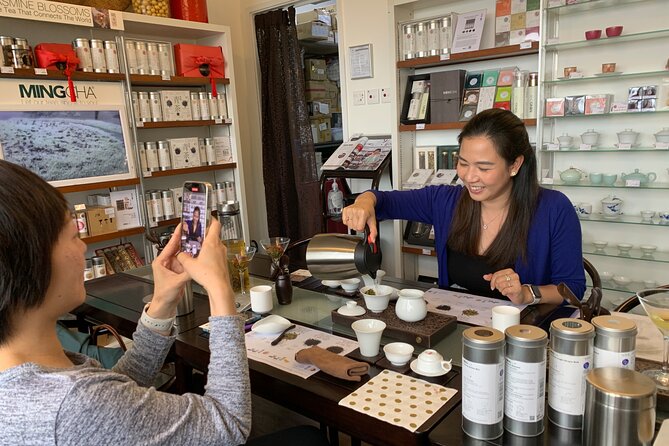
Vivian is the host and tea master named in the experience details. Her teaching style comes through as warm, funny, and attentive. You can expect the session to feel personal rather than like a scripted demonstration.
That matters in a tea workshop. The subject can become technical quickly, especially when discussing processing, tea characters, and brewing technique. A friendly guide makes it easier to ask basic questions without feeling out of place.
The maximum group size is 20 people. That is not a private lesson, but it is far more manageable than a large food tour group. The exact feel will depend on attendance, yet the size allows for hands-on participation while keeping the session social.
Families can choose the family-friendly option. This is a good fit if you want an activity that involves children without requiring them to sit through a long museum visit. Tea contains caffeine, so the practical benefit for children is the tasting and brewing activity, not necessarily drinking every cup.
Getting to MingCha Tea House in Chai Wan
The meeting point is MingCha Tea House, B2, 15/F, Fortune Factory Building Block B, 40 Lee Chung Street, Chai Wan, Hong Kong. The activity ends at the same place.
The Chai Wan address is important when planning your day. This is not an attraction you can casually add while walking around Tsim Sha Tsui, Central, or Victoria Harbour. You will need to allow time to reach the building and find the tea house on the 15th floor.
Public transportation is nearby, which helps, but the address still deserves careful attention. Factory-building addresses can be less intuitive than a hotel lobby or major landmark. I would save the full meeting point on my phone before leaving and avoid arriving at the last minute.
The return to the same location is convenient if you plan another stop in the district. It also means you are not left at an unfamiliar drop-off point after the class. One useful personal touch from the hosting is help with onward transport. Vivian has assisted with getting a taxi and waited until it arrived, which can be helpful if you are unsure about the return journey.
How the timing works
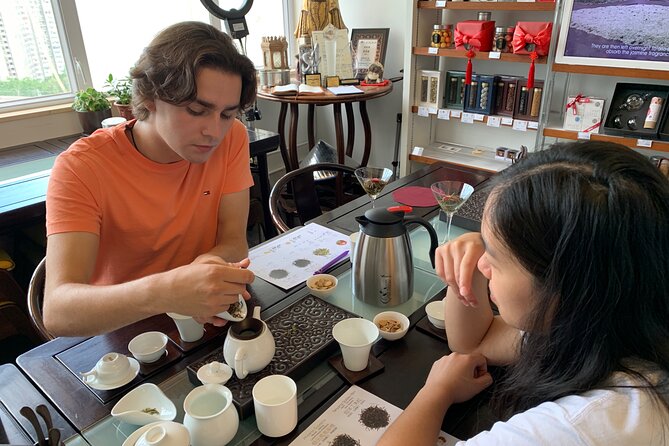
The experience lasts approximately one hour and 30 minutes. That is long enough for a proper tasting but short enough to fit around other Hong Kong plans.
Two start times are available, so you can choose the one that works best with your schedule. The exact times are not provided here, so check the available option when booking rather than assuming a morning or afternoon slot.
The format is structured, but it does not sound rushed. You have four teas to taste, brewing to practice, food to pair, and questions to ask. If you enjoy moving quickly from one attraction to another, this will feel like a deliberate pause. That is part of its value, but it also means you should not schedule a major timed attraction immediately afterward.
The experience is booked an average of 34 days ahead. That does not guarantee every date will sell out, but it is a clear reason to reserve early if the workshop is important to your Hong Kong plans.
Is the $65.60 price fair?
At $65.60 per person, this is not a cheap cup of tea. You are paying for more than the beverages, though. The price includes a guided lesson, four premium teas, traditional tea ware, hands-on brewing, and food pairings.
I see the value most clearly if you are curious about Chinese tea and want instruction you can use later. A person who only wants to sip a drink in a pretty setting may find the cost high. Someone who wants context, technique, and a structured tasting gets more from the fee.
The 90-minute length also affects the value. This is not an all-day commitment, yet it gives you enough time to compare several tea styles. If you buy premium tea afterward, the workshop can also help you choose with more confidence, although the supplied details do not promise that tea purchases are included.
The small maximum group size and direct teaching add to the price. You are not simply receiving a tray and a printed explanation. You have a chance to practice, taste, and ask questions. For a special-interest activity, that makes the fee reasonable, especially for people who already enjoy tea.
Who will enjoy this workshop most?
I would recommend it most strongly to:
- Tea drinkers who want to understand processing and brewing
- Visitors interested in an activity tied to Hong Kong’s tea culture
- Families looking for a calm, hands-on session
- Couples or friends who enjoy tasting food and drink together
- People who want a useful indoor-style cultural activity near public transportation
- Anyone who likes taking home a new skill rather than only a souvenir
It is less suited to anyone seeking a full meal, a broad Hong Kong sightseeing tour, or a quick tasting near the main tourist districts. The session is focused. You will spend your time at the tea table, not moving between landmarks.
The family-friendly option widens the appeal, but the workshop still asks everyone to listen and take part. Very young children may not care about the finer differences between green and oolong tea. Older children and teenagers who enjoy scents, sweets, or practical demonstrations are more likely to stay engaged.
Practical booking advice
Confirmation is sent within 48 hours, subject to availability. Since the activity is popular enough to be booked well ahead, do not leave it until the last day of your Hong Kong visit.
Mobile ticketing keeps the entry process simple. You should still have the meeting address ready, because the challenge is more likely to be finding the tea house in the building than presenting the ticket.
Free cancellation is available if you cancel at least 24 hours before the start time. Changes or cancellations made less than 24 hours before the start are not refunded or accepted. Cutoff times use Hong Kong local time.
The experience also requires good weather. If poor weather forces a cancellation, you are offered another date or a full refund. That policy is worth noting even though the activity takes place at a tea house, since it can affect a tightly planned day.
Should you book the Tea Tasting and Pairing Concept Workshop?
Book it if you want more than a pleasant drink. The combination of four tea categories, Gongfu brewing, food pairings, and Vivian’s personal instruction gives you a real introduction to Chinese tea without taking up an entire day.
I especially recommend it for families, curious tea drinkers, and visitors who enjoy small cultural activities with a practical side. Keep the Chai Wan location and $65.60 price in mind. If those work for your schedule and budget, this is a thoughtful way to slow down, taste carefully, and leave Hong Kong with better tea habits.
FAQ
Where does the tea workshop take place?
It takes place at MingCha Tea House, B2, 15/F, Fortune Factory Building Block B, 40 Lee Chung Street, Chai Wan, Hong Kong.
Where does the activity end?
The workshop ends back at the meeting point at MingCha Tea House.
How long does the tea tasting last?
The activity lasts approximately one hour and 30 minutes.
Which teas are included?
You taste four premium teas from selected categories: green, scented green, red, and oolong.
What food is paired with the tea?
The pairings include dried nuts, chocolate, and flower honey toast.
Is the workshop suitable for children?
A family-friendly option is available, so families can choose a version intended for participation with children.
Can I cancel for a full refund?
Yes. You can cancel at least 24 hours before the experience start time for a full refund. Cancellations or changes made less than 24 hours before the start are not accepted or refunded.
More Food and Drink Tours in China
- Tea Tasting & Brewing Experience
★ 5.0 · 10 reviews - Xi’an Noodle Making and Tea Tasting Experience
★ 5.0 · 6 reviews - Xi’an Chinese Calligraphy Workshop: Ink Art & Tea Tasting
★ 5.0 · 4 reviews - Jakarta: Volcano, Tea/Rice Fields, Hot Spring, Local Food
★ 4.9 · 515 reviews
Fresh tea listings around China
- Chongqing 1941 theatre: Tea Art Performance with Folk Art★ 3.8 · 8 reviews
- Beijing:Learn Calligraphy & Enjoy Kung Fu Tea Ceremony★ 5.0 · 2 reviews
- Beijing: Temple Of Heaven+Tai Chi Class+Tea Ceremony★ 5.0 · 8 reviews
- Beijing Hands-On Culture Tour: Tea, Instrument, Calligraphy★ 5.0 · 6 reviews
- Beijing: Chinese Culture Tea Ceremony Reservation Service★ 4.8 · 4 reviews
- Qixianfeng Tea Plantation Tour in Yangshuo★ 4.6 · 4 reviews
- 3 hours Xi’an Mahjong Class with Local Tea★ 5.0 · 2 reviews
- Xi’an Calligraphy & Tea Ceremony – Dive into Ink & Brush Artistry★ 5.0 · 4 reviews
Tea Tastings, compared.
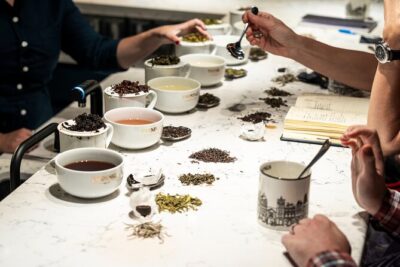
Twinings 2-Hour Tea Tasting Masterclass in London
Read our review →
Munnar: Tea trail, Tea Factory, and Tea Tasting Tour
Read our review →
Matcha Experience with of Japanese Tea Tasting in Tokyo
Read our review →
Nara:5 Type of Tea Tasting & Mindful Tea Ceremony
Read our review →
Montmartre Hill French Afternoon Tea Tasting Tour with Crepes and Macarons
Read our review →
Munnar Tea Trail Tour , Tea factory visit & Tea Tasting
Read our review →
Full Day Food Tour Of Delhi with a chef. Includes Tea Tasting
Read our review →Browse the lists this tour appears in