
Review · HISTORICAL TOURS
Tea Session《1200 Years of History in 80 Min》Tokyo
Japanese tea is much bigger than matcha, and this 80-minute session makes that point one cup at a time. At A Drop. Kuramae, you taste seven teas from across Japan while learning how farming, processing, water temperature, and brewing time shape each cup.
I like the farm-to-cup connection, since the hosts grow and make traditional tea themselves in Saitama. I also like the relaxed format, with real farm photos and videos, practical brewing advice, and the chance to buy the teas you prefer afterward.
The main consideration is that this is a tasting, not a meal or a formal tea ceremony. At $44 per person, it offers solid value for tea fans, but casual drinkers may find seven samples and 80 minutes more specialized than expected.
Key points to know before booking
- Seven teas in 80 minutes: Taste sencha, hojicha, bancha, Japanese-style oolong, black tea, and other Japanese varieties.
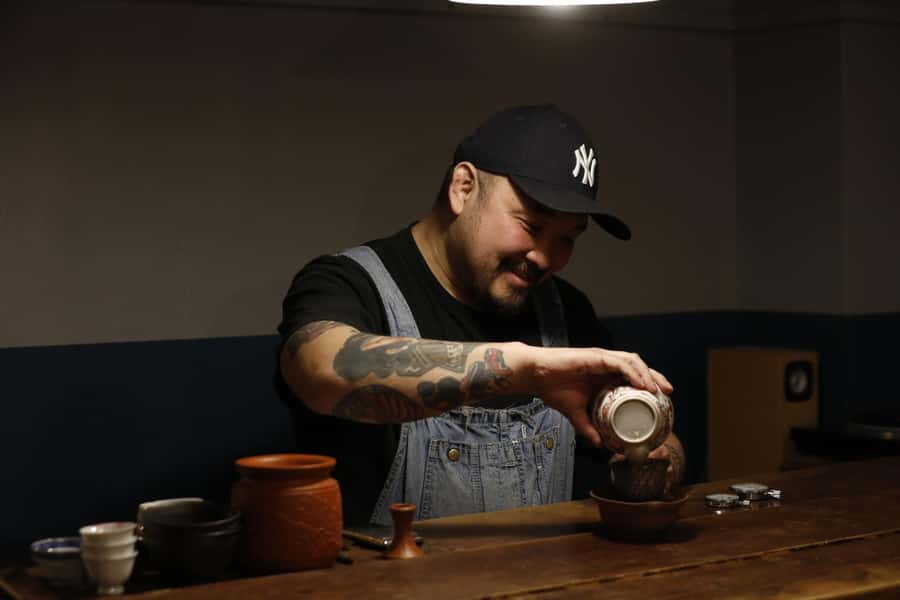
- A tea maker leads the session: A Drop. Kuramae grows and crafts traditional tea in Saitama, giving the presentation a practical farming angle.
- Tea beyond matcha: The session shows how much variety exists in Japanese tea, from roasted hojicha to Japanese black tea.
- Relaxed rather than ceremonial: You learn how to brew and taste without the strict manners of a formal tea ceremony.
- Convenient Kuramae setting: The shop is in Room 204 on the second floor of the Uguisu Building, within walking distance of Asakusa.
- Take-home purchases are available: You can buy selected teas after tasting them, but food and transport are not included.
Why seven teas tell a bigger Japanese tea story
The clever part of this experience is its range. Instead of giving you several versions of the same green tea, the session moves across different styles and production methods.
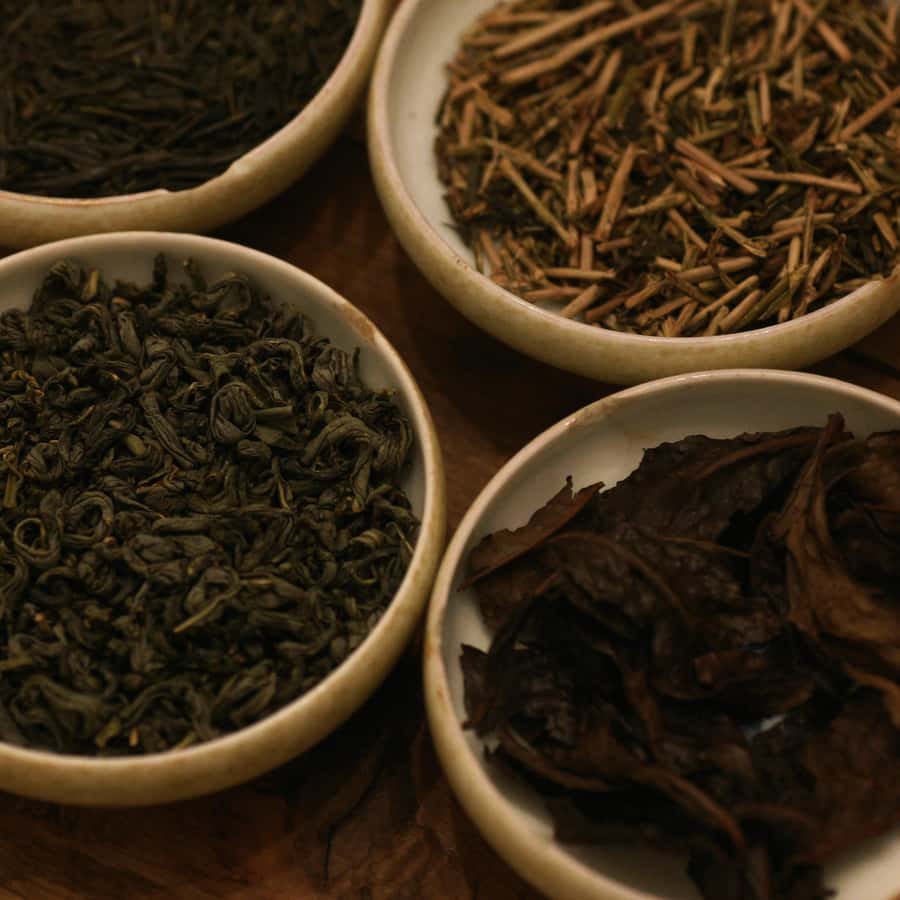
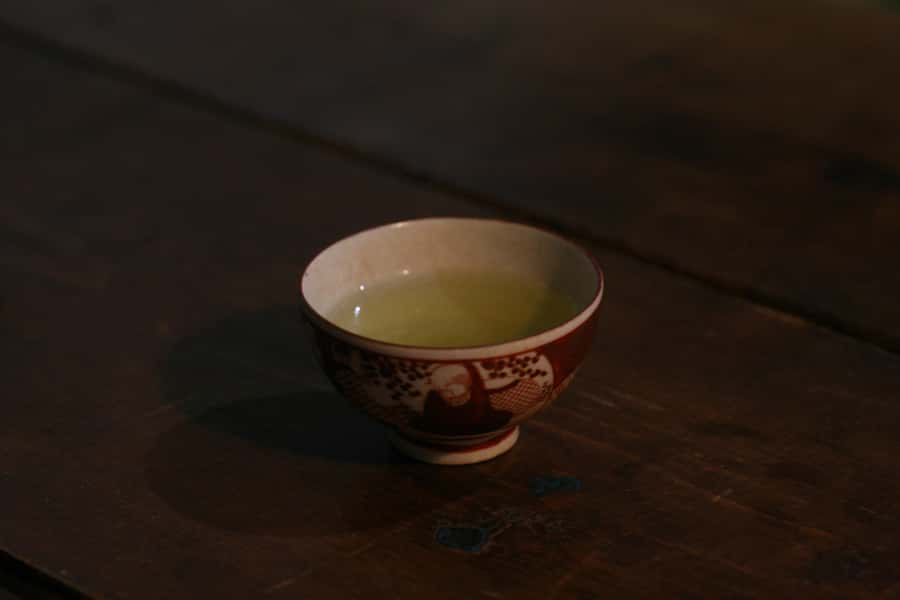
You may begin with a familiar sencha, then move toward roasted hojicha, earthy bancha, Japanese-style oolong, and black tea. Each cup gives you another way to think about Japanese tea. Some are grassy and fresh, some toasted and mellow, and others closer to the fuller flavor of an oxidized tea.
That variety matters because many first-time visitors reduce Japanese tea to matcha. Matcha is important, but it is only one part of the picture. This tasting lets you compare teas that differ in leaf treatment, roasting, oxidation, region, and brewing approach.
I find this kind of side-by-side tasting more useful than simply ordering a tea at a café. You can notice changes in aroma and texture while the details are still fresh in your mind. You also learn which styles fit your own taste before spending money on a full packet.
More History Tours in Tokyo:
- World Heritage Kyoto & Nara Uji Authentic Matcha Experience
★ 5.0 · 1,573 reviews - Beijing Culture: Tea Ceremony, Heritage Instrument & Calligraphy
★ 5.0 · 57 reviews - Uji: UNESCO Heritage & Tea Ceremony Walking Tour
★ 4.6 · 54 reviews
Meeting the tea makers at A Drop. Kuramae
A Drop. Kuramae is not only a shop selling packaged tea. The team also grows and crafts traditional tea in Saitama, so the session includes a connection to production rather than only retail.
That makes the farm stories more useful. You hear about how tea is grown, processed, and prepared, then connect those steps to what is in your cup. Photos and videos from tea farms help bring that work into the room, especially if your Tokyo itinerary does not include a visit to a rural tea-growing area.
You should not expect a long countryside excursion. The activity stays in Kuramae, and the farm element comes through the explanation, images, and the tea itself. Still, that is a practical tradeoff. You get a compact introduction to tea production without spending half a day on transport.
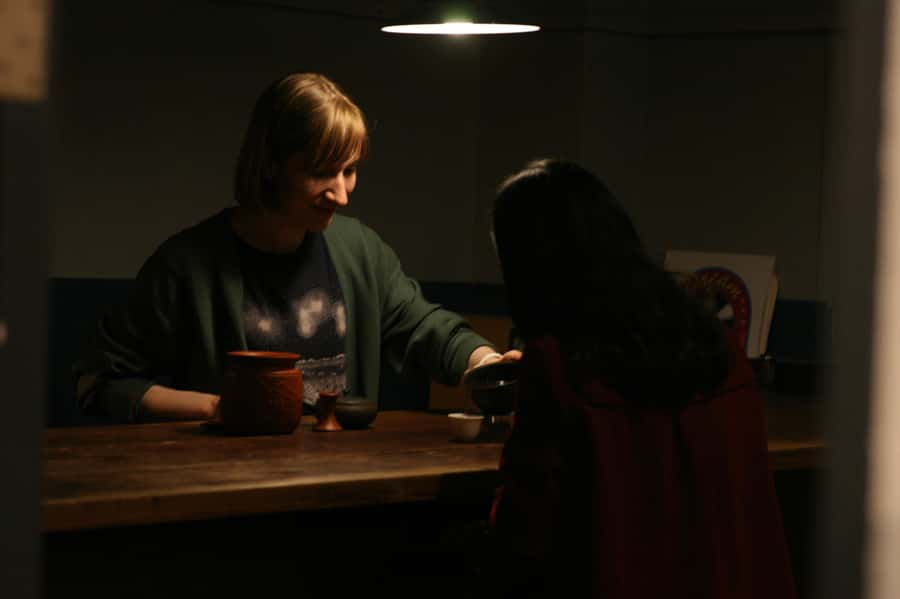
The hosts also make room for conversation. The tone is designed to be friendly and personal, and you are invited to share your own tea experiences. That helps keep the session from feeling like a lecture.
What happens during the 80-minute tasting
The experience begins at A Drop. Kuramae, a Japanese tea select shop on the second floor of the Uguisu Building. On the ground floor are a café and a bookstore. The entrance to the building is to the left of the bookstore, and the tea shop is in Room 204.
Once seated, you are introduced to the broad subject: 1,200 years of Japanese tea culture. That title does not mean you will receive a year-by-year history lesson. Instead, the session uses tea styles, farming practices, and regional examples to show how Japanese tea developed over time.
The tasting then moves through seven teas. The exact order can shape how you notice the flavors, but the useful point is that each tea has a reason for being included. You are not simply handed seven cups. The host explains the regional background and the production choices behind them.
You also learn basic brewing controls:
- Water temperature
- Brewing time
- The amount of tea leaves
- How those choices affect flavor
These details are especially valuable because Japanese tea can change quickly with brewing. A hot, quick infusion may taste very different from a cooler, longer one. The session gives you a better chance of making good tea at home instead of blaming the leaves for a poor cup.
Sencha, hojicha, bancha, and tea beyond green tea
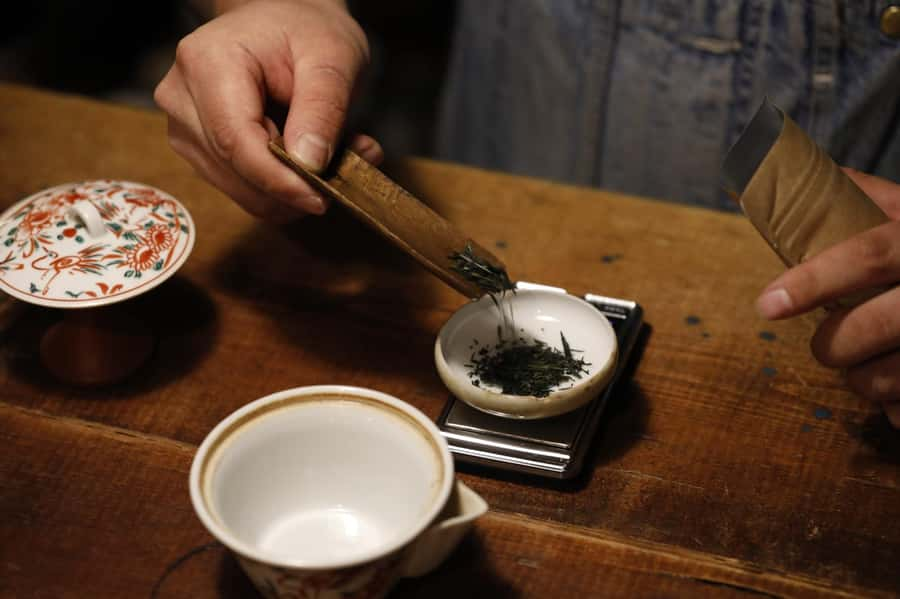
Sencha is likely to feel like a useful starting point because it is one of Japan’s best-known everyday teas. Its flavor can show how much freshness and brewing technique matter.
Hojicha offers a clear contrast. The leaves are roasted, giving the tea a toasted character that many people find gentler and easier to approach. If you are unsure about strongly vegetal green tea, hojicha may be the cup that changes your mind.
Bancha adds another everyday style to the tasting. It helps show that Japanese tea culture is not limited to expensive or ceremonial products. Some teas are tied to ordinary daily drinking, and that matters when you want to understand how tea fits into life in Japan.
The Japanese-style oolong and black tea are important choices, too. They broaden the session beyond the common idea that Japanese tea must be green. Different processing methods create different colors, aromas, and levels of body.
This is where the tasting becomes more than a list of samples. You can compare how the same broad crop, the tea plant, becomes something quite different after processing. For a person who already drinks tea at home, that comparison may be the most rewarding part of the hour.
More tea experiences around Tokyo if you are still choosing
- Matcha Making Class in Tokyo with Authentic Japanese Sweets Set
★ 5.0 · 744 reviews - Kimono Tea Ceremony at Tokyo, Asakusa Maikoya
★ 5.0 · 638 reviews - Tokyo: Traditional Tea Ceremony with a Tea Master
★ 5.0 · 528 reviews - Dynamic Tokyo: Tokyo Tower, Tea Experience, Bay Cruise Day Tour
★ 4.5 · 521 reviews
The practical brewing lesson is worth your attention
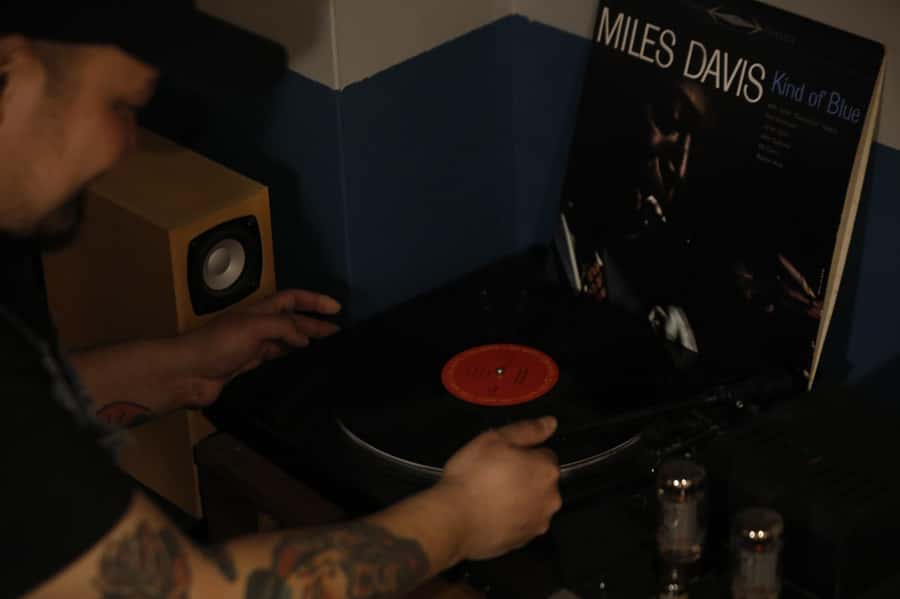
Many tea tastings focus on flavor but skip the details that help you repeat the experience at home. This session places more weight on brewing, including the temperature, time, and quantity of leaves.
Pay close attention here. If you normally use boiling water for every tea, you may learn why some leaves taste harsh under that treatment. If you use too little tea or steep for too short a time, you may also miss the character the host wants you to notice.
The guidance is not presented as a strict rulebook. The setting is casual, and the goal is to help you see tea as something personal and easy to enjoy. You can ask questions, compare your impressions, and figure out which preparation style suits you.
I like that the experience treats tea as part of daily life rather than as a performance. You do not need special equipment or expert manners to get something from it. The lesson is simply that small changes can make a big difference.
What makes the small-group setting useful

The session is offered in a small group, which supports a more personal exchange. That matters during a tasting because you have room to ask about flavor, origin, or preparation instead of sitting silently through a presentation.
A smaller group also makes it easier to say that one tea is not for you. You can compare reactions without feeling that there is a correct answer. Tea preference is personal, and this format allows that.
The experience is also suitable for beginners. You do not need to know Japanese tea terms in advance. The host explains the styles and brewing process as you go.
At the same time, experienced tea drinkers have reasons to book. Rare and less familiar Japanese teas are included, and the selection comes from farms across Japan. The regional stories and processing details can add context to styles you may already know.
Location in Kuramae, near Asakusa
Kuramae makes this a convenient addition to a day around eastern Tokyo. A Drop. Kuramae is a short walk from Asakusa, so you can pair the tea session with nearby sightseeing.
The location is easy to miss if you are watching only for a large shop sign. Look for the Uguisu Building, identify the café and bookstore on the first floor, and use the entrance to the left of the bookstore. The session takes place upstairs in Room 204.
The experience begins and ends at the same location. That keeps the timing simple, especially if you have another booking afterward. You arrange your own transport, so allow enough time to find the building and reach the second floor.
Since the session lasts 80 minutes, it fits more easily into a Tokyo day than a longer tea excursion. You can schedule it around Asakusa, the Sumida area, or another Kuramae stop without giving up an entire afternoon.
What the $44 price includes
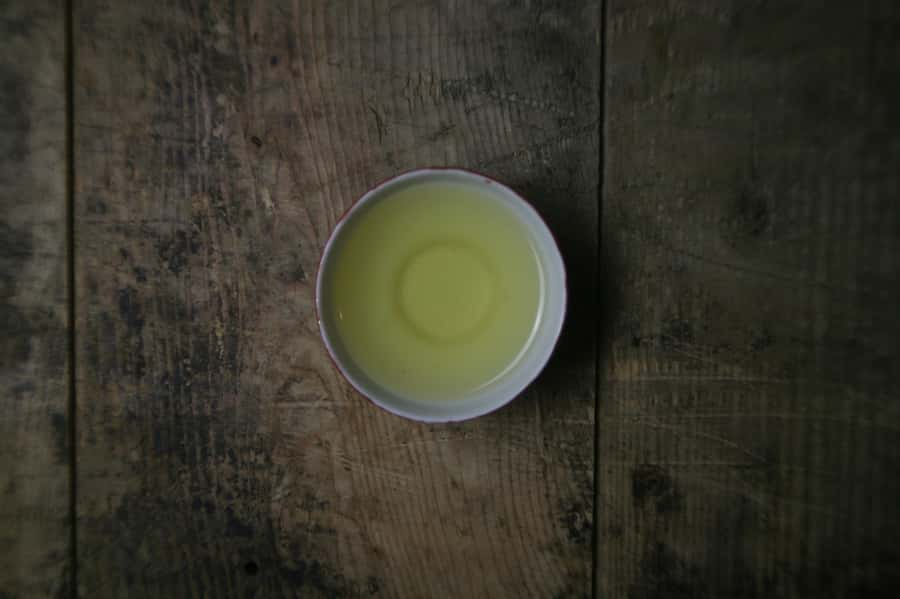
At $44 per person, the price is not for a single cup of tea. You are paying for seven tastings, instruction on brewing, regional and production stories, and a small-group format.
The farm connection strengthens the value. A Drop. Kuramae grows tea in Saitama and works with tea farms across Japan, so the session links the cup to the people and places behind it. The photos and videos also add context that you would not receive from a simple retail tasting.
The price makes the most sense if you want to learn and compare. You are getting a guided introduction that can help you choose teas to buy later. It is less compelling if you only want a quick drink or a snack.
Remember that food is not included. This is a tea-focused appointment, not afternoon tea with sweets. If you need something to eat, plan to visit the café or another place separately.
Tea purchases are also extra. That is a benefit rather than a problem if you prefer to try before buying, but set aside additional money if you expect to take home several varieties.
Buying tea after the tasting
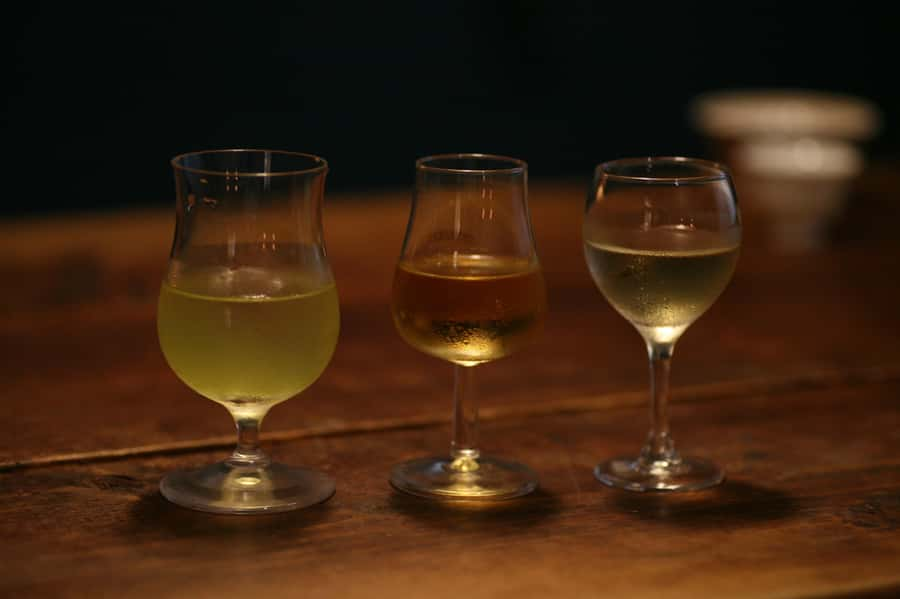
The shop offers teas selected from farms across Japan, including rare and high-quality options. The useful advantage is that you can taste first and shop second.
Instead of guessing from a label, you can return to the cup you liked best. Perhaps you prefer the roasted flavor of hojicha, the familiar profile of sencha, or the fuller character of Japanese black tea. The tasting gives you a clearer basis for your choice.
Ask about brewing instructions before you leave. Since the session covers water temperature, time, and leaf quantity, you can use that advice with your purchase at home.
This is also a practical souvenir for someone who already enjoys tea. It is compact, useful, and tied to a specific place in Tokyo. Just remember that purchases are not part of the $44 fee.
Who will enjoy this tea session most
I would choose this for a tea lover who wants more than a standard matcha demonstration. The seven-tea format gives you broader exposure to Japanese tea and makes the $44 price easier to justify.
It also suits curious first-time drinkers. The session is relaxed, and you do not need to arrive with technical knowledge. If you have ever wondered why one Japanese tea tastes grassy while another tastes roasted or malty, this gives you a clear starting point.
The experience may be less suitable if you want a formal tea ceremony, traditional sweets, or a full meal. It is educational and social rather than ceremonial.
It also may not suit someone who dislikes tastings or prefers a fast stop. Eighty minutes is long enough to learn, compare, and ask questions, but too long for anyone seeking only a single cup.
Booking details worth keeping in mind
You can reserve the session and pay later, which helps if your Tokyo plans are still shifting. Cancellation is allowed up to 24 hours in advance for a full refund.
The standard experience is a small-group session. Private bookings may be available for an additional cost, but the supplied details do not give private-session pricing or conditions.
You arrange your own transport to Kuramae. Since the activity ends at the same shop, you do not need to plan a separate return route.
Should you book A Drop. Kuramae?
Book it if you want a focused, friendly look at Japanese tea beyond matcha. The combination of seven teas, farm stories, brewing instruction, and optional take-home purchases gives you plenty to do in 80 minutes.
I especially recommend it for visitors staying near Asakusa or building a day in eastern Tokyo. It is easy to pair with sightseeing, and the session gives you a more personal connection to Japanese tea than a café stop can offer.
Skip it if you need food, want a formal ceremony, or have little interest in tasting several teas. For everyone else, $44 is a fair price for a compact introduction that may change how you brew tea long after you leave Tokyo.
FAQ
How long does the tea session last?
The tea session lasts 80 minutes.
Where does the activity take place?
It takes place at A Drop. Kuramae, a Japanese tea select shop in Room 204 on the second floor of the Uguisu Building in Kuramae, Tokyo.
Is the session near Asakusa?
Yes. A Drop. Kuramae is a short walk from Asakusa.
Which teas are included?
The tasting includes seven Japanese teas, including sencha, hojicha, Japanese-style oolong, black tea, bancha, and other varieties.
Is this a formal Japanese tea ceremony?
No. It is a casual, relaxed tasting that focuses on tea flavors, regional origins, production, and brewing.
Is food included?
No. Food and snacks are not included.
Can I buy tea after the tasting?
Yes. Additional teas are available for purchase, including selected teas from farms across Japan.
Fresh tea listings around Tokyo
- Yokohama : Tea Ceremony with Sweets and Souvenir★ 5.0 · 5 reviews
- Walking Tour: Yanaka,Nezu& Sendagi: Tea Ceremony & Old Tokyo★ 5.0 · 3 reviews
- Private Mochi・Matcha sweets Making Class Near Shibuya Area★ 5.0 · 22 reviews
- Private Kimono and tea ceremony at local home near Tokyo Disney★ 5.0 · 6 reviews
- 2 Hours Mochi &Nerikiri Making & Matcha Class in Bunkyo★ 5.0 · 21 reviews
- Kimono and Tea Ceremony in Asakusa Private Food Tour With Guide★ 5.0 · 4 reviews
- Tokyo: Tea Ceremony & Japanese Sweets Making★ 5.0 · 10 reviews
- Tokyo Sweets Tour: Hidden Gems & Matcha at an Old Tea House★ 5.0 · 6 reviews
Historical Tours, compared.
World Heritage Kyoto & Nara Uji Authentic Matcha Experience
Read our review →
Beijing Culture: Tea Ceremony, Heritage Instrument & Calligraphy
Read our review →
Uji: UNESCO Heritage & Tea Ceremony Walking Tour
Read our review →
Slow Cycling Tour at Uji’s Matcha Green Tea Fields and Heritage
Read our review →
Uji Tea Ceremony and UNESCO Heritage Walking Tour
Read our review →
Tea and Doughnuts: Historic Walking Food Tour of Southwark
Read our review →
Cycling Tour at Uji’s Matcha Green Tea Fields and Heritage
Read our review →Browse the lists this tour appears in