
Review · THAILAND TEA TOURS
7 Wonders of Chiang Rai: Temples, Tea, and Golden Triangle
Chiang Rai’s most memorable sights are not all temples. This full-day outing links Wat Rong Khun’s glittering white sculptures, the moody Black House, tea-covered hills, and the three-country Golden Triangle into one long but varied day. You get a broad look at the province without arranging several separate rides.
I like the small group limit of 10 people, which should make it easier to hear your English-speaking guide and keep the stops moving. I also like the mix of serious cultural sites and lighter moments, especially the tea plantation, Thai buffet lunch, and wide river views at the Golden Triangle.
The tradeoff is time. You leave Chiang Rai around 8:00 to 8:30 AM and may not return until 6:30 or 7:00 PM. Admission fees are also extra, so the $41 price is good value, but not the final cost if you enter every site.
Key points at a glance
- Wat Rong Khun: See mirrored glass, white ornament, and modern Buddhist murals at Chiang Rai’s famous White Temple.
- Three very different art sites: Compare the serene Blue Temple with the playful White Temple and unsettling Black House.
- Choui Fong Tea Plantation: Walk among trimmed tea fields, taste fresh tea, and order tea-based treats.
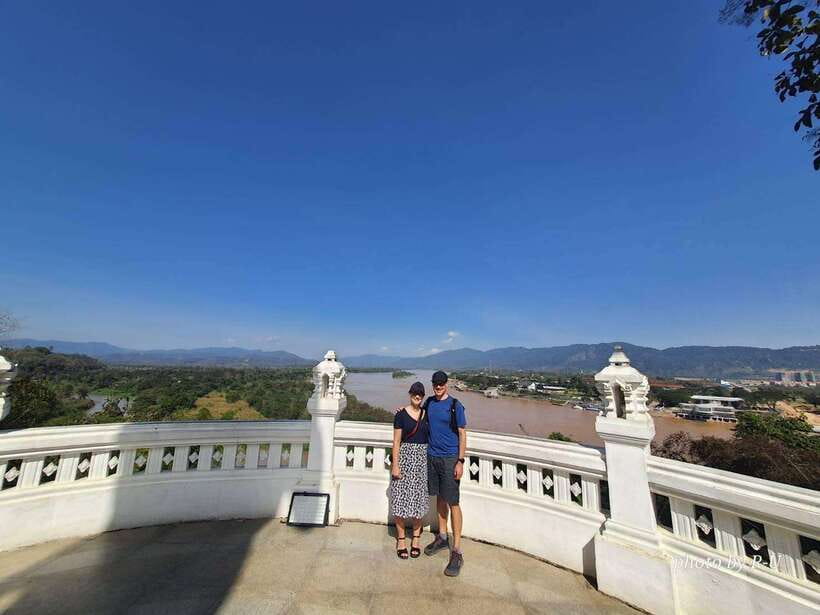
- Golden Triangle viewpoint: Look toward Thailand, Laos, and Myanmar where the Mekong and Ruak rivers meet.
- Small-group format: Travel with no more than 10 participants in a day built around an English-speaking guide.
- Extra costs: Budget 530 baht per person if you choose to pay all four listed entrance fees.
Why this Chiang Rai day works
Chiang Rai is spread out, and its headline sights do not sit in one compact historic center. This tour solves that problem with hotel pickup, a van, a guide, lunch, water, and a planned route through the province.
At $41 per person, the package is attractive for anyone who wants transport and structure. You are not paying for a luxury vehicle or a slow, private sightseeing day. You are paying for access to many far-flung stops in one outing.
The day also has a useful rhythm. You begin with the most visually famous temples, move into art and cultural stops, pause for lunch and tea, then finish near the northern border. That order gives you plenty of variety, although the final ride back to Chiang Rai is long.
The tour has a rating of 4.8 from five submitted ratings, with particular praise for its varied activities and careful planning. That matches the design of the day: it is less about lingering at one monument and more about seeing how many sides of Chiang Rai fit together.
More tea experiences around the world if you are still choosing
- Kyoto: Tea Ceremony in a Traditional Tea House in Kiyomizu
★ 4.9 · 3,519 reviews - London: Afternoon Tea Cruise on the River Thames
★ 4.4 · 3,274 reviews - Kyoto: Tea Ceremony Ju-An at Jotokuji Temple
★ 4.9 · 3,207 reviews
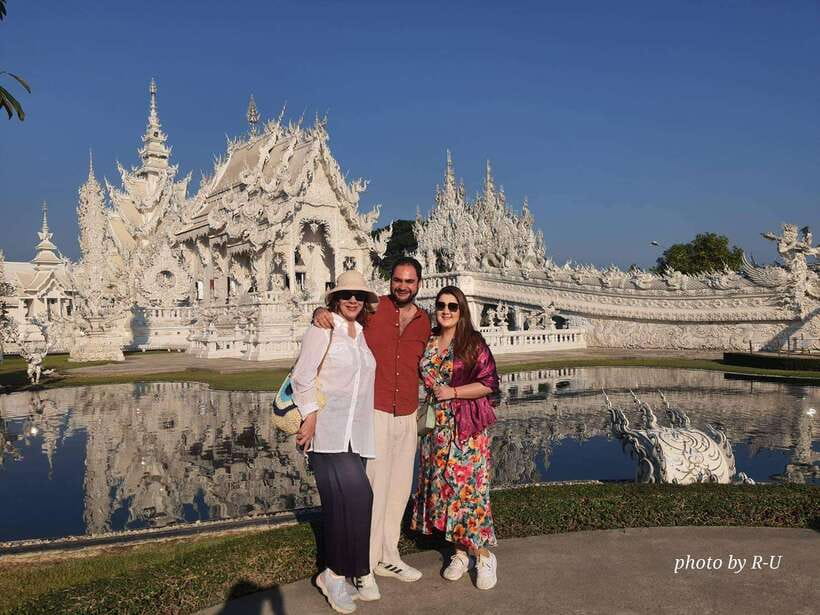
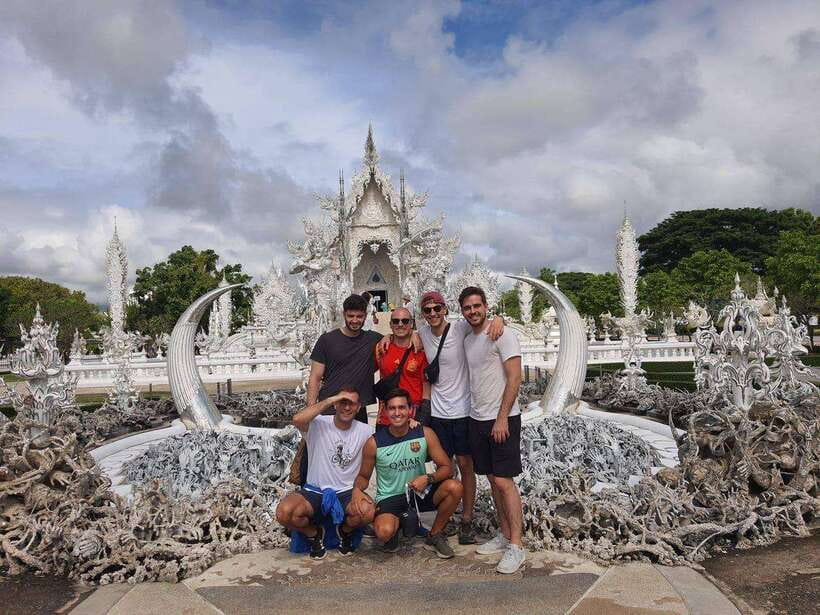
Wat Rong Khun, Chiang Rai’s white fantasy
Your first major stop is Wat Rong Khun, commonly called the White Temple. You have about an hour here, enough for a guided visit, photos, and a closer look at the unusual decoration.
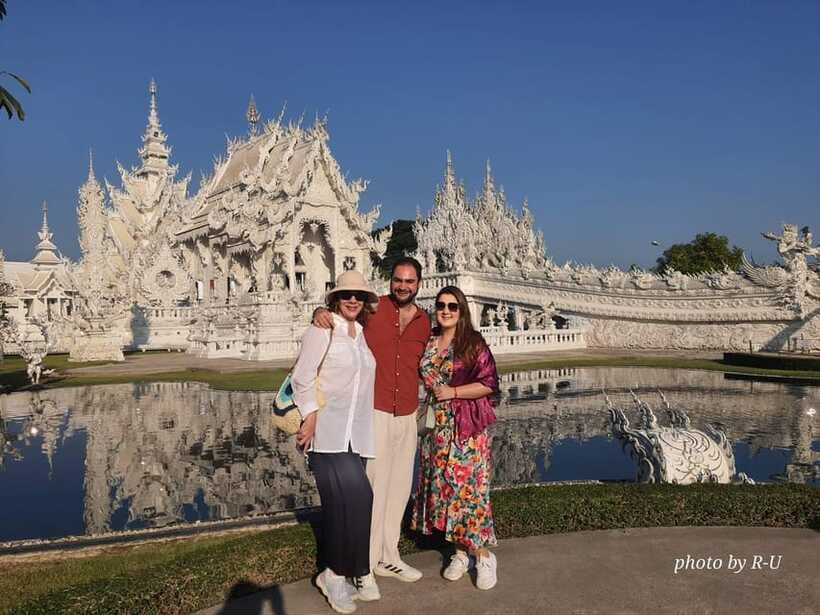
The temple was created by Thai artist Chalermchai Kositpipat. Its bright white surfaces suggest purity, while small pieces of mirrored glass catch the sun. From a distance, the complex looks almost weightless. Up close, the detail becomes stranger and more playful, with elaborate figures and sculpted forms packed into the design.
Inside, the murals mix Buddhist ideas with modern imagery and pop culture references. That blend is important. This is not an old temple preserved exactly as it was. It is a modern artist’s interpretation of spirituality, morality, and popular life.
I would give this stop your full attention rather than treating it as a quick photo break. The outside attracts the camera, but the interior murals explain why the site is more than a bright facade. The listed entrance fee is 100 baht per person, payable separately if you choose to enter.
Wat Rong Suea Ten and the Blue Temple
The Blue Temple, or Wat Rong Suea Ten, follows with a shorter 30-minute stop. Its name means Dancing Tiger, linked to local stories about tigers that once lived in the area.
The mood changes immediately. Instead of the White Temple’s pale surfaces, you see deep blue color with gold accents. The design draws on traditional Lanna forms but gives them a modern treatment. Inside, a large white Buddha provides a calm center against detailed blue murals.
Thirty minutes is enough for a look around and photographs, but it is not a long meditation stop. If you enjoy architecture, pay attention to the contrast between the structure’s strong color and the softer expression of the Buddha. The Blue Temple is a good companion to Wat Rong Khun because you see two modern interpretations of Thai religious art within the same morning.
The tour includes a short break here, so you can reset before the next stop. Keep your camera ready, but also look up and around. The gold detailing can be easy to miss if you focus only on the main statue.
Baan Dam, the Black House
Baan Dam Museum, or the Black House, gives the morning a sharp turn. You spend about an hour exploring an art complex created by Thawan Duchanee.
The buildings are dark, bold, and deliberately unlike a conventional temple. Animal bones, skins, horns, and other objects appear throughout the collection. The subject is mortality, the body, and the less comfortable parts of life.
This stop may not suit everyone. Some people will find the work thought-provoking; others may find the animal materials unsettling. That is part of the point. Baan Dam is not designed to offer the calm or beauty of the Blue Temple. It asks you to consider life and death from a different angle.
The entrance fee is 80 baht, not included in the tour price. I would pay it if you are interested in contemporary Thai art and symbolic displays. If your main goal is temples and scenic views, you can decide to skip the admission, since the tour allows you to choose which attractions you enter.
Same city, a very different cup:
- Afternoon Tea Bus Tour in Dublin
★ 5.0 · 2,791 reviews - Kyoto: 45-Minute Tea Ceremony Lesson Experience
★ 4.3 · 2,378 reviews - London: Afternoon Tea Bus Tour – 1960s Routemaster Bus
★ 4.5 · 2,032 reviews - London: Afternoon Tea Bus with a Glass of Prosecco
★ 4.4 · 1,853 reviews
Meeting the Long Neck Karen community
The next stop is a Long Neck Karen village, planned for about 45 minutes. You learn about the brass rings worn by some women around their necks, a tradition tied to beauty and cultural identity. The rings create the appearance of a longer neck, though the custom has a more complex physical and cultural meaning than the visual effect suggests.
The visit includes a chance to see weaving, learn about daily life, and look at handmade souvenirs. Your purchases can support the local craft economy, but you should approach the stop with respect. This is a living community, not simply a display for photographs.
The village charges 300 baht per person. Since the tour describes the visit as optional, you can decide based on your interest and comfort. I would encourage you to listen to the guide’s explanation and avoid reducing the residents to a costume or photo subject. The value of this stop comes from understanding the people and tradition, not just seeing the rings.
Forty-five minutes is a short introduction. It will not provide a complete picture of Karen culture, but it can add human context to a day otherwise filled with buildings, art, and viewpoints.
Thai buffet lunch and a needed pause
Lunch takes about 45 minutes at a local restaurant. A Thai buffet is included, along with drinking water.
This pause matters. By midday, you will already have visited three major sites and spent much of the morning moving between them. A buffet also gives you a chance to choose what suits you rather than relying on a single set dish.
The information provided does not specify the exact menu, so do not book this expecting a particular regional specialty. Think of it as a practical Thai meal built into a busy sightseeing day. Use the stop to refill your water and prepare for the longer afternoon route.
Choui Fong Tea Plantation
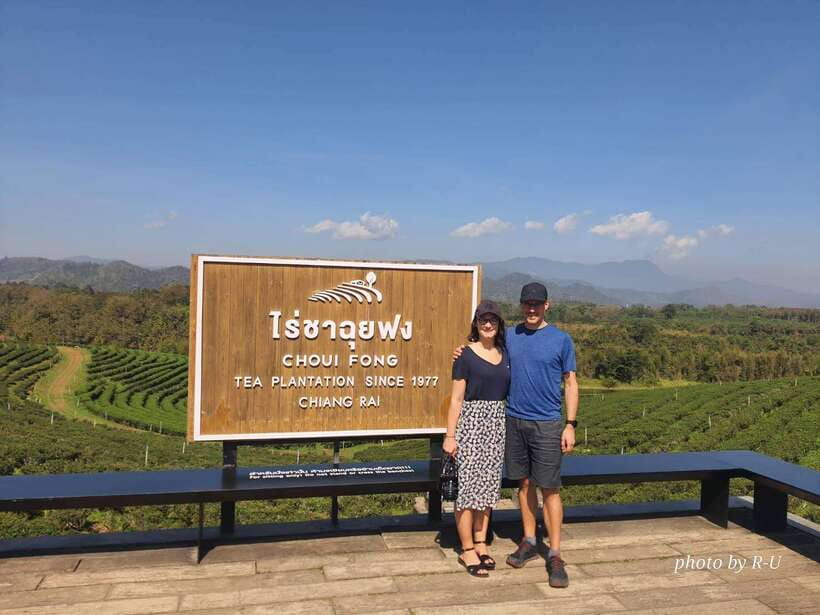
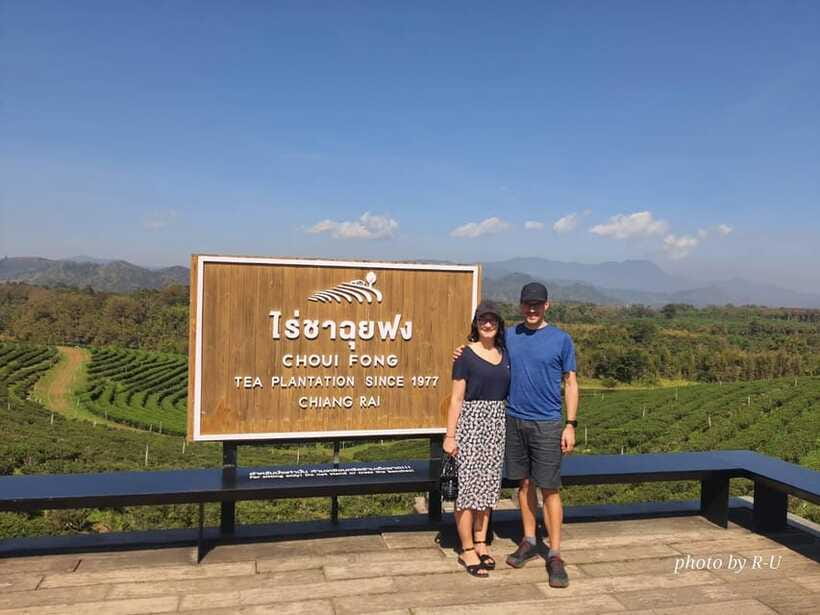
Choui Fong Tea Plantation offers a welcome change of pace. You have about 40 minutes to see the neatly trimmed tea fields, learn about cultivation, take photographs, and spend free time at the plantation café.
The green rows on the hills make this one of the day’s quieter stops. You can look across the plantation, watch how the tea is grown, and sample freshly brewed tea. Tea-based desserts are also available at the café.
This is not a long agricultural tour. The schedule gives you a taste of the setting and production process rather than a detailed lesson in tea making. Still, the stop earns its place because it breaks up the temples and museums with open views and a chance to sit down.
Bring a card and some cash. The tour specifically suggests both, and the café is a natural place to spend a little extra if you want tea or dessert. Forty minutes passes quickly, so decide before arriving if you want photographs, a drink, or both.
The Golden Triangle at the Mekong and Ruak rivers
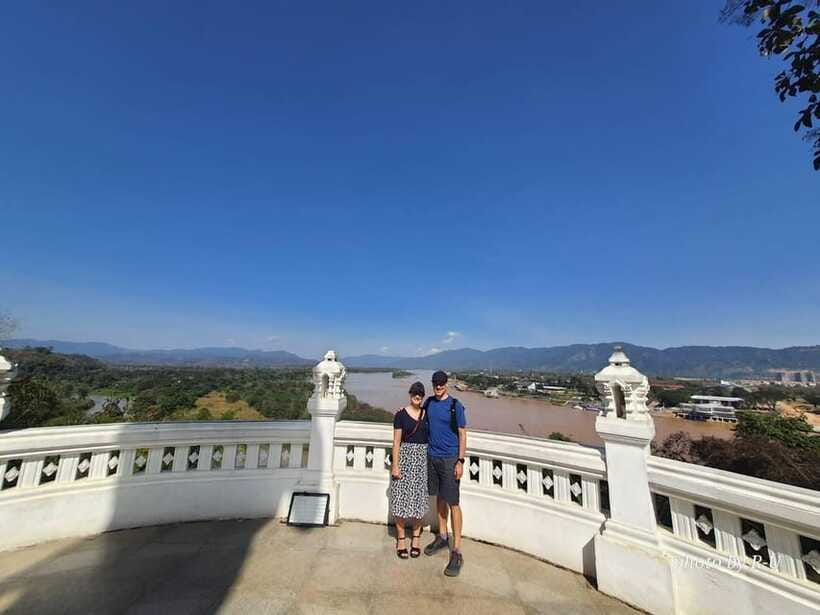
The Golden Triangle is the afternoon’s broadest view. Here, Thailand meets Laos and Myanmar around the Mekong and Ruak rivers. You get roughly 30 minutes for photographs, free time, and a guided explanation.
The setting is peaceful now, but the name carries a difficult past. The area was once associated with opium production and trade. Your guide can place the viewpoint in that wider regional story, while the rivers help you understand why this border area became important.
Do not expect a long boat excursion or an extended border visit. The stop is built around the viewpoint and its historical meaning. Thirty minutes is enough to take in the meeting point of the countries, but it is not enough for a detailed examination of every side of the border region.
I like this stop because it gives geographic meaning to the day. Earlier, you saw individual buildings and works of art. Here, you see a place shaped by borders, trade, rivers, and changing policy.
The House of Opium Museum
The final attraction is the House of Opium Museum, located near the Golden Triangle. You have about 40 minutes to view exhibits on opium cultivation, smuggling, tools, pipes, and the effect of the trade on local communities.
This is a small museum, but its subject gives the Golden Triangle visit more depth. Rather than leaving with only a photograph of three countries, you get an explanation of why the region became internationally known and how efforts were made to combat the trade.
The displays are educational rather than decorative. Pipes and equipment help make the subject concrete, while written material explains the process and its consequences. If you are interested in Southeast Asian politics, border regions, or the social effects of drug economies, this may be one of the day’s most useful stops.
The admission fee is 50 baht. Shopping is also listed as part of the visit, but you can treat that as optional. The museum takes about 40 minutes, so you should have time to read, walk through the exhibits, and look around without rushing too badly.
Transport, timing, and group size
Pickup is available from hotels within 3 kilometers of Chiang Rai city center. You should wait in your hotel lobby between 8:00 and 8:30 AM. The exact pickup time can vary within that window, so be ready early rather than trying to squeeze in breakfast at the last moment.
The day includes two significant van journeys. One early transfer is listed at about 30 minutes, while the return journey after the final stop is about 80 minutes. The whole outing ends around 6:30 to 7:00 PM.
That schedule makes this a poor fit if you hope to return to Chiang Mai the same evening. The tour specifically warns that the timing may be too late for that connection. It suits a Chiang Rai stay much better.
A maximum of 10 people is a real advantage on a route with several stops. You spend less time gathering a huge group, and an English-speaking guide can explain the sites without shouting across a crowded vehicle. Still, this is a shared tour, so you will follow the group’s pace rather than set your own.
Wear comfortable shoes. You will walk around temples, museums, the village, and tea fields. Carry cash for admissions and small purchases, even though a credit card is also recommended. Alcohol and drugs are not allowed, and baby strollers and bikes are not suitable for this activity.
What the $41 price really covers
The $41 price includes hotel pickup and drop-off in Chiang Rai, an English-speaking guide, Thai buffet lunch, drinking water, and travel insurance. Those inclusions make the cost reasonable, especially if you would otherwise need to arrange a private vehicle for the distant northern stops.
The listed admissions come to 530 baht per person if you enter all four paid attractions:
- White Temple: 100 baht
- Black House: 80 baht
- Long Neck Karen Village: 300 baht
- House of Opium: 50 baht
The Blue Temple and Golden Triangle stop do not list an admission charge. You can also choose to skip paid entries, so your total can remain close to the advertised price.
I would judge the value by your priorities. For a first visit to Chiang Rai, the tour covers a lot of ground and removes the transport problem. For someone who prefers slow photography, long café stops, or extended museum visits, the schedule will feel tight.
Free cancellation up to 24 hours before departure and reserve-now, pay-later booking add useful flexibility. The tour is not suitable for babies under one year, people over 80, or people over 95, as specified in the activity details.
Who should book this day
I would recommend this tour to you if you have one full day in Chiang Rai and want to see the province’s major highlights without renting a vehicle or planning a complicated route. It works especially well for first-time visitors who like variety.
You should also consider it if you enjoy modern Thai art. The White Temple, Blue Temple, and Black House are not interchangeable. Together, they show three very different ideas about religion, beauty, symbolism, and death.
The day is less suitable if you dislike long van rides, group schedules, or optional shopping stops. It may also disappoint you if you expect an in-depth cultural visit at the Long Neck Karen village or a long tea plantation tour. Each stop is an introduction, not a full study.
Should you book the 7 Wonders of Chiang Rai?
Book it if you want a well-packed day with an English-speaking guide, included lunch, and transport to places that are awkward to connect on your own. The careful mix of temples, art, tea, border scenery, and opium history is the strongest feature, and the small group keeps the format manageable.
Skip it if you want to move slowly or plan to cross back to Chiang Mai that night. Also budget the extra admission fees before booking, particularly the 300 baht village charge. For most people staying in Chiang Rai, though, this is a practical and unusually varied introduction to the province.
FAQ
How long does the tour last?
It is a full-day activity, with pickup between 8:00 and 8:30 AM and return to the meeting point between 6:30 and 7:00 PM.
Where is hotel pickup available?
Pickup and drop-off are available from locations within 3 kilometers of Chiang Rai city center. You should wait in your hotel lobby during the pickup window.
What language does the guide speak?
The live tour guide speaks English.
What is included in the price?
The price includes Chiang Rai city pickup and drop-off, an English-speaking guide, Thai buffet lunch, drinking water, and travel insurance.
Are entrance fees included?
No. Wat Rong Khun costs 100 baht, Baan Dam Museum costs 80 baht, the Long Neck Karen Village costs 300 baht, and the House of Opium costs 50 baht per person. Visiting and paying for attractions is optional.
Is lunch provided?
Yes. A Thai buffet lunch is included, along with drinking water.
Can I return to Chiang Mai after the tour?
The tour is not recommended for returning to Chiang Mai on the same day because it may end quite late.
Fresh tea listings around the world
- Beijing:Learn Calligraphy & Enjoy Kung Fu Tea Ceremony★ 5.0 · 2 reviews
- Budapest: Le Báb Afternoon Tea Experience★ 4.6 · 7 reviews
- Beijing Hands-On Culture Tour: Tea, Instrument, Calligraphy★ 5.0 · 6 reviews
- Beijing: Chinese Culture Tea Ceremony Reservation Service★ 4.8 · 4 reviews
- Beijing: Temple Of Heaven+Tai Chi Class+Tea Ceremony★ 5.0 · 8 reviews
- Vietnam Tea Tasting – Giang Egg Coffee & Train Street Visit★ 5.0 · 10 reviews
- Bali: “Explorer” Meet Dolphins with High Tea★ 4.5 · 2 reviews
- Sunrise Sunan Ibu,Kawah Putih,Volcano,Tea factory,Hot spring★ 5.0 · 5 reviews
Thailand Tea Tours, compared.
Chiang Rai: 7 Major Sites, Golden Triangle & Tea Plantation
Read our review →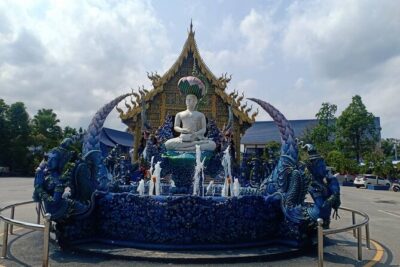
Best Places in Chiang Rai White, Blue, Big Buddha, Tea Plantation
Read our review →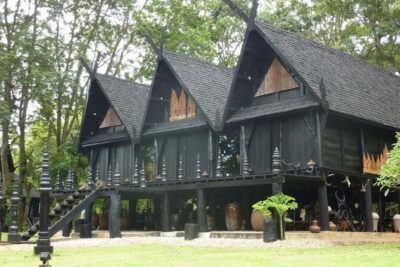
From Chiang Rai: 3 Temples, Golden Triangle Tour, Tea Plantation
Read our review →
Browse the lists this tour appears in