
Review · TEA PLANTATION & FARM TOURS
From Chiang Rai: 3 Temples, Golden Triangle Tour, Tea Plantation
The most striking thing about this Chiang Rai day tour is the range. In one long loop, you see three very different temples, a dark and unusual art museum, the meeting point of Thailand, Myanmar, and Laos, a tea plantation, and a hilltribe village. It is a lot of northern Thailand in one day, with hotel pickup and return to Chiang Rai.
I like the small group of up to 12 and the strong guiding. Ping, Fido, M, and Yolk are praised for being warm, organized, funny, and helpful. I also like that lunch, water, transport, insurance, and most tickets are included. The trade-off is clear: this is a fast-paced 10-hour day, not a quiet temple retreat, and the long drives between stops take time.
Key points to know before you book
- Three very different temples: The White Temple is ornate and modern, the Blue Temple is colorful and atmospheric, and the Black House is a dark art complex rather than a conventional temple.
- A full Golden Triangle visit: You see the point where Thailand, Myanmar, and Laos meet, with time at the Hall of Opium Museum.
- Tea plantation stop included: Chui Fong Tea Plantation adds mountain scenery and a slower change of pace after the museums and temples.
- Hotel pickup in Chiang Rai: The tour starts at about 8 a.m. and returns to your Chiang Rai hotel after the circuit.
- Boat ride costs extra: A boat trip is available for 300 Thai baht per person, but it is not part of the basic price.
- One ticket needs checking: Baan Dam, the Black House, is listed with admission not included, so carry a little extra cash.
Why this Chiang Rai loop works
At $82.61 per person, this is priced as a full-day sightseeing package rather than a simple temple transfer. You get an air-conditioned vehicle, an English-speaking guide, buffet lunch, drinking water, insurance, standard entrance tickets, and pickup and drop-off in Chiang Rai.
That matters because the sights are spread across the province. Arranging them independently would mean organizing transport to the White Temple, the Golden Triangle, Chiang Saen area, the tea plantation, and several museums. The tour handles that in one day, with a maximum group size of 12 instead of a large coach crowd.
The value is strongest if you want a first look at northern Thailand and have limited time. You can see the area’s headline sights without hiring a car or bargaining with several drivers. The price is less attractive if you prefer to spend half a day at one temple, linger over lunch, or set your own pace.
The day starts around 8 a.m. Pickup is offered from your Chiang Rai hotel, and the tour returns to Chiang Rai rather than ending in Chiang Mai or elsewhere. That point is important when planning your trip. This is a Chiang Rai-based outing, both at the beginning and at the end.
More Tea Plantation Tours in the world:
- From Taipei: Thousand Island Lake and Pinglin Tea Plantation
★ 4.7 · 519 reviews - Active Volcano, Rice Field, Hot Spring, Fruit market, Tea Plantation with Lunch
★ 5.0 · 513 reviews - Furnas: Tea Plantations, Lake and Volcano Guided Tour
★ 4.8 · 511 reviews
Wat Rong Khun, the White Temple
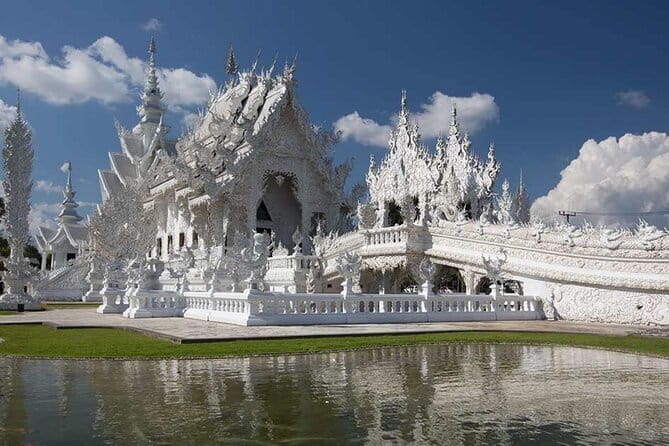
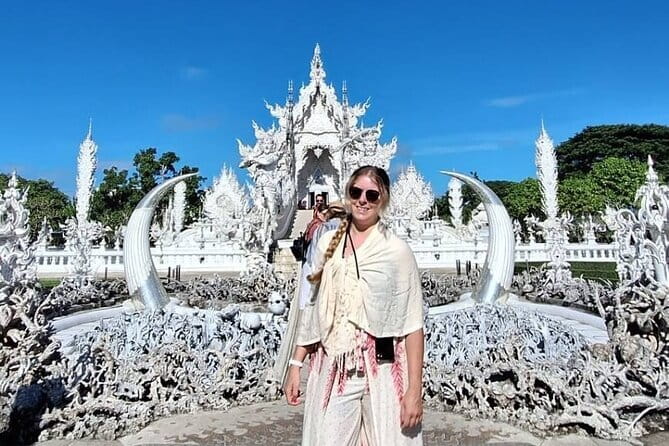
Wat Rong Khun is the visual star of the morning. Known as the White Temple, it is outside central Chiang Rai in Pa O Don Chai, in the Mueang district. You have about one hour here, with admission included.
The temple looks unlike the older, weathered Buddhist sites you may see elsewhere in Thailand. Its white surfaces and detailed decoration create a sharp, almost dreamlike appearance. The visit gives you a strong introduction to Chiang Rai’s modern temple art, which feels quite different from the temple styles farther south.
One hour is enough to see the main features and take photographs, but it does not leave much room for a slow inspection. The site is popular, so your guide’s explanations can help you notice details instead of simply walking around and taking pictures. Wear clothing suitable for a temple visit, and remember that this is an active religious site as well as a major sightseeing stop.
If you have already seen many traditional temples, the White Temple is still likely to feel fresh. Its appeal is visual and artistic, so it works well even for people who are starting to tire of temple interiors.
The Golden Triangle and Hall of Opium
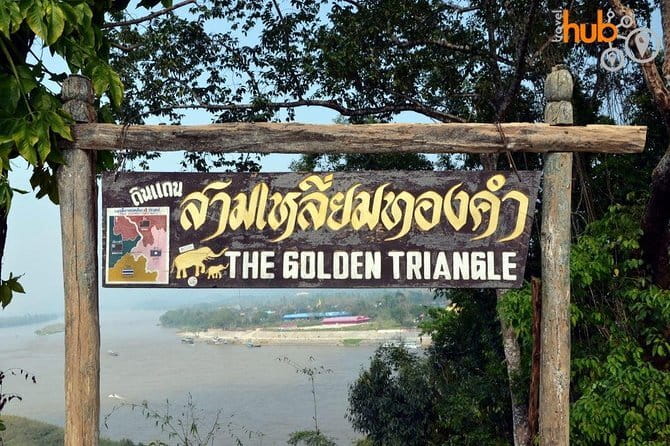
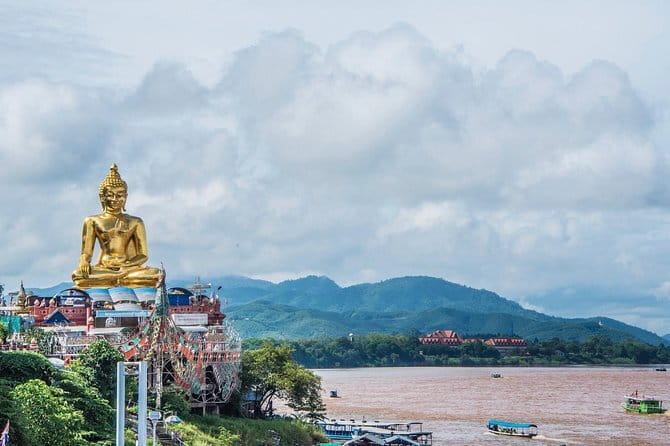
The tour then reaches the Golden Triangle, where Thailand, Myanmar, and Laos meet around the Mekong River area. The viewpoint is near Sop Ruak, about 9 kilometers north of Chiang Saen along the riverside road. You have about an hour at the Golden Triangle itself.
This stop is valuable because it gives a geographic frame to the region. You are not just looking at a river or a border sign. You are seeing a meeting point tied to trade, politics, and the long history of opium production in the surrounding area.
The Hall of Opium Museum adds substance to the visit. Its displays use exhibitions and multimedia sections to explain the opium trade and its effects. That makes it more than a quick photo stop. You get a chance to understand why the Golden Triangle became so well known, rather than treating the name as a scenic label.
The museum and viewpoint are separate parts of the day, and each is allotted about one hour. That is a useful balance. The viewpoint gives you photographs and a sense of place, while the museum gives the region context. The main limitation is the overall schedule. If you enjoy museums and read every panel, you may wish for more time.
A boat ride can be added for 300 Thai baht per person. It is not included in the advertised price, so decide before you arrive if that extra activity matters to you. The standard tour already gives you the Golden Triangle visit without requiring the boat.
Longneck Karen village
The Longneck Karen village is another one-hour stop. The community is associated with the Padaung, a Karen group whose history includes movement from Yunnan in China. This visit can be thought-provoking, but it deserves a respectful and clear-eyed approach.
The stop is presented as a cultural visit, yet hilltribe villages connected to tourism can raise questions about how local life is displayed for visitors. You should treat the people you meet as residents, not as scenery. Ask your guide how the visit works, follow local rules, and avoid photographing people without permission.
For some people, this will be an important chance to learn about one of the region’s communities. For others, the setting may feel too arranged or commercial. That difference in reaction is worth considering before booking. The tour’s tight schedule also means this is an introduction, not a full study of Karen culture.
More tea experiences around the world if you are still choosing
- Kyoto: Tea Ceremony in a Traditional Tea House in Kiyomizu
★ 4.9 · 3,519 reviews - London: Afternoon Tea Cruise on the River Thames
★ 4.4 · 3,274 reviews - Kyoto: Tea Ceremony Ju-An at Jotokuji Temple
★ 4.9 · 3,207 reviews - Afternoon Tea Bus Tour in Dublin
★ 5.0 · 2,791 reviews
Wat Rong Seur Ten, the Blue Temple
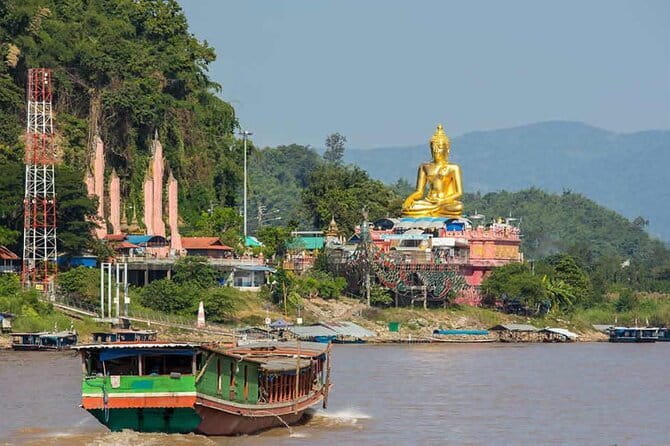
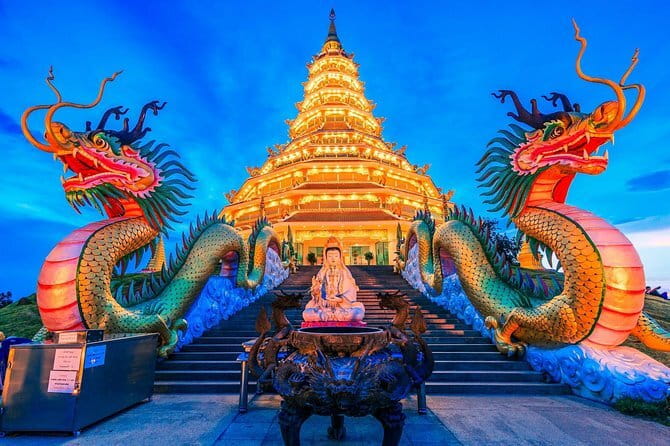
Wat Rong Seur Ten, usually called the Blue Temple, offers a strong contrast with the White Temple. It is in the Rong Suea Ten community in the Rim Kok subdistrict and was restored by local artist Phutta Kabkaew, also known as Sala Nok, who studied under White Temple artist Chalermchai Kositpipat.
You get about an hour here, with admission included. The color scheme gives the temple a mood that is more intense and enclosed than the bright White Temple. It is a useful pairing: seeing both in one day helps you understand how contemporary Chiang Rai temple art can take different forms.
The Blue Temple is not simply a second version of the White Temple. The styles differ enough to keep the day interesting, especially for anyone who assumes northern temples all look alike. Your guide can help connect the artists and local setting, making the visit more meaningful than a short photo stop.
As with the White Temple, one hour gives you a solid look but not endless time. If you want long periods for quiet reflection, the schedule may feel brisk.
Baan Dam, the Black House
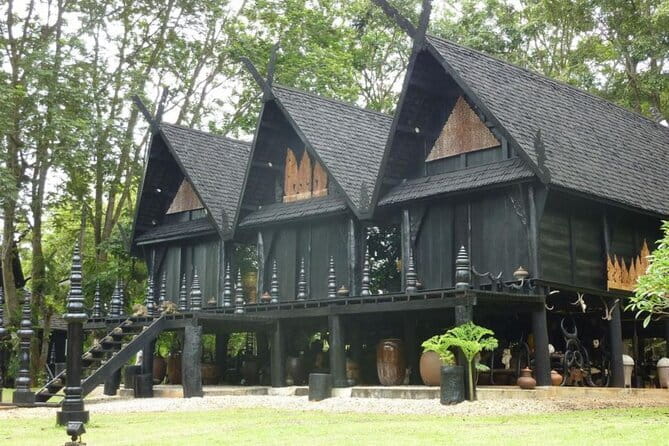
Baan Dam, or the Black House, is one of the day’s most unusual stops. It is a complex of about 40 buildings, many made from dark teak, set in gardens. Rather than functioning like a standard temple, it presents an art collection and installation in a group of striking structures.
This is where the tour moves away from religious architecture and into modern Thai art. The dark buildings, unusual objects, and garden setting create a mood that is very different from both the White and Blue Temples. I like this change of subject because it keeps the day from becoming a sequence of similar shrines.
You are given about an hour. That is enough to see the main complex and understand its style, though art lovers may want more time. Some people will find the collection memorable and thought-provoking. Others may find its imagery strange or unsettling. That is part of its appeal, but it is not a universally gentle sightseeing stop.
There is one practical detail to watch. The tour information lists the Black House admission as not included, even though other standard tickets are included. Budget for a possible entrance charge and ask your guide to confirm the current arrangement on the day.
Chui Fong Tea Plantation
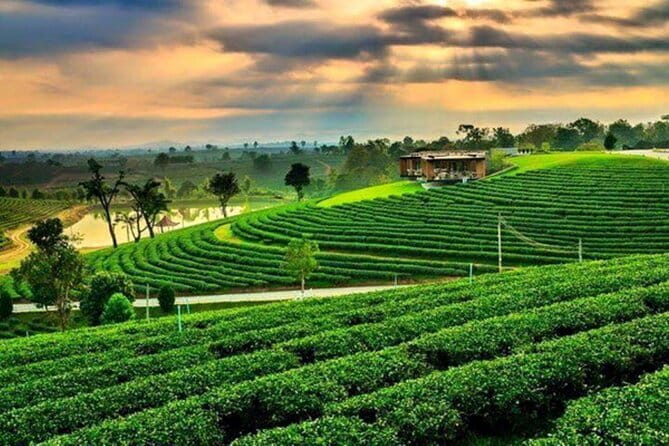
The Chui Fong Tea Plantation provides the day’s clearest change of pace. Located in northern Thailand, it is especially appealing around the end of the rainy season and the start of winter, when the tea-growing slopes are at their most photogenic.
You have about an hour here, with admission included. After temples, museums, and the Golden Triangle, the plantation gives you open views and a chance to slow down. You can take photographs, look over the tea fields, and enjoy a setting that feels less crowded and more spacious.
The exact quality of the views depends on weather and season. The tour requires good weather, and mountain roads account for part of the remaining travel time. The information notes that some of the day is spent going up and down the mountain, so prepare for a long route rather than a series of nearby stops.
The plantation is not a replacement for a dedicated tea tour. It is a one-hour introduction folded into a larger circuit. That is enough for a taste of the place, but not a detailed lesson in tea production.
Lunch, transport, and the pace of the day
A buffet lunch is included. The food is served at a pleasant venue according to the tour details, and the package also includes drinking water. That removes one common worry on a long sightseeing day: finding a meal while trying to stay on schedule.
You travel in an air-conditioned vehicle. This matters in northern Thailand, where the day can involve long road sections between the sights. The vehicle is also a practical relief after walking around temples and museums.
The schedule is ambitious. Seven main stops are listed, each with roughly an hour, and the route includes mountain travel. You will see a great deal, but you will also spend a fair amount of time in the vehicle. The tour works best if you accept that trade-off from the start.
The small-group format helps. With up to 12 people, getting in and out should be easier than with a large coach, and the guide has a better chance to answer questions. Guides such as Ping, Fido, M, and Yolk are praised for being organized, friendly, attentive, and energetic. One guide even helped provide information through WhatsApp for people who spoke limited English.
The exact guide is not guaranteed, so book for the route and service structure rather than one particular person. Still, the repeated praise for the guiding is a strong reason to consider this tour instead of a bare transport package.
Who should book this tour
I would choose this tour if you are staying in Chiang Rai and want a high-value first day in the region. It suits people who want major sights, cultural context, photographs, and a simple all-in-one plan.
It is also a good match for couples, solo visitors, and small groups who prefer not to drive. The 12-person limit keeps the outing more personal, while the included lunch and tickets make the price easier to judge.
You may want another option if you dislike long days, prefer independent schedules, or want to spend several hours at one temple. The Longneck Karen visit also deserves personal consideration. If you are uncomfortable with tourism centered on a hilltribe community, ask questions before booking or choose a route without that stop.
Free cancellation is available up to 24 hours before the start time. Since the tour depends on good weather, a cancellation caused by poor conditions should result in an alternate date or a full refund.
Should you book it?
Book this Chiang Rai tour if you want to cover the region’s biggest sights in one organized day and value a strong guide, hotel pickup, lunch, and air-conditioned transport. The mix is unusually broad: modern temples, contemporary art, border history, a cultural village, and tea country.
Skip it if your ideal day means lingering, wandering without a clock, or avoiding long road stretches. For most first-time visitors with limited time in Chiang Rai, $82.61 is a fair price for the amount of ground covered. Bring extra money for the 300-baht boat ride and possible Black House admission, then settle in for a long but rewarding introduction to the north.
FAQ
Where does the tour start and finish?
The tour starts in Chiang Rai with pickup offered from your hotel at about 8 a.m. It returns to your hotel in Chiang Rai after the day’s visits.
How long does the tour last?
The tour lasts approximately 10 hours.
Is this a private tour?
No. This is a shared tour with a maximum of 12 participants.
Which temples are included?
The route includes Wat Rong Khun, known as the White Temple, and Wat Rong Seur Ten, known as the Blue Temple. It also visits Baan Dam, the Black House, which is an art complex rather than a conventional temple.
Is lunch included?
Yes. A buffet lunch is included in the tour price.
Is transportation included?
Yes. The tour includes an air-conditioned vehicle, hotel pickup, hotel drop-off in Chiang Rai, and drinking water.
Are entrance tickets included?
Standard fees or tickets are included, including admission for the White Temple, Hall of Opium, Longneck Karen village, Golden Triangle, Blue Temple, and tea plantation. Baan Dam is listed as not included, so confirm its current admission arrangement.
Does the tour include the Golden Triangle boat ride?
No. The boat ride costs 300 Thai baht per person and is an optional extra.
Is an English-speaking guide included?
Yes. A professional English-speaking guide is included. Guides may vary, with Ping, Fido, M, and Yolk among those associated with the tour.
What happens if bad weather cancels the tour?
The tour requires good weather. If poor weather causes cancellation, you will be offered a different date or a full refund.
Fresh tea listings around the world
- Dubai: Bustronomy Panoramic Afternoon Tea City Tour★ 4.7 · 7 reviews
- Dubai: Sunset Cruise on Traditional Boat & Emirati High Tea★ 4.9 · 10 reviews
- Ella: Lipton’s Seat Tour with Dambetanna Tea Factory Visit★ 4.6 · 7 reviews
- Cycling Tour at Uji’s Matcha Green Tea Fields and Heritage★ 5.0 · 10 reviews
- Da Lat: Sunrise Panorama, Green Tea Hill and Strawberry Farm★ 4.0 · 3 reviews
- Dallas: Tea Around Town Bus Tour with Treats★ 3.7 · 8 reviews
- From Colombo: Kandy & Pinnawala & Tea Factory Full Day Trip★ 4.3 · 2 reviews
- Mauritius: Crocodile Park and Tea Factory Tour with Tasting★ 4.9 · 4 reviews
Tea Plantation & Farm Tours, compared.
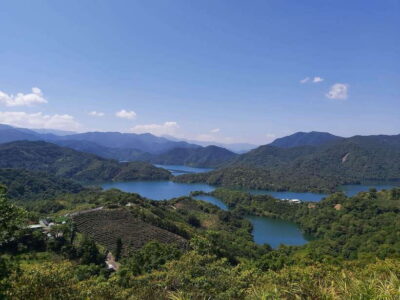
From Taipei: Thousand Island Lake and Pinglin Tea Plantation
Read our review →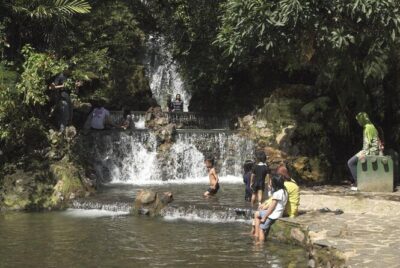
Active Volcano, Rice Field, Hot Spring, Fruit market, Tea Plantation with Lunch
Read our review →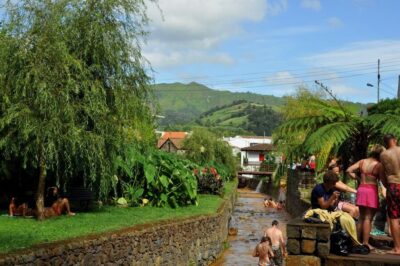
Furnas: Tea Plantations, Lake and Volcano Guided Tour
Read our review →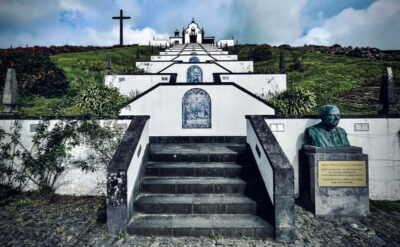
São Miguel: Furnas Volcano & Tea Plantation Tour with Lunch
Read our review →
Furnas Volcano & Tea Plantation With Traditional Lunch, East Tour
Read our review →
Thousand Island Lake and Pinglin Tea Plantation from Taipei
Read our review →
Furnas: Volcano Wonders, Tea Plantation & Waterfall Tour
Read our review →Browse the lists this tour appears in