
Review · UJI TEA TOURS
Uji: Private immersion into Kyoto’s tea and reglious culture
Uji’s best story is told through a cup of tea. This private tour connects a careful Gyokuro tasting with Ujigami Shrine, Koshoji Temple, Byodo-in, and the river that helped Uji grow. I like the way the experience joins everyday tea customs with Japanese spirituality, and I like the small group limit of eight, which leaves room for questions. The main drawback is the pace: six stops in about four hours, with many stairs, can feel brisk.
I also like that the tour gets you beyond Kyoto’s busiest core. Guides including Ferdi, Damian, Kevin, Mika, and Lito have led the experience, and their strengths appear to be friendly explanation and flexible pacing. Bring cash, wear comfortable shoes, and tell the operator in advance if stairs are a problem.
Key points at a glance
- Gyokuro tasting first: Learn how Japan’s highest-grade green tea is prepared, with a Japanese sweet included.
- Two UNESCO sites: Visit Ujigami Shrine and Byodo-in Temple, with the Byodo-in museum included.
- Tea and Zen together: Koshoji Temple helps explain how Buddhism shaped Japanese tea practice.
- Uji beyond the main temple: Walk Byodo-in Omotesando, Uji Park, and the river corridor.
- Private but not slow: The group has a maximum of eight, yet the tour covers six main stops in four hours.
- Useful planning detail: Meet at 9:00 a.m. at Keihan Uji Station Information Centre. The tour returns there.
Why Uji makes a better tea day than a quick temple stop
Uji is close enough to Kyoto for an easy outing, but it feels like a different chapter of the trip. The town is tied to tea production, Buddhist temples, Shinto shrines, and the Uji River. This tour makes those links clear instead of treating each sight as an isolated photo stop.
I especially like the order of the morning. You begin with tea, then see the religious places and river scenery that give the tea tradition its setting. By the time you reach the tea shops on Byodo-in Omotesando, you have more context for what you are smelling, tasting, and seeing.
The experience lasts about four hours and costs $162.41 per person. That is not a budget walking tour, but the price includes admission to all temples and the Byodo-in museum, plus the Gyokuro house experience and a Japanese sweet. For a private guide, a small group, several paid sights, and a specialized tea session, the value is reasonable if you want interpretation rather than simple sightseeing.
It is less attractive if you only want to see Byodo-in and take a few pictures. You can spend less by visiting Uji independently. The added value here is the explanation, the organized route, and the connection between tea, Buddhism, Shinto practice, and local history.
More tea experiences around Uji if you are still choosing
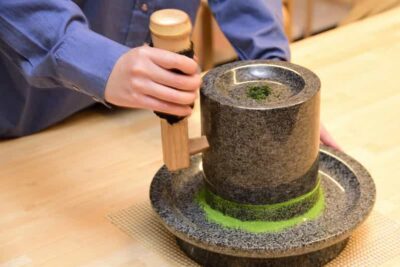
- Kyoto: Tea Museum Tickets and Matcha Grinding Experience
★ 4.9 · 739 reviews - Uji: Green Tea Tour with Byodoin and Koshoji Temple Visits
★ 4.8 · 72 reviews - Uji: UNESCO Heritage & Tea Ceremony Walking Tour
★ 4.6 · 54 reviews
Gyokuro at Takumi-no Yakata: a slow start with a serious cup
The first stop is Takumi-no Yakata, where you take part in a Gyokuro tea experience lasting about 30 minutes. Gyokuro is considered the highest grade of Japanese green tea, and it is prepared with more care than the quick cup you might order at a station café.
The leaves are slowly prepared in increasingly warm water while your guide explains the process. This is not simply a tasting where someone hands you a cup and names the tea. You watch the preparation and learn why temperature and timing matter.
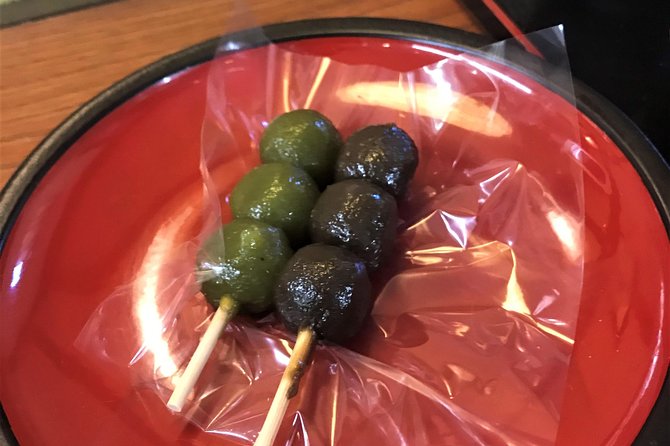
A Japanese sweet is included, giving you a small counterpoint to the tea’s concentrated flavor. The format is useful even if you already drink green tea at home because it shows how much the preparation changes the experience.
I would pay close attention here. The tea portion is short, and it sets up the rest of the morning. It also gives you a better way to understand the tea shops later on Byodo-in Omotesando. You are not just passing shelves of tea products. You know more about the craft behind them.
One practical note: tea drinking in Japan can involve precise customs, and the process may feel formal at first. That is part of the value. Your guide can explain what is happening, so you do not have to guess when to sip or how to respond.
Ujigami Shrine and the spring beneath Uji
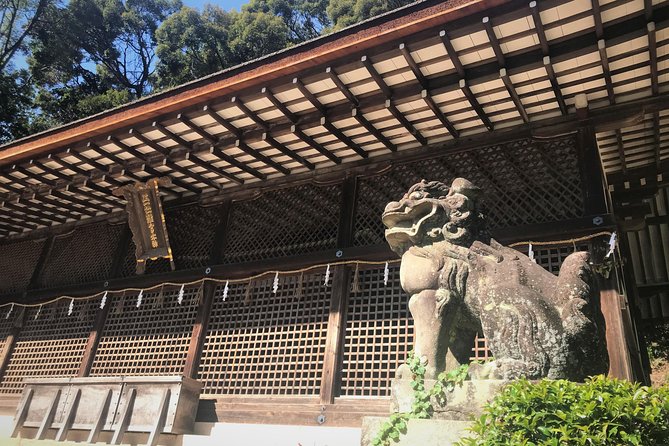
From the tea house, the route continues to Ujigami Shrine, a UNESCO World Heritage site described as Japan’s oldest original shrine. You spend about 30 minutes here, enough for a focused visit rather than a long architectural study.
The shrine also has the last of Uji’s underground spring water that naturally reaches the surface. Local tea shops collect this water, which gives the stop a direct link to the town’s tea culture. Water is not a minor detail in tea preparation, and this makes the connection tangible.
This is a quieter stop than Byodo-in. You may find it more about atmosphere and belief than grand scale. The visit works best if you take time to notice the setting and listen to the explanation instead of rushing through for a single photograph.
The route includes stairs, and the full morning requires moderate physical fitness. If stairs are difficult, contact the operator before the tour. The itinerary can be modified, according to the activity information, but it is better to arrange this ahead of time rather than arrive at the meeting point and hope for a change.
Koshoji Temple and the tea ceremony’s Zen connection
Koshoji Temple is the oldest Soto Zen temple in Kyoto, and the visit lasts around 30 minutes. Its role in the tour is not only architectural. Zen Buddhism arrived from China and helped shape the tea ceremony in Japan.
That link gives the day some intellectual weight. Tea is often presented as a list of tools, gestures, and rules. At Koshoji, you get a reason for the calm, careful nature of the practice. The point is not merely to drink an expensive beverage. Attention, simplicity, and discipline are part of the tradition.
You should not expect a full tea ceremony here. The included tea experience takes place at Takumi-no Yakata. Koshoji adds the religious and cultural background that helps the earlier tasting make more sense.
This is also one of the stops where your guide matters most. Guides such as Kevin, Damian, Ferdi, Mika, and Lito have been praised for clear communication and friendly presentation. Ask questions. The private format gives you a better chance to connect the temple visit to your own interests than a large coach tour would.
Same city, a very different cup:
- Slow Cycling Tour at Uji’s Matcha Green Tea Fields and Heritage
★ 5.0 · 25 reviews - Kyoto Matcha Green Tea Tour
★ 4.5 · 23 reviews - Uji and Wazuka Matcha Farm Half Day Private Guided Tour
★ 5.0 · 21 reviews - Uji Tea Ceremony and UNESCO Heritage Walking Tour
★ 5.0 · 20 reviews
Byodo-in Temple and the 10-yen coin connection

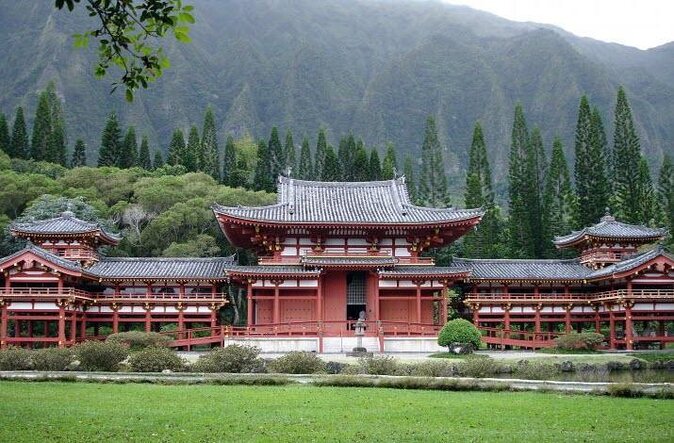
Byodo-in is the major visual highlight. The temple dates from the Heian period and sits on a man-made lake. It is another UNESCO World Heritage site, and the Phoenix Hall is familiar to anyone who has looked closely at a Japanese 10-yen coin.
Your admission includes Byodo-in Temple and its museum. That matters because the museum adds detail that the exterior alone cannot provide. You get more than a quick look across the water, especially if your guide points out the design and religious ideas behind the buildings.
The stop lasts about 45 minutes. That is enough for the temple grounds and museum, though you will need to keep moving because the morning has several more sections. Some guides have adjusted the timing to reach Byodo-in before larger crowds, which can make the visit calmer, but you should not treat that as a guaranteed skip-the-line service.
The temple is a strong reason to book this tour, particularly if you want someone to explain what you are seeing. Independent visitors can admire the view, but a guide can point out the coin connection, the Heian setting, and the role of the museum.
Photography is likely to be part of the appeal, but do not let the lake view swallow the entire stop. The museum is included and worth your time. It helps turn a beautiful building into a place with a story.
Byodo-in Omotesando, where tea becomes part of the street
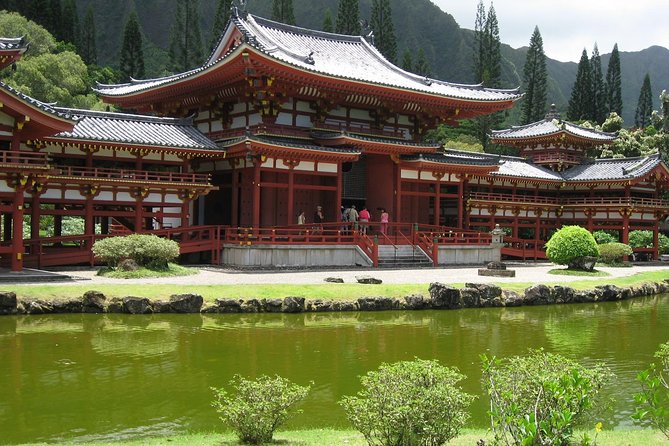
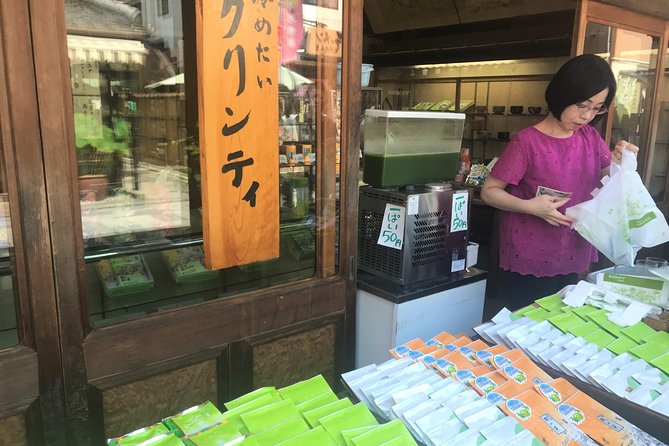
After the temple, you walk along Byodo-in Omotesando, the historic pilgrimage street leading to Byodo-in. The route is lined with tea shops, some of which reach back to the medieval period.
This is one of the most useful parts of the tour for shoppers and curious eaters. You can smell fresh tea, see the range of products made in Uji, and understand how tea is woven into daily commerce. The earlier Gyokuro session gives you a sharper eye here.
The 45-minute stop is not presented as a formal shopping excursion, and that is a good thing. You can ask your guide what you are looking at without feeling pushed toward a purchase. If you want to buy tea, carry some cash. A past participant specifically flagged cash as useful, and it is sensible advice for a traditional shopping street.
Food outside the tea experience is not included. One guide, Lito, ended a tour with lunch at a restaurant chosen for the group’s needs, but you should not assume lunch is part of every booking. Plan and pay for any additional food separately.
Uji Park and the river that carried trade
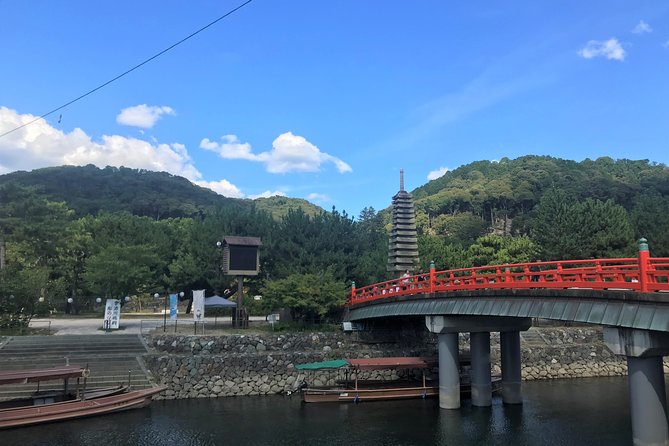
The route then reaches Prefectural Uji Park, an island in the middle of the river. The walk takes about 30 minutes and offers a change from temple grounds and shopfronts.
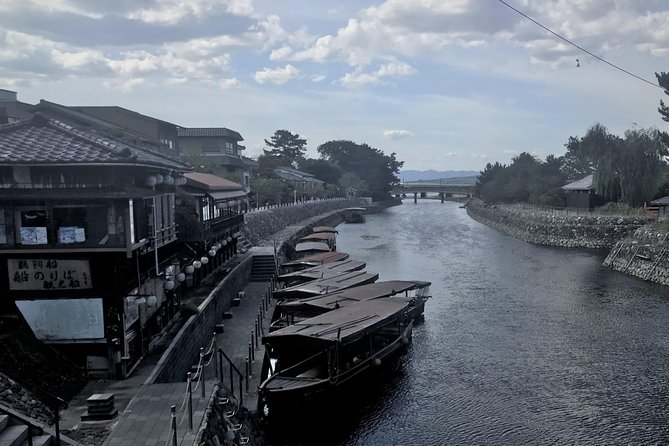
Here you learn about cormorant fishing, an old practice using trained birds. You also get a clearer sense of why the river mattered. Although it is shallow now, it once carried trade between the capitals of Kyoto and Nara, moving tea, sake, and goods from across Japan and other parts of Asia.
The river stop gives the morning breathing room, though the total schedule is still full. You are not spending half a day wandering without a plan. You are moving from tea preparation to sacred sites, then to commerce and water.
The setting can feel peaceful, especially compared with Kyoto’s busiest areas. That quieter mood is one of the tour’s strongest qualities. You get a break from crowds without giving up cultural content.
What the four-hour schedule feels like
The route includes six main stops, with listed visits ranging from 30 to 45 minutes. In practice, that means the tour is well organized but not leisurely at every moment. You should arrive ready to walk, listen, climb stairs, and move on when the guide signals the next stop.
The private group has a maximum of eight people. That is small enough for questions and conversation, while still allowing the guide to run a clear route. It is not necessarily a one-person tour, so check your booking details if you need a completely private party.
The start time is 9:00 a.m. at the Keihan Uji Station Information Centre, located at the Keihan Uji Building, 1st floor, 713 Otsukata, Uji, Kyoto 611-0021. The activity ends back at the meeting point. The meeting location has previously caused some confusion, so arrive with the station information centre details in hand and allow time to orient yourself.
The tour is near public transportation. Confirmation is provided at booking, and free cancellation is available up to 24 hours before the start time. Changes or cancellations inside that window are not accepted for a refund.
Who should book this Uji experience
I would choose this tour if you want Uji explained rather than simply photographed. It fits first-time visitors to the town, tea enthusiasts, people interested in Japanese religious practice, and anyone who prefers a small guided route to planning each admission and turn alone.
It also suits you if Kyoto’s central crowds are wearing you down. Uji offers a calmer setting, and the program balances quiet temples with a tea street and river walk.
I would think twice if you dislike structured mornings or want a long, meditative visit at each site. Six stops in four hours leaves limited time to linger. The stairs and walking also matter for anyone with mobility concerns, although modifications may be possible if arranged in advance.
Is the $162.41 price worth it?
The price makes the most sense when you use the guide’s interpretation. Admissions are included, as are the Gyokuro experience and Japanese sweet. You are also paying for a private, small-group format and a route that ties several parts of Uji together.
The value is weaker if you would rather explore independently and do not need help with tea customs. Byodo-in and Ujigami Shrine can be visited without this tour, and extra meals or drinks cost more.
For me, the strongest value lies in the connections. The tour explains why tea matters here, how water supports the tradition, how Zen shaped tea practice, and how Uji’s river supported trade. That is more useful than a checklist of sights.
Should you book it?
Book this experience if you want a focused introduction to Uji with tea, temples, Shinto tradition, and river scenery in one morning. The 94 percent recommendation rate and 4.8 rating from 17 ratings point to a consistently strong experience, with guides such as Ferdi, Damian, Kevin, Mika, and Lito receiving particular praise for warmth and clear explanations.
Skip it if you want a slow day, have difficulty with stairs, or plan to spend hours shopping and eating on your own. For most culture-focused visitors, though, this is a smart way to give Uji a proper place in your Kyoto plans. Bring cash, wear good shoes, and leave room for questions.
FAQ
Where does the Uji tour begin?
The tour begins at 9:00 a.m. at the Keihan Uji Station Information Centre, on the first floor of the Keihan Uji Building at 713 Otsukata, Uji, Kyoto 611-0021.
Where does the tour end?
The activity ends back at the meeting point at the Keihan Uji Station Information Centre.
How long does the experience last?
The tour lasts approximately four hours.
What is included in the price?
Admission to all temples and the Byodo-in museum is included. The Gyokuro tea house experience and a Japanese sweet are also included.
Is food included?
Food and drink outside the tea experience are not included. A Japanese sweet is provided with the Gyokuro tasting.
How many people can join?
The activity has a maximum of eight participants.
Is the tour suitable for people who have difficulty with stairs?
The itinerary includes many stairs and requires moderate physical fitness. If stairs are a problem, contact the operator so suitable modifications can be discussed.
Can I cancel for a refund?
You can cancel up to 24 hours before the experience start time for a full refund. Cancellations or changes made less than 24 hours before the start time are not accepted for a refund.
Fresh tea listings around Uji
- Uji Tea Ceremony and UNESCO Heritage Walking Tour★ 5.0 · 20 reviews
- Kyoto tea town for matcha lovers★ 5.0 · 16 reviews
- Kyoto Matcha Green Tea Tour★ 4.5 · 23 reviews
- Utilising upcycled Matcha! Creating matcha incense (Uji, Kyoto)★ 5.0 · 6 reviews
- Uji and Wazuka Matcha Farm Half Day Private Guided Tour★ 5.0 · 21 reviews
- 7 Hours Private Guided Tour Uji and Wazuka Matcha Farm★ 5.0 · 2 reviews
- Half Day Matcha Tour in Uji, home of culture, with a local★ 4.8 · 14 reviews
- Kyoto: Tea Museum and Tsuen Teahouse Guided Tour★ 5.0 · 2 reviews
Uji Tea Tours, compared.
Kyoto: Tea Museum Tickets and Matcha Grinding Experience
Read our review →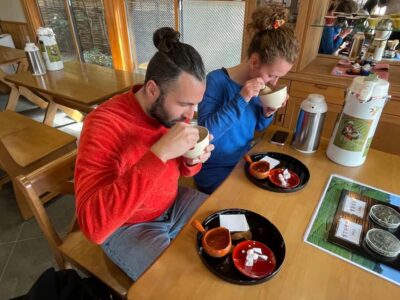
Uji: Green Tea Tour with Byodoin and Koshoji Temple Visits
Read our review →
Uji: UNESCO Heritage & Tea Ceremony Walking Tour
Read our review →
Slow Cycling Tour at Uji’s Matcha Green Tea Fields and Heritage
Read our review →
Uji and Wazuka Matcha Farm Half Day Private Guided Tour
Read our review →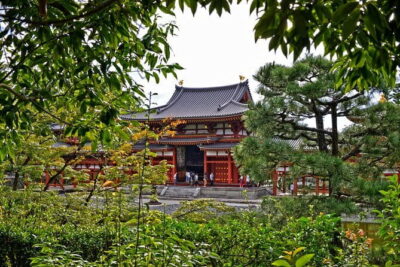
Uji Tea Ceremony and UNESCO Heritage Walking Tour
Read our review →
Browse the lists this tour appears in