Review · TEA & CALLIGRAPHY WORKSHOPS
ZEN therapy | Shiatsu-style massage, EnergyTherapy & Japanese Tea
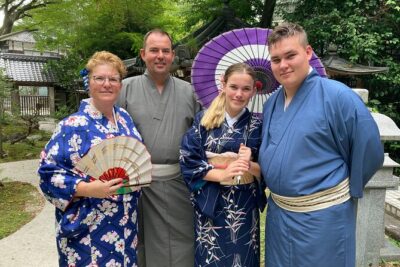
Osaka’s Zen therapy combines a shiatsu-style massage with the provider’s energy-balancing method, then closes with matcha and a Japanese tea sweet. You change into a samue, a simple work robe traditionally associated with Zen monks, before entering a private treatment room.
I like the clear one-hour format and the personal setting. I also like the gentle cultural touches: the samue, Japanese tea, and treatment report give the appointment more shape than a routine massage. The main consideration is that energy therapy is a belief-based wellness practice, so you should book it for relaxation and curiosity, not as a replacement for medical care.
Key points at a glance
- Samue robe: Change into a Zen-style work kimono before the treatment.
- Shiatsu and energy work: The body treatment uses Japanese-style pressure and the provider’s qi-balancing approach.
- Matcha finish: A small tea ritual with matcha and a sweet follows the massage.
- Private appointment: Only your group participates, with the treatment held in a private room.
- Convenient Osaka setting: The meeting point is near public transportation in the Nishinakajima area.
- Flexible treatment lengths: Options range from 30 to 120 minutes, although the advertised experience is approximately one hour.
What this Osaka Zen treatment is really about
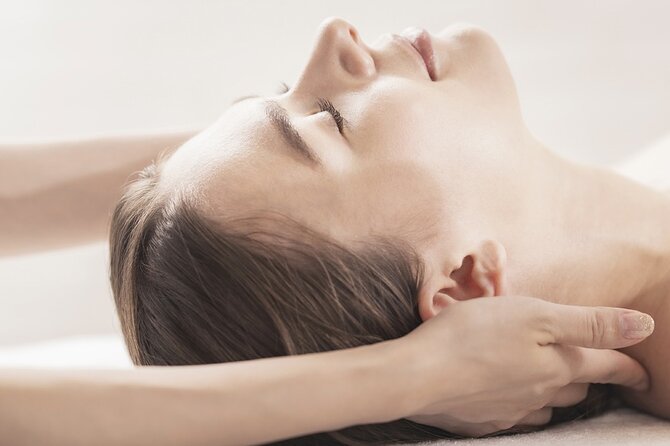
This is not a sightseeing tour with several stops. It is a short, private wellness appointment built around three ideas: Japanese-style bodywork, energy therapy, and a small tea ritual.
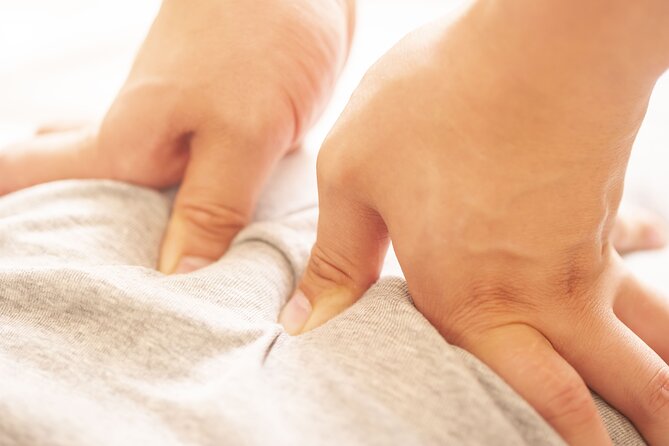
The physical treatment follows a shiatsu-style approach. The provider describes it as work on the body’s qi, or life energy, with the goal of supporting relaxation and natural recovery. The session also includes energy therapy, which is presented as a way to adjust energy circulation and clear the effects of stress.
I would approach those claims with an open but sensible mind. The massage itself may help you rest and loosen up, while the energy language is part of the provider’s spiritual and wellness framework. You do not need to accept every claim to enjoy the quiet setting, the ritual clothing, and the chance to slow down.
The session is led by a specialist in qi and energy healing, described by the provider as one of a small number of specialists in this field. No individual therapist name is supplied, so you should not expect to select a named practitioner when booking.
More Tea and Calligraphy Workshops in Japan
- Osaka: Tea Ceremony, Calligraphy, and Kimono Experience
★ 4.9 · 130 reviews - Osaka: Private Tea Ceremony and Calligraphy Experience
★ 5.0 · 50 reviews - Samurai dress-up and shows, plus Tea Ceremony & Calligraphy
★ 5.0 · 27 reviews
Arriving at MAITRII near Shin-Osaka
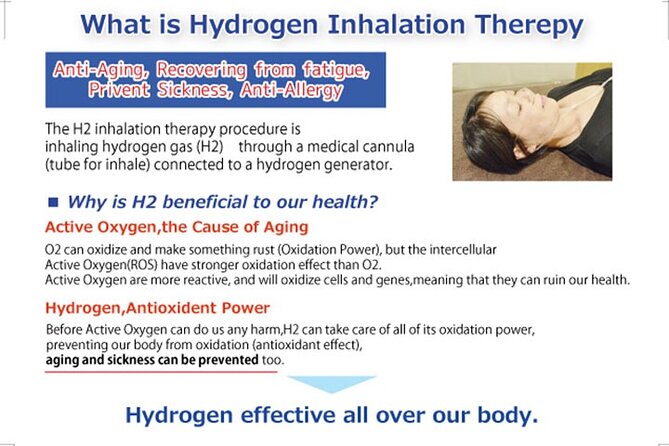
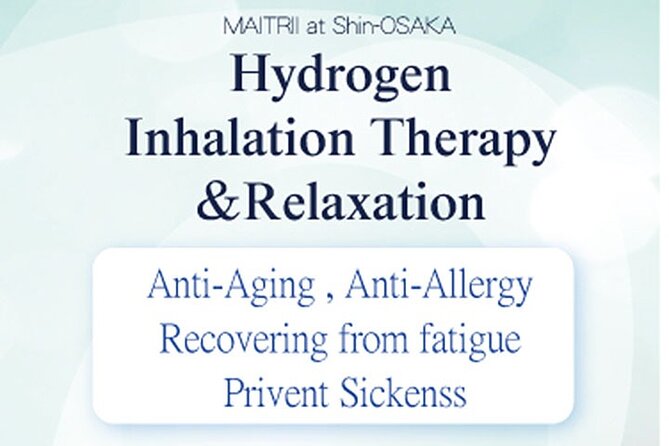
The meeting point is MAITRII, H2 Inhalation Therapy & Relaxation, at Shi-Osaka-daiichi-bldg 8F, in Nishinakajima, Yodogawa Ward, Osaka. The address places the experience near public transportation, which makes it practical if you are staying around Shin-Osaka or using the area as a base.
You will need to find the building and go to the eighth floor. The supplied details do not give a walking time from a particular station, an entrance landmark, or instructions for navigating the building, so allow yourself enough time to locate the address without rushing.
The experience ends where it begins. That is useful in a city day packed with plans because you do not need to arrange a separate transfer afterward. Private transportation is not included.
The appointment is private, with only your group participating. That matters here. A quiet room and one therapist make more sense for this kind of treatment than a large shared spa area.
Changing into a samue before the massage
The first step is changing into a samue. This is a Zen-style work robe, originally associated with the practical clothing worn by Zen monks while working. It is not formal ceremonial clothing. Think of it as a comfortable work outfit that helps mark the shift from ordinary sightseeing to a calmer setting.
I like this detail because it gives the appointment a clear beginning. You are not simply walking in, receiving a massage, and walking out. The act of changing clothes creates a small pause, and it connects the treatment to a Japanese tradition without requiring a long lesson or formal religious ceremony.
The provider also sells samue as a souvenir. A purchased robe can be used for relaxing at home, walking, or taking part in zazen at a Japanese temple. The purchase is optional and is not included in the listed price.
The description uses several Zen and spiritual terms, but the practical benefit is simple: loose clothing is well suited to a body treatment. If you prefer a more conventional massage setting with standard spa clothing, this cultural framing may feel unusual. If you enjoy small rituals, it should add character.
The shiatsu-style body treatment and energy method
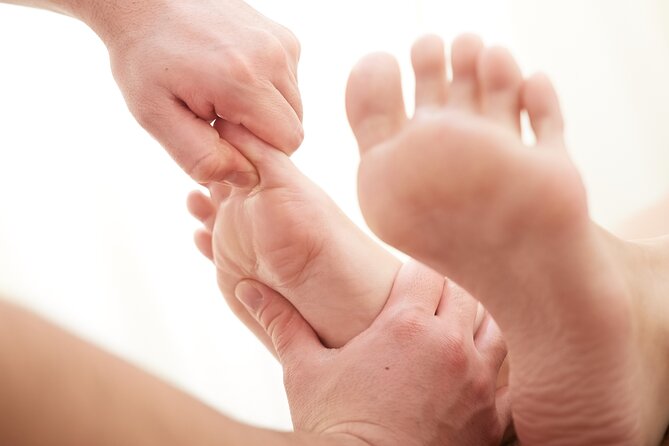
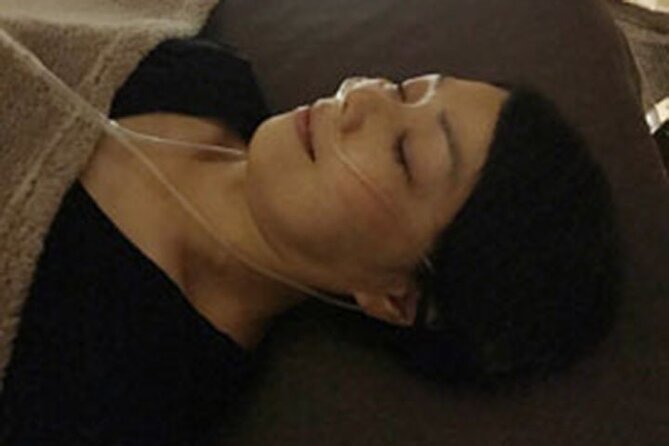
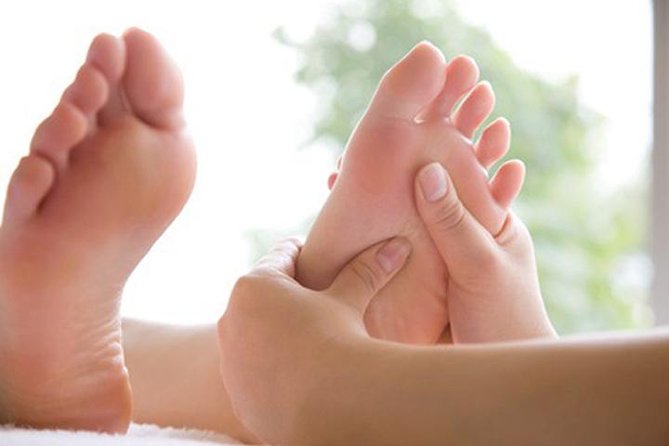
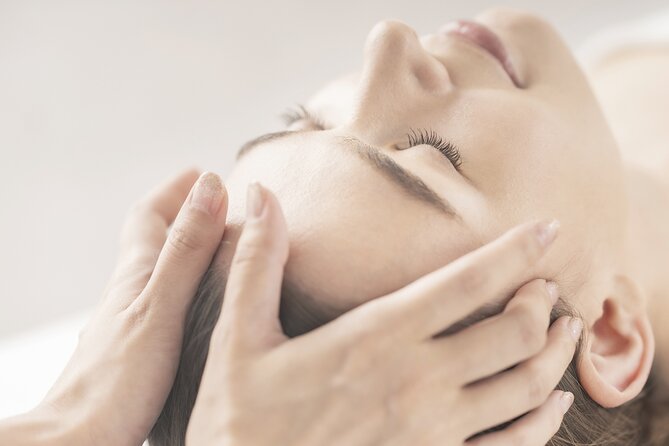
The central part of the appointment is a full-body treatment combining shiatsu-style massage and energy therapy. The therapist works with the body in a Japanese-style massage format, while also using the provider’s qi-based method.
The stated aim is to release unwanted energy connected with toxins and stress, then restore a better flow of energy. The provider also describes the treatment as supporting natural healing, calmness, fatigue recovery, beauty, disease prevention, and brain development.
Those are broad wellness claims, and I would keep expectations grounded. A one-hour massage can be a pleasant way to rest, and the quiet format may help you feel refreshed. It cannot promise to prevent disease or treat a medical condition. If you have a health concern, ask a qualified medical professional rather than relying on an energy treatment.
The room is prepared with high-quality artificial quartz crystals placed under the bed. The provider says these crystals help amplify healing energy and regulate the atmosphere. This is an important part of the experience’s spiritual design, but it is not a feature you should confuse with a medically proven device.
You may appreciate the room’s intention even if you do not share the same beliefs. The treatment asks you to be present and receptive. That can be useful after a long flight, a packed Osaka schedule, or a day spent on your feet.
More Tea and Calligraphy Workshops in Osaka
- Premium Kimono Dressing, Tea Ceremony, Calligraphy, Samurai show
★ 5.0 · 18 reviews - Learn Zen in a class of making Matcha tea near Osaka Castle
★ 4.8 · 17 reviews - Osaka:Zen Tea Ceremony and Foot Bath Experience<45min>
★ 5.0 · 7 reviews - Osaka: Tea Ceremony, Calligraphy, and Kimono Experience
★ 5.0 · 6 reviews
Matcha and a tea sweet after the session
After the body treatment, you receive matcha and a Japanese tea sweet. The provider connects this tea moment with sado, the Japanese tea tradition, and notes that the word has links to Zen.
This is a small serving rather than a full tea ceremony. Still, it gives the appointment a graceful ending. You have time to sit, taste the tea, and shift back into the outside world instead of finishing the massage and immediately rushing for the elevator.
Matcha has a distinct flavor, often more concentrated and grassy than ordinary brewed tea. If you already enjoy Japanese tea, this final step should feel natural. If you do not, the serving is still part of the cultural experience, not simply a drink added for convenience.
The tea also helps separate this appointment from a standard massage. The treatment begins with the samue and closes with matcha, creating a simple rhythm based on preparation, bodywork, and quiet reflection.
The treatment report and what it can tell you
At the end, the therapist provides a report describing your energy status and offering advice for the future. The supplied information does not explain the report’s format, length, or exact contents.
I would treat it as a personal wellness note rather than a medical assessment. It may help you think about how you felt during the session and what kinds of rest or self-care might suit you. It should not be used to diagnose illness.
This is one of the more useful extras because it gives you something to take away beyond temporary relaxation. Still, do not assume the report carries the authority of a clinical examination. The value is reflective and personal.
Choosing the right treatment length
The main experience is described as lasting about one hour and costs $57.23 per person. The provider also lists four treatment lengths:
- 30 minutes, called Essential News in the supplied description
- 60 minutes, described as a refresh course
- 90 minutes, described as a premium course
- 120 minutes, described as a luxury course
The wording for the course names appears unusual, so confirm the exact option when booking. The standard advertised experience points to approximately one hour, while the longer choices are available for people who want more attention on specific areas.
If you are fitting this into a full day in Osaka, the one-hour option is the easiest choice. Remember to allow extra time for arrival, changing clothes, tea, and the treatment report.
The 90-minute or 120-minute options may suit you if you have a specific area of concern or simply want a slower appointment. The provider specifically suggests the premium or luxury choices if you feel that some parts of your body need more extensive attention.
At $57.23, the one-hour session is reasonably priced for a private body treatment with tea and a report, especially if you value the Japanese presentation. The price is less compelling if you want only a conventional massage and have no interest in the energy work, samue, or tea ritual.
Who will enjoy this experience most
I would recommend this appointment to someone who wants a quiet break from Osaka’s busy streets and enjoys wellness practices with a cultural angle. It also fits people who like trying forms of bodywork that differ from a standard Western massage.
It may be a good choice after a tiring travel day. One previous booking described arriving with a very tired body and leaving feeling relaxed and rejuvenated. Another chose the longest course and appreciated the mix of shiatsu and energy work, even without fully believing in energy therapy.
That last point is useful. You do not have to be convinced by qi-based explanations to find parts of the appointment worthwhile. You can focus on the massage, the calm room, the change into a samue, and the tea.
I would be more cautious if you want strong evidence-based medical treatment, a licensed clinical assessment, or a busy social activity. This is a private wellness session, not a medical consultation or a group cultural class.
The activity is also open to most participants, according to the supplied information. No special fitness level is stated. If you have mobility, health, or treatment concerns, contact the provider before booking because the available details do not explain specific accommodations.
Timing, booking, and cancellation advice
Confirmation is sent within 48 hours of booking, subject to availability. The experience is often reserved about 19 days ahead, so booking early is sensible if your Osaka dates are fixed.
The cancellation policy allows a full refund if you cancel at least 24 hours before the local start time. Cancellations made less than 24 hours before the appointment are not refunded, and changes within that period are not accepted.
That policy is fair for a private appointment because a therapist and room are held for your group. Still, check your Osaka schedule before committing. This is not the kind of booking you should place on a day when your train plans or sightseeing times remain uncertain.
Should you book this Zen therapy in Osaka?
Book it if you want a one-hour private reset with Japanese touches and you are comfortable treating energy therapy as a wellness practice rather than medical care. The samue, matcha, tea sweet, and treatment report give the session a clear identity, while the $57.23 price keeps it within reach for many visitors.
Skip it if you want a conventional massage with no spiritual language, or if your main goal is treatment for a medical condition. For everyone else, this is a thoughtful way to make space for rest in Osaka, particularly after a tiring day or long journey.
FAQ
Where does the Zen therapy take place?
It takes place at MAITRII, H2 Inhalation Therapy & Relaxation, Shi-Osaka-daiichi-bldg 8F, 5-6-16 Nishinakajima, Yodogawa Ward, Osaka, Japan.
How long does the experience last?
The advertised experience lasts approximately one hour. Other treatment options listed by the provider last 30, 90, or 120 minutes.
How much does it cost?
The listed price is $57.23 per person.
What does the treatment include?
It includes a full-body qi-balancing massage using shiatsu-style bodywork and energy therapy, followed by a Japanese Zen tea ritual with matcha and a tea sweet.
Do I receive a private appointment?
Yes. This is a private activity, and only your group participates.
Is transportation included?
No. Private transportation is not included. The meeting point is near public transportation, and the activity ends back at the meeting point.
Can I cancel for a full refund?
Yes, if you cancel at least 24 hours before the local start time. Cancellations or changes made less than 24 hours before the start time are not eligible for a refund.
More Massage and Spa Time in Osaka
- Osaka Temple Head Spa &Matcha Facial – Refresh & Glow〈90min〉
★ 5.0 · 24 reviews - TULA Wellness Taiwan Tea Ceremony
★ 5.0 · 3 reviews - Hoi An: Body Therapy and Local Tea Tasting Experience
★ 3.6 · 3 reviews - Tea Tree Spa at Holiday Inn Resort Baruna Bali
★ 5.0 · 2 reviews
Fresh tea listings around Osaka
- Osaka:Zen Tea Ceremony and Foot Bath Experience<45min>★ 5.0 · 7 reviews
- Osaka: Tea Ceremony, Calligraphy, and Kimono Experience★ 5.0 · 6 reviews
- Nara Deer Park, Uji Matcha, & Hot Spring Full-Day Tour from Osaka★ 4.0 · 21 reviews
- Osaka: Nara, Todaiji, Uji Matcha, and Hot Spring Tour★ 4.0 · 7 reviews
- Discover Japanese Tea Blending Techniques in Osaka★ 5.0 · 19 reviews
- Osaka Japanese Cooking And Matcha Class near Osaka Castle★ 5.0 · 22 reviews
- Craft Sushi and Matcha Ice Cream in Central Osaka (3-Course Meal)★ 5.0 · 2 reviews
- Tea and Calligraphy Session at a Table in Osaka★ 5.0 · 4 reviews
Tea & Calligraphy Workshops, compared.
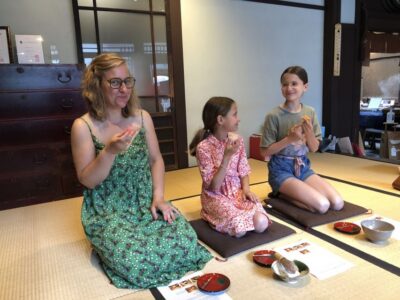
Kyoto: Tea Ceremony Meditation – Make Matcha with Tea Master
Read our review →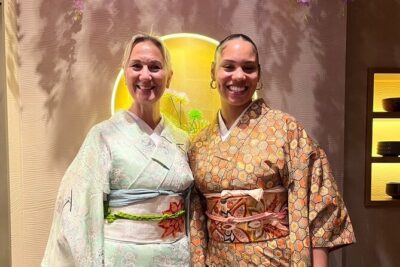
Osaka: Tea Ceremony, Calligraphy, and Kimono Experience
Read our review →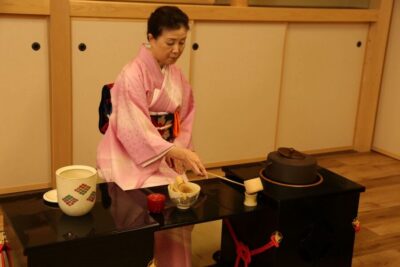
Tokyo: Practicing Zen with a Japanese Tea Ceremony
Read our review →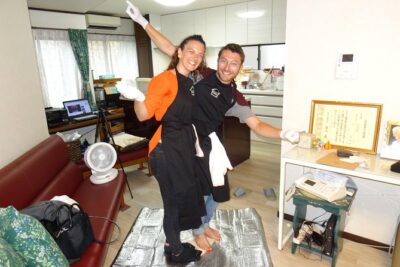
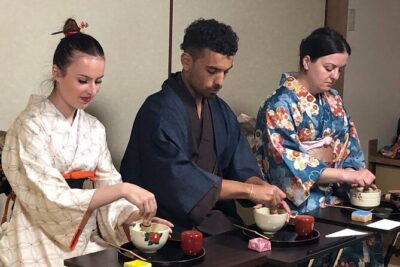
An Amazing set of Cultural experience: Kimono, Tea Ceremony and Calligraphy
Read our review →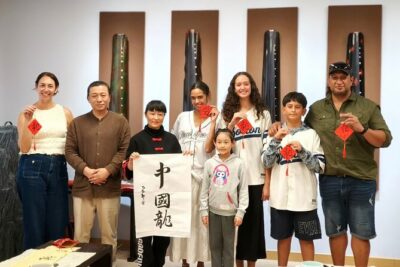
Beijing Culture: Tea Ceremony, Heritage Instrument & Calligraphy
Read our review →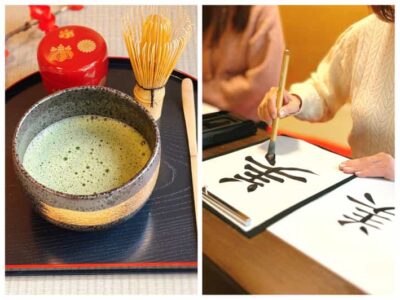
Osaka: Private Tea Ceremony and Calligraphy Experience
Read our review →