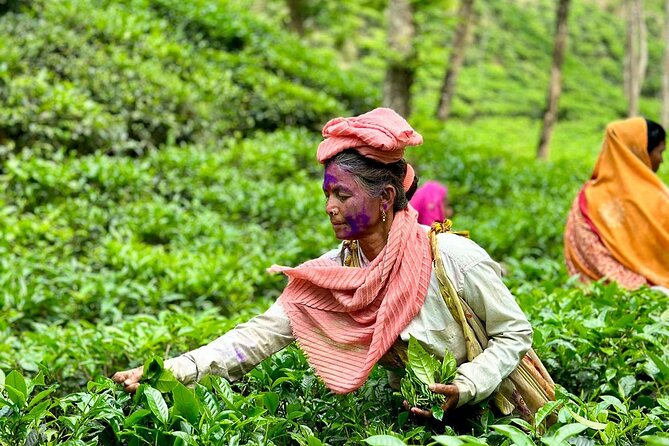
Review · TOURS
Sreemangal Tea Tour Experience Nature and Culture in a Local way
Sreemangal is at its best when you slow down and let the transport become part of the experience. You ride the morning Parabat Express from Dhaka, rattle through the countryside, then switch to small local tuk-tuks for tea gardens, forest paths, wetlands, and village roads. The famous seven-layer tea is a fun stop, but the real reward is seeing how tea workers and rural communities live beyond the usual sightseeing route.
I like the mix of tea country and wildlife on the first two days. Noor Jahan and Padmacherra tea estates give you open green views and village life, while Lawachara National Park adds a proper forest walk with a chance, though no promise, of seeing endangered hillock gibbons. I also like the home-cooked lunch in a Manipuri village, since it gives the tour a human connection that a quick photo stop cannot provide.
The main drawback is the long travel time. The train takes about five hours each way, the return can be crowded on weekends, and accommodation plus nearly all meals are left to you. At $225 per person, this is a fair package for private guiding and local transport, but it is not an all-inclusive holiday.
Key details that shape the experience
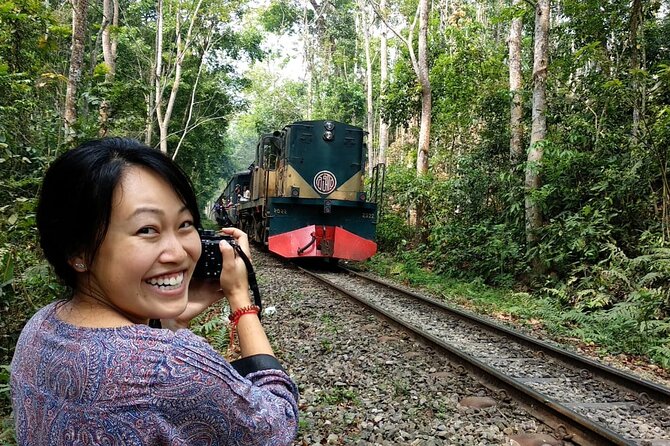
- A five-hour train ride each way makes the journey part of the tour, not just a transfer.
- Tuk-tuk sightseeing takes you along smaller roads that larger vehicles cannot use easily.
- Lawachara National Park includes a 2.5-hour hike, so moderate fitness matters.
- The Manipuri village visit includes a traditional home-cooked lunch, one of the tour’s most personal experiences.
- Seven-layer tea is served at Adi Nilkantha Tea Cabin, linked to the drink’s local invention.
- The $225 price excludes your hotel and most meals, so plan your total budget before booking.
Why Sreemangal makes a rewarding three-day escape
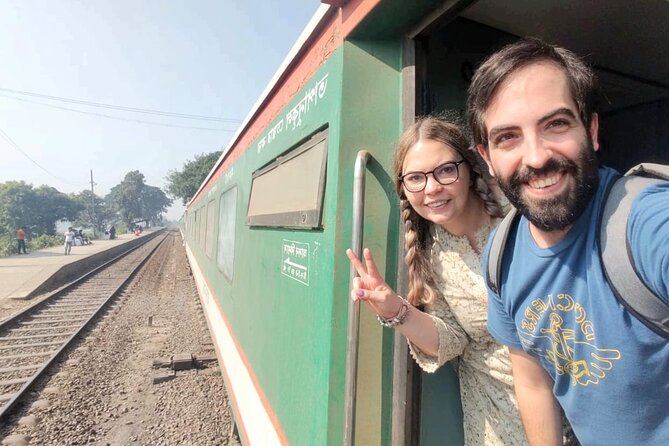
Sreemangal is known as the tea capital of Bangladesh, and this trip gives you several ways to understand that title. You see tea bushes spread across rolling ground, pass through communities connected to the tea industry, and visit a town where tea is part of daily life rather than a polished display for visitors.
I like that the route is not built around one grand attraction. Instead, it strings together small experiences: a station arrival, a tuk-tuk ride, a quiet lake, a forest trail, a wetland, a market, and a village meal. The result feels more like a short stay in a region than a checklist of monuments.
The pace is active but not frantic. Day one mixes several one-hour stops. Day two gives the longest walk. Day three combines a short market visit, a longer village outing, lunch, and the train back to Dhaka. You should still expect early starts and long road or rail transfers.
More tea experiences around the world if you are still choosing
- Kyoto: Tea Ceremony in a Traditional Tea House in Kiyomizu
★ 4.9 · 3,519 reviews - London: Afternoon Tea Cruise on the River Thames
★ 4.4 · 3,274 reviews - Kyoto: Tea Ceremony Ju-An at Jotokuji Temple
★ 4.9 · 3,207 reviews
Leaving Dhaka on the Parabat Express
Your meeting time is 6:00 a.m. at Kamlapur Railway Station, with the Parabat Express scheduled to leave at 6:30 a.m. The instructions suggest arriving 15 minutes early, but I would treat that as the bare minimum. Kamlapur is a central station, and finding the correct platform is much easier when you are not rushing.
The train ride takes about five hours. You sit in chair coach seats, with the route offering a useful view of Bangladesh outside Dhaka. The train is not a luxury service, so think of it as a local journey with reserved transport rather than a scenic rail excursion designed for tourists.
That distinction matters. The train is one of the more authentic parts of the trip, but it also means noise, delays, and ordinary public transport conditions are possible. The return service can be crowded on weekends, so keep your expectations practical and your day bag close.
You arrive at Sreemangal Railway Station around 11:00 or 11:30 a.m. It is a small station, and your guide helps you get off before transferring you by tuk-tuk to your hotel for freshening up. Your hotel is not included, so arrange it before departure and choose a place that makes the morning meeting on day two simple.
Noor Jahan and Padmacherra tea estates
After a rest, you begin the first local outing by tuk-tuk. This is a good way to see Sreemangal. The vehicles are small, open to the sounds of the road, and suited to the narrower village routes used around the tea estates.
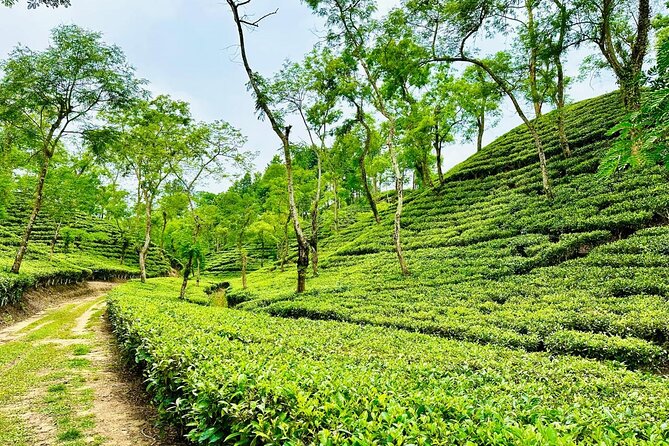
Noor Jahan Tea Garden is a quiet first stop. You walk through the estate for about an hour, surrounded by tea plants and greenery. The appeal is not a single landmark. It is the chance to look closely at the ordered rows of tea bushes and see how different the area feels from Dhaka.
Padmacherra Tea Estate gives you a slightly different view. Narrow paths pass colorful houses, greenery, and signs of everyday village life. The stop connects the tea-growing economy with the people who live beside it, which is more useful than simply viewing plantations from a road.
Do not expect a long formal lesson about tea production. The supplied details promise walks and local sightseeing, not a factory visit or tea-processing demonstration. If you want technical information about cultivation, ask your guide direct questions during the estate walks.
Madhabpur Lake and the first afternoon
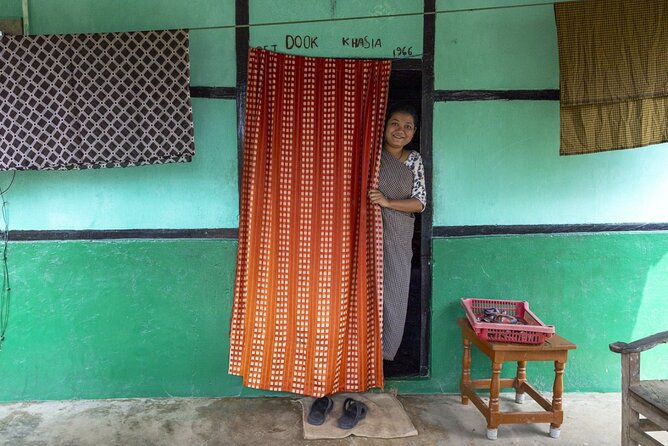
Madhabpur Lake is a calmer stop after the tea gardens. The water reflects the surrounding trees and hills, and a nearby high point offers a broader view. You have about an hour here, enough for a relaxed walk and photographs without turning the visit into a full hiking session.
This stop works because it changes the rhythm of the day. The tea estates are shaped by agriculture and village life. Madhabpur gives you still water, forest, and hills. I would not build the whole trip around the lake, but it is a welcome pause before returning to town.
Day one includes several short transfers and sightseeing stops, so you may find the schedule more tiring than the individual activities suggest. Comfortable shoes, water, and protection from the sun will help. One 500-milliliter bottle of mineral water per person is included, but you may want to arrange more for the full day.
Same city, a very different cup:
- Afternoon Tea Bus Tour in Dublin
★ 5.0 · 2,791 reviews - Kyoto: 45-Minute Tea Ceremony Lesson Experience
★ 4.3 · 2,378 reviews - London: Afternoon Tea Bus Tour – 1960s Routemaster Bus
★ 4.5 · 2,032 reviews - London: Afternoon Tea Bus with a Glass of Prosecco
★ 4.4 · 1,853 reviews
Lawachara National Park and the forest walk

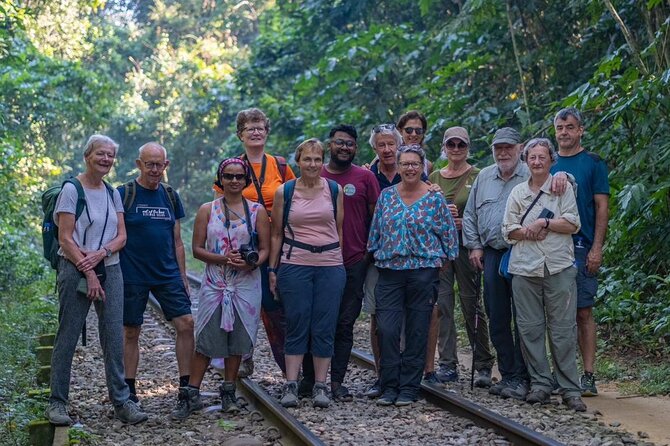
Day two begins around 9:00 a.m. at your hotel lobby. A guide and tuk-tuk driver take you to Lawachara National Park, where you spend about 2.5 hours hiking and exploring the forest.
This is the most physically demanding part of the tour. The stated requirement is a moderate level of fitness, which seems sensible. You should be ready for a sustained walk rather than a short roadside stroll. The tour does not promise a particular trail condition, so sensible walking shoes are a better choice than casual sandals.
The park is also the trip’s main wildlife opportunity. You might spot hillock gibbons, an endangered species, but wildlife sightings are never guaranteed. Treat the walk as a chance to enjoy the forest first, with animals as a bonus. That mindset prevents the common disappointment of judging a nature stop only by what appears in front of a camera.
I like this part of the plan because it gives the tour a genuine outdoor element. The tea gardens are scenic, but the national park asks you to pay attention to sounds, trees, and movement around the trail. Keep your pace comfortable and follow the guide’s lead.
Hail Haor, Ramnagar, and the water country
After the park, the tour continues toward Ramnagar and Hail Haor. Hail Haor is one of Bangladesh’s large wetlands. In the monsoon, shallow water spreads across the area and attracts birds and other wildlife.
The schedule gives about an hour for Ramnagar and another hour for Hail Haor. The descriptions overlap a little, so you should expect these to function as two related afternoon stops rather than two entirely separate attractions. Conditions will also change with the season. A wetland in monsoon may look and feel very different from the same place in a drier period.
This is a good place to let the day breathe. There is no claim of a boat ride or a dedicated birdwatching program, so do not book expecting either. You are visiting for the open water, rural setting, and seasonal character of the wetland.
Seven-layer tea at Adi Nilkantha Tea Cabin
The final stop on day two is Adi Nilkantha Tea Cabin, one of Sreemangal’s best-known tea places. The owner is credited with inventing the local seven-layer tea, and the tasting is included before you return to your hotel.
The drink is as much a visual curiosity as a refreshment. The layers are prepared to remain distinct, giving you something unusual to see before you taste it. This is a short 30-minute stop, so it works well at the end of a full day.
I would keep your expectations in proportion. It is a local specialty, not a complete guide to Bangladeshi tea culture. Still, it is memorable, easy to fit into the schedule, and more interesting than an ordinary café break.
Sreemangal market and the Manipuri community
Day three starts with a short visit to Sreemangal’s morning market. Local sellers bring fresh fruit and vegetables into town, giving you a quick look at the daily food trade. The stop lasts about 30 minutes, so it is best viewed as an introduction rather than a full market tour.
The next outing is to 9 no Kalachara, about an hour from town by tuk-tuk along village roads. Here you meet a tea labor community and visit the Kalachara Community School. The journey itself is part of the experience, since it takes you away from the main town and into a less familiar part of the region.
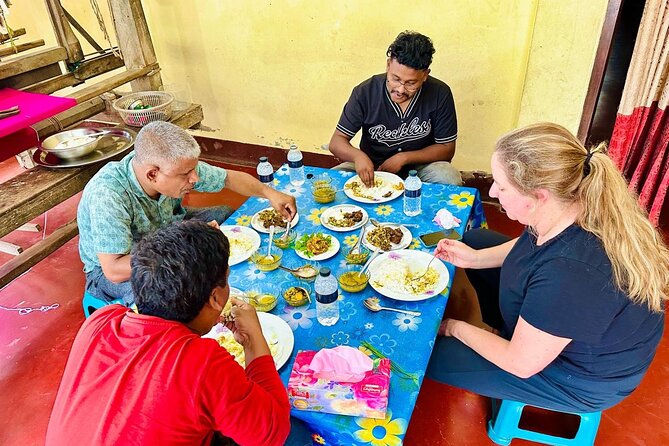
The key cultural stop is the Manipuri village, where you have a traditional home-cooked lunch. This is included, unlike the rest of your meals. I value this kind of meal because it gives you time to sit, eat, and talk rather than simply photograph a house or costume.
The description identifies the community as less known, but you should still approach the visit with care. You are entering a living community, not a staged museum. Listen to your guide, ask before taking photographs, and remember that the people you meet are sharing ordinary life on their own terms.
The full village visit takes about three hours. That leaves enough time for the school, the community, the meal, and conversation, but it also makes day three more than a light farewell morning.
The return train to Dhaka
After lunch, you return to Sreemangal town and transfer to the railway station for the afternoon train. The journey back takes about five hours, with arrival at Airport Railway Station expected around 7:00 or 8:00 p.m.
The final transfer can take you to your hotel, airport, or residence in Dhaka. This is useful if you are connecting onward, but allow for the possibility of a long day. A morning market, a one-hour tuk-tuk ride, a three-hour village visit, lunch, station transfer, and train ride add up.
The return train may be crowded on weekends. If you are carrying luggage, keep it manageable. The tour is easier when you pack for three active days rather than bringing a large suitcase into tuk-tuks and railway stations.
What $225 covers, and what it does not
At $225 per person, the price includes round-trip train transport in chair coach seats, local tuk-tuks, an English, Bengali, or Hindi-speaking guide, entrance fees, parking, mineral water, and the traditional lunch at the Manipuri house.
The arrangement is private for your group, which improves flexibility and avoids being folded into a large coach tour. You also get help at the stations and local coordination in Sreemangal. Those services have real value, especially if you are not comfortable handling Bangladeshi rail travel and small-road transport on your own.
The price does not include accommodation, breakfast, dinner, or most lunches. Gratuities are also not included, with tips suggested separately for the guide and driver. Your real cost will therefore be higher than $225, particularly if you choose a more comfortable hotel and eat at restaurants during the stay.
I see the price as reasonable for a private three-day arrangement with a guide, but less attractive if you already have a hotel, know Sreemangal well, and are happy arranging trains and tuk-tuks yourself. The tour earns its value through coordination and access to community-based stops, not through luxury.
The provider has free cancellation up to 24 hours before the start time. Changes or cancellations inside that period are not accepted for a refund. Confirmation is normally issued at booking, though bookings made within nine days of travel may take up to 48 hours and remain subject to availability.
Who should book this Sreemangal trip?
I would choose this tour if you want to see several sides of the region without planning each train, driver, entrance fee, and village visit yourself. It suits visitors who enjoy local transport, modest outdoor activity, and cultural contact more than polished resort comforts.
It is also a good choice for a first visit to Bangladesh outside Dhaka. The guide can work in English, Bengali, or Hindi, and the private format means your own group takes part. The two available tour ratings are perfect, but the sample is very small, so I would place more weight on the clearly stated schedule and inclusions than on the rating alone.
You may want another option if you dislike early starts, long train journeys, crowded public transport, or uncertain wildlife sightings. You should also look elsewhere if you need a fully packaged holiday with hotel, every meal, and more comfort between stops.
The wider Bangladesh travel feedback supplied with this experience identifies Alfredy and Soheil as travel directors for a 12-person program, along with praise for the organization and drivers in busy traffic. That information does not guarantee that either person will lead your Sreemangal departure, so confirm your assigned guide before booking if a named coordinator matters to you.
Should you book it?
Book this trip if the idea of riding local trains, walking through tea estates, hiking in Lawachara, tasting seven-layer tea, and eating in a Manipuri home sounds better than staying on a standard sightseeing route. The strongest parts are the private local transport, the forest walk, and the community visit.
Think twice if you want a short, easy excursion or an all-inclusive price. Three days can feel full, and the hotel and most meals remain your responsibility. For an active visitor who wants Sreemangal through tea, forest, wetland, and village life, this is a well-rounded and fairly priced introduction.
FAQ
How long does the Sreemangal tour last?
The experience lasts approximately three days, including train travel between Dhaka and Sreemangal.
Where does the tour begin?
It begins at Kamlapur Railway Station in Dhaka. The meeting time is 6:00 a.m., and the Parabat Express is scheduled to depart at 6:30 a.m.
How do I travel from Dhaka to Sreemangal?
You travel by train in chair coach seats. The journey takes about five hours.
Is accommodation included?
No. You arrange and pay for your own hotel in Sreemangal.
Are all meals included?
No. The traditional lunch at the Manipuri house is included, but other meals are excluded.
What transport is used for local sightseeing?
Local sightseeing in Sreemangal is done by tuk-tuk. The tour also includes train transport between Dhaka and Sreemangal.
How difficult is the Lawachara National Park visit?
The park visit includes a hike of about 2.5 hours. A moderate level of physical fitness is required.
Is a guide included?
Yes. A guide who speaks English, Bengali, or Hindi is included.
Can I cancel for a refund?
Yes, you can cancel up to 24 hours before the experience begins for a full refund. Cancellations made less than 24 hours before the start time are not refunded.
Fresh tea listings around the world
- Beijing:Learn Calligraphy & Enjoy Kung Fu Tea Ceremony★ 5.0 · 2 reviews
- Budapest: Le Báb Afternoon Tea Experience★ 4.6 · 7 reviews
- Beijing: Temple Of Heaven+Tai Chi Class+Tea Ceremony★ 5.0 · 8 reviews
- Beijing Hands-On Culture Tour: Tea, Instrument, Calligraphy★ 5.0 · 6 reviews
- Beijing: Chinese Culture Tea Ceremony Reservation Service★ 4.8 · 4 reviews
- Bali: “Explorer” Meet Dolphins with High Tea★ 4.5 · 2 reviews
- Sunrise Sunan Ibu,Kawah Putih,Volcano,Tea factory,Hot spring★ 5.0 · 5 reviews
- Vietnam Tea Tasting – Giang Egg Coffee & Train Street Visit★ 5.0 · 10 reviews
Tours, compared.


London: Afternoon Tea Bus Tour – 1960s Routemaster Bus
Read our review →


Edinburgh: Vintage Bus Tour with Afternoon Tea or Gin
Read our review →Uva Halpewatte Tea Factory Tour in Ella Sri Lanka
Read our review →