
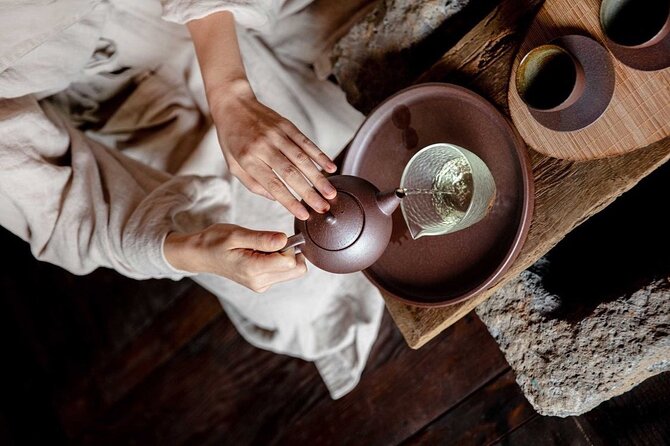
Review · TEA TASTINGS
90minutes Tea Preparation and Tasting Experience in Como
The most interesting part of this Como experience is that it treats tea as culture, craft, and food rather than just a hot drink. You’ll connect Chinese tea traditions with Buddhism, Daoism, and Confucian thought, then put that background to work through tasting and a hands-on Gongfu cha ceremony.
I like the practical focus on water temperature and water quality, details that can change a tea’s taste more than many beginners expect. I also like the final tea-and-food pairing, including sweets and tea dim sum. The main consideration is that this is a caffeine-centered activity, so people with caffeine sensitivity must advise the host ahead of time, and it is not recommended for people with anemia problems.
Key points to know before booking
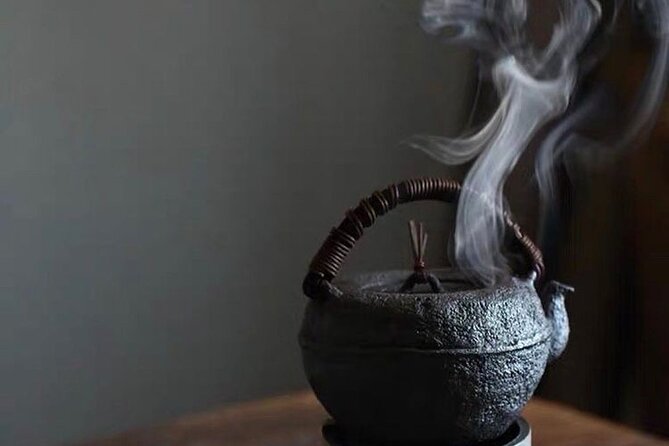
- A private tea session in Como: Only your group takes part, making this more personal than a large class.
- Six tea families explained: You’ll get a clear introduction to the main tea categories and how tea has changed in modern times.
- Ancient Gongfu cha practice: After a demonstration, you practice a tea ceremony style with about 2,000 years of tradition.
- Taste with purpose: The session compares tea varieties, water quality, and brewing temperatures rather than asking you to sip without context.
- Tea and food together: The final tasting includes sweets and tea dim sum to show how different flavors work with tea.
- Afternoon timing: The experience runs Monday through Friday from 3 to 5 p.m. at Viale per S. Fermo della Battaglia 11 in Como.
What this Como tea experience is really about
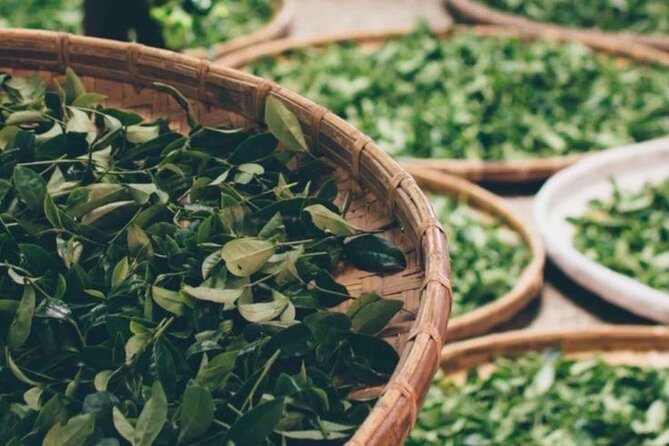
This is a small cultural workshop built around Chinese tea. It is not a quick cup in a café and not a formal meal with tea on the side. You spend about two hours learning how tea developed, tasting several styles, practicing a traditional preparation method, and considering tea as part of a meal.
The experience is listed under a 90-minute title in some places, but the supplied schedule and description give an approximate duration of two hours. I would plan for the full two hours, from 3 to 5 p.m., so you are not rushing to another appointment.
The private format matters. Only your group participates, so you can ask questions and work through the ceremony without the noise or pace of a large class. If you are booking for two people, a family, or a small group of friends, this can feel more like a hosted cultural visit than a standard sightseeing stop.
The meeting point is Viale per S. Fermo della Battaglia 11, 22100 Como. The location is near public transportation, which helps if you are staying in Como without a car. The activity ends at the same meeting point.
More Tea Tastings in the world:
- Twinings 2-Hour Tea Tasting Masterclass in London
★ 5.0 · 105 reviews - Tea Tasting and Pairing Concept Workshop
★ 5.0 · 57 reviews - Munnar: Tea trail, Tea Factory, and Tea Tasting Tour
★ 4.9 · 47 reviews
The first 10 minutes: tea, Buddhism, Daoism, and Confucian thought
The session begins with a short look at ancient Chinese tea culture. The useful point here is not memorizing dates or names. You are introduced to the way tea connects with three major strands of Chinese thought: Buddhism, Daoism, and Confucianism.
That context gives the ceremony more meaning. Tea can be treated as a quiet practice, a way to show respect, or a social ritual shaped by balance and attention. You will have a better sense of why preparation can be deliberate, why serving others matters, and why the setting around tea is part of the experience.
This section lasts about 10 minutes, so it should not overwhelm the tasting. If you mainly want to drink tea, you will not spend the whole afternoon in a lecture. If you enjoy culture and daily traditions, these opening ideas help explain what follows.
I appreciate the short length. A two-hour tea experience needs some background, but too much history would leave less time for tasting and practice. Here, the introduction appears designed to give you just enough cultural footing before the hands-on portion begins.
The six tea families and tea in modern times
Next comes an introduction to the six main tea families. The session also covers how tea has changed in the modern era.
The value of this section is simple: it gives you a vocabulary for noticing differences. Tea is not one single flavor or preparation style. Different families can vary in appearance, aroma, strength, body, and the way they respond to heat and steeping time.
You should not expect a full professional tea certification course in 10 minutes. This is a broad introduction, meant to prepare you for the samples that follow. You will likely get more from the tasting once you understand that the teas belong to different families and have different preparation needs.
The modern tea discussion adds a useful bridge between tradition and current habits. Chinese tea culture has old roots, but tea is still prepared, sold, and enjoyed in changing ways. That makes the subject easier to relate to if your experience of tea so far has been limited to tea bags, cafés, or breakfast blends.
Tea picking and production, from leaf to cup
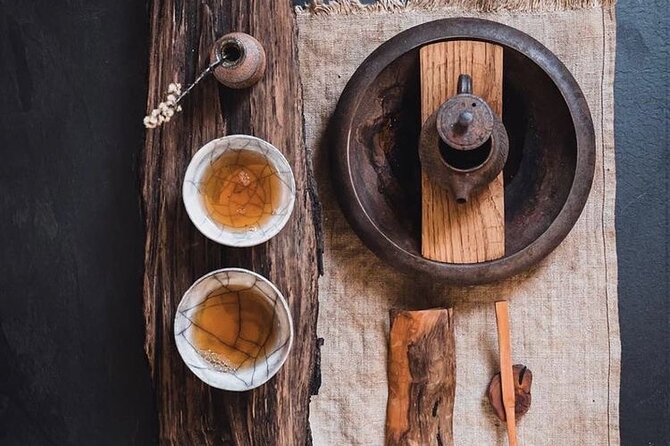
After the cultural overview, you learn the basics of tea picking seasons and tea-making procedures. This is a short introduction, not a visit to a tea farm, but it helps explain why production affects what ends up in your cup.
Picking season can influence the character of the leaf. Production then shapes the finished tea through the way the leaves are handled and prepared. You are not simply tasting a finished drink without context. You are shown some of the steps that connect the plant, the maker, and the final brew.
This part is especially helpful for anyone who wants to buy tea in Italy or take tea home from a future trip. You may not leave with the technical skill to judge every tea, but you will have a better basis for asking questions and noticing how a tea was made.
The description does not promise a farm visit or factory tour, so you should book this for education and tasting rather than scenery or production-site access. The focus stays on the cup in front of you.
More Food and Drink Tours in the world:
- Jakarta: Volcano, Tea/Rice Fields, Hot Spring, Local Food
★ 4.9 · 515 reviews - Private Tea Ceremony and Sake Tasting in Kyoto Samurai House
★ 5.0 · 163 reviews - SF’s Chinatown: Tea & Dim Sum Food Tour – Includes full meal, 3hr
★ 5.0 · 153 reviews - Experience all of Japanese culture and Japanese food experience classes “origami, udon, Japanese food, green tea, calligraphy” in 4 hours
★ 5.0 · 105 reviews
Why water and temperature matter so much
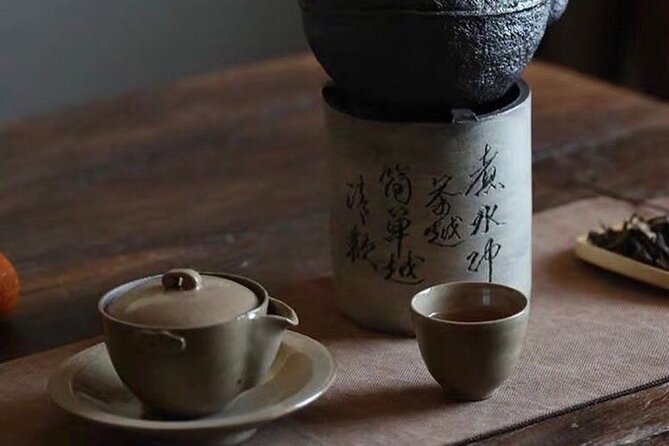
One of the strongest parts of the session is the comparison of water quality and brewing temperature. These are easy details to ignore at home, yet they can alter the taste of tea in a very noticeable way.
You learn that the same tea can taste different depending on the water used and how hot that water is. Temperature can affect strength, bitterness, aroma, and overall balance. Water quality can also change the way the tea’s flavors come through.
This is where the experience becomes practical. You can take the lesson back to your own kitchen without buying expensive equipment. Even if you do not follow every traditional step, paying attention to heat and water can improve a basic cup.
The tasting also covers tea variety pairing. That means you are not only sampling different teas, but considering how each one responds to preparation. The goal is to notice differences rather than declare one tea the winner.
Practicing the 2,000-year-old Gongfu cha ceremony
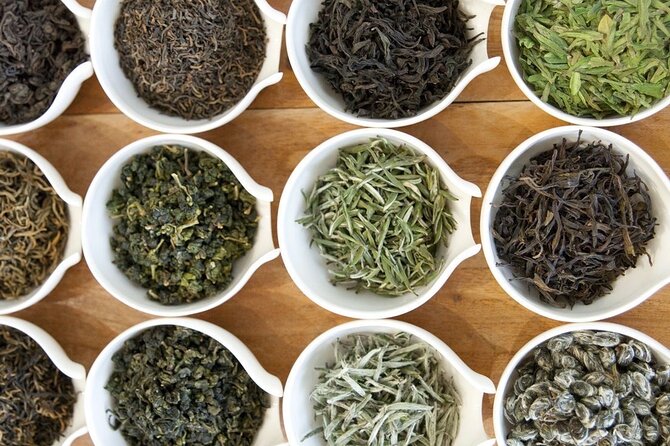
After a demonstration, you get to practice Gongfu cha, an ancient Chinese tea preparation style. The name is often associated with skill and careful work, and the method places attention on the amount of tea, the water, the timing, and the act of serving.
This is the part that turns the activity from a talk into an experience. You are not just watching the host prepare tea. You get to repeat the process yourself and see how small actions affect the result.
Do not think of the ceremony as a performance you must perfect. The point is to learn the sequence and understand the care behind it. The private setting should make it easier to ask for a demonstration again or clarify a step if you need to.
I like this hands-on element because it gives the session a clear memory. You may forget a few facts about tea families, but you are more likely to remember the small cups, the measured preparation, and the calm pace of serving tea to others.
The ceremony also suits the setting in Como. After busy sightseeing around Lake Como, two hours devoted to slow preparation can provide a change of rhythm. This is not a substitute for the lake’s scenery, but it offers a quieter way to spend part of an afternoon.
Tea and sweets, followed by tea dim sum
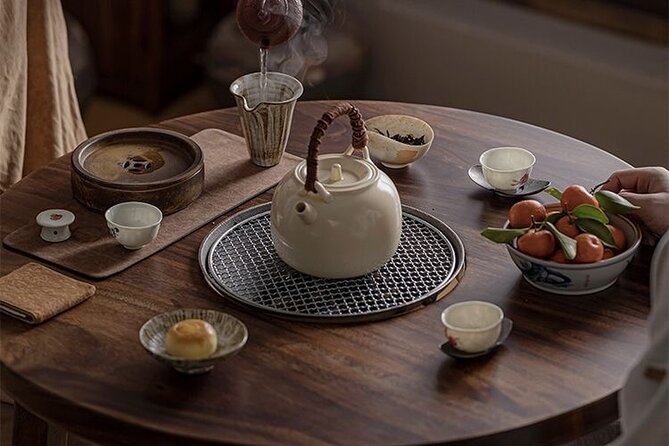
The final stage looks at pairing tea with food. You taste tea alongside sweets and tea dim sum, using the food to see how flavors interact.
This is more useful than simply adding snacks to the table. Food can make a tea taste lighter, sharper, sweeter, or more rounded. A delicate tea may get lost beside a strong flavor, while another tea can hold its own with savory dim sum.
The exact tea and food combinations are not specified, so you should not book expecting a particular menu. What you can expect is a tasting built around the idea of pairing different teas with food, with sweets and tea dim sum included in the session.
The food portion also gives the afternoon a more social feel. Tea is not only a solitary drink or a ceremonial object. It can be part of a meal and a way to bring people together.
According to the experience details, three kinds of tea are shared and tasted with sweets. That makes this a modest tasting rather than a full lunch. If you arrive hungry, eat something beforehand, especially since the session is educational and the food is intended for pairing rather than a large meal.
Is $34.70 a fair price?
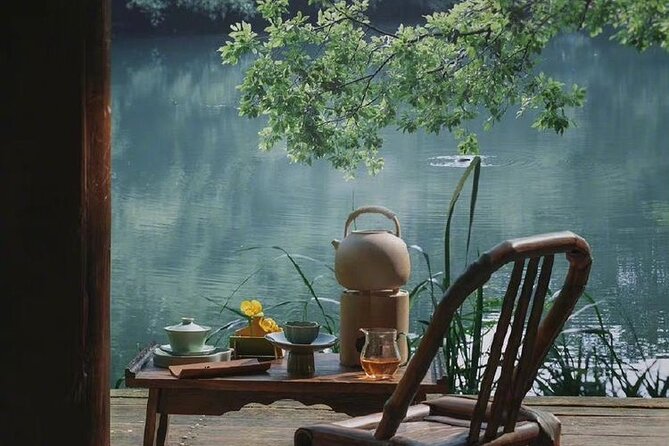
At $34.70 per person, this is a reasonable price for a private two-hour activity if you care about guided tasting and cultural explanation. You are paying for more than the tea itself: the host’s instruction, the ceremony practice, the tasting comparisons, and the food pairing all form part of the value.
The price looks strongest for a couple or small group that wants an activity with personal attention. A private session can cost more than joining a crowded public demonstration, but you are also less likely to spend the afternoon waiting for a turn or listening to questions that do not interest you.
It is less compelling if you are searching for a full meal, a tea farm excursion, or a long shopping session. The food is a tasting, the production section is an explanation, and the location is in Como rather than at a tea-growing site.
For a visitor who has already covered Como’s main sights, this gives you a different kind of afternoon. You learn something specific, taste several teas, and take home preparation ideas. That practical value helps justify the cost.
Who will enjoy this, and who should think twice?
I would recommend it most strongly to:
- Tea drinkers who want to understand what they are tasting
- Couples and small groups who prefer private activities
- Visitors interested in Chinese philosophy and daily culture
- People who enjoy hands-on demonstrations
- Anyone looking for a calm afternoon activity in Como
- Food lovers curious about tea and dim sum pairings
It may not suit you if you dislike caffeine, have no interest in tea, or want a fast sightseeing stop. The activity requires attention and participation, so it is not simply a place to sit while someone else performs a ceremony.
Only adults and children aged 14 or older are accepted. Anyone under 18 must attend with a parent or another adult. The experience is not recommended for people with anemia problems, and anyone with caffeine sensitivity should inform the host in advance.
The schedule is limited to Monday through Friday, 3 to 5 p.m., during the listed operating period from March 25, 2025, through January 21, 2026. That afternoon slot may work well between lunch and dinner, but it will not fit everyone’s plans, especially if you have a fixed lake cruise or train departure.
Booking, cancellation, and practical planning
You receive confirmation at booking unless you reserve within two hours of the start time. In that case, confirmation arrives as soon as possible and depends on availability.
Free cancellation is available up to 24 hours before the start time for a full refund. Cancellations or changes made less than 24 hours ahead are not refunded or accepted. The cut-off uses local time in Como, so check the clock carefully if you are booking from another time zone.
The activity requires good weather and a minimum number of participants. If poor weather or insufficient numbers cause cancellation, you are offered another date or experience, or a full refund.
The experience is near public transportation and returns to the starting point. Since the exact venue details are not provided beyond the address, allow enough time to reach Viale per S. Fermo della Battaglia 11 without assuming it is directly beside Como’s central sights.
Should you book this tea experience in Como?
Book it if you want a personal, low-key activity that gives you real tools for understanding tea. The strongest features are the private format, the comparison of water and temperature, the chance to practice Gongfu cha, and the final tea-and-food tasting.
I would especially choose it for an afternoon when you want a break from churches, ferries, and viewpoints. It gives you a clear cultural subject and a few skills you can use at home.
Skip it if you are looking for a full meal, a countryside excursion, or a broad tour of Lake Como. Also think carefully about the caffeine issue and the age requirement.
For tea drinkers and curious food lovers, $34.70 buys a focused two-hour experience with enough history to give the tasting meaning and enough practice to keep it from feeling passive. That is a fair trade for an afternoon in Como, provided you arrive ready to taste, ask questions, and slow down.
FAQ
How long does the tea experience last?
The activity lasts approximately two hours. The scheduled session runs from 3 p.m. to 5 p.m.
Where does the experience begin and end?
It begins at Viale per S. Fermo della Battaglia 11, 22100 Como CO, Italy, and ends back at the same meeting point.
When does the experience operate?
It operates Monday through Friday from March 25, 2025, through January 21, 2026, from 3 p.m. to 5 p.m.
How much does the experience cost?
The listed price is $34.70 per person.
Is this a private activity?
Yes. Only your group participates in the activity.
Can children join the tea experience?
Only adults and people aged 14 or older may attend. Anyone under 18 must be accompanied by a parent or another adult.
Can I cancel for a refund?
You can cancel up to 24 hours before the start time for a full refund. Cancellations or changes made less than 24 hours before the start time are not refunded or accepted.
Fresh tea listings around the world
- York: Private Horse-Drawn Carriage Ride and Afternoon Tea★ 5.0 · 3 reviews
- Yokohama : Tea Ceremony with Sweets and Souvenir★ 5.0 · 5 reviews
- Walking Tour: Yanaka,Nezu& Sendagi: Tea Ceremony & Old Tokyo★ 5.0 · 3 reviews
- Washington, D.C.: Tea Around Town Bus Tour with Landmarks★ 3.4 · 7 reviews
- Yogyakarta: Prambanan Tour, Sukuh Temple & Tea Plantation★ 5.0 · 3 reviews
- Visit local home for music and tea ceremony near Disney★ 4.9 · 13 reviews
- Tea Route: Lake, Forest, Tea Plantation & 3 Course Lunch★ 3.6 · 7 reviews
- Wadi Rum: 2-Hour Jeep Tour with Bedouin Tea★ 5.0 · 11 reviews
Tea Tastings, compared.
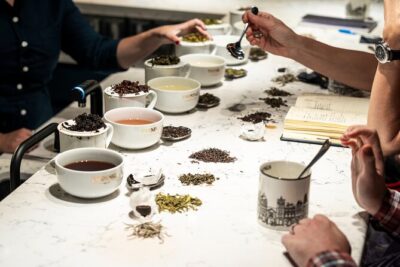
Twinings 2-Hour Tea Tasting Masterclass in London
Read our review →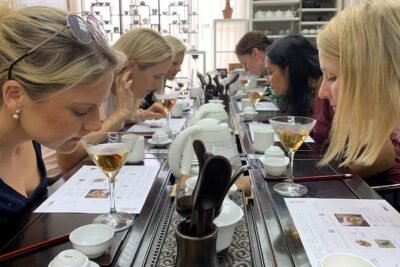
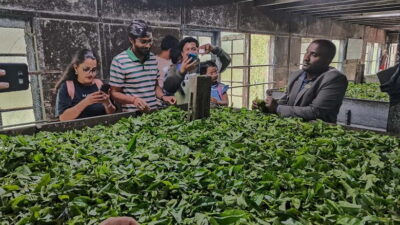
Munnar: Tea trail, Tea Factory, and Tea Tasting Tour
Read our review →
Matcha Experience with of Japanese Tea Tasting in Tokyo
Read our review →
Nara:5 Type of Tea Tasting & Mindful Tea Ceremony
Read our review →
Montmartre Hill French Afternoon Tea Tasting Tour with Crepes and Macarons
Read our review →
Munnar Tea Trail Tour , Tea factory visit & Tea Tasting
Read our review →Browse the lists this tour appears in