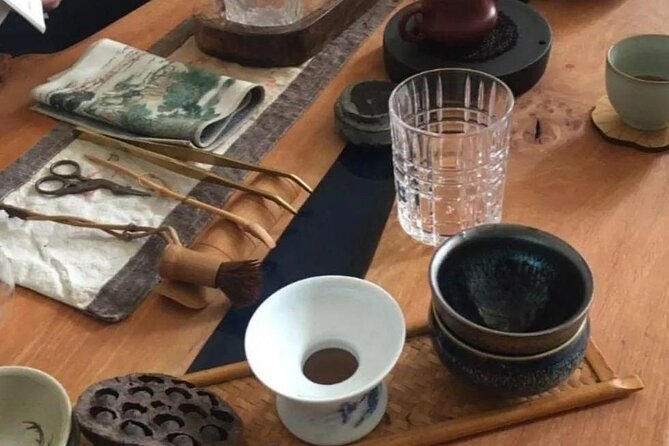
Review · TEA TOURS
Private Authentic Tea Experience in Prague
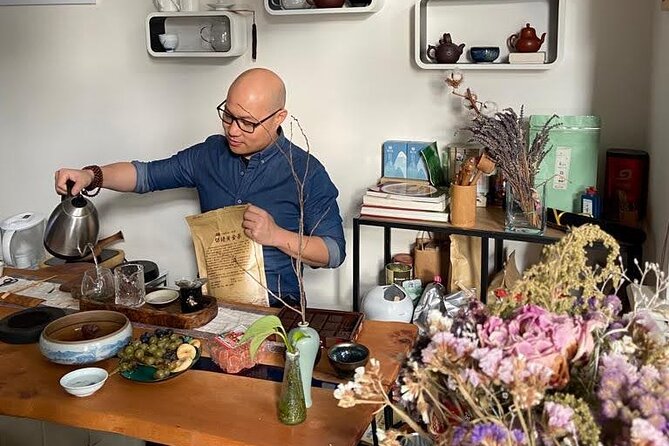
Chinese tea is the star here, not Prague sightseeing. In Lu’s home in Vršovice, you spend about two and a half hours tasting premium teas, including new early spring production, while learning how temperature and brewing style change the cup. It is a quiet, focused break from the city.
I like the private format, since Lu can adjust the pace and answer your questions directly. I also like the practical side: you do not just taste tea, you learn how to brew different types at the right temperature and understand where each variety fits in China’s long tea tradition.
The main consideration is simple: this is a serious tasting, not a quick cup between sightseeing stops. If you do not care much for tea, or if you want a broad Prague tour, the two-and-a-half-hour commitment may feel too narrow. You will also meet at a private home rather than a central landmark.
Key points to know before booking
- Premium Chinese tea tasting: Sample several Chinese varieties, with special attention to typical premium teas and the year’s early spring production.
- Hands-on brewing guidance: Learn why different teas need different water temperatures and preparation methods.
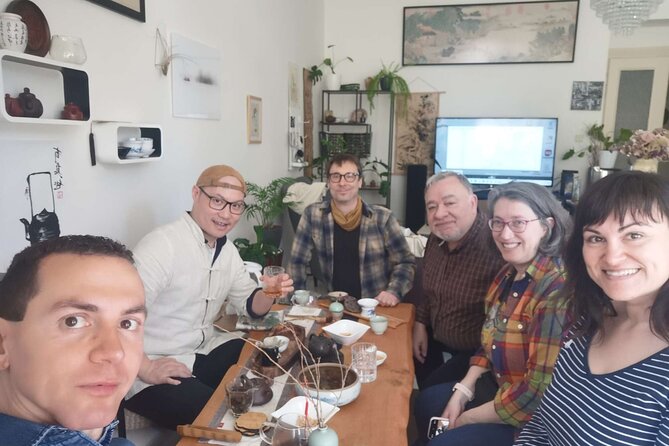
- Private session with Lu: Your group participates alone, allowing for direct questions and a pace that suits your interest.
- Home setting in Vršovice: The experience begins and ends at Madridská 757/8 in Prague 10, away from the standard sightseeing circuit.
- A full two-and-a-half-hour commitment: Plan this as a dedicated cultural activity rather than a short tasting.
- Strong customer satisfaction: The experience has a five-star rating from 38 reviews, with 100 percent of respondents recommending it.
Why this Prague tea experience feels different
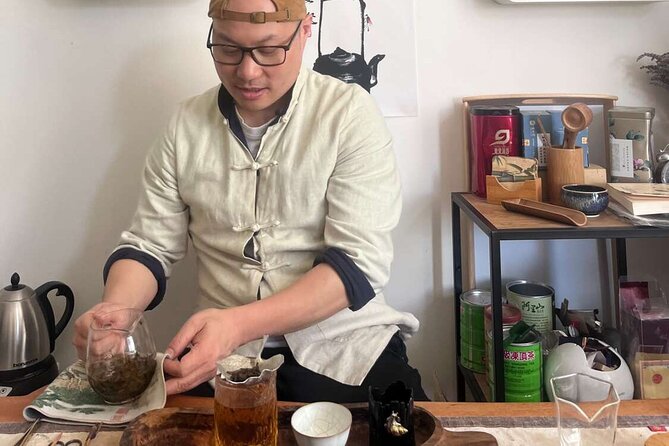
Prague is famous for beer halls, historic squares, and grand cafés. Lu’s tea experience offers a quieter look at the city, one that does not depend on monuments or a packed sightseeing schedule. You enter a private setting and spend your time paying attention to aroma, flavor, water temperature, and the story behind each tea.
That change of pace matters. A tea ceremony asks you to slow down. Instead of checking off another sight, you compare cups and notice how one tea differs from the next. I find that kind of activity especially useful after a busy morning in Prague, when you want something thoughtful but not physically demanding.
Lu presents Chinese tea as both a drink and a craft. During the session, you taste several varieties and hear about centuries of tea-making knowledge. The focus is on premium Chinese tea, including the year’s new early spring production, so this is not simply a basic introduction built around supermarket tea bags.
You should expect a guided tasting rather than a formal museum lecture. The supplied details do not give a fixed list of every tea served, and that is worth keeping in mind. The exact selection may depend on what Lu chooses to present, particularly among the premium teas and seasonal early spring production available at the time.
More tea experiences around the world if you are still choosing
- Kyoto: Tea Ceremony in a Traditional Tea House in Kiyomizu
★ 4.9 · 3,519 reviews - London: Afternoon Tea Cruise on the River Thames
★ 4.4 · 3,274 reviews - Kyoto: Tea Ceremony Ju-An at Jotokuji Temple
★ 4.9 · 3,207 reviews
Meeting Lu at his Vršovice home
The meeting point is Madridská 757/8, 101 00 Praha 10-Vršovice. The activity ends at the same address, so you do not need to arrange a separate pickup or find your way to another part of Prague afterward. The location is near public transportation, which makes it practical to reach, though the information provided does not specify the nearest stop or the easiest route.
This is not a walk through Prague. You will not move between tea shops, monuments, or historic streets. You meet Lu at his home and remain there for the experience. One past participant described the home as stunning, which suggests that the setting itself adds something to the visit, though you should book this primarily for the tea rather than for interior sightseeing.
A private home can feel more personal than a commercial tasting room. You have a host rather than a rotating staff, and your group is the only group taking part. That gives you room to ask basic questions without feeling rushed, or to spend more time on the teas that interest you most.
At the same time, a home setting is less formal and less predictable than a dedicated attraction. If you prefer a public venue with a clear storefront or a large sign, this arrangement may require a little more attention when you arrive. Your booking confirmation should provide the details you need.
Tasting premium Chinese tea, one cup at a time
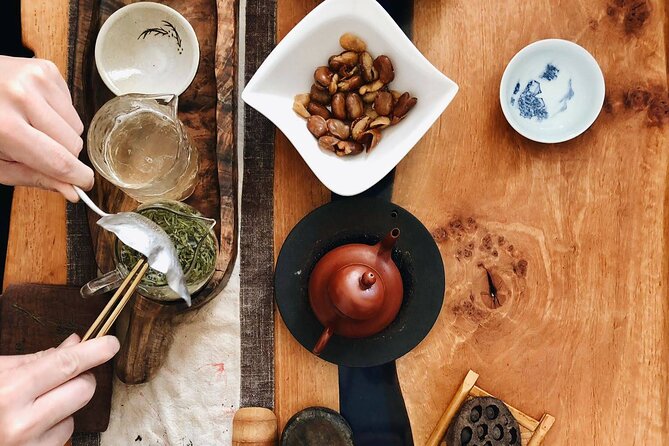
The central part of the session is the tasting. Lu takes you through several Chinese tea varieties, including both typical examples and more exclusive premium teas. The point is not only to identify what you are drinking. You learn how production, style, and preparation affect what reaches your cup.
Tea can be a difficult subject for beginners because many varieties look unfamiliar and the terminology can quickly become confusing. A private session helps here. You can ask Lu to explain the same idea in a different way, compare two teas directly, or return to a flavor you did not understand the first time.
The seasonal angle adds interest. Lu places special focus on this year’s early spring new production, giving the tasting a connection to the current tea harvest rather than relying only on permanent examples. The information does not specify the exact harvest dates or names of the teas, so do not book expecting a printed catalogue of every sample.
I like this format because it gives you a reason to pay attention. You may notice differences in aroma, body, finish, or bitterness that would pass unnoticed in an ordinary cup. You do not need to arrive as a tea expert. The session is designed to teach you how to notice.
The amount you drink is another practical point. One person who enjoyed the experience said that Lu had planned to show more, but the group had already tasted enough tea. That is a useful warning for anyone with a low caffeine tolerance or a limited appetite for repeated tastings. Let Lu know if you need to slow down, and do not feel obliged to finish every sample simply because it is offered.
Why water temperature matters
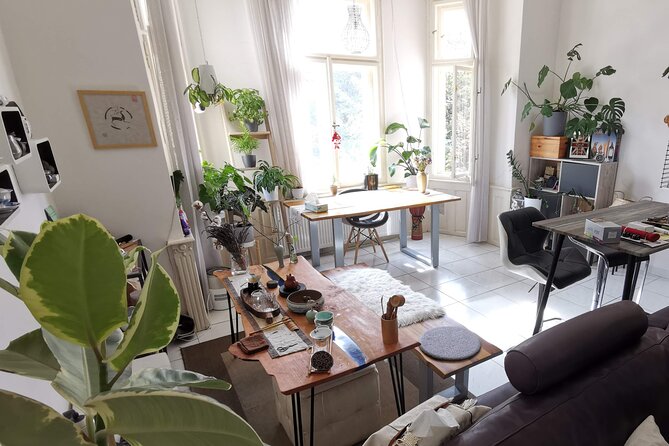
The most useful skill here may be brewing tea at the correct temperature. Different teas respond differently to hot water. Too much heat can overpower delicate flavors, while insufficient heat may leave a stronger tea flat or underdeveloped.
Lu teaches you how to match the brewing approach to the type of tea. The details provided do not give a temperature chart, and you should not expect a technical class with exact instructions for every possible tea. You can expect a practical explanation of why temperature matters and how it changes the result.
This makes the experience more valuable after you return home. A scenic view disappears when you leave Prague. A brewing technique can stay with you. If you already keep Chinese tea at home, the session may help you get more from what you own. If you are new to tea, it gives you a sensible starting point instead of asking you to buy equipment or memorize complicated rules.
I would bring questions. Ask how long to brew a particular type, how to avoid bitterness, and which parts of the process matter most for a beginner. The private format is at its best when you take advantage of direct conversation.
Same city, a very different cup:
- Afternoon Tea Bus Tour in Dublin
★ 5.0 · 2,791 reviews - Kyoto: 45-Minute Tea Ceremony Lesson Experience
★ 4.3 · 2,378 reviews - London: Afternoon Tea Bus Tour – 1960s Routemaster Bus
★ 4.5 · 2,032 reviews - London: Afternoon Tea Bus with a Glass of Prosecco
★ 4.4 · 1,853 reviews
Stories behind the varieties
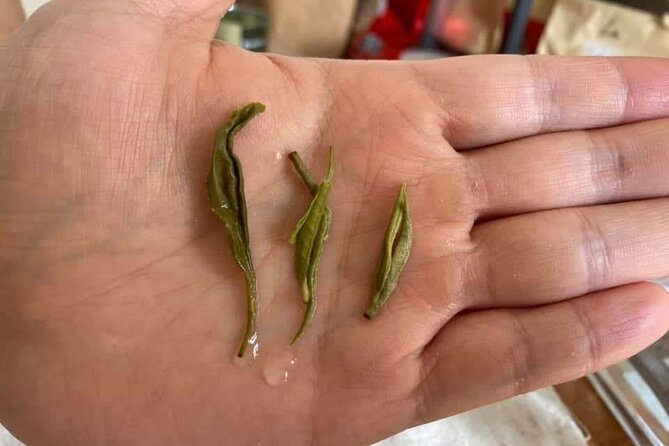
Lu also explains the stories behind the teas. That context gives structure to what might otherwise become a long sequence of similar cups. You learn that each variety has its own character and place within Chinese tea culture, rather than treating all tea as one broad category.
The supplied information does not name the exact regions, farms, cultivars, or processing methods discussed. I would not book this expecting a detailed agricultural tour. Instead, think of the background as a way to connect the flavor in your cup with the wider tradition of Chinese tea.
This is where Lu’s personal style matters. A private host can respond to your curiosity. If you want the broad cultural picture, you can stay with that. If you care more about flavor and brewing, you can keep the discussion practical. The experience is not built around a fixed crowd, so your questions have a real effect on the session.
The strongest praise for Lu focuses on his welcome, his command of tea, and his willingness to help beyond the scheduled activity. He has offered Prague recommendations for places to eat and visit before the session, which can be useful if you are still shaping your plans. That extra help is not the main product, but it gives the meeting a friendly local dimension.
How the private format affects the visit
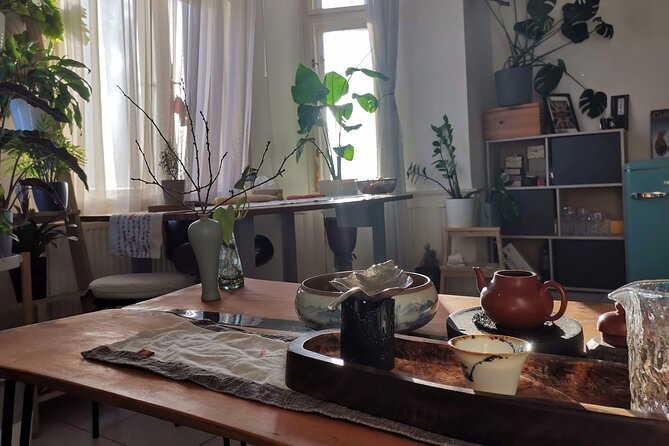
A private activity means only your group takes part. I see that as the biggest advantage for couples, families, and small groups with a shared interest in tea. You can set the pace, ask beginner questions, and spend more time on the samples that appeal to you.
It also removes some of the social pressure found in a public tasting. You do not need to perform expertise or keep up with strangers. If you want a calm conversation, this format supports it.
There is a tradeoff. A private session depends heavily on your personal connection with the host. Lu’s warm welcome and willingness to talk were praised by the person whose experience is included here, but you should still choose this activity because you enjoy conversation and focused learning. If you prefer to wander in and out of a busy market, this will feel too structured.
The private format may also make the experience feel less like a standard tour and more like an appointment with a tea specialist. That is a strength for some people and a limitation for others. You will not get a group tour atmosphere or a long list of Prague landmarks.
Timing, price, and the value of two and a half hours
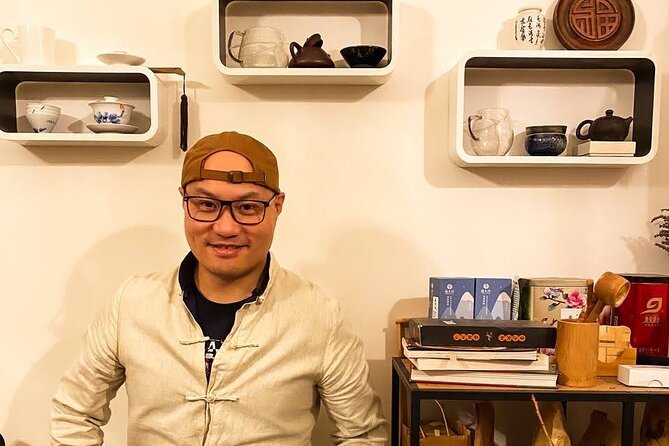
The price is $45.53 per person for approximately two hours and thirty minutes. I judge that as reasonable if you are genuinely interested in Chinese tea, since the cost covers a private session, multiple tastings, instruction, and personal conversation with the host.
The value is less convincing if you see this as simply a beverage stop. You are paying for time, explanation, and access to premium teas, not for a quick drink. The longer duration gives Lu room to compare varieties and explain brewing rather than rushing through one or two samples.
A two-and-a-half-hour block is long enough to make this a main activity for part of your day. I would avoid placing it immediately before a must-see reservation unless you have plenty of extra time. The session is approximate, and the tea conversation may naturally run longer if you and Lu have many questions.
The activity is booked, on average, 12 days ahead. That is a useful planning signal. You do not necessarily need to reserve months in advance, but I would not leave it until the last day if tea is a priority. Confirmation arrives at booking, and mobile tickets make it easy to keep the details on your phone.
Free cancellation is available if you cancel at least 24 hours before the local start time. Cancellations or changes made less than 24 hours ahead are not refunded or accepted. That policy is fairly flexible, but you still need to watch the local time and protect the appointment once your Prague schedule is set.
Who will enjoy this most
I would recommend this experience to:
- Tea drinkers who want to compare premium Chinese varieties
- Beginners who want practical brewing advice without joining a large class
- Couples or small groups looking for a quiet cultural activity
- Visitors who enjoy meeting a local host in a personal setting
- Anyone interested in seasonal early spring tea production
- People who appreciate a slower activity after sightseeing
I would think twice if you dislike tea, have very little time in Prague, or want an activity centered on famous sights. The location is in Vršovice, the session takes around two and a half hours, and the entire visit revolves around tea.
It may also be less suitable if you are sensitive to caffeine. The exact tasting sequence and quantities are not specified, and one participant found that they had tasted enough before Lu finished everything he had planned. That does not make the activity poor, but it means you should pace yourself.
My take: book it for tea, not for a city tour
I would book this if I wanted a personal introduction to Chinese tea while in Prague. The price is fair for a private two-and-a-half-hour session, the focus on premium and early spring teas gives it a seasonal edge, and the brewing instruction offers a skill you can use later.
I would skip it if I were mainly looking for Prague history, architecture, or a quick break between major attractions. This is a focused home experience with Lu, not a general city activity.
Before reserving, ask yourself one question: would you enjoy spending an entire afternoon comparing tea and talking about how it is made? If the answer is yes, this offers a thoughtful and personal change from Prague’s usual sightseeing route.
FAQ
Where does the tea experience take place?
It takes place at Madridská 757/8, 101 00 Praha 10-Vršovice, Czechia.
Does the activity return to the meeting point?
Yes. The activity ends back at the same meeting point where it begins.
How long does the tea experience last?
It lasts approximately two hours and thirty minutes, or about two to three hours.
Is this a private activity?
Yes. Only your group participates in the session.
What will I taste?
You will taste several premium Chinese tea varieties, including typical Chinese teas, exclusive premium teas, and the year’s new early spring production.
Will I learn how to brew the teas?
Yes. Lu explains how to brew different types of tea at the correct temperatures.
Can I cancel for a full refund?
Yes, if you cancel at least 24 hours before the experience start time. Cancellations or changes made less than 24 hours before the local start time are not refunded or accepted.
Fresh tea listings around the world
- Beijing:Learn Calligraphy & Enjoy Kung Fu Tea Ceremony★ 5.0 · 2 reviews
- Budapest: Le Báb Afternoon Tea Experience★ 4.6 · 7 reviews
- Beijing Hands-On Culture Tour: Tea, Instrument, Calligraphy★ 5.0 · 6 reviews
- Beijing: Chinese Culture Tea Ceremony Reservation Service★ 4.8 · 4 reviews
- Beijing: Temple Of Heaven+Tai Chi Class+Tea Ceremony★ 5.0 · 8 reviews
- Vietnam Tea Tasting – Giang Egg Coffee & Train Street Visit★ 5.0 · 10 reviews
- Bali: “Explorer” Meet Dolphins with High Tea★ 4.5 · 2 reviews
- Sunrise Sunan Ibu,Kawah Putih,Volcano,Tea factory,Hot spring★ 5.0 · 5 reviews
Tea Tours, compared.
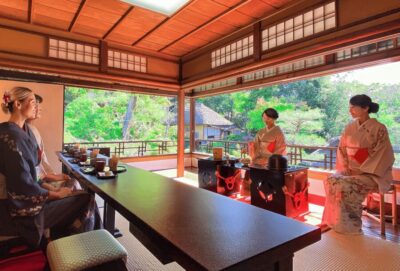
Kyoto: Tea Ceremony in a Traditional Tea House in Kiyomizu
Read our review →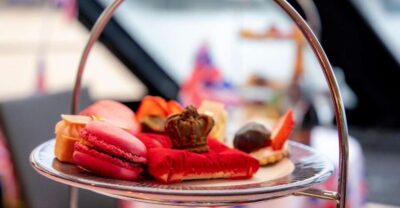
London: Afternoon Tea Cruise on the River Thames
Read our review →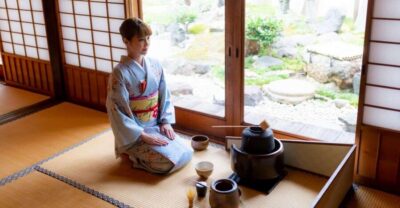

Kyoto: 45-Minute Tea Ceremony Lesson Experience
Read our review →
London: Afternoon Tea Bus Tour – 1960s Routemaster Bus
Read our review →
London: Afternoon Tea Bus with a Glass of Prosecco
Read our review →