
Review · SPA & HOT SPRINGS
Jakarta: Volcano, Tea/Rice Fields, Hot Spring, Local Food
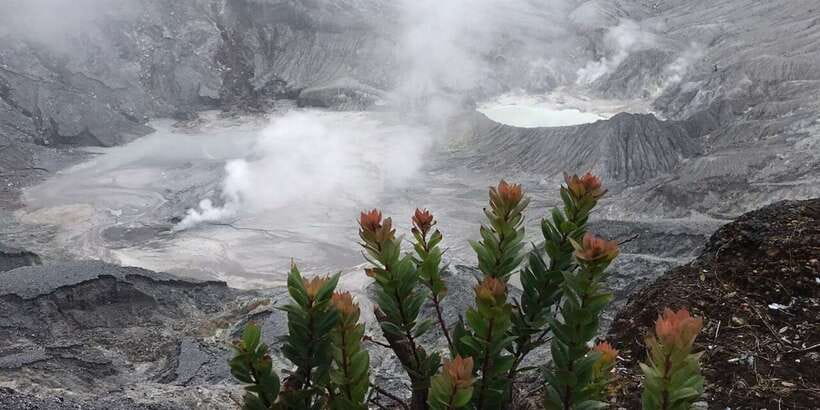
The most memorable part of this Java day trip is getting close to Tangkuban Parahu’s active crater, where sulfur hangs in the air, mud bubbles, smoke rises, and you may hear the volcano rumble. I like the broad mix of experiences: you can see farmers working rice fields, taste honey pineapple and mangosteen, then finish in warm sulfur water. I also like that guides such as Rizky, Bryan, Nanda, Vincent, and Isabella are praised for clear English, local knowledge, humor, and thoughtful care.
The tradeoff is the road time. You spend roughly five to six hours traveling between Jakarta and the mountain area, and the schedule runs for about 14 hours. The coffee stop also deserves a careful note: some visitors found the caged luwak troubling and the presentation commercial, so animal welfare may affect your enjoyment.
Key points to know before booking
- Tangkuban Parahu is the main event: Expect sulfur smells, steam, bubbling mud, and a close view of an active crater.
- You get a wide slice of West Java: Rice fields, tea plants, village scenery, tropical fruit, coffee, local food, and hot springs all fit into one day.
- The guide can shape the experience: Past guides named Rizky, Bryan, Nanda, Vincent, Isabella, and Mitchell were praised for English, humor, cultural explanations, and taking photos.
- The journey is long but useful: Air-conditioned transport, a small group of up to 10, tolls, parking, entrance tickets, lunch, and water are included.
- The hot spring is more of a warm-water stop than a grand spa: Some pools may only reach calf height, though a massage adds value.
- Plan your return carefully: Pickup begins around 7 AM, and arrival back in Jakarta is normally between 7 PM and 8 PM, later on some weekends.
A long day from Jakarta into West Java
This is not a quick escape from the capital. It is a full road day, with a 2.5 to 3-hour drive toward Subang and Bandung before the main stops begin, followed by a similar drive back.
That sounds tiring, and it can be. Jakarta traffic and winding mountain roads take time. Still, the air-conditioned vehicle matters here, as does the driver. Several guides and drivers have been singled out for careful driving, including Dede, Toto, Tito, Andre, Mr. Ruslan, Bobo, and Om Gun. If you are prone to motion sickness, bring whatever normally helps you, though careful driving was a strong part of the experience for many people.
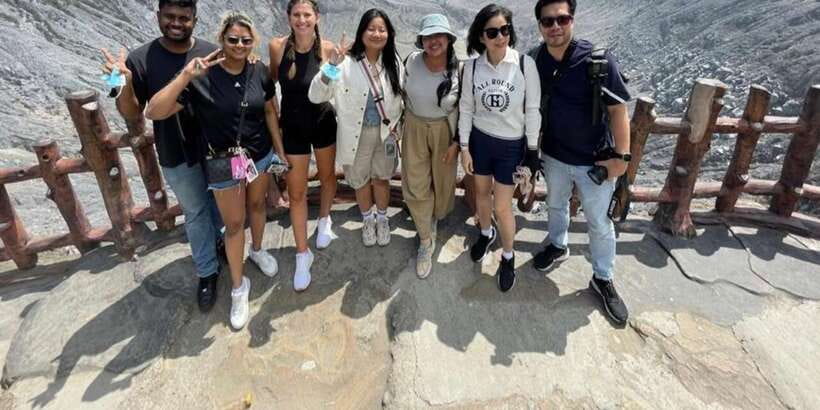
The small-group limit of 10 keeps the day more personal than a large coach trip. Your guide can answer questions, help with photos, and sometimes adjust food choices. One plant-based visitor received a suitable meal after discussing it with the guide, but you should still state dietary needs when booking.
Pickup starts between 7 AM and 7:25 AM from hotels in the Jakarta area. The guide contacts you shortly before arrival and waits outside the lobby for no more than 10 minutes, so be ready early.
More Food and Drink Tours in Indonesia:
- Private Tea Ceremony and Sake Tasting in Kyoto Samurai House
★ 5.0 · 163 reviews - SF’s Chinatown: Tea & Dim Sum Food Tour – Includes full meal, 3hr
★ 5.0 · 153 reviews - Experience all of Japanese culture and Japanese food experience classes “origami, udon, Japanese food, green tea, calligraphy” in 4 hours
★ 5.0 · 105 reviews
Subang rice fields and village life
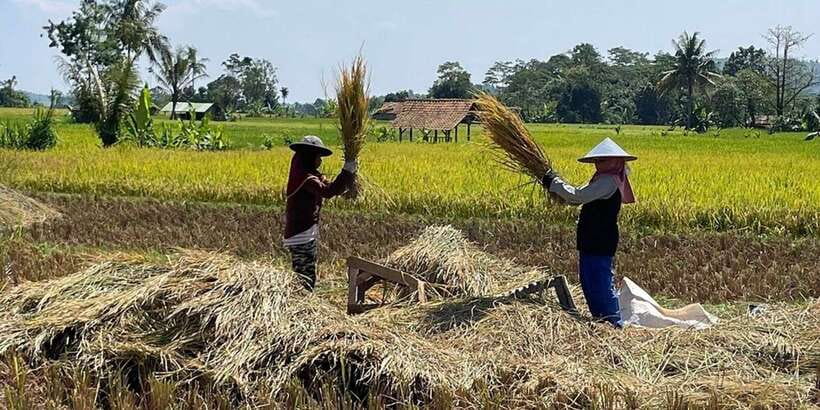
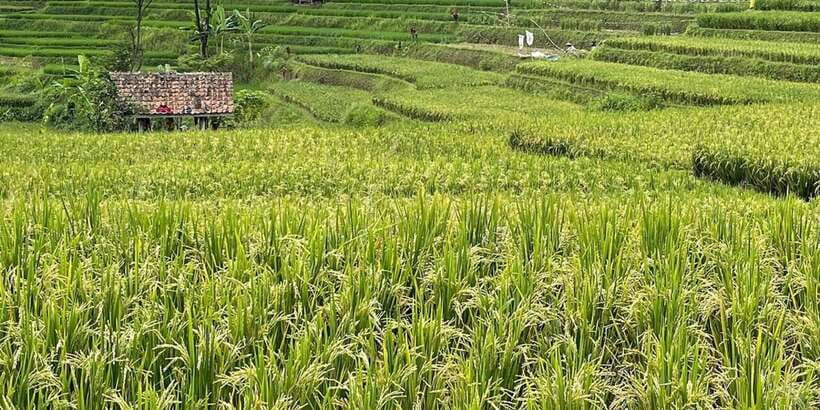
The first countryside stop is around Subang, with about 30 minutes to walk, take photos, and view the rural scenery. This is a modest stop rather than a formal museum or cultural center. Its value comes from seeing working farmland and local life outside Jakarta’s traffic and towers.
You may see farmers tending rice fields and learn how the crop is planted and handled. The tour gives you a chance to pause beside the fields rather than simply looking at them through a car window. Bring shoes with a decent grip, since the ground may be uneven or damp.
Keep your expectations realistic. The tea and rice stops can be simple roadside or village locations chosen for views, not carefully arranged attractions. That informality is part of the appeal, but anyone expecting a polished agricultural park may find these visits less substantial than imagined.
The smoky crater of Tangkuban Parahu
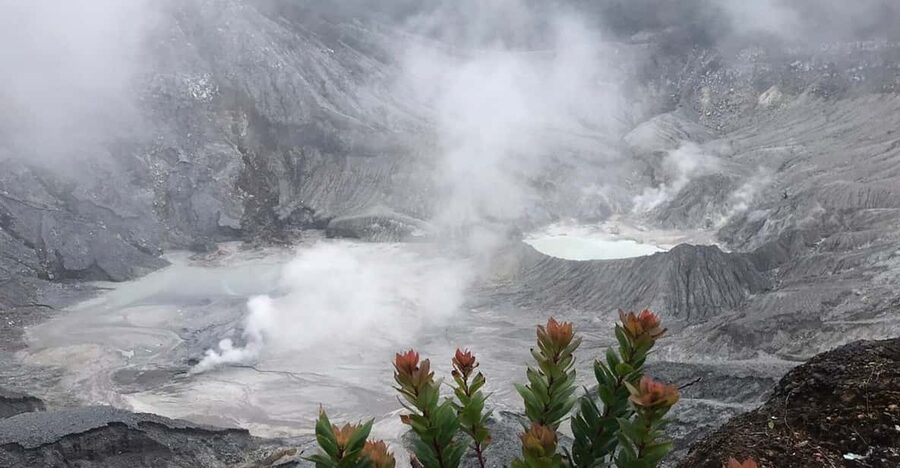
Tangkuban Parahu is the day’s strongest reason to book. The volcano sits in a rainforest setting, and the tour brings you close enough to see steam and sulfur activity rather than offering only a distant viewpoint.
At the crater area, you can expect the sharp scent of sulfur, bubbling mud, smoke, and occasional rumbling. One person saw small bursts of bubbling material, while another found the volcano impressive even in poor weather with limited visibility. Conditions matter. Clouds and rain can hide views, but the smell and sound of an active volcanic site can still make the stop worthwhile.
The schedule allows about 1.5 hours for photos, walking, and free time. Wear comfortable shoes and bring a light layer or rain protection for the mountain. The setting can change quickly, and wet weather may make the walk less pleasant.
You will also encounter sellers near the volcano. They can be persistent, especially around popular photo spots and handmade goods. A firm no usually works, but carry some cash if you want to browse local items. The tour is not designed as a serious volcano trek, so think of this as a close crater visit with walking, not a demanding mountain hike.
Wild monkeys may appear in the surrounding rainforest. Do not treat them as tame pets, and keep food secure.
Lunch in Lembang and a taste of Java
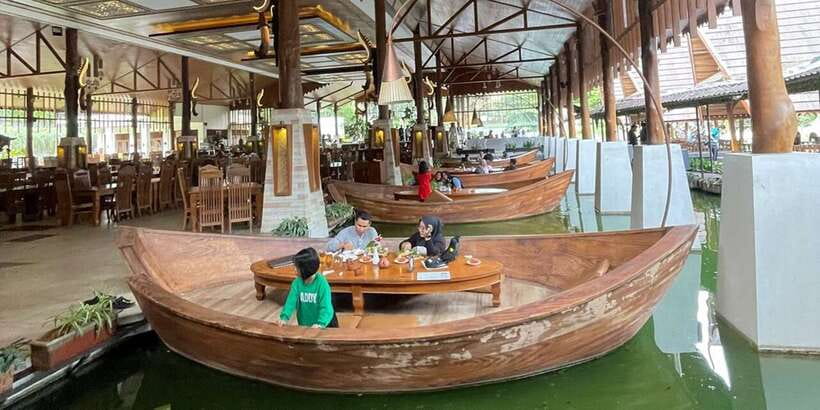
Lunch takes about an hour in the Lembang area. The meal is included, which makes the $114 price easier to assess, and the food is intended to introduce you to local cooking rather than serve as a generic fast-food break.
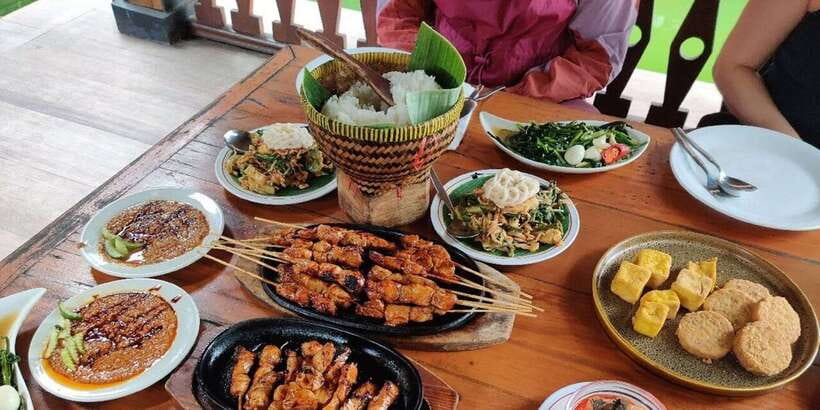
The meal receives mixed impressions. Some people found it tasty and satisfying, while one person felt it leaned too heavily on fried food and lacked flavor apart from the kangkung, or water spinach. Another person found the food better than expected. I would treat lunch as a convenient local meal, not the main culinary reason to choose this tour.
The day also includes a visit to a local eatery and a chance to try Indonesian specialties. Food preferences can usually be discussed with the guide, and one guide made an effort to provide plant-based food. If you have allergies or strict dietary needs, explain them clearly before sitting down.
More Food Tours in Indonesia:
- Full Day Food Tour Of Delhi with a chef. Includes Tea Tasting
★ 5.0 · 20 reviews
Coffee, luwak, and an ethical question

The coffee stop at Kopi Luwak Cikole lasts about an hour. You learn about coffee plants, beans, processing, benefits, and different coffee products. For anyone curious about Indonesian coffee, this adds useful context to a day otherwise focused on scenery.
The luwak element requires more thought. The stop may include seeing civets, the animals associated with kopi luwak production. Some people enjoyed meeting them and tasting the coffee. Others felt the animals were kept in small cages and looked unhealthy or unnaturally calm. The coffee itself was also described as being prepared from a packet, which made the presentation feel commercial rather than farm-based.
That concern is important enough to consider before booking. If animal welfare is a major part of your travel choices, you may find this stop uncomfortable. Ask the guide questions, observe the conditions for yourself, and do not feel obliged to buy anything. The broader coffee lesson can still be useful, but the luwak display is not an uncomplicated cultural experience.
Tea plants on the mountain road
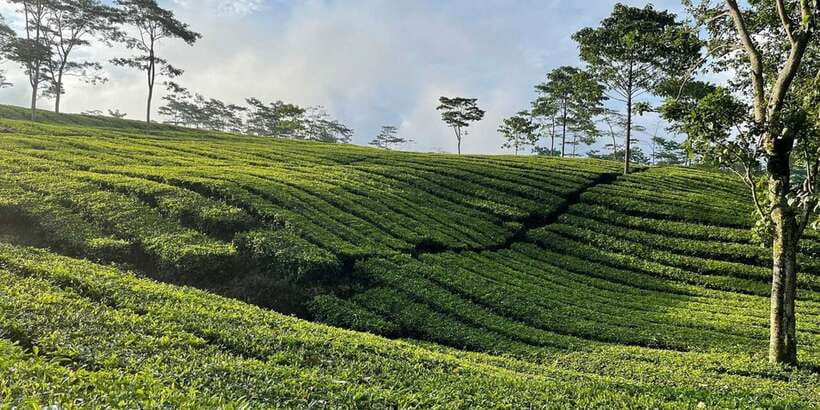
The tea stop at Ciater Cagak takes about 30 minutes. You walk among tea-growing areas, take photos, and hear about cultivation, types of tea, and harvesting.
This is a scenic pause rather than a long plantation tour. You might see workers and learn how the plants are managed, but do not expect a full factory visit or a lengthy agricultural demonstration. The stop works best as a contrast to the volcanic crater: green tea rows, mountain air, and a quieter pace after the crowded crater area.
The weather may be cool or wet. Comfortable clothing, sturdy shoes, and a change of clothes are practical choices. The change of clothes is especially useful because the schedule ends at a hot spring.
Tropical fruit in Subang
Fruit tasting is one of the most enjoyable small details of the day. The selection can include honey pineapple, mangosteen, and snake fruit, also called salak. The honey pineapple is repeatedly singled out as unusually sweet, and your guide may choose one for you before the return drive.
Snake fruit has a crisp texture and a scaly skin with sharp points, so handle it carefully. Mangosteen gives you a softer, sweet-tart taste that may be new if you have not spent time in Southeast Asia.
This stop is not only about eating. It gives you a direct connection to local produce and lets you try fruits rarely found in ordinary hotel breakfasts. It is also a welcome break from sitting in the vehicle.
Soaking at Sari Ater Hot Springs
The final major stop is Sari Ater Hot Springs in Ciater, where you have about an hour for warm sulfur-infused water and free time. After the early start, mountain roads, walking, and crater air, the chance to sit in warm water is a sensible way to end the outdoor portion of the day.
Set expectations correctly. This is a collection of hot-water pools rather than a luxury spa. One important practical detail is that some pools may be shallow, reaching only calf height, so the experience can feel more like wading than a full soak. Another person felt the hot spring was not worth the stop, while others found it relaxing and liked the foot or body massage.
A local massage is included in the advertised experience, but the exact style and length are not specified. Bring a towel and a change of clothes. Comfortable clothing is best, and you will want dry clothes for the long ride back to Jakarta.
What $114 includes, and what it does not

At $114 per person, this tour is best judged as a package rather than as a collection of individual tickets. The price includes Jakarta hotel pickup and drop-off, an air-conditioned vehicle, an English-speaking guide, bottled water, volcano and hot spring admission, other entrance fees, fresh fruit tasting, lunch, tolls, and parking.
That removes several common day-trip costs. You are not arranging separate transport to a remote volcano, paying road charges along the way, or working out admission at each stop. The guide also gives the countryside context that you would miss by hiring a car without local help.
The value is strongest if you want variety in one day. You get volcanic activity, farming, tea, coffee, fruit, food, and hot water without planning several separate excursions. The value is weaker if you prefer slow travel, serious hiking, a refined spa, or a focused food tour.
You should also price in the personal cost of a very long day. You leave early, spend hours in traffic and mountain roads, and may return as late as 8 PM or later on a weekend. Do not schedule a flight or important appointment after the tour.
Who will enjoy this day trip most
I would choose this experience if you have limited time in Jakarta and want to see a side of Java that the capital cannot provide. It suits first-time visitors who want a broad introduction, solo travelers who prefer a guided small group, and curious eaters who enjoy trying unfamiliar fruit and local dishes.
It also suits people who value a guide. Past guide names include Rizky, Bryan, Nanda, Vincent, Isabella, Mitchell, Valentine, and Tio. The strongest guide qualities reported are clear English, humor, cultural explanations, flexibility, help with photos, and attention to comfort.
I would hesitate if you dislike long drives, need a wheelchair, have major mobility limits, or are over 70. The activity is specifically not suitable for wheelchair users, people with mobility impairments, people over 80, or people over 70. Walking, uneven ground, getting in and out of the vehicle, and the hot spring area all matter.
Rain does not cancel the character of the day, but it can reduce volcano visibility and make field walks less comfortable. Pack a rain layer, comfortable shoes, a towel, spare clothes, and water-safe clothing.
Should you book this Java volcano tour?
Book it if you want one packed day of West Java highlights and accept that the road journey is part of the deal. The active crater, sweet pineapple, rural fields, mountain tea, local meal, and hot spring give the day a lot of range for $114.
Think twice if you want a quiet, carefully paced visit or feel strongly about animal welfare at luwak displays. You can still enjoy the volcano and countryside, but the coffee stop may be the least comfortable part of the day.
For most able-bodied visitors with only a short stay in Jakarta, I think the combination is worthwhile. Start early, keep your schedule open until at least 8 PM, bring a change of clothes, and treat the day as a lively introduction to Java rather than a restful excursion.
FAQ
How long is the Jakarta volcano tour?
The tour lasts about 14 hours. Pickup begins between 7 AM and 7:25 AM, and return to Jakarta is normally between 7 PM and 8 PM, with possible delays on weekends.
How far is the drive from Jakarta?
The drive to the Subang and Bandung area takes about 2.5 to 3 hours. The return drive to Jakarta takes about three hours.
Is hotel pickup included?
Yes. Pickup and drop-off are included for hotels in the Jakarta area. The guide contacts you shortly before reaching the hotel and waits outside the lobby for no longer than 10 minutes after the scheduled time.
What language does the guide speak?
The live tour guide speaks English.
What is included in the $114 price?
The price includes transport in an air-conditioned vehicle, an English-speaking guide, bottled water, volcano and hot spring entrance fees, other entrance fees, fresh fruit tasting, lunch, tolls, and parking.
Is Tangkuban Parahu an active volcano?
Yes. You can see smoke and bubbling mud, smell sulfur, and may hear the volcano rumble near the crater.
What should I bring?
Bring comfortable shoes, comfortable clothes, a towel, and a change of clothes. Rain protection is also practical for the mountain areas, though it is not specifically listed as required.
Is the tour suitable for wheelchair users or people with mobility impairments?
No. The activity is not suitable for wheelchair users or people with mobility impairments. It is also not suitable for people over 70 or over 80 years of age, as specified in the activity information.
More Hot Spring Visits in Indonesia
- Active Volcano, Rice Field, Hot Spring, Fruit market, Tea Plantation with Lunch
★ 5.0 · 513 reviews - Bandung: White Crater, Scenic Tea Plantations & Hot Spring
★ 4.9 · 122 reviews - Volcano, Hot Spring, Tea Factory, rice fields and Coffee Tour
★ 5.0 · 25 reviews - Sunrise Sunan Ibu,Kawah Putih,Volcano,Tea factory,Hot spring
★ 5.0 · 5 reviews
Fresh tea listings around Indonesia
- Bali: “Explorer” Meet Dolphins with High Tea★ 4.5 · 2 reviews
- Sunrise Sunan Ibu,Kawah Putih,Volcano,Tea factory,Hot spring★ 5.0 · 5 reviews
- Jakarta :Volcano, HotSpring, Tea Factory, RiceField, &Coffee★ 5.0 · 21 reviews
- From Bandung: Tea Plantation and Botanical Garden Tour★ 3.7 · 3 reviews
- Jakarta: Paragliding on Top Mountain & Tea Plantation★ 5.0 · 3 reviews
- Jakarta: Waterfalls, Volcano, White Crater, Tea, Hot Spring★ 4.5 · 3 reviews
- Taman Safari and Tea Plantation Tour at Puncak★ 5.0 · 2 reviews
- Bandung : White Crater, Tea Plantation Tour Guide Bandung★ 4.7 · 15 reviews
Spa & Hot Springs, compared.
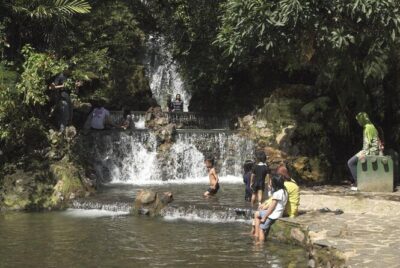
Active Volcano, Rice Field, Hot Spring, Fruit market, Tea Plantation with Lunch
Read our review →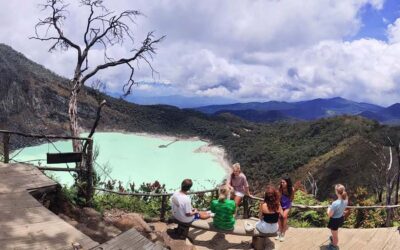
Bandung: White Crater, Scenic Tea Plantations & Hot Spring
Read our review →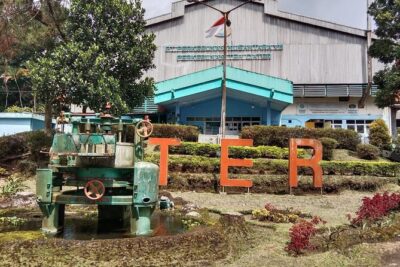
Volcano, Hot Spring, Tea Factory, rice fields and Coffee Tour
Read our review →
Osaka Temple Head Spa &Matcha Facial – Refresh & Glow〈90min〉
Read our review →
Sunrise Sunan Ibu,Kawah Putih,Volcano,Tea factory,Hot spring
Read our review →
Jakarta: Waterfalls, Volcano, White Crater, Tea, Hot Spring
Read our review →Browse the lists this tour appears in