
Review · FOOD
Eat Your Way Through Yunnan’s Tea & Horse Road, from Dali to Lijiang, 8-day Trip
Yunnan’s old Tea and Horse Road is best understood one meal at a time. This eight-day trip links Dali, Xizhou, Shaxi, Tiger Leaping Gorge, and Lijiang with local breakfasts, market snacks, family meals, a Naxi cooking class, and plenty of time in old towns. The food is the main event, but the road, villages, and mountain views give the trip its shape.
I like the small maximum of 10, which should make restaurant meals and market stops easier to manage. I also like the mix of activity: you are not parked at a table all week, but cycling around Shaxi, walking old streets, and choosing an optional gorge hike. The main consideration is the price, $2,200 per person, and the fixed schedule. This is a high-cost trip for China, though much of the transport, lodging, meals, and guiding is included.
Six things to know before you book
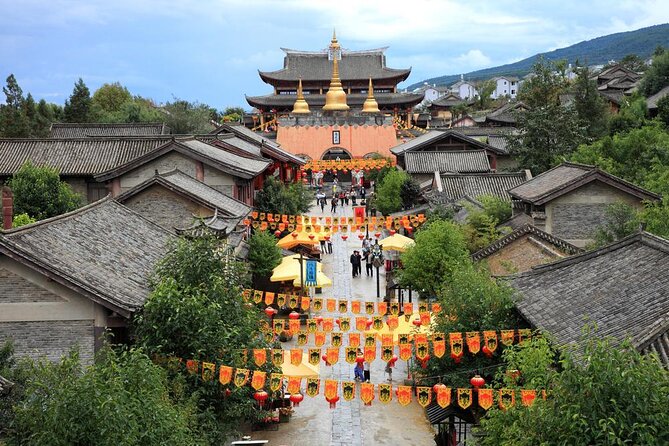
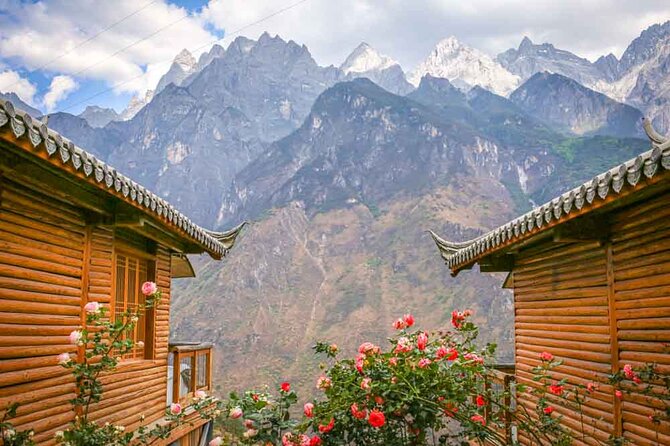
- Seven nights in small boutique guesthouses: You get Western amenities without giving up the character of local buildings and villages.
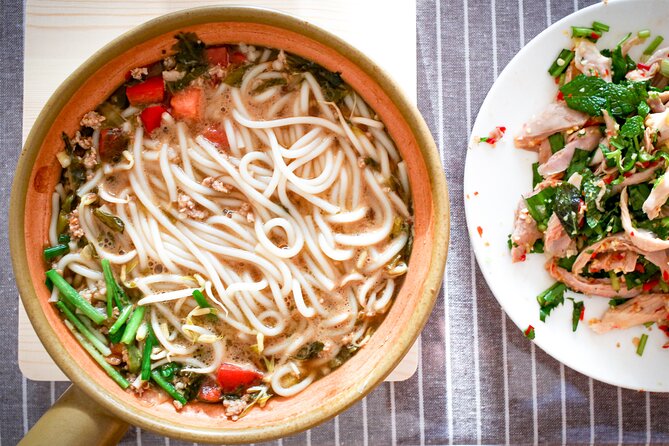
- Food is built into nearly every day: Expect rice noodles, fried cheese, Xizhou Baba, hotpot, cured meats, fish, Naxi dishes, and market-bought ingredients.
- The group is limited to 10 people: That matters when eating in family courtyards or shopping in a crowded market.
- Tiger Leaping Gorge includes a choice: You can take the optional 3.5-hour hike or rest at the guesthouse.
- Private transport saves time: The vehicle links several towns and includes airport transfers, daily water, and beer with meals.
- The route is active but not an endurance trip: Cycling, walking, and one moderately difficult hike are mixed with free time and leisurely meals.
Why this Yunnan food trip works
I like the way this journey treats food as a doorway into local life, not as a list of dishes to photograph. You visit places that are easy to miss on your own, including modest cafes, street stalls, family restaurants, and old markets.
The menu also changes as the scenery changes. Dali brings Bai and Dai food. Xizhou has its own baked specialty. Shaxi adds countryside cooking and hotpot. Near Lijiang, you cook with a Naxi family and finish with a table of local dishes. That regional shift gives the trip a clear purpose.
The format suits you if you want China to feel manageable without being packaged into a large coach tour. A guide handles the driving, restaurant choices, translation, and timing. You still have free time in Dali, Shaxi, Baisha, and Shuhe, so the trip is not a nonstop march from one attraction to the next.
The trade-off is control. You do not choose every restaurant or decide how long to linger in each town. The itinerary is tightly arranged around meal times and transfers, and the non-refundable booking rule makes date selection important.
More Horse Riding in China:
- Arabian Nights immersion Pyramids Horse,camel Ride,Bedouin Tea
★ 5.0 · 13 reviews - York: Private Horse-Drawn Carriage Ride and Afternoon Tea
★ 5.0 · 3 reviews - York: Horse Drawn Carriage ride & Cream Tea
★ 5.0 · 3 reviews
Dali opens with rice noodles and street food
The first evening begins in Dali Ancient Town with a four-hour walking food tour. You can expect locally made rice noodles, fried cheese, street snacks, and a Dai minority feast served on a very large shared platter.
This is a smart opening. Instead of spending your first night trying to decode menus, you get an introduction to local flavors with someone who can explain what is on the table. The walking format should also help you get your bearings in the old town without turning the evening into a formal history lecture.
The food is likely to arrive in generous portions, so pace yourself. You have many meals ahead, and the trip tends toward abundance. If you are a cautious eater, tell the guide early about allergies or foods you avoid. The supplied information does not describe dietary substitutions, so do not assume every dish can be changed.
Day two starts in a part of Dali still used by local residents. You stop for a popular breakfast, then explore a market spread through small lanes before getting free time in the old town. Lunch is a Bai minority meal, followed by a move to Xizhou.
This morning has real value. A market is often a better introduction to a place than a polished shopping street. You see the ingredients that later appear in meals, and you get a closer look at ordinary shopping routines. The narrow lanes may be less comfortable for anyone who dislikes crowds, but the small group should help.
Xizhou brings bread, courtyards, and lakeside fish

Xizhou is a small village with cobbled, horse-worn streets, wooden buildings, and distinctive architecture. After checking into the guesthouse, dinner includes freshly caught fish, local chicken with chili, rice cakes, plum-fried pork, and eggs cooked with jasmine flowers.
That dinner gives you a good sense of the trip’s style. This is not one signature dish followed by a quick departure. You work through a spread of foods, with the meal shaped by what is available locally.
The next morning, Xizhou’s star food is Xizhou Baba, a freshly baked bread found in this village. You choose a savory pork filling or sweet rose paste, then see how it is prepared and baked in a traditional charcoal oven.
This is one of the most useful food stops because it connects the finished snack with the cooking method. You are not simply handed a pastry. You see the work behind it, and the charcoal oven adds a strong sense of place.
Lunch moves to Erhai Lake, where you eat at a lakeside restaurant with local shrimp, fish, and other regional dishes. The stop gives you a change of pace after the village streets. It also means another substantial meal, so breakfast and snacks should be handled with restraint.
Shaxi slows the trip down
Shaxi Ancient Town is where the schedule becomes more relaxed. After arrival and check-in, you have free time before dinner in a local family courtyard restaurant. The meal may begin with pork-stuffed lima beans, cured meats, and fried cheese, then continue with dishes based on that day’s market produce.
I especially like the two-night rhythm here. One-night stops can feel like luggage transfers with scenery in between. Shaxi gives you time to walk without a checklist, sit in a coffee shop, visit a bakery, and notice how the town feels after the day visitors have moved on.
The full day in Shaxi includes a hotpot lunch, a bicycle ride through the countryside, and a stop at a mountainside cafe and book store. Cycling adds a useful change from eating and riding in a vehicle. You see the area at a slower speed, and the route appears designed as a gentle outing rather than a race.
Still, cycling is not for everyone, and the details of distance, bike type, and terrain are not specified. If you have concerns, ask the operator before booking. The itinerary includes walking, cycling, and an optional gorge hike, so comfortable shoes and practical clothing matter more than dressy travel clothes.
Another local dinner closes the Shaxi stay. The repeated meals are a strength if you enjoy trying unfamiliar food, but they may feel like too much for anyone who prefers lighter dining or more independent evenings. Free time activities and personal shopping are not included.
More Food Tours in China:
- Jakarta: Volcano, Tea/Rice Fields, Hot Spring, Local Food
★ 4.9 · 515 reviews - SF’s Chinatown: Tea & Dim Sum Food Tour – Includes full meal, 3hr
★ 5.0 · 153 reviews - Experience all of Japanese culture and Japanese food experience classes “origami, udon, Japanese food, green tea, calligraphy” in 4 hours
★ 5.0 · 105 reviews - Street Food Cooking Class in Taipei : Gua Bao/Lu Rou Fan/Boba Tea
★ 5.0 · 22 reviews
Tiger Leaping Gorge adds the big mountain day
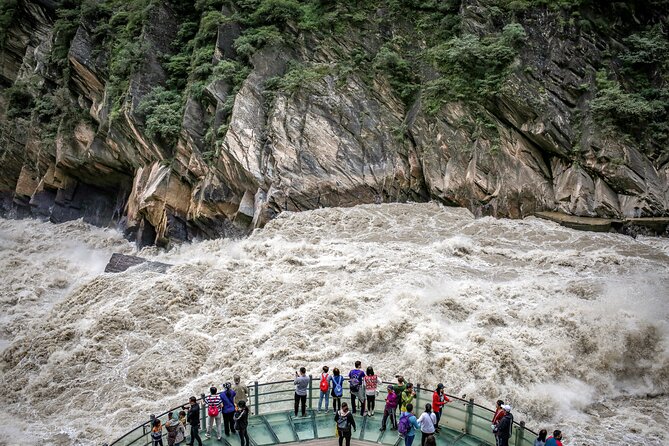
On day five, the vehicle heads to Tiger Leaping Gorge. The first stop is a viewing deck at the mouth of the canyon, where the upper waters of the Yangzi are forced through one of the world’s deepest gorges.
The scale of the gorge gives the trip a needed visual break from old streets and dining tables. You get a major natural sight without giving up the food focus that defines the rest of the route.
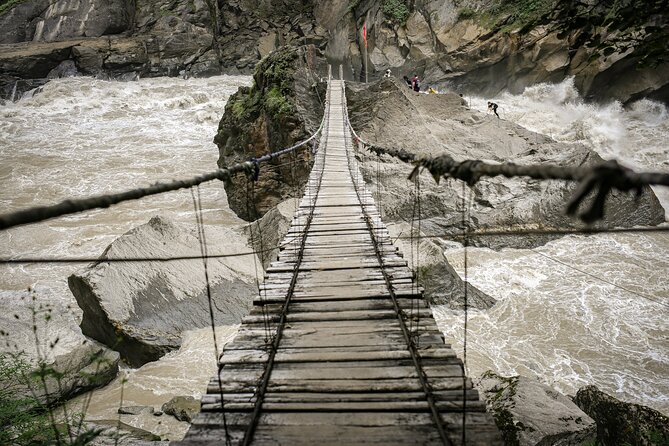
From the middle section, you can choose an optional, moderately difficult hike. It takes about 3.5 hours round trip and includes a descent to the river, suspension bridges, waterfalls, and rock islands in the water, followed by a loop back uphill.
This is the most physically demanding part of the program. The return climb is the detail to take seriously. You should choose the hike because you want the walk, not because you feel pressured to keep up with the group. If you skip it, you can relax at the guesthouse during the afternoon.
The next morning is deliberately easy, with breakfast and some of the best views of the gorge. That slower morning is welcome after the hike, though the itinerary does not give a precise departure time. You then continue to Shuhe, an old town within the Lijiang area that is described as less touristy than central Lijiang.
Shuhe and Baisha show another side of Lijiang
Shuhe gives you a base for the final stretch. It has old-town character but should feel quieter than Lijiang’s main historic center. The plan allows time to eat, walk, and settle into the final two days rather than rushing straight to the airport.
Day seven begins at Lijiang’s oldest market. You shop for ingredients alongside Naxi residents, many carrying woven-basket backpacks, then take those ingredients to a private cooking studio run by a local Naxi family.
Everyone prepares three dishes for lunch. This is one of the strongest parts of the trip because it changes your role. You are not only tasting Yunnan food. You are handling the ingredients, learning the basic process, and eating what you helped make.
The market may be busy, and the cooking class is active rather than passive. It is a good fit if you enjoy asking questions and working with other people. It may be less appealing if you want a quiet final day or dislike group cooking.
After lunch, you visit Baisha Ancient Town, the oldest village in Lijiang. Its quiet cobblestone lanes, architecture, and mountain views provide a calmer contrast to the market. There is time for coffee and wandering before returning to Shuhe.
The final dinner is a large selection of Naxi dishes, including roast pork belly with mint, fried eggplant, spicy fish, and more. It is a fitting end to a trip that keeps returning to shared plates and regional cooking. You leave with a better sense of how food differs between nearby communities, not just a collection of restaurant names.
What the $2,200 price includes
At $2,200 per person, this is not a bargain food tour. It is closer to a fully arranged small-group journey, and the value depends on how much planning you want taken off your hands.
The price includes seven nights in boutique guesthouses, seven breakfasts, seven dinners, and six lunches. It also covers the listed drinks during meals, daily water and beer, an English-speaking guide, entrance fees, private ground transport each day, bicycle use, and airport pickup and drop-off.
That package removes several costs that can add up quickly during an eight-day trip. You are not arranging a new car transfer for every town, searching for suitable restaurants, or working out how to reach the gorge and the old villages on your own.
The included lodging also matters. The guesthouses are described as authentic boutique properties with Western amenities, so you get local character without being asked to give up basic comfort. Exact room features are not provided, and accommodation quality can vary from one town to another, so ask for current property details if that matters to you.
Flights to and from Yunnan are not included. Neither are activities during free time, shopping, or anything outside the listed meals and visits. Build those expenses into your budget.
Group size, transport, and practical fit
The maximum group size is 10. That is small enough to make a market visit and family meal more personal, while still giving you company during drives and meals. Past departures have been led by guides including Daisy, Ruixi, Alison, Brian, Evon, and Longjiao, depending on the date.
Private transport is a major practical benefit. The route covers several towns, a lakeside area, a canyon, and the Lijiang region. Doing that independently would require more planning and could make food stops harder to arrange.
The tour offers pickup at Dali Airport and drop-off at Lijiang Airport on the final day. The stated meeting time is 12:00 a.m., which is unusual and may reflect a system entry rather than the real pickup hour. Confirm the arrival instructions and transfer time before you book flights.
Most people can participate, but the program is not fully passive. You will walk old-town streets, browse markets, cycle, and possibly hike for several hours. The optional gorge walk is the only clearly demanding activity, yet even the easier version of the trip requires steady movement.
The tour is listed with mobile ticketing and confirmation at booking unless you book within seven days, in which case confirmation may take up to 48 hours and remains subject to availability. The booking is non-refundable and cannot be changed, so purchase travel insurance if the cost would be difficult to lose.
Who should book this route
I would choose this trip if you want local food but do not want to spend your holiday translating menus, comparing hotels, and arranging long transfers. It is also a strong choice for people who like variety: markets, old towns, cooking, cycling, mountain scenery, and shared meals all appear within one week.
Families can find something useful here too. A past departure included adults and teenagers from ages 12 to 15, and the combination of food, cycling, walking, and optional hiking gives different ages some room to choose their pace.
I would hesitate if you need a flexible schedule, dislike group meals, or want to spend several days at one hotel. I would also think twice if you are paying mainly for sightseeing rather than food. The itinerary gives major cultural and natural stops, but the heart of the experience is eating with the group.
Should you book it?
Book this Yunnan journey if the idea of breakfast markets, family cooking, charcoal-baked bread, countryside cycling, and local dinners sounds better than checking famous sights off a list. The strongest parts are the small group, the food access, the two-night stay in Shaxi, and the choice to hike or rest at Tiger Leaping Gorge.
At $2,200, you are paying for ease, transport, lodging, meals, and access to places that can be awkward to arrange alone. Before committing, confirm the airport timing, ask about dietary needs and current guesthouses, and be honest about your comfort with walking and cycling. If those details fit, this is a thoughtful way to see Yunnan through its kitchens and old roads.
FAQ
How long is the tour?
The experience lasts approximately eight days and includes seven nights of accommodation.
Where does the tour start and finish?
Pickup is offered at Dali Airport, and airport drop-off in Lijiang is included on the final day.
How many people can join the tour?
The maximum group size is 10 people.
Is the Tiger Leaping Gorge hike required?
No. The 3.5-hour round-trip hike is optional. You can rest at the guesthouse instead.
What meals are included?
The package includes seven breakfasts, seven dinners, and six lunches, along with food and drinks during the meals listed in the program.
Are flights included in the price?
No. Transportation or flight tickets to and from Yunnan are not included.
More Day Trips in China
- Tea Village in lost Town and Buddha 1 day tour
★ 5.0 · 32 reviews - 1-day Village Tea Picking, Roasting & Serving Guided Private Tour from Hangzhou
★ 5.0 · 9 reviews - From Colombo: Kandy, Pinnawala and Tea Factory Full-Day Trip
★ 4.4 · 99 reviews - Ella Private Day Trip with Train Ride & Tea Factory-All Inclusive
★ 5.0 · 61 reviews
Fresh tea listings around China
- Full-day Tour: Spectacular Sunrise, Tea Plantation & Sunset★ 5.0 · 3 reviews
- Unlock Chinese Tea: Culture, Science, Tasting & Hands-on Brewing★ 5.0 · 12 reviews
- Chinese Tea Ceremony Experience★ 5.0 · 3 reviews
- Shanghai Mahjong Experience in Local Tea Bar★ 5.0 · 4 reviews
- Half-Day Hangzhou Jiuxi Stream and Tea Plantation Experience★ 5.0 · 2 reviews
- Private Hangzhou Day Tour to West Lake, Lingyin Temple, Tea Village, Old Pagoda★ 5.0 · 17 reviews
- Private Tour Hangzhou West Lake and Tea Fields Discovery★ 5.0 · 3 reviews
- Half-Day Hangzhou Private Tour with Green Tea Village and Lingyin Temple★ 5.0 · 3 reviews
Food, compared.
Jakarta: Volcano, Tea/Rice Fields, Hot Spring, Local Food
Read our review →
SF’s Chinatown: Tea & Dim Sum Food Tour – Includes full meal, 3hr
Read our review →
Street Food Cooking Class in Taipei : Gua Bao/Lu Rou Fan/Boba Tea
Read our review →
Full Day Food Tour Of Delhi with a chef. Includes Tea Tasting
Read our review →
Tea and Doughnuts: Historic Walking Food Tour of Southwark
Read our review →
Yarra Valley Foodie Tour, Devonshire Tea, Cheese and Chocolate
Read our review →
Kimono and Tea Ceremony in Asakusa Private Food Tour With Guide
Read our review →Browse the lists this tour appears in