
Review · SPA & HOT SPRINGS
From Jakarta : Volcano, Tea & Rice Fields, Hot Spring
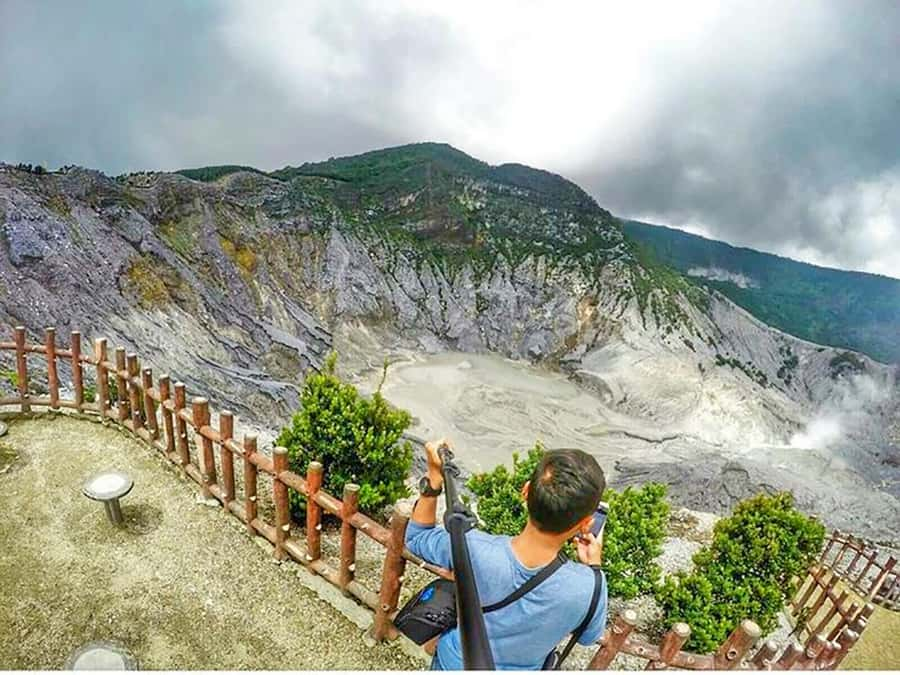
The day’s big draw is Tangkuban Parahu Volcano, where you can stand near a steaming crater, smell sulfur, and watch mud bubble in the earth. I like that the tour pairs this dramatic stop with two gentler local experiences: tasting honey pineapple and other fruit, then soaking your legs or swimming in Sari Ater’s hot springs. The rice fields and tea plantation add a useful look at daily life beyond Jakarta.
I also like the private format, air-conditioned vehicle, hotel pickup, lunch, entrance fees, tolls, and bottled water all covered at $135 per person. The catch is the road time: expect roughly five to six hours in the car, with a 7 to 8 pm return that can run later on weekends.
Key things to know before booking
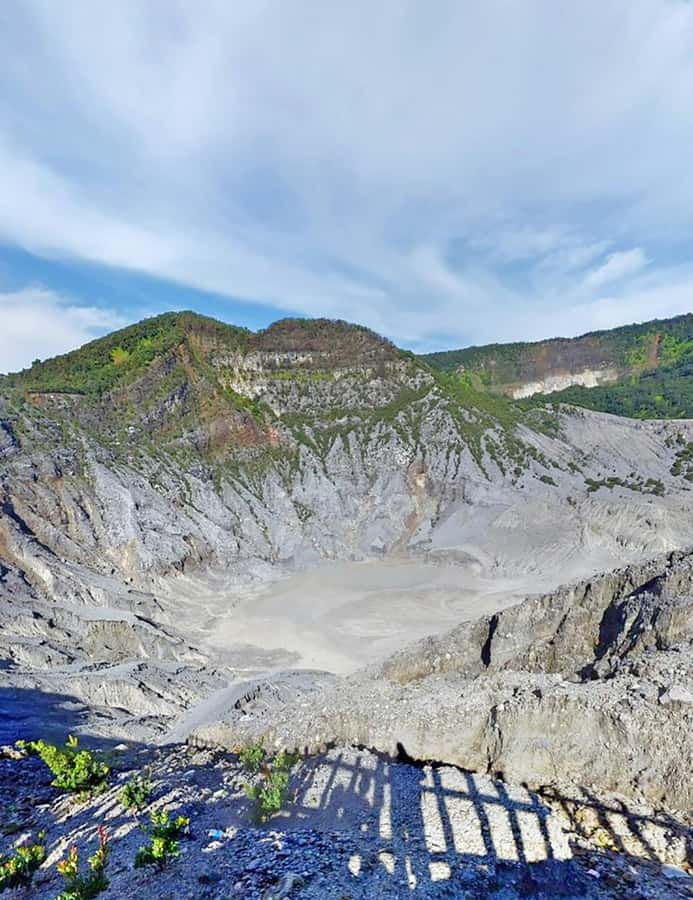
- Tangkuban Parahu is the main event: You get close views of an active crater, sulfur smells, smoke, bubbling mud, and sometimes a low volcanic rumble.
- The fruit stop is unusually good: Honey pineapple is a highlight, with mangosteen and other tropical fruit available to taste.
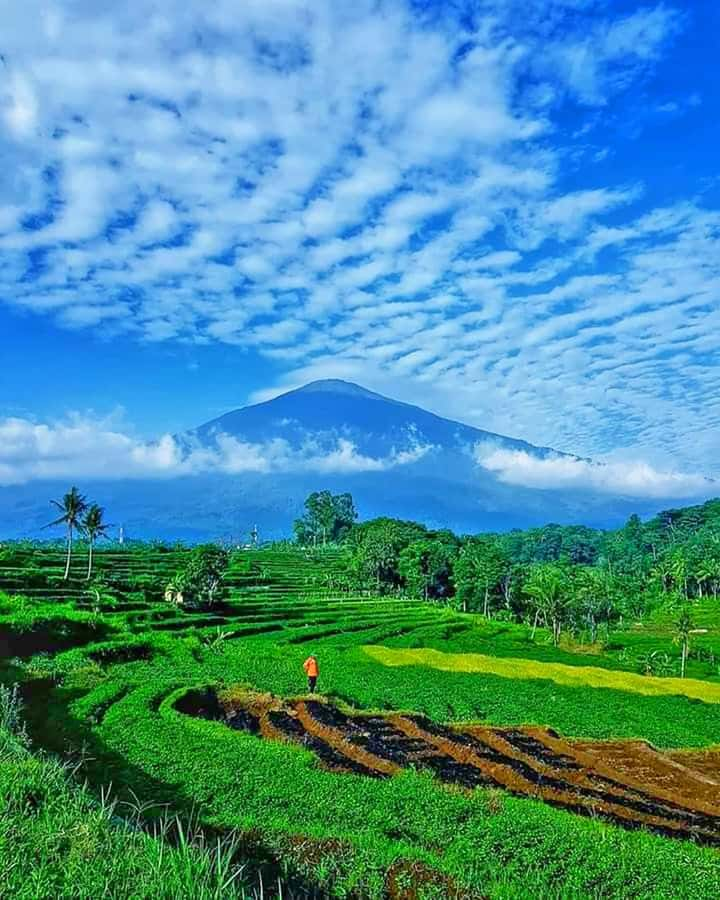
- You see working farmland: Rice fields and a large tea plantation make this more than a volcano photo stop.
- The hot springs are a welcome finale: Sari Ater offers warm, sulfur-infused water for swimming or a simple foot soak.
- The day is private and long: Pickup starts between 7 and 7:25 am, and the return to Jakarta is usually around 7 to 8 pm.
- The guide matters: Budi, Nabila, Enok, and driver-guide Samir are named examples of the English-speaking staff assigned to this experience.
A long but rewarding escape from Jakarta
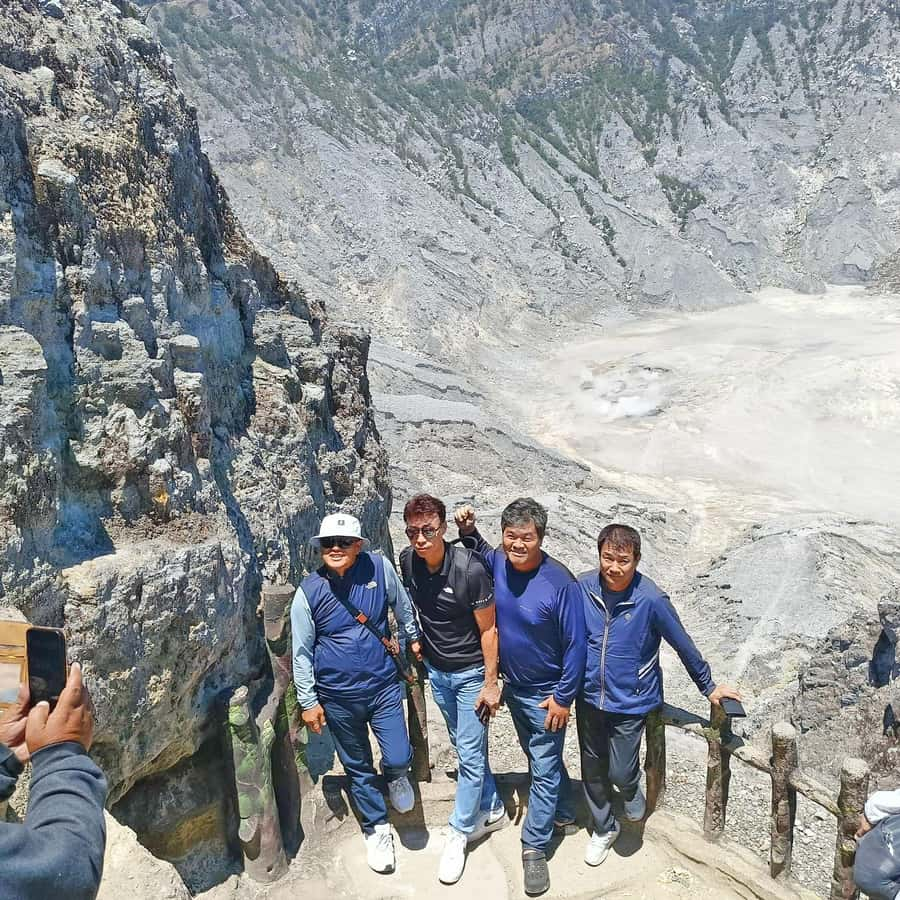
This is a full-day trip for seeing a very different side of Java without arranging several separate tours. You leave Jakarta’s urban sprawl behind, head toward Subang and Bandung, and spend the day among volcanic slopes, farms, tea plants, fruit stalls, and hot water.
I would choose this tour for someone with limited time in Java who wants variety. It is not a slow countryside retreat. The schedule covers a lot of ground, and the drive can feel tiring, especially on a busy weekend. Still, the mix is well judged: the volcano supplies the drama, the food stops keep things local, and the hot spring gives you a chance to loosen up before the return journey.
The price is $135 per person. That is not a budget day trip, but the value improves when you count the private vehicle, guide, hotel transfers, lunch, entrance charges, tolls, parking, water, and fruit tasting. You are paying as much for the long-distance transport and private service as for the individual attractions.
More Hot Spring Visits in Indonesia:
- Jakarta: Volcano, Tea/Rice Fields, Hot Spring, Local Food
★ 4.9 · 515 reviews - Active Volcano, Rice Field, Hot Spring, Fruit market, Tea Plantation with Lunch
★ 5.0 · 513 reviews - Bandung: White Crater, Scenic Tea Plantations & Hot Spring
★ 4.9 · 122 reviews
The 7 am departure and the road to West Java
Pickup begins promptly between 7 and 7:25 am at your Jakarta hotel. You wait in the lobby for the guide, who will be confirmed to the hotel concierge and carry a sign with your name.
The drive to the Subang and Bandung area takes about 2.5 to 3 hours before the day’s main stops begin. That is a serious chunk of the day, so I would not book this tour on the same day as a flight or an important appointment. The return drive takes about three hours, with arrival usually between 7 and 8 pm.
The air-conditioned vehicle is important here. Java’s heat, the long highway ride, and the number of stops would be much harder in an ordinary car without cooling. Bottled water is supplied, though I would still bring extra water, sun protection, and a light jacket for the cooler volcanic and tea-growing areas.
Because this is a private group, you do not need to wait for strangers at every stop. You can ask the guide to explain a fruit, pause for a photo, or help you judge how much time to spend at the hot springs. The exact rhythm will depend on traffic and the interests of your group.
Honey pineapple and tropical fruit near Subang
One of the most appealing parts of the day comes before the volcano. You stop at Bandung’s largest fruit market and sample local produce, including mangosteen and the sweet honey pineapple that the guide may handpick for you before the ride back to Jakarta.
This is not just a snack break. Fruit gives you a quick, friendly introduction to local agriculture, and the market is a more grounded stop than another souvenir shop. Mangosteen has a soft, sweet interior with a slightly tart edge, while the honey pineapple is known for being especially juicy and sweet.
The experience also allows you to try fruits you may not see at home. A previous outing even included a chance to taste durian, though that is not listed as a guaranteed part of every day. If you are curious about tropical produce, tell your guide early. If you dislike strong smells or unfamiliar textures, you can simply stick with the pineapple and more familiar fruit.
The guide’s choice of fruit is one of the small details that can shape the day. Budi has been specifically praised for helping with tastings, and Enok is another named guide associated with the tour. The guide is not only there to point out sights. They help you understand what you are eating and how it fits into local life.
Rice fields and a look at farm work
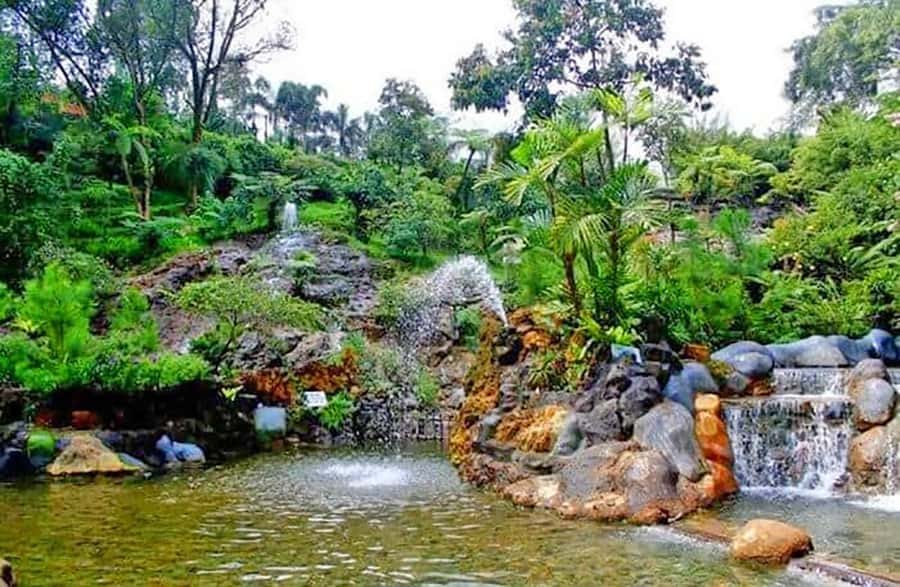
The route includes a stop beside rice fields, where you can watch local farmers working and take photographs. It is a short visit, but it adds context to the rest of the day.
Jakarta can make Indonesia feel like one huge city. The rice fields show the opposite: careful, labor-intensive farming close to the city and mountain areas. You may see farmers tending the fields, though the exact activity will depend on the season and the time of day.
I like this stop because it breaks up the attraction-to-attraction pattern. You are not simply collecting photos. You get a quick view of how food is grown and how rural communities use the land. The drawback is that the stop is not described as a long farm walk, so set your expectations accordingly. Think of it as a roadside countryside visit rather than a full agricultural tour.
Wear shoes that can handle uneven ground if you want to get close to the fields. The tour asks you to bring a jacket, and that advice is more useful for the higher, cooler parts of the route than for Jakarta itself.
More tea experiences around Indonesia if you are still choosing
- Bandung: White Crater Hotspring Tea Plans And Lunch Included
★ 4.9 · 419 reviews - Bandung Tour Volcano, Hotsprings, Mud, Tea, Lunch all Included
★ 5.0 · 91 reviews - Volcano, Hot Spring, Tea Factory, rice fields and Coffee Tour
★ 5.0 · 25 reviews - Jakarta :Volcano, HotSpring, Tea Factory, RiceField, &Coffee
★ 5.0 · 21 reviews
Tangkuban Parahu and the sulfur crater
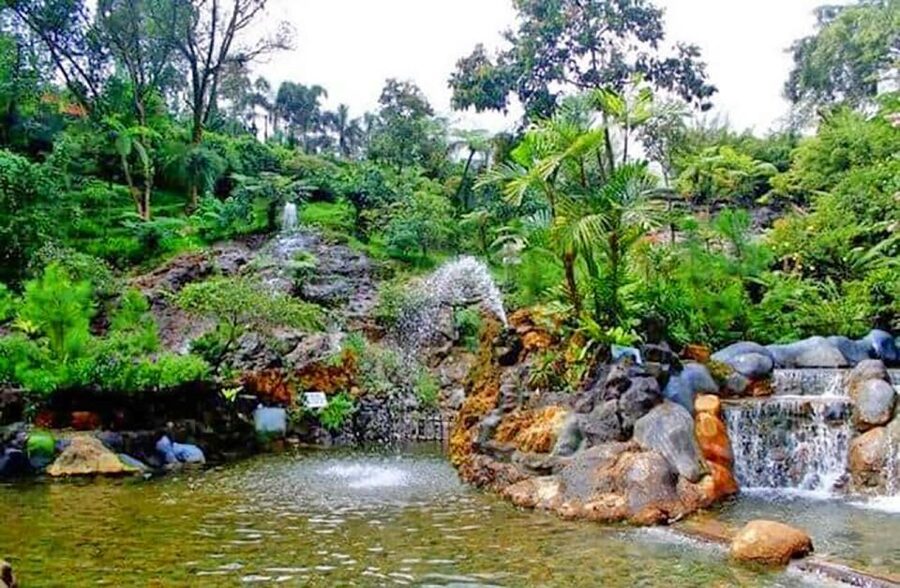
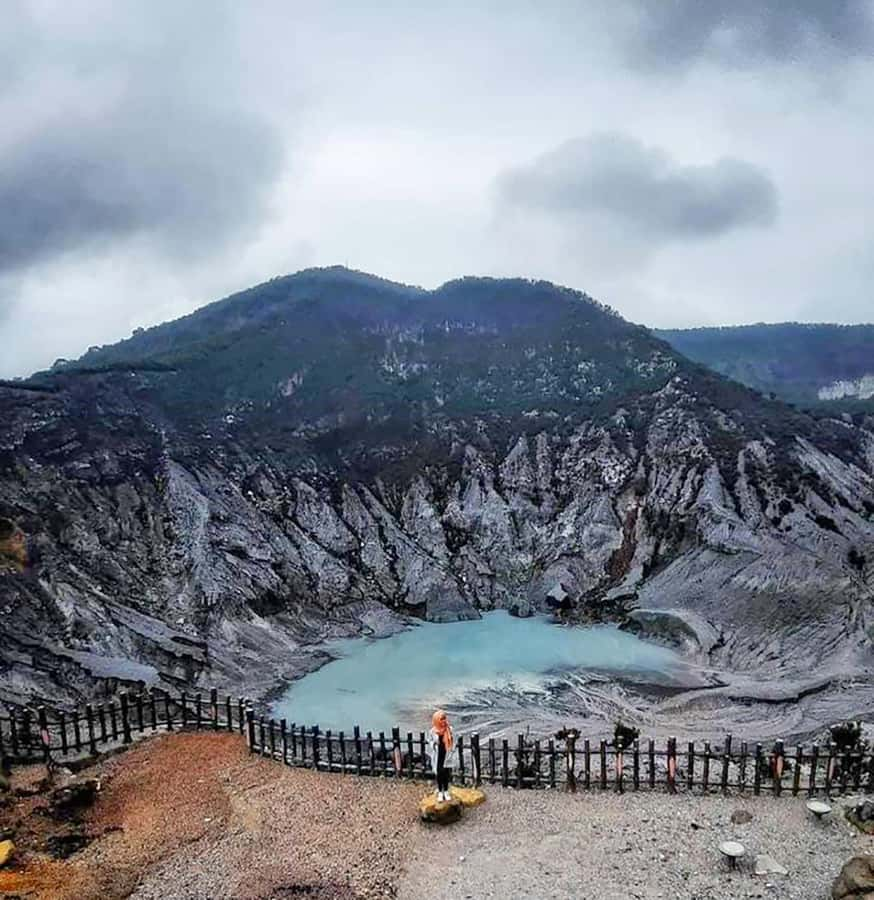
Tangkuban Parahu is the day’s strongest sight. The volcano rises in the Bandung area and is surrounded by thick green forest. At the crater, you can get close enough to smell sulfur, watch steam rise, and see bubbling mud. On occasion, you may hear the earth rumble.
This is an active volcanic area, so the experience feels more immediate than a standard mountain viewpoint. You are not looking at a distant cone from a highway. You are seeing signs of heat and gas at the crater itself. The sulfur smell can be strong, and that is part of the point. It reminds you that this is a live geological site, not simply a scenic mountain.
The planned visit lasts about two hours, including the guided tour and photo time. That gives you room to take in the crater without racing through it. Your guide can explain what you are seeing and help position the visit around the weather and crowds.
Conditions can change. Steam, cloud, and visibility are not guaranteed to look the same every day, and the tour does not promise an eruption or dramatic volcanic activity. You should also follow local instructions around the crater and avoid treating the area like an ordinary hiking viewpoint.
A jacket is a smart item to pack. The higher elevation can feel cool, and the wind around an exposed crater may make the temperature feel lower than it did in Jakarta. Comfortable shoes are also useful, though the supplied information does not describe a demanding hike.
Luwak coffee at Cikole
After the volcano, you visit Kopi Luwak Cikole for about an hour. This is a coffee plantation visit focused on how Luwak coffee is made, followed by a tasting and an opportunity to buy coffee products.
Luwak coffee has a distinctive production story involving the Asian palm civet. The tour gives you a chance to learn about that process rather than only ordering a cup at a café. If you enjoy coffee, this stop adds a cultural and agricultural angle to the day.
The tasting is included, but buying coffee is optional. I would treat the shop as a chance to compare prices and products, not as an obligation. Ask what is included in the sample and what the packaged coffee contains before purchasing.
The one-hour visit is short enough to keep the day moving, though coffee enthusiasts may wish for more time. This stop also gives you a break from the open-air volcano area before lunch and the hot springs.
Lunch in Bandung with a local focus
Lunch is arranged at a local restaurant in Bandung and is included in the price. The available information does not specify a fixed menu, so you should ask the guide about the dishes being served and mention any dietary needs at the start of the day.
I like having lunch included on a route this long. Searching for food on your own would take time away from the volcano, plantation, or hot springs, and a local restaurant gives you a better chance of eating a normal regional meal than relying on a chain near a major attraction.
Do not expect a long restaurant stay. The planned break is about one hour, so the meal is a practical pause rather than a separate culinary tour. Still, it is a useful chance to ask the guide about local ingredients or request help identifying something unfamiliar.
Tea plants on the volcanic slopes
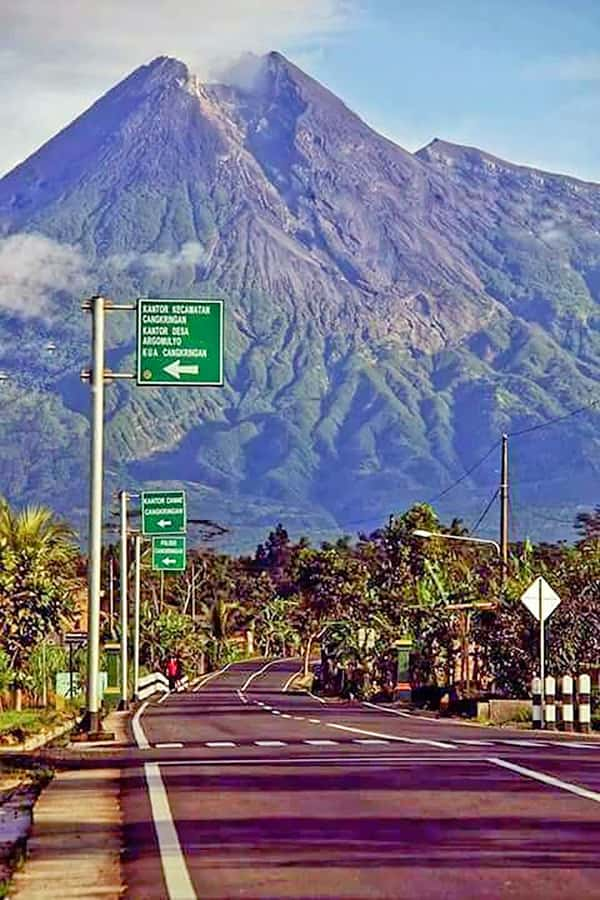
The tour also takes you through a broad tea plantation in the active volcano area. You learn about the history of tea, how it is grown, the different types, and how workers harvest it. The plantation is a strong photo stop, especially when the rows of tea plants stretch across the slopes.
Tea cultivation makes sense here because of the cooler mountain conditions. This part of the day connects the volcano to working agriculture. You see that the same highland setting that produces volcanic steam also supports crops that require a different climate from Jakarta.
The plantation visit is not listed as a separate timed stop in the short itinerary, so the exact length may vary. It can also be affected by traffic and the group’s pace. I would enjoy it as a flexible countryside stop rather than expect a formal factory tour.
Bring the jacket mentioned in the tour instructions. Mountain air, shade, and wind can make the tea fields feel much cooler than the city. The plantation is also a good place to take photographs, but keep the camera ready rather than expecting a long, carefully staged photo session.
Sari Ater hot springs for the final two hours
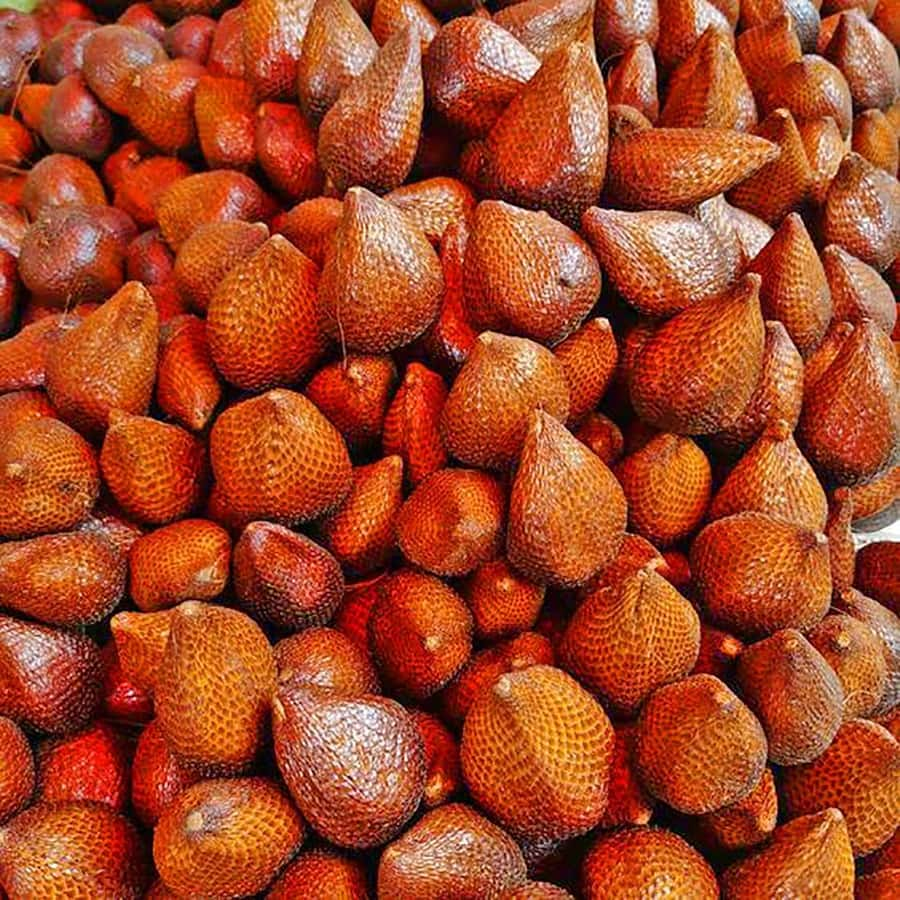
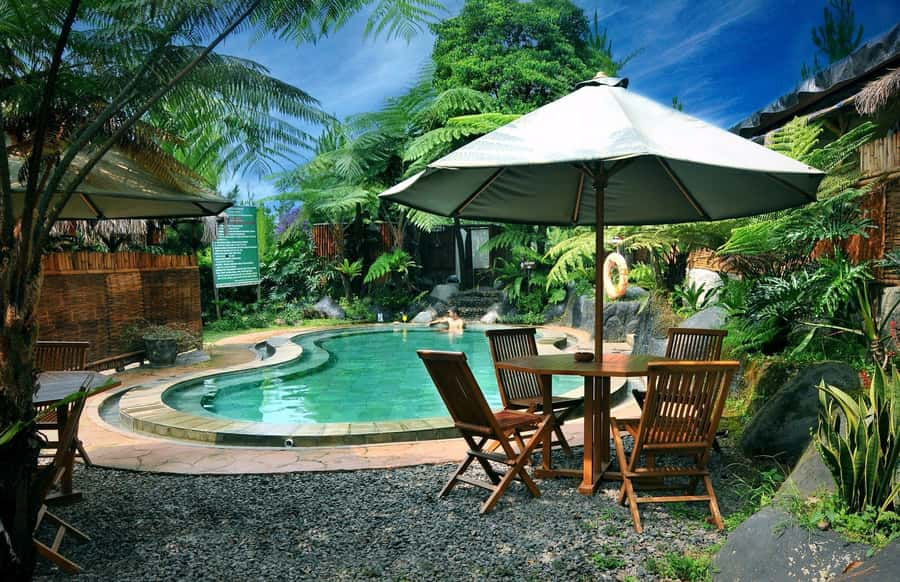
The final major stop is Sari Ater Hot Spring Water, where you have about two hours to relax. The sulfur-infused water is warm, and you can swim or simply soak your legs.
This is exactly the kind of ending a long day needs. After the early departure, crater visit, road time, fruit tasting, coffee stop, and lunch, a warm soak gives you a chance to slow down before sitting in the car again. You may also be able to use private thermal bathing areas, based on the experience described for this tour.
Bring whatever swimwear and changing items you need. The tour information specifically says you can swim or put your legs in the water, but it does not list towels or swimming gear among the inclusions. I would confirm the changing facilities and any rental costs before departure.
A local body massage is also part of the described experience, but it is not clearly listed among the included costs. Ask your guide whether massage is available and whether it carries an extra charge. That small check avoids confusion after you arrive.
The springs are valued for their healing properties, but I would treat that as a traditional benefit rather than a medical claim. If you have health concerns about hot sulfur water, ask a medical professional before soaking.
What the guides add to the day
This trip depends heavily on the guide because so much of its value comes from explanation. The volcano, coffee, fruit, tea, and farming stops are more meaningful when someone can connect them.
Budi is one named guide who has been noted for being kind, prepared, and helpful with food tastings. Nabila is an English-speaking guide who explains the stops and local stories clearly. Enok is another guide praised for making the food and cultural parts of the day engaging. Samir is named as an excellent driver who was friendly, patient, conversational, and ready to help.
You may not be assigned one of those exact people, but the names give you a sense of the service style available. English is the listed guiding language. Since this is a private group, you can also make direct requests rather than relying on a fixed group schedule.
What the $135 price includes
At $135 per person, the tour makes the most sense when you want convenience and a private vehicle. The package includes:
- Hotel pickup and drop-off
- Air-conditioned transportation
- An English-speaking guide
- Bottled water
- Volcano admission
- Other entrance fees
- Fresh fruit tasting
- Lunch
- Toll and parking fees
- Local taxes
That removes several common costs from your planning. You do not need to negotiate a long-distance car hire, arrange separate admission to the volcano and hot springs, or find a restaurant while watching the clock.
Tipping is not compulsory. If your guide and driver make the long day easier, a tip is a simple way to show appreciation, but it is not presented as a required fee.
The value is weaker if you only want to see the volcano. For that, the long drive and full-day price may feel excessive. The price works better if you genuinely want the combination of volcano, food, coffee, tea, rice fields, and hot springs.
Who should book this West Java day trip?
I would recommend it to first-time visitors based in Jakarta who want one packed introduction to the Bandung highlands. It suits couples, families, and small private groups that prefer a driver and guide rather than public transport or several separate bookings.
It is especially good for people who enjoy variety. You get nature, farming, local food, coffee, a major geological sight, and a hot spring in one day. The high rating of 4.9 from 17 recorded ratings also fits the strongest parts of the experience: helpful guides, comfortable transport, strong fruit tasting, and the combination of volcano and hot spring.
I would hesitate if you dislike long road journeys, need a relaxed schedule, or have a flight later that evening. Weekend traffic can push the return past the expected 7 to 8 pm arrival. You should also think carefully if you want a serious volcano hike, since the experience is centered on crater viewing and guided sightseeing rather than a strenuous climb.
Should you book it?
Book this tour if you want to see more than Jakarta in one day and value having the transport, guide, meals, and admission costs handled for you. The best parts are the close volcano views, unusually enjoyable fruit tasting, working tea and rice country, and a hot spring finish.
Skip it if you want a quiet day or a deep focus on just one subject. This is a long circuit with plenty of driving. For the right person, though, it is an efficient and memorable way to sample West Java, especially if guides such as Budi, Nabila, Enok, or Samir are assigned to your group.
FAQ
What time does pickup begin in Jakarta?
Pickup begins promptly between 7 and 7:25 am. You should wait in your hotel lobby about five minutes before the scheduled time.
How long does the tour last?
The experience lasts about 12 hours. You normally return to Jakarta between 7 and 8 pm, although the trip can take longer on weekends.
Is transportation included?
Yes. Hotel pickup and drop-off, an air-conditioned vehicle, tolls, and parking fees are included.
Is the tour private?
Yes. This is a private group experience with a live English-speaking guide.
What should I bring?
Bring a jacket. If you plan to swim or soak in the hot springs, you should also bring the personal items you need for that activity, since swimwear and towels are not listed among the inclusions.
Is tipping required?
No. Tipping is not compulsory, but you may give a tip as an appreciation for the guide and driver.
Fresh tea listings around Indonesia
- Yogyakarta: Prambanan Tour, Sukuh Temple & Tea Plantation★ 5.0 · 3 reviews
- Volcano, Hot Spring, Mud Bath & Tea plantation all included★ 5.0 · 5 reviews
- Full-Day Adventure: Tea Plantation & the Mystical Dieng Plateau★ 5.0 · 6 reviews
- Private Half-Day Tea Village Discovery with lunch in Yogyakarta★ 5.0 · 3 reviews
- TULA Wellness Taiwan Tea Ceremony★ 5.0 · 3 reviews
- Tea Tree Spa at Holiday Inn Resort Baruna Bali★ 5.0 · 2 reviews
- Private Trip Malang/Surabaya : Tour Tea Plantation Wonosari★ 5.0 · 5 reviews
- From Yogyakarta: Dieng Tour, Golden Sunrise & Tea Plantation★ 5.0 · 6 reviews
Spa & Hot Springs, compared.
Jakarta: Volcano, Tea/Rice Fields, Hot Spring, Local Food
Read our review →
Active Volcano, Rice Field, Hot Spring, Fruit market, Tea Plantation with Lunch
Read our review →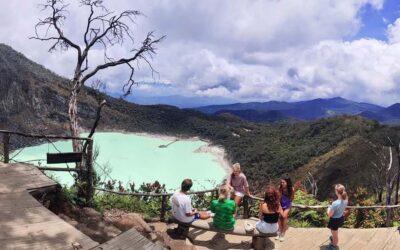
Bandung: White Crater, Scenic Tea Plantations & Hot Spring
Read our review →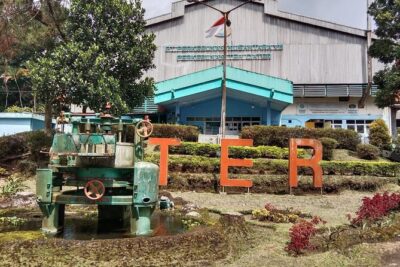
Volcano, Hot Spring, Tea Factory, rice fields and Coffee Tour
Read our review →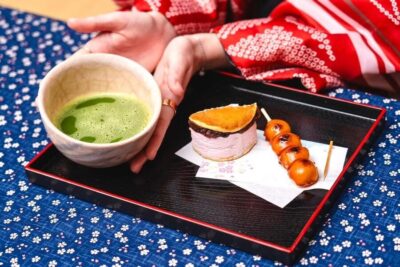
Osaka Temple Head Spa &Matcha Facial – Refresh & Glow〈90min〉
Read our review →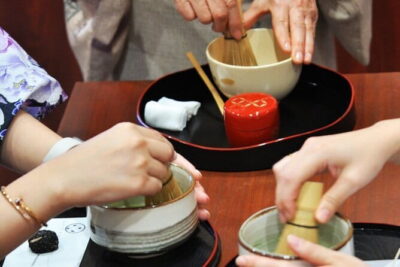
Nara Deer Park, Uji Matcha, & Hot Spring Full-Day Tour from Osaka
Read our review →
Furnas in a Private Evening – Tea, Cozido Dinner and Hot Springs
Read our review →
Osaka: Nara, Todaiji, Uji Matcha, and Hot Spring Tour
Read our review →Browse the lists this tour appears in