
Review · TEA TASTINGS
Taiwanese Baking Class with Oolong Tea Tasting in Taipei
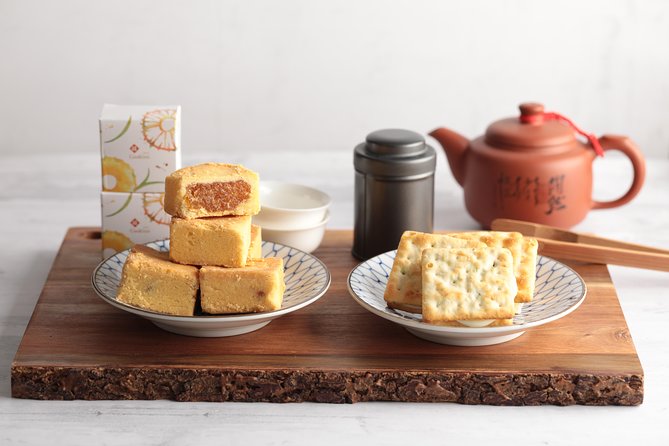
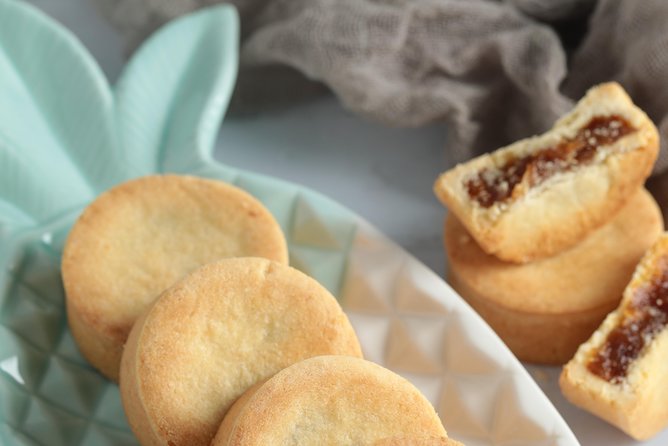
Pineapple cakes are more than a sweet Taipei souvenir. Their Taiwanese pronunciation, ong-lai, sounds like a blessing for fortune and prosperity to come. This small baking class lets you make that good-luck pastry yourself, along with mung bean cakes, then sit down for an oolong tea service.
I like two things here: you learn recipes you can connect to Taiwanese culture, and you leave with a proper to-go box rather than only a few bites eaten in class. The main consideration is price. At $80 per person, this is not a cheap snack stop, so it makes the most sense if you value hands-on instruction, tea, and a cultural explanation.
Key Points at a Glance
- Bake two traditional pastries: Make pineapple cakes and mung bean cakes during the class.
- Learn the meaning behind the food: Pineapple represents a wish for fortune and prosperity because of its Taiwanese pronunciation.
- Taste a savory-sweet specialty: Scallion nougat crackers combine flaky scallion crackers with milky-sweet nougat.
- Finish with Taiwanese oolong: Tea service gives you time to taste the pastries and hear about local tea culture.
- Take home a souvenir box: Your finished treats and recipes are packaged for you to bring home.
- Small-group setting: The class has a maximum of 10 people and starts at 2:30 pm.
Why Pineapple Cakes Mean More Than a Souvenir
Pineapple cakes are one of Taiwan’s best-known edible gifts. You’ll find them boxed in shops across Taipei, but their appeal is not only the buttery pastry and pineapple filling. The Taiwanese pronunciation of pineapple, ong-lai, sounds similar to a phrase meaning fortune and prosperity to come.
That wordplay gives the cake a social purpose. When you bring a box to family or friends, you are not simply handing over a snack. You are offering a small blessing. Making the pastry yourself gives that idea more weight, since you can explain the meaning when you share the finished cakes.
The class also includes mung bean cakes, another traditional pastry. The provided information does not give a full recipe or detailed account of the preparation, so you should expect instruction from the class teacher rather than a self-guided baking session. The focus is on making familiar Taiwanese sweets and understanding why they matter.
I like this combination because it gives the class a clear local identity. You are not making generic cookies that could belong anywhere. The recipes connect directly to Taiwanese food customs, gift-giving, and ideas of good fortune.
More Chinese Tea Ceremonies in Taipei:
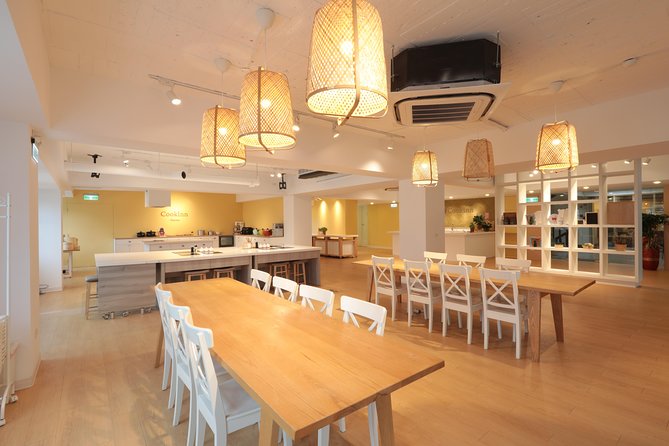
Inside CookInn Taiwan’s Zhongshan Classroom
The class meets at CookInn Taiwan’s Zhongshan classroom at 66 Section 1, Chengde Road, second floor, in Taipei’s Datong District. The start time is 2:30 pm, and the activity returns to the same meeting point.
That setup keeps the afternoon simple. You do not need to track several stops across Taipei or worry about finding a different ending point. Since the classroom is near public transportation, you can plan your route without relying on a private transfer.
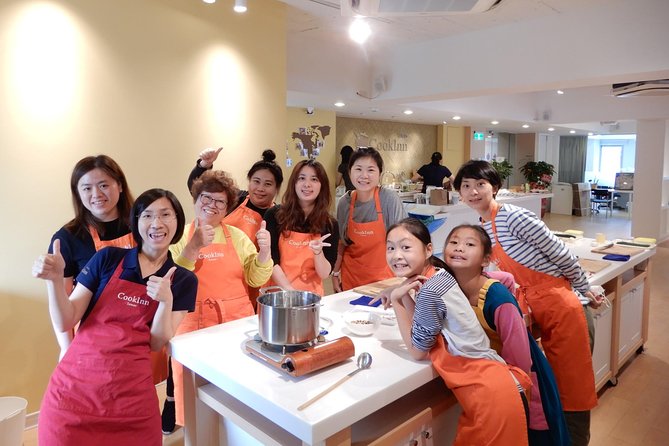
The group size is limited to 10 people. That matters in a baking class. You will need to see demonstrations, handle ingredients, and ask questions, so a small class should feel more manageable than a large cooking workshop. The available feedback specifically praises the instructor’s patience and clear instructions, which is useful if you are not an experienced baker.
No instructor name is provided, so you should not book this expecting a particular teacher. The important point is the teaching style described: patient guidance, understandable directions, and recipes to take home.
Arrive with enough time to locate the second-floor classroom. The meeting details give a precise address, but not a recommended arrival time or directions from a particular station. I would avoid cutting it close, especially if you are coming from another part of Taipei.
Making Pineapple and Mung Bean Cakes
The main part of the class is hands-on pastry making. You will learn to prepare pineapple cakes and mung bean cakes, two sweets that are closely tied to Taiwanese food culture.
Pineapple cakes are the more recognizable of the pair. They are famous as gifts, and their good-fortune meaning makes them especially suitable for sharing. The class gives you a chance to understand the pastry beyond its role as a packaged souvenir.
Mung bean cakes offer a second style of Taiwanese sweet. Including both recipes keeps the session from feeling too narrow. You get to work with two traditional pastries rather than spending the full class on one item.
The class is designed for people who want instruction, not simply access to an oven. You should expect the teacher to guide you through the preparation and baking process. The exact recipe steps, baking equipment, and ingredient list are not specified, so do not assume you will receive a full professional kitchen experience or a detailed demonstration of every technical variation.
Still, the format has a practical advantage. You can ask for clarification while you work, then use the supplied recipes later. The recipe cards turn the experience into something you can continue at home, although the available information does not promise that every ingredient or piece of equipment will be easy to find outside Taiwan.
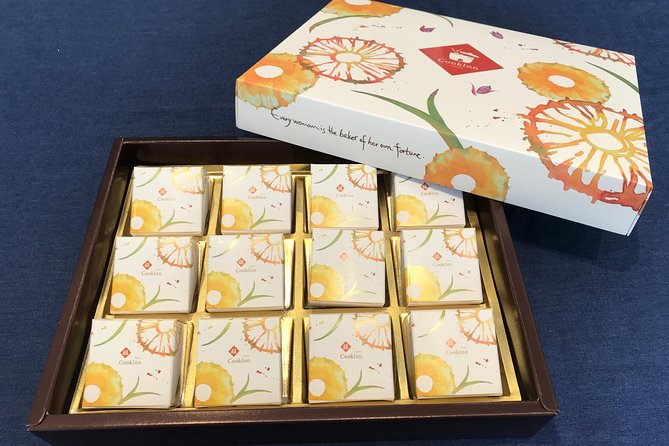
One especially useful detail is the packaging. Your completed pineapple cakes and scallion crackers are prepared in a box for you to take with you. The feedback highlights the attractive presentation, which makes the treats suitable for sharing or carrying back to your hotel.
The Scallion Nougat Cracker Combination
The food served in the class is not limited to pineapple and mung bean pastries. You will also encounter scallion nougat crackers, a distinctive Taiwanese snack with two very different textures and flavors.
The crackers are flaky and savory, with scallion flavor. Between them is a milky-sweet nougat. That contrast is the point: salty and sweet, crisp and soft, familiar and slightly surprising.
This is the kind of small food detail that makes the tea portion more interesting. You are not pairing oolong with only one sugary pastry. The scallion cracker gives your palate a savory option and shows how Taiwanese snacks can mix flavors that do not always appear together in Western desserts.
The description does not say that you prepare the scallion nougat crackers from scratch. You should treat them as part of the snack and tasting service unless the instructor tells you otherwise. The pastries you are specifically taught to make are pineapple cakes and mung bean cakes.
More Tea Tastings in Taipei:
- Taipei: Taiwan Traditional Breakfast & Market & Tea Tasting
★ 5.0 · 6 reviews - Twinings 2-Hour Tea Tasting Masterclass in London
★ 5.0 · 105 reviews - Tea Tasting and Pairing Concept Workshop
★ 5.0 · 57 reviews - Munnar: Tea trail, Tea Factory, and Tea Tasting Tour
★ 4.9 · 47 reviews
Oolong Tea Gives the Class a Second Half
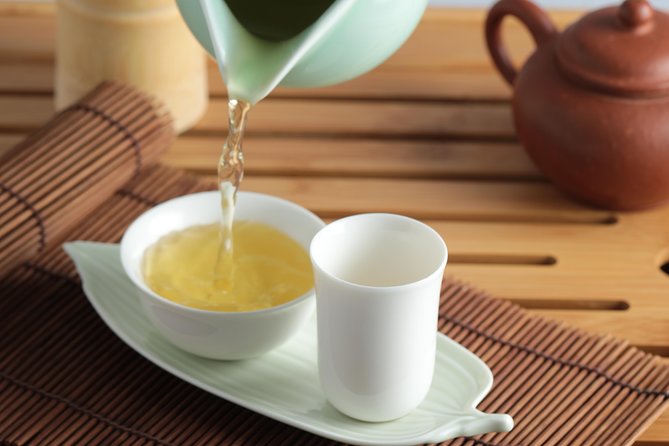
After the baking work, the class shifts to Taiwanese tea culture. You will receive a traditional oolong tea service and taste the pastries with the tea.
Taiwanese oolong is known for flavor shaped by the island’s growing conditions. The class introduces that background in a relaxed setting, with the tea acting as more than a drink. It gives you a way to slow down, compare flavors, and appreciate the pastries you have just made.
I like this structure because it prevents the class from being all work. Baking can be busy, especially when several people are following instructions at once. Sitting down with tea afterward provides a natural pause and lets the experience end on a calm note.
The tea service also gives the instructor room to explain local customs. The supplied details do not specify the exact tea variety, brewing method, or length of the talk, so you should not expect a formal tea ceremony. Think of it as an introduction to Taiwanese tea culture paired with sweets.
For a food-focused afternoon, the pairing makes sense. Oolong can help balance sugary pastries, while the scallion nougat crackers bring out a different side of the tea. You get to taste the results rather than simply pack them away.
What You Take Home
A major benefit is the souvenir box. You do not leave with only a recipe or a quick sample. The pastries you make are packaged for you to bring home, along with recipes.
That makes the class useful for families and friends who are not taking part. You can share the good-fortune meaning of pineapple cakes and offer something you made in Taipei. The box also gives the experience a physical memory, instead of leaving you with only photographs.
Packaging matters more than it may seem. Freshly made pastries can be awkward to carry, especially if you are moving between hotels or flying soon. The information confirms that a special souvenir box is included, but does not state its size, shelf life, or whether it is suitable for checked or carry-on luggage. Ask the class staff if you need specific packing advice.
The take-home recipes are another strong point. If you enjoy the class, you can try making the pastries again. Just remember that home results may vary if the ingredients or equipment differ from those used in Taipei.
Is $80 a Fair Price?
At $80 per person, this class sits in the paid-experience category rather than the casual snack category. You could buy pineapple cakes more cheaply in Taipei, so the value does not come from the amount of food alone.
You are paying for about 2.5 hours of structured instruction, ingredients, snacks, tea service, recipes, and a box of finished treats. The maximum group size of 10 also matters. A small class offers a better chance to follow along and receive help than a crowded demonstration.
The tour summary also lists the duration as approximately two hours, while the detailed description gives 2.5 hours. I would plan for the longer figure. That avoids scheduling a tight appointment afterward and reflects the time needed for baking, tasting, tea, and packing.
I see the price as reasonable for a visitor who wants an organized food activity and a meaningful souvenir. It is less attractive if you only want to taste Taiwanese pastries or are trying to keep daily costs low.
The strongest value is the combination of activity and takeaway. You get a story to tell, recipes to keep, and edible gifts to share. If those extras matter to you, the price is easier to justify.
Who Will Enjoy This Class Most?
I would recommend it most strongly to food-focused visitors, couples, families, and anyone who likes bringing home something made during a trip. The class works well for a free afternoon because it begins at 2:30 pm and ends back at the classroom.
It should also suit people who want cultural context without committing to a full-day food tour. You learn about Taiwanese pastries, gift traditions, and oolong tea in one compact session.
The class may be a good fit for beginners. The available feedback specifically points to patient teaching and clear directions, and the group is capped at 10 people. You do not need to arrive with professional baking skills.
I would think twice if you dislike sweet foods, have no interest in cooking, or want a highly technical pastry course. The emphasis is on traditional Taiwanese treats, tea, and a pleasant hands-on activity. The details do not promise advanced pastry training or a professional certification.
This is also not the best choice if your Taipei schedule is packed with sightseeing. The class lasts around 2 to 2.5 hours, begins at a fixed time, and requires you to reach a specific classroom. Its value depends on giving the activity your full afternoon attention.
Booking and Cancellation Details
Your confirmation is received at the time of booking, and a mobile ticket is available. The class is near public transportation and ends where it begins.
Free cancellation is available if you cancel at least 24 hours before the scheduled start time. Cancellations or changes made less than 24 hours before the start are not accepted for a refund.
The experience requires good weather, and it also requires a minimum number of participants. If poor weather or an insufficient group causes cancellation, you are offered another date or experience, or a full refund. Since baking takes place indoors, the weather condition may seem unusual, but it is part of the booking terms.
My Recommendation
I would book this class if you want more than a box of Taiwanese pastries from a shop. The food has a clear cultural meaning, the tea service gives the afternoon a relaxed finish, and the take-home box makes the experience easy to share.
The $80 price is the main question. Choose it when you value personal instruction, recipes, tea, and a small group. Skip it if your priority is simply eating pineapple cakes as cheaply as possible.
For many visitors, the best reason to go is the combination of making and meaning. You learn why pineapple cakes carry wishes for prosperity, taste Taiwanese oolong with the finished pastries, and return to your day with a box of good fortune in hand.
FAQ
Where does the baking class meet?
The class meets at CookInn Taiwan’s Zhongshan classroom, located at 66 Section 1, Chengde Road, second floor, Datong District, Taipei City, Taiwan.
What time does the class start?
The scheduled start time is 2:30 pm.
How long does the experience last?
The detailed description gives an approximate duration of 2.5 hours. The tour summary also describes it as about two hours, so allow at least 2.5 hours when planning your day.
What pastries will I learn to make?
You will learn how to make traditional Taiwanese pineapple cakes and mung bean cakes.
Is tea included?
Yes. A traditional Taiwanese oolong tea service is included at the end of the class.
What are scallion nougat crackers?
They are flaky, savory scallion crackers filled with milky-sweet nougat. They are included as part of the snacks and tea experience.
Do I receive food to take home?
Yes. You receive a special souvenir box with the pastries and goodies prepared during the experience.
Are recipes included?
Yes. Recipes are included with the take-home items.
How many people can join the class?
The experience has a maximum of 10 participants.
Can I cancel for a full refund?
Yes, if you cancel at least 24 hours before the experience start time. Cancellations made less than 24 hours in advance are not refunded.
More Food and Drink Tours in Taipei
- Street Food Cooking Class in Taipei : Gua Bao/Lu Rou Fan/Boba Tea
★ 5.0 · 22 reviews - Jakarta: Volcano, Tea/Rice Fields, Hot Spring, Local Food
★ 4.9 · 515 reviews - Private Tea Ceremony and Sake Tasting in Kyoto Samurai House
★ 5.0 · 163 reviews - SF’s Chinatown: Tea & Dim Sum Food Tour – Includes full meal, 3hr
★ 5.0 · 153 reviews
More Cooking Classes in Taipei
- Xiao Long Bao, Beef Noodles & Boba Tea Cooking Class in Taipei
★ 5.0 · 159 reviews - Xiao Long Bao, Chicken vermicelli with mushroom and sesame oil, Tofu strips salad, Bubble milk tea. Taiwan Traditional Delicacies Experience-A (Taipei Cooking Class)
★ 5.0 · 79 reviews - Xiao Long Bao & Boba Tea Cooking Class in Taipei
★ 5.0 · 28 reviews - Xiao Long Bao, Pork thick soup, Bubble milk tea. Taiwan Traditional Light Meals Experience-B (Taipei Cooking Class)
★ 5.0 · 24 reviews
Fresh tea listings around Taipei
- Xiao long bao, Pork thick soup, Bubble milk tea. (Taiwan Cooking Class)-B★ 5.0 · 18 reviews
- Taiwan Traditional Delicacies Experience, Xiao Long Bao, Chicken vermicelli with mushroom and sesame oil, Tofu strips salad, Bubble milk tea.★ 5.0 · 6 reviews
- Xiao Long Bao, Chicken vermicelli with mushroom and sesame oil, Tofu strips salad, Bubble milk tea. Taiwan Traditional Delicacies Experience-A (Taipei Cooking Class)★ 5.0 · 8 reviews
- Xiao Long Bao, Chicken vermicelli with mushroom and sesame oil, Tofu strips salad, Bubble milk tea. Taiwan Traditional Delicacies Experience-A (Taipei Cooking Class)★ 5.0 · 5 reviews
- Taipei Fresh Market Tour and Colorful Bubble Tea Making★ 5.0 · 6 reviews
- Pineapple Pastry with Egg Yolk, Longan Cake, High Mountain Oolong Tea. Taiwan Traditional Dessert Experience-D (Taipei Cooking Class)★ 5.0 · 2 reviews
- Street Food Cooking Class in Taipei : Gua Bao/Lu Rou Fan/Boba Tea★ 5.0 · 22 reviews
- Sip & Savor: Maokong Tea & Shenkeng Stinky Tofu Private Day Tour★ 4.5 · 9 reviews
Tea Tastings, compared.
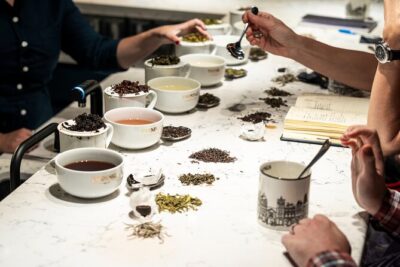
Twinings 2-Hour Tea Tasting Masterclass in London
Read our review →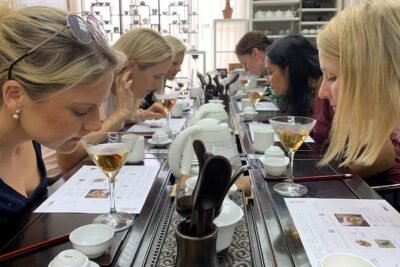
Munnar: Tea trail, Tea Factory, and Tea Tasting Tour
Read our review →
Matcha Experience with of Japanese Tea Tasting in Tokyo
Read our review →
Nara:5 Type of Tea Tasting & Mindful Tea Ceremony
Read our review →
Montmartre Hill French Afternoon Tea Tasting Tour with Crepes and Macarons
Read our review →
Munnar Tea Trail Tour , Tea factory visit & Tea Tasting
Read our review →Browse the lists this tour appears in