
Review · AFTERNOON TEA EXPERIENCES
Afternoon Tea and Dessert Tour on the Huaihai Road in Shanghai
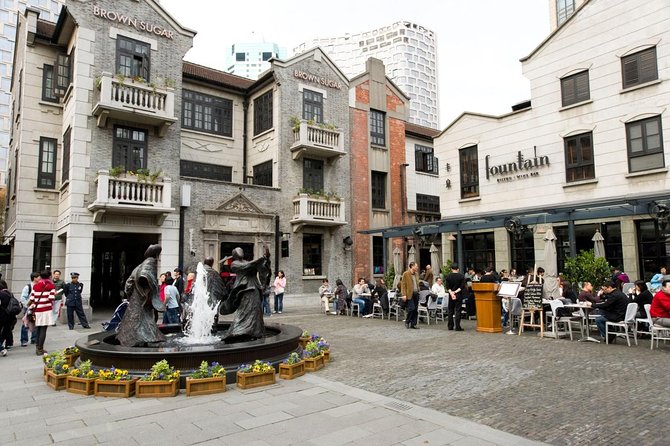
Shanghai’s sweet side gets the spotlight on this three-hour Huaihai Road food walk, where mooncakes, traditional tea, and Cantonese desserts form the afternoon’s main story. You begin in central Shanghai, move through Xintiandi and the former French Concession, and finish with a table full of cold sweets.
I like the way the tour links food with custom, especially the tea ceremony’s explanation of cup sizes, water temperatures, and serving manners. I also like the small-group setup, normally 10 people or fewer, which gives you a better chance to ask questions. The main consideration is that this is a walking and tasting tour, not a full meal, and the $82 price may feel high if you mainly want a quick snack.
Key Points
- Mooncakes at two pastry shops: Taste sweet and savory fillings while learning why these round cakes matter during the Mid-Autumn Festival.
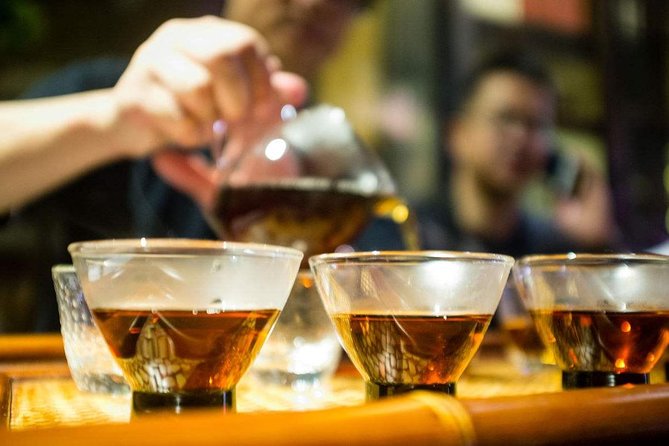
- Tea ceremony in Xintiandi: Sample pu-erh, ginseng oolong, jasmine tea, and Fujian black tea.
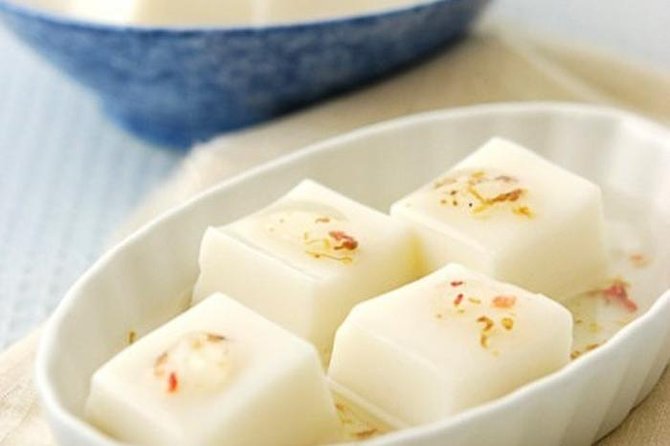
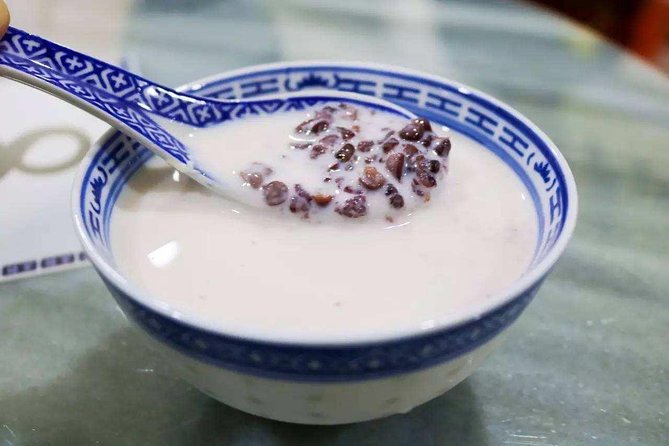
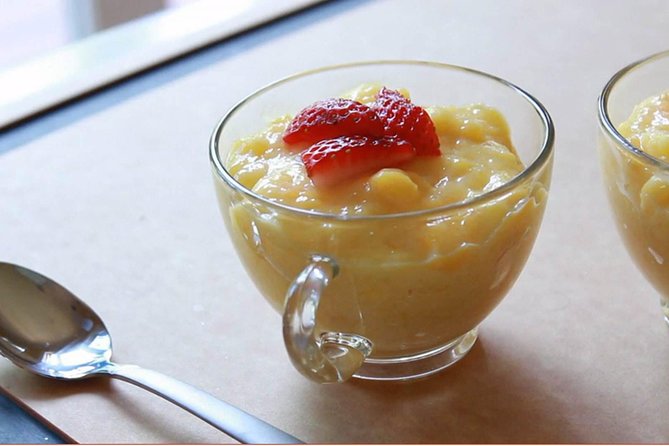
- Cantonese desserts to finish: Try milk pudding with purple sticky rice, mango purée, papaya, sago, mousse cake, and almond tofu.
- A useful cultural lesson: The guide explains tea etiquette, cup sizes, rinsing, and water temperature.
- Small-group format: Bookings are limited to 10 people, though the activity information gives a total maximum of 15.
- Central Shanghai setting: The route connects Huaihai Road, Xintiandi, and the former French Concession.
Why Shanghai’s Tea Culture Makes This Tour Work
Many Shanghai food tours chase dumplings, noodles, or street snacks. This one takes a quieter route. You spend the afternoon with pastries and tea, learning how food fits into family gatherings, hospitality, seasonal celebrations, and daily life.
The strongest part is the contrast between the stops. Mooncakes are dense and pastry-based. Tea clears the palate and slows the pace. Cantonese desserts then bring in cool textures, fruit, pudding, and silky bean-based sweets. The progression feels thought out rather than like a random list of sugar samples.
I also like that the tour does not treat tea as one single drink. China has many tea traditions, and the session introduces several types from different regions. You may taste earthy pu-erh, fragrant ginseng oolong, jasmine tea, and black tea from Fujian. Each cup gives the guide a chance to explain how aroma, heat, steeping, and serving style affect the experience.
This is a good choice for someone who wants cultural background with food. If you are looking for a heavy lunch or a market crawl, choose another kind of tour. Here, the value comes from the explanations and the guided tasting, not from the amount of food alone.
More Afternoon Tea in China:
- Shanghai 3-Hour Afternoon Tea Tasting and Dessert Tour
★ 4.9 · 15 reviews - Classic Afternoon Tea Voyage in Hong Kong for 4 Pax
★ 4.0 · 4 reviews - London: Afternoon Tea Cruise on the River Thames
★ 4.4 · 3,274 reviews
Starting at 2pm on Huaihai Road
The meeting point is 333 Huai Hai Zhong Lu in Huangpu District, with the tour beginning at 2pm. Huaihai Road is one of central Shanghai’s major shopping and food streets, so the location is practical for combining this activity with other plans in the city center.
You meet the guide and group before setting off on foot. Hotel pickup and drop-off are not included, so you need to make your own way to the start. The tour ends in the former French Concession area, rather than returning you to the meeting point. That is useful if you plan to keep exploring, but you should allow time to find your way onward.
The route is not a long-distance sightseeing trip. It is a neighborhood walk with food stops. Wear comfortable shoes, since you will be on foot between pastry shops, the tea house, and the dessert restaurant. The tour operates in all weather, so a rainy-day plan and suitable clothing are sensible.
Mooncakes at Two Pastry Shops
The first tasting focuses on mooncakes at two local pastry shops. These round cakes usually have a pastry shell and a sweet or savory filling. Their shape symbolizes family reunion, and they are closely tied to the Mid-Autumn Festival.
This is more interesting than simply being handed a pastry. You learn how mooncakes are served with tea and why they appear so often during a major seasonal celebration. The two-shop format also gives you a chance to compare styles, fillings, and textures instead of treating all mooncakes as the same.
Mooncakes can be rich and filling, so pace yourself. The tour is designed around tasting rather than eating a large number of full-size cakes. If you have never tried them, this is a useful introduction. If you already know you dislike dense pastries or sweet fillings, this first stop may be the least exciting part of the afternoon.
The time here is about 45 minutes. That allows room for tasting and explanation without turning the stop into a rushed purchase. The pastry shops also provide a look at how traditional foods fit into modern commercial Shanghai, especially along a major shopping road.
A Tea Ceremony in Xintiandi
The middle stop takes place at a tea house near the dessert shops in Xintiandi and lasts about an hour. This is the core of the experience. You sit down, taste several teas, and learn how tea is prepared and served.
The guide covers traditional tea drinking etiquette and explains why different teas may call for different cups and water temperatures. That detail matters. Tea tasting is not only about identifying flavors. The vessel, heat, steeping time, and repeated refills all shape what you taste.
The selection may include pu-erh, ginseng oolong, jasmine tea, and black tea from Fujian. These offer a useful range:
- Pu-erh gives you an earthy, mature style of tea.
- Ginseng oolong brings a distinct herbal note.
- Jasmine tea is known for its floral aroma.
- Fujian black tea shows a darker, fuller profile.
The ceremony also introduces tea’s long connection with Chinese social life and its later popularity in the West during the 1800s. That historical link adds context without turning the hour into a lecture.
One especially useful detail is the chance to notice how flavors change over repeated rinses and refills. The tea does not always taste the same from the first pour to the later cups. Guide Jim receives particular praise for explaining tea and for creating a friendly, relaxed session. If he leads your departure, you can expect plenty of practical explanation rather than a quick sample and exit.
The tea house is also where the small group matters most. With 10 people or fewer in a normal booking, it is easier to see the preparation and ask about a tea you like. The supplied information also lists a maximum of 15 people for the activity, so the exact size may vary. Either way, it is not presented as a large coach-group event.
More tea experiences around China if you are still choosing
- One-Day Hangzhou Dragon Well Tea Culture & West Lake Private Tour
★ 5.0 · 98 reviews - Traditional Chinese Tea Ceremony Experience
★ 4.7 · 74 reviews - Beijing Culture: Tea Ceremony, Heritage Instrument & Calligraphy
★ 5.0 · 57 reviews - Tea Tasting and Pairing Concept Workshop
★ 5.0 · 57 reviews
Cantonese Desserts in the Former French Concession
The last food stop takes you to a Cantonese dessert restaurant in the former French Concession area. This section lasts about 45 minutes and shifts the mood from warm tea and baked pastries to chilled, soft, and fruit-based sweets.
The tasting can include milk pudding with purple sticky rice, jellied mousse cake, papaya, sago, mango purée, and almond tofu. That is a broad range of textures. Some are creamy, some gelatinous, some fruity, and some lightly chewy.
Mango purée and almond tofu are good examples of why this stop adds something new. Mango brings bright fruit flavor, while almond tofu has a delicate, smooth texture. Milk pudding with purple sticky rice is more substantial and gives the sweets a grain-based element. The exact order and portions may vary, but the listed tasting gives you a clear idea of the style.
I like this ending because it keeps the tour from becoming only a pastry lesson. Cantonese dessert traditions often use fruit, beans, jellies, puddings, and chilled preparations in ways that may be unfamiliar to visitors used to Western cakes. The stop is also a chance to sit down after the walk.
Do not expect a full restaurant meal. The experience is built around sampling several desserts, and the sweetness can add up after mooncakes. Still, the variety makes the final stop worthwhile for anyone who enjoys trying unfamiliar textures.
What the $82 Price Really Buys
At $82 per person, this is not the cheapest way to eat sweets in Shanghai. You are paying for more than the ingredients. The price includes a local guide, the food tastings, the desserts, and the afternoon tea ceremony.
The value is strongest if you want interpretation. A pastry shop visit on your own may give you a mooncake, but not the explanation of its round shape, festival connection, or place beside tea. A tea house may serve several varieties, but the guide helps you understand the preparation, cups, water temperatures, and etiquette. The dessert restaurant then adds a final cultural layer.
The price is less compelling if you are focused only on quantity. This is not an all-day food feast, and it does not include hotel transportation. I would book it for the structure, access, and instruction, not because it promises the largest meal for the money.
The tour is often booked about 29 days ahead. That suggests planning early if your Shanghai schedule is fixed, especially since the group is kept small. You receive confirmation at booking, and free cancellation is available if you cancel at least 24 hours before the 2pm start time.
Who Will Enjoy This Afternoon Most
I would choose this tour for a first or second visit to Shanghai when you want an easy introduction to tea culture and Chinese sweets. It suits couples, solo visitors, and small groups who enjoy sitting down to taste and ask questions.
It is also a good fit for anyone who wants an activity with a clear beginning and end. The route lasts about three hours, starts at 2pm, and finishes in the former French Concession. That leaves the evening open for dinner or more sightseeing.
Families can join, but children must be accompanied by an adult. Children under 3 are free. Keep in mind that young children may not care much about a tea ceremony or the finer points of mooncake texture, so the match depends on the child.
The tour can accommodate most people, and service animals are allowed. You should advise the operator about dietary requirements at booking. The information does not specify which substitutions are available, so do not assume every ingredient can be changed. Anyone with strong allergies should ask before committing.
Practical Tips for a Smoother Visit
Arrive at the Huaihai Road meeting point before 2pm. The tour does not include hotel pickup, and a late arrival could be difficult once the group begins walking.
Eat lightly beforehand. You will taste food at three stages, and mooncakes followed by several desserts can be more filling than expected. Bring water if you like, though the tea ceremony supplies the main drink experience.
Wear shoes that can handle a few hours on city streets. Since the tour runs in all weather, check the forecast and bring an umbrella or light rain gear when needed.
Keep your afternoon flexible. The listed duration is approximately three hours, and food service can take a little time. Because the tour ends in the French Concession, you can treat the final location as part of your evening plan rather than expecting a return to Huangpu.
Should You Book the Huaihai Road Tea and Dessert Tour?
Book it if you want a guided cultural tasting, not simply a list of snacks. The strongest elements are the tea ceremony, the range of teas, and the guide’s explanation of how tea is properly prepared and served. Jim is specifically praised for his warm manner and clear instruction, though guide assignments can vary.
The tour also works well for people who prefer a calm afternoon to a crowded food market. You get mooncakes, a seated tea session, and Cantonese sweets in a compact central route.
Skip it if you want a full meal, extensive sightseeing, or the lowest possible food cost. At $82, it makes sense when the cultural explanation and small group matter to you. For tea lovers, first-time Shanghai visitors, and anyone curious about Chinese desserts, it is a well-shaped three-hour introduction.
FAQ
How long does the afternoon tea and dessert tour last?
The tour lasts approximately three hours, beginning at 2pm.
Where does the tour start?
It starts at 333 Huai Hai Zhong Lu in Huangpu District, Shanghai.
Where does the tour end?
The tour ends in the French Concession area of Xuhui District.
What food is included?
The tasting includes mooncakes at two pastry shops, several teas during a tea ceremony, and Cantonese desserts such as milk pudding with purple sticky rice, mousse cake, papaya, mango purée, sago, and almond tofu.
How many people can join?
Bookings are limited to a maximum of 10 people, while the activity information gives a total maximum of 15 participants.
Is hotel pickup included?
No. Hotel pickup and drop-off are not included, so you must reach the Huaihai Road meeting point yourself.
Can I cancel for a full refund?
Yes. You can receive a full refund by cancelling at least 24 hours before the local start time. Changes or cancellations made less than 24 hours before the start are not accepted for a refund.
Fresh tea listings around China
- Chongqing 1941 theatre: Tea Art Performance with Folk Art★ 3.8 · 8 reviews
- Beijing:Learn Calligraphy & Enjoy Kung Fu Tea Ceremony★ 5.0 · 2 reviews
- Beijing: Temple Of Heaven+Tai Chi Class+Tea Ceremony★ 5.0 · 8 reviews
- Beijing Hands-On Culture Tour: Tea, Instrument, Calligraphy★ 5.0 · 6 reviews
- Beijing: Chinese Culture Tea Ceremony Reservation Service★ 4.8 · 4 reviews
- 3 hours Xi’an Mahjong Class with Local Tea★ 5.0 · 2 reviews
- Xi’an Calligraphy & Tea Ceremony – Dive into Ink & Brush Artistry★ 5.0 · 4 reviews
- Xi’an Noodle Making and Tea Tasting Experience★ 5.0 · 6 reviews
Afternoon Tea Experiences, compared.
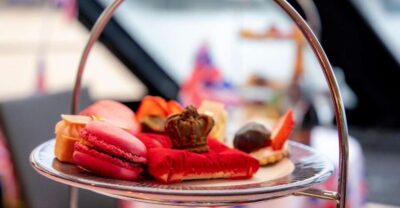
London: Afternoon Tea Cruise on the River Thames
Read our review →
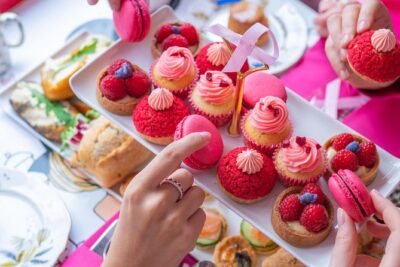
London: Afternoon Tea Bus Tour – 1960s Routemaster Bus
Read our review →
London: Afternoon Tea Bus with a Glass of Prosecco
Read our review →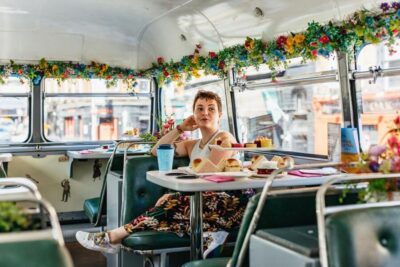

Browse the lists this tour appears in