
Review · TEA TASTINGS
Tea Tasting Session at India’s oldest tea boutique : Sancha Tea Boutique
India’s oldest tea shop chain makes tea tasting feel less like shopping and more like a short lesson in India’s tea country. At Sancha Tea Boutique on MI Road, you taste teas from major growing areas, compare three Darjeeling seasons, and finish with Masala Chai.
I like the small group size, capped at 10 people, and the way the tasting moves beyond simple black tea samples. I also like that you can browse more than 100 Indian teas afterward, including green, white, Oolong, and black teas.
The main drawback is the short one-hour schedule. You get a useful introduction, but tea fans who want a slow, highly technical tasting may find the session moves quickly. The shop is open for tastings only from noon to 6 p.m.
Key points about the Sancha tea tasting
- Three Darjeeling seasons: Compare spring first flush, summer, and autumn tea from the same famous tea region.
- Several Indian tea regions: Taste black teas from Darjeeling, Assam, and Sikkim, with the session also described as covering five Indian tea-producing regions.
- Masala Chai included: The tasting brings in India’s familiar spiced tea, not just delicate unblended teas.
- A lesson as well as a tasting: Learn about tea history, growing regions, production methods, and the flavor changes caused by season.
- Small group format: A maximum of 10 people allows more room for questions and individual attention.
- A useful shopping stop: After the tasting, you can browse more than 100 Indian teas at the Sancha shop.
Why the three Darjeeling seasons matter
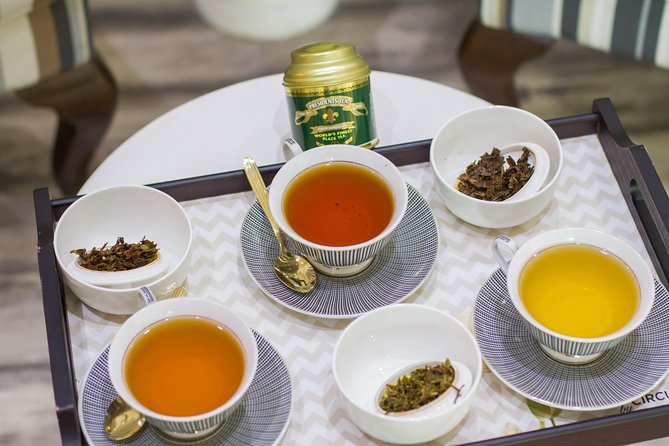
The most interesting part of this experience is the comparison of Darjeeling tea from three seasons. You taste spring, summer, and autumn harvests and learn how one tea bush can produce markedly different flavors during the year.
Spring tea, often called first flush, is the early harvest. Summer tea follows, and autumn tea comes later. The point is not simply to decide which cup tastes best. You get to notice how weather, timing, and the character of Darjeeling affect the same basic plant.
This is a useful idea for anyone who usually buys tea by label alone. Darjeeling is not one single flavor. A spring tea can feel quite different from a fuller summer or autumn tea, even though all three come from the same broad growing area.
The tasting gives you a practical way to understand the word flush, too. You do not need a technical tea vocabulary before arriving. The tasting itself gives you a set of cups to compare, which is far more useful than hearing a long explanation without samples.
I especially like this part for first-time tea tasters. You can smell, sip, and compare at your own pace within the group, then ask why the cups differ. The experience turns an abstract lesson about terroir into something you can actually taste.
More Tea Tastings in India:
- Munnar: Tea trail, Tea Factory, and Tea Tasting Tour
★ 4.9 · 47 reviews - Munnar Tea Trail Tour , Tea factory visit & Tea Tasting
★ 5.0 · 25 reviews - Full Day Food Tour Of Delhi with a chef. Includes Tea Tasting
★ 5.0 · 20 reviews
Tasting Assam, Sikkim, and other Indian teas
Darjeeling receives the most attention, but it is not the only tea you taste. The session includes black tea from Assam and Sikkim, along with teas selected from India’s other producing regions.
Assam tea is an important counterpoint to Darjeeling. Sikkim adds another regional reference point. The value here is the side-by-side approach. Instead of treating Indian tea as one broad category, you get to connect flavor with place.
The experience information describes a tasting from five Indian tea-producing regions, while the listed examples specifically name Darjeeling, Assam, and Sikkim. The exact lineup may vary, but you should expect a selection chosen by Sancha’s master tea taster rather than a random row of shop samples.
That selection matters. A good tasting needs contrast, and these regions give you that contrast. You can focus on the difference between a lighter Darjeeling style and the deeper character associated with other Indian black teas.
The staff also explain how tea is made and where it comes from. That adds context to each cup. You are not only tasting a drink, you are learning why a tea might be processed in a certain way and how its growing area shapes the result.
The tasting is especially useful if you are buying tea as a gift. Once you have compared several styles, you have a better chance of choosing something suited to a friend who likes delicate tea, strong tea, or spiced chai.
Masala Chai brings the tasting back to everyday India
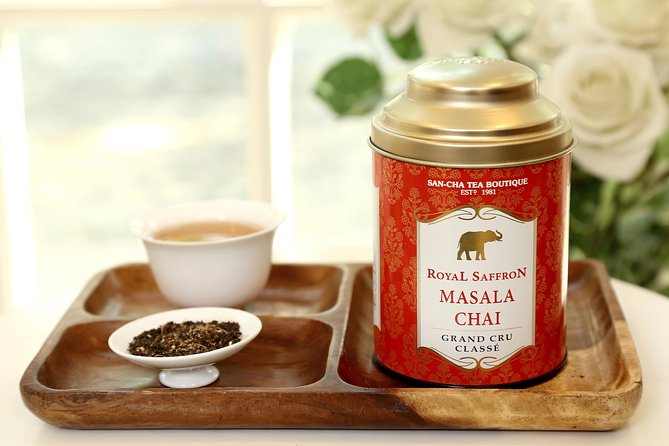
Masala Chai is part of the session, and that is a welcome change from a tasting focused only on rare or refined teas. It connects the lesson to the tea many people associate most closely with India.
Masala Chai is prepared with tea and spices, and its flavor is quite different from the plain black teas served earlier. That contrast helps you understand how much preparation changes the final cup.
You may arrive expecting a formal tasting of unblended leaves and leave with a clearer sense of tea as an everyday Indian drink. The chai also gives the session a relaxed finish after the more careful regional comparisons.
This part suits families particularly well. Children may find the regional tasting a little serious, but Masala Chai gives the experience a familiar, aromatic point of interest. The available feedback specifically describes the activity as suitable for both children and adults.
Do keep in mind that the tasting includes multiple teas within about an hour. If you are sensitive to caffeine or spices, you may want to pace yourself. The supplied information does not state how much of each tea is served, so you should not assume every sample will be a full cup.
What the one-hour visit feels like
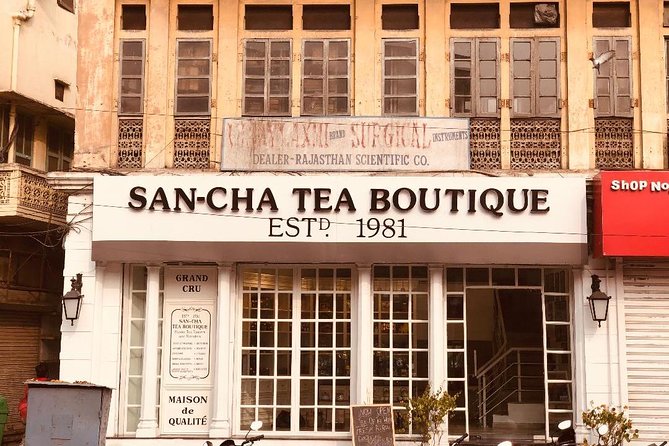
You meet at Sancha Tea Boutique on Mirza Ismail Road, near Lassiwala in the Panch Batti and Jayanti Market area. The activity begins and ends at the shop, so there is no separate sightseeing route or transport segment to manage.
The visit opens with the tea tasting and an introduction to Indian tea. From there, the session moves through regional black teas, the three Darjeeling seasons, and Masala Chai. The staff explain origins and production as you taste.
The structure works well for Jaipur sightseeing. One hour is long enough to add substance but short enough to fit between other stops. You can schedule it during the shop’s daily opening window, from noon to 6 p.m.
A small group of no more than 10 people makes a difference here. Tea tasting depends on hearing the explanation and having a chance to ask questions. A large crowd could make that difficult, but this limit should keep the setting more personal.
The available feedback places strong emphasis on the staff’s skill, clear explanations, and friendly service. One tasting description notes that the shopkeeper explained both origins and manufacturing processes, then pointed out specific flavor notes. That is exactly the sort of guidance that helps if you are new to tea.
No guide name is provided for this activity, so you should not book it expecting a named celebrity tea expert. The important point is that the selection comes from Sancha’s master tea taster and that the staff lead you through the cups.
More Food and Drink Tours in India:
- Tea Tasting Session at India’s oldest tea boutique Sancha Tea/Aap Ki Pasand
★ 5.0 · 4 reviews - Jakarta: Volcano, Tea/Rice Fields, Hot Spring, Local Food
★ 4.9 · 515 reviews - Private Tea Ceremony and Sake Tasting in Kyoto Samurai House
★ 5.0 · 163 reviews - SF’s Chinatown: Tea & Dim Sum Food Tour – Includes full meal, 3hr
★ 5.0 · 153 reviews
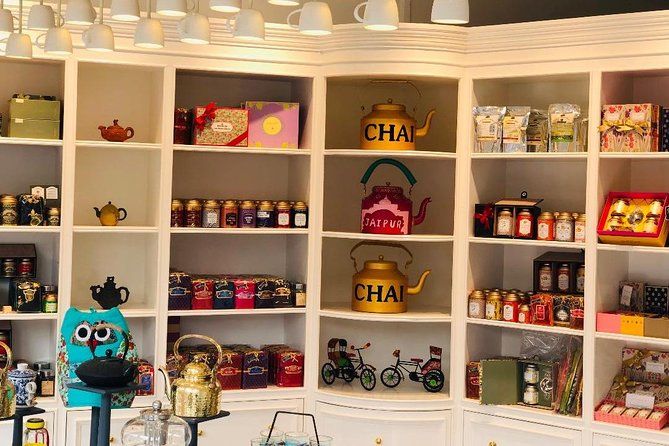
Browsing Sancha’s 100-plus teas
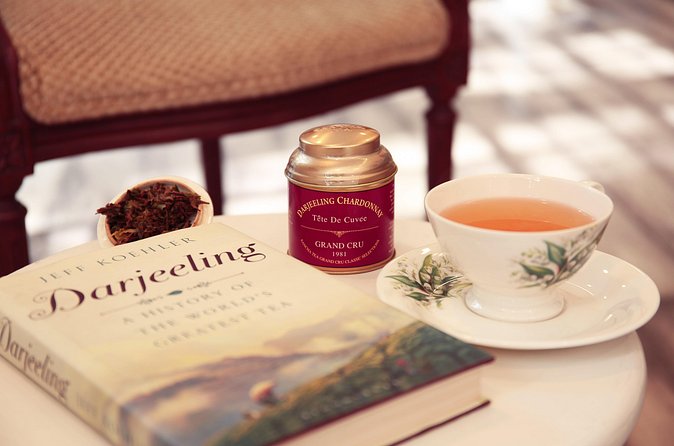
After the guided portion, you can browse the shop’s selection of more than 100 Indian teas. This is not a minor add-on. It gives the tasting a practical purpose.
The shop carries black, green, white, and Oolong teas. You have already sampled several styles, so the shelves should make more sense than they would at the start of your visit.
I would resist buying immediately after the first sip. Give yourself time to decide what you actually liked. The tasting may reveal that you prefer a lighter Darjeeling, a stronger Assam, a fragrant green tea, or something flavored with spices.
The shop’s range also makes this a useful stop for presents. Tea packs are easier to carry than many Jaipur souvenirs, and the selection gives you options at different levels of familiarity. The information provided does not specify package sizes, prices, or shipping, so ask in the shop if those details matter to you.
The store itself is described as charming and quiet. That setting is a plus after Jaipur’s busy streets, especially if you want a calm pause rather than another crowded attraction.
Some people may see the shop browsing as pressure to buy. The activity does not state that a purchase is required, and browsing is presented as part of the visit. You can treat it as a chance to compare teas without assuming you must leave with a large supply.
Is $10.67 a fair price?
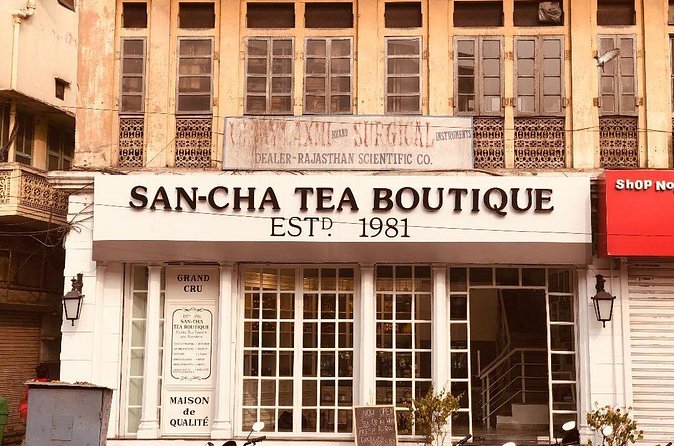
At about $10.67 per person, the value is strong if you want more than a cup of chai and a quick look at tea tins. The price covers a guided tasting, several regional teas, three Darjeeling seasons, Masala Chai, and an introduction to Indian tea history.
The most valuable part is the comparison. Buying separate cups of tea in Jaipur would not necessarily give you the same organized look at growing regions and harvest seasons. Here, the tasting has a clear educational purpose.
The price also works well for families because the session is short and the group size is limited. You can give children a hands-on food and drink experience without committing half a day or paying for a long tour.
Value depends on your interest, of course. If you do not drink tea and mainly want Jaipur’s historic sights, this may feel like a side trip. If you enjoy food education, regional products, or shopping for gifts, the cost is easier to justify.
You should also remember that tea purchases are separate from the activity price. The tasting introduces the selection, but the information does not say that retail tea is included.
Timing, location, and planning details
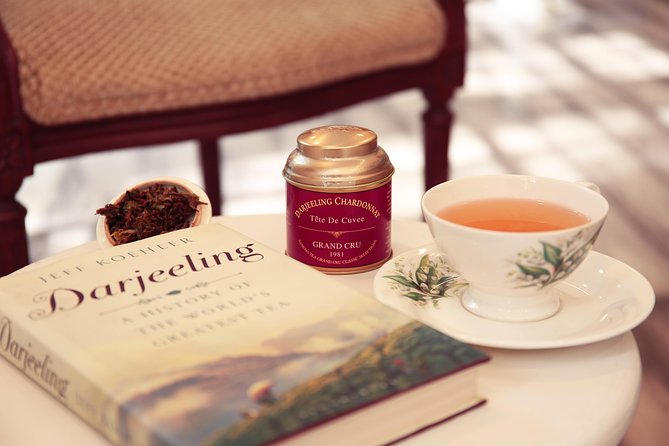
The boutique is on MI Road, near public transportation. The central location makes it fairly easy to combine with other Jaipur plans, though the information provided does not name specific bus routes or give a walking time from any hotel.
Choose a start time between noon and 6 p.m. The activity lasts about one hour. Since it is available daily, you have some flexibility, but popular times can fill ahead of time. It is booked on average six days in advance, so I would reserve before arrival if your schedule is tight.
You receive confirmation at booking, and the ticket is mobile, which keeps the process simple. Bring the booking details on your phone and allow enough time to find the boutique on MI Road.
The activity returns to its starting point. That makes it easy to plan a meal or another Jaipur visit afterward. There is no separate end location to reach.
Free cancellation is available if you cancel at least 24 hours before the start time. Changes or cancellations made inside that window are not accepted for a refund. The experience also requires a minimum number of participants, and if the provider cancels because that number is not met, you are offered another date or a full refund.
Who will enjoy this tea experience most?
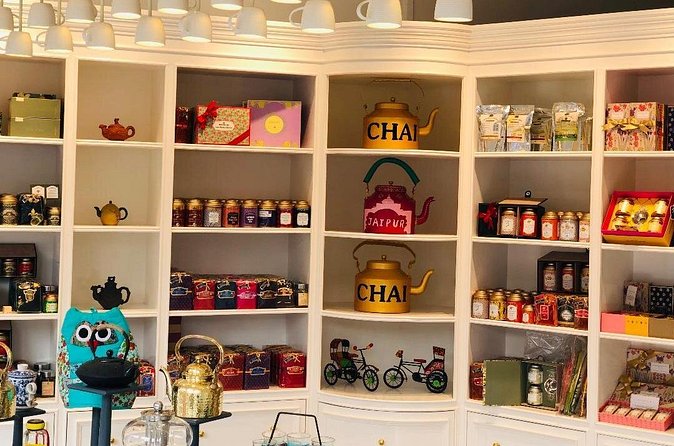
I would recommend Sancha’s tasting to tea drinkers who want to understand Indian tea rather than simply consume it. The three-season Darjeeling comparison gives the session a clear focus, while Assam, Sikkim, and Masala Chai broaden the lesson.
It is also a good choice for families. The one-hour format is manageable, and the tasting offers enough variety to keep adults and children involved. The shop adds a pleasant browsing element at the end.
Food-focused visitors will find plenty to enjoy here. Like a spice market or cooking demonstration, the experience explains how place and process shape flavor. You do not need to be a tea specialist to get something from it.
I would be less enthusiastic if you want a long plantation visit, a walk through tea fields, or a full afternoon workshop. Nothing in this experience includes transport to a growing region or time outside the boutique. It is a shop-based tasting in Jaipur.
It may also be too brief for serious tea professionals. The session gives you an introduction and a useful comparison, but the supplied details do not promise advanced tasting theory, brewing experiments, or extensive time with individual leaves.
Should you book Sancha Tea Boutique?
Book it if you want a short, well-priced introduction to Indian tea with real variety in the cup. The seasonal Darjeeling comparison is the strongest reason to go, and the regional samples make the lesson more useful than a standard chai stop.
I also like the balance between guided tasting and free browsing. You learn enough to make better choices, then have time to look through Sancha’s large selection on your own.
Skip it if your Jaipur plans are already packed with major monuments and you have little interest in tea. For everyone else, especially families, food lovers, and people seeking a calm one-hour break on MI Road, this is an easy activity to add.
FAQ
How long does the Sancha Tea Boutique tasting last?
The tasting lasts approximately one hour.
Where does the activity begin and end?
It begins at Sancha Tea Boutique on Mirza Ismail Road, near Lassiwala in the Panch Batti and Jayanti Market area of Jaipur. It ends back at the same meeting point.
What teas are included?
The experience includes black tea from Darjeeling, Assam, and Sikkim, three seasons of Darjeeling tea, and Masala Chai. The tasting is also described as covering teas from five Indian tea-producing regions.
Can I choose the date and time?
Yes. You can choose from available dates and times within the boutique’s stated opening hours, Monday through Sunday from noon to 6 p.m.
How large is the group?
The activity has a maximum of 10 participants.
Can I cancel for a full refund?
Yes, if you cancel at least 24 hours before the experience’s start time. Cancellations or changes made less than 24 hours before the start time are not refunded.
Fresh tea listings around India
- Varanasi: Sunrise Boat Ride with Masala Tea – Arti Ceremony★ 4.5 · 4 reviews
- Heritage Tour : Private Boat, Havelis, City Walk & High Tea★ 5.0 · 6 reviews
- Tea plantation walk with Visit of Historical ,village & Market★ 5.0 · 5 reviews
- Tea plantation walk and stay in valley view Room (By Munnar Info)★ 4.0 · 2 reviews
- Munnar Tea Plantation Evening walking with Sunset View★ 5.0 · 8 reviews
- Tea Plantation, Grass Land and Mountain Hiking in Munnar★ 5.0 · 6 reviews
- Tea Farm Tourism★ 5.0 · 8 reviews
- Tea Pluckers’ Day★ 5.0 · 19 reviews
Tea Tastings, compared.
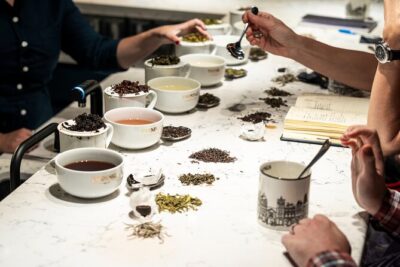
Twinings 2-Hour Tea Tasting Masterclass in London
Read our review →
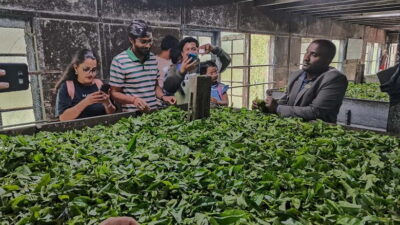
Munnar: Tea trail, Tea Factory, and Tea Tasting Tour
Read our review →
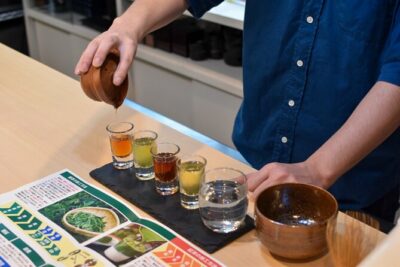
Matcha Experience with of Japanese Tea Tasting in Tokyo
Read our review →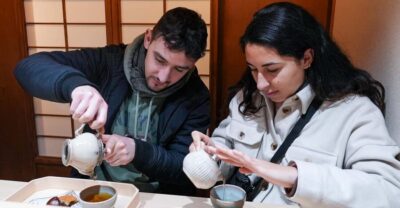
Nara:5 Type of Tea Tasting & Mindful Tea Ceremony
Read our review →
Montmartre Hill French Afternoon Tea Tasting Tour with Crepes and Macarons
Read our review →
Munnar Tea Trail Tour , Tea factory visit & Tea Tasting
Read our review →Browse the lists this tour appears in