
Review · INDIA TEA TOURS
Tea Pluckers’ Day
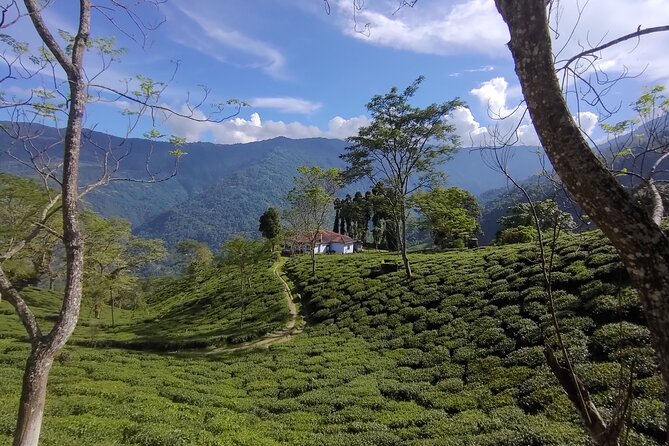
Darjeeling’s tea country is best understood with mud on your shoes and a basket of tea leaves in front of you. This private day takes you beyond the usual viewpoint, into a working estate where you can watch plucking, walk among the bushes, visit a factory, and taste the finished tea. I like the full-day rhythm, from packed breakfast through lunch and afternoon tea, and I like the chance to see the people, schools, dispensaries, forests, and villages tied to tea production. The main catch is that you do not choose from all 13 gardens on one day. The actual estate depends on availability, and Sunday may be quiet because tea pluckers have a day off.
I also like the flexible human side of the outing. Guides such as Sunny and Amit have helped make the day feel like a cultural exchange, not just a photo stop, while drivers such as Kewal handle the mountain roads. At $85.11 per person, the price is fair for private transport, lunch, tea, entry fees, a tasting, and several hours of guiding, but the long drive to a remote estate can make the day feel less active than the title suggests.
Key points at a glance
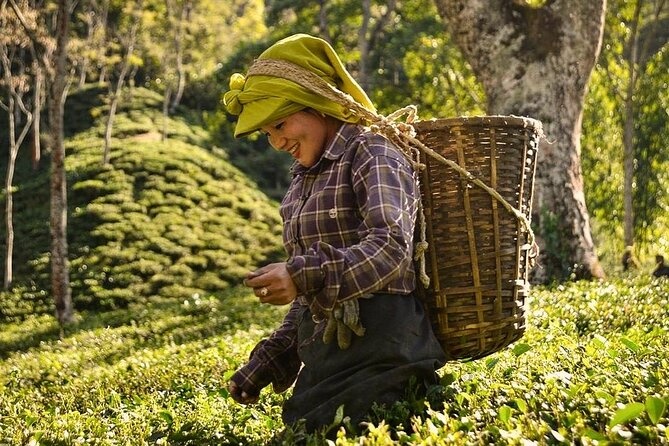
- Tea work up close: Watch leaves being plucked and learn how garden work leads to the tea in your cup.
- One estate, not thirteen: You visit one available partner garden, such as Ging, Makaibari, Tumsong, or another listed property.
- A morning-to-afternoon outing: The experience begins around 8:30 am and lasts about five to six hours.
- Private and flexible: Only your group takes part, with private transport and guides who can adjust the pace.
- More than tea bushes: Forest walking, village stops, factory work, lunch, tea tasting, and estate history fill out the day.
- Weather matters: Rain can affect the schedule, though cancellation for poor weather comes with a date change or full refund.
Why a tea estate day is more than a garden walk

Darjeeling tea is often sold as a refined drink, but this experience lets you see the work behind it. The day connects the neat packet on a shop shelf with steep hills, skilled hand-plucking, factory processing, transport, and the communities built around the estates.
You begin with pickup at about 8:30 am from your hotel. The drive is part of the outing, since the partner estates are away from central Darjeeling. Depending on the garden, you may spend time walking through tea rows, forest, and estate roads before reaching the processing area.
A packed breakfast with fresh fruit and organic Darjeeling tea is included. That small detail matters. Mountain outings can start early, and you will appreciate having something to eat before the walking begins. Bottled water is also included, and walking sticks are available if you need one.
The activity is private, so you are not tied to the pace of a large coach group. That suits anyone who wants to stop for photographs, ask questions about plucking, or talk at length with a guide. Sunny is one guide associated with this experience, and Amit has also led the outing. Driver Kewal is mentioned as part of one particularly well-regarded day. Guide assignments can vary, but the private format gives you a better chance for conversation.
More tea experiences around India if you are still choosing
- Munnar Tea Trail Tour with Factory Experience ( By Munnar Info)
★ 5.0 · 458 reviews - Village Vibes: Cansaulim Coastal E-Bike & Japanese Tea Tour
★ 5.0 · 292 reviews - Munnar Tea valley Tour ( By Munnar Info)
★ 5.0 · 83 reviews
Choosing among Darjeeling’s tea estates
The long list of possible gardens is useful, but it can also confuse you. You are not touring every one of them. The operator chooses a partner estate based on real-time availability, so treat the names as a menu of possible settings rather than a fixed route.
Here is what each option offers:
Ging Tea Estate
Established in 1864, Ging is one of Darjeeling’s heritage estates in the Lebong hills. It is a strong choice if you want a traditional estate setting with more than tea bushes.
A visit can include stops such as an estate dispensary and school, giving you a better sense of how the garden supports daily life. The walk through the estate is a key part of the experience, and the factory visit helps connect the outdoor work with production indoors.
The walk may be gentle, but this is still hill country. Ask about the day’s route before setting out if you have concerns about slopes or uneven ground.
Rangaroong Tea Garden
Rangaroong sits between the Senchal West Forest Range and Darjeeling town. Its appeal is the quieter setting and the link between tea growing and forest country.
Choose this kind of garden if you value a less familiar route and a more natural setting. The tradeoff is that the experience may feel less polished or structured than a major heritage estate. That can be a benefit if you prefer a working place to a formal attraction.
Same city, a very different cup:
- Tea planation walking In Munnar- (by Munnar Info)
★ 5.0 · 53 reviews - Munnar: Tea trail, Tea Factory, and Tea Tasting Tour
★ 4.9 · 47 reviews - Private Munnar Tea Trek
★ 4.6 · 38 reviews - Amchong Tea Estate + Factory Visit (with Hi-tea only)
★ 5.0 · 30 reviews
Poobong Tea Garden
Poobong reaches across the hills below the Sukhia Pokhri range and dates to the mid-19th century. The Poobong Tea Room is an additional attraction, though you should not assume every add-on is part of the base price.
This garden may suit you if you want a slower estate visit with room for tea, views, and walking. Confirm what is included if the tea room is important to your plans.
Soom Tea Garden
Soom is known for its calm setting and its name, which means triangle in the Lepcha language. Cherry blossoms, pine, and rhododendron trees give it a different feel from a garden made up only of tea rows.
I would favor Soom for a scenic walking day. Plant life and quiet surroundings add variety, though the experience still depends on the weather and the estate’s operating schedule.
Mim Tea Estate
Mim belongs to Andrew & Yule Company Ltd., a Scottish-established firm, and is described as one of the district’s attractive villages. This option brings company history and village life into the tea story.
It is a good fit if you want context about the older plantation system, not just a lesson in tea tasting. As with the other estates, the exact factory access and walking route depend on the day’s arrangements.
Chamong Tea Estate
Chamong is one of the larger and more varied tea gardens in the area, with a focus on organic teas. The range of terrain and tea-growing settings may give you a fuller picture of estate work.
If organic production interests you, ask your guide to explain how the estate approaches it. Do not expect a technical farming course, but the setting creates useful questions about cultivation and processing.
Tumsong Tea Retreat
Tumsong combines an old estate setting with a retreat atmosphere. It is aimed at people who want scenery and heritage along with tea.
The word retreat suggests a gentler pace, but you should still expect walking and uneven ground. This choice may appeal most if you prefer a scenic estate visit over a heavily instructional factory tour.
Ring Tong Tea Garden
Ring Tong is known for the quality of its plucking and its long reputation for Darjeeling tea exports. That makes it one of the better choices for understanding why careful handwork matters.
Watch closely when the pluckers are working. The value here is not speed or spectacle, but the precision behind selecting the right leaves.
Phubsering Tea Garden
Phubsering is among the older estates in the Darjeeling hills and produces organic tea. It offers another chance to see how heritage, cultivation, and modern tea preferences meet.
The garden may be especially interesting if you care about organic production. Since the estate schedule controls much of the visit, ask how much time will be spent in the factory and how much outdoors.
Turzum and Sungma Tea Factory
Turzum and Sungma are presented as two small tea villages with a boutique range of Darjeeling teas. This option may put more weight on tasting and factory work than on a long garden walk.
If you enjoy comparing flavors, this could be a rewarding setting. The word boutique does not mean a luxury retail visit is guaranteed, so budget separately for anything you want to buy.
Tukvar Tea Garden
Tukvar offers broad views toward the lesser Himalayan hills. You may also have the option to hike down toward the river after the tea experience.
That possible river walk is a reason to ask about footwear and route length before you start. It could add a welcome physical challenge, but it may not suit anyone looking for a completely easy outing.
Makaibari Tea Garden
Makaibari is one of Darjeeling’s oldest organic estates and brings nature, history, and heritage together. It is likely to appeal to anyone who wants a well-known name connected with organic tea.
The estate is a strong setting for photos and a broad introduction to tea production. Just remember that the garden you receive is based on availability, not personal selection.
What the day actually feels like
The morning usually combines transport, breakfast, and the first walk. Once you reach the estate, your guide can explain how tea is grown and how plucking fits into the production chain. You may see workers picking leaves by hand, then follow the process toward the factory.
One of the best features is the variety of stops. You are not simply placed beside a row of bushes and sent back to town. The day can include an estate walk, forest hiking, a factory visit, tea tasting, and lunch. At Ging, for example, the route can pass an estate school and dispensary.
The forest walk gives the tea visit breathing room. You see how the gardens meet the surrounding hills rather than treating the estate as an isolated attraction. The route may be gentle, but you should wear sturdy shoes and expect damp or uneven ground, especially during the monsoon.
Lunch is included, along with unlimited tea. This is a practical benefit, not just a pleasant extra. The outing lasts five to six hours, and remote estate visits can be tiring without a proper meal. One account of the day describes lunch outdoors after the walk and factory visit, which fits the relaxed character of the experience.
The tasting is another important part of the day. Instead of hearing only that Darjeeling tea is delicate or fragrant, you can compare what you taste with what you have just seen. Ask your guide how the estate, season, and processing affect the cup. The tasting is described as elaborate, but individual teas are not specified in advance.
Guides, drivers, and the private format
The people leading the day can shape the experience as much as the estate. Sunny is described as flexible and good at explaining local customs. Amit has been praised for turning the drive and farm visit into a wide-ranging exchange about tea, politics, music, and culture.
That matters because the day includes quiet stretches in the car and on the estate. A guide who responds to your interests can make those periods useful rather than dull. Kewal, named as one driver, adds another practical layer: reliable private transport is valuable on steep mountain roads.
The private setup means only your group participates. It does not promise a completely custom route, since the estate depends on availability, but it does give you more control over questions and walking speed. Most people can take part, though the combination of hills, forest paths, and estate roads may be hard if you have serious mobility limits.
Is $85.11 a fair price?
At $85.11 per person, I see solid value if you want more than a quick photo stop. The price includes private transportation, all fees and taxes, lunch, bottled water, unlimited tea, an elaborate tasting, the estate visit, and a walking stick if required.
A private car and guide would already make this more useful than a basic group transfer. Add lunch and several hours in a working estate, and the cost is reasonable for a special-interest day. Group discounts may improve the value for families or friends traveling together.
The price does not cover anything you choose to buy. If the visit ends with a chance to purchase tea or other products, treat those as optional extras. I would also confirm the exact estate and planned activities before booking if one particular factory or garden is the main reason you want to go.
The biggest value question is your preferred pace. If you want a packed list of famous Darjeeling sights, this is not the right use of half a day. If you want one subject explored properly, with food, transport, scenery, and conversation included, the price makes sense.
Weather, Sunday timing, and practical planning
The outing requires good weather. If poor conditions cancel it, you are offered another date or a full refund. Darjeeling’s rain can make paths slippery and may reduce outdoor activity, so keep your schedule flexible.
Sunday deserves special attention. Tea pluckers may have a day of rest, which means you could visit a beautiful estate without seeing the work that gives this experience its purpose. Ask about the operating day before you confirm, especially if watching plucking is essential.
The start time is about 8:30 am. Pickup is offered, but the exact meeting arrangement should be confirmed when you book. Wear shoes suitable for walking, carry a light rain layer, and keep your camera ready for changing views. Walking sticks are available if required.
Confirmation is provided at booking, and the experience is near public transportation, though private pickup is the more natural way to begin. You can cancel without penalty up to 24 hours before the start time. Changes or cancellations inside that window are not refundable.
Who should book Tea Pluckers’ Day?
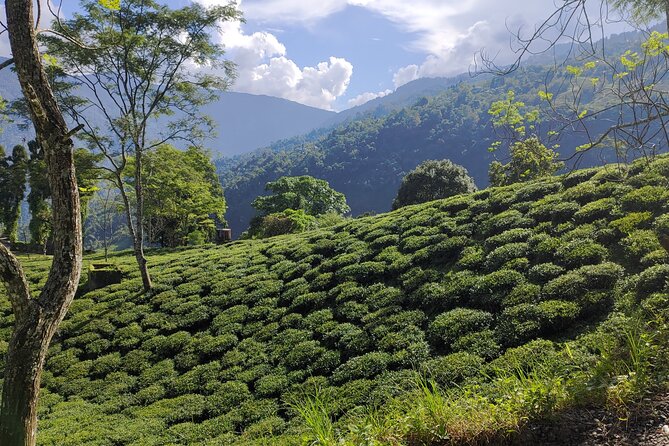
I would recommend this experience to tea drinkers, photographers, walkers, and anyone curious about the working side of Darjeeling. It suits couples, families, and small private groups who prefer conversation and flexibility to a large tour bus.
It is also a good choice if you have already seen Darjeeling’s main town sights and want a day outside the center. The estate options offer different moods, from heritage and factory work to forest scenery and organic production.
I would hesitate if you dislike mountain drives, uneven paths, uncertain weather, or changing plans. You also should not book it expecting to visit all 13 gardens. You get one available estate, and the quality of the day depends partly on whether plucking and factory work are active when you arrive.
Should you book it?
Book Tea Pluckers’ Day if you want to understand Darjeeling tea at its source rather than simply drink it in town. The strongest reasons are the private transport, the mix of garden and factory time, the included lunch and tasting, and the chance for a real conversation with guides such as Sunny or Amit.
Before paying, ask which garden is likely, whether tea pluckers will be working on your date, and how much walking is planned. If those answers suit you, $85.11 buys a thoughtful, well-rounded day in the hills. If Sunday is your only option or rain is likely, choose a different date if seeing active tea work matters most.
FAQ
What time does Tea Pluckers’ Day start?
The experience starts at about 8:30 am.
How long does the experience last?
The tour lasts approximately five to six hours.
Is hotel pickup available?
Yes, pickup is offered, and the activity starts from your hotel in the morning.
Will I visit all 13 tea gardens?
No. The operator takes you to one partner tea garden or estate, selected according to real-time availability.
Which tea gardens might I visit?
Possible locations include Ging, Rangaroong, Poobong, Soom, Mim, Chamong, Tumsong, Ring Tong, Phubsering, Turzum and Sungma, Tukvar, and Makaibari.
What is included in the price?
The price includes private transportation, lunch, unlimited teas, bottled water, an elaborate tea tasting, tea garden and estate visits, walking sticks if required, and all fees and taxes.
Is this a private activity?
Yes. Only your group participates in the activity.
What happens if bad weather cancels the tour?
You are offered a different date or a full refund if the experience is canceled because of poor weather.
Fresh tea listings around India
- Varanasi: Sunrise Boat Ride with Masala Tea – Arti Ceremony★ 4.5 · 4 reviews
- Heritage Tour : Private Boat, Havelis, City Walk & High Tea★ 5.0 · 6 reviews
- Tea plantation walk with Visit of Historical ,village & Market★ 5.0 · 5 reviews
- Tea plantation walk and stay in valley view Room (By Munnar Info)★ 4.0 · 2 reviews
- Munnar Tea Plantation Evening walking with Sunset View★ 5.0 · 8 reviews
- Tea Plantation, Grass Land and Mountain Hiking in Munnar★ 5.0 · 6 reviews
- Tea Farm Tourism★ 5.0 · 8 reviews
- Tea Tasting Session at India’s oldest tea boutique : Sancha Tea Boutique★ 5.0 · 13 reviews
India Tea Tours, compared.
Munnar Tea Trail Tour with Factory Experience ( By Munnar Info)
Read our review →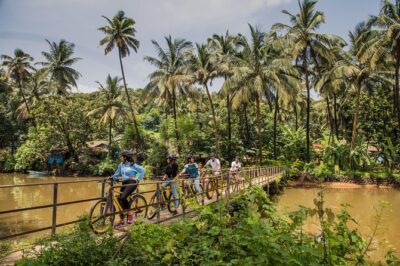
Village Vibes: Cansaulim Coastal E-Bike & Japanese Tea Tour
Read our review →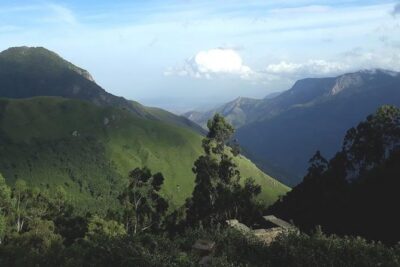
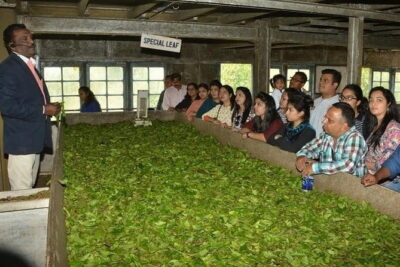
Tea planation walking In Munnar- (by Munnar Info)
Read our review →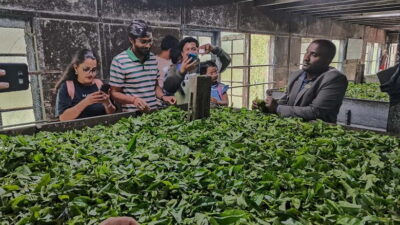
Munnar: Tea trail, Tea Factory, and Tea Tasting Tour
Read our review →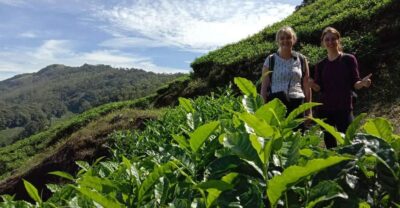
Amchong Tea Estate + Factory Visit (with Hi-tea only)
Read our review →
Browse the lists this tour appears in