
Review · TEA PLANTATION & FARM TOURS
Guwahati Tea Garden tour @ Amchong
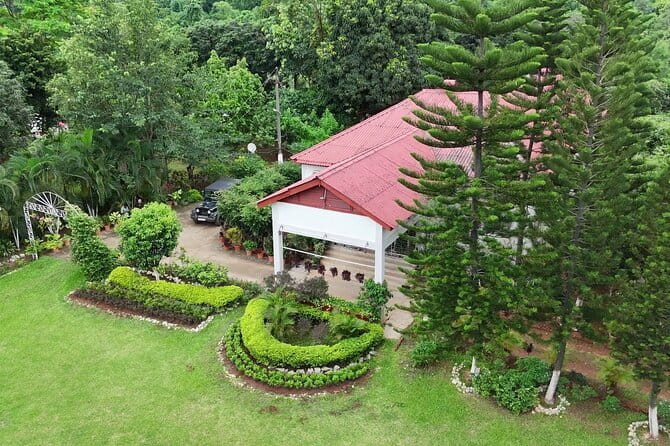
Amchong Tea Estate gives you a quick, practical look at Assam tea without sending you far from Guwahati. In one outing, you move from young plants in the nursery to tea plucking, tasting, and factory production across a 1,500-acre estate.
I like the hands-on tea plucking and the chance to taste different teas in the same place where they are grown. I also like the factory visit, since it explains the less visible work behind the cup, including the making of orthodox and CTC tea.
The main point to consider is timing. The formal tour lasts about two hours, but the estate is roughly 30 minutes from Guwahati, so you need to allow extra time for getting there and returning.
Key points at a glance
- Tea estate close to Guwahati: Amchong is about 30 minutes from the city, making it a manageable short outing.
- Nursery, plucking, and tasting: You see the early stage of tea growing, try plucking, and sample several teas.
- Factory access: The Bhuaram Jodhraj stop includes a guided look at orthodox and CTC tea production.
- Private experience: Only your group takes part, which gives you room to ask questions.
- Low price: At $11.22 per person, the tour offers a useful introduction to Assam tea at a modest cost.
- Simple schedule: The activity lasts about two hours and ends where it begins.
Why Amchong works as a Guwahati side trip
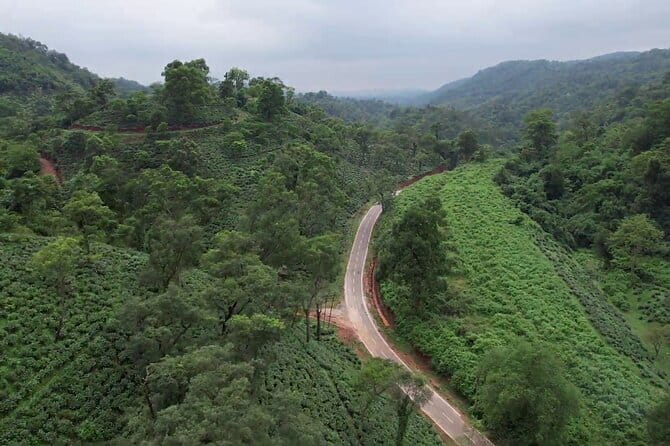
Assam is closely linked with tea, but you do not need to spend a full day reaching a distant plantation belt to see how the industry works. Amchong Tea Estate is about 30 minutes from Guwahati, so it fits neatly into a morning or afternoon plan.
The estate covers more than 1,500 acres and employs over 500 people. It has an annual production capacity of more than 1,000,000 kilograms of tea. Those numbers help put the visit in context. You are not simply looking at a small garden prepared for photographs. You are visiting a working operation with a large growing area, a substantial workforce, and a factory connection.
I like this balance. The tour gives you attractive views and photo chances, but it also links those views to the work that happens behind them. You see where the plants grow, how leaves are gathered, and how the finished product is processed.
You should keep your expectations sensible. This is a short introduction, not a full-day agricultural study. The scheduled program is about two hours, so each part moves at a steady pace.
More Tea Plantation Tours in India
- Amchong Tea Estate + Factory Visit (with Hi-tea only)
★ 5.0 · 30 reviews - Guwahati Tea Garden Tour with Lunch & Hi Tea (Premium Experience)
★ 5.0 · 26 reviews - Guided Tour to Palampur-Monasteries, Temple & Tea Gardens visit
★ 5.0 · 8 reviews
Starting at the nursery and tea fields
The first stop is Amchong Tea Estate itself. The visit includes the nursery, where you can see the early stage of tea cultivation before the plants become part of the larger rows across the estate.
This is a useful beginning because it gives you a basic sense of the plant’s life cycle. The nursery is not just a photo stop. It helps you understand that the tea garden depends on careful planting and maintenance long before workers begin gathering leaves.
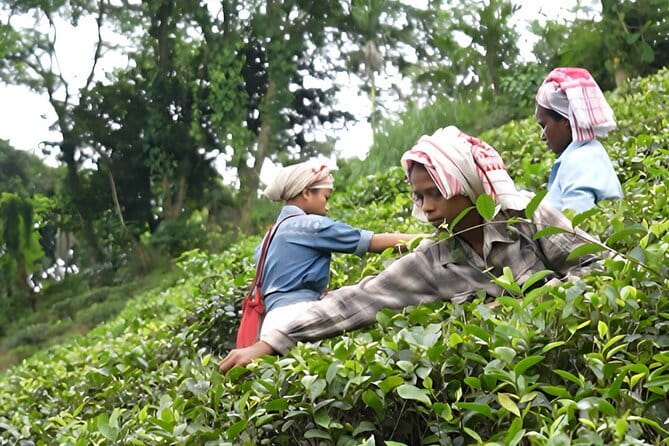
You then move to tea plucking. This is the most direct part of the experience. Instead of only looking across the rows, you get a chance to take part in the action and see how the leaves are handled. The activity is especially helpful if this is your first visit to a tea estate and you want more than a scenic walk.
Bring a camera if you enjoy photographs. The estate offers broad views across the tea-growing area, and the combination of planted rows, workers, and open green space gives you plenty to frame. Still, remember that this is a working estate. Follow the guide’s directions and avoid treating the plants or workers as props.
The guide is an important part of this stop. A previous guest described the young guide as polite, interesting, and able to answer questions clearly. No guide’s name is provided, so you should not expect a named specialist assigned in advance. What you can expect is a guide-led visit rather than a self-guided wander.
Because this is a private activity, only your own group takes part. That matters here. You can ask about the plants, plucking, or the estate’s production without worrying about holding up a large group. It also gives the guide more flexibility in explaining points that interest you.
Tea tasting after the plucking session
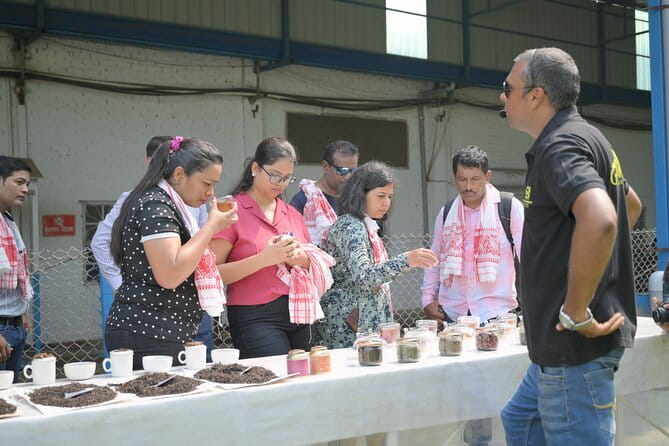
Tea tasting follows the garden visit. You can try several teas and compare their character while the growing area is still fresh in your mind.
That sequence works well. Tasting tea before seeing the estate can feel abstract. After walking among the plants and trying the plucking process, you have a clearer connection between the leaf and the drink in your cup.
The information provided does not list the exact teas served, so do not book this expecting a fixed tasting menu with named vintages or detailed pairing notes. The promise is simpler: you get to taste a variety of teas produced in the Assam setting.
Coffee and tea are included, along with bottled water. That is useful on a warm outing, especially if you are spending time outside before entering the factory. Breakfast, lunch, and snacks are not included, but they can be pre-booked for an additional charge.
I would treat the tasting as an introduction rather than a formal lesson in tea evaluation. You may find it easy to notice differences between the samples, but the supplied details do not promise a professional tasting class or a take-home package.
Inside the Bhuaram Jodhraj factory
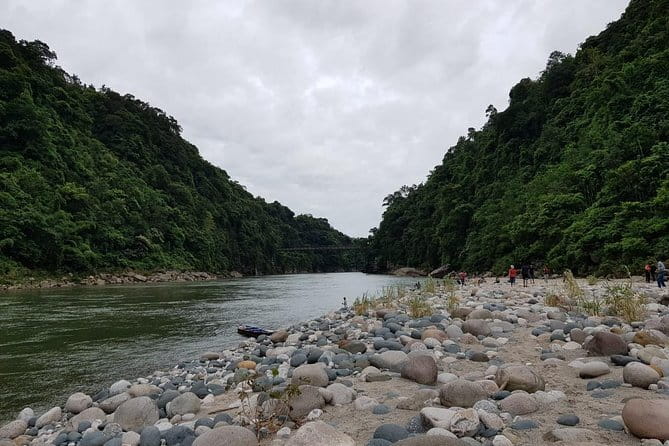
The second stop takes you to Bhuaram Jodhraj for a guided factory visit. This is where the experience becomes more useful than a simple plantation photo stop.
Inside, the guide explains the manufacturing process for two types of tea: orthodox and CTC. The program does not list every machine or production stage, so the exact amount of technical detail may depend on the guide and the day of your visit. Still, the key benefit is clear. You get to see how freshly gathered leaves move toward a finished tea product.
Orthodox tea and CTC tea are made through different production methods, and seeing both discussed in one factory gives you a more complete picture of Assam’s tea trade. You are not only looking at the fields. You are learning that the final taste and appearance depend on processing as well as growing conditions.
Factory visits can be more interesting than expected because they add movement and machinery to what might otherwise be a scenic stop. They also answer practical questions. What happens after plucking? How does a factory handle large quantities? Why are different production methods used? The guide-led format gives you a chance to ask.
There is one limitation. The factory portion lasts about one hour as part of the two-hour program, and the available details do not promise that every production line will be operating during your visit. If you want a long technical tour with extensive explanations of each stage, this may feel brief. If you want a clear first look at tea production, the format should suit you well.
Same city, a very different cup:
- Munnar Tea Trail Tour with Factory Experience ( By Munnar Info)
★ 5.0 · 458 reviews - Village Vibes: Cansaulim Coastal E-Bike & Japanese Tea Tour
★ 5.0 · 292 reviews - Munnar Tea valley Tour ( By Munnar Info)
★ 5.0 · 83 reviews - Tea planation walking In Munnar- (by Munnar Info)
★ 5.0 · 53 reviews
What the $11.22 price really covers
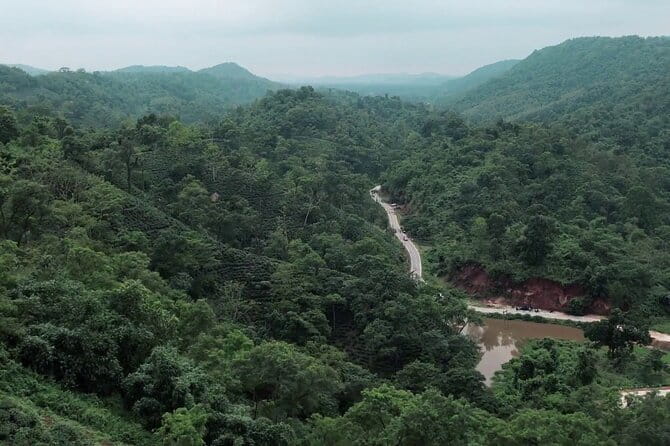
At $11.22 per person, this is inexpensive for a private, guide-led experience that includes two stops, tea tasting, bottled water, restrooms, and admission fees.
The strongest value comes from the range of activities packed into a short visit. You get a nursery visit, tea plucking, tasting, and a factory tour. Many low-cost attractions give you one viewpoint or one short demonstration. This one connects several stages of production.
You should check your own transport plan carefully. The meeting point is Amchong Tea Estate, at Jubai No. 2, Digaru Gaon, Assam 782401, and the activity ends back there. The estate is about 30 minutes from Guwahati, but the supplied details do not clearly list separate hotel pickup or drop-off. Budget time and money for reaching the meeting point unless your booking specifically confirms transport.
The price also does not include food. If you need breakfast, lunch, or snacks, those must be arranged in advance for an extra charge. Since the formal activity is only about two hours, this is not a major issue, but it matters if you are building a full-day plan around the visit.
For a private group, the value is stronger. You are not paying for a large attraction with fixed commentary and little personal attention. You have a guide and a smaller setting where questions should be easier.
Timing, schedule, and comfort

The listed opening hours are Monday through Friday, from 8:00 AM to 4:00 PM, for the operating period shown from July 20, 2024 through February 16, 2027. Plan your day around those hours rather than assuming a weekend departure is available.
The tour itself takes about two hours. Add the journey from Guwahati, which is roughly 30 minutes each way, plus a little buffer for meeting up and leaving the estate. In real terms, this is best treated as a compact half-day outing, not a quick one-hour attraction.
The tour includes restrooms and bottled water. Coffee and tea are also provided. Most people can participate, and service animals are allowed.
The experience is private, but the information does not specify the vehicle type, the exact meeting procedure, or whether hotel transfers are included. Ask about those points before booking if they affect your plans.
Free cancellation is available if you cancel at least 24 hours before the start time. Cancellations made less than 24 hours before the experience are not refunded, and changes inside that period are not accepted. The cut-off follows local time.
Who will enjoy this tea estate visit
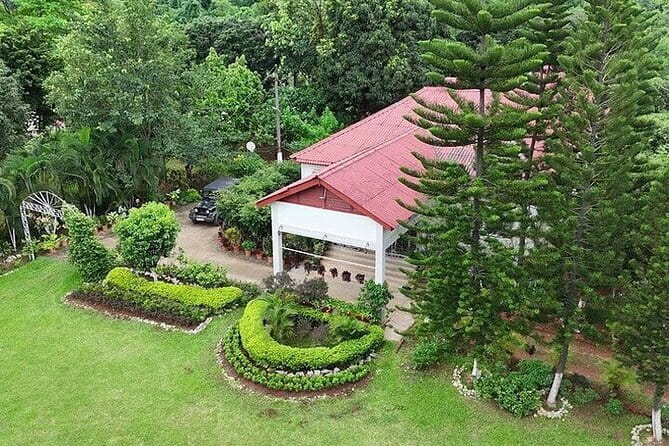
I would recommend Amchong to you if you want a short introduction to Assam’s tea culture while staying near Guwahati. It suits first-time visitors who want to see a working estate without committing to a long plantation trip.
It also works well for anyone who enjoys food and drink experiences but does not need a polished luxury format. The emphasis is on seeing the garden, trying the process, tasting tea, and learning how the factory handles production.
The private format makes it a good choice for couples, families, and small groups with different levels of interest. A tea enthusiast can ask about production, while someone who mainly wants photographs can enjoy the grounds and keep the technical questions brief.
You may want something else if you are seeking a full-day estate tour, a large tea education program, or a formal tasting led by a certified specialist. The program is focused and short. That is a strength for many people, but it limits the depth available.
Practical tips before you go
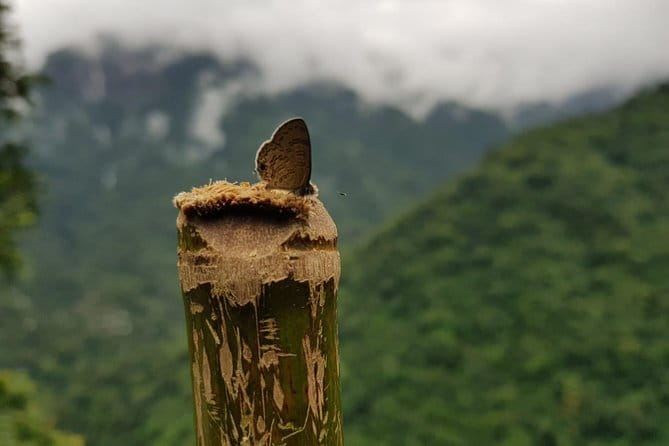
Confirm the meeting point and transport arrangements before setting out from Guwahati. The address is in Jubai No. 2, Digaru Gaon, Assam 782401, and the activity returns to that same point.
Wear practical clothing for time in the tea fields. The supplied details do not specify a dress code, but tea plucking is an active outdoor part of the visit, so comfortable clothes and shoes make sense.
Keep your schedule flexible enough to allow for the journey. The two-hour activity does not include every minute you will spend traveling from the city.
If food matters to you, pre-book breakfast, lunch, or snacks. They are available at additional cost, but they are not part of the standard price.
Ask questions during the private tour. The guide-led format is one of the better reasons to choose this experience. Ask about the nursery, the leaves used for plucking, the differences between orthodox and CTC tea, and how the factory fits into the estate’s large annual production.
Should you book Amchong Tea Estate?
Book it if you want an affordable, private look at Assam tea close to Guwahati. For $11.22, you receive a well-rounded two-hour program with field work, tasting, and factory production rather than a single scenic viewpoint.
The strongest reasons to choose it are the hands-on plucking, the factory explanation, and the helpful guide-led format. The main cautions are the weekday schedule, the need to reach the meeting point, the extra cost for food, and the limited two-hour duration.
If you have only a short time in Guwahati, this is an efficient way to connect the city with Assam’s tea-growing tradition. If you want a slower, more detailed plantation study, choose a longer tour instead. For a compact and good-value introduction, Amchong is an easy choice.
FAQ
How long does the Amchong Tea Garden tour last?
The activity lasts approximately two hours. You should also allow about 30 minutes each way to travel between Guwahati and the estate.
How much does the tour cost?
The listed price is $11.22 per person.
Where does the tour begin?
It begins at Amchong Tea Estate, Jubai No. 2, Digaru Gaon, Assam 782401, India.
Where does the tour end?
The activity ends back at the meeting point at Amchong Tea Estate.
What does the tour include?
It includes admission fees, a tour guide, bottled water, coffee and/or tea, and restroom access.
Is food included?
No. Breakfast, lunch, and snacks are not included, but they can be pre-booked for an additional charge.
What will I see during the tour?
You will visit the nursery, try tea plucking, taste tea, and take a guided factory tour covering orthodox and CTC tea production.
Is the tour private?
Yes. Only your group participates in the activity.
Can I cancel for a refund?
Yes, if you cancel at least 24 hours before the start time. Cancellations made less than 24 hours before the start time are not refunded.
Fresh tea listings around India
- Cochin: Full-day Backwater Tour with Lunch and Evening Tea★ 4.8 · 9 reviews
- Full Day Food Tour Of Delhi with a chef. Includes Tea Tasting★ 5.0 · 20 reviews
- The Old Delhi Sundowner – Kite Flying and High Tea★ 5.0 · 4 reviews
- Tea Tasting Session at India’s oldest tea boutique Sancha Tea/Aap Ki Pasand★ 5.0 · 4 reviews
- High Tea At The Atrium Restaurant, Imperial Hotel, New Delhi★ 5.0 · 16 reviews
- Guided Day Tour to Bir – Monasteries,Temple & Tea Garden Visit★ 5.0 · 4 reviews
- Palampur Tea Garden Tour★ 5.0 · 4 reviews
- Guided Tour to Palampur-Monasteries, Temple & Tea Gardens visit★ 5.0 · 8 reviews
Tea Plantation & Farm Tours, compared.

From Taipei: Thousand Island Lake and Pinglin Tea Plantation
Read our review →
Active Volcano, Rice Field, Hot Spring, Fruit market, Tea Plantation with Lunch
Read our review →
Furnas: Tea Plantations, Lake and Volcano Guided Tour
Read our review →
São Miguel: Furnas Volcano & Tea Plantation Tour with Lunch
Read our review →
Furnas Volcano & Tea Plantation With Traditional Lunch, East Tour
Read our review →
Thousand Island Lake and Pinglin Tea Plantation from Taipei
Read our review →
Furnas: Volcano Wonders, Tea Plantation & Waterfall Tour
Read our review →Browse the lists this tour appears in