
Review · CHINA TEA TOURS
Chongqing 1941 theatre: Tea Art Performance with Folk Art
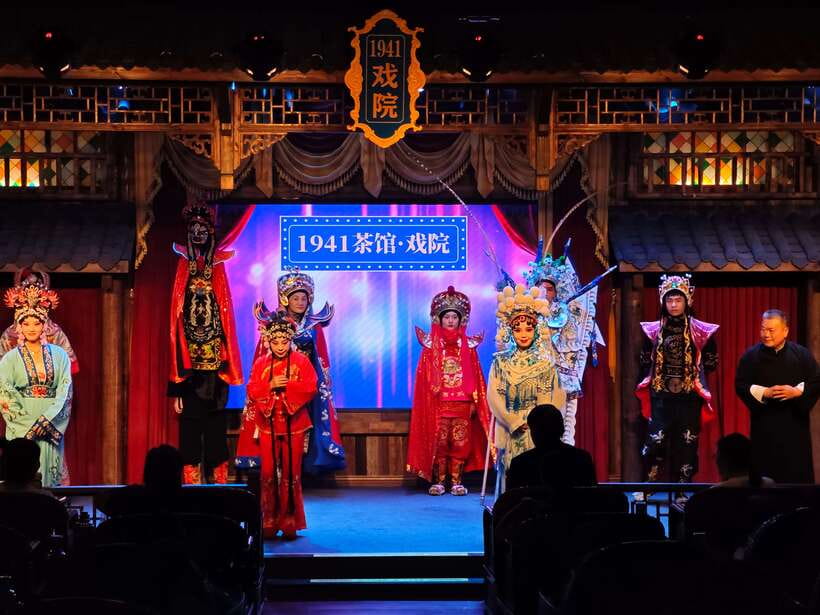
The 1.2-meter long-mouth teapot is the attention-grabber here. Tea artisans pour from an extraordinary distance, then the stage shifts through Sichuan drama, kung fu, face-changing, pipa music, magic, and storytelling. I like the way your tea and snack arrive as part of the show, and I like the close, informal feel that can put you right near the performers. The catch is length: at 45 minutes, this is a compact sampler, not a full evening of opera.
I also like that the acts cover several branches of Chinese folk art rather than betting everything on one performance. The show is indoors and wheelchair accessible, but the host and performance language are Chinese, and a small audience can make the room feel quiet. Arrive 30 minutes early, since late arrivals do not receive the tea.
Key points to know before booking
- A 1.2-meter teapot makes the tea ceremony highly visual, even if you do not understand Chinese.
- The 45-minute program packs in about five traditional entertainment styles, including drama, music, magic, and storytelling.
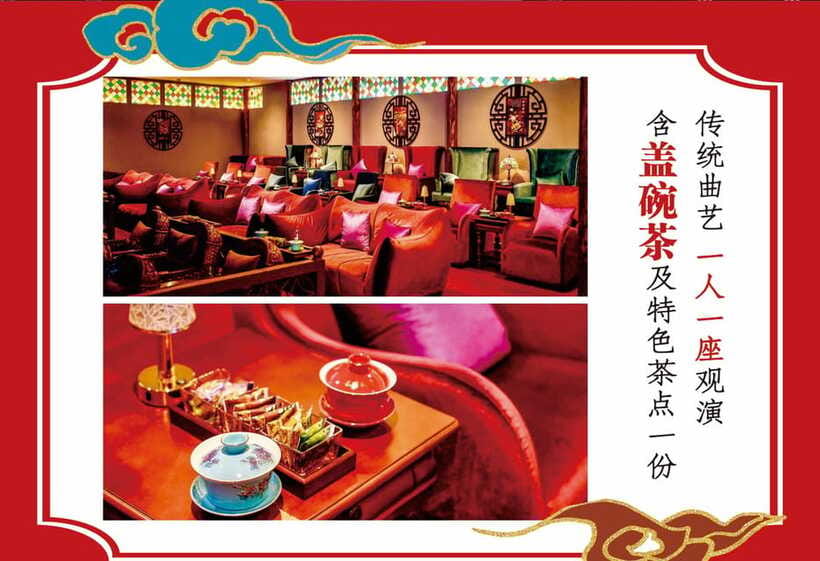
- Your ticket includes covered-bowl gaiwan tea and a snack, though the snack is light, with nuts and similar nibbles.
- Front seats may bring direct interaction with performers and possibly a photo afterward.
- The show is entirely indoors and wheelchair accessible, useful on a rainy Chongqing day.
- The price deserves checking, since one booking experience reported a much lower walk-up price at the venue.
What the Chongqing 1941 show is really offering
This is best understood as a short introduction to Chinese stage traditions, served with tea. You are not signing up for a long historical production with a translated plot. Instead, you get a quick succession of acts designed to show off skill, costume, sound, movement, and surprise.
The setting is Chongqing 1941, at the Yutian Building. The meeting point is the garage entrance next to the time elevator, followed by the elevator ride to the eighth floor. That wording matters because this is not a street-level theater entrance that you will spot while wandering past. Give yourself time to find the building and the correct elevator.
The program includes folk music, opera, magic, folk customs, and traditional tea art. The exact order is not specified, so I would treat the advertised acts as the ingredients of the show rather than a fixed running order. A performance described as a small potpourri of five classic Chinese entertainment forms may feel brisk, but that variety helps keep the experience understandable even when you do not speak Chinese.
More tea experiences around China if you are still choosing
- One-Day Hangzhou Dragon Well Tea Culture & West Lake Private Tour
★ 5.0 · 98 reviews - Traditional Chinese Tea Ceremony Experience
★ 4.7 · 74 reviews - Tea Tasting and Pairing Concept Workshop
★ 5.0 · 57 reviews
Tea first, then a compact folk-art sampler
Your included refreshment is a covered-bowl tea, also called gaiwan tea, plus a special snack. A gaiwan is a lidded bowl used to brew and drink tea. The lid lets you hold back the leaves while sipping, and the bowl itself gives the tea service a distinctly Chinese feel.
Do not expect a full meal. The snack is described as nuts and similar small bites, so eat beforehand if you want something substantial. That simple point can make a difference because the performance lasts only 45 minutes and the refreshment is there to accompany the show, not replace lunch or dinner.
The tea is not just a free drink handed over at the door. Tea artisans present tea-making as a performance, with the pouring itself part of the entertainment. The long-mouth teapot adds an almost comic sense of scale. At 1.2 meters, it is far removed from an ordinary household pot, and the distance pouring gives you something to watch even when no words are being translated.
Arriving late has a clear penalty: the tea will not be provided. Since you are asked to arrive 30 minutes before the start, follow that advice. It gives you time to locate the venue, settle in, and receive the tea without rushing.
Sichuan drama, kung fu, and the face-changing moment
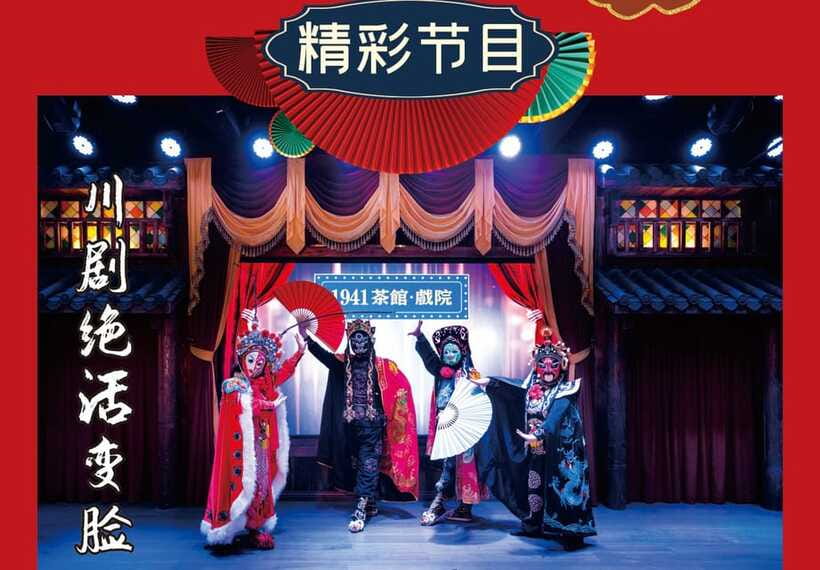
One of the advertised highlights is a performance of the Sichuan drama Human Good with kung fu. The title alone does not tell you much about the plot, and the show is presented in Chinese, but the physical action should make this portion easier to follow than a word-heavy play.
Kung fu gives the program a strong visual center. Fast movement, poses, and staged action cross the language barrier better than spoken dialogue. If you are bringing children or friends who usually avoid theater because of translation worries, this kind of act is likely to be among the easiest for them to enjoy.
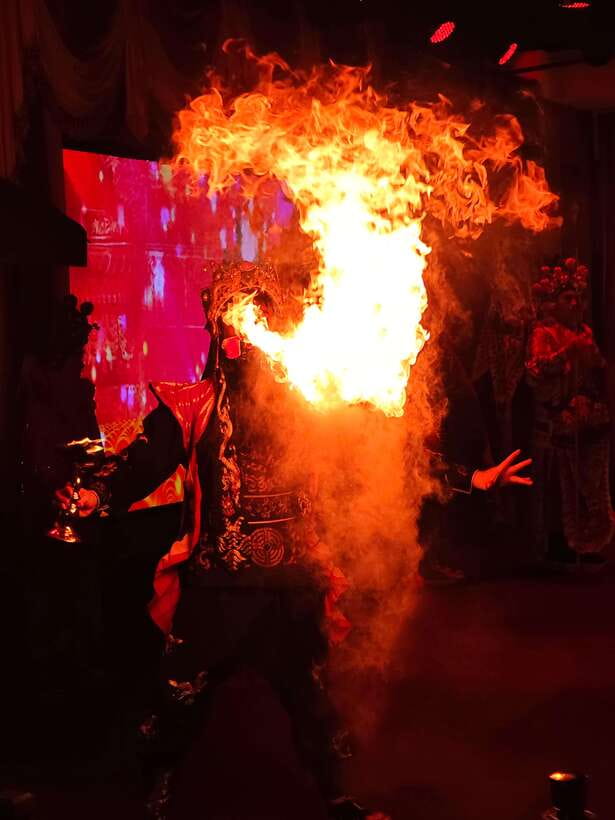
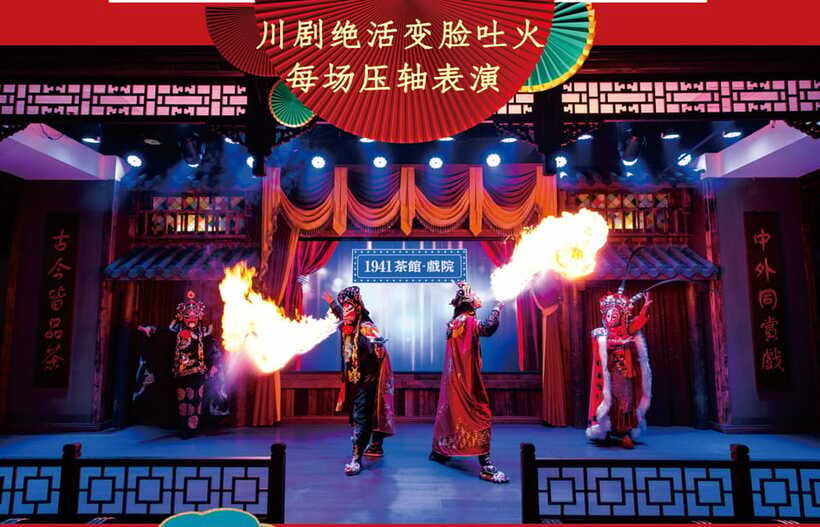
The face-changing performance is another major draw. Sichuan opera face-changing, known for rapid shifts in painted masks, depends on timing and mystery. The supplied information describes the chance to see the changing makeup up close, and one attendee even had the chance to touch a performer’s face during the act. Do not count on personal contact, but sitting near the front can make this part far more memorable.
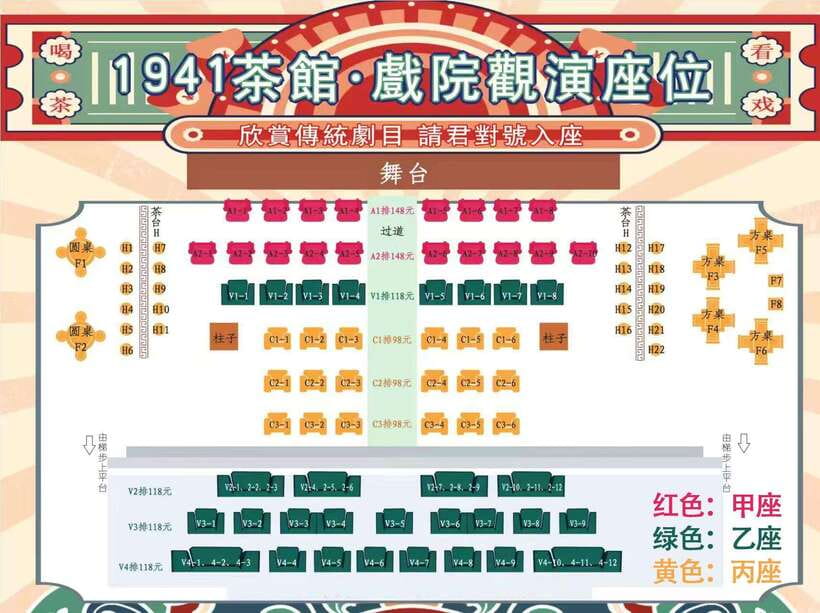
The front row also appears to offer more interaction. One attendee was seated at the very front and described frequent contact with the performers throughout the show. That can be fun if you enjoy being noticed, but it may not suit you if you prefer to watch quietly from the back. Seating details are not guaranteed, so choose this experience for the general atmosphere rather than a promised front-row role.
Pipa music and money-board storytelling
The pipa performance brings a calmer sound to the program. The pipa is a Chinese plucked string instrument, and its bright, ringing tone can cut through a small theater with surprising force. The performance is described as an interwoven sound, which suggests a musical break from the movement and visual tricks of the other acts.
You will also see a quyi money-board performance. Quyi is a broad Chinese tradition of sung storytelling, and the money board is a simple percussion prop that helps mark rhythm. Here, singing and spoken storytelling work together. Even without Chinese, you can follow the tone, pacing, gestures, and rhythm, though you will miss the full meaning of the words.
This is one reason to set your expectations correctly. The show is not designed as a translated cultural lecture. It gives you an encounter with forms of performance that are often passed on through voice, music, costume, and gesture. If you want the plot explained in English, this is not the right format. If you are happy to watch how a performer holds an audience through sound and movement, it can be rewarding.
Same city, a very different cup:
- Beijing Culture: Tea Ceremony, Heritage Instrument & Calligraphy
★ 5.0 · 57 reviews - Biking Real Shanghai& Tea Tasting Experience
★ 4.5 · 45 reviews - Tea Village in lost Town and Buddha 1 day tour
★ 5.0 · 32 reviews - Authentic Hangzhou Longjing Tea Culture Experience Tour
★ 5.0 · 32 reviews
Magic, folk customs, and quick changes of mood
The program also includes magic and folk-custom segments. These acts broaden the show beyond opera and music. The shifts can be sudden: tea ceremony, singing, a comic or magical trick, a painted face, then a traditional story.
That variety is a strength, especially during a short 45-minute sitting. You get a sample of several art forms without giving up half a day. The tradeoff is that none of the sections can receive much time. If you want a complete Sichuan opera production, you may find this too brief and simple.
The small scale can work in your favor. An attendee described being greeted, seated, and served hot water and tea before the show. A compact room may also make performers feel close enough for facial expressions, costume details, and hand movements to register clearly.
It can work against the mood, too. A small audience may leave more empty seats and less shared energy in the room. That does not mean the performers will not work hard, but it can make the event feel less like a grand theater night and more like a cultural demonstration.
Is $31 a fair price for 45 minutes?
At $31 per person, the price is reasonable only if you value convenience, the reserved entry, the tea service, and the mix of live acts. You are paying for a short indoor program with a drink and snack, not for several hours of entertainment.
I would compare the price carefully before paying. One verified booking account reported that buying at the venue was about $45 cheaper than purchasing online. That difference is unusually large compared with the advertised $31 rate, so it may reflect a particular date, currency issue, or misunderstanding. Still, it is enough to make a practical check worthwhile. Ask at the venue or compare the current walk-up rate before committing, if your schedule allows.
The online booking option has its own value. You can reserve now and pay later, and cancellation is free up to 24 hours before the activity for a full refund. That flexibility matters if your Chongqing plans are still shifting. It may be worth paying more for a confirmed place and easier planning, but I would not ignore a major price gap.
The best value comes if you already want a short cultural stop in central Chongqing, especially on a rainy day or between longer sightseeing plans. It is weaker value if you expect a full opera production, a translated explanation, or a substantial tea tasting.
Getting there and making the timing work
The meeting point is the Yutian Building garage entrance beside the time elevator. You then go to the eighth floor. The supplied directions do not include hotel pickup or transportation, so you must arrange your own way to the building and return afterward.
Plan to arrive 30 minutes before the starting time. This is not needless padding. The location may take a moment to identify, and late arrival means losing the included tea. The performance itself lasts 45 minutes, so the total outing takes longer once you add the early arrival and local transport.
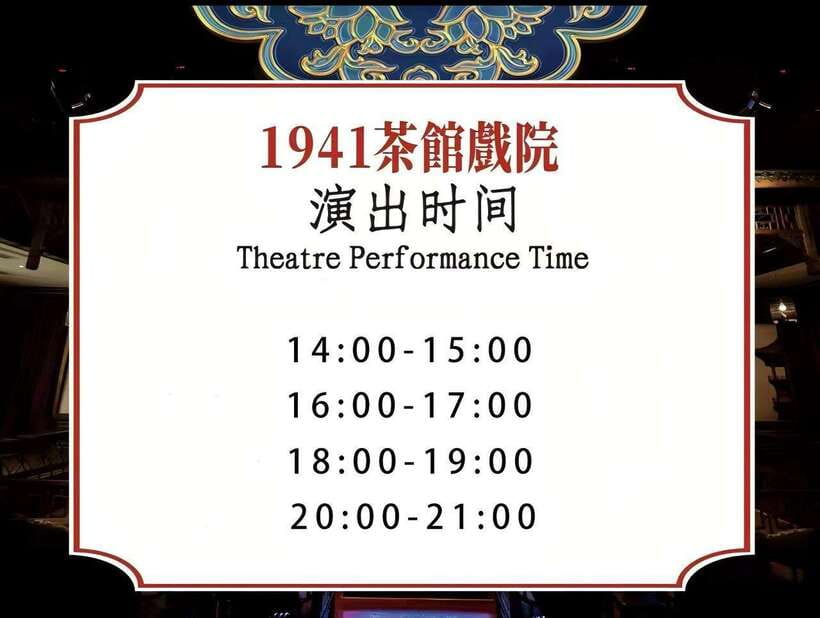
Starting times vary, so check availability for your date. The host or greeter speaks Chinese, and the activity language is Chinese. That does not make the show inaccessible to non-Chinese speakers, since much of the program is visual, but you should not expect an English introduction or live translation.
The venue is indoors and wheelchair accessible. That makes it a practical choice when weather is poor or when you need an activity without outdoor walking. Specific seating arrangements are not provided, so if you use a wheelchair, confirm the details when booking or on arrival.
How to get the most from your seat
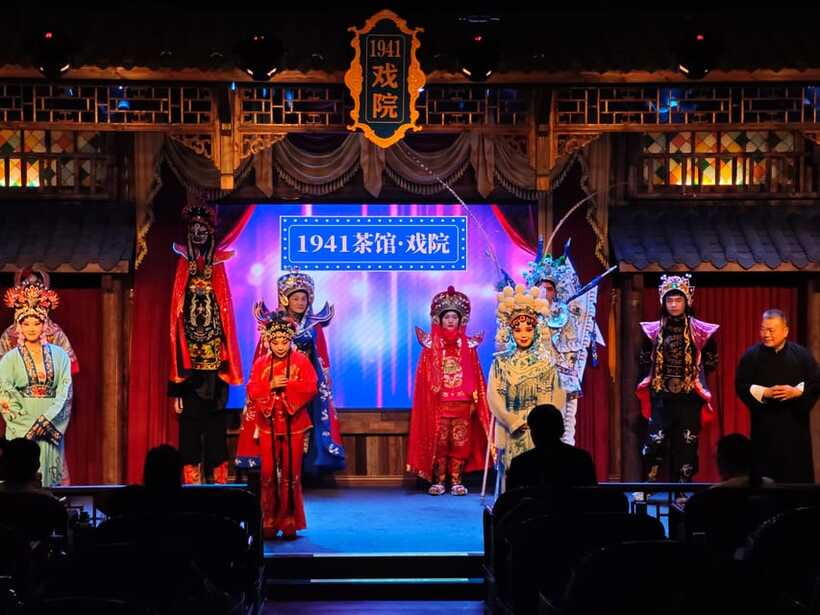
If you enjoy interaction and close views, ask about sitting near the front. The experience can include direct engagement with performers, and one attendee was invited to take a photo with them after the show. That photo opportunity is not listed as a formal inclusion, so see it as a possible extra, not a guarantee.
If you prefer a quiet view, sit farther back if that choice is available. A small room may make every seat fairly close, but the front can bring more attention than you want.
Come with a light meal already in you. The snack is a modest accompaniment, not a plate of food. Also, keep your phone ready for the possible photo at the end, while remembering to follow the venue’s own rules about photography during the acts.
Most important, watch with the right frame of mind. The pleasure is in seeing several performance customs placed side by side: the long teapot, the lidded bowl, the pipa, the money board, the painted face, and the physical skill of kung fu. You do not need to understand every line to notice the craft.
Who should book Chongqing 1941?
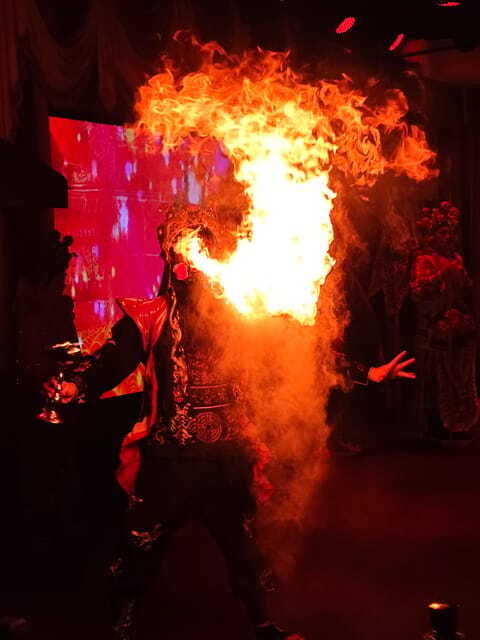
I would recommend it to you if you want a short introduction to Chinese folk entertainment, especially if you have only a spare hour. It suits first-time visitors who want something beyond food and sightseeing, families who appreciate visual acts, and anyone looking for an indoor activity.
It also suits you if tea service matters as much as theater. The gaiwan tea gives the visit a local ritual element, while the special snack makes the seat feel more welcoming than a bare theater ticket.
I would hesitate if you need English explanations, dislike audience interaction, or want a polished large-scale production. The 45-minute format is deliberately small, and the audience may be limited. You should also check the current price at the venue if saving money is your main goal.
Should you book this folk-art show?
Book it if you want a lively sampler of Chinese stage traditions and like the idea of watching face-changing, kung fu, pipa music, money-board storytelling, magic, and tea art in one short sitting. The strongest reasons are the visual variety, the close setting, and the included gaiwan tea.
Skip it if your priority is a long opera, a detailed English cultural explanation, or a full meal. Before booking, compare the online rate with the venue price, arrive 30 minutes early, and treat the light snack and possible performer photo as pleasant extras rather than the main reason to go.
FAQ
How long does the Chongqing 1941 performance last?
The performance lasts 45 minutes.
What is included in the ticket?
The ticket includes one traditional performance admission, one covered-bowl tea, and one special snack per person.
What happens if I arrive late?
Tea will not be provided to late arrivals. You are asked to arrive 30 minutes before the activity starts.
Is the performance in English?
No. The host or greeter and the activity language are Chinese. The program includes visual acts such as kung fu, magic, tea art, and face-changing.
Where is the meeting point?
Meet at the Yutian Building garage entrance next to the time elevator, then go to the eighth floor.
Is the activity wheelchair accessible?
Yes. The indoor activity is listed as wheelchair accessible.
Fresh tea listings around China
- Beijing:Learn Calligraphy & Enjoy Kung Fu Tea Ceremony★ 5.0 · 2 reviews
- Beijing: Temple Of Heaven+Tai Chi Class+Tea Ceremony★ 5.0 · 8 reviews
- Beijing Hands-On Culture Tour: Tea, Instrument, Calligraphy★ 5.0 · 6 reviews
- Beijing: Chinese Culture Tea Ceremony Reservation Service★ 4.8 · 4 reviews
- Qixianfeng Tea Plantation Tour in Yangshuo★ 4.6 · 4 reviews
- 3 hours Xi’an Mahjong Class with Local Tea★ 5.0 · 2 reviews
- Xi’an Calligraphy & Tea Ceremony – Dive into Ink & Brush Artistry★ 5.0 · 4 reviews
- Xi’an Noodle Making and Tea Tasting Experience★ 5.0 · 6 reviews
China Tea Tours, compared.

One-Day Hangzhou Dragon Well Tea Culture & West Lake Private Tour
Read our review →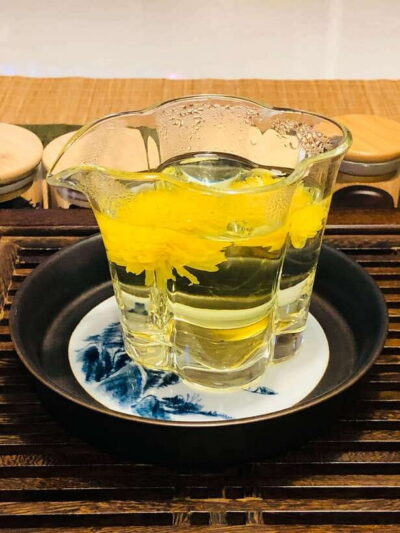
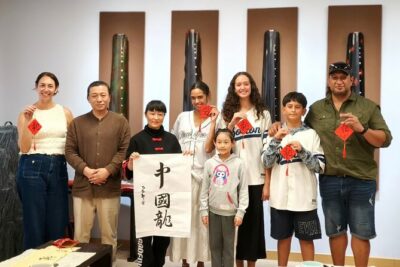
Beijing Culture: Tea Ceremony, Heritage Instrument & Calligraphy
Read our review →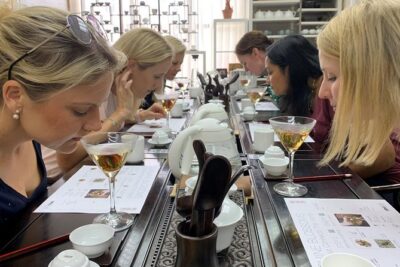
Chinese Tea ceremony in Beijing Hutong courtyard
Read our review →Browse the lists this tour appears in