
Review · LUNCH EXPERIENCES
Guilin Longji: Rice Terrace with Oil-Tea Demo & Zhuang Lunch
Longji is at its best when you see more than the famous rice terraces. This full-day trip pairs the mountain views with a Zhuang village museum, a hands-on oil-tea workshop, and lunch in a local home. The result is a fuller picture of life in Longsheng, not just a quick photo stop.
I especially like the chance to make the tea yourself, roasting peanuts and soybeans before grinding them into the savory drink. I also like the flexible route to the viewpoints, since you can walk uphill for 30 to 40 minutes or choose the scenic cable car option. The main drawback is the long day: the drive from Guilin takes about two hours each way, and the mountain paths are not suitable for wheelchair users.
Key Points
- Guzhuang Village adds real cultural context: See old wooden houses, traditional clothing, weaving tools, instruments, and family artifacts.
- The oil-tea workshop is genuinely hands-on: Roast peanuts and soybeans, grind your mixture, and prepare the local tea yourself.
- Lunch takes place in a mountain village: The Zhuang-style meal uses local ingredients and comes with views of the terraces.
- The main viewpoint requires a choice: Walk uphill for 30 to 40 minutes or use the scenic cable car option described for the tour.
- The group stays fairly small: Tours run for 1 to 12 people, with private or custom arrangements available for larger groups.
- Guides add personal touches: Tonwn is praised for careful driving, warm service, and thoughtful gifts such as a hand-painted fan.
Why Longji Works Best as More Than a Viewpoint
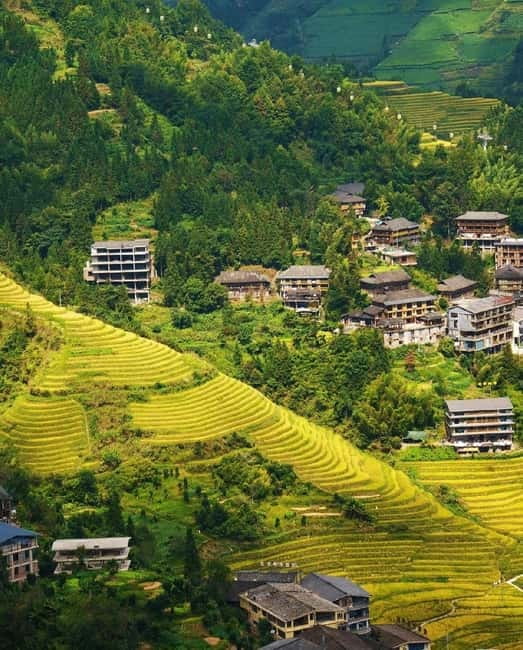
The Longji Rice Terraces are the star, but they are not the whole show. These steep hills were shaped into working farmland by Zhuang and Yao communities over many generations. From the viewpoints, the terraces sweep across the slopes in curved bands, looking like green silk in the growing season.
A quick visit can give you a fine photograph. This tour gives you a better sense of the people who built and maintained the terraces. You begin with a village and museum visit, then take part in a food tradition, and only afterward make your way to the high views.
That order makes sense. You learn a little about local life before seeing the land that supports it. I find that more satisfying than spending the whole day walking from one lookout to another without much context.
The experience costs $152 per person. That is not a bargain-basement day trip, but the price covers pickup and drop-off in Guilin, a roughly 10-hour program, a selected-language guide, the Longji scenic area ticket, the scenic-area shuttle bus, the oil-tea workshop, and the Zhuang-style lunch. For you, the value depends on how much you want included and how much you would have to arrange alone.
More Lunch Experiences in China:
The Two-Hour Ride Into Longsheng County
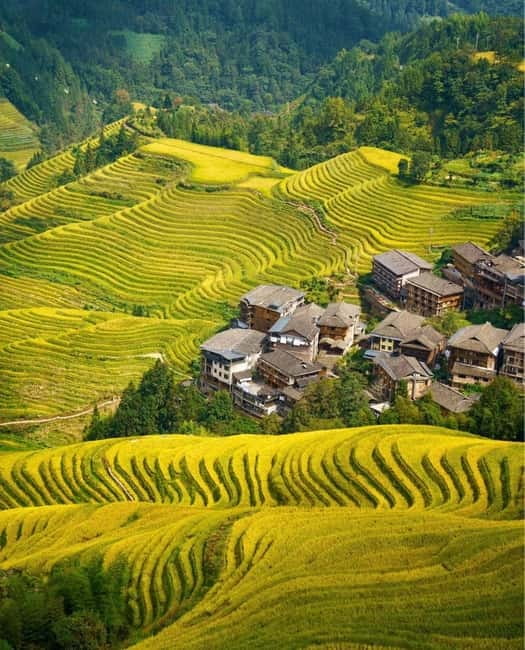
Pickup is available anywhere in Guilin city, and staff confirm the details the evening before. Once you leave the city, the road heads into the hills of Longsheng County, with rice paddies, bamboo groves, and quiet country roads along the way.
The drive takes about two hours, so this is not a short outing. I would treat the journey as part of the day rather than a minor transfer. You get a gradual change from city streets to mountain villages, and your guide can introduce Zhuang and Yao customs while you ride.
A 10-hour day means an early start is likely, although the exact pickup time is not provided. Keep your schedule open for the full day and avoid booking a tight evening commitment in Guilin. Mountain roads and village visits do not always fit neatly into a city timetable.
The group size ranges from 1 to 12 people. That is small enough for questions and a more personal workshop, though the feel will depend on how many people join your departure. Guides are available in Chinese, English, Japanese, Korean, Spanish, and French.
Walking Through Guzhuang Village
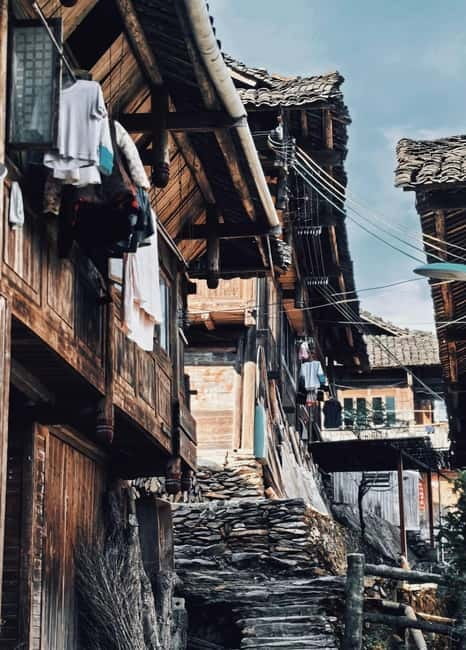
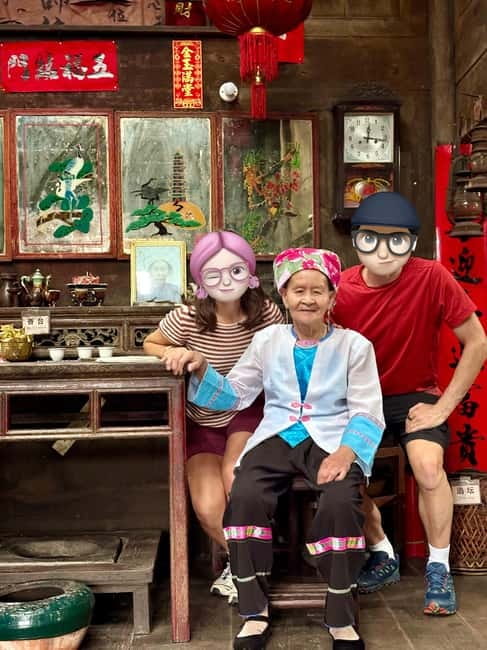
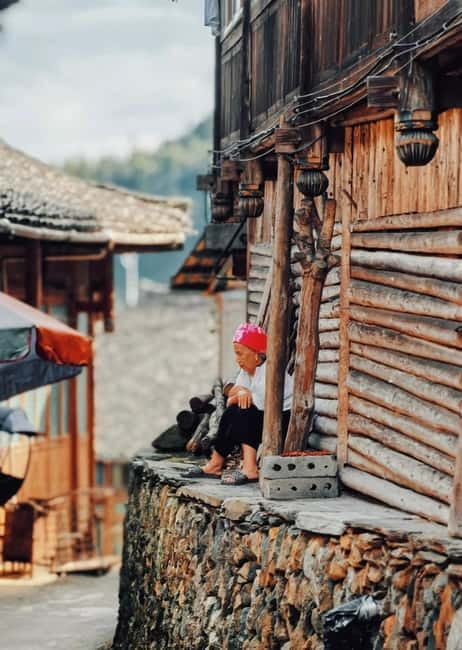
Guzhuang Village sits at the base of the terraces and offers a quieter beginning to the day. Stone-paved paths run past wooden houses that have stood for more than a century. You are not simply looking at a scenic street here. The point is to see how mountain homes, farming, and family life fit together.
The village museum focuses on Zhuang traditions. Inside, you can expect traditional costumes, weaving tools, musical instruments, and ancestral objects. These items help put faces and daily tasks to the broader story of the terraces.
I like this stop because it slows the day down. The famous views come later, so you have time to notice the details of a settlement rather than rushing straight to a lookout. Your guide can explain migration, agriculture, and family customs passed down through generations.
Guzhuang is described as a lesser-known stop, which may appeal to you if you prefer a calm village walk to a packed attraction. The trade-off is that it may feel modest compared with the huge views later. Come here for local background, not for the trip’s biggest photographs.
Making Longji Oil Tea From Scratch
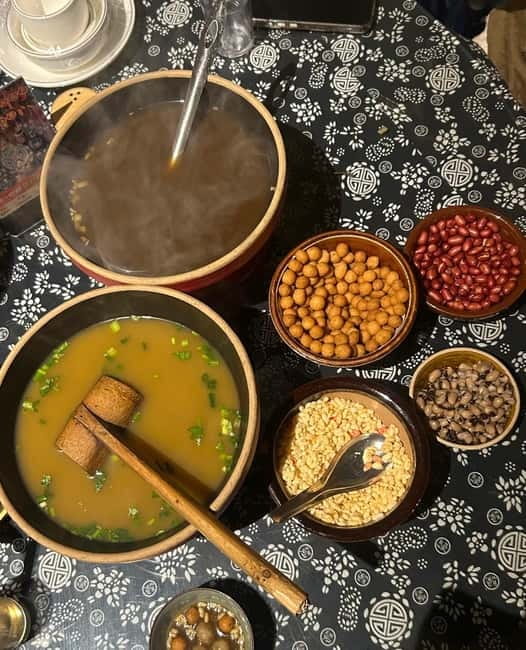
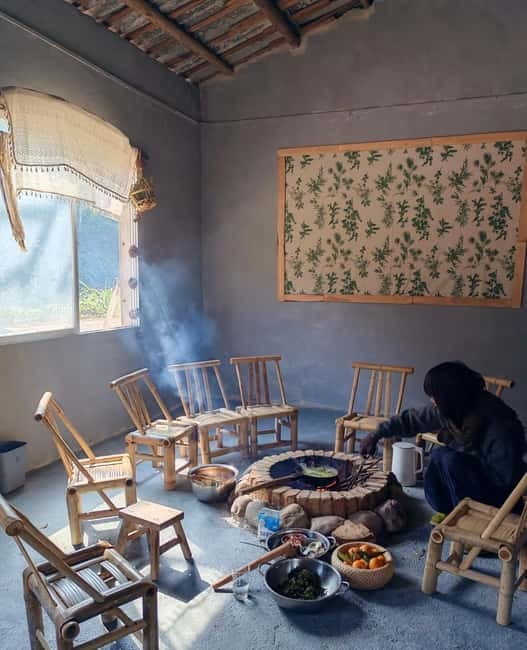
At Ping’an Village, the tour turns from history to food. The oil-tea session is not a demonstration where you sit and watch someone else work. You roast peanuts and soybeans, grind your own mixture, and combine it with fragrant tea to make Longji oil tea.
That hands-on work gives you something useful to remember about the region. Food traditions often explain a place better than a display case, and this one lets you learn through smell, texture, and taste. The process is described as relaxed and friendly, with local ingredients at the center.
Oil tea may be unfamiliar if you expect a sweet cup of tea. The workshop presents it as a savory soup-like drink, so keep an open mind. The attraction is partly the flavor, but just as much the act of preparing it with your own hands.
Several details make this one of the strongest parts of the day. You are involved from roasting to grinding, the activity does not require advanced skill, and the preparation works well for families or mixed-age groups. It also gives you a break from walking before the terrace viewpoint.
More tea experiences around China if you are still choosing
- One-Day Hangzhou Dragon Well Tea Culture & West Lake Private Tour
★ 5.0 · 98 reviews - Traditional Chinese Tea Ceremony Experience
★ 4.7 · 74 reviews - Beijing Culture: Tea Ceremony, Heritage Instrument & Calligraphy
★ 5.0 · 57 reviews - Tea Tasting and Pairing Concept Workshop
★ 5.0 · 57 reviews
A Zhuang Lunch With Mountain Views
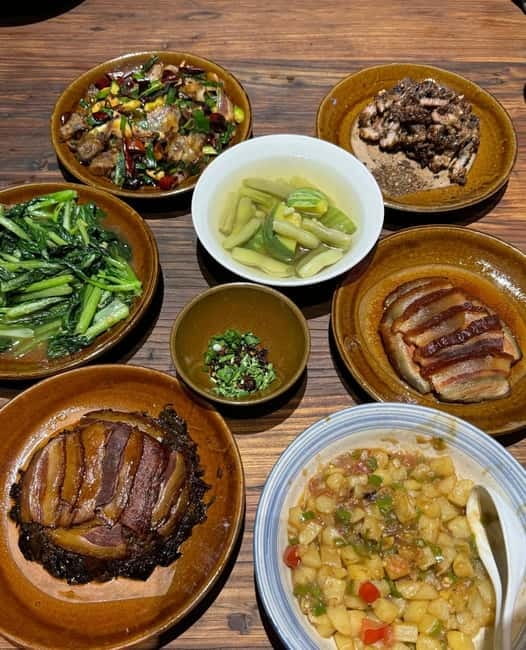
After the workshop, you sit down to a homemade Zhuang-style lunch in a mountain village. The meal is included in this option and uses fresh local ingredients. It is served at a local house, with a view toward the terraces.
The lunch matters for two reasons. First, it gives you a proper meal during a long day in the hills. Second, it connects the scenery to the people who live and work there. Rice terraces can look like an outdoor artwork, but they are also farmland. A meal made with local produce makes that connection clear.
The food receives especially strong praise in the supplied comments, with one person calling it the best meal of a China holiday and describing it as healthy and authentic. That does not guarantee every dish will match your taste, but it does suggest that the meal is a major part of the experience rather than a filler stop.
You should also allow for a slower lunch. This is not presented as a fast restaurant break between attractions. The warm welcome and homemade setting are part of the point. If you want full control over your menu or need specific dietary arrangements, ask before booking, since the available information does not list dietary options.
Choosing Your Route to the Terrace Viewpoint
The final major stop is the Longji viewpoint. From high up, the rice fields curve along the mountain slopes in broad tiers. Depending on the season, the terraces may appear green, golden, or more reflective, but the supplied details do not promise a particular color on your date.
You can take a 30 to 40-minute uphill walk through village and farmland trails if you want to earn the view. The walk is not described as extreme, but it is uphill, so sturdy shoes and a reasonable level of fitness will help. The route should appeal to you if you like seeing the terraces at a slower pace, with the village and fields close around you.
A scenic cable car option is also described for reaching the top. At the same time, the included items specifically mention a Longji scenic-area ticket and shuttle bus ticket, not a separately named cable car ticket. I would confirm with the provider whether the cable car costs extra and exactly where it replaces the walking route.
Once you reach the viewpoint, the reward is the broad view across the hills. Bring a camera, but do not spend the whole time looking through it. The terraces are best appreciated by tracing their lines across the slopes and noticing how the curves change with the terrain.
Weather can change the mood quickly. One outing included rain but still worked well because the guide took care of the group, and another caught a rainbow over the terraces. Rain may soften the views or hide sections of the hills, but it can also bring mist, reflections, and sudden color. Pack for changing mountain weather rather than assuming a clear sky.
What the Guide Adds to the Day
A good guide matters on this tour because the day combines transport, village etiquette, food preparation, walking, and scenic stops. The guide is not only there to point out the next attraction. You need someone who can explain Zhuang and Yao culture in plain language and keep the timing under control.
Tonwn is the named guide associated with several especially positive details. He is described as warm, polite, cultured, and careful behind the wheel. He also took one group to pick seasonal fruit such as passionfruit and wampee, which shows that the day can include small local moments beyond the fixed schedule when conditions allow.
Another thoughtful touch was a hand-painted fan made by the guide, while another gift came from a local artist. These gifts are not listed as guaranteed inclusions, so do not book solely expecting one. Still, they suggest a personal approach that can make the day feel less like a standard bus excursion.
The language choice is important. You can select Chinese, English, Japanese, Korean, Spanish, or French. If cultural explanation is a major reason for booking, choose the language in which you can ask detailed questions comfortably.
Timing, Walking, and Practical Comfort
The tour lasts approximately 10 hours, with around four hours of total driving if traffic and road conditions follow the expected schedule. That is a full day, not a gentle half-day outing. The payoff is that you see the village, museum, workshop, lunch setting, and terrace viewpoint without arranging separate transport.
Wear shoes suited to stone paths and uphill trails. The information specifically says the experience is not suitable for wheelchair users, and that makes sense given the village paths, mountain setting, and uphill viewpoint route.
Bring your passport or ID card. Other personal expenses are not included, so carry money for anything outside the stated package. The listed inclusions cover the scenic area ticket and shuttle bus, but you should clarify any cable car charge before departure.
The trip includes pickup and drop-off anywhere in Guilin city. That is valuable because reaching Longji independently can take more planning, especially when you are combining several village stops with a viewpoint. It also means you do not need to find your own way back after a long day on mountain roads.
Who Will Get the Most From This Tour?
I would choose this experience if you want Longji to be more than a photograph. The village museum, oil-tea preparation, and local lunch give the day a cultural backbone, while the terraces provide the big visual finish.
It suits you especially well if you like:
- Local food activities instead of demonstrations only
- Small-group guiding, with groups capped at 12
- A mix of village walking, cultural objects, and mountain scenery
- A planned day with Guilin pickup and return
- A moderate uphill walk, with another route option described
- Guides who add personal stories and small local touches
It may be less suitable if you want to spend every minute at the highest viewpoint, avoid a long drive, or need step-free access. The two-hour ride each way is a real part of the day, and the 10-hour schedule can feel long if you prefer short excursions.
Is the $152 Price Good Value?
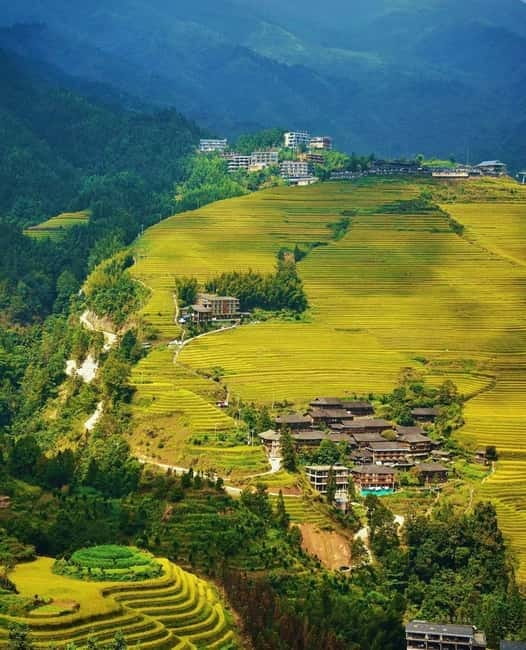
At $152 per person, I see this as a convenience and context purchase, not the cheapest possible way to see rice terraces. You are paying for transport from Guilin, a guide in your chosen language, scenic-area access, the shuttle bus, the museum and village visits, the oil-tea workshop, and lunch.
The strongest value comes from the combination. Hiring transport for a full day and finding the villages, food activity, and viewpoint on your own could be awkward. Here, the cultural stops are built into the route, and you do not have to solve the mountain logistics yourself.
The price is harder to justify if you only care about the terraces and want a basic transfer. In that case, a simpler excursion might suit you better, if available. But if the oil tea and village meal are central to what you want, the package gives you more than a lookout and a ride.
Should You Book It?
Book this tour if you want a well-rounded Longji day with culture, food, and mountain views in one plan. The oil-tea workshop is the most distinctive activity, while the Zhuang lunch and Guzhuang museum give the scenery a human side.
I would skip it if you dislike long drives, cannot manage uneven village paths, or want an unhurried stay in one terrace village. Before paying, confirm the cable car arrangement, mention any food needs, and be ready for a full 10-hour day.
The tour has a perfect 5 rating from seven supplied reviews, with repeated praise for the terraces, oil tea, lunch, organization, and guide care. That small sample cannot promise perfect weather or a perfect personal fit, but it points clearly to the experience’s strengths: the views are superb, the food activity is engaging, and the people involved make the day feel personal.
FAQ
How long is the Longji rice terrace tour?
The tour lasts approximately 10 hours, including the journey from Guilin and the visits in Longsheng County.
How long does the drive from Guilin take?
The drive to the Longji area takes about two hours, with a similar return journey expected as part of the full-day schedule.
Is pickup included from my Guilin hotel?
Pickup and drop-off are available anywhere in Guilin city. Staff confirm the exact pickup details the evening before.
What happens at Guzhuang Village?
You walk along stone-paved paths past wooden houses that are more than 100 years old and visit a museum with Zhuang costumes, weaving tools, musical instruments, and ancestral artifacts.
What is included in the oil-tea workshop?
You roast peanuts and soybeans, grind your own mixture, and combine it with fragrant tea to prepare Longji oil tea.
Is lunch included?
Yes. This option includes a homemade Zhuang-style lunch in a mountain village, with local ingredients and a view of the rice terraces.
How do I reach the terrace viewpoint?
You can walk uphill for about 30 to 40 minutes through village and farmland trails, or choose the scenic cable car option described for the tour. Confirm with the provider whether any cable car fee is separate, since the listed inclusions specifically name the scenic-area shuttle bus.
What languages are available?
Guiding is available in Chinese, English, Japanese, Korean, Spanish, and French.
Is the tour suitable for wheelchair users?
No. The experience is listed as unsuitable for wheelchair users because it includes village paths and an uphill mountain viewpoint route.
What should I bring?
Bring your passport or ID card. Comfortable shoes and clothing suited to walking and changing mountain weather are also sensible, though only the passport or ID card is specifically required in the tour information.
Fresh tea listings around China
- Full-day Tour: Spectacular Sunrise, Tea Plantation & Sunset★ 5.0 · 3 reviews
- Unlock Chinese Tea: Culture, Science, Tasting & Hands-on Brewing★ 5.0 · 12 reviews
- Shanghai Mahjong Experience in Local Tea Bar★ 5.0 · 4 reviews
- Chinese Tea Ceremony Experience★ 5.0 · 3 reviews
- Half-Day Hangzhou Jiuxi Stream and Tea Plantation Experience★ 5.0 · 2 reviews
- Private Hangzhou Day Tour to West Lake, Lingyin Temple, Tea Village, Old Pagoda★ 5.0 · 17 reviews
- Private Tour Hangzhou West Lake and Tea Fields Discovery★ 5.0 · 3 reviews
- Hangzhou West Lake and Tea Plantation Half Day Tour★ 5.0 · 4 reviews
Lunch Experiences, compared.
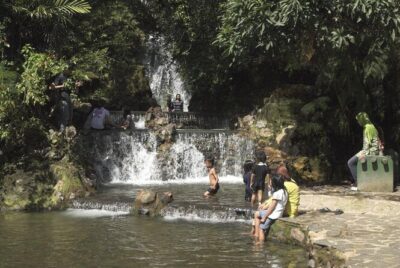
Active Volcano, Rice Field, Hot Spring, Fruit market, Tea Plantation with Lunch
Read our review →
Bandung: White Crater Hotspring Tea Plans And Lunch Included
Read our review →
São Miguel: Furnas Volcano & Tea Plantation Tour with Lunch
Read our review →
Furnas Volcano & Tea Plantation With Traditional Lunch, East Tour
Read our review →
Tokyo: Full-Day Tour w/Tea Experience,Buffet Lunch & Cruise
Read our review →
Mauritius: Tea and Sugar Plantation Guided Tour with Lunch
Read our review →
Bandung Tour Volcano, Hotsprings, Mud, Tea, Lunch all Included
Read our review →
Furnas: Thermal Springs & Tea Plantation Day Tour with Lunch
Read our review →Browse the lists this tour appears in