
Review · TEA PLANTATION & FARM TOURS
Tea Fields & Factory Tour
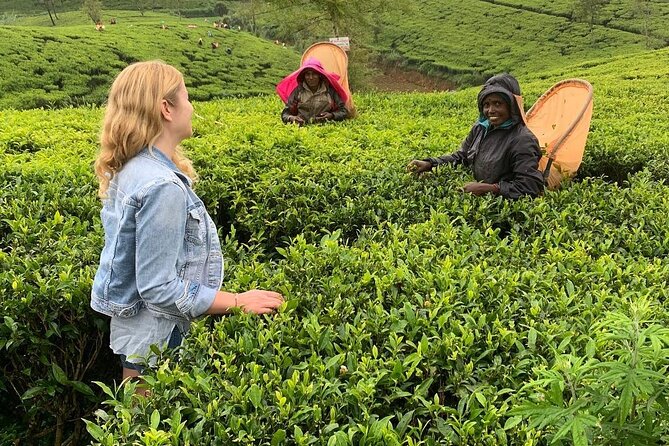
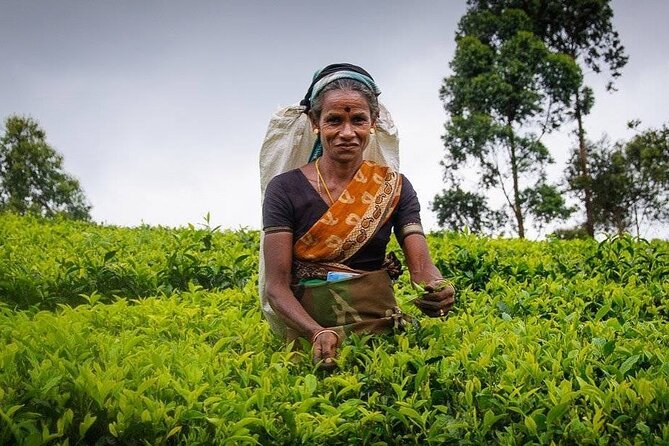
At 3 pm in Norwood, you begin with the part most factory tours skip: the tea fields. You meet the pluckers, watch their quick hand technique, try picking leaves yourself, then follow those leaves through the weighing station and into the factory.
I like the leaf-to-teapot format, which gives the visit a clear story instead of treating tea as a shop souvenir. I also like the small group limit of 10, since that should make it easier to hear the explanations and ask questions. The main consideration is timing: the tour starts at 3 pm, lasts about three hours, and requires good weather.
Key points
- Watch tea picking up close: Meet the pluckers and try their technique yourself in the fields.
- Follow every factory stage: See withering, rolling, drying, shifting, testing, and packing.
- Visit beyond the plantation: The route includes a nearby pluckers village and temple.
- Taste the finished product: The experience ends with freshly made and brewed tea.
- Keep the group small: A maximum of 10 people allows for a more personal visit.
- Pay a modest price: At $20 per person, this is a useful introduction to Hatton’s tea country.
Why this Hatton tea tour feels different
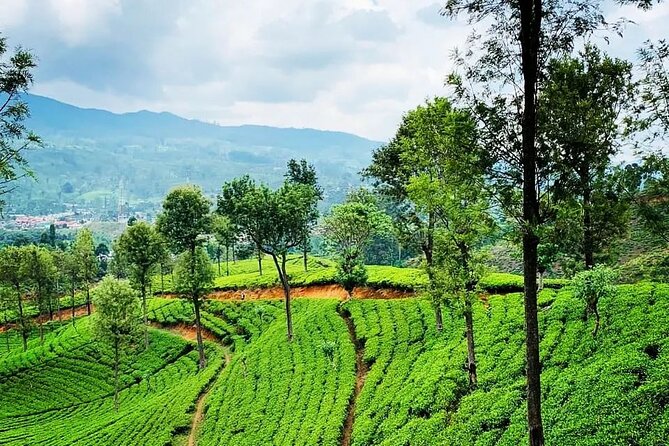
Hatton is one of Sri Lanka’s best-known tea areas, and this experience uses the setting well. You do not simply walk through rows of tea, hear a few facts, and leave with a packet from the gift shop. You follow the production chain from the plant to the cup.
That sequence matters. Once you see the leaves being picked, weighed, processed, sorted, tested, and packed, the factory machinery makes more sense. Tea stops being an abstract product and becomes a series of careful steps.
The experience also adds a human side. You meet the people who pick the leaves, visit their village and temple, and learn how the work begins before the factory receives anything. This gives the tour more substance than a quick plantation photo stop.
The published rating is 5 out of 5 from 67 ratings, with a 100 percent recommendation rate. The strongest praise focuses on clear explanations, the factory visit, the chance to see both plantation and village life, and the amount of information covered in a short time.
More Tea Factory Tours in Sri Lanka
- Uva Halpewatte Tea Factory Tour in Ella Sri Lanka
★ 5.0 · 653 reviews - Nuwara Eliya: Tea Factory and Pickle Waterfalls Tuk Tuk Tour
★ 4.7 · 113 reviews - From Colombo: Kandy, Pinnawala and Tea Factory Full-Day Trip
★ 4.4 · 99 reviews
Starting at 3 pm in Norwood
Your meeting point is in Norwood, at the location identified as RJR9+WC Norwood, Sri Lanka. The tour starts at 3 pm and returns to the same meeting point at the end.
That arrangement is simple, but you should plan your transport carefully. The experience is near public transportation, though the supplied details do not specify a particular bus, train, or connection. If you are coming from elsewhere in the Hatton area, allow enough time to reach Norwood before the 3 pm start.
The afternoon timing has two practical effects. It leaves the morning free for another activity, and it places the tea visit later in the day. At the same time, you are tied to a fixed start rather than a flexible morning departure.
The tour lasts about three hours. That is long enough to cover the fields, village, weighing point, factory, and tea tasting without turning the visit into a full-day commitment. Since the end point is the same as the start, you can plan your onward transport from Norwood more easily.
Walking through the tea fields
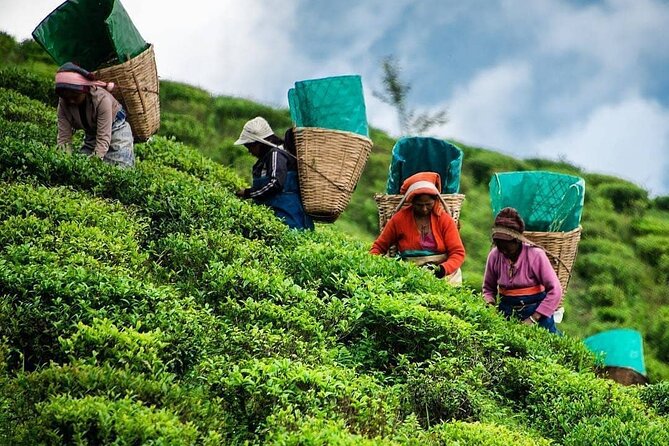
The first part takes you into the tea fields. This is where you get a sense of the plant itself, the growing area, and the work required before processing begins.
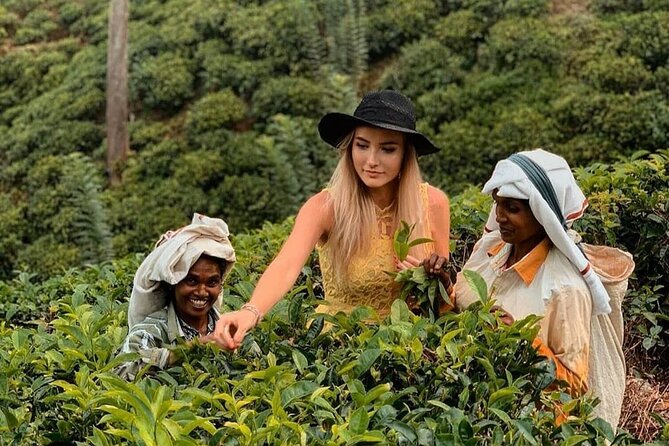
The best part is the chance to meet the pluckers. You can watch how they handle the leaves and learn the technique rather than simply being told that tea is hand-picked. You are also invited to try plucking yourself, which gives you a better feel for the work.
That hands-on moment is small but useful. A tea bush may look tidy and easy to pick, yet selecting leaves quickly and consistently takes practice. Trying it for yourself makes the skill easier to appreciate.
You should also expect uneven ground and an outdoor setting. The tour description does not give details about the walking surface, so wear practical shoes and be ready for changing weather. The activity requires good weather, and the provider may offer another date or a full refund if conditions force a cancellation.
Meeting the pluckers and visiting the village
The tour includes a visit to a pluckers village and temple. This broadens the experience beyond agriculture and machinery.
The village stop helps connect the tea fields with daily life. The people working among the plants are not just part of the scenery. Their work is central to the first stage of production, and the visit gives you a chance to see more of the community connected with the plantation.
The temple adds a cultural stop to the tea route. No detailed description of the temple is provided, so you should not expect a formal religious tour or a long historical lecture. Think of it as part of a short local visit included within the three-hour schedule.
Because the whole experience covers several locations, time at each one is likely to be focused. If your main goal is a long village visit, this may feel brief. If you want a rounded introduction to tea country, the combination works well.
More Tea Plantation Tours in Sri Lanka
- Tea Plantation Tour in Ella, Sri Lanka
★ 5.0 · 319 reviews - Tuk-Tuk Safari Liptons seat,Tea Fields Hike,TeaFactory Tour
★ 4.8 · 46 reviews - Galle Day Tour and Tea Plantation from Bentota & Other Places
★ 5.0 · 19 reviews - Ella’s Ceylon Tea Plantation and Factory Tour
★ 5.0 · 15 reviews
Seeing the weighing stations
After the fields, you visit the weighing stations. This is an important link between picking and processing.
The weighing stage shows how the harvest is received and measured before it enters the factory. It gives you a practical sense of how the day’s work is recorded and how the loose leaves move into the next part of production.
This stop may not be as visually dramatic as the tea fields or factory equipment, but it fills in a missing piece. Without it, the tour would jump from hand picking straight to finished tea. Here, you see the point where field work becomes factory production.
The guide’s explanations are a major part of the experience. Several ratings specifically praise the guide for giving clear, detailed explanations and covering the growing, picking, and processing stages in a way that is easy to follow.
Inside the factory: from fresh leaf to finished tea
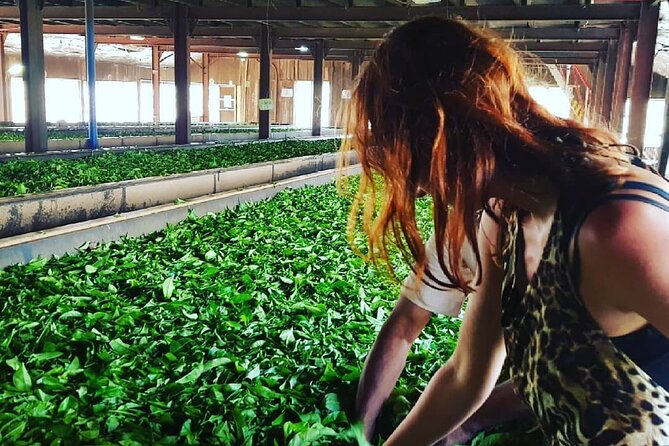
The factory visit is the technical heart of the tour. You learn about six stages: withering, rolling, drying, shifting, testing, and packing.
Withering
Withering is the early factory stage listed in the tour. You learn how the freshly picked leaves are handled before the next process. The supplied information does not specify the equipment or exact timing, so expect an explanation of the stage rather than technical production figures.
Rolling
Rolling follows withering. This is where the leaves are worked as part of the process that turns freshly picked material into tea ready for further treatment.
The value here is seeing the sequence in person. At home, tea arrives dry and finished. In the factory, you see that the final drink comes from several controlled steps.
Drying
Drying is another key stage. It changes the processed leaves into a form that can be stored and prepared for later use.
The factory stop is especially useful if you enjoy understanding how everyday products are made. The guide explains the process in plain terms, and the short format keeps the visit moving through the main stages.
Shifting
Shifting is included as a separate part of the factory process. It shows that production is not finished as soon as the leaves are dried. The tea still needs to be handled and sorted before testing and packing.
Testing
Testing comes later in the sequence. This gives the tour a useful reminder that tea production involves checking the finished material, not just processing it quickly.
The details of the testing method are not provided, but the stage is included in the factory explanation. You can ask the guide questions as you go, particularly if you want to know how different grades or qualities are assessed.
Packing
Packing is the final factory stage listed. It completes the journey from field to product.
Seeing packing after the earlier stages gives the tour a satisfying structure. You begin with a leaf on a bush and finish with tea prepared for distribution and brewing. That clear order is one reason the factory portion earns such strong praise.
Freshly brewed tea at the end

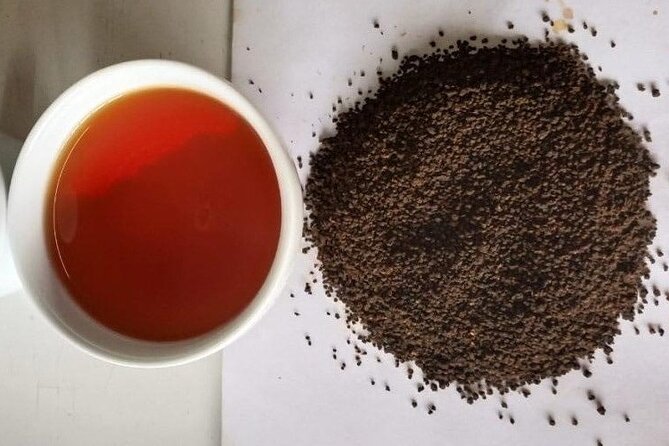
The experience finishes with freshly made and brewed tea. This is more than a quick refreshment. It gives you the chance to connect the factory process with the drink in your cup.
After seeing the leaves picked and processed, the tasting has context. You can think back to the fields, the weighing station, and each factory stage while trying the finished tea.
The details do not specify the tea variety, serving style, or amount provided. If you are hoping for a formal tasting with several types, ask before booking. The confirmed promise is freshly made and brewed tea, not a multi-tea tasting session.
Still, this is a fitting end to a tea-focused visit. It keeps the experience focused on production rather than turning the final stop into a shopping pitch.
What $20 buys you
At $20 per person, the price is reasonable for a three-hour guided experience that combines several elements: field access, contact with pluckers, a picking demonstration, a village and temple visit, the weighing station, a factory tour, and tea tasting.
The value is strongest if you want explanation and access to the full process. A simple walk through a plantation might cost less, but it would not necessarily show you what happens after the leaves leave the field.
The small group limit also helps the price feel fair. With no more than 10 people, the visit is not designed as a large coach stop. You should have a better chance to hear the guide and see the stages without being lost in a crowd.
There are limits. The experience lasts only about three hours, and the details do not include hotel pickup, a meal, or extended time at the village. You should treat the $20 as the cost of a focused tea education, not a full-day tour of the Hatton area.
Who should book this experience
I would choose this tour if you are curious about how tea is grown and made, not just interested in taking photographs among the plants. It suits first-time visitors to Hatton who want a clear introduction without committing a full day.
It also works well for people who enjoy local production, practical demonstrations, and short cultural stops. The chance to try plucking adds a hands-on touch, while the factory explains the parts you cannot understand from the fields alone.
Families and mixed-age groups may find the format appealing because it changes location and subject several times. The provider states that most people can participate, though the walking conditions and weather should still be considered.
You may want to skip it if you dislike fixed afternoon schedules or want a long, quiet stay in one place. This tour moves from field to village to factory, so its strength is variety rather than slow exploration.
Booking, weather, and timing tips
Confirmation is sent within 48 hours of booking, subject to availability. Since the start is fixed at 3 pm, do not leave your transport plan until the last minute.
A mobile ticket is provided, which makes it easy to keep the booking on your phone. The tour is near public transportation, but exact routes are not supplied, so confirm the best way to reach the Norwood meeting point.
Good weather is required. If poor weather cancels the experience, you are offered another date or a full refund. For your own cancellation, you can receive a full refund if you cancel at least 24 hours before the start time. Cancellations or changes inside that window are not refunded or accepted.
The tour returns to the original meeting point. That is useful when arranging a bus or other connection, but allow a little flexibility because the duration is approximate.
Should you book the Norwood tea tour?
Book it if you want to understand the complete tea-making process in a compact, well-organized visit. The strongest reasons are the chance to meet pluckers, try picking, see the factory stages, visit a village and temple, and finish with freshly brewed tea.
At $20, it offers good value for a small group and a three-hour program. The clearest drawback is the fixed 3 pm start and dependence on good weather. If those conditions fit your plans, this is one of the more useful ways to make sense of Hatton’s tea country.
FAQ
Where does the tea tour start?
The tour starts at RJR9+WC Norwood, Norwood, Sri Lanka.
What time does the experience begin?
The start time is 3 pm.
How long does the tour last?
The experience lasts approximately three hours.
Where does the tour end?
The activity ends back at the original meeting point in Norwood.
How much does the tour cost?
The listed price is $20 per person.
How many people can join the tour?
The group has a maximum of 10 travelers.
Is a mobile ticket available?
Yes. The experience includes a mobile ticket.
Is the tour near public transportation?
Yes. The meeting area is near public transportation, though specific routes are not provided.
What does the factory visit include?
The factory explanation covers withering, rolling, drying, shifting, testing, and packing.
What happens if the weather is poor?
The experience requires good weather. If it is canceled because of poor conditions, you are offered a different date or a full refund.
Fresh tea listings around Sri Lanka
- Ella: Lipton’s Seat Tour with Dambetanna Tea Factory Visit★ 4.6 · 7 reviews
- From Colombo: Kandy & Pinnawala & Tea Factory Full Day Trip★ 4.3 · 2 reviews
- Comprehensive Excursion: Horton Plains and Pedro Tea Factory★ 4.5 · 4 reviews
- From Negombo: Ambuluwawa Tower & Tea Factory,Kandy Day Trip★ 5.0 · 9 reviews
- Kandy & Pinnawala & Tea Factory Full Day Tour From Negombo★ 4.3 · 11 reviews
- Kandy to Nuwara Eliya Day Trip – Little England & Tea Country★ 5.0 · 24 reviews
- From Colombo or Negombo: Pinnawala, Kandy & Tea Factory Tour★ 4.8 · 15 reviews
- Ella’s Ceylon Tea Plantation and Factory Tour★ 5.0 · 15 reviews
Tea Plantation & Farm Tours, compared.

From Taipei: Thousand Island Lake and Pinglin Tea Plantation
Read our review →
Active Volcano, Rice Field, Hot Spring, Fruit market, Tea Plantation with Lunch
Read our review →
Furnas: Tea Plantations, Lake and Volcano Guided Tour
Read our review →
São Miguel: Furnas Volcano & Tea Plantation Tour with Lunch
Read our review →
Furnas Volcano & Tea Plantation With Traditional Lunch, East Tour
Read our review →
Thousand Island Lake and Pinglin Tea Plantation from Taipei
Read our review →
Furnas: Volcano Wonders, Tea Plantation & Waterfall Tour
Read our review →Browse the lists this tour appears in