
Review · TEA & CALLIGRAPHY WORKSHOPS
Hue Retreat: Tea and Meditation with Vegetarian Meal
Hue can be noisy, busy, and full of grand imperial sights. This three-hour evening offers a gentler change of pace: you visit a Buddhist pagoda, sit quietly with hot tea, and focus on each breath beside monks or nuns. The setting is simple, respectful, and much more personal than a quick sightseeing stop.
I like the chance to learn about Vietnamese Buddhism through a guide and translator, and I like that dinner is part of the experience rather than an extra cost at the end. The main consideration is pace. This is not a packed evening tour, and anyone expecting lots of sightseeing may find the long quiet period too slow.
Key points to know before booking
- The evening begins with a pagoda visit at 6 pm, including an introduction to Vietnamese Buddhism.
- Tea and breathing meditation form the heart of the experience, so quiet attention matters more than entertainment.
- You may meet Buddhist monks or nuns and have help communicating through the English-speaking guide.
- Some visits include seeing children cared for by the pagoda’s nuns, an affecting part of the evening that may prompt you to bring a thoughtful donation.
- A vegetarian dinner at a local restaurant is included, with the guide and helper able to explain Vietnamese food.
- The $36 price covers hotel pickup in central Hue, an air-conditioned vehicle, bottled water, dinner, and travel insurance, which makes it a fair small-group style evening if you value personal contact over sightseeing volume.
A quiet evening in Hue, not a standard sightseeing tour
This experience is built around stillness. You are picked up from your hotel in Hue Center at about 6 pm, driven to a pagoda, and given time to meet the religious community before sitting down for tea and meditation.
That structure matters. Hue is famous for the Imperial City, royal tombs, and river views, but those sights can fill an entire day with walking and information. This evening gives you a chance to slow down without having to organize transport, find a suitable pagoda, or work out where to eat afterward.
I would choose it after a busy day of sightseeing, especially if you want to see another side of Hue. It is less about checking off monuments and more about observing a living religious setting with care.
The experience has a five-star rating from nine reviews, and the strongest praise centers on the warm welcome, the guides, the personal contact with the religious community, and the sense that the evening carries real meaning. Those strengths are worth keeping in mind, but they also explain why the tour will suit some people far better than others.
More Tea and Calligraphy Workshops in Vietnam:
- Hue Retreat: Tea and Meditation Tour with Vegetarian Meal
★ 5.0 · 4 reviews - Kyoto: Tea Ceremony Meditation – Make Matcha with Tea Master
★ 4.8 · 406 reviews - Osaka: Tea Ceremony, Calligraphy, and Kimono Experience
★ 4.9 · 130 reviews
Meeting the pagoda community at 6 pm
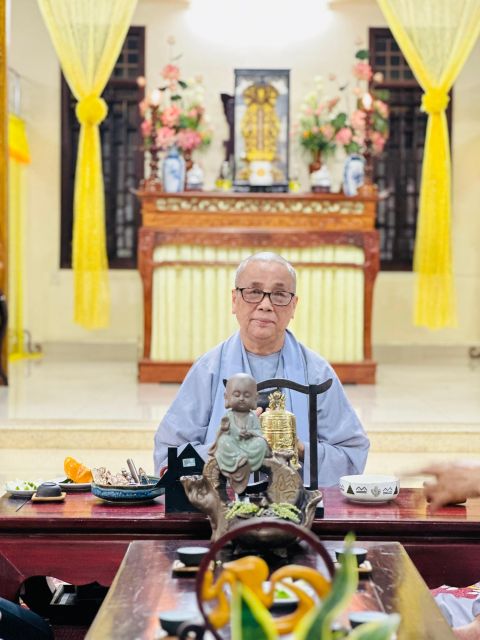
After pickup, you arrive at the chosen pagoda and meet monks or nuns. Your English-speaking guide explains what you are seeing and helps with communication, including conversation with members of the religious community.
The visit is valuable because it puts Vietnamese Buddhism in a human setting. You are not only looking at a building or taking photographs. You have a chance to hear about the faith, ask questions through the guide, and understand how the pagoda functions as part of local life.
The available information does not name the pagoda or guarantee which monks or nuns will be present on a particular evening. That is worth knowing before you book. The experience is personal, but it is not presented as a formal lecture with a fixed list of speakers.
Some visitors have also seen children cared for by the nuns at an orphanage connected with the pagoda. This can be one of the most moving parts of the evening. It may also leave you wishing you had brought something useful, such as sweets, coloring pens, or books. Since donations and gifts are not listed as part of the tour, ask your guide before offering anything and follow the pagoda’s preference.
The best approach is respectful curiosity. Dress and behave as you would at any religious site, listen carefully, and let the guide explain local customs. The evening is not designed as a quick photo stop, so you should be ready to give the pagoda your attention.
Tea, incense, and the practice of breathing
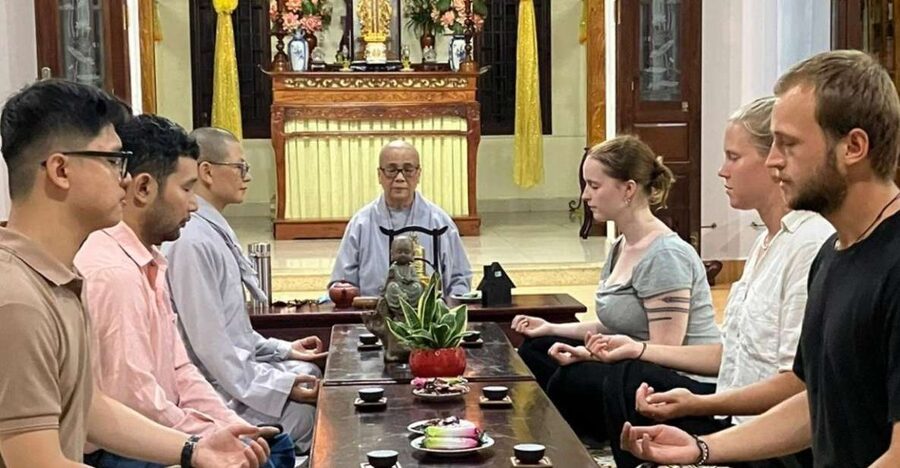
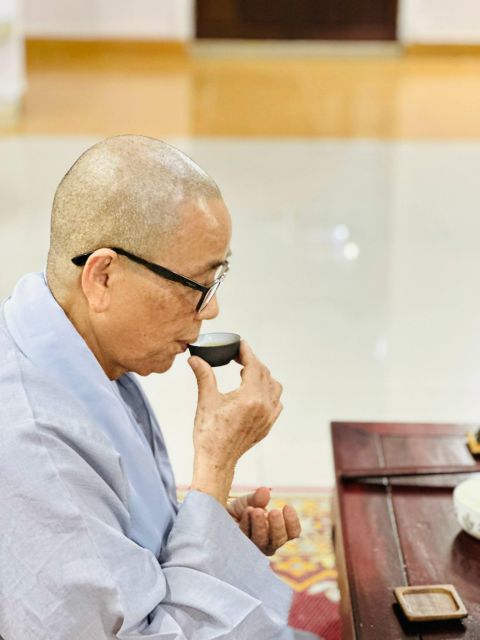
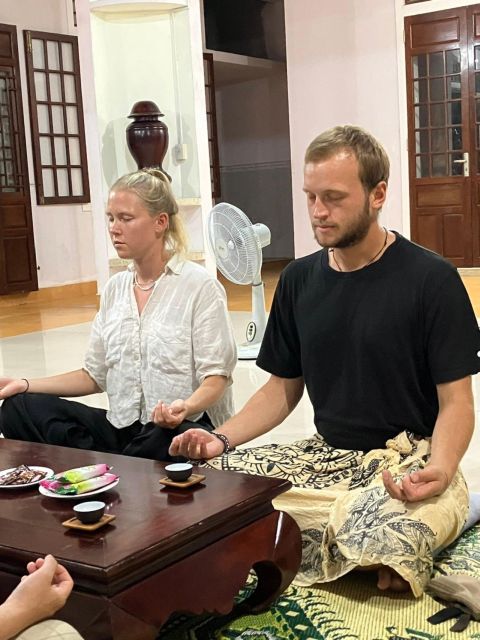
The meditation session begins after the pagoda visit. You sit together with a pot of hot tea, notice the faint scent of incense, and practice breathing and meditation.
You do not need to be an experienced meditator. The basic idea is simple: sit still, pay attention to your breathing, and let your mind settle. The experience is guided, but the supplied details do not promise a long lesson in Buddhist philosophy or a specific meditation tradition.
I like the use of tea here. It gives your hands and senses something gentle to focus on, while the quiet setting helps separate this part of the evening from the noise of Hue’s streets. The hot pot also makes the activity feel shared rather than overly formal.
Still, you should set your expectations correctly. This is not a spa treatment, a wellness retreat lasting several days, or a private spiritual consultation. You may find the session calming, but the tour cannot promise a particular emotional result. Some people will enjoy the quiet at once. Others may need time to get comfortable sitting still.
If you have physical concerns about meditation, the activity is listed as wheelchair accessible, but the information does not specify seating arrangements or the length of uninterrupted sitting. Contact the provider before booking if you need precise details about the pagoda entrance or meditation setup.
What the conversation with monks or nuns adds
The most praised part of this experience is the human exchange. The guides help translate conversations with wise nuns, allowing you to ask questions and hear answers that would otherwise be out of reach.
That translation support is important. A pagoda visit can remain superficial if you cannot communicate with the people who live or work there. Here, your guide acts as a bridge between the religious community and you, explaining both language and context.
You should not expect a private audience or a long, guaranteed conversation. The timing depends on the pagoda and the people available that evening. But even a short exchange can give the visit more depth than simply walking around the grounds.
The presence of children being cared for by the nuns adds another layer. It shows the pagoda as a place connected to community service, not only worship. At the same time, this is a sensitive subject. Treat the children with dignity, avoid assuming that photographs are welcome, and ask before taking pictures or offering gifts.
I would also listen to the guide’s advice about what to say and do. The goal is to meet people respectfully, not to turn a religious or charitable setting into a performance for visitors.
Same city, a very different cup:
- Coffee – Wine – Tea Da Lat’s Agricultural Treasures Tour
★ 4.8 · 63 reviews - Huong River Afternoon Tea Cruise Tour Along Hue City
★ 5.0 · 14 reviews - Vietnam Tea Tasting – Giang Egg Coffee & Train Street Visit
★ 5.0 · 10 reviews - Tea & Coffee Experience
★ 5.0 · 10 reviews
Dinner and a crash course in Vietnamese food
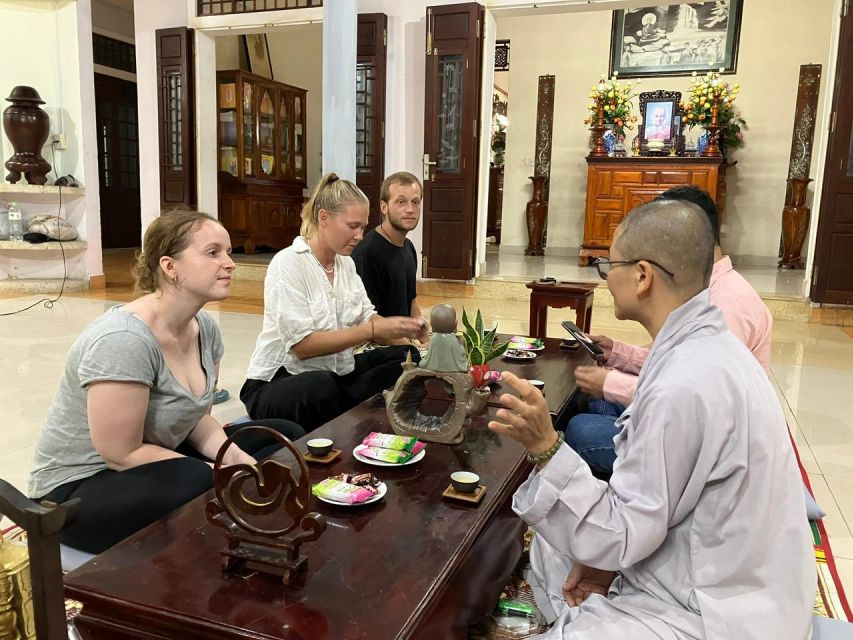
After the pagoda and meditation, you eat a vegetarian dinner at a local restaurant. The meal is included, so you do not need to find a restaurant late in the evening or decide what to order after a reflective but possibly tiring visit.
Vegetarian food is a natural fit for an evening connected with Buddhist practice. It also gives you a simple way to try Vietnamese dishes without having to identify meat or seafood ingredients yourself. The exact menu is not specified, so do not book expecting one particular dish.
The guide and helper can explain the food and offer a crash course in Vietnamese eating. That is a useful touch for first-time visitors. You can ask what you are eating, how it is normally served, and which flavors or ingredients are common.
One limitation is that dinner takes place in a local restaurant, not at the pagoda with the monks or nuns. Anyone hoping for a shared meal inside the religious community should know that the evening’s dinner arrangement is separate. A few people have wished for more time dining with the nuns, but the current plan is a vegetarian restaurant meal with the guiding team.
That separation may actually make the schedule easier. You get the quiet pagoda visit first, then a relaxed meal where you can talk about what you have seen. It is a good ending for an evening that asks you to pay attention and keep a slower pace.
Why the $36 price can make sense
At $36 per person, this is not the cheapest way to spend three hours in Hue. You could visit a pagoda independently for less, and a simple restaurant dinner would not normally cost much on its own.
The value comes from the combination. The price includes pickup from hotels in central Hue, an air-conditioned vehicle, an English-speaking live guide, bottled water, travel insurance, the pagoda visit, the meditation session, and a vegetarian dinner. You are paying for access, transport, explanation, and coordination as much as for the meal.
The guide’s translation help is especially important. Without it, you might see the pagoda but miss the conversations that make the evening meaningful. The vehicle also helps if you are tired after a full day in Hue or do not want to arrange a nighttime return on your own.
I would call the price fair for someone who values a small, personal cultural experience. It is less appealing if your main goal is to see as many sights as possible or keep your evening costs to a minimum.
The tour ends around 9 pm, with the driver returning you to Hue Center and your hotel. That fixed ending is useful because you can plan the rest of your evening, but it also means you should not expect to linger late at the pagoda.
Timing, transport, and practical details
Pickup is scheduled for 6 pm from hotels in Hue Center. The total duration is three hours, although exact starting times should be checked when booking.
An air-conditioned vehicle is included. That is a modest but useful benefit in Central Vietnam, particularly after a warm day outdoors. Bottled water is also supplied.
The tour is listed as wheelchair accessible. Since no detailed information is given about the vehicle, pagoda surfaces, or meditation seating, I would confirm your specific needs in advance rather than rely on the label alone.
The live tour language is English. The guide also helps translate when you meet monks or nuns, which is central to the experience. No guide names are provided, so you cannot request a particular guide based on the available information.
You can cancel up to 24 hours before the activity for a full refund. You can also reserve now and pay later, which is useful if your Hue schedule may change.
Who will enjoy this Hue evening most
I would recommend this experience to you if you want:
- A calm break after a full day of palace and tomb visits
- A respectful introduction to Vietnamese Buddhism
- Direct conversation with monks or nuns through an English-speaking guide
- A vegetarian meal with help understanding Vietnamese dishes
- A short cultural activity that finishes at your hotel by about 9 pm
- A meaningful evening rather than a long list of sights
It is also a good choice if you are curious about meditation but do not want to commit to a multi-day retreat. The session gives you a brief introduction in a real religious setting.
I would hesitate if you dislike quiet activities, find sitting still difficult, or want a large amount of sightseeing. The tour does not include a broad tour of Hue, a royal monument visit, or a long menu of entertainment.
Families should also think about the age and patience of their children. The pagoda visit and meal may work well for older children who can behave quietly, but the meditation period may feel long for younger ones. The supplied information does not give a minimum age, so ask the provider if that matters for your group.
Small things that can improve the evening
Wear clothing that feels comfortable for sitting and suitable for a religious site. The information does not give a formal dress code, so your guide can advise you on local expectations.
Arrive ready to put your phone away for part of the evening. You can take photographs only where permitted, and the pagoda visit should come before the camera.
If you hope to help the children cared for by the nuns, ask the guide what is appropriate rather than arriving with random gifts. Coloring pens, books, or sweets were suggested by one person who wished they had come prepared, but no donation plan is included in the tour.
Bring an open mind, not a list of demands. The religious community sets the tone, and the exact conversation or people you meet may vary. That uncertainty is part of visiting a living pagoda, but it also means you should avoid expecting a scripted show.
Should you book this tea and meditation tour?
Book it if you want a thoughtful, low-key evening that connects a pagoda visit with conversation, meditation, and a vegetarian meal. The strongest reasons are the warm contact with the monks or nuns, the guide’s translation help, and the chance to see a side of Hue that ordinary sightseeing rarely provides.
Skip it if you want action, landmark-hopping, or a guaranteed private meal with the religious community. The meditation is the center of the experience, and you need to be comfortable with quiet.
For most visitors who have one free evening in Hue and value personal encounters, the $36 cost is reasonable. I would place it after your main historical sightseeing, then use the pagoda, tea, and dinner as a calm change of rhythm.
FAQ
Where does the Hue tea and meditation experience take place?
It takes place at a pagoda in Hue, Central Vietnam, followed by a vegetarian dinner at a local restaurant.
What time does the experience start?
Hotel pickup in Hue Center is scheduled for 6 pm. Starting times can vary, so check availability when booking.
When does the tour finish?
The experience ends around 9 pm, after which the driver returns you to Hue Center and your hotel.
Is meditation experience required?
No specific meditation experience is required in the provided information. The activity includes guided breathing and meditation while sitting with hot tea.
Will I meet monks or nuns?
The experience includes meeting monks and visiting the pagoda. The available details also describe conversations with nuns, so the exact people you meet may depend on the pagoda community that evening.
Is dinner included?
Yes. A vegetarian dinner at a local restaurant is included in the experience.
Is the tour conducted in English?
Yes. It includes a live English-speaking guide, and the guide helps translate conversations at the pagoda.
Is the activity wheelchair accessible?
Yes, the activity is listed as wheelchair accessible. For specific needs concerning the vehicle, pagoda access, or meditation seating, contact the provider before booking.
Fresh tea listings around Vietnam
- Da Lat: Sunrise Panorama, Green Tea Hill and Strawberry Farm★ 4.0 · 3 reviews
- Vietnam Tea Tasting – Giang Egg Coffee & Train Street Visit★ 5.0 · 10 reviews
- Hue: Lotus in a Cup Tea Workshop★ 5.0 · 2 reviews
- Ho Chi Minh City’s Hidden Gem: Experience Lotus Tea Culture★ 5.0 · 2 reviews
- Tea Omakase in Ho Chi Minh City★ 5.0 · 2 reviews
- Huong River Afternoon Tea Cruise Tour Along Hue City★ 5.0 · 14 reviews
- Hue Retreat: Tea and Meditation Tour with Vegetarian Meal★ 5.0 · 4 reviews
- Tea & Coffee Experience★ 5.0 · 10 reviews
Tea & Calligraphy Workshops, compared.
Kyoto: Tea Ceremony Meditation – Make Matcha with Tea Master
Read our review →
Osaka: Tea Ceremony, Calligraphy, and Kimono Experience
Read our review →
Tokyo: Practicing Zen with a Japanese Tea Ceremony
Read our review →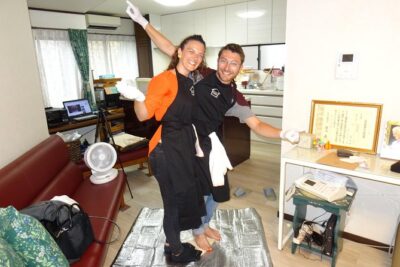
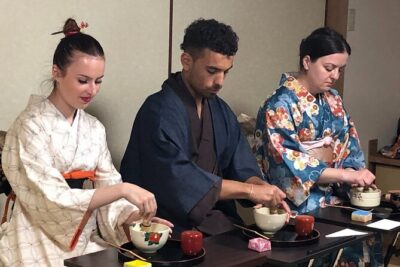
An Amazing set of Cultural experience: Kimono, Tea Ceremony and Calligraphy
Read our review →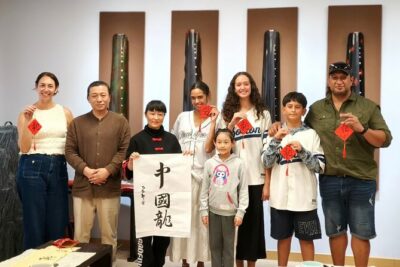
Beijing Culture: Tea Ceremony, Heritage Instrument & Calligraphy
Read our review →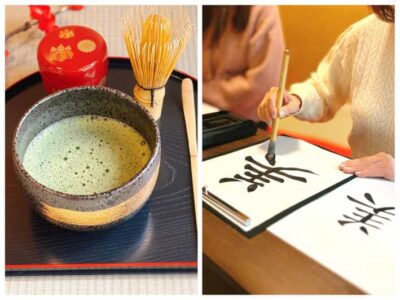
Osaka: Private Tea Ceremony and Calligraphy Experience
Read our review →
Cultural Activities :Kimono, tea ceremony, Calligraphy and Amulet
Read our review →Browse the lists this tour appears in