
Review · TEA FACTORY TOURS
Volcano, Hot Spring, Tea Factory, rice fields and Coffee Tour
The most memorable part of this long day is the change of scenery. You leave Jakarta behind and head toward West Java, where rice fields, tea plantations, rubber trees, and village roads lead to the smoking crater of Tangkuban Perahu. This is not a quick city-side outing. It is a full introduction to the countryside north of Bandung.
I like two things especially: the private format, which lets your guide adjust the pace for your group, and the mix of stops. You are not only looking at a volcano, but also seeing how rice and tea support local life, tasting West Java fruit, and ending with warm sulfur water.
The trade-off is simple: expect plenty of time in the vehicle. The trip lasts about 10 to 12 hours, and one family specifically found the driving time noticeable. Traffic around Jakarta and Bandung can make this a tiring day, but the private car, bottled water, and air conditioning help.
Key points about this West Java day trip
- Tangkuban Perahu volcano: See sulfur fumes rising from an active crater in the Ring of Fire.
- Working countryside: Stop beside rice fields and meet farmers near Subang.
- Tea production: Visit Kebun Teh Ciater and see how black tea is processed in a government tea factory.
- Luwak coffee: Learn how one of Indonesia’s most expensive coffees is produced, with tasting available for an extra $3.
- Sari Ater hot springs: Soak your feet or use the pool in warm sulfur water linked to the volcano.
- Private travel: Only your group takes part, with pickup, private transport, parking, entrance fees, and tea factory admission included.
A long day from Jakarta into West Java
This is best understood as a countryside tour with several short visits rather than a single major attraction. You will spend much of the day traveling, but the route gives you a useful look at the farms, plantations, villages, and volcanic terrain outside Jakarta.
The private vehicle matters here. You are not moving with a large group, and the guide can respond to your needs. Families may appreciate this flexibility, especially since one small child was remembered fondly by guide Neti and continued talking about the day afterward.
Guides named in the available feedback include Erni and Neti, while Affandi is praised as a careful driver. That is useful context for a private tour, where the quality of the guide and driver shapes the whole experience. The team has been described as punctual, friendly, cautious, and willing to accommodate requests.
Pickup is offered, and the vehicle is air-conditioned. Bottled water, parking, entrance tickets, private transport, and the tea factory visit are included. Lunch is not included, so you should clarify the lunch plan with the operator before setting out.
More Tea Factory Tours in Indonesia:
- Jakarta :Volcano, HotSpring, Tea Factory, RiceField, &Coffee
★ 5.0 · 21 reviews - Sunrise Sunan Ibu,Kawah Putih,Volcano,Tea factory,Hot spring
★ 5.0 · 5 reviews - Kyoto: Tea Museum Tickets and Matcha Grinding Experience
★ 4.9 · 739 reviews
Rice fields and village life near Subang
One of the quieter stops comes early in the route, when you pause near Subang to see rice fields and meet local farmers. The visit lasts about 20 minutes, so think of it as a brief roadside look at rural work, not a full farming lesson.
The focus is on paddy, the crop that becomes a main food for people in Indonesia. You can see the fields, get closer to the farmers, and learn about the plant and local activities around it. This stop adds something a volcano-and-hot-spring tour often lacks: a direct link between the countryside and daily meals.
You will also pass village areas, rubber plantations, and tea-growing country during the drive. Since the tour covers a broad area, your view from the car is part of the experience. Keep your camera ready, but do not expect a long walk through every field.
The short timing can be a drawback if you want a detailed agricultural visit. Still, it is a worthwhile stop for anyone interested in how people live and work outside Jakarta. It also breaks up the road journey before the major sights.
Local fruit at the Subang market
The fruit stop takes about 15 minutes and gives you a chance to buy or taste produce from West Java. Pineapple is highlighted as a local specialty, though another seasonal fruit may be available instead.
This is a small stop, but it brings local flavor to the day without adding another formal attraction. You can try fruit, see what is sold in the area, and perhaps buy something for the ride. Since the visit is brief and free, it works best as a quick taste rather than a full market tour.
Your exact selection depends on the season. The tour information specifically identifies pineapple, but it also allows for another seasonal fruit, so do not plan the day around a guaranteed list of produce.
Tangkuban Perahu and its sulfur crater
Tangkuban Perahu is the day’s main natural attraction. Located in West Bandung Regency, it is an active volcano within Indonesia’s Ring of Fire, and you can see fumes rising from the crater.
The stop lasts about one hour, with admission included. The sulfur smell is part of the experience. It is strong, earthy, and a clear reminder that this is a living volcanic site rather than a dormant scenic viewpoint.
The name Tangkuban Perahu means upside-down boat. It comes from a local legend, which gives the site a cultural story as well as a geological one. Your guide can connect the name and the crater to the setting, while you take in the smoky vents and high-country views.
This is not presented as a demanding hike. The tour is designed around a visit to the volcano, and most people can participate. Still, the information specifically advises against the tour for anyone with altitude sickness, so consider your own comfort before booking.
Weather and volcanic conditions can affect what you see. The key attraction is the visible fume, but no outdoor volcano visit can promise a particular view at every moment. Allow yourself time to notice the sulfur smell, the crater area, and the surroundings rather than rushing straight back to the car.
More Coffee Experiences in Indonesia:
- Istanbul Highlights: Guided Tour with Turkish Tea or Coffee
★ 5.0 · 278 reviews - Coffee – Wine – Tea Da Lat’s Agricultural Treasures Tour
★ 4.8 · 63 reviews - Vietnam Tea Tasting – Giang Egg Coffee & Train Street Visit
★ 5.0 · 10 reviews - Tea & Coffee Experience
★ 5.0 · 10 reviews
Luwak coffee at KLC Cafe & Resto
The coffee stop introduces you to an Indonesian specialty often known internationally as luwak coffee. At KLC Cafe & Resto, a traditional coffee pilot project in West Java, you receive an explanation of how the coffee is made and why it is considered one of the most expensive coffees in the world.
The visit lasts about one hour, and admission is free. A tasting costs an additional $3 per person, so check whether you want to add that before ordering. The basic visit is still useful if you want the production explanation without paying for a sample.
I would treat this stop as an educational coffee visit, not a café break built around a full meal. Lunch is not included in the tour, and the supplied information does not promise a complete lunch service here. Ask your guide about meal timing so you do not reach the afternoon hungry.
Coffee enthusiasts will get the most from this stop, but even casual drinkers may find it interesting because it explains a product strongly tied to Indonesia’s international coffee reputation. If you are traveling with children, the explanation may be more engaging than the tasting itself.
Tea processing at Kebun Teh Ciater
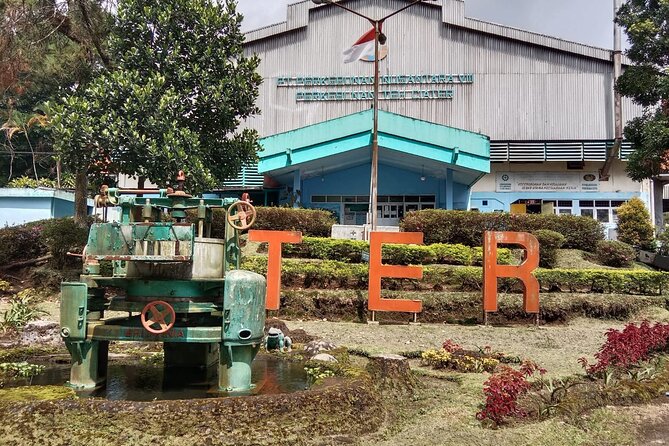
The tea visit is one of the strongest parts of the route for anyone who likes to understand how ordinary products are made. At Kebun Teh Ciater in Subang Regency, you visit a government tea factory and learn how black tea moves from freshly picked leaves through the production process.
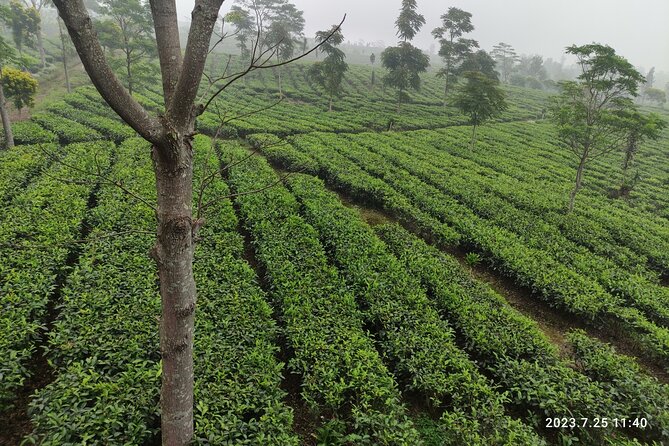
The factory visit lasts about one hour. You can see the steps from leaf to finished tea, and a tea drink is included. The tour also takes you into the plantation, where you can enjoy views across the valley and see the plants growing in their working setting.
This stop gives the day a useful sense of place. Tea is not simply a drink served at the end of a meal. Here, you see the farmland, factory, and finished product connected in one visit.
Do not expect a long plantation trek. The scheduled visit is about an hour, and the emphasis is on the factory process plus a walk through the plantation. That balance suits most people, but dedicated tea fans may wish for more time among the plants.
The plantation stop also contrasts nicely with Tangkuban Perahu. The volcano shows the power beneath West Java, while the tea fields show how people use the region’s soil and climate for agriculture.
Sari Ater hot springs and a warm finish
After the volcano, coffee, farms, and tea, Sari Ater offers a slower final stop. This is one of West Java’s popular hot springs, with sulfur water that comes from the volcanic area and contains minerals.
You have about 45 minutes here. You can soak your feet in a warm pool or use the hot spring pool, depending on what you prefer. Foot soaking is the easy choice if you want to relax without changing into swimwear or spending much time in the water.
The hot spring is included, so there is no extra admission charge listed for this stop. The water may smell of sulfur, which is normal for a volcanic spring. If you are sensitive to strong smells, keep that in mind.
Forty-five minutes is enough to rest your feet and enjoy the warm water, but it is not a full spa session. The value comes from the location and timing. After a long road day, even a short soak can make the return journey more comfortable.
What $130 buys you
At $130 per person, this is not the cheapest way to see the countryside north of Jakarta. Its value depends heavily on your group size and how much you value private transport.
The price covers a private, air-conditioned vehicle, pickup, parking, entrance tickets, bottled water, the volcano visit, the tea factory tour, and tea. Only your group takes part, which is a major advantage for families or friends who want control over the pace.
You also avoid arranging several separate visits on your own. The day links a volcano, farms, fruit, coffee, tea, and hot springs into one route, with a driver handling the long stretches between them.
The extra costs are modest but worth noting. Luwak coffee tasting is $3 per person, and lunch is not included. Ask about the day’s lunch arrangements before departure, since the schedule is full and the drive is long.
For a solo participant, $130 is a serious expense. For a private group sharing the vehicle, the calculation may look better, especially if you prefer not to manage directions, parking, and several entrance fees yourself. The tour is also available with group discounts, though the exact discount is not specified.
Who will enjoy this tour most?
This experience suits you if you want several kinds of West Java scenery in one day and prefer a private car to public transport. It is a good fit for families, couples, and small groups interested in nature, farming, coffee, and local food.
Families may value the private setup and the accommodating approach described by people who traveled with young children. A private vehicle gives you more room to respond to a child’s needs than a fixed large-group schedule would.
It also suits first-time visitors who want an organized route beyond Jakarta. You get a broad introduction to the area without needing to book a volcano, tea factory, coffee stop, and hot spring separately.
This is less suitable if you dislike long drives or want deep time at one site. The tour covers a lot of ground, and most visits last from 15 minutes to one hour. Anyone concerned about altitude sickness should also reconsider, since the tour is not recommended for that condition.
Practical advice for a smoother day
Wear comfortable clothes and shoes suitable for short outdoor visits. You will move between a crater area, fields, plantation grounds, a factory, and hot spring facilities, so practical clothing is more useful than dressing for a formal outing.
Bring extra money for lunch and the optional $3 coffee tasting. You may also want cash for local fruit, although the supplied information does not specify payment methods at the market.
Keep the schedule in mind when setting expectations. The rice field stop is about 20 minutes, the fruit market about 15 minutes, the hot spring 45 minutes, and the volcano, tea factory, and coffee visit about one hour each.
The tour is offered as a private activity, and confirmation is provided when you book. Free cancellation is available up to 24 hours before the start time. Changes or cancellations inside that 24-hour window are not accepted for a refund.
Should you book this Jakarta day trip?
Book it if you want a broad, well-organized day in West Java rather than a slow visit to one attraction. The strongest reasons are the private driver and guide, the active Tangkuban Perahu crater, and the unusual mix of rice farming, tea production, Indonesian coffee, local fruit, and sulfur springs.
Think twice if long road journeys wear you down or if you want a relaxed plantation walk. The route is ambitious, and the time in the car is part of the deal.
For families and small groups, the $130 price can make sense because transport, parking, admission, bottled water, and the tea visit are included. Add lunch and the optional coffee tasting to your budget, then book this tour when you want a practical look at West Java’s countryside with a helpful guide at your side.
FAQ
How long does the tour last?
The tour takes approximately 10 to 12 hours, including travel between Jakarta and the stops in Bandung and Subang Regency.
Is pickup included?
Yes. Pickup is offered as part of the experience.
Is this a private tour?
Yes. Only your group participates in the activity.
Is transportation included?
Yes. The tour includes private transportation in an air-conditioned vehicle, along with parking fees and bottled water.
Is admission to Tangkuban Perahu included?
Yes. An entrance ticket is included for the Tangkuban Perahu visit.
Is the tea factory visit included?
Yes. The tour includes admission and a factory visit at Kebun Teh Ciater, along with a tea drink.
Is lunch included?
No. Lunch is not included in the tour price.
Does the luwak coffee tasting cost extra?
Yes. The tasting costs $3 per person. The coffee visit itself has no admission charge listed.
Can I swim at the Sari Ater hot spring?
The tour information says you can use the pool or soak your feet in the warm sulfur water. The hot spring admission is included.
Is the tour suitable for people with altitude sickness?
The tour is not recommended for people with altitude sickness. Most other participants can take part, according to the available activity information.
More Hot Spring Visits in Indonesia
- Jakarta: Volcano, Tea/Rice Fields, Hot Spring, Local Food
★ 4.9 · 515 reviews - Active Volcano, Rice Field, Hot Spring, Fruit market, Tea Plantation with Lunch
★ 5.0 · 513 reviews - Bandung: White Crater, Scenic Tea Plantations & Hot Spring
★ 4.9 · 122 reviews - Jakarta: Waterfalls, Volcano, White Crater, Tea, Hot Spring
★ 4.5 · 3 reviews
Fresh tea listings around Indonesia
- Bali: “Explorer” Meet Dolphins with High Tea★ 4.5 · 2 reviews
- Sunrise Sunan Ibu,Kawah Putih,Volcano,Tea factory,Hot spring★ 5.0 · 5 reviews
- Jakarta :Volcano, HotSpring, Tea Factory, RiceField, &Coffee★ 5.0 · 21 reviews
- From Bandung: Tea Plantation and Botanical Garden Tour★ 3.7 · 3 reviews
- Jakarta: Paragliding on Top Mountain & Tea Plantation★ 5.0 · 3 reviews
- Jakarta: Waterfalls, Volcano, White Crater, Tea, Hot Spring★ 4.5 · 3 reviews
- Taman Safari and Tea Plantation Tour at Puncak★ 5.0 · 2 reviews
- Bandung : White Crater, Tea Plantation Tour Guide Bandung★ 4.7 · 15 reviews
Tea Factory Tours, compared.
Kyoto: Tea Museum Tickets and Matcha Grinding Experience
Read our review →Uva Halpewatte Tea Factory Tour in Ella Sri Lanka
Read our review →
Nuwara Eliya: Tea Factory and Pickle Waterfalls Tuk Tuk Tour
Read our review →
From Colombo: Kandy, Pinnawala and Tea Factory Full-Day Trip
Read our review →
Ella: Tea Factory, Train, and Nine Arch Day Tour with Pickup
Read our review →
Ella Private Day Trip with Train Ride & Tea Factory-All Inclusive
Read our review →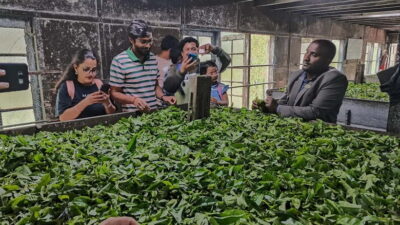
Munnar: Tea trail, Tea Factory, and Tea Tasting Tour
Read our review →Browse the lists this tour appears in