
Review · FARMS
Canberra: Alpaca Adventure Farm Tour (morning tea included)
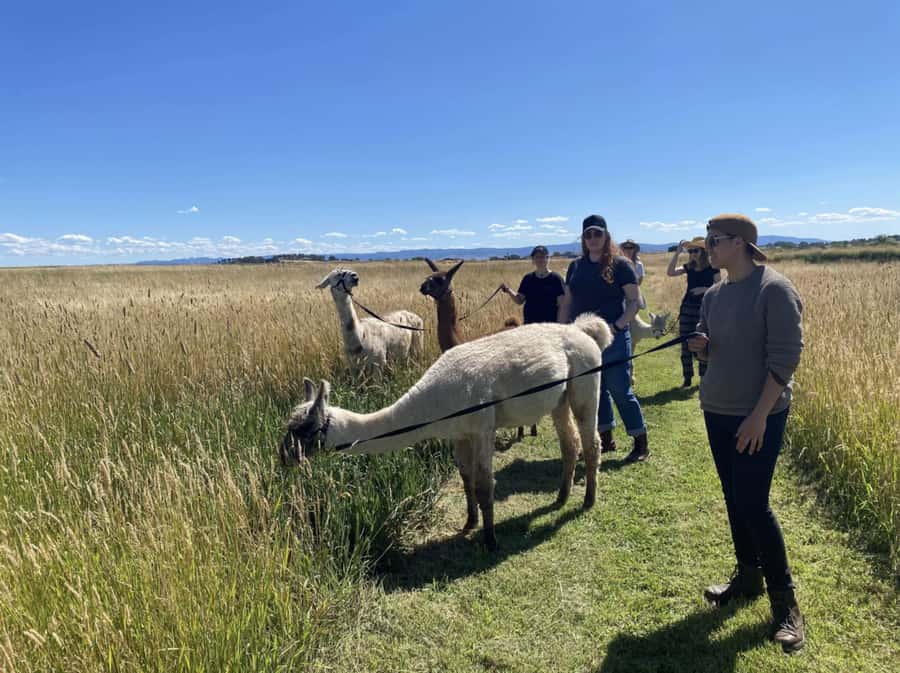
The best part of this farm visit is the chance to walk your own alpaca or llama rather than simply look at animals over a fence. You follow the farm path around the dam, stop for photos, and get a closer sense of each animal’s quirks and habits.
I like the small group limit of 10, which should make the talk and feeding session easier to follow. I also like the simple finish: a drink and cake while you watch the herd graze. The main drawback is that you need a reasonable level of fitness, and enclosed shoes are compulsory.
Key points to know before you book
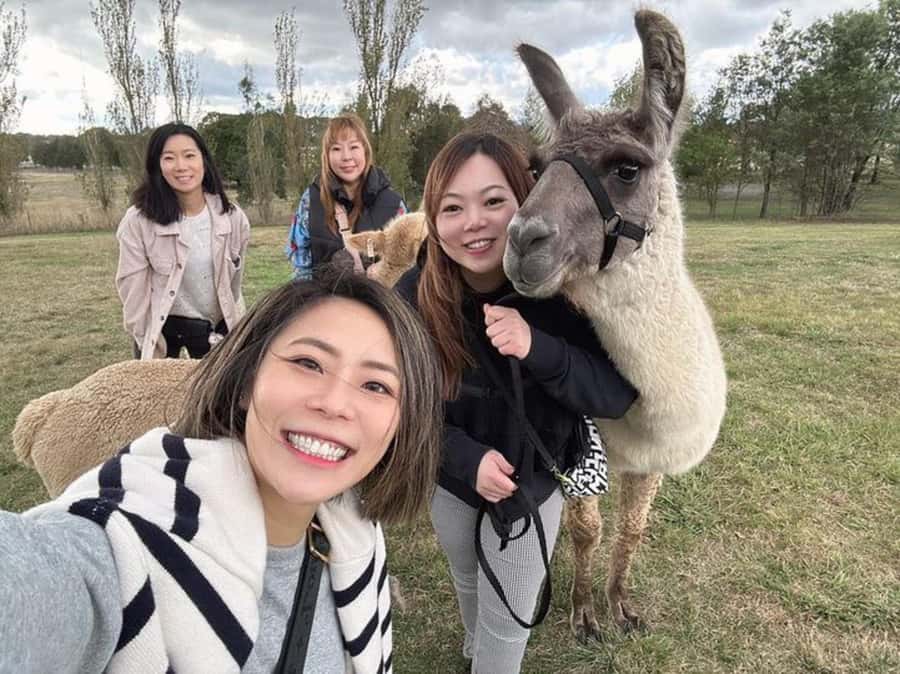
- Walk around the dam with one alpaca or llama: The guided route includes photo stops and a scenic farm setting.
- Feed the herd by hand: A bucket of approved treats lets you feed several alpacas and llamas at close range.
- Learn how alpaca fibre is made: The talk follows fibre from the paddock through to a finished product.
- Finish with Australian-style morning tea: Tea, coffee, a soft drink, and the cake or slice of the day are included.
- Keep the group small: A maximum of 10 participants makes this more personal than a large farm presentation.
- Allow for farm conditions: Wear comfortable, enclosed shoes and clothing suited to the weather.
Meeting the alpacas and llamas at Blackwattle Farm
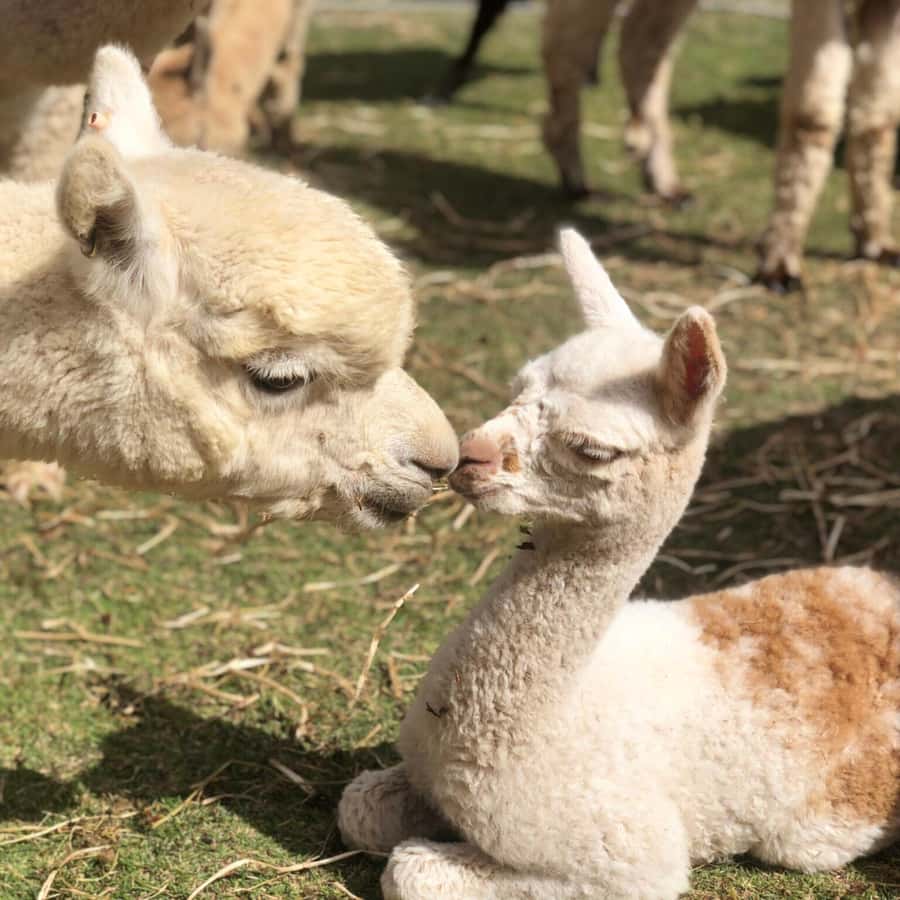
This is a hands-on farm visit, not a quick photo stop. At Blackwattle Farm, you are paired with an alpaca or llama for a guided walk across the property, then spend time feeding the wider herd.
The animals are the focus from the start. Alpacas and llamas look similar at a glance, but the tour explains their differences, their background, and their individual personalities. That detail matters because it changes the way you read their behaviour. A quiet animal, a curious animal, and a more stubborn animal can all make the walk feel different.
The group size is limited to 10 people. I consider that a strong feature for this kind of activity. You should have a better chance to hear the English-speaking guide, ask a question, and get a clear view during the feeding session. It also avoids the feeling of being pushed through a large group activity.
The tour lasts 90 minutes, so it fits neatly into a morning around Canberra. You will need to arrive ready for outdoor activity rather than treat this as a café visit with animals attached. Comfortable clothes, weather-appropriate layers, and closed shoes are the sensible choice.
More Farm Visits in Australia:
- Bowral Honey Farm Tour, Honey Tasting & morning Tea
★ 4.5 · 7 reviews - Nairobi to Kiambethu Tea Farm Tour
★ 5.0 · 51 reviews - Private Day Trip to Kiambethu Tea Farm in Limuru from Nairobi
★ 5.0 · 31 reviews
Walking your own alpaca or llama around the dam
The walk is the heart of the visit. You take one alpaca or llama across the farm, around the dam, and back again, with stops along the way for photos.
That route gives you more than a standard animal encounter. You are moving through the property with the animal beside you, so the setting becomes part of the activity. The dam provides a natural point for photographs, while the walking pace leaves room to notice how your animal responds to the surroundings.
Do not expect a brisk hike. The walk is built around the animals, the guide’s explanations, and regular photo opportunities. You may need to pause while an alpaca investigates something, loses interest, or simply decides that walking can wait. That is part of the charm, but it also means the outing suits people who enjoy an unhurried pace.
The route does require some physical ability. The activity is not suitable for people with a low level of fitness, and the farm setting means you should take the footwear rule seriously. Open-toed shoes are not allowed. Enclosed, comfortable shoes will protect your feet and give you a steadier footing.
For families, couples, and first-time alpaca visitors, having one animal assigned to the walk gives the activity a clear focus. You are not just watching the herd. You are learning how to move with one particular animal and getting photos that feel more personal.
What the talk adds beyond the cute photos
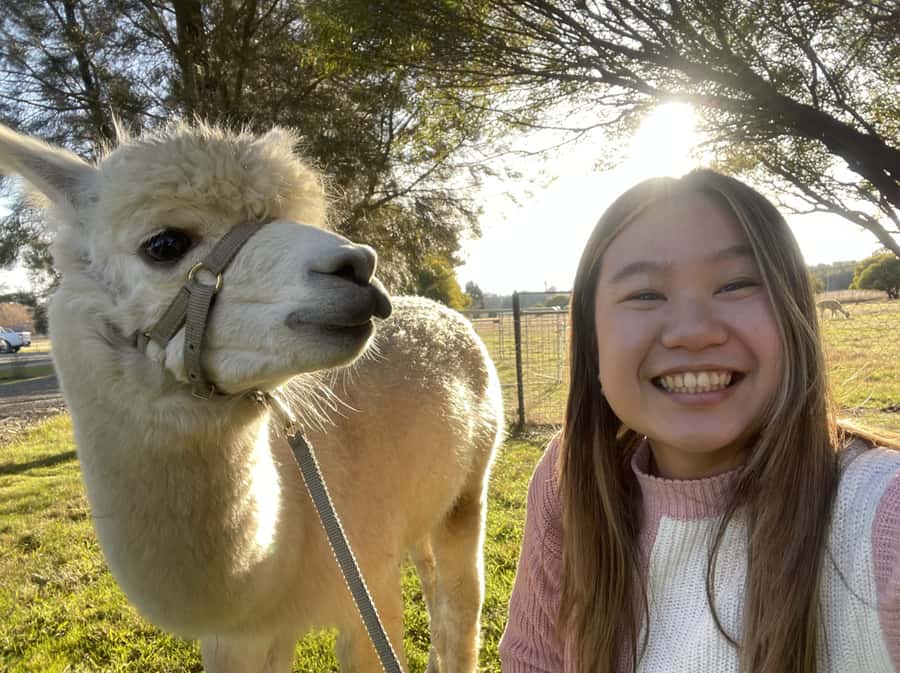
The photographs may draw you here, but the educational talk gives the visit more substance. You learn about the history of alpacas and llamas, their personalities, and the work involved in turning their fibre into a finished product.
The fibre discussion is especially useful because it connects the animals in the paddock with the products you may see in the farm shop. You get an insight into the stages between raising the animals and making something from their fleece. That makes the visit more than a novelty encounter.
The talk also helps you understand why alpacas and llamas are not simply interchangeable. The activity description does not promise a formal breed lesson or a technical farming course, so you should expect an accessible introduction rather than an advanced class. For most people, that is the right balance during a 90-minute outing.
Because the tour is conducted in English, you should be comfortable following spoken explanations in English. The small group should help with hearing the guide, though the experience still depends on staying with the group during the walk and feeding session.
Feeding the herd from a bucket of treats
After the walk, you get a hand-feeding session with alpacas and llamas. The farm supplies a bucket filled with treats, allowing you to feed the animals directly.
This is likely to be the most lively part of the morning. A single animal beside you is one thing. A herd approaching for food creates a different kind of energy, with more movement and more chances for photographs.
Follow the guide’s instructions during this section. The animals are friendly enough for a supervised feeding session, but they are still farm animals with their own habits. Keep the food supplied by the farm and let the guide set the pace.
The feeding session also gives you a closer look at the herd’s different personalities. Some animals may be eager, while others may hang back. That variety is useful because it brings the earlier talk about behaviour to life.
You are not allowed to bring pets, and only food and drinks purchased from the farm may be consumed on site. Those rules are easy to manage, but they are worth knowing before you arrive, especially if you are travelling with children or planning to bring snacks.
More Morning Experiences in Australia:
- Magnetic Island: Guided Bus Tour with Morning Tea
★ 4.8 · 129 reviews - Half Day Sea Kayak Tour from Batemans Bay with Morning Tea
★ 5.0 · 99 reviews - Sydney Harbour: 2-Hour Morning Yacht Cruise with Morning Tea
★ 4.8 · 42 reviews - Brisbane Bus Tour: Max 10 people | Half Day | Morning tea inc.
★ 5.0 · 28 reviews
Morning tea beside the grazing paddocks
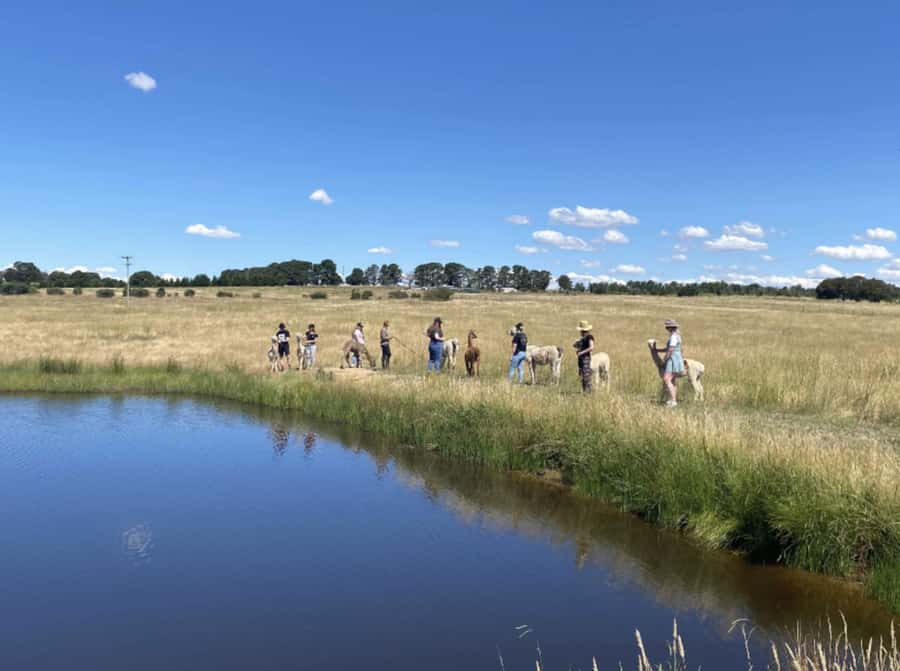
The tour finishes with complimentary morning tea. You can choose tea, coffee, or a soft drink, along with the cake or slice of the day, then relax while watching the herds graze in their paddocks.
I like this ending because it gives you time to slow down after the walk and feeding session. You do not have to leave as soon as the animal contact ends. The drink and snack also add practical value to the $35 price, particularly if you are booking this as a morning activity rather than a short add-on.
The food is described as the cake or slice of the day, so you should not book expecting a particular flavour or a full meal. It is a light morning tea, not lunch. If you need more food, remember that outside food and drinks cannot be consumed on the property. Items bought from the farm are the permitted option.
The grazing paddocks provide a calm finish, and this is where you can enjoy the farm setting without having to keep pace with the group. It is also a good time for final photos, provided you follow the farm’s instructions and do not disturb the animals.
A stop at the Blackwattle Farm Shop
A visit to the Blackwattle Farm Shop is included. The tour information does not specify the full range of products or prices, so I would treat this as an optional browsing stop rather than build a shopping plan around it.
The shop makes sense after the fibre talk. You have just heard how alpaca fibre moves from the paddock toward a finished product, so you can connect that explanation with the farm’s retail setting. If you are interested in locally made fibre goods, allow a little attention for this part of the visit.
The shop is not listed as an included purchase. Your $35 covers the guided walk, feeding session, talk, morning tea, and shop visit, but anything you buy there costs extra.
Is the $35 price good value?
At $35 per person, this is reasonably priced for a 90-minute small-group activity with several parts. You are not paying only for access to the farm. The price includes a guided walk with an alpaca or llama, hand-feeding, an educational talk, morning tea, and a farm-shop visit.
The strongest value comes from the combination of animal contact and time. You get a one-on-one style walk, then feed the larger herd, then sit down with a drink and snack. A shorter photo opportunity would give you less context and less time on the farm.
The price may feel less attractive if you mainly want to see alpacas from a distance. In that case, the walk, talk, and feeding session could be more than you need. If you enjoy learning how a farm operates and want direct contact with the animals, the inclusions make more sense.
The small group limit also matters. With no more than 10 participants, the activity is designed to feel personal rather than mass-market. That is useful during the talk and feeding session, when a large crowd could make it harder to hear or get close.
Who will enjoy this farm tour most?
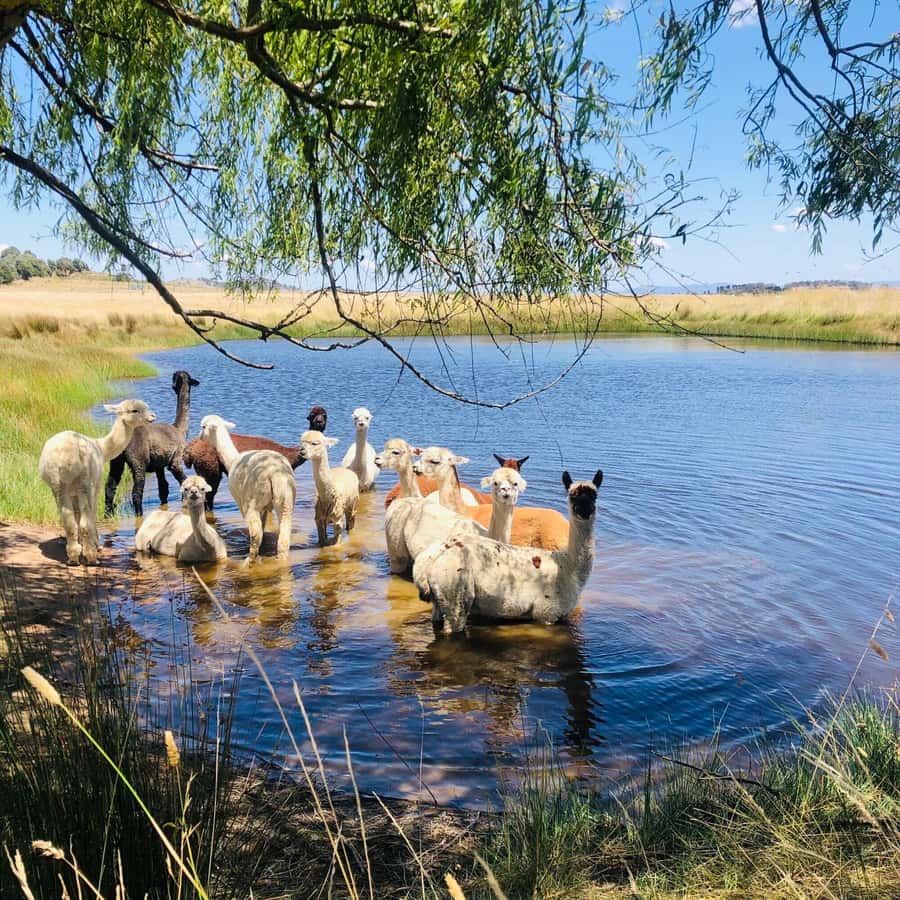
I would recommend this outing to animal lovers, families with participants who can manage the walking, couples looking for a relaxed morning activity, and anyone curious about alpaca and llama fibre.
It suits people who enjoy taking photos but also want a little explanation behind the animals. The guided talk gives the visit educational value, while the walk and feeding keep it active and memorable.
You should think twice if you have a low level of fitness or dislike outdoor farm conditions. Enclosed footwear is mandatory, pets are not allowed, and the activity takes place outside, so weather-appropriate clothing is essential.
The experience is also a good fit if you prefer a short activity. Ninety minutes is enough time to walk, feed, listen, and have morning tea without taking over the whole day. You can plan it as a morning stop while keeping the afternoon free for other Canberra activities.
Practical details that affect your morning
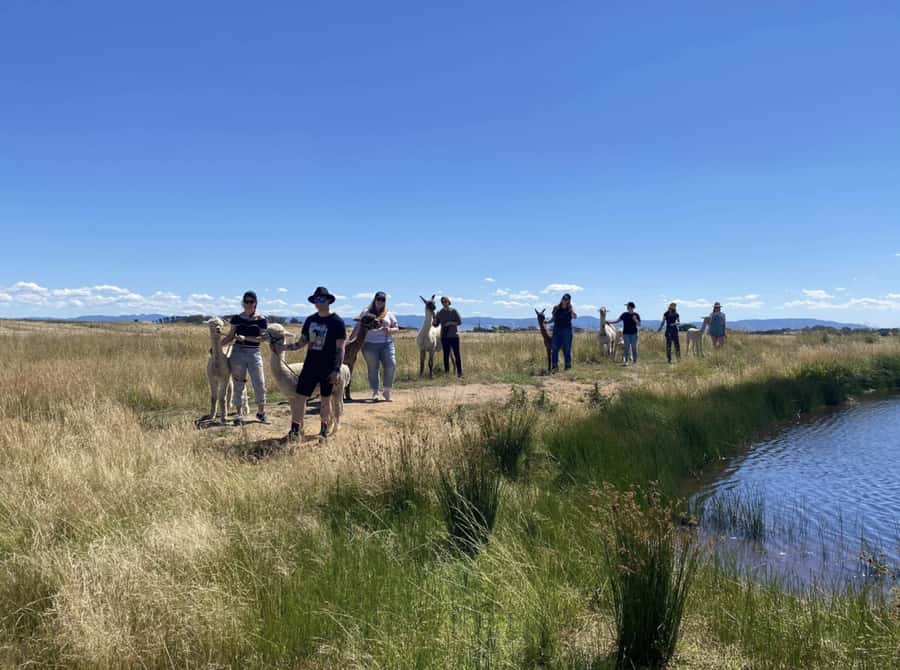
The price is $35 per person, and the duration is 90 minutes. Starting times vary, so check availability when you choose your date.
The tour is conducted in English by a live guide. The group is limited to 10 people, which should make the instructions and animal interaction easier to manage.
Bring a camera if you want photographs during the walk and feeding session. Wear comfortable enclosed shoes, and choose clothing suited to the weather. Open-toed shoes are not permitted.
You can cancel up to 24 hours before the activity for a full refund. A reserve-now-and-pay-later option is also available, which is useful if your Canberra plans are still changing.
Should you book the Blackwattle alpaca adventure?
Book it if you want more than a quick animal photo. The guided walk, herd feeding, fibre talk, and morning tea give you a well-rounded 90-minute visit for $35.
I would especially choose it for the small group, the chance to walk one alpaca or llama around the dam, and the relaxed finish watching the herd graze. Skip it if you want a sedentary outing, cannot manage outdoor walking, or are looking for a full meal rather than a light snack.
For the right visitor, Blackwattle Farm offers a friendly, hands-on morning with a clear sense of place and purpose. Bring closed shoes, leave the pets at home, and let the animals set the pace.
FAQ
How long does the alpaca adventure farm tour last?
The tour lasts 90 minutes.
How much does the experience cost?
The price is $35 per person.
What is included in the tour?
The experience includes a guided walk with an alpaca or llama, a hand-feeding session, an educational talk, complimentary morning tea, and a visit to the Blackwattle Farm Shop.
What is included with morning tea?
Morning tea includes tea, coffee, or a soft drink, plus the cake or slice of the day.
Can I walk an alpaca or llama?
Yes. You walk your own alpaca or llama across the farm, around the dam, and back again, with photo stops along the way.
Do I get to feed the alpacas and llamas?
Yes. The tour includes a hand-feeding session using a bucket of alpaca and llama treats.
What should I bring?
Bring comfortable shoes, a camera, and clothing suitable for the weather.
Are open-toed shoes allowed?
No. Enclosed shoes are mandatory, and open-toed shoes are not allowed.
Can I cancel the booking?
You can cancel up to 24 hours in advance for a full refund. A reserve-now-and-pay-later option is also available.
Fresh tea listings around Australia
- Bowral Honey Farm Tour, Honey Tasting & morning Tea★ 4.5 · 7 reviews
- Bundaberg: Half Day Indigenous Experience with Morning Tea★ 4.6 · 2 reviews
- Alice Springs: Red Centre Journey Tour with Morning Tea★ 5.0 · 2 reviews
- Sydney: Devonshire Tea Harbour Cruise with Live Commentary★ 5.0 · 2 reviews
- Half Day Living Legends tour with Devonshire Tea★ 5.0 · 4 reviews
- Brisbane Bus Tour: Max 10 people | Half Day | Morning tea inc.★ 5.0 · 28 reviews
- Sydney Harbour: 2-Hour Morning Yacht Cruise with Morning Tea★ 4.8 · 42 reviews
- High Tea Cruise on Sydney Harbour★ 4.5 · 91 reviews
Farms, compared.
Private Day Trip to Kiambethu Tea Farm in Limuru from Nairobi
Read our review →
Nairobi: Tea Farm Day Trip with Lunch at kiambethu
Read our review →
Bowral Honey Farm Tour, Honey Tasting & morning Tea
Read our review →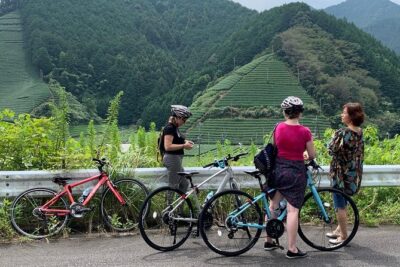
Guided Bike Tour to a Green Tea Farm in Shizuoka (not e-bikes)
Read our review →
Da Lat: Sunrise Panorama, Green Tea Hill and Strawberry Farm
Read our review →Browse the lists this tour appears in