
Review · MOROCCO TEA TOURS
Marrakech: Moroccan Pastries and Tea Class with a Local
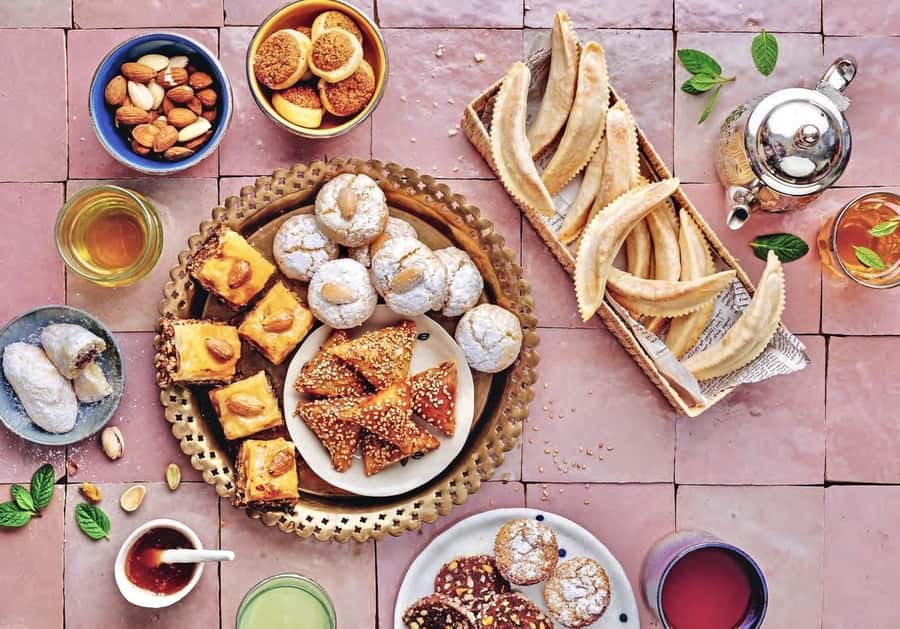
Moroccan pastry is a small art with a big payoff: delicate dough, fragrant fillings, careful shaping, and just enough sweetness. This 150-minute Marrakech class lets you work through those steps with a local chef, then sit down with mint tea and eat what you made.
I like two things right away. First, you get hands-on practice with pastries such as fekkas and Kaab el Ghazal, not just a demonstration. Second, the box of pastries to take home gives the $40 price real value, especially if you are heading into the desert or want snacks for the next day. The one drawback is that the exact workshop location arrives only before the experience date, so you will need to plan a little extra time for finding it.
Key details before you book
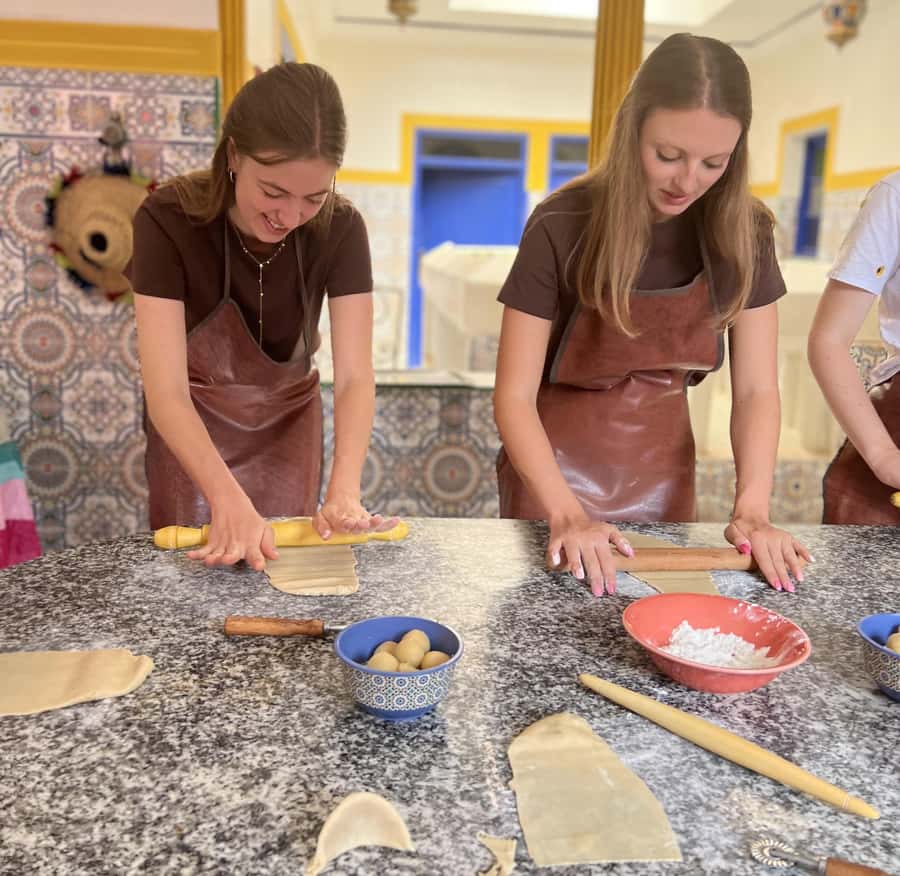
- Fekkas and Kaab el Ghazal: You can learn to make well-known Moroccan biscuits and pastries, including these two traditional examples.
- A proper mint-tea lesson: You do not just drink tea at the end. You learn how to prepare it and practice the classic pouring ritual.
- Small groups of up to 10: The class has room for questions and hands-on help, with the possibility of a more private session when few people book.
- Take-home pastries included: You taste the fresh baking during the final snack and carry the rest away in a box.
- Useful flavor lessons: Fennel seeds and orange blossom water feature among the ingredients that give Moroccan pastry its distinctive character.
- Flexible booking: You can cancel up to 24 hours before the class for a full refund and reserve now without paying immediately.
What the 150-minute class feels like
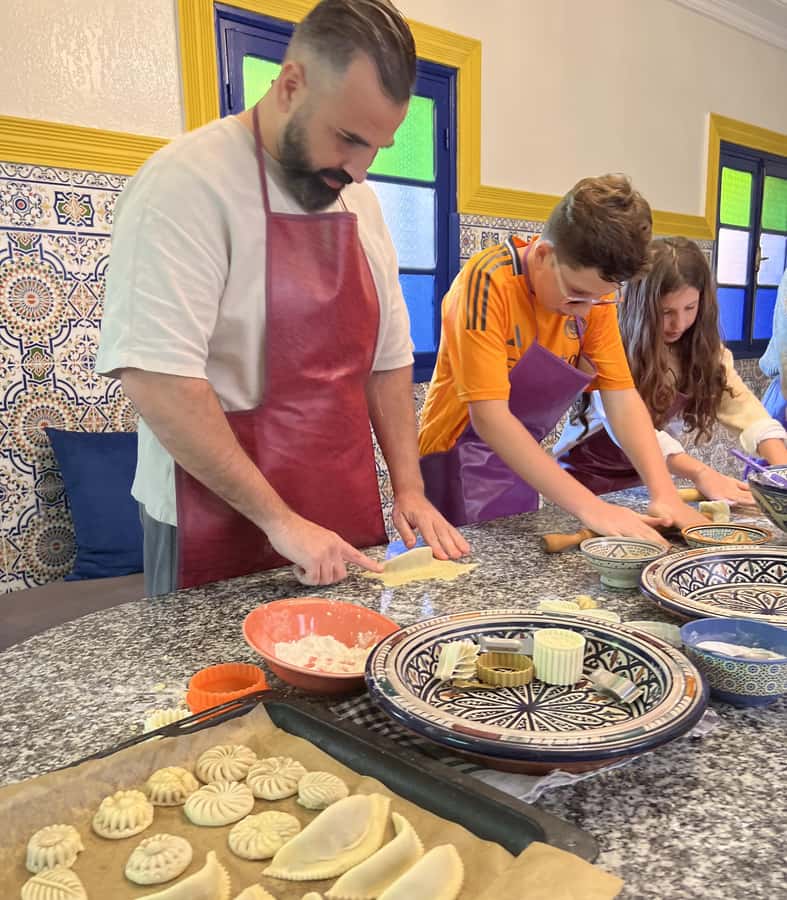
This is a good change of pace from sightseeing in Marrakech. The souks ask you to look, listen, bargain, and keep track of where you are. Here, you sit down, work with your hands, and focus on one task at a time.
The format is friendly to beginners. One participant who had never baked before found the class a good fit, while another described the techniques as difficult but satisfying. That combination tells you what to expect: you do not need baking experience, but you should be ready to pay attention to small details.
Moroccan pastry often depends on precision. Dough must be handled properly, fillings need the right amount, and shaping affects both appearance and texture. The class is built around these simple but exact steps. You are not only collecting a recipe. You are learning why the method matters.
The session is offered in Arabic, French, and English. That makes it practical for international visitors, though your personal experience will still depend on the instructor leading your group. The group limit of 10 is useful here. A pastry class can become frustrating if you are waiting behind a crowd, but this size should leave room for direct instruction.
More tea experiences around Morocco if you are still choosing
- Lamsaty Pottery Workshop with Moroccan Tea
★ 5.0 · 75 reviews - Tangier: sunset, tea, camel ride, Cape Spartel and caves.
★ 4.3 · 58 reviews - Agafay Desert, 2H of Quad Biking, tea & transfer from Marrakech
★ 5.0 · 55 reviews
Working with Moroccan dough and fillings
The pastry portion is the heart of the experience. You learn how Moroccan pastries are assembled, shaped, and finished, with the chef showing you each stage before you try it yourself.
Expect a mix of biscuits and pastries rather than one single recipe. Fekkas is among the named examples. Kaab el Ghazal is another, and it is especially useful for understanding how a filled pastry comes together. You may also make other small biscuits and pastries during the session, depending on the class plan.
The appeal is the variety. You get to see how different shapes and textures come from related ingredients and techniques. That gives the lesson more value than making one easy item repeatedly.
The ingredients also bring a clear Moroccan identity. Fennel seeds and orange blossom water were singled out during one family session, and both are the kind of flavors that can change a familiar dough into something distinctly local. You may already know orange blossom water from other North African sweets, but using it in a class helps you understand how little is needed. Too much can overpower the pastry.
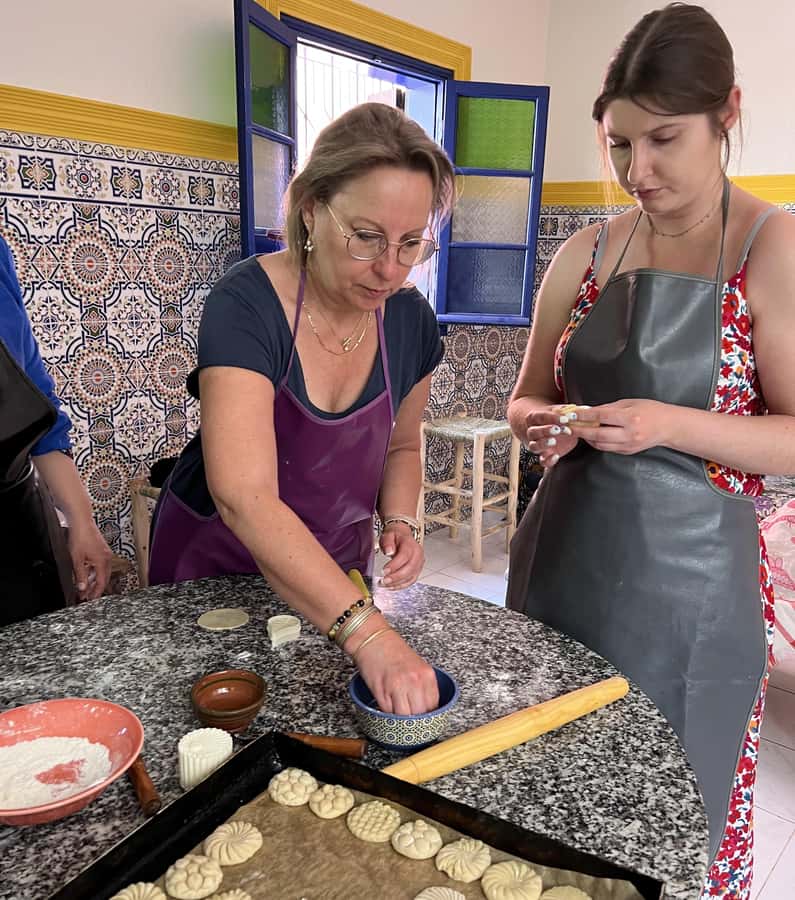
This is also where the class may test your patience. Shaping pastry neatly takes practice. One participant found the work hard but rewarding, which is a fair warning for anyone expecting a quick, effortless cooking demonstration. The reward is that you can see the results, taste them, and try the recipes again at home.
One useful tip: ask for the recipes before you leave. A participant specifically wished they had done so. The class may explain the process clearly, but having the written quantities and steps makes it much easier to recreate the pastries in your own kitchen.
The mint tea lesson is part of the experience
Moroccan mint tea is not just a drink added to the end of a cooking class. It is part of the social rhythm of the meal, and learning to prepare it gives the pastry tasting a proper finish.
During the tea lesson, you learn how to make your own Moroccan mint tea. Everyone may also get a chance to pour, which adds a light, playful moment to the class. Pouring is not merely practical. It is part of the presentation, and the group setting makes it easy to compare attempts and laugh when the first pour is less graceful than planned.
The tea matters because it balances the pastries. After working with sweet biscuits and fragrant fillings, a hot mint drink gives you a clean, familiar way to finish. You will also understand more about why Moroccan pastry is often served in a social setting rather than eaten quickly on its own.
The final snack is included. You sit down with the tea and taste the pastries made during the class, then pack the remaining pastries to take away. That final table time turns the lesson into a complete food experience rather than a rushed kitchen appointment.
The take-home box adds real value at $40
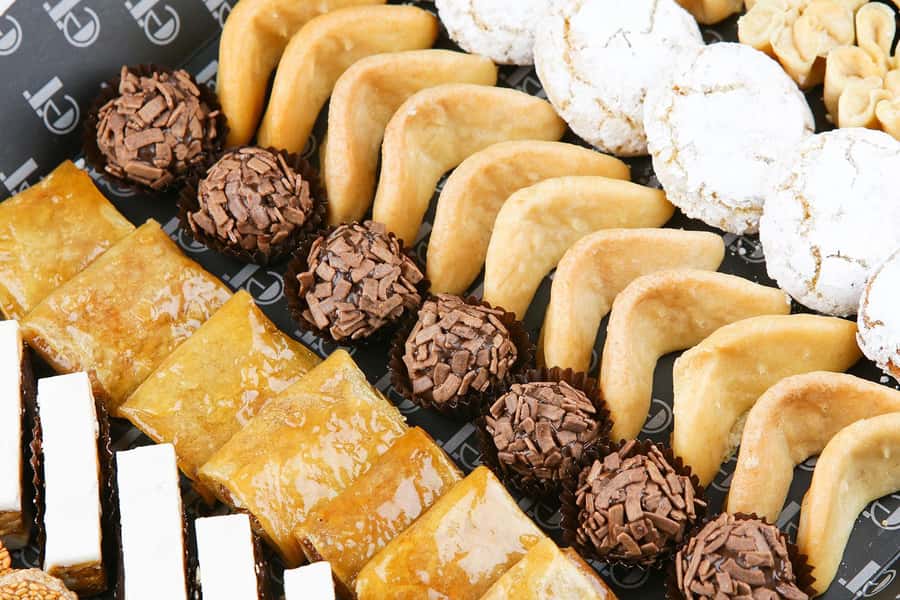
At $40 per person, this is not the cheapest snack stop in Marrakech. You are paying for instruction, ingredients, equipment, the tasting, and the take-home box. You are also paying for two and a half hours of structured activity, which is significant in a city where many food experiences are brief tastings.
The box is the feature that makes the price easier to justify. You do not leave with only a memory and a small sample. You take away a selection of what you baked, giving you something to eat later or share with friends and family.
That can be especially handy before a long journey. One participant booked the class partly to stock up on pastries before traveling to Merzouga. The pastries give you a practical snack for the road, though additional food and drinks beyond the included tasting are not part of the price.
The value is strongest if you enjoy learning by doing. If you only want to taste Moroccan sweets, a bakery or market stop will cost less and take less time. If you want to understand the methods and leave with food you helped make, the class offers more.
Same city, a very different cup:
- Tangier Private Tour with a Local Writer (Includes Tea & Sweet)
★ 5.0 · 52 reviews - Walk to the cascade and marabout of Sidi Mbark & for a tea to Kaouki.
★ 5.0 · 49 reviews - From Agadir/Taghazout: Buggy Safari Adventure & Moroccan Tea
★ 4.3 · 48 reviews - Agadir/Taghazout/Port: Camel Ride Tea & BBQ Option
★ 4.3 · 39 reviews
A relaxed break from Marrakech sightseeing
I can see this fitting neatly into a Marrakech itinerary. The class gives you a quieter block in the middle of a trip filled with souks, monuments, and street activity. It is also a good option when you want something hands-on instead of another guided walk.
Families can make good use of it. Teenagers took part in one four-person booking and enjoyed both the baking and the tea pouring. That is worth noting because cooking classes sometimes appeal only to the adults in a group. Here, the practical work and the final tasting can keep younger participants involved.
Couples and solo visitors can also fit in comfortably. When only two people booked one session, the instructor helped them find the entrance after their taxi ran late. That suggests a helpful attitude, but you should still leave time for the journey because hotel pickup and drop-off are not included.
The small-group format can change the feel of the class. With a full group, you will meet other people and share the work. With fewer bookings, you might receive more individual attention or even find the session operates like a private class. That is a pleasant possibility, but it should not be treated as a guaranteed private booking.
Getting there and preparing for the workshop
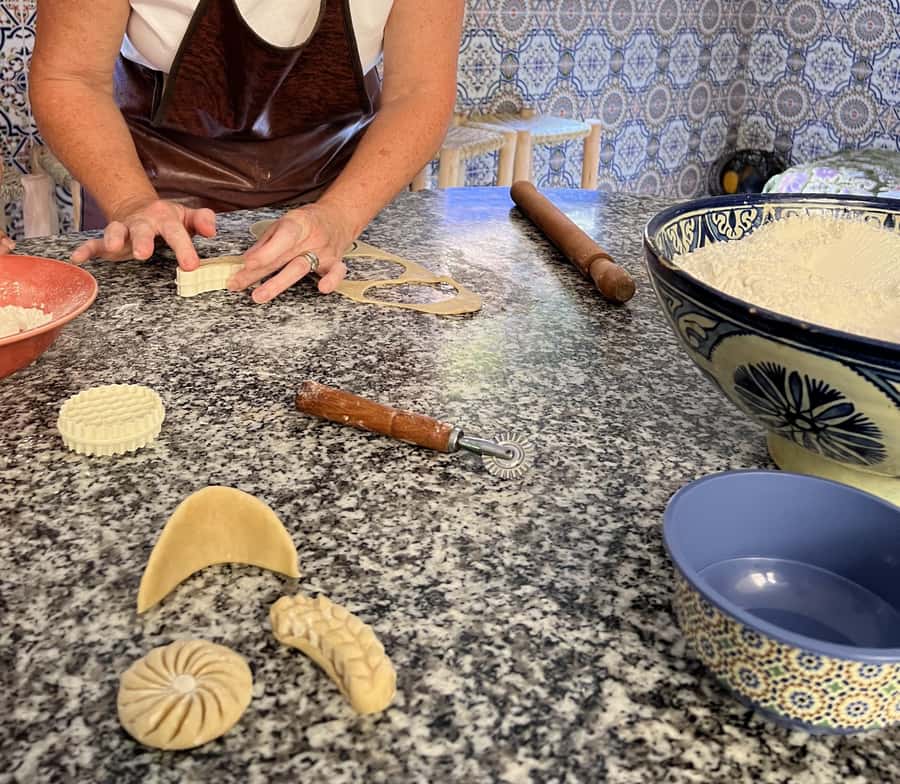
The meeting point is not listed far in advance. The exact workshop location is sent before your experience date, so check your messages and confirm the address before setting out.
You arrange your own transport. A taxi is one option, but allow extra time if you are unfamiliar with the streets or if the workshop is difficult for your driver to locate. One couple arrived late after taking a taxi and needed help finding the door. The instructor directed the driver and helped them get inside, but relying on last-minute assistance is not the best plan.
Wear comfortable clothing suitable for cooking. Pastry work can involve flour, fillings, and close attention to the counter, so practical clothes are more useful than anything formal. Bring water as well.
You must provide allergy information in advance. This is important for a baking class, where ingredients are central to the activity. The provided information does not list specific substitutions, so contact the provider before booking if you have a serious allergy or strict dietary need.
Participants under 18 must be accompanied by an adult. Children under 4 are not suitable for the experience. Those rules make the class better suited to older children, teenagers, adults, and families who can take part in the work.
What you will not get
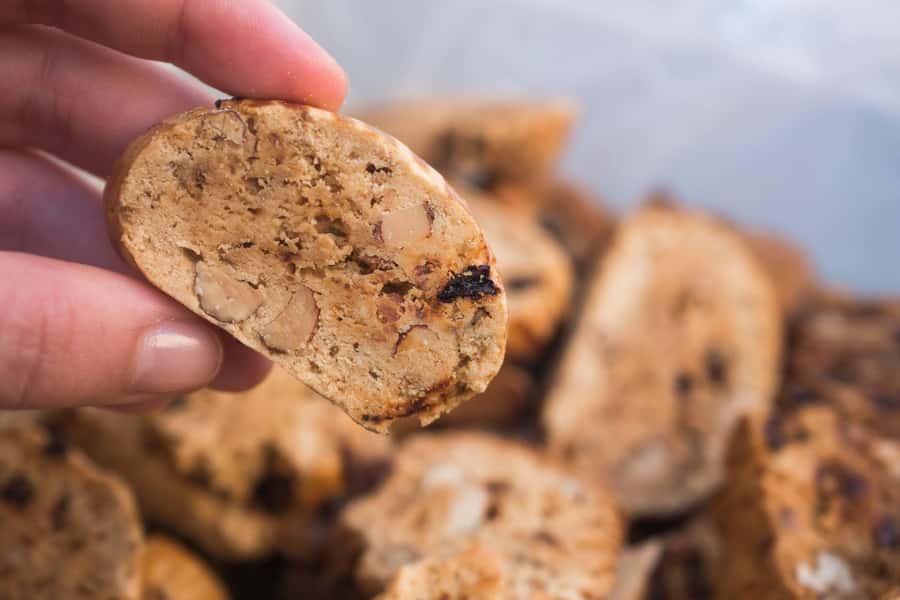
This is not a full Moroccan meal. The focus is pastry and mint tea, with the baked goods you make serving as the main tasting. Additional food and drinks are not included.
It is also not a sightseeing tour. You should not book it expecting a guided visit through Marrakech or a lesson on every part of Moroccan cuisine. The activity concentrates on pastry techniques, ingredients, and tea preparation.
The exact selection of pastries may vary. Fekkas and Kaab el Ghazal are named examples, but the class also includes a wider group of biscuits and pastries. If you have your heart set on one particular recipe, ask in advance rather than assuming it will be made that day.
The location detail arriving close to the date is another minor inconvenience. You cannot build a precise route around the workshop until that information comes through. Plan your day with a little flexibility.
Who should book this Marrakech pastry class?
I would recommend it to you if you enjoy food classes, want a break from the usual sightseeing, or like bringing a useful souvenir home. It also works well for families with older children and teenagers, since the activity is practical and ends with something everyone can eat.
It is a smart pick for a first-time baker. You can follow the instructor step by step, and you do not need to arrive with technical skills. At the same time, experienced home bakers may find the class more rewarding if they are curious about Moroccan ingredients and shaping methods rather than looking for a basic baking lesson.
The class may not suit you if you want a very short activity, have severe food restrictions that cannot be accommodated, or prefer eating pastries to making them. You should also consider the schedule if your day is already packed. Two and a half hours is long enough to feel worthwhile, but it is not something to squeeze between tightly timed attractions.
The overall rating is 4.7 from 84 bookings, and the strongest pattern is clear: the class earns praise for its friendly teaching, fun atmosphere, traditional pastries, generous take-home portion, and good fit for families. One person rated it four stars and offered the most useful criticism: remember to ask for the recipes.
Should you book the class?
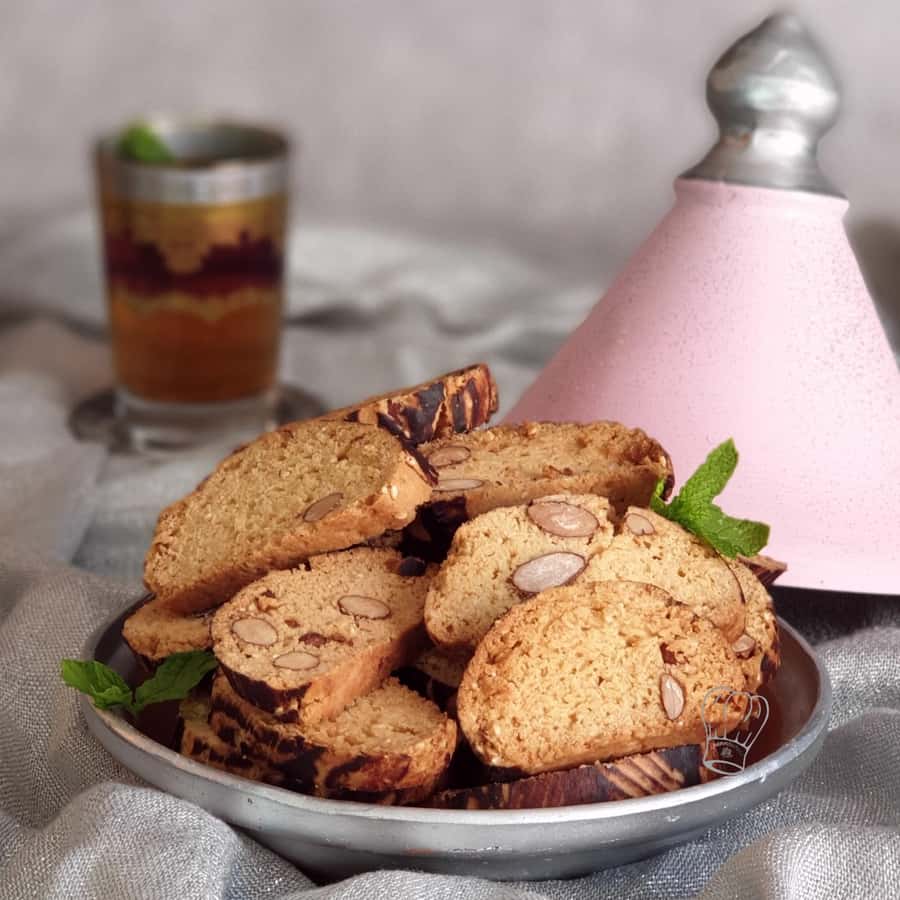
Book it if you want more than a quick taste of Moroccan sweets. For $40, you get a small-group cooking lesson, equipment, a tea session, fresh pastries to eat, and a box to take away. That is a fair deal for 150 minutes, especially when the class becomes a memorable rest from Marrakech’s busy streets.
Before booking, send allergy details, wear cooking clothes, and ask about the recipes at the end. Confirm the meeting point when it arrives and leave extra time for the taxi. If you are happy to work with your hands and accept that shaping pastry takes patience, this is a useful, tasty way to spend part of your Marrakech visit.
FAQ
How long does the Moroccan pastry class last?
The experience lasts 150 minutes, or two and a half hours.
How much does the class cost?
The listed price is $40 per person.
What pastries might I learn to make?
The class includes Moroccan biscuits and pastries, with fekkas and Kaab el Ghazal given as examples.
Is mint tea included?
Yes. The experience includes a Moroccan mint-tea tasting and instruction on how to prepare your own tea.
Can I take pastries home?
Yes. A box of pastries is included for you to take home after the tasting.
How many people can join the class?
The class is limited to 10 participants.
What languages does the instructor speak?
Instruction is available in Arabic, French, and English.
Is hotel pickup included?
No. Hotel pickup and drop-off are not included, and the exact workshop location is sent before the experience date.
Fresh tea listings around Morocco
- Agadir/Taghazout: Sandboarding & Sunset Tea with Fire Show★ 5.0 · 6 reviews
- Walk to the cascade and marabout of Sidi Mbark & for a tea to Kaouki★ 5.0 · 14 reviews
- Visit the Oasis & Tea at the basket maker.★ 5.0 · 8 reviews
- Argan Forest, tea time at a Berbers family & Visit of an Argan cooperative.★ 5.0 · 21 reviews
- Walk to the cascade and marabout of Sidi Mbark & for a tea to Kaouki.★ 5.0 · 49 reviews
- Agadir: Quad Bike Safari Desert With Moroccan Tea★ 4.4 · 23 reviews
- Agadir : 2 h Quad biking excursion with moroccan tea★ 4.7 · 26 reviews
- Moroccan Hands on traditional pastries & Tea class in Marrakech★ 4.5 · 33 reviews
Morocco Tea Tours, compared.
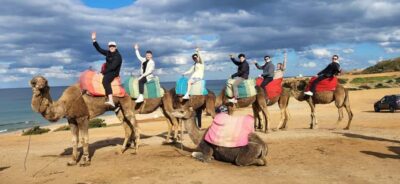
Tangier: sunset, tea, camel ride, Cape Spartel and caves.
Read our review →
Agafay Desert, 2H of Quad Biking, tea & transfer from Marrakech
Read our review →
Tangier Private Tour with a Local Writer (Includes Tea & Sweet)
Read our review →Walk to the cascade and marabout of Sidi Mbark & for a tea to Kaouki.
Read our review →
From Agadir/Taghazout: Buggy Safari Adventure & Moroccan Tea
Read our review →
Agadir/Taghazout/Port: Camel Ride Tea & BBQ Option
Read our review →
Moroccan Hands on traditional pastries & Tea class in Marrakech
Read our review →Browse the lists this tour appears in