
Review · BUBBLE TEA EXPERIENCES
Street Food Cooking Class in Taipei : Gua Bao/Lu Rou Fan/Boba Tea
Taiwanese street food is easy to eat and harder to make well. This two-hour class gives you the useful parts of the process: shaping and steaming gua bao buns, braising pork belly, and turning tapioca starch into chewy boba pearls. You finish by eating what you prepared, not just watching a demonstration.
I like the small group of eight or fewer, since it leaves room for questions and hands-on help. I also like the recipe book, a practical souvenir that lets you try the dishes again after Taipei has become a memory.
The main consideration is timing. At $79 per person, this is not a cheap meal, and the class begins at 2:30 pm, so you are paying for instruction, ingredients, and the cooking experience rather than simply filling up at a night market.
Key points at a glance
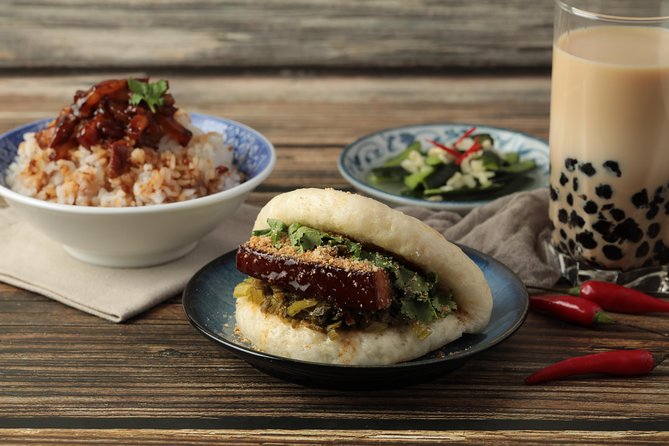
- Make three Taiwanese favorites: Prepare gua bao, lu rou fan, and bubble milk tea with chewy tapioca pearls.
- A class capped at eight people: The small group allows more direct guidance than a large demonstration.
- Hands-on from start to finish: You make the steamed buns and boba pearls, while learning the method behind braised pork belly.
- A meal at the end: Come hungry because the food you prepare becomes your meal.
- Angela may be your instructor: She is described as patient, capable, and especially good at explaining each step.
- A useful Taipei souvenir: The included recipe book gives you a way to repeat the dishes at home.
Why Taiwanese street food makes a good cooking lesson
Taiwanese xiao chi means small eats, but the phrase covers a major part of the country’s food culture. These are the dishes you see in food stalls, casual shops, and markets: compact, affordable foods with strong flavors and a lot of technique hidden behind their simple appearance.
Gua bao is a good example. It looks like a soft white bun folded around pork belly, pickled vegetables, and other fillings, yet the bun has to be made, shaped, and steamed properly. The pork needs time and seasoning to become tender and savory.
Lu rou fan, or braised pork rice, teaches a different lesson. The dish depends on the balance of the braising liquid and the slow cooking of pork belly. Even though the class does not make every part of the rice dish from scratch, you learn the key method behind the braised pork.
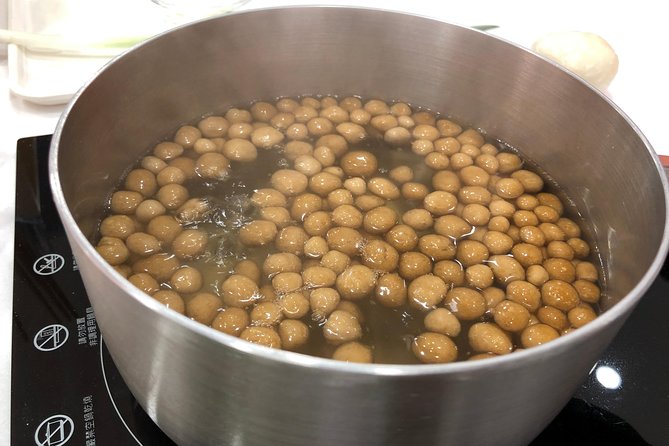
Bubble milk tea adds a playful finish. Taiwan made this drink famous around the world, but the class takes you past the finished cup. You make the tapioca pearls yourself, then shake your own bubble tea. That process is reported to be surprisingly difficult, which is useful to know before you expect perfect pearls on your first attempt.
More Bubble Tea in Taipei:
- Xiao Long Bao, Beef Noodles & Boba Tea Cooking Class in Taipei
★ 5.0 · 159 reviews - Xiao Long Bao, Chicken vermicelli with mushroom and sesame oil, Tofu strips salad, Bubble milk tea. Taiwan Traditional Delicacies Experience-A (Taipei Cooking Class)
★ 5.0 · 79 reviews - Xiao Long Bao & Boba Tea Cooking Class in Taipei
★ 5.0 · 28 reviews
Arriving at CookInn Taiwan at 2:30 pm
The meeting point is CookInn Taiwan’s Zhongshan classroom at 66 Section 1, Chengde Road, second floor, in Taipei’s Datong District. The class starts at 2:30 pm and lasts about two hours, ending back at the same location.
This afternoon schedule fits neatly between morning sightseeing and an evening food outing. You can spend the morning at another Taipei sight, take a break for lunch, then arrive ready to cook. Since you will eat during the class, you may want to keep lunch moderate.
The address includes the classroom name, district, road section, building number, and floor, so check the full location before setting out. The booking uses a mobile ticket, and confirmation is provided at booking. The supplied information does not give a separate transportation plan, so you will need to make your own way to the classroom.
The class has a maximum of eight participants. That number matters. Cooking classes can become frustrating when several people share one work area or cannot see the instructor. A group this size should give you a better chance to handle ingredients and ask for help, though the exact setup may still depend on the day’s group.
Making gua bao from the dough up
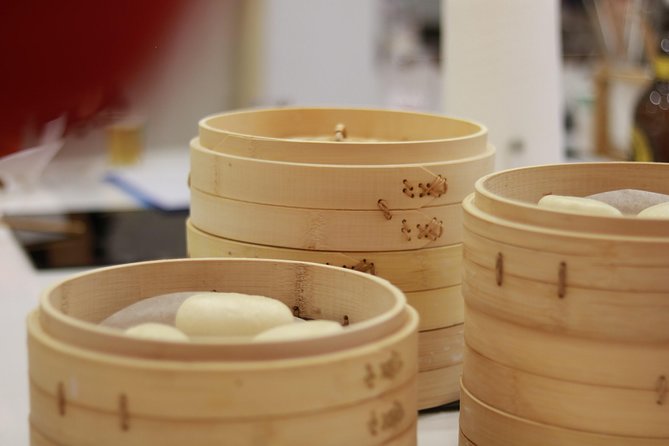
The gua bao portion is the strongest reason to book this experience. You learn to make the steamed buns from scratch rather than simply assembling a prepared sandwich.
The dough is shaped into the familiar folded bun and then steamed. This is where the class gives you something a food tour cannot: you see how a few basic ingredients become the soft, pillowy shell that holds the filling.
The preparation also helps explain why a good gua bao feels light even when it contains rich pork belly. The bun is not just a container. Its texture balances the meat and makes the whole snack easy to eat.
You then learn the tips for braising classic pork belly. The information provided does not list every ingredient or cooking step, so you should not expect a full written formula in advance. You can expect instruction on the basic technique and a chance to taste the result inside the bun.
One useful detail is that the gua bao was the clear favorite of the dishes praised in the feedback. That gives you a practical clue: if you have limited room, save your appetite for the bun. The finished gua bao is the dish most likely to make you want to repeat the recipe at home.
Understanding lu rou fan and its braised pork
Lu rou fan is usually served as pork over rice, and it is one of Taiwan’s classic comfort foods. In this class, you learn how to prepare the braised pork, while the rice is described as pre-made for serving.
That distinction is worth noting. You are not making every component from raw ingredients, but you are learning the part that gives the dish its identity. Braised pork is about patience, seasoning, and getting the texture right. The class lets you focus on that central technique without turning a two-hour lesson into an all-day project.
The dish may appeal most to you if you enjoy savory, slow-cooked flavors. It is less of a dramatic hands-on project than making boba or buns, but it gives you a useful base for home cooking.
The available information says the lu rou was good, while the gua bao received the strongest praise. I would treat that as a reason to keep your expectations balanced. This is a class covering several dishes in a short time, not a specialist workshop devoted only to perfecting braised pork.
More Cooking Classes in Taipei:
- Xiao Long Bao, Pork thick soup, Bubble milk tea. Taiwan Traditional Light Meals Experience-B (Taipei Cooking Class)
★ 5.0 · 24 reviews - Xiao long bao, Pork thick soup, Bubble milk tea. (Taiwan Cooking Class)-B
★ 5.0 · 18 reviews - Xiao Long Bao, Chicken vermicelli with mushroom and sesame oil, Tofu strips salad, Bubble milk tea. Taiwan Traditional Delicacies Experience-A (Taipei Cooking Class)
★ 5.0 · 8 reviews - Xiao Long Bao, Chicken vermicelli with mushroom and sesame oil, Tofu strips salad, Bubble milk tea. Taiwan Traditional Delicacies Experience-A (Taipei Cooking Class)
★ 5.0 · 5 reviews
Making tapioca pearls for bubble tea
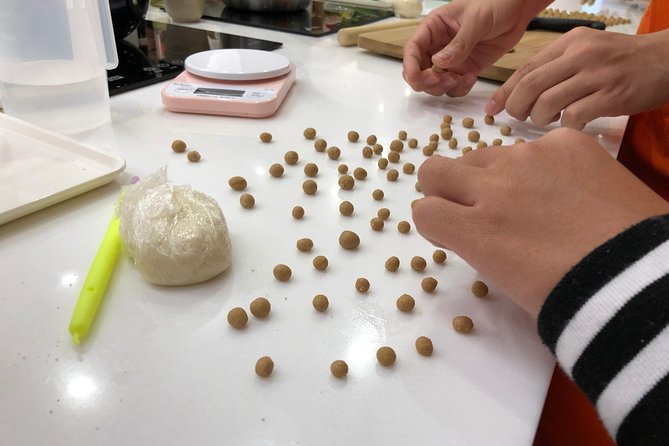
The boba section gives the class its most unusual activity. Instead of receiving a prepared drink, you make the chewy tapioca pearls from scratch and then shake a cup of bubble milk tea yourself.
This is more work than most people expect. The feedback describes the boba-making process as hard, which is not a warning to avoid it. It is a reminder that the activity has real technique behind the fun. Getting the pearls to the right texture takes attention, and your first batch may not look like factory-made boba.
That hands-on challenge is part of the value. Bubble tea is familiar around the world, but making the pearls shows you how much labor sits behind the little chewy spheres at the bottom of the cup.
You also get the satisfaction of finishing the drink yourself. Shaking the tea gives the lesson a clear final step, and it makes the drink more personal than ordering one from a shop.
If you are booking mainly for the boba, keep the two-hour limit in mind. You will make the pearls as part of a broader class, alongside the buns and pork dishes. This is a taste of the process, not a long pastry-style workshop focused only on tapioca.
A patient guide and a genuinely small class
The instructor’s style can shape a cooking class more than the menu does. Angela is specifically praised as friendly, capable, interesting, and patient with children. That combination matters if your group includes younger cooks or people who are not comfortable in a kitchen.
Children ages 8, 10, and 11 were happily included in the activities, so this can work well for a family looking for something more active than a standard meal. You should still expect children to follow instructions around cooking equipment and ingredients, but the class is described as easy and fun for everyone.
The small-group size also supports direct help. With no more than eight people, you are less likely to disappear at the back of a large demonstration. You can ask about shaping the buns, handling the pork, or getting the boba texture right.
The supplied information does not guarantee that Angela teaches every session. It is safest to think of her as an instructor associated with the experience, not as a promise for your exact date. Still, the teaching style described gives you a good sense of the class’s tone: practical, patient, and suitable for mixed ages.
Sitting down to eat your homemade meal
At the end, you sit down and eat the food prepared during the class. That changes the pace from lesson to meal and gives you a clear reward for the work.
Come hungry, but not starved. You will be handling food for about two hours, and the meal is part of the class rather than an extra stop at a restaurant. The portions are not specified, so I would not book this as your only plan for a major dinner unless you are comfortable deciding afterward.
The meal also lets you compare the dishes. The gua bao gives you soft bread and rich pork, the lu rou fan offers braised pork with rice, and the bubble tea brings a sweet drink with chewy pearls. Together, they show different sides of Taiwanese small-eat culture.
The shared meal is especially useful for families and couples. You get to taste the final results together and talk about which recipe you would make again. It also gives you a natural ending instead of leaving immediately after the cooking is done.
What the $79 price buys you
At $79 per person, the class costs more than buying gua bao, rice, and bubble tea from a street-food stall. If your only goal is to eat cheaply, a market or local shop is the better choice.
The value appears in the work and instruction. You are paying for about two hours of guided cooking, ingredients for several dishes, a meal, a small-group setting, and a recipe book. You also get a skill you can carry home, particularly the method for steamed buns and tapioca pearls.
The recipe book is more than a decorative extra. It gives you a reference for trying the dishes again, which is important because some of the techniques are easy to forget once you leave Taipei. One participant specifically valued it as a souvenir and planned to cook the food again at home.
I would call the price fair for someone who wants an activity as well as lunch or an early dinner. It is less convincing for a person who dislikes cooking, wants a large meal, or has already taken several food classes during the trip.
Who will get the most from this class
This experience suits you if you want to understand how familiar Taiwanese dishes are made instead of only photographing or eating them. It is also a strong choice for a short Taipei visit because the two-hour format gives you a focused activity without taking a whole day.
Families should consider it, especially if the children enjoy mixing, shaping, and making food. The instructor’s patience with children is a useful sign, though the class still requires attention and participation.
It also works for couples, friends, and solo visitors who enjoy a social activity with a clear result. The eight-person limit keeps the group from feeling too large, and the meal creates an easy way to share the experience.
You may want to skip it if you are looking only for the lowest-cost meal in Taipei. You may also prefer a food tour if your main interest is tasting many dishes across the city rather than learning a few recipes in one room.
Timing, cancellation, and useful planning notes
The class begins at 2:30 pm, lasts approximately two hours, and returns to the meeting point. Plan around that fixed start time rather than assuming you can arrive whenever you like.
Free cancellation is available when you cancel at least 24 hours before the start time. Cancellations or changes made less than 24 hours before the local start time are not refunded, and the experience requires a minimum number of participants. If that minimum is not met, you are offered another date or experience, or a full refund.
The booking confirmation arrives at the time of booking, and the mobile ticket makes the entry details easy to keep on your phone. Since the activity takes place in a classroom, the quality of your experience depends on arriving at the correct second-floor address with enough time to get settled.
Should you book this Taipei cooking class?
Book it if you want a hands-on look at Taiwanese street food and like the idea of eating the results. The gua bao lesson, recipe book, small group, and homemade boba make this more useful than a simple tasting stop.
The strongest match is a curious eater, family, couple, or solo visitor who values practical skills and a relaxed two-hour activity. The $79 price makes sense when you count the instruction, food, meal, and take-home recipes.
Skip it if you want the cheapest possible meal or prefer to spend your Taipei food budget sampling many stalls. For everyone else, this is a focused way to turn three famous Taiwanese treats into something you understand, not just something you order.
FAQ
Where does the cooking class meet?
The class meets at CookInn Taiwan’s Zhongshan classroom, located at 66 Section 1, Chengde Road, second floor, in Datong District, Taipei.
What time does the class start?
The class starts at 2:30 pm.
How long does the experience last?
The cooking class lasts approximately two hours and ends back at the meeting point.
What dishes do you make?
You make gua bao steamed buns, learn to braise pork for lu rou fan, and prepare chewy tapioca pearls for bubble milk tea.
How many people can join the class?
The activity has a maximum of eight participants.
Is a meal included?
Yes. You sit down to enjoy the food prepared during the class, so you should arrive ready to eat.
Can I cancel for a refund?
You can receive a full refund if you cancel at least 24 hours before the experience start time. Cancellations or changes made less than 24 hours before the start time are not refunded.
More Food Tours in Taipei
- SF’s Chinatown: Tea & Dim Sum Food Tour – Includes full meal, 3hr
★ 5.0 · 153 reviews - Experience all of Japanese culture and Japanese food experience classes “origami, udon, Japanese food, green tea, calligraphy” in 4 hours
★ 5.0 · 105 reviews - Full Day Food Tour Of Delhi with a chef. Includes Tea Tasting
★ 5.0 · 20 reviews - Tea and Doughnuts: Historic Walking Food Tour of Southwark
★ 4.6 · 14 reviews
More Food and Drink Tours in Taipei
- Taipei: Taiwan Traditional Breakfast & Market & Tea Tasting
★ 5.0 · 6 reviews - Taiwanese Baking Class with Oolong Tea Tasting in Taipei
★ 5.0 · 4 reviews - Jakarta: Volcano, Tea/Rice Fields, Hot Spring, Local Food
★ 4.9 · 515 reviews - Private Tea Ceremony and Sake Tasting in Kyoto Samurai House
★ 5.0 · 163 reviews
Fresh tea listings around Taipei
- Xiao long bao, Pork thick soup, Bubble milk tea. (Taiwan Cooking Class)-B★ 5.0 · 18 reviews
- Xiao Long Bao, Chicken vermicelli with mushroom and sesame oil, Tofu strips salad, Bubble milk tea. Taiwan Traditional Delicacies Experience-A (Taipei Cooking Class)★ 5.0 · 8 reviews
- Taiwan Traditional Delicacies Experience, Xiao Long Bao, Chicken vermicelli with mushroom and sesame oil, Tofu strips salad, Bubble milk tea.★ 5.0 · 6 reviews
- Xiao Long Bao, Chicken vermicelli with mushroom and sesame oil, Tofu strips salad, Bubble milk tea. Taiwan Traditional Delicacies Experience-A (Taipei Cooking Class)★ 5.0 · 5 reviews
- Taiwanese Baking Class with Oolong Tea Tasting in Taipei★ 5.0 · 4 reviews
- Taipei Fresh Market Tour and Colorful Bubble Tea Making★ 5.0 · 6 reviews
- Pineapple Pastry with Egg Yolk, Longan Cake, High Mountain Oolong Tea. Taiwan Traditional Dessert Experience-D (Taipei Cooking Class)★ 5.0 · 2 reviews
- Sip & Savor: Maokong Tea & Shenkeng Stinky Tofu Private Day Tour★ 4.5 · 9 reviews
Bubble Tea Experiences, compared.
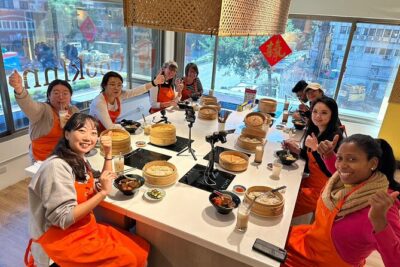
Xiao Long Bao, Beef Noodles & Boba Tea Cooking Class in Taipei
Read our review →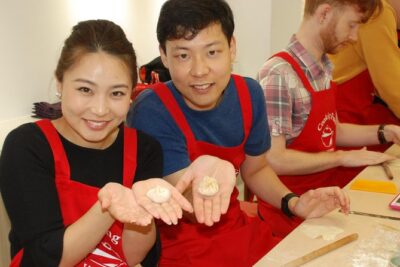
Xiao Long Bao & Boba Tea Cooking Class in Taipei
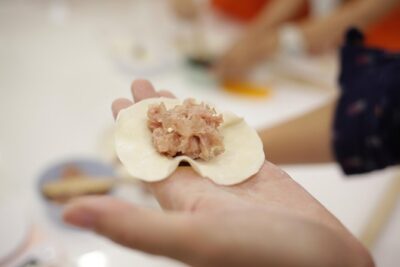
Read our review →
Xiao Long Bao, Pork thick soup, Bubble milk tea. Taiwan Traditional Light Meals Experience-B (Taipei Cooking Class)
Read our review →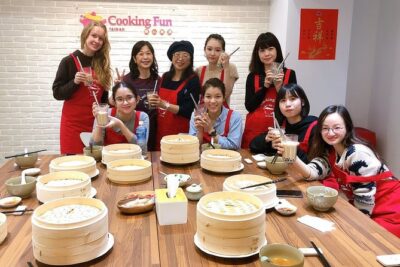
Xiao long bao, Pork thick soup, Bubble milk tea. (Taiwan Cooking Class)-B
Read our review →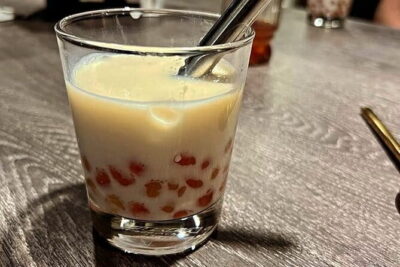
Taipei Fresh Market Tour and Colorful Bubble Tea Making
Read our review →
Browse the lists this tour appears in