
Review · COFFEE EXPERIENCES
Tea & Coffee Tour
Dalat’s tea and coffee country is the real draw here. You move from the old French railway station to Arabica fields, curving tea rows, a waterfall, and a pagoda covered in glass and pottery. It is a good way to connect the drink in your cup with the work behind it.
I like the private vehicle and guide, since the route covers several stops spread around Dalat. I also like the chance to compare a plantation visit with a proper coffee tasting, rather than simply stopping at a café. The guide speaks English, and one review specifically praised the guide’s English and the interesting nature of the tour.
The main point to check is the timing. The tour is described as five hours, but the detailed schedule runs from about 8:30 in the morning until 4:30 in the afternoon, including lunch. Confirm the exact duration and start time before paying, especially if you have evening plans.
Key points at a glance
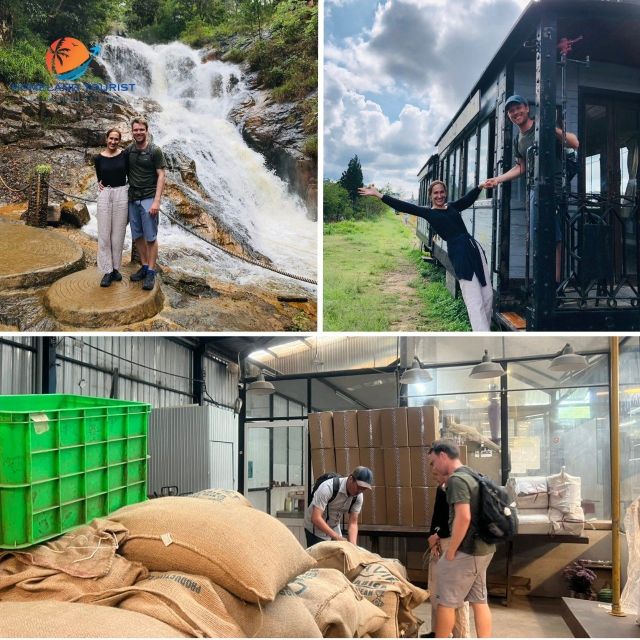
- Arabica from field to factory: Learn about picking, sorting, drying, and milling coffee seeds.
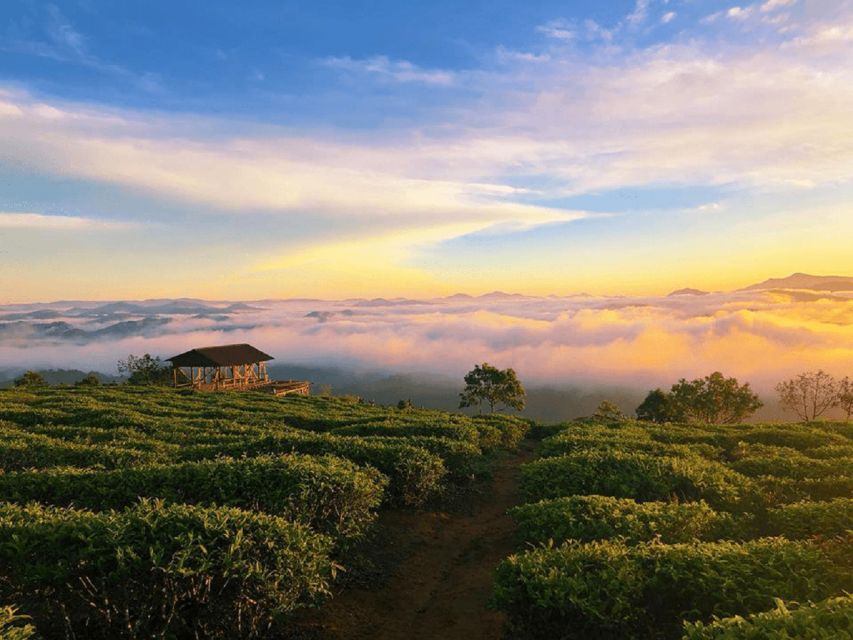
- Cau Dat tea country: See tea rows spread over rolling green hills and watch tea picking in the fields.
- Dalat’s French-era railway station: Visit an old Indochina railway site with French architecture, a steam locomotive, and a distinctive cog railway connection.
- Two possible indoor stops: Depending on opening hours, visit the Dalat wine showroom and taste wine, or see the Tea Museum.
- Unusual Linh Phuoc Pagoda: Look for the 49-meter dragon covered with fragments from about 50,000 beer bottles.
- Private value for couples: The $128 price covers a group of up to two people, with transport, guide, entrance fees, and water included.
Why this tour works for coffee and tea lovers
I like tours that explain how a local product is made instead of treating a plantation as a quick photo stop. This one gives coffee the clearest treatment. At the Arabica plantation, your guide explains how coffee is picked, how beans are selected in the field and factory, and how the seeds are dried and milled.
That matters because Arabica coffee is not simply collected and poured into a machine. The stages after picking affect the final taste and smell. You get a basic picture of how the beans become Arabica instant coffee, then continue the conversation at a coffee shop later in the day.
The tea stop adds a useful contrast. At Cau Dat, tea rows follow the curves of the hills, and tea pickers in colorful clothing work among them. The point is less about a formal tasting lesson and more about seeing how tea is grown and gathered in the area around Dalat.
You will have the chance to try tea and coffee during the day. The final coffee shop stop gives your guide more time to explain Dalat’s coffee story and answer questions. If you already know a fair bit about coffee, the explanations may feel introductory. For most people, though, the connection between plantation, processing, and tasting should make the day more meaningful.
More Coffee Experiences in Vietnam:
- Coffee – Wine – Tea Da Lat’s Agricultural Treasures Tour
★ 4.8 · 63 reviews - Vietnam Tea Tasting – Giang Egg Coffee & Train Street Visit
★ 5.0 · 10 reviews - Tea & Coffee Experience
★ 5.0 · 10 reviews
Starting with Dalat’s railway station
Pickup is scheduled for 8:30 a.m. from your hotel or another location in central Dalat. The first stop is Dalat Railway Station, an old French-built station with a steam locomotive from Japan and a distinctive cog railway system linked to Swiss technology.
The station offers a change of pace before the countryside. You can look at the architecture, see the old engine, and get a sense of Dalat’s French-era development. It is not a long railway journey. The value is the setting and the preserved details, rather than riding a train for hours.
The itinerary also identifies the French Quarter as part of the route. This gives the morning a useful local frame: you see the European influence in the city before heading toward the plantations outside the center.
I would bring a camera, but keep expectations reasonable. The station is one piece of Dalat’s past, not a full railway museum. Its appeal comes from the combination of architecture, machinery, and the short visit within a larger day.
Following Arabica coffee from plant to cup
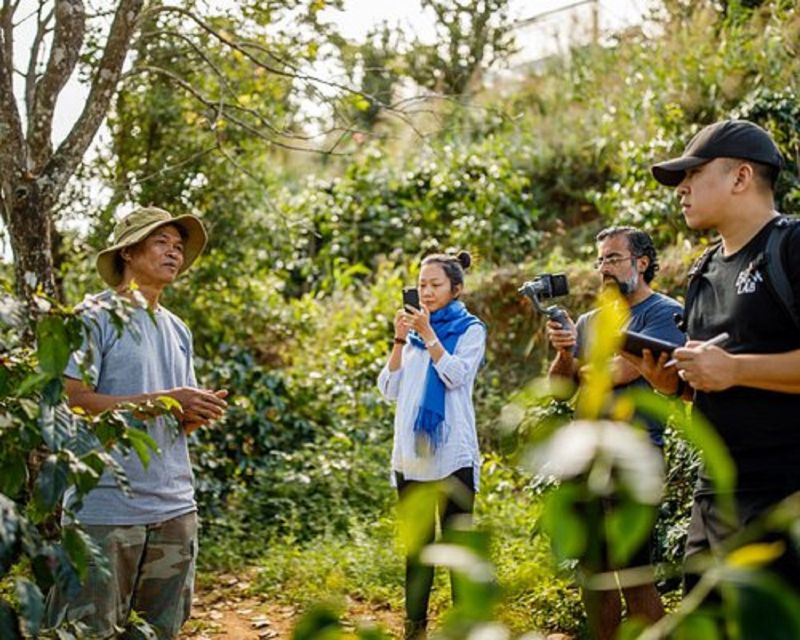
The drive toward Cau Dat brings you to green Arabica coffee plantations. Your guide explains the process at several stages, including picking coffee, selecting coffee at the field and factory, drying the seeds, and milling them.
This is the strongest educational part of the tour. You are not only looking at rows of coffee plants. You are being shown what happens after the crop is harvested. That practical explanation helps you understand why coffee can taste and smell different depending on how it is handled.
The description refers to Arabica instant coffee with a special taste and pleasant fragrance. Keep in mind that the visit is an introduction rather than a professional coffee course. The information is useful for curious drinkers, but the tour does not promise a technical tasting class or a lesson in brewing methods.
Still, I see real value here. Dalat is known for its coffee culture, and a plantation visit gives you something a city café cannot. You see the growing side of the product before you sit down to drink it.
Walking through Cau Dat’s tea hills
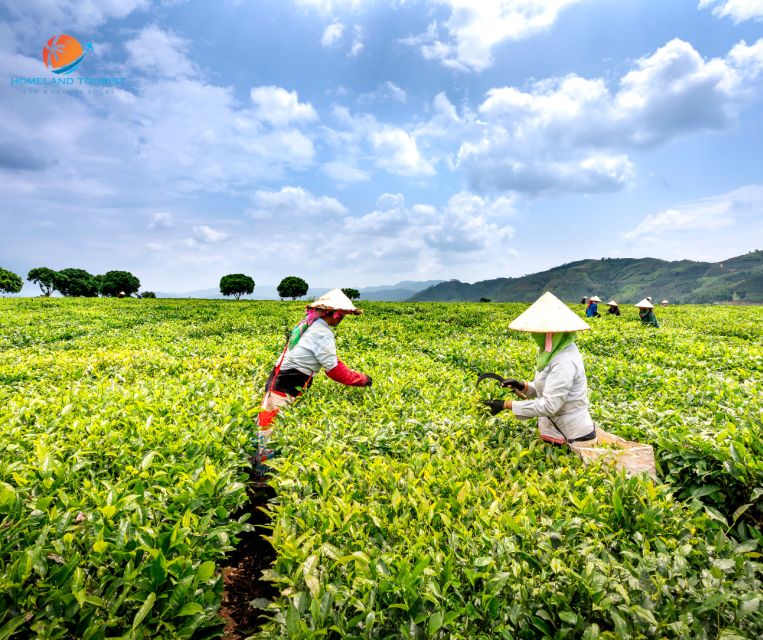
The tea plantation is one of the most scenic parts of the route. Tea rows stretch across curved green hills, with tea pickers working through them. The giant turbine is another feature of the Cau Dat stop.
The plantation visit should appeal even if tea is not your main interest. The rows provide a clear view of how carefully the crop is arranged, while the workers show the human side of production. This is a working agricultural area, so the experience is about observing the setting and learning from the guide, not taking part in tea harvesting.
You may want practical footwear here. The supplied details do not promise a long hike, but plantation ground can be uneven, and the day includes several outdoor stops. Comfortable shoes and protection from the sun are sensible choices.
The tea and coffee stops also make the tour more balanced. Coffee receives more detailed processing information, while tea gives you a broad look at plantation life and the appearance of the growing fields.
More tea experiences around Vietnam if you are still choosing
- Huong River Afternoon Tea Cruise Tour Along Hue City
★ 5.0 · 14 reviews - Hue Retreat: Tea and Meditation with Vegetarian Meal
★ 5.0 · 9 reviews - Ho Chi Minh City: Vietnamese Lotus Tea Culture Experience
★ 5.0 · 5 reviews - Coffee – Wine – Tea: Dalat Treasures tour
★ 3.5 · 5 reviews
Choosing between Dalat wine and the Tea Museum
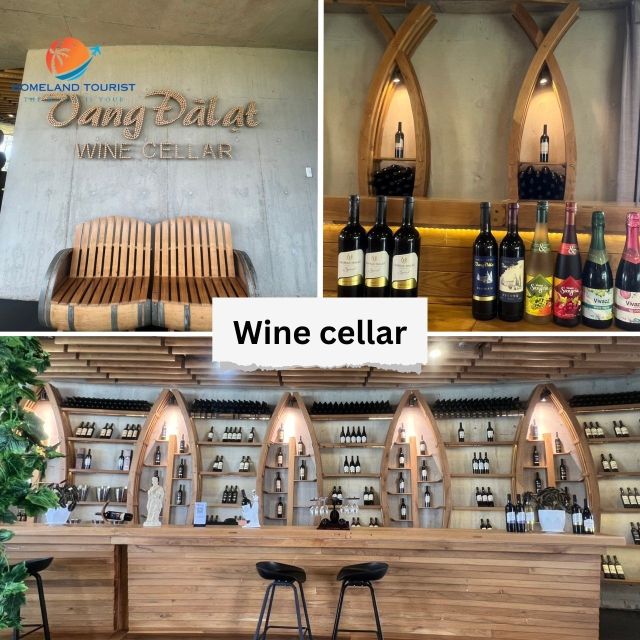
One indoor stop depends on the opening time of the facility. You may visit the Dalat wine showroom, where you can learn about wine production and taste the wine. If the factory is not open, the alternative is the Tea Museum.
This flexible choice is useful, but it also means you should not treat both places as guaranteed stops. The tour allows one of them, depending on operating hours. If wine production interests you, ask about the factory schedule when you book. If the Tea Museum is the better option that day, you still keep the tea theme going after the plantation.
The wine stop offers a different kind of local production story. You hear how wine is made and taste the result. The Tea Museum should provide more background on tea, although the available information does not specify its displays or tasting program.
I would consider this a bonus rather than the main reason to book. The plantation visits, railway station, pagoda, and waterfall carry the day. The indoor stop adds variety and gives you a place to slow down if the schedule allows.
Linh Phuoc Pagoda and its bottle-covered dragon
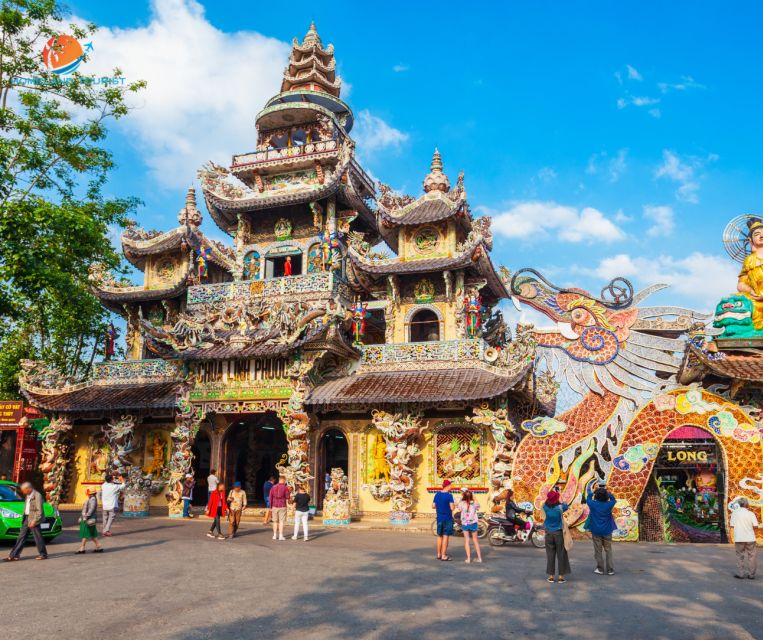
Linh Phuoc Pagoda is one of the more unusual stops. Its architecture uses broken glass, pottery, and porcelain to form colorful designs. The site also includes a Guan Yin statue made with immortal flowers of Vietnam.
The most memorable detail is the 49-meter dragon. Its fin is covered with fragments from about 50,000 beer bottles. That is the kind of specific feature that makes the pagoda worth seeing in person. It is not just another religious building added to a sightseeing route.
Your guide can help you notice the materials and explain what you are looking at. Without that context, the busy decoration could seem like a mass of color and fragments. With a little explanation, you can pay attention to the craft and the unusual use of recycled objects.
The pagoda is also a welcome shift from plantations and production sites. You move from agriculture into religious art and local design. Dress and behavior should be respectful at this kind of site, even though the tour information does not list a formal dress code.
Dantala Waterfall for an outdoor change of pace
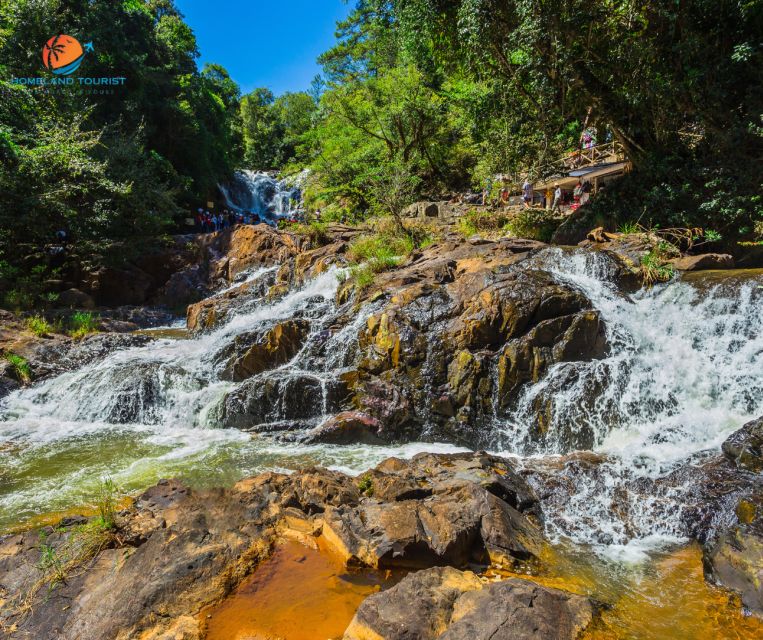
After lunch, the itinerary continues to Dantala Waterfall. The stop is intended for seeing the waterfall and the surrounding natural setting around Dalat.
This is a straightforward nature break after a morning of farms and cultural sites. You can expect the sound and movement of falling water, along with a chance to look around away from the city. The supplied details do not specify walking distances, rides, or activities at the waterfall, so do not book this expecting a particular adventure attraction.
Lunch is not included in the price. It can be added for $10 per person, which keeps the basic tour price lower for people who prefer to choose their own meal. If you want the day to run smoothly, the optional lunch may be convenient. If you have dietary preferences or want more control over what you eat, ask how the lunch arrangement works before the tour.
The order of the day matters here. By placing the waterfall after lunch, the tour gives you an outdoor stop late in the schedule before the final coffee tasting.
Finishing with a proper coffee stop
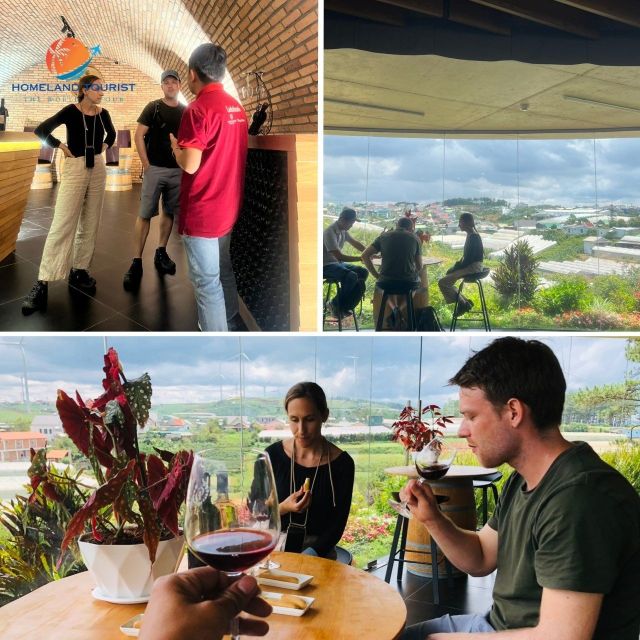
The last stop is a coffee shop, where you can enjoy a cup and continue the conversation with your guide. This is a sensible ending because you have already seen Arabica growing and learned about drying and milling.
The coffee shop is not simply a refreshment stop. It is where the earlier information can come together. You can ask about the coffee you are drinking and better understand how it relates to the plantation visit.
Coffee quality and serving style can vary, and the tour details do not specify the exact drink menu or brewing method. The safe expectation is a cup of coffee and an explanation of Dalat’s coffee story, not a guaranteed specialty brewing demonstration.
The tour is scheduled to finish around 4:30 p.m. based on the detailed plan. Since the stated duration is also five hours, I would confirm this before booking. The difference could affect your transport, dinner reservation, or onward plans.
What the $128 price actually includes

The cost is $128 for a private group of up to two people. For a couple, that works out to $64 each. The price includes an English-speaking guide, private vehicle, entrance fees, tourist permits, and bottled water.
That is a reasonable structure for a full route with several stops, especially if you value having your own vehicle and guide. The private format should also make the day more personal than a large coach outing. You are not paying only for a plantation ticket. Transport between scattered locations and interpretation are part of the package.
Lunch is extra at $10 per person if you choose the offered option. Personal major medical and evacuation insurance are not included, and insurance is recommended.
The provider also gives a voucher for its BBQ restaurant and a 5 percent discount on a second booking. Those extras may be useful if they fit your plans, but I would treat them as secondary. The main value is the private transport and the range of stops.
Free cancellation is available up to 24 hours before the tour for a full refund, and you can reserve now and pay later. Those terms help if your Dalat schedule is still shifting.
Who should book this Dalat day out
I would recommend this tour to couples, coffee drinkers, tea fans, and first-time visitors who want several sides of Dalat in one outing. It combines local agriculture, French-era architecture, religious art, a waterfall, and tasting stops without requiring you to arrange separate transport.
It is also a good fit if you prefer a private group. You can ask questions about coffee, adjust your attention between tea and coffee, and travel in a private vehicle rather than joining a larger group.
You may want a different plan if you want a serious coffee course, a long plantation hike, or an exact five-hour outing. The tour provides an introduction to production and tasting, not a specialist certification or detailed brewing workshop. The schedule also needs clarification because the stated duration and detailed finish time do not match.
Bring comfortable shoes, water-friendly clothing for the outdoor portions, and enough room in your schedule for a full day if the 8:30 a.m. to 4:30 p.m. plan is correct. Pickup is included from a hotel or other place in central Dalat, and you should wait in the lobby 10 minutes before pickup.
Should you book the Tea and Coffee Tour?
Book it if you want Dalat’s coffee and tea story placed inside a wider day of sights. The plantation stops are the heart of the experience, while the railway station, Linh Phuoc Pagoda, and Dantala Waterfall keep the day from becoming a single-topic outing.
The private price makes the most sense for two people sharing the group rate. Before confirming, ask the provider to clarify the actual duration, lunch arrangements, and which of the wine showroom or Tea Museum will be open. If those details suit your plans, this is a practical way to see more of central Vietnam around Dalat and finish with a cup that has a clear connection to the place where it was grown.
FAQ
Where does the Tea and Coffee Tour take place?
The tour takes place in central Vietnam around Dalat. It includes Dalat’s French Quarter, railway station, Arabica coffee plantations, Cau Dat tea plantations, Linh Phuoc Pagoda, Dantala Waterfall, and a coffee shop.
How much does the private tour cost?
The price is $128 per private group of up to two people.
How long is the tour?
The activity information gives a duration of five hours, but the detailed schedule begins at 8:30 a.m. and ends around 4:30 p.m. Confirm the exact timing before booking.
Is hotel pickup included?
Yes. Pickup is included from your hotel or another location in central Dalat. You should wait in the hotel lobby 10 minutes before the scheduled pickup time.
Is the tour private?
Yes. The group type is a private group, and transport is provided by private vehicle.
Is an English-speaking guide provided?
Yes. The tour includes a live English-speaking guide. The guide explains coffee processing and the coffee story of Dalat.
Is lunch included?
No. Lunch is not included in the base price. An optional lunch is available for $10 per person.
Can I visit both the Dalat wine showroom and the Tea Museum?
No. The itinerary provides one of these stops, depending on opening hours. You may visit the wine showroom and taste wine, or visit the Tea Museum.
What is included in the price?
The price includes an English-speaking guide, private vehicle, entrance fees, tourist permits, bottled water, a BBQ restaurant voucher, and a 5 percent discount on a second booking.
Fresh tea listings around Vietnam
- Da Lat: Sunrise Panorama, Green Tea Hill and Strawberry Farm★ 4.0 · 3 reviews
- Vietnam Tea Tasting – Giang Egg Coffee & Train Street Visit★ 5.0 · 10 reviews
- Tea Omakase in Ho Chi Minh City★ 5.0 · 2 reviews
- Huong River Afternoon Tea Cruise Tour Along Hue City★ 5.0 · 14 reviews
- Hue Retreat: Tea and Meditation Tour with Vegetarian Meal★ 5.0 · 4 reviews
- Hue: Lotus in a Cup Tea Workshop★ 5.0 · 2 reviews
- Hue Retreat: Tea and Meditation with Vegetarian Meal★ 5.0 · 9 reviews
- Ho Chi Minh City’s Hidden Gem: Experience Lotus Tea Culture★ 5.0 · 2 reviews
Coffee Experiences, compared.

Istanbul Highlights: Guided Tour with Turkish Tea or Coffee
Read our review →
Coffee – Wine – Tea Da Lat’s Agricultural Treasures Tour
Read our review →
Volcano, Hot Spring, Tea Factory, rice fields and Coffee Tour
Read our review →
Jakarta :Volcano, HotSpring, Tea Factory, RiceField, &Coffee
Read our review →
Vietnam Tea Tasting – Giang Egg Coffee & Train Street Visit
Read our review →
Pigadia: Agia Kyriaki Guided Hike with Coffee/Tea and Raki
Read our review →Browse the lists this tour appears in