
Review · USA TEA TOURS
San Francisco: Chinatown Dim Sum and Tea Tour
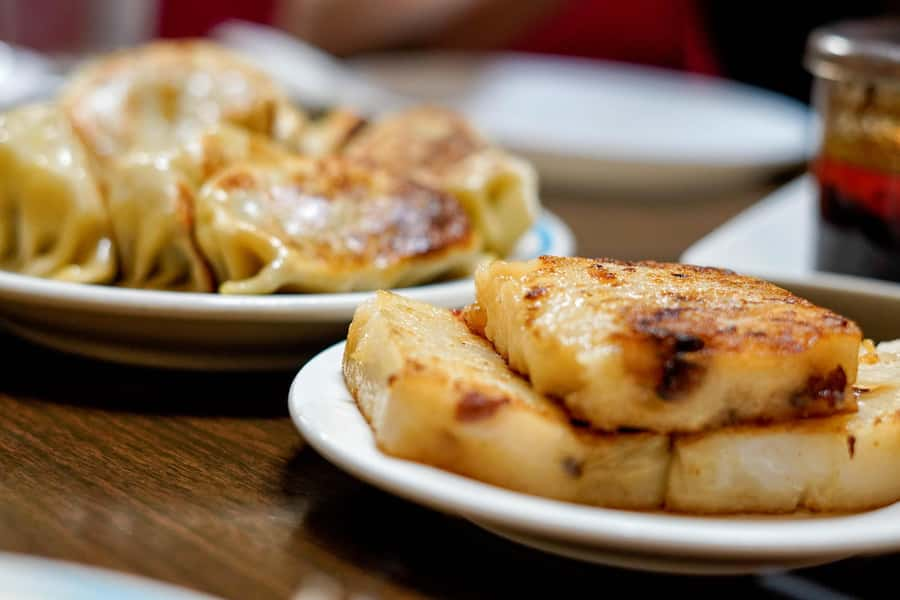
San Francisco’s Chinatown reveals itself one bite at a time on this three-hour food walk. You begin with dim sum, visit the world’s first fortune cookie factory, sip bubble tea through old alleyways, and finish with a traditional tea tasting. It is part meal, part neighborhood walk, and part history lesson.
I like the small group of 10 or fewer, which gives the guide room to explain unfamiliar foods and answer questions. I also like the way the tour mixes well-known treats, such as duck and fortune cookies, with less obvious stops at a family bakery, old alleys, and a nostalgic tea shop.
The main consideration is the $99 price. That includes a full meal and several tastings, but some of the food arrives in sample portions, and one recent booking found the cost a little high for what was served. Come hungry, but judge the value partly by how much you care about guided context.
Key points at a glance
- Dim sum starts the meal: Begin at House of Dim Sum with traditional small plates and an introduction to Chinatown.
- Fresh fortune cookies: Watch cookies being made, try them warm, and visit the factory described as the first of its kind in the world.
- Food and neighborhood stories: Walk through alleyways linked with gambling halls, sailors, and 10-cent haircuts.
- More than one sweet stop: Try a bubble tea, a heritage bakery pastry, fruit mochi, and dessert.
- A proper tea finish: Learn about Chinese tea customs during a tasting at a traditional tea shop.
- Easy small-group format: The English-language tour lasts three hours, welcomes up to 10 people, and is wheelchair accessible with advance questions encouraged.
Starting with dim sum at House of Dim Sum
The tour meets outside House of Dim Sum, right in Chinatown. That is a useful starting point because the meal begins at once, rather than wasting the first part of the tour on introductions and a long walk.
Dim sum is served as the opening course, so you should arrive ready to eat. The point is not simply to fill your plate. Your guide uses the food to explain Chinatown and the traditions behind the meal. If you have never ordered dim sum, the guided setting can make the first encounter less awkward.
Expect a selection of traditional bites rather than a single main dish. The precise dishes are not fixed in the information provided, so you should not book this expecting one particular dumpling or bun. The larger meal later includes duck, savory rolls, dessert, soft drinks, and other samples.
I like this beginning because food gives the neighborhood a clear focus. You are not just hearing dates and names. You are learning through what is on the table, how it is eaten, and why shared small plates matter.
More tea experiences around the USA if you are still choosing
- Tea Around Town: High Tea Experience and Tour of Washington DC
★ 4.0 · 154 reviews - SF’s Chinatown: Tea & Dim Sum Food Tour – Includes full meal, 3hr
★ 5.0 · 153 reviews - Tea Around Town® NYC: Mobile Tea Room Experience
★ 3.5 · 99 reviews
Fortune cookies fresh from the factory
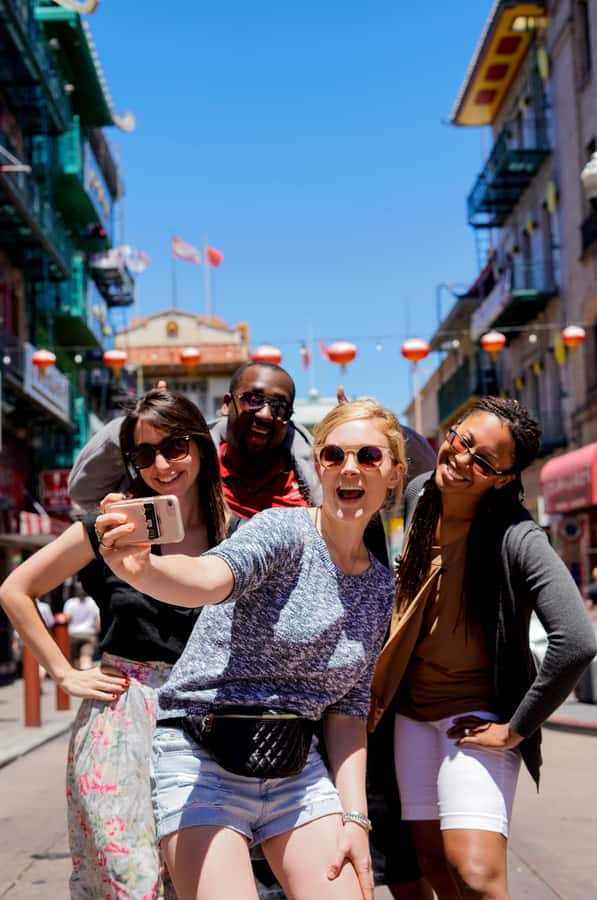
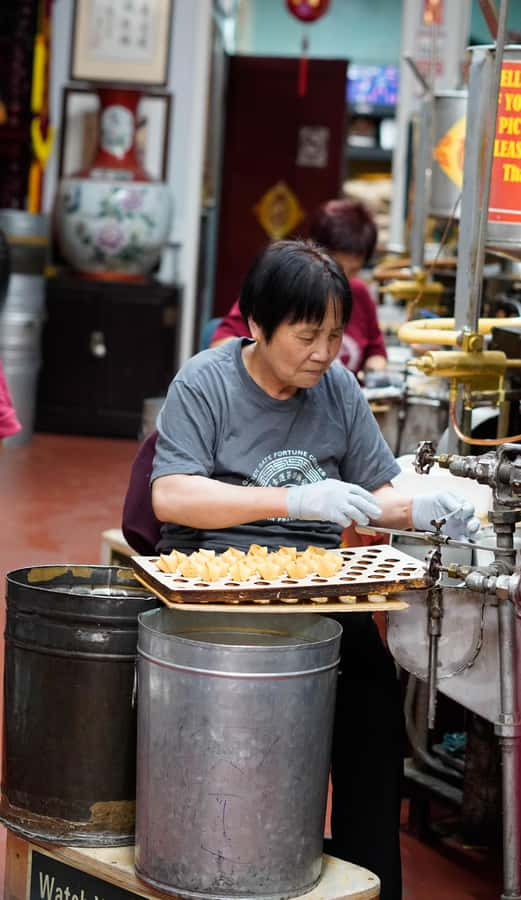
The next stop takes you to a fortune cookie factory. You can watch the cookies being shaped, sample them fresh, and see the production process at close range.
This is one of the tour’s most distinctive stops. Fortune cookies are now associated with Chinese restaurants across the United States, yet the factory visit gives you a chance to look at the object as a San Francisco invention and a piece of local food culture. The tour describes this as the first fortune cookie factory in the world.
Fresh cookies are a better experience than a packaged cookie at the end of a meal. They are warm, crisp, and connected to the place where they are made. You also get the small pleasure of opening one and seeing what message you receive.
This stop is brief in spirit, even if the exact timing can change. It is best understood as a lively food demonstration, not a long factory tour. If you want a detailed account of machinery or large-scale production, the description does not promise that. What you do get is a memorable Chinatown stop that most visitors would not find on their own.
Bubble tea through Chinatown’s old alleyways
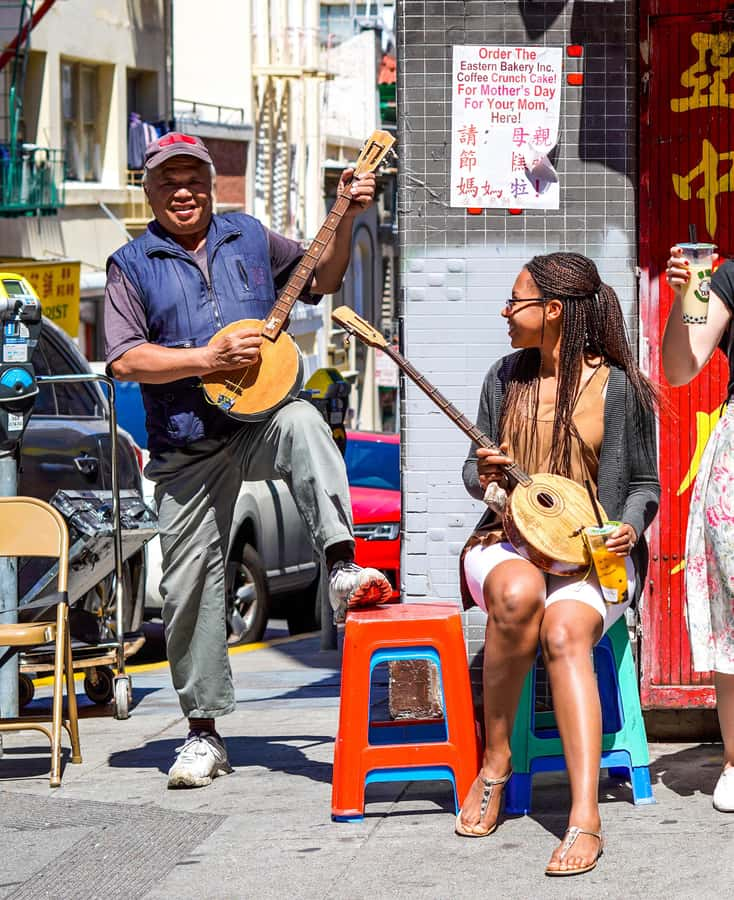
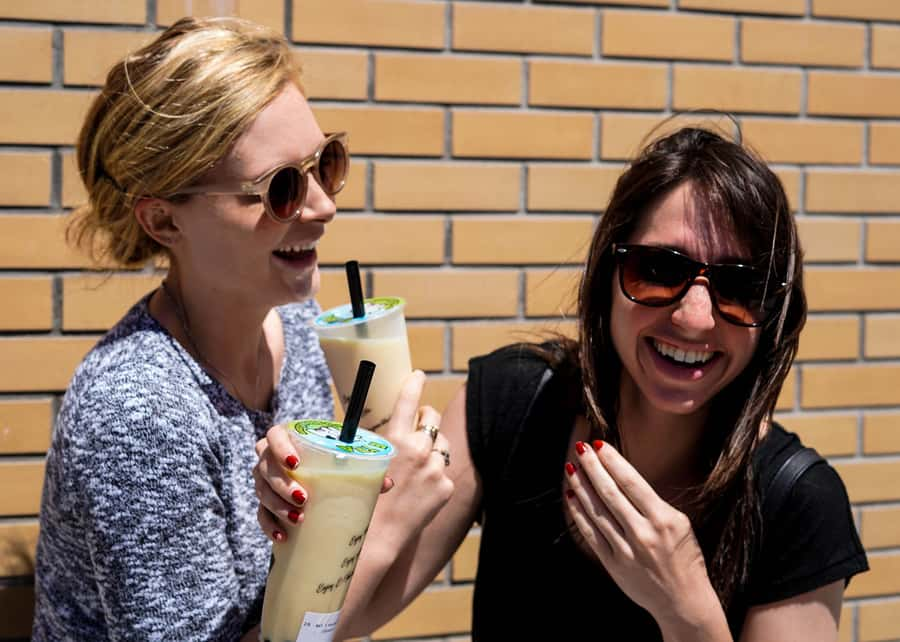
With bubble tea in hand, you walk into the side streets and alleyways of Chinatown. The drink adds a modern note to a neighborhood often presented through older buildings and traditional restaurants.
The alley walk is where the tour expands beyond food. You hear about gambling halls, sailors, 10-cent haircuts, and the people who came to San Francisco hoping to build a new life. Those details help you picture Chinatown as a working neighborhood, not just a backdrop for restaurants and souvenir shops.
I especially like the contrast here. You move from a sweet, chewy drink to stories about tough work, limited choices, and the hopes of newcomers. The route connects daily life with the city’s past without turning the walk into a formal museum visit.
The phrase hidden alleyways should not lead you to expect a wilderness-style discovery. These are city streets and lanes, and the exact route can depend on access and the guide. Still, the small group makes it easier to stop, listen, and notice details you might otherwise pass without a thought.
Bakery pastries and Chinatown’s survival
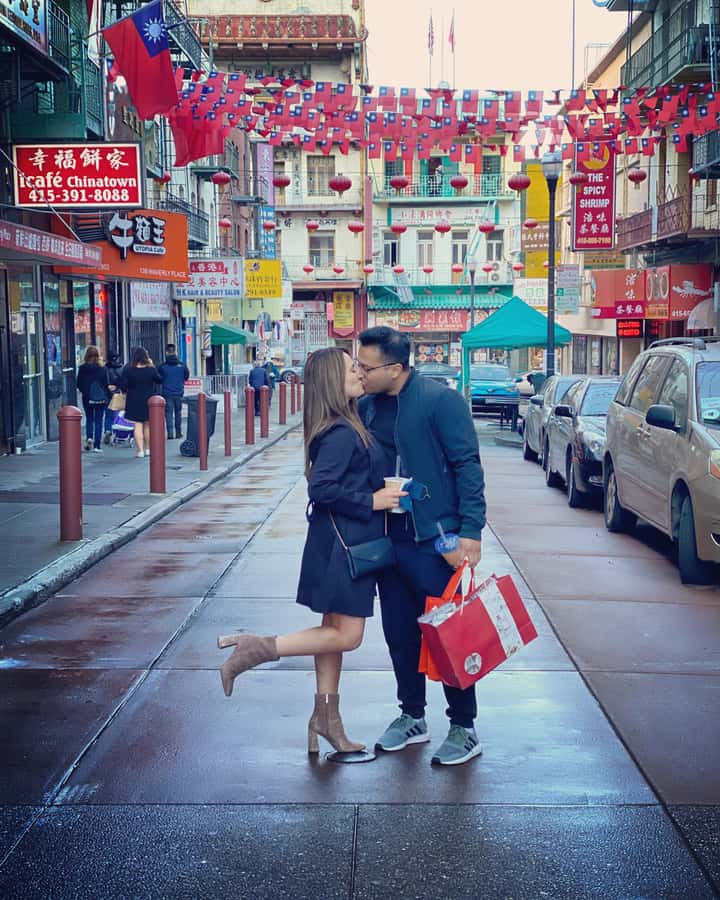
A stop at a historic, family-owned bakery adds another layer to the food story. You receive a classic Chinese pastry, with fruit mochi also included among the reported tastings.
A family bakery matters because it shows how food traditions survive through ordinary businesses. You are not just sampling a sweet. You are seeing how a neighborhood keeps familiar flavors in daily circulation, generation after generation.
The walk also passes a church that survived the 1906 earthquake and a park connected with San Francisco’s Gold Rush period. These are useful landmarks because Chinatown’s story is not isolated from the rest of the city. Its streets have been shaped by earthquakes, migration, commerce, religion, and changing ideas about who belongs in San Francisco.
The tour’s history is compact and practical. You will not receive an academic lecture, and the available details do not promise entry into every landmark. Instead, the guide uses what you see along the route to explain why Chinatown has endured and changed.
Same city, a very different cup:
- Charleston: Wadmalaw Island Wine Tasting and Tea Garden Trip
★ 4.9 · 94 reviews - Tea Around Town: A Delightful Atlanta Experience
★ 3.5 · 91 reviews - Wine Sippin’-Tea Drinkin’-Tree Huggin’ Lowcountry Sightseeing
★ 5.0 · 88 reviews - Tea Around Town Dallas: Sip and Savor the Sights
★ 3.0 · 81 reviews
Savory food, duck, and a flexible meal stop
The food continues with savory rolls and roasted specialties, including duck. Depending on the weather, you either eat outdoors in a park or settle into a local restaurant.
That weather plan is sensible, but it means the setting is not fully fixed. If you have your heart set on a picnic, a restaurant may replace it. If you prefer a seat and shelter, the reverse may happen. Either way, the food is part of the included meal rather than an extra purchase.
Peking Duck is one of the more substantial tastes on the route. It gives the meal a roasted, savory center after the lighter dim sum and sweets. The combination also helps you compare different parts of Chinese food culture: steamed or bite-sized dim sum, baked pastries, chewy bubble tea, roasted meat, and tea.
The tour includes soft drinks, but alcoholic drinks are not included. You should also remember that this is a tasting walk, not a custom restaurant crawl. The food is selected for the group, and the tour does not promise individual menu choices or children’s meals.
The tea shop finale
The final stop is a nostalgic tea shop, where tea is treated as a craft rather than a quick beverage. You taste traditional tea and hear about its place in Chinese culture.
This is the calmest part of the route. After several food stops and an active walk, sitting down to sip tea gives the experience a slower finish. The guide may also share stories from a local person connected with the shop, though that depends on who is available.
The tea tasting was the most praised part of the experience in the supplied feedback. One booking specifically highlighted learning about tea culture, and another included the tea tasting among the favorite parts of the day. That emphasis makes sense: the tea stop offers something more focused than simply trying another snack.
You may learn how tea is prepared, why different teas are valued, and how drinking tea can be a social and cultural practice. The exact teas are not listed, so do not book this expecting a named flight or a formal certification course. Think of it as an introduction with tasting and conversation.
What the $99 price really covers
At $99 per person, this is not the cheapest way to eat in Chinatown. You can buy dim sum, bubble tea, pastries, and tea on your own for less, especially if you are comfortable choosing restaurants without help.
The value comes from combining the food with three hours of guiding. The price includes dim sum, bubble tea, duck, dessert, soft drinks, a pastry stop, the tea tasting, and neighborhood interpretation. You are paying for a meal spread across several stops, plus the convenience of having someone organize the route and explain what you are seeing.
The full meal is important. This is not a quick walk with one sample and a coupon. Still, portions are likely to vary by stop, and the tour does not promise unlimited food. One recent booking rated the experience highly overall but felt it was somewhat expensive for what was received. That is a fair caution.
I would see the price as reasonable for someone who wants an organized introduction to Chinatown and would otherwise spend time guessing where to eat. It is less attractive for a confident food explorer who already knows the neighborhood and wants full-sized dishes at the lowest cost.
Small groups, walking, and practical comfort
The group is limited to 10 participants or fewer. That is a real advantage on a food walk. You can hear the guide more easily, ask questions without holding up a large crowd, and stay connected while moving through narrow city spaces.
The tour is conducted in English. Dale guided at least one recent departure and was praised for combining food, culture, and neighborhood stories. Guide quality can shape this kind of outing, so a guide who explains both the dishes and the setting adds real value.
The tour lasts three hours, with starting times that depend on availability. The meeting point is outside House of Dim Sum. Hotel pickup is not included, so you need to make your own way to Chinatown.
The experience is listed as wheelchair accessible, but the operator asks people with access needs to contact them for more details. That is sensible for a walking route through city streets and alleyways. Pets are not allowed.
Wear comfortable shoes and leave room for a proper meal. The tour is not recommended for children under 7, and anyone over 7 needs a full ticket because children’s meals are not provided. Children under 2 are free.
Who will get the most from this Chinatown tour
I would recommend this experience to first-time visitors who want an easy introduction to Chinatown without spending hours researching restaurants and landmarks. It also suits people who like food tours with a clear cultural thread, rather than a sequence of disconnected snacks.
It is a good fit if you are curious about Chinese tea, unsure how dim sum works, or interested in the neighborhood’s immigrant story. The small group should also appeal to you if large bus tours feel impersonal.
Families with older children may enjoy the fortune cookies, bubble tea, duck, and pastries. The age guidance is clear, though: this is not designed for children under 7. Younger children may struggle with the walking, the meal format, or the amount of history woven into the route.
I would be more cautious if you have strict dietary requirements, since the available details do not describe substitutions or a full ingredient list. Ask before booking rather than assuming the group menu can be changed.
Free cancellation up to 24 hours before the start and the option to reserve now and pay later make planning easier. Those policies do not change the food value, but they help if your San Francisco schedule is still moving around.
Should you book the Chinatown Dim Sum and Tea Tour?
Book it if you want a three-hour introduction to Chinatown built around a full spread of food, with an English-speaking guide and a small group. The fortune cookie factory, old alleyways, family bakery, roasted duck, and tea shop give the route more range than a standard dim sum meal.
Think twice if your main goal is the lowest possible food bill or a long, restaurant-centered meal. At $99, the tour earns its price through organization, storytelling, and variety rather than sheer quantity.
For a first Chinatown visit, I think the balance is good. Come hungry, wear comfortable shoes, and treat the tea tasting as the thoughtful finish, not an afterthought. If you want food, local stories, and a manageable introduction to the neighborhood in one outing, this is a sensible choice.
FAQ
Where does the Chinatown Dim Sum and Tea Tour meet?
The guide meets you outside House of Dim Sum in San Francisco’s Chinatown.
How long does the experience last?
The tour lasts three hours. Starting times vary, so you need to check availability when booking.
What food and drinks are included?
The experience includes dim sum, bubble tea, Peking Duck or another roasted specialty, dessert, a Chinese pastry, savory food, soft drinks, and a tea tasting.
Is the tour suitable for children?
Children under 2 are free. The tour is not recommended for children under 7, and anyone over 7 requires a full ticket because children’s meals are not provided.
Is the tour wheelchair accessible?
The tour is designed with accessibility in mind and is listed as wheelchair accessible. You should contact the operator for details about your specific needs.
Can I cancel the booking?
You can cancel up to 24 hours in advance for a full refund. Reserve now and pay later is also available.
Fresh tea listings around the USA
- Washington, D.C.: Tea Around Town Bus Tour with Landmarks★ 3.4 · 7 reviews
- Tea By The Sea★ 5.0 · 9 reviews
- Tea Blending★ 4.5 · 8 reviews
- Tea Around Town: A Charming Tea Experience in Philadelphia★ 3.5 · 24 reviews
- St. Johns River High-Tea Cruise Tour in Sanford★ 5.0 · 2 reviews
- Premium Loose Leaf Tea and Chocolate Tasting★ 3.0 · 4 reviews
- Beach Yoga & Tea Experience on South Beach★ 5.0 · 19 reviews
- Tea Plantation and Winery Tour in Charleston★ 5.0 · 3 reviews
USA Tea Tours, compared.

Tea Around Town: High Tea Experience and Tour of Washington DC
Read our review →
SF’s Chinatown: Tea & Dim Sum Food Tour – Includes full meal, 3hr
Read our review →
Tea Around Town® NYC: Mobile Tea Room Experience
Read our review →
Charleston: Wadmalaw Island Wine Tasting and Tea Garden Trip
Read our review →
Tea Around Town: A Delightful Atlanta Experience
Read our review →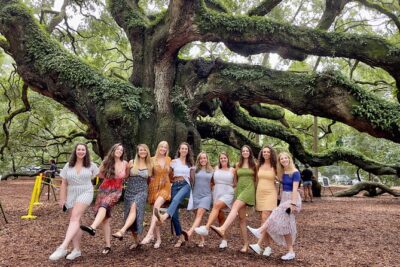
Wine Sippin’-Tea Drinkin’-Tree Huggin’ Lowcountry Sightseeing
Read our review →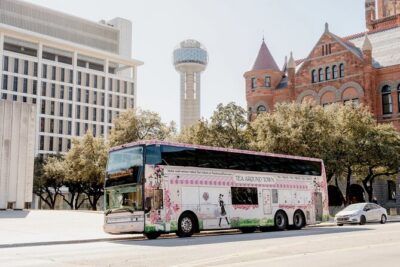
Tea Around Town Dallas: Sip and Savor the Sights
Read our review →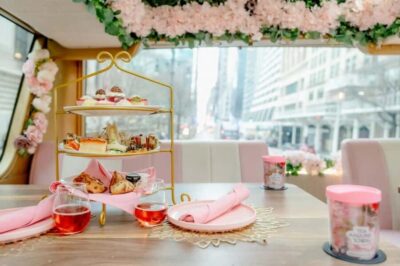
NYC: Tea Around Town Bus Tour with Live Entertainment
Read our review →Browse the lists this tour appears in